Choosing the right Fitness Dumbbells for wholesale distribution requires more than comparing advertised prices. Buyers must assess materials, manufacturing consistency, user safety, and long-term customer demand. In 2026, retailers face a crowded market filled with rubber, neoprene, cast iron, and adjustable designs. Each option serves a different training environment.
Practical testing reveals important details. A dumbbell should sit evenly on the floor, maintain a secure handle, and resist surface damage during repeated use. Check the handle diameter, knurling depth, weight tolerance, odor, and coating quality. Small defects become expensive when multiplied across hundreds of units. Packaging also matters. Strong cartons and protective inserts can reduce chipped edges and customer complaints during transit.
There is no universal best model. A budget gym may prefer durable hex dumbbells, while boutique studios may value color coding and quieter rubber heads. Sample approval remains essential. Product photos can hide uneven seams or uncomfortable grips. Even reliable factories may show variation between production batches, so inspection should not stop after the first order. Buyers should request clear specifications, test reports where applicable, and transparent warranty terms. Supplier communication matters too.
This guide compares leading Fitness Dumbbells for wholesale buyers using practical purchasing criteria. It considers performance, storage, branding potential, shipping efficiency, and expected retail appeal. Some recommendations may change after real-world testing. That is worth acknowledging. A polished specification sheet cannot replace lifting, dropping, cleaning, and inspecting the actual product. Smart buyers measure carefully, negotiate responsibly, and choose consistency over impressive promises.
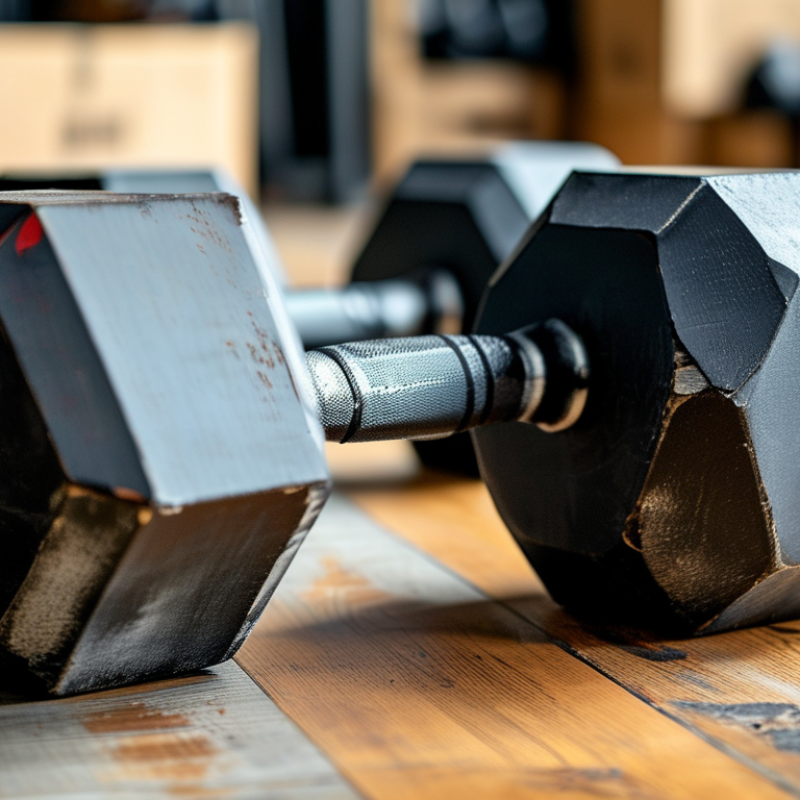
For wholesale buyers, a high-quality fitness dumbbell begins with dependable construction. A solid steel core should resist bending during repeated commercial use. The handle needs balanced knurling, not sharp edges that damage users’ palms. A secure grip matters more than an attractive finish. Check the handle diameter, total weight tolerance, and connection between the handle and heads. Small inconsistencies can become expensive across a large shipment.
Surface protection also deserves careful inspection. A durable coating should resist sweat, light impact, and storage friction. Ask for batch testing records, drop-test results, and clear weight measurements. Packaging should prevent metal contact during transport. In practical warehouse checks, I would inspect random units from different cartons, not only one sample. Perfect consistency is difficult. However, unexplained weight differences or loose parts should never be accepted as normal.
Tips: Request production samples before placing a bulk order. Test grip comfort with dry and sweaty hands. Compare measured weight with the stated weight. Review replacement procedures for damaged units. Also consider storage space, carton strength, and noise during placement. A lower price may look efficient, but frequent returns can weaken profit and customer trust. Pay attention to details that are easy to overlook.
What Defines a High-Quality Fitness Dumbbell in 2026?
This brand-neutral procurement framework assigns a practical priority weight to the factors most relevant to wholesale buyers. Weight accuracy, structural durability, surface protection, user safety, and packaging efficiency should be verified through supplier samples, inspection records, and batch testing before purchase.
2026 Best Fitness Dumbbells for Wholesale Buyers
Wholesale fitness markets need different dumbbell types, not one universal solution. Adjustable dumbbells save storage space and suit home gyms. However, their moving parts require careful inspection and clear maintenance instructions. Fixed hex dumbbells remain practical for commercial gyms because they resist rolling and support quick exercise changes. They also simplify inventory management. Coated dumbbells reduce noise and protect floors, making them useful for studios, hotels, and apartment gyms. Urethane options offer strong durability, but their higher cost may not suit every buyer.
A balanced wholesale range should match customer habits, facility size, and budget. For strength-focused gyms, heavy fixed dumbbells are essential. For wellness studios, lighter pairs with comfortable handles may sell faster. Check handle diameter, grip texture, weight accuracy, coating consistency, and packaging strength before placing large orders. Test several samples on rubber flooring. Small defects become expensive complaints later. A perfect product mix does not exist. Market feedback should adjust future purchases.
Tips: Stock common weights deeply, but keep unusual sizes limited. Ask distributors for test reports, material details, and replacement policies. Confirm carton dimensions before shipping. Measure twice. Also, review customer returns every quarter. That data often reveals problems that product catalogs hide.
| Dumbbell Type | Typical Weight Range per Dumbbell | Common Construction | Typical Handle and Surface Features | Key Wholesale Advantages | Best-Suited Fitness Markets | Storage and Logistics Considerations | Primary Limitations | Recommended Wholesale Positioning |
|---|---|---|---|---|---|---|---|---|
| Rubber Hex Dumbbells | 2.5–100 lb (1–45 kg) |
Cast-iron heads with a bonded rubber coating; six-sided head design. | Chrome or stainless-steel knurled handle; textured rubber heads for floor protection and noise reduction. | Good durability, stable storage, low rolling risk, and broad weight coverage. Suitable for repeated commercial use. | Commercial gyms, hotel fitness rooms, personal-training studios, school gyms, and home-fitness retailers. | Hexagonal heads stack efficiently and reduce rolling during transport. Rubber odor and temperature exposure should be checked before shipment. | Rubber surfaces can mark certain floors, and heavier units require more carton protection. | Core all-purpose commercial range with strong demand across entry-level and professional fitness channels. |
| Urethane Dumbbells | 5–100 lb (2.5–45 kg) |
Steel or cast-iron core with molded polyurethane heads. | Fine or medium knurling; smooth, low-odor, abrasion-resistant head surface; many models use embossed weight markings. | High resistance to sweat, oils, abrasion, and color fading. Premium appearance and long service life. | Premium health clubs, athletic-performance centers, universities, medical fitness facilities, and upscale residential projects. | Dense construction supports compact storage, but heavier units may increase freight costs. Protective packaging helps prevent cosmetic damage. | Higher purchase cost than rubber or cast-iron alternatives; some polyurethane formulations are less tolerant of extreme heat. | Premium commercial line for buyers prioritizing lifecycle value, appearance, and low maintenance. |
| Neoprene or Vinyl-Coated Dumbbells | 1–20 lb (0.5–9 kg) |
Cast-iron or steel core with neoprene or vinyl coating. | Soft, non-slip, color-coded coating; usually compact and comfortable for high-repetition exercises. | Accessible price point, easy visual weight identification, comfortable grip, and strong appeal for group exercise. | Yoga and Pilates studios, women’s fitness facilities, rehabilitation centers, group-exercise rooms, and home-fitness retailers. | Small units are easy to carton-pack and display. Coatings should be protected from sharp edges and prolonged direct sunlight. | Limited maximum weight and lower resistance to heavy impact than commercial rubber or urethane models. | High-volume entry and mid-range assortment for light training, mobility work, and group classes. |
| Chrome-Plated Cast-Iron Dumbbells | 2.5–50 lb (1–22.5 kg) |
Solid cast iron with chrome plating; often supplied with round or polygonal heads. | Chrome-plated straight or contoured handle with knurled grip; hard, smooth metal finish. | Compact, inexpensive to manufacture, easy to clean, and resistant to odor absorption. | Budget gyms, apartment fitness rooms, school programs, compact home-gym packages, and value-focused retailers. | High material density allows compact cartons, but metal-to-metal contact can cause scratches. Individual wrapping is recommended. | Can damage floors, roll if round-headed, and produce more noise when dropped. Plating may chip after severe impact. | Value-oriented line for buyers seeking low unit cost and compact inventory storage. |
| Adjustable Spinlock Dumbbells | Typically 2.5–55 lb per dumbbell (1–25 kg) |
Steel handle, removable cast-iron plates, threaded collars, and protective end caps. | Knurled steel handle; weight changes require adding or removing plates manually. | One pair can provide multiple resistance levels, reducing storage volume and expanding product versatility. | Home-fitness channels, small personal-training studios, apartment gyms, and space-conscious equipment packages. | Efficient for shipping and storage when plate sets are consolidated. Components should be packed separately to prevent rattling and scratches. | Weight changes are slower than selectorized systems, collars require tightening, and loose plates can create noise. | Space-saving multi-weight solution for price-sensitive and residential-focused wholesale programs. |
| Adjustable Selectorized Dumbbells | Typically 5–50 lb per dumbbell (2.5–22.5 kg) |
Compact handle assembly with an integrated selector mechanism and stacked weight plates. | Contoured or textured handle; dial, pin, or lever-based weight selection depending on design. | Rapid weight changes, broad exercise coverage, and reduced equipment footprint compared with multiple fixed pairs. | Home-fitness retailers, apartment developments, small studios, corporate wellness rooms, and compact training spaces. | Lower storage volume than a full fixed-dumbbell set, but precise packaging and mechanism protection are essential. | More moving parts, higher quality-control requirements, and less suitable for repeated dropping or high-impact commercial use. | Convenience-focused product for space-saving packages and consumers seeking multiple resistance levels. |
| Studio Dumbbell Sets with Rack | Commonly 1–10 lb per dumbbell (0.5–4.5 kg) |
Neoprene- or vinyl-coated heads paired with a steel or polymer storage rack. | Small diameter, color-coded coating, and compact handles designed for light-to-moderate repetitions. | Complete merchandising package, quick class setup, easy weight identification, and organized floor presentation. | Group-exercise studios, boutique fitness centers, rehabilitation spaces, schools, and community recreation facilities. | Rack adds cubic volume but improves presentation and inventory organization. Flat-packed rack components can reduce shipping space. | Not intended for heavy strength training, high drops, or maximum-load commercial lifting. | Ready-to-install class equipment package that supports higher order value through bundled sales. |
| Kettlebell-Style Dumbbells | 5–60 lb (2–27 kg) |
Integrated dumbbell head and wide handle, commonly produced from cast iron with rubber or vinyl protection. | Large fixed handle opening; textured or coated grip; flat base on many models. | Supports presses, carries, rows, and functional movements while offering a different grip profile from standard dumbbells. | Functional-training gyms, boutique studios, circuit-training facilities, athletic-performance centers, and home-fitness retailers. | Irregular shape may reduce carton efficiency compared with hex dumbbells. Flat bases simplify display and storage. | Less compact for dense rack storage; handle size and shape may not suit every user or exercise. | Functional-training add-on line that broadens a conventional dumbbell assortment. |
| Studio Barbell-Plate Dumbbell Kits | Typically 2.5–40 lb per dumbbell (1–18 kg) |
Short bars with removable weight plates and collars; plates may be cast iron, rubber-coated, or plastic-encased. | Knurled short bar, threaded or spring collars, and modular plates for incremental loading. | Flexible weight configuration, repairable components, and easier replacement of individual plates or collars. | Small gyms, educational facilities, group strength classes, home-gym packages, and budget-conscious buyers. | Modular parts require organized packing and stock control. Plate sets can be shipped separately to optimize carton sizes. | Assembly takes longer, collars may loosen during use, and exposed metal can create noise or floor damage. | Modular value system for buyers seeking serviceable inventory and customizable weight combinations. |

Wholesale buyers should compare dumbbells by use, not appearance. The ACSM’s 2025 Worldwide Survey ranked traditional strength training fifth among global fitness trends. WHO’s 2024 physical-activity report also found that 31% of adults worldwide do not meet recommended activity levels. Demand is broad, but product quality still decides repeat orders.
Cast-iron dumbbells Cast-iron dumbbells suit cost-focused gyms and tolerate heavy commercial use. Rubber or urethane coatings reduce floor noise and protect surfaces, yet cheaper compounds may crack or smell in warm storage. Test several samples first. Weight accuracy matters more than a polished finish. A 1% difference is noticeable when customers train with matched pairs. Use calibrated scales and record each production batch.
Handles and safety checks Handles need balanced knurling, rounded edges, and enough clearance for larger hands. Thin chrome handles can feel sharp after repeated sessions. Textured steel often improves grip, but aggressive patterns may damage palms. Check welds, end caps, coating adhesion, and flat storage surfaces. Safety testing should follow recognized fitness-equipment standards, including applicable ASTM specifications, while packaging must prevent loose weights from shifting during transit. I would not trust a supplier’s certificate alone; request test dates, sample reports, and independent inspection records. Small oversights become expensive returns.
2026 Best Fitness Dumbbells for Wholesale Buyers
What Wholesale Buyers Should Evaluate in Suppliers and Pricing
Buying dumbbells wholesale requires more than comparing unit prices. A low quote can hide weak handles, uneven weights, or expensive freight. In warehouse inspections, I check weight accuracy, handle diameter, knurling, coating adhesion, and edge finish. These details affect comfort, shelf appeal, and return rates. Ask suppliers for current samples, not only polished catalog photos. Real samples reveal loose heads and paint marks quickly.
Supplier reliability also deserves a written test. Review production capacity, inspection procedures, defect limits, and replacement policies. Request batch photos and independent test records when available. Confirm carton strength, pallet dimensions, and lead times before placing a large order. A supplier may promise 30 days, then need 45 during peak demand. That gap can disrupt promotions.
Pricing should be calculated as landed cost. Include unit price, tooling, packaging, freight, duties, storage, and expected defects. Compare identical specifications. A 20-kilogram rubber dumbbell is not comparable to a cheaper cast-iron model. Negotiate by volume, but protect cash flow with staged payments and a small pilot order. I once favored the lowest offer and regretted it. The handles felt harsh, and replacement costs erased the savings. No supplier scores perfectly. Leave room for honest review after each shipment.
Wholesale buyers should match dumbbells to customer goals, not only unit price.
The ACSM 2025 Worldwide Survey ranked traditional strength training fifth among global fitness trends. This supports steady demand from gyms, home users, and older adults. Beginners usually need lighter pairs, clear weight markings, and comfortable handles. Strength-focused customers need heavier options, tighter weight intervals, and strong storage systems.
For mixed facilities, offer a broad but practical range, such as 2.5 to 50 kilograms. Avoid filling every gap without checking demand. That mistake can increase slow-moving inventory. Fixed dumbbells suit busy gyms because staff can replace one damaged unit quickly. Adjustable models save space for apartments and small studios, but their locking systems require careful inspection.
Check handle diameter, grip texture, coating smell, edge shape, and impact resistance. These details affect comfort during high-repetition training. The American College of Sports Medicine also emphasizes progressive resistance and individualized exercise planning, so one weight set cannot serve every user equally.
Tips: Ask buyers about age groups, class size, storage space, and training style. Test a sample after repeated drops, cleaning cycles, and temperature changes. Record the failure points. A 2024 report from the Health & Fitness Association noted continued growth in fitness participation, but purchasing behavior still varies by market. Start with core weights, then expand through sales data. It is less impressive than a huge catalog, but usually more reliable.