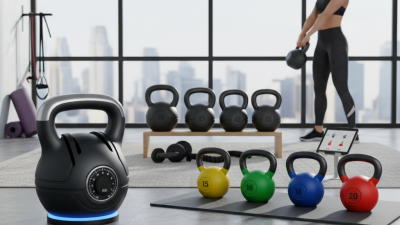
What is the Best Kettlebell Sets for Your Fitness Goals?
Kettlebell Sets have become essential tools for fitness enthusiasts worldwide. According to a report by the International Health, Racquet & Sportsclub Association (IHRSA), the demand for kettlebells has surged, reflecting a wider trend towards functional training and home workouts. Fitness expert and kettlebell specialist, Dr. Lisa Reynolds, emphasizes, "Kettlebell Sets not only enhance strength but also improve coordination and stability."
As more people embrace at-home fitness regimens, selecting the right kettlebell set is crucial for achieving personal goals. With various weights and designs available, users must consider their individual fitness levels and objectives. The right choice can lead to effective workouts, but many still grapple with decision fatigue. This sometimes results in purchasing sets that don't align with their needs.
Choosing Kettlebell Sets can be overwhelming. Many users feel lost amid the options. It's vital to reflect on your workout routines and goals before committing to a set. Each kettlebell’s weight significantly impacts your training's efficacy. Remember, investing in the right equipment can ultimately dictate your success.
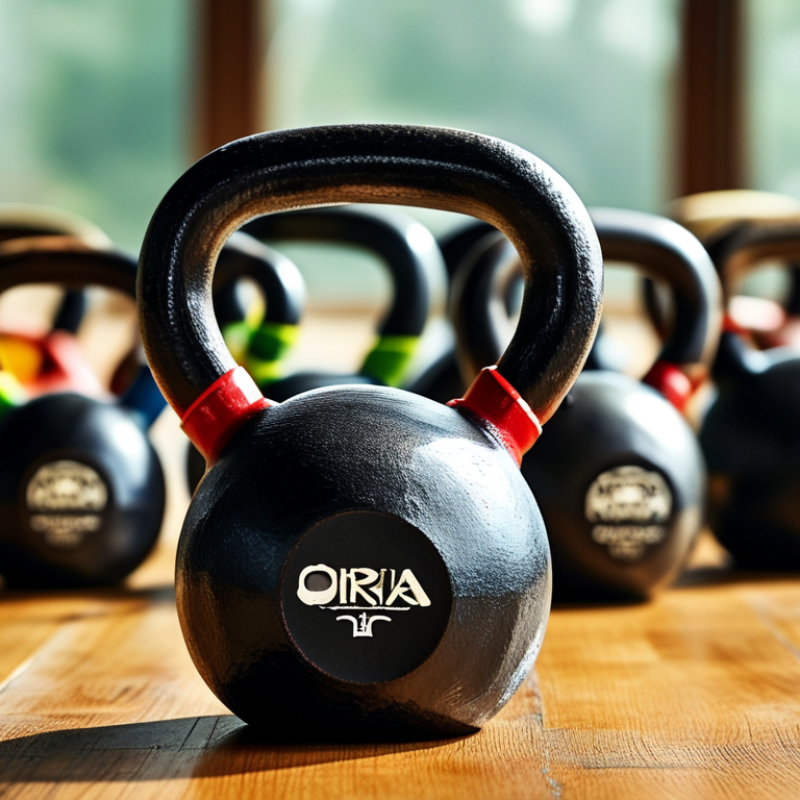
What to Consider When Choosing Kettlebell Sets for Your Goals
Choosing the right kettlebell set is vital for achieving your fitness goals. Consider your current fitness level and goals before purchasing. Beginners may prefer lighter weights to focus on form. More advanced users might need heavier kettlebells for strength training. Analyze your workout preferences. Are you interested in endurance, strength, or flexibility? This will influence your decision.
Weight increments matter too. Not all kettlebell sets provide the same range of weights. A set with diverse options allows for gradual progression. This is important for muscle adaptation. Opting for adjustable kettlebells can also save space and cater to different exercises.
You might want to reflect on your training environment. Do you plan to work out at home or at the gym? Space constraints can affect your choice. Remember that the material of the kettlebells influences grip and durability. If the surface feels uncomfortable, it may affect your motivation. Research reviews and user experiences to find reliable options. Balancing quality with budget is crucial, so seek products that have been tested and recommended by fitness experts.
Common Kettlebell Weight Ranges and Their Appropriate Uses
Kettlebells are versatile tools that offer a variety of weight options. Weights typically range from 4 kg (9 lbs) to 32 kg (70 lbs). Choosing the right range can significantly affect your workout effectiveness. Research by the American Council on Exercise indicates that using kettlebells can improve strength, endurance, and balance.
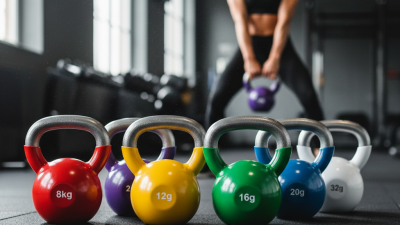
For beginners, starting with lighter kettlebells is essential. A weight between 8 kg (18 lbs) and 12 kg (26 lbs) is recommended. This allows for proper form and technique development. A study conducted by the National Strength and Conditioning Association emphasizes that learning the correct movements prevents injuries and optimizes performance.
Intermediate users can benefit from kettlebells weighing 16 kg (35 lbs) to 24 kg (53 lbs). This range enhances strength-building potential in exercises like swings and presses. However, improper use may lead to strain or muscle soreness. Finding the right weight should be an iterative process. Individuals must listen to their bodies and adjust as necessary. More advanced lifters can utilize weights above 24 kg (53 lbs) but should maintain focus on form and technique to avoid injury. Each weight serves a purpose, and understanding your fitness goals is vital.
Comparing Adjustable vs. Fixed Kettlebell Sets: Pros and Cons
When choosing kettlebell sets, you often face the decision between adjustable and fixed options. Adjustable kettlebells are versatile. You can change the weight easily, making them ideal for various exercises. This adaptability is a great advantage for beginners and those with limited space. However, consider that the weight adjustment mechanism may wear over time. It's crucial to check the quality, as lower-quality models can be tricky during use.
On the other hand, fixed kettlebells provide a sense of reliability. Each bell is specifically weighted and often constructed for durability. They are straightforward to use, which can improve your workout's flow. However, if your strength levels change or you wish to diversify your training, fixed sets may limit you. Investing in multiple weights can also take up additional space and money.
When exercising, mixing both types can produce well-rounded results. Start with fixed kettlebells to develop your form. Once comfortable, incorporate adjustable ones for progressive training. This approach helps you tackle different routines while reflecting on your growth. Always verify your grip and form during exercises. It’s vital that you avoid injury while pushing your limits.
The Role of Kettlebell Workouts in Strength and Conditioning Programs
Kettlebell workouts play a significant role in strength and conditioning programs. Research shows that these dynamic sessions enhance muscle endurance and coordination. According to the Journal of Strength and Conditioning Research, kettlebell training can improve strength in major muscle groups by up to 30% within a few weeks. This key finding makes kettlebells a popular choice among fitness enthusiasts.
Incorporating kettlebell exercises can offer a variety of benefits. A study published in the American College of Sports Medicine’s Health and Fitness Journal revealed that functional movements performed with kettlebells led to enhanced stability and core strength. Engaging multiple muscle groups simultaneously also incurs a substantial caloric burn. Some users report a 20% increase in calorie expenditure compared to traditional weightlifting.
However, kettlebell training isn’t without its challenges. Proper technique is crucial to prevent injuries. A survey conducted by the National Strength and Conditioning Association found that nearly 40% of kettlebell users experienced discomfort due to improper form. Regular assessments and feedback become essential in refining technique. Acknowledging this aspect can guide beginners toward safer, more effective workouts.
What is the Best Kettlebell Sets for Your Fitness Goals?
| Kettlebell Type |
Weight Range (lbs) |
Best For |
Price Range ($) |
| Adjustable Kettlebell |
10 - 40 |
Full Body Workouts |
100 - 200 |
| Competition Kettlebell |
18 - 32 |
Advanced Lifting |
50 - 150 |
| Vinyl Coated Kettlebell |
5 - 25 |
Beginners |
20 - 70 |
| Cast Iron Kettlebell |
10 - 100 |
Strength Training |
30 - 150 |
Industry Standards: Recommended Kettlebell Sizes for Beginners to Advanced Users
Choosing the right kettlebell size is crucial for reaching your fitness goals. Beginners often start with lighter weights. A good range is typically between 8 to 12 kilograms. This allows for proper form while building strength. Women might find 8 kg comfortable, while men may prefer around 12 kg. It’s essential to listen to your body.
As you progress, your kettlebell size should increase. Intermediate users often lift 12 to 16 kilograms. This range helps in muscle development and endurance. Those who are experienced might use 16 to 24 kilograms or more. It can be intimidating, but proper technique is key. Focus on executing movements correctly before adding weight.
Not everyone has the same strength level. Some may find lighter kettlebells still challenging due to their current fitness levels. It’s important to reflect on your personal abilities. Gradual progression avoids injury and builds confidence. Consult with fitness professionals if unsure about your choice. They can offer tailored advice based on your unique fitness journey.
Recommended Kettlebell Sizes for Different Fitness Levels