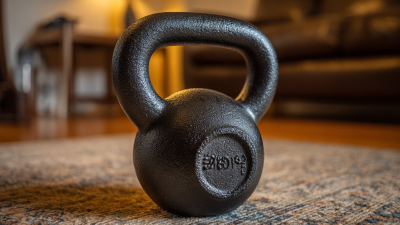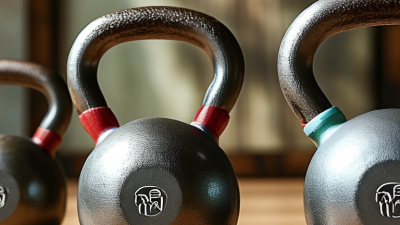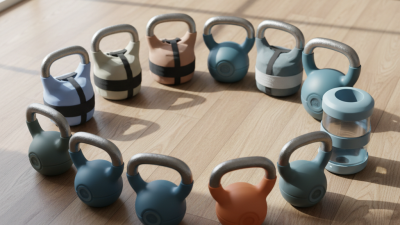
A kettlebell workout does not need a dedicated gym. A Portable Kettlebell can fit beside a desk, in a closet, or in a travel bag. But compact designs differ. Some use adjustable plates; others rely on a flexible shell filled with water or sand. Each style brings trade-offs in feel, setup, and storage.
Pavel Tsatsouline, a widely recognized kettlebell coach, is known for the phrase, “Strength is a skill.” That idea makes equipment choice worth considering. A handle that feels secure, a weight that suits your current ability, and a reliable locking system can make practice more consistent. This guide compares ten portable options, with attention to weight range, grip, adjustment, durability, and ease of packing.
Small details matter. A bulky adjustment knob may press into your wrist during a clean. A soft-sided model may pack neatly, yet feel less familiar than a solid bell. No single design suits everyone, and a ranked list can make those differences look simpler than they are. Check the manufacturer’s weight limits and care instructions before buying, especially if you plan to fill or adjust the bell often. The picks ahead aim to help you match the equipment to your space, training habits, and budget—not promise a perfect workout in a bag.
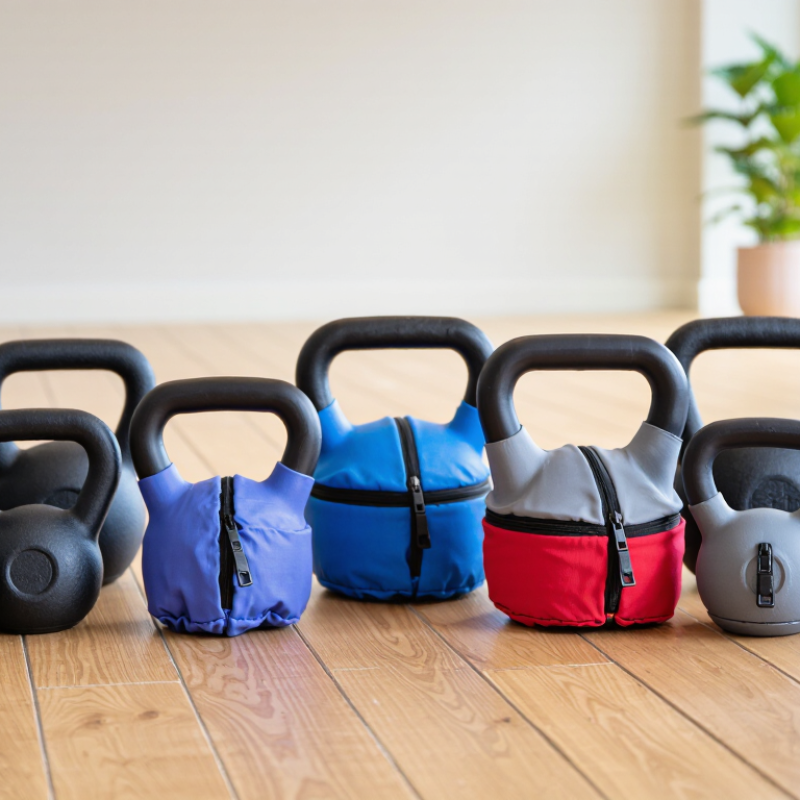
Portable kettlebells suit home workouts where storage space or travel plans limit your equipment. Adjustable designs change weight by adding or removing plates, making one handle useful for several exercises. They work well for gradual strength training, but check that the locking parts feel secure before each session. A loose plate can shift during a swing.
Fillable kettlebells use water, sand, or another recommended material to add resistance. They are often easier to pack when empty, which helps in a small apartment or on a trip. Their feel may differ from a solid kettlebell, though. The contents can move, and filling or cleaning them takes extra effort. Fixed-weight designs avoid those steps and usually feel consistent in the hand. The trade-off is needing more than one weight as your training changes.
Tips: Check the handle grip, seams, and weight limits before buying. Test a light movement first, such as a controlled deadlift. Keep enough clear floor space for swings. Adjustable options offer flexibility, but they are not automatically the best choice; a simple fixed weight may be easier to use reliably.
For many adults building strength at home, ACSM guidance commonly points to sets of 8–12 repetitions. The useful load is one you can lift through that range with controlled movement. Your final repetitions should feel challenging, but your back should stay steady and your grip secure. Not effortless. Not a grind.
A portable kettlebell can feel very different across exercises. A weight that suits goblet squats may be too heavy for overhead presses, where shoulder control matters. Try a few practice repetitions beside a clear patch of floor. If you can complete 12 clean reps and still feel fresh, consider a slightly heavier load. If your torso twists or the bell swings unpredictably, reduce the weight. Small changes matter.
Keep the lowering phase controlled, especially when fatigue arrives. Rest long enough to regain steady breathing, then repeat the set. Record the weight and repetitions; a note on your phone works. The 8–12 range is a guide, not a test you must pass every session. Sleep, experience, and exercise choice can change what feels appropriate. I’d reassess after a week or two, though that timing is not magic. A little uncertainty is normal when learning a new movement.
For a portable kettlebell, the handle matters before the advertised weight range. Check that your fingers can close around it without your knuckles pressing into the frame. A textured grip can help when palms get sweaty, but sharp ridges may irritate skin during higher-repetition sets. Try a few controlled swings, if possible. The American College of Sports Medicine’s 2025 Worldwide Survey of Fitness Trends placed traditional strength training among its top five trends, a reminder that home equipment needs to support regular use—not just look compact.
Inspect the locking mechanism with the bell empty, then loaded. It should engage fully, resist twisting, and keep plates or fill material from shifting during a slow test movement. If the instructions do not give a clear load limit, that is a real drawback. Stability also counts: set the bell on a hard, level floor and check whether it rocks or tips when nudged lightly. Packability is a trade-off. A slim handle and removable parts may fit neatly in a cupboard, yet loose components can rattle in transit. I would still recheck every lock before training; it is a small chore, and easy to forget. A compact design is useful only when it stays secure and comfortable in your hands.
Common kettlebell weight conversions provide a practical starting point when comparing portable options.
Buying checks: Look for a secure, comfortable handle grip, a reliable locking mechanism on adjustable models, a stable base, and a design that packs easily. Weight conversions use 1 kg = 2.20462 lb; choose a load suited to your training level.
Portable kettlebells trade fixed weight for easier storage and transport. Compact solid models feel familiar, but their weight cannot change. Adjustable designs offer several loads in one unit, though the locking parts may rattle if poorly fitted. Fillable models pack light when empty. At home, sand or water can make their weight uneven, so check the stated capacity and tighten every seal before lifting. Small details matter. A broad, smooth handle can reduce rubbing during swings, while a flat base helps the bell stay steady between sets. Measure your storage shelf, too; some handles need more clearance than expected.
Price depends on construction, adjustment range, and included accessories. A basic fixed-weight option may cost less, but buying several weights can quickly take more space and money. Adjustable kettlebells usually ask for a higher upfront price, and replacement pins or plates may add expense. Fillable styles are often easier on the budget, yet their grip and balance can feel less consistent. Compare the total cost with the weight range you will actually use, not the largest number on the box. I would also check the return policy and handle measurements. A product can look sturdy online and still feel awkward in the hand. That part is easy to overlook. If possible, test the grip with a dry palm and a controlled deadlift before relying on it for faster movements.
The American College of Sports Medicine recommends strength training two to three days per week for most adults. Its guidance emphasizes training all major muscle groups, with recovery between sessions. A portable kettlebell can make that schedule easier to fit around work or family routines: keep it near a clear patch of floor, and a short session may feel less daunting. CDC data from the 2020 Behavioral Risk Factor Surveillance System found that just 24.2% of U.S. adults met both aerobic and muscle-strengthening activity guidelines. That gap suggests many people may benefit from a plan that is realistic, not ambitious on paper.
Try two nonconsecutive days to begin. A session might include goblet squats, deadlifts, and one-arm rows, using a load that allows steady, controlled repetitions. Keep the bell close to your body during lifts, and stop if your form becomes shaky. Start small. Ten focused minutes can be a useful foothold, though it may not feel like a complete workout every time. Add a third day only when recovery and schedule allow. Consistency is the harder part; a missed session does not mean the plan has failed. Track the weight, movements, and effort so you can adjust gradually rather than guessing. For personal limitations or health concerns, ask a qualified exercise professional before changing your routine.
| Rank | Portable Design | Typical Usable Load | Carry or Storage Format | Best Suited To | Main Consideration |
|---|---|---|---|---|---|
| 1 | Adjustable plate-loaded kettlebell | Often about 10–40 lb (4.5–18 kg) | Handle and removable plates; compact shelf storage | Home users who want several loads in one unit | Changing plates takes time; secure the fasteners before each set. |
| 2 | Selectorized adjustable kettlebell | Commonly about 12–32 kg (26–70 lb), depending on model | Single weighted unit with an integrated adjustment mechanism | Frequent load changes and limited storage space | Usually less compact to carry than an empty shell; inspect the locking mechanism. |
| 3 | Water-fill soft-shell kettlebell | Typically light to moderate loads; water adds about 1 kg per litre | Empty shell packs flat; fill at the workout location | Travel, light conditioning, and beginner practice | Water can shift during movement; not ideal for fast swings unless designed for them. |
| 4 | Sand-fill soft-shell kettlebell | Often adjustable from light to moderate loads, subject to shell capacity | Empty fabric shell; fill with sand or another specified material | Portable training where fill material is available | Load depends on the fill’s density and the shell’s rated capacity. |
| 5 | Collapsible fillable kettlebell | Varies widely; use only within the stated fill limit | Folds or compresses when empty | Suitcases, small apartments, and occasional workouts away from home | Check seams, closures, and leak resistance before loading. |
| 6 | Modular handle with removable weight blocks | Typically light to moderate; capacity depends on the handle and blocks | Handle and blocks can be separated for transport | Progressive strength training without a full weight set | Confirm that blocks are locked in place and compatible with the handle. |
| 7 | Compact fixed-weight coated kettlebell | Commonly available in individual weights from a few pounds upward | One-piece weight; easy to store, but does not pack flat | A simple, stable option for a dedicated home workout area | A fixed weight offers no adjustment, and heavier units are less convenient to travel with. |
| 8 | Soft-sided sandbag kettlebell | Often configurable from light to heavier loads, within the bag’s rating | Empty bag is lightweight and packable | Ground-based strength work and travel workouts | The changing shape and shifting fill feel different from a rigid kettlebell. |
| 9 | Adjustable competition-style kettlebell | Some designs cover roughly 12–32 kg (26–70 lb) | Rigid shell with internal plates; compact but relatively heavy to carry | Consistent handle size across different training loads | Adjustment may require tools; verify the assembled weight and plate security. |
| 10 | Travel kettlebell handle with fillable container | Depends on the container, fill material, and handle rating | Handle packs separately; container is filled at the destination | Very limited luggage space and basic resistance training | Use only a purpose-designed, securely attached container; avoid improvised setups for dynamic lifts. |
Home-session planning: ACSM recommends strength training 2–3 days per week. Choose a load and exercise variation you can control with good technique, and allow recovery between sessions.