What Are the Best Rubber Coated Dumbbells in 2026?
Strength training remains a visible part of modern fitness. The American College of Sports Medicine’s 2025 Worldwide Survey of Fitness Trends tracks traditional strength training among the activities shaping the field. That matters when choosing equipment for a home gym: the right pair should feel dependable through repeated sets, not just look polished on a product page. Rubber-Coated Dumbbells are popular for practical reasons. Their coated heads can soften floor contact, while knurled handles help provide a secure grip when hands get sweaty. Small details matter.
This guide compares leading options for 2026 using criteria buyers can check: weight accuracy, handle feel, coating quality, storage footprint, warranty terms, and price. A 10-pound dumbbell should not feel awkward because its handle is too thick; heavier pairs need secure heads and stable placement between sets. We also consider odor, finish consistency, and whether the stated weight range suits gradual progression. These checks reflect everyday use, not just showroom appeal.
Reports offer context, not a verdict. ACSM’s survey describes broad fitness trends; it does not test individual dumbbell models. So no single ranking can guarantee the best choice for every lifter. A compact apartment setup has different needs from a garage gym with a full rack. We’ll distinguish measurable specifications from subjective impressions, flag trade-offs, and explain where available product information falls short. That last part matters. A careful comparison should help you choose equipment that fits your training, budget, and space—without pretending one model suits everyone.
What Rubber-Coated Dumbbells Are and How They Are Made
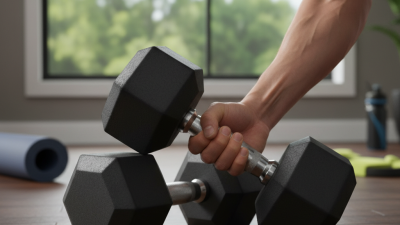
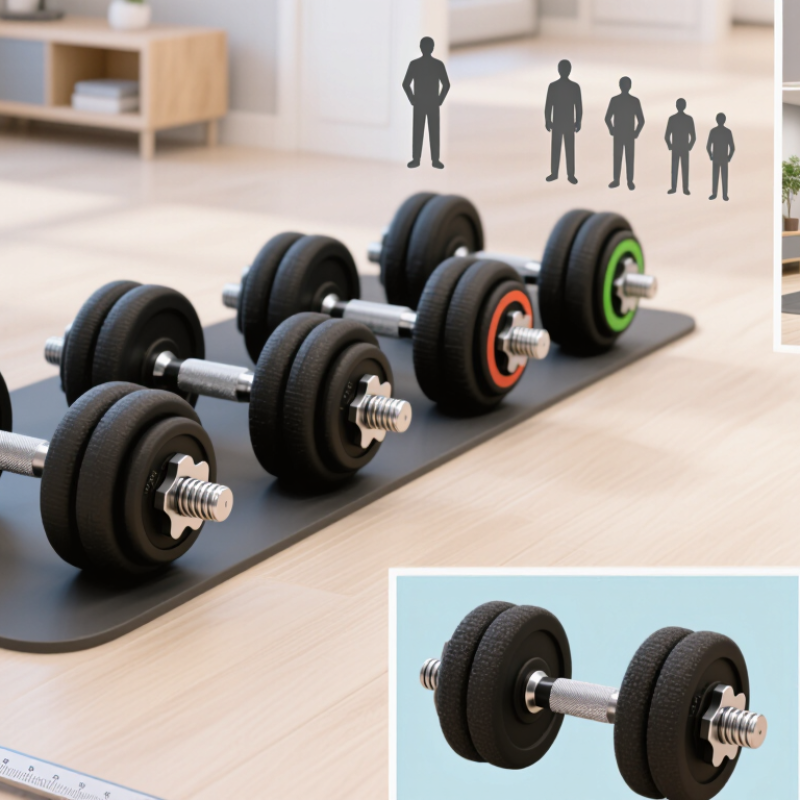
Rubber-coated dumbbells have a dense metal core, usually iron or steel, surrounded by a protective rubber layer. The core provides most of the weight; the outer coating helps soften contact with floors and can reduce clanging during use. It also gives the heads a slightly grippy feel. Small distinction: “rubber” may describe different materials, including natural or synthetic rubber blends. The exact formula varies.
Manufacturing starts with casting or machining the metal heads, which are then cleaned to remove oil, dust, and loose scale. A prepared core is placed in a mold, and rubber compound is formed around it under heat and pressure. Some production methods use a bonding agent to help the coating stay attached. The handle is fitted and finished, and workers inspect the dumbbell for surface gaps, uneven seams, and a loose connection.
Quality checks matter because a neat-looking shell does not prove the coating is firmly bonded. A buyer can look for consistent head shapes, secure handles, and no visible cracks or peeling. A faint material smell may occur, especially when new, but a strong, persistent odor deserves attention. Coating thickness and texture can differ between manufacturers. That variation is easy to overlook. It also means “rubber-coated” alone cannot tell you how durable a dumbbell will be.
How Rubber Coating Affects Grip, Noise, and Floor Protection
What Are the Best Rubber Coated Dumbbells in 2026?
How Rubber Coating Affects Grip, Noise, and Floor Protection
Rubber coating changes how dumbbells feel and behave during everyday training. A textured surface can help sweaty hands hold steady, especially during presses or rows. But texture varies, and a coating that feels secure to one person may feel sticky to another. Try the grip with dry hands, then consider how it may feel after a longer workout. Small details matter.
Rubber also softens the clank when weights touch each other or meet a rack. It does not make lifting silent. A controlled set-down still matters, especially in an upstairs room. The coating can reduce scratches and cushion light contact with the floor, but it cannot protect every surface from a dropped weight. That distinction is easy to miss. Check the coating for chips or loose spots over time; damage can expose the metal beneath.
Tips: Place dumbbells down gently, and use a suitable exercise mat on delicate floors. Wipe away sweat after training so the handles stay clean. If possible, handle a pair before buying. A quick grip test tells you more than a product photo, though it still cannot predict long-term wear.
Key Criteria for Comparing Rubber-Coated Dumbbells in 2026
ACSM’s 2023 Worldwide Survey of Fitness Trends ranked strength training with free weights second among 20 global trends.
That ranking signals sustained interest, not proof that any dumbbell is durable. Compare handle diameter, knurl depth, head balance, and weight increments. A secure grip should feel stable without sharp ridges biting into damp palms. Try repeated curls and presses; awkward rotation becomes obvious quickly. Small details matter.
Inspect rubber coverage around the steel heads, especially seams and edges that may chip after floor contact. Ask for documented abrasion and adhesion tests instead of relying on “commercial grade” wording. ASTM D412 measures tensile properties of rubber and thermoplastic elastomers; results are useful only when test conditions are comparable. Check whether the handle resists corrosion from sweat, too. That part is often overlooked. Match weight increments to your training: smaller jumps support gradual progression, while heavy pairs need adequate rack space. I would not rank coating thickness alone; thicker rubber can still be poorly bonded, and independent, product-specific data are limited.
Which Rubber-Coated Dumbbells Suit Different Training Needs
What Are the Best Rubber Coated Dumbbells in 2026?
Which Rubber-Coated Dumbbells Suit Different Training Needs
The right dumbbells depend on your space, exercises, and how steadily you plan to increase weight. For a small home setup, compact pairs with hexagonal heads resist rolling between sets. Their rubber coating can soften floor noise, though it will not make heavy drops safe. Beginners often benefit from several lighter pairs, so they can practice rows, presses, and controlled raises without rushing upward in weight. Simple works.
For strength-focused training, choose heavier options with a handle that feels secure during sweaty sets. Knurling can improve grip, but aggressive texture may irritate sensitive hands. In shared or busy spaces, inspect the head-to-handle connection regularly. Loose parts, cracks, or uneven wear deserve attention. A faint rubber smell can linger after unpacking; ventilation helps, but it may take time.
Tips: Match weight to your weakest planned movement, not your strongest lift. Check the actual handle diameter and total dumbbell length before buying; bulky heads can bump your legs during curls. If possible, hold a sample. Online specifications cannot fully describe balance, and even a well-reviewed pair may feel awkward in your hands.
How to Choose and Maintain the Right Dumbbells
What Are the Best Rubber Coated Dumbbells in 2026?
How to Choose and Maintain the Right Dumbbells
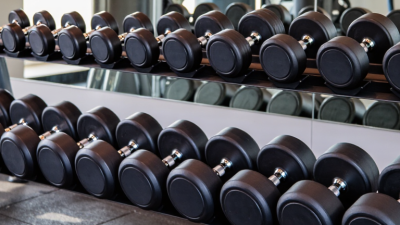
The right dumbbells fit your training space, strength level, and grip—not just your budget. Choose a weight range that lets you perform controlled repetitions without swinging. If you are building a set, smaller weight increments make gradual progress easier. Check that the handles feel secure, with enough texture to resist slipping during sweaty workouts. A comfortable grip matters. Also measure your storage area; a pair that crowds a narrow floor can become a daily nuisance. Rubber coatings can help protect floors, but they do not make heavy weights harmless if dropped.
Tips: Inspect the coating and handle connection when the dumbbells arrive. Wipe them with a damp cloth after training, then dry them before storage. Keep them away from prolonged sunlight and damp corners. Small habit, real payoff. Avoid harsh cleaners unless the manufacturer’s care instructions allow them.
Rubber may have a noticeable smell when new, and it can vary by material and ventilation. Let the dumbbells air out in a well-ventilated area if the odor bothers you. Check periodically for cracks, loose handles, or coating damage, especially if the weights are used often. No option stays pristine forever; I would choose a solid, comfortable set over a flawless-looking finish.