China Best Fitness Kettlebell for Global Buyers?
In recent years, the global fitness market has experienced significant growth. The emergence of home workouts has increased demand for effective training equipment. Fitness kettlebells have become a staple for both fitness enthusiasts and casual gym-goers. According to a report by IBISWorld, the global kettlebell market is expected to grow by 7.5% annually.
China has positioned itself as a key player in this industry. The country's advanced manufacturing capabilities allow it to produce high-quality fitness kettlebells that cater to diverse international markets. Chinese companies are focusing on innovative designs and durability, aligning with trends highlighted in the Global Fitness Equipment Market report.
However, buyers must navigate challenges such as varying quality and supply chain reliability. Researching manufacturers and understanding product specifications can help mitigate risks. The popularity of fitness kettlebells underscores their versatility, but selecting the right one requires informed choices. Chinese kettlebells can offer both performance and value if approached with caution and care.
Overview of China's Kettlebell Market for Global Buyers
China's kettlebell market has seen significant growth, positioned as an emerging hub for fitness equipment. In recent years, the global demand for kettlebells has surged, with market research predicting a compound annual growth rate (CAGR) of over 11% from 2021 to 2027. This rising trend indicates a shift in consumer behavior towards versatile, compact, and effective home workout options.
Manufacturers in China are responding to this demand by innovating their designs and materials. Steel and vinyl are commonly used materials, providing durability and aesthetic appeal. Reports suggest that approximately 60% of the kettlebells produced in China are exported, highlighting the country’s vital role in the global supply chain. Despite these positive indicators, challenges remain. Quality control issues have at times hindered the industry's reputation. Consumers must be diligent, ensuring quality sourcing and adherence to international safety standards.
The market is increasingly characterized by personalized products. Custom designs and weights are becoming popular as buyers look for tailored fitness solutions. However, both manufacturers and consumers must navigate the balance of quality and affordability. As competition intensifies, the focus may shift away from premium quality, sparking concerns over long-term product sustainability. A buyer's awareness and scrutiny of these developments remain crucial in making informed decisions.
Key Features of China’s Best Fitness Kettlebells
When considering kettlebells, several key features stand out which determine their effectiveness and usability. The material used in the construction is crucial.
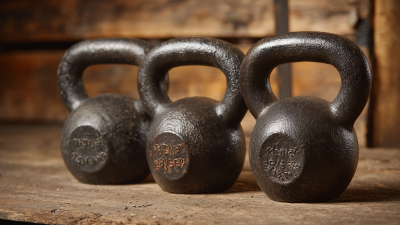
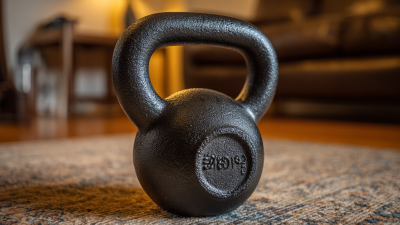
High-quality kettlebells often feature a solid cast iron design. This ensures durability and stability during intense workouts. A smooth surface helps prevent chipping and wear. It also aids in maintaining a firm grip, especially during sweat-inducing sessions.
Weight options should cater to all fitness levels.
Adjustable weight settings can accommodate both beginners and advanced users. This versatility allows for progression in your training.
The handle's size and shape also play a significant role. A comfortable grip reduces the risk of injury and enhances performance. Users may find that wider handles can lead to a more secure hold during dynamic movements.
Lastly, the kettlebell’s design should prioritize balance.
Imbalanced weights can hinder exercise execution and lead to frustration. A well-centered kettlebell ensures smooth swings and lifts. It gives users confidence in their workouts.
However, it’s essential to practice proper form consistently. Even the best kettlebells cannot compensate for poor technique.
Reflecting on one's workout habits can lead to significant improvement over time.
Comparison of Different Brands and Models Available
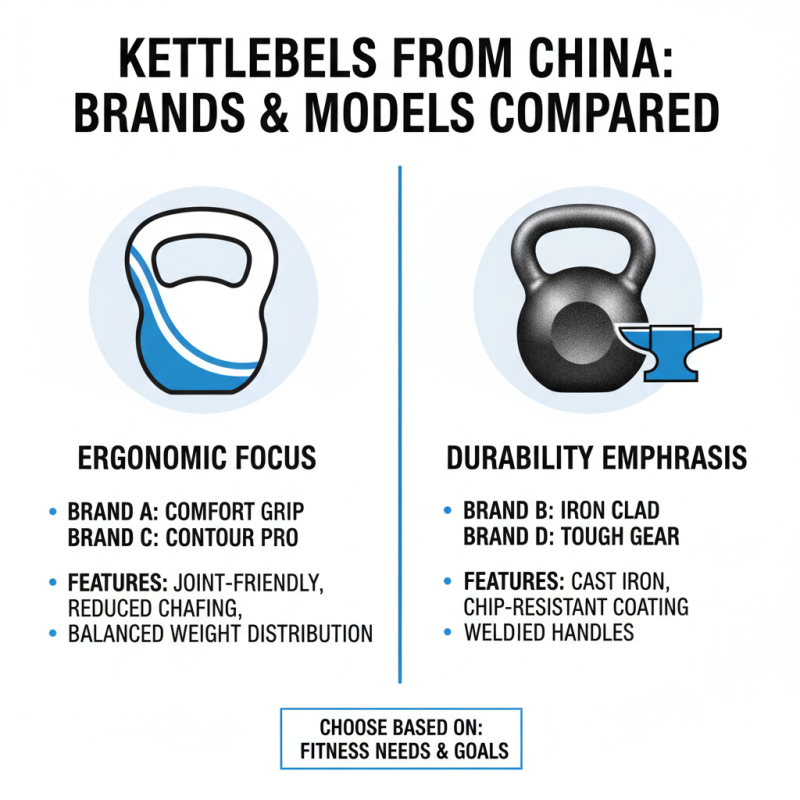
When considering kettlebells from China, buyers face a variety of options. Different brands offer unique features that cater to diverse fitness needs. Some models focus on ergonomic designs, while others emphasize durability. The right choice often depends on individual preferences and training goals.
Many fitness enthusiasts prioritize weight selection and grip comfort. Some kettlebells come with textured handles for improved grip. Others may feature smooth finishes, which might be less comfortable during extended workouts. It's crucial to test different styles to find the best fit for your routine.
Warranty and customer support can vary significantly among brands. Some manufacturers provide solid guarantees, while others do not. Researching these aspects before making a purchase is essential. A lack of reliable support can lead to dissatisfaction later on. Overall, the market offers a range of options, but thorough consideration is key to finding quality kettlebells that meet your specific needs.
Quality Standards and Certifications for Kettlebells in China
When considering kettlebell purchases from China, quality standards play a crucial role.
Various certification bodies assess kettlebell durability and safety. This includes material integrity, weight accuracy, and
design stability. Understanding these standards helps buyers choose reliable products that align with fitness goals.
Manufacturers often meet international standards like ISO or ASTM.
Compliance with these guidelines ensures kettlebells can endure rigorous workouts. However, not all manufacturers consistently adhere
to these standards. Some produce kettlebells that might look appealing but lack structural integrity. Buyers should approach such
products with caution, as quality can vary significantly.
In addition, inspecting third-party certifications can provide essential insights. Proper certifications indicate
that a product has undergone significant testing. But remember, certifications alone do not guarantee quality. It’s wise to seek
reviews and user experiences. This information helps in making informed decisions. Quality kettlebells are an investment
in fitness, not just a purchase.
Shipping and Import Considerations for Global Buyers
When considering purchasing kettlebells from China, global buyers face unique shipping and import challenges. Understandably, shipping costs can vary significantly. The industry reports indicate that shipping rates have increased by as much as 30% in recent years. Factors such as container shortages and fluctuating fuel prices contribute to this volatility.
Customs regulations are another crucial aspect. Each country has its own rules concerning the import of fitness equipment. Misunderstanding these regulations can lead to unexpected delays or additional fees. Researching the specific requirements for kettlebell imports in your country is essential. You may encounter specific taxes and tariffs that can affect your overall costs.
Tips: Always obtain multiple shipping quotes. This allows for a better understanding of the market rates. It might be wise to work with a logistics partner familiar with your requirements. This can save you time and potential headaches during the process. Additionally, don't ignore the quality standards your kettlebells must meet. Ensure any product meets safety regulations, or import issues may arise. Keeping an eye on these factors can significantly smooth your purchasing journey.
China Best Fitness Kettlebell for Global Buyers? - Shipping and Import Considerations for Global Buyers
| Dimension |
Weight (kg) |
Material |
Origin |
Shipping Time (days) |
Import Duty (%) |
Cost per Unit (USD) |
| 8 kg |
8 |
Cast Iron |
China |
15 |
0-5 |
25 |
| 12 kg |
12 |
Cast Iron |
China |
15 |
0-5 |
30 |
| 16 kg |
16 |
Cast Iron |
China |
20 |
0-5 |
35 |
| 20 kg |
20 |
Cast Iron |
China |
20 |
0-5 |
40 |
| 24 kg |
24 |
Cast Iron |
China |
25 |
0-5 |
45 |