How to Choose the Best Cast Iron Kettlebell for Your Workout?
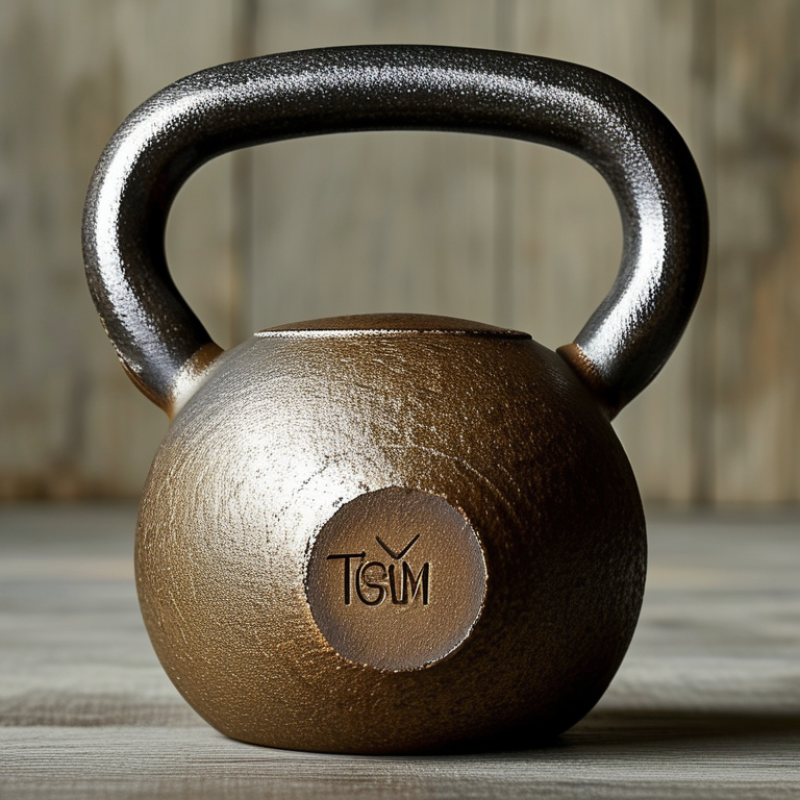
Choosing the right Cast Iron Kettlebell can significantly impact your fitness journey. Fitness expert Lisa Matthews states, "The right weight and design make all the difference in kettlebell training." This emphasizes the importance of informed choices.
When selecting a Cast Iron Kettlebell, consider weight, grip, and shape. The kettlebell's design should fit comfortably in your hand. If it slips, your workout may suffer. Heavy weights can lead to injury if not handled properly. Therefore, testing various options is essential.
Many brands offer different styles. However, not all are created equal. Cheaper options may lack durability. Investing in high-quality kettlebells ensures longevity. Reflect on your needs and environment. Formal training may require specific features that a casual user might not need. Ultimately, finding the perfect Cast Iron Kettlebell involves trial and reflection.
Importance of Kettlebell Material: Why Choose Cast Iron Over Others
When choosing kettlebells, material matters greatly. Cast iron is a popular option due to its durability. Other materials, like plastic or rubber, may not withstand heavy use. They can chip or crack, reducing their lifespan. Cast iron kettlebells are solid and reliable. They maintain their shape and resistance over time. This makes them a sound investment for consistent workouts.
The texture of cast iron also plays a role. It provides a superior grip, which is essential during high-intensity workouts. This helps prevent slips, especially when you're sweating. Some people find that other materials can feel slippery. Consider how often you will use your kettlebell. If you train regularly, cast iron may be the better choice. However, each material has pros and cons.
Not all cast iron kettlebells are perfectly finished. Some may have rough edges that need smoothing out. This aspect requires attention. You might need to polish the surface for comfort during lifts. Being aware of these details is important for proper usage. Understanding these factors can guide you in your selection process. Choosing the right kettlebell can enhance your performance and overall experience.
Understanding Kettlebell Weight Options: How to Select the Right Weight
Selecting the right kettlebell weight is crucial for maximizing the benefits of your workouts. According to a survey by the American Council on Exercise, most fitness enthusiasts recommend starting with a kettlebell that weighs 8 to 12 kg (18 to 26 lbs) for beginners. This weight range is often deemed suitable for mastering basic movements such as swings, squats, and presses. Many beginners, however, choose weights that are often too light, limiting muscle engagement and overall workout effectiveness.
Progressive overload is an essential principle in strength training. A study in the Journal of Strength and Conditioning Research emphasized that gradually increasing weight can enhance muscle strength and endurance. This means that once basic techniques are mastered, increasing the kettlebell's weight by 1 to 2 kg (2 to 4 lbs) can lead to significant gains. Yet, some users may feel hesitant or underestimate their capabilities, often leading to extended periods with the same weight.
Consider your fitness level and goals when choosing your kettlebell. A recent report by the National Academy of Sports Medicine indicates that individuals focused on strength may benefit from using heavier kettlebells, while those aiming for endurance should opt for lighter weights. Striking a balance is key. Finding the right kettlebell takes time and experimentation. It’s important to reflect on how each weight feels during your workouts and adjust accordingly.
How to Choose the Best Cast Iron Kettlebell for Your Workout?
| Weight (lbs) |
Weight (kg) |
Recommended User Experience Level |
Exercises |
| 10 lbs |
4.5 kg |
Beginner |
Swings, Deadlifts |
| 15 lbs |
6.8 kg |
Beginner / Intermediate |
Cleans, Snatches |
| 20 lbs |
9.1 kg |
Intermediate |
Goblet Squats, Lunges |
| 25 lbs |
11.3 kg |
Intermediate / Advanced |
Swings, Presses |
| 30 lbs |
13.6 kg |
Advanced |
Turkish Get-Ups, Heavy Swings |
Examining Handle Design: The Role of Grip and Comfort in Workouts
When selecting a cast iron kettlebell, handle design is crucial for effective workouts. A well-designed handle can significantly improve grip and comfort, which influences workout efficiency. Research indicates that a comfortable grip can enhance performance by 10-20%. The texture and thickness of the handle play vital roles here. A smoother finish may feel nice, but it can lead to slipping during intense exercises.
Grip size also matters. A handle that is too thick can strain smaller hands, while one that is too thin may not provide enough control. The International Journal of Exercise Science highlights that grips appropriately matching the user’s hand size reduce the risk of injury. This emphasizes the need for personalized choices when selecting kettlebells. Furthermore, ergonomic designs account for wrist alignment, promoting longer workouts without discomfort.
Comfort is not just a luxury; it's a necessity. Some users overlook how handle flexibility affects their experience. A rigid handle can create pressure points that lead to fatigue. Ensuring that the kettlebell feels good in your hand can transform your routine. Listen to your body and evaluate how your choice impacts your overall workout. Making adjustments based on comfort can lead to improved outcomes and a more enjoyable fitness journey.
Analyzing Kettlebell Shape: Effects on Balance and Control During Use
When selecting a kettlebell, its shape significantly impacts balance and control during workouts. A well-balanced kettlebell allows for smoother swings and better stability. According to a report by the National Strength and Conditioning Association (NSCA), a kettlebell’s center of mass should align closely with the handle for optimal performance. This alignment can enhance your grip and reduce the risk of dropping the weight.
Different kettlebell designs can affect your workout efficiency. For instance, a wider base tends to provide better stability. A narrower structure may be more challenging but can improve grip strength. A study published in the Journal of Sports Sciences highlighted that improper kettlebell shape could lead to compensatory movements, increasing the risk of injury during high-repetition training sessions.
While many opt for traditional shapes, innovative designs can also offer advantages. Testing various models can reveal which shape feels intuitive for you. Some users find that unconventional designs disrupt their rhythm. Understanding your needs can help refine your experience. Select wisely to enhance your control and balance, tailoring the kettlebell to your routine.
Considering Brand Reputation: How Manufacturer Quality Impacts Performance
When choosing a cast iron kettlebell, the brand reputation is crucial. Reputable manufacturers ensure rigorous quality standards. Studies show that kettlebells from established brands have better durability and performance. A survey conducted by the National Strength and Conditioning Association found that 70% of fitness professionals prefer well-known brands for kettlebell training.
Quality directly affects performance. Poorly made kettlebells can lead to injuries. A report by the American Council on Exercise highlights that subpar equipment can hinder workout efficiency. Up to 45% of users reported dissatisfaction with their performance due to equipment flaws. Consistent quality checks are vital. Reliable brands often share their manufacturing processes, enhancing trust among users.
Purchasing from reputable manufacturers might seem more costly initially. However, the long-term benefits outweigh the expenses. A kettlebell’s lifespan can exceed ten years with proper care. Conversely, buying budget options may lead to frequent replacements. This reflection on quality vs. cost is essential. Investing in a trusted brand ensures effective workouts and safety.