How to Choose Cast Iron Dumbbells for Wholesale?
Choosing Cast Iron Dumbbells for wholesale purchasing is not simply a matter of comparing prices. A low quotation can hide uneven weights, rough handles, weak paint, or excessive packaging damage. Retail customers notice these details quickly. So do warehouse checks before placing a large order.
Strength coach and author Dan John offers a useful principle: “The goal is to keep the goal the goal.” For wholesalers, that goal may be dependable equipment, stable margins, and fewer customer complaints. Cast Iron Dumbbells should support that goal through accurate weight, comfortable handling, durable finishes, and consistent production. A sample that feels excellent is encouraging. It is not proof that every shipment will match.
This guide examines the practical factors behind a reliable purchase. We will consider weight tolerance, handle diameter, grip texture, coating quality, shape, labeling, carton strength, minimum order quantities, and supplier communication. A dumbbell should sit firmly on a rubber floor, without sharp casting edges or unstable wobbling. Small defects matter. They become expensive when multiplied across hundreds of units.
Wholesale decisions also require honest reflection. The cheapest factory may not be the cheapest long-term partner. A heavier coating can improve appearance, but it may hide surface flaws or increase freight costs. A narrow handle may reduce material use, yet feel uncomfortable during repeated training. Buyers should request inspection records, production samples, and clear replacement terms before committing.
There is no perfect specification for every market. The right choice depends on customer expectations, storage conditions, budget, and sales channel. Careful comparison creates a stronger buying decision.
Understanding Cast Iron Dumbbell Types and Wholesale Specifications
How to Choose Cast Iron Dumbbells for Wholesale?
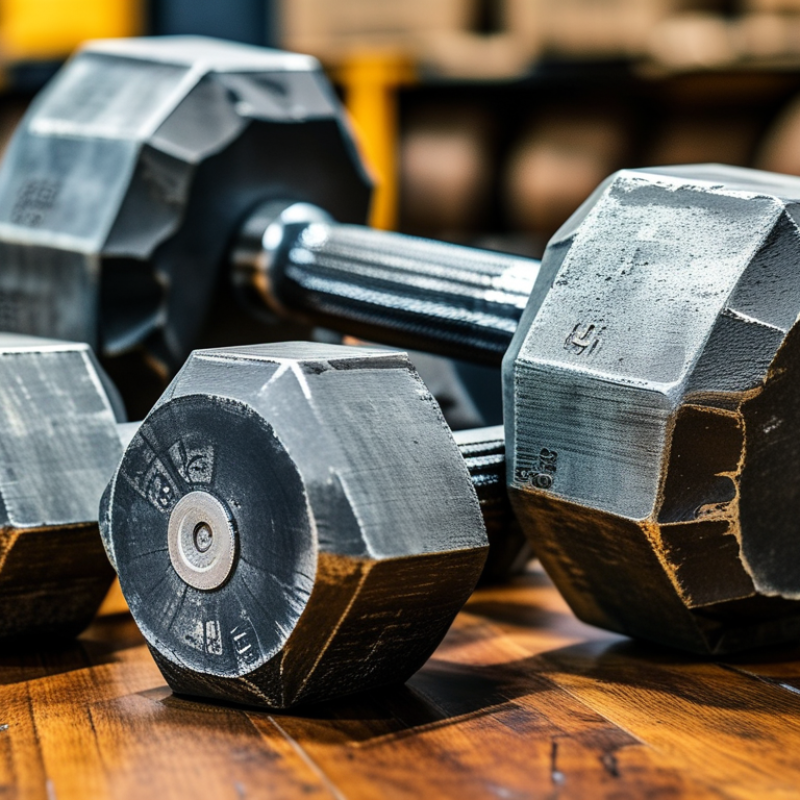
Wholesale buyers should compare cast iron dumbbell types before discussing price. Fixed hex dumbbells suit gyms because their flat heads reduce rolling and support floor exercises. Round dumbbells often feel traditional, but they may move during storage. Adjustable models save space, although their collars require regular inspection. Some cast iron heads use a painted, powder-coated, or rubber-covered finish. Each option affects grip, odor, durability, and maintenance.
Check the specifications carefully. Confirm the actual weight tolerance, handle diameter, handle length, head diameter, and coating thickness. A reliable supplier should provide production samples, inspection records, and clear carton measurements. Ask whether weights are marked in kilograms, pounds, or both. Packaging matters too. Loose metal can damage handles and cartons during transport. Request drop-test details and rust-prevention methods, especially for humid warehouses. Do not accept vague terms such as heavy-duty without measurements.
Tips: Order samples first. Weigh them independently. Check welds, paint edges, and handle balance. Compare ten units from one batch, not just one attractive sample. Minimum order quantity, pallet count, lead time, and replacement policy should appear in writing. A lower unit price can become expensive after returns or damaged packaging. I have seen buyers focus too narrowly on weight accuracy and overlook storage space. That mistake is understandable, but it affects daily operations. A slightly imperfect finish may be acceptable for budget gyms, while sharp edges are not. Specification priorities should match the customer’s real training environment.
Defining Your Wholesale Fitness Market and Weight Requirements
How to Choose Cast Iron Dumbbells for Wholesale?
Defining Your Wholesale Fitness Market and Weight Requirements
Your customer profile should guide every purchasing decision. The ACSM’s 2025 Worldwide Survey ranked traditional strength training fifth among global fitness trends. This signals steady demand across gyms, home users, and personal training studios. However, one weight range cannot serve every market. A rehabilitation studio may need pairs from 2.5 to 15 pounds. A commercial gym often requires heavier options, such as 40 to 100 pounds.
Study your local sales data before placing a large order. The Health & Fitness Association reported 72.9 million U.S. fitness facility users in 2023. That figure suggests strong demand, but it does not reveal your buyers’ exact needs. Ask whether customers prefer compact pairs, full racks, or adjustable bundles. Check floor space, member experience, and training styles. Small facilities may value 5-pound increments. Strength-focused locations may need 10-pound jumps above 50 pounds.
Cast iron offers dense construction and a familiar feel. Still, its exposed surface can chip flooring and develop rust in humid storage areas. I would inspect handle thickness, weight accuracy, coating consistency, and carton protection before approving wholesale quantities. A small trial order is wiser than a perfect-looking spreadsheet. My own planning mistake was overestimating demand for very heavy pairs. Some units stayed untouched while lighter weights needed frequent replacement. Data helps, but observation must correct it.
Evaluating Material Quality, Coating, Handles, and Safety
When choosing cast iron dumbbells for wholesale, begin with the metal itself. Reliable cast iron should feel dense, balanced, and free from visible cracks. Inspect sample pieces under bright light. Small pores may be acceptable, but deep cavities can weaken the head. Weigh several dumbbells from one shipment. Noticeable differences suggest inconsistent casting.
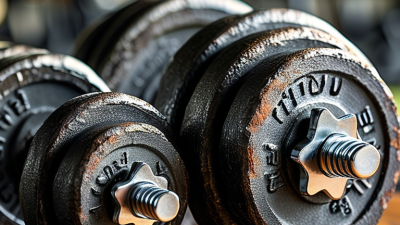
The coating deserves close attention. A thick finish resists sweat, scratches, and warehouse handling, but uneven coating can hide surface defects. Rub a sample with a dry cloth and check for loose particles. Then examine edges, corners, and the area around the handle. These spots often wear first.
My own early mistake was judging coating quality by appearance alone. It looked durable, yet the handle became slippery after repeated use.
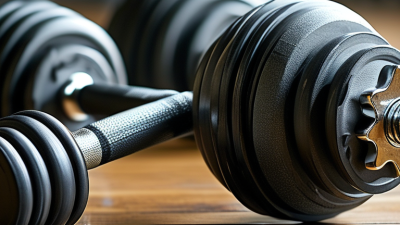
Handles need a secure grip without sharp ridges. Moderate knurling can improve control, especially with sweaty palms, while excessive texture may cause discomfort. Check that handles are centered and firmly attached to the dumbbell heads. Test several units with controlled lifts and gentle movement. Do not rely on one perfect sample. Safety also depends on flat bases, stable storage, accurate weight markings, and clean finishing. A dumbbell that rolls unexpectedly creates a practical hazard. Ask for production records, inspection details, and random weight checks. Even then, question your assumptions. Bulk orders magnify small defects.
Inspecting Samples and Managing Bulk Orders and Delivery
Wholesale demand is rising. The SFIA 2024 Topline Participation Report recorded 72.9 million Americans using fitness facilities in 2023. High demand does not excuse weak samples. Request production-matched samples before discussing final pricing. Weigh each dumbbell with a calibrated scale. Check handle diameter, knurling, seam lines, coating adhesion, and base flatness. Small gaps matter. Photograph every defect beside a ruler and record the results.
For bulk orders, place measurable acceptance criteria in the purchase contract. Define weight tolerance, handle alignment, coating thickness, carton quantity, and defect limits. Use independent pre-shipment inspection, not photographs alone. AQL sampling can reduce inspection time, but it requires clear defect definitions. One weakness remains: visual checks may miss internal porosity. Consider random destructive testing when the order value justifies it. The 2023 ISO Survey recorded 1,265,216 ISO 9001 certificates worldwide, but certification cannot guarantee every dumbbell meets your specification. Recheck the approved sample before production. Manufacturing drift happens.
Delivery planning should begin before casting starts. UNCTAD’s Review of Maritime Transport 2023 reports that over 80% of global merchandise trade by volume moves by sea. Cast iron is dense, so calculate chargeable weight and pallet loading carefully. Add moisture barriers, corner protection, and carton drop tests. Share the packing list, commercial invoice, container seal, and dispatch photos. The World Bank’s 2023 Logistics Performance Index covers 139 economies and emphasizes tracking and tracing. Request milestone updates from pickup to final delivery. Do not promise arrival from sailing time alone. Port delays remain easy to underestimate.
Wholesale Cast Iron Dumbbell Order Readiness
This example compares three measurable wholesale performance indicators across different order sizes:
sample inspection pass rate, packing accuracy, and on-time delivery. Use the results to verify samples,
confirm bulk-order controls, and set realistic delivery expectations before placing a wholesale order.