How to Choose the Best Dumbbell Pair for Your Workouts?
Choosing the right Dumbbell Pair can significantly enhance your workout experience. It may seem straightforward, but many overlook crucial factors. The weight, grip, and shape of the dumbbells can affect your performance and safety. Your choices should align with your fitness goals and current abilities.
Consider your training style. Are you lifting for strength, or are you focusing on endurance? Knowing this will help you select the right range of weights. Additionally, think about how often you'll use them. A quality Dumbbell Pair may be a bit pricey, but durability is essential. A lower quality set might lead to broken promises of regular workouts.
Don’t ignore comfort. If the grip is too thick or too slippery, it may hinder your performance. Reflect on how the dumbbells feel in your hands. It's common to overlook these details, yet they matter a lot. Picking the best Dumbbell Pair is not just about weight; it's about enhancing your overall fitness journey.
Understanding Your Fitness Goals and Needs for Dumbbells
Choosing the right dumbbell pair is crucial for achieving your fitness goals. Assessing your goals is the first step. Are you aiming for muscle gain, fat loss, or endurance? For instance, if you want to build muscle, selecting heavier weights will suit your needs. According to a 2022 fitness report, 70% of individuals who strength train see better results with progressive overload techniques. This involves lifting increased weights over time.
Tip: Start with a weight you can lift comfortably, then gradually increase it. This sets a foundation while preventing injury.
Next, consider your available space. Having limited room means you might want a versatile pair. Adjustable dumbbells can be a practical choice. They allow you to change weights without taking up much space. However, they can be more costly. A study by the American Council on Exercise indicates that users often lose motivation when equipment feels cumbersome.
Tip: Keep your space organized. A clutter-free area enhances your workout experience.
Finally, don't forget about your current fitness level. Beginners may benefit from lighter weights, while advanced users can handle heavier sets. Reflect on how you feel during workouts. If you struggle with your selection, it may be time to reevaluate your choices.
How to Choose the Best Dumbbell Pair for Your Workouts?
| Dumbbell Type |
Weight Range |
Material |
Adjustable |
Price Range |
Best For |
| Hex Dumbbells |
5 - 50 lbs |
Cast Iron |
No |
$30 - $200 |
Beginners, General Weight Training |
| Adjustable Dumbbells |
5 - 90 lbs |
Steel/Plastic |
Yes |
$150 - $600 |
Limited Space, Versatile Workouts |
| Kettlebell |
5 - 80 lbs |
Cast Iron |
No |
$25 - $300 |
Strength & Conditioning, Functional Training |
| Vinyl Coated Dumbbells |
1 - 15 lbs |
Vinyl |
No |
$15 - $80 |
Lightweight Training, Rehabilitation |
| Rubber Encased Dumbbells |
10 - 100 lbs |
Steel/Rubber |
No |
$50 - $400 |
Heavy Training, Home Gyms |
Evaluating Different Dumbbell Types: Fixed vs. Adjustable
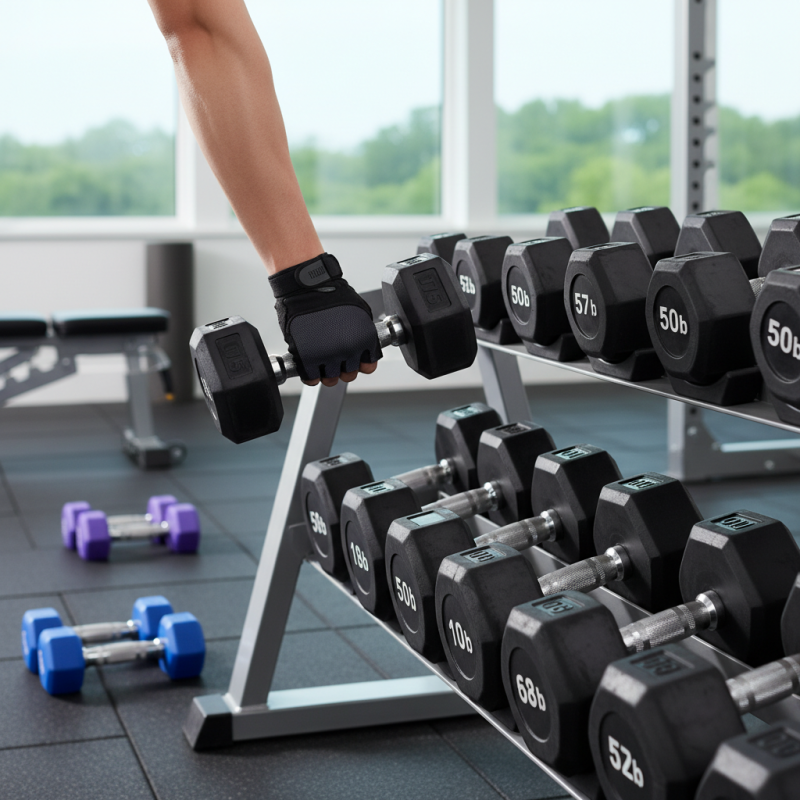
When selecting dumbbells, two main types often come into play: fixed and adjustable. Fixed dumbbells are simple and straightforward. They are easy to use and come in a variety of weights. With a fixed design, you can quickly grab and go for your workout. However, they take up more space. This limits your options if you're working out at home. It's essential to consider how much room you have.
Adjustable dumbbells offer flexibility. You can change weights easily, accommodating different exercises. This adaptability can save space and money. Yet, they can be more complex. Users often struggle with adjusting weights quickly, which interrupts workout flow. Some designs may also feel less stable during lifts.
You might wonder which type is right for you. Think about your workout goals and space. Fixed options might work best for those focused on heavy lifting. If you prefer variety, adjustable types could be ideal. It's a personal choice without a perfect answer. Reflect on your preferences and needs before deciding.
Considering Weight Ranges and Incremental Adjustments
Choosing the right dumbbell pair starts with understanding weight ranges. Many people overlook the importance of selecting weights that suit their fitness level. A 2022 report from the American Council on Exercise shows that most beginners benefit from starting with weights between 5 to 15 pounds. This range provides a solid foundation for building strength. For those more advanced, ranges of 15 to 35 pounds may be more appropriate, aligning with increased muscle mass and training goals.
Incremental adjustments are vital for progression. The ability to make small weight changes keeps workouts challenging. According to the National Strength and Conditioning Association, tiny changes of 2.5 to 5 pounds can lead to significant strength gains over time. Some lifters may complain about the lack of options in adjustable sets. They might feel stuck when a 10-pound jump feels too much. Reflecting on this can lead to better choices in weight increments. Investing in a set that allows for smaller adjustments can hugely benefit progress.
Many users get discouraged when they pick weights that are too heavy. Starting off too strong can hinder progress and even lead to injury. It is crucial to assess your capabilities regularly. Some people may need to reevaluate their current weights, ensuring that they match their evolving strength. This process is ongoing, and understanding your limits can truly enhance your workout experience.
Choosing the Best Dumbbell Pair for Your Workouts
Assessing Material and Design for Durability and Grip
When selecting the right dumbbells, material and design matter greatly. Durable materials like steel or high-quality plastic are crucial. They withstand wear and tear during heavy use. A solid grip can prevent accidents. Textured or rubberized surfaces provide better handling, especially when sweating. Imagine lifting weights only to have them slip from your hands. That’s frustrating and dangerous.
Tips: Look for dumbbells with a good grip. Try them out before buying. Feel how they fit in your hands. Evaluate their design for comfort; you want to be able to hold them for longer workouts without discomfort. You might even want to invest in adjustable dumbbells. They save space and allow for easy weight changes.
Another detail often overlooked is the dumbbell shape. Hexagonal dumbbells prevent rolling, providing stability during rest periods. This can save you from interruptions. Think about how you store your weights. Compact, well-designed shapes can make organization easier in tight spaces. But don’t rush into a decision; take your time evaluating different options to find what truly feels comfortable.
Budgeting Wisely: Finding Quality Dumbbells Within Your Price Range
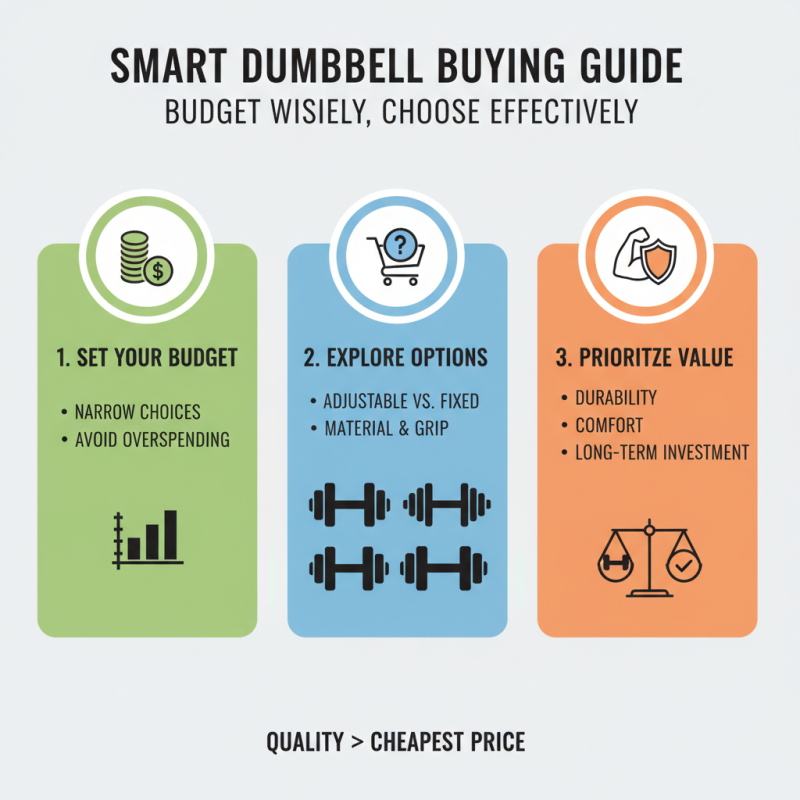
Budgeting wisely is crucial when choosing dumbbells for your workouts. Many options exist, and prices can vary significantly. Setting a budget helps narrow your choices. However, remember that the cheapest option isn't always the best. Durability and comfort can matter more than price alone.
Explore used or second-hand markets. Sometimes, you can find quality dumbbells at a fraction of the new price. Inspect them carefully. Look for wear and any signs of damage. It's important not to sacrifice safety for savings. Additionally, consider adjustable dumbbells. They save space and can be more affordable over time.
Finding the right balance between cost and quality requires careful consideration. Do not rush the decision. You may find that investing a bit more upfront saves you money in the long run. Cheap dumbbells might need frequent replacement. Aim for a pair that suits your fitness level and goals. In the end, a thoughtful choice can enhance your workout experience.