How to Choose the Best Heavy Dumbbells for Your Workouts?
Choosing the right heavy dumbbells can significantly impact your fitness journey. According to a report by the International Health, Racquet & Sportsclub Association, over 70% of gym-goers rely on free weights. Heavy dumbbells are essential for building strength and muscle mass effectively. They offer versatility in workouts, allowing for both compound and isolation exercises.
When selecting heavy dumbbells, consider your goals and experience level. Many beginners underestimate the importance of quality in these weights. A 2022 survey by the American Council on Exercise found that nearly 40% of respondents used poorly designed equipment, which impacted their workout performance. This highlights the need for informed choices.
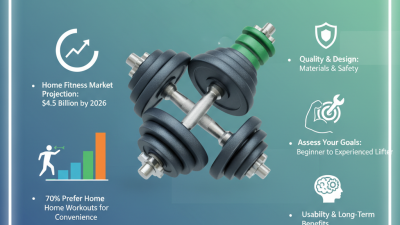
Quality heavy dumbbells can withstand intense training sessions. They should have a comfortable grip and durable materials. Keep in mind that not every brand meets these standards. Reflect on your priorities and budget when making this choice. Investing in the right heavy dumbbells is crucial for safe and effective training.
Understanding Your Fitness Goals and Needs
When choosing heavy dumbbells, understanding your fitness goals and needs is crucial. Research shows that 79% of fitness enthusiasts prioritize strength training for muscle building. However, the type of training you plan to do should dictate your choice in weights.
If your goal is to build muscle, consider adjustable dumbbells. They allow for a range of weights, making them flexible. The American Council on Exercise reports that varied resistance can lead to 20% more muscle growth over time. However, it's essential to reflect on your experience and comfort level. Beginners may find lighter weights more manageable, while experienced lifters might prefer heavier options.
Additionally, think about the exercises you’ll perform. If you plan to incorporate compound movements, a heavier weight with a sturdy grip is vital. A study from the National Strength and Conditioning Association found that incorrect weight selection can lead to improper form, increasing injury risk. Balance your ambitions with reality to ensure safety and effectiveness in your workouts.
Exploring Different Types of Heavy Dumbbells
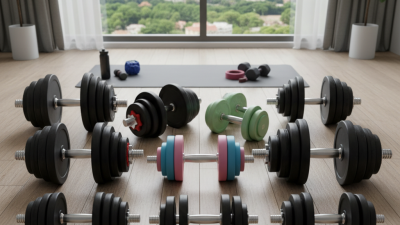
When exploring heavy dumbbells, it's essential to understand the various types available. Standard adjustable dumbbells are popular for home gyms. They often come with weight plates that you can add or remove. This flexibility allows users to customize their weight from as low as 5 pounds to over 90 pounds, making them ideal for diverse workouts. According to a report by the International Health, Racquet & Sportsclub Association, 30% of gym-goers wish they had more access to dumbbell options.
Another type worth considering is fixed-weight dumbbells. They typically come in a range of weights, starting from 5 pounds to over 100 pounds. Their sturdy design appeals to serious lifters. However, they can take up significant space. A study by the American Council on Exercise indicates that fixed weights are often preferred by individuals who follow a structured workout regimen. These are less versatile but provide reliability.
Lastly, rubber-coated dumbbells offer an excellent option for safety and durability. The rubber coating protects floors and minimizes noise during workouts. However, they can be more expensive. It’s essential to weigh these features based on your training goals and available space. Do you prioritize versatility or durability? Reflecting on these choices can greatly influence your home workout setup.
How to Choose the Best Heavy Dumbbells for Your Workouts?
| Type |
Weight Range |
Material |
Features |
Price Range |
| Rubber Coated Dumbbells |
5 - 100 lbs |
Steel with Rubber Coating |
Non-slip grip, noise reduction |
$25 - $200 |
| Adjustable Dumbbells |
5 - 55 lbs |
Cast Iron or Steel |
Space-saving, customizable weight |
$150 - $400 |
| Hex Dumbbells |
10 - 100 lbs |
Steel |
Stable design, easy to store |
$30 - $250 |
| Olympic Dumbbells |
15 - 200 lbs |
Steel |
Wide grip, Olympic plate compatible |
$50 - $350 |
| Kettlebell Dumbbells |
10 - 80 lbs |
Cast Iron |
Versatile for various workouts |
$20 - $150 |
Evaluating Weight Ranges and Increment Options
When selecting heavy dumbbells for your workouts, evaluating weight ranges is crucial. Many users find themselves unsure about how much weight to start with. Generally, beginners may find a range of 20-50 pounds appropriate. More experienced lifters might need weights between 50-100 pounds. It’s essential to choose a range that matches your fitness level and goals.
Increment options also matter significantly. Incremental adjustments can affect your training progress. Look for dumbbells with adjustable weights, allowing you to increase or decrease the load easily. Common increments include 2.5 or 5 pounds. This flexibility is beneficial, especially during strength training. You need to challenge yourself but not too much that it hinders form.
Many people underestimate how weight fluctuations can impact performance. It’s common to feel stuck at a particular weight. This could signal a need to adjust your approach. Reflect on your lifting form and recovery. Gradual increments can promote muscle adaptation over time. The last thing you want is to rush into heavier weights before mastering the basics.
Weight Ranges and Increment Options for Heavy Dumbbells
Assessing Grip and Comfort Features in Dumbbells
Selecting heavy dumbbells for your workouts requires careful consideration of grip and comfort features. Grip is crucial for effective training. Comfort during your workout can influence your performance. Reports indicate that over 70% of injuries stem from improper grip. A secure grip can enhance lifting efficiency and minimize the risk of slipping.
Different grips cater to various preferences. Some prefer textured surfaces to prevent slippage, while others find smooth grips more comfortable. According to the Strength and Conditioning Research Journal, dumbbells with ergonomic design can improve user satisfaction by up to 30%. Pay attention to the circumference of the dumbbell handle. Handles that are too thick can lead to discomfort.
Comfort features include weight distribution and padding. Dumbbells that distribute weight evenly reduce strain on joints. Some people appreciate additional padding for a softer touch. The ideal dumbbell should complement your lifting style. Experimenting with different shapes and weights might reveal what feels best for you. Reflecting on personal experience can guide your choice, ensuring that your workout remains effective and enjoyable.
Comparing Brands and Price Points for Value
When choosing heavy dumbbells, understanding brands and price points is essential for getting the best value. Many factors contribute to this decision. Some brands may cost more due to their reputation, but that doesn't always mean better quality. Investigate the materials used. Are they durable? Check reviews from fitness enthusiasts. They often share insights that can guide your purchase.
Tips: Consider your workout goals. If you aim for strength training, invest in adjustable dumbbells. They save space and are often more economical. Look for weight ranges that suit your needs. Starting from lighter weights can be a practical choice, as it allows for gradual progression.
Watch for discounts or sales events. Many retailers offer promotions seasonally. But, don't rush your choice. Weighing options over time might reveal patterns in pricing. It's crucial to consider warranties or return policies, as these could affect long-term satisfaction. Reflect on your needs and avoid the temptation to follow trends. Make a wise decision that aligns with your training objectives.