How to Use Dumb Bells for Effective Home Workouts?
Dumb Bells are a versatile tool for home workouts. Many people overlook their effectiveness. Utilizing Dumb Bells can lead to impressive results when done correctly.
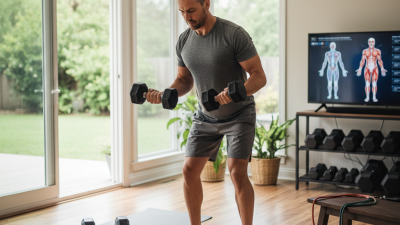
Incorporating Dumb Bells into your routine can enhance strength training. They allow for a variety of exercises targeting different muscle groups. One can perform shoulder presses, squats, or bicep curls. However, proper technique is essential to avoid injuries. Bad form can lead to setbacks. Experiment with weights to find what works for you, but be cautious.
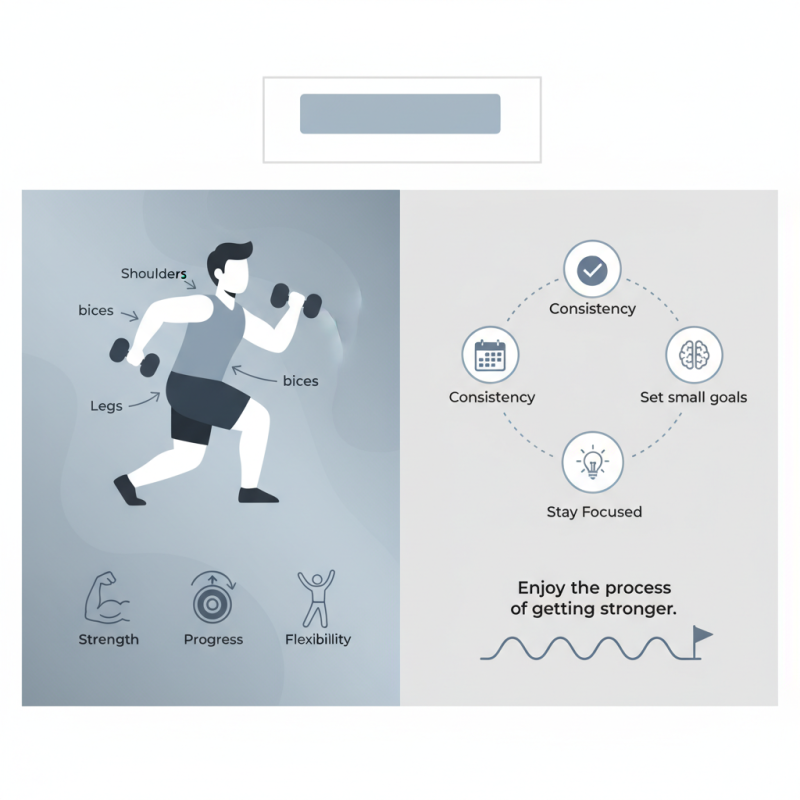
Creating a balanced workout plan helps maximize the benefits of Dumb Bells. Consistency is key, but it's easy to lose motivation. Set small, achievable goals to keep yourself engaged. Remember, even slight improvements are significant. Working out at home means distractions might arise. Stay focused, and enjoy the process of getting stronger.
Choosing the Right Dumbbells for Home Workouts
Choosing the right dumbbells for home workouts can seem overwhelming. Start by determining your fitness level. Beginners might benefit from lighter weights. A set of 5-10 pounds is often ideal. They allow for higher repetitions without causing strain. It’s important to listen to your body during each workout. If you feel discomfort, it may indicate you need lighter weights.
Consider adjustable dumbbells as an option. They offer flexibility for various exercises. This is especially useful when space is limited. However, some users find them cumbersome to adjust. Traditional dumbbells are straightforward but take up more room. Be mindful of your home space before making a choice.
Lastly, aesthetics matter, too. A visually appealing set can motivate you to workout more. Some people prefer compact designs, while others like vibrant colors. Evaluate what resonates with you. Remember, the right dumbbell should challenge you but not lead to injury. Reflect on your choices and adapt as needed.
How to Use Dumb Bells for Effective Home Workouts
This bar chart demonstrates the average weight of dumbbells recommended for different types of exercises to maximize your home workout efficiency.
Essential Warm-Up Exercises Before Using Dumbbells
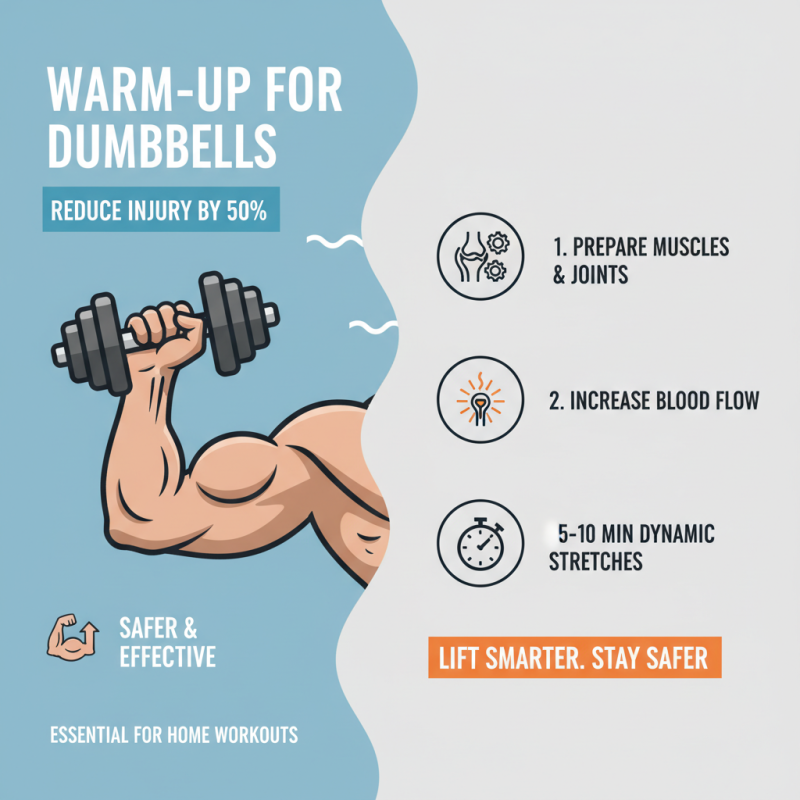
Warming up is crucial before any workout, especially with dumbbells. Studies show that a proper warm-up can reduce injury risk by up to 50%. This is essential if you're lifting weights at home, often with limited space and equipment. A thorough warm-up prepares your muscles and joints, making your workout safer and more effective.
Start with light cardio, like jumping jacks or jogs in place. These activities increase your heart rate and blood flow to muscles. Aim for 5-10 minutes. Next, focus on dynamic stretches. Arm circles and leg swings help mobilize joints. Research indicates this type of stretching enhances athletic performance significantly compared to static stretching.
You can also try bodyweight exercises. Simple moves like squats or lunges activate larger muscle groups. They ensure your body is primed for the added weight of dumbbells. Sometimes, people rush this routine. Skipping proper warm-ups can lead to stiffness or strain. Professional trainers often remind us to listen to our bodies. A good warm-up is not just a formality; it's the foundation of a successful workout.
Basic Dumbbell Exercises for Beginners
Dumbbells are a great tool for beginners looking to improve their home workouts. They are versatile and easy to use. Start with basic exercises that target major muscle groups. One effective move is the dumbbell squat. Stand with feet shoulder-width apart, holding a dumbbell in each hand. Lower your body like you're sitting in a chair. Keep your back straight. Push through your heels to rise. Aim for 10-15 repetitions.
Another excellent exercise is the dumbbell bench press. Lie on your back on a sturdy surface. Hold the dumbbells above your chest with arms extended. Lower them slowly, keeping elbows at a 90-degree angle. Press back up smoothly. This works your chest and arms well. Aim for 3 sets of 8-12 reps.
Form matters. Poor technique can lead to injuries. If you can't complete a rep, lower the weight. Listen to your body. After a few weeks, you might realize some routines need tweaking. Remember, every workout is a chance to improve. Embrace the imperfections; they often lead to your best progress.
Progressing to Advanced Dumbbell Workouts
Progressing to advanced dumbbell workouts can be challenging but rewarding. As you master basic movements, it’s vital to incorporate variations that increase intensity. Adding single-leg or balanced exercises can significantly engage your core. For instance, try a single-leg deadlift, which forces your body to stabilize as you lift.
Pay attention to your form. Improper technique can lead to injuries, negating your progress. Maybe you struggle with shoulder presses. If it feels heavy, don’t hesitate to reduce weight. Focus on the range of motion instead of just lifting. Controlled movements enhance muscle engagement and efficiency.
Moreover, don’t shy away from incorporating supersets. Pairing two exercises back-to-back intensifies your workout. For example, alternate between bent-over rows and bicep curls without rest. This method challenges both endurance and strength. Remember, the key to progression lies in consistent reflection and adaptation. Keep assessing your workouts; the journey is as important as the destination.
How to Use Dumb Bells for Effective Home Workouts? - Progressing to Advanced Dumbbell Workouts
| Workout Type |
Description |
Sets |
Reps |
Rest Time (min) |
| Dumbbell Bicep Curl |
Target biceps by lifting dumbbells towards shoulders |
3 |
10-12 |
1 |
| Dumbbell Chest Press |
Press dumbbells from chest position to overhead |
3 |
8-10 |
1.5 |
| Dumbbell Squat |
Perform squats while holding dumbbells for added weight |
3 |
12-15 |
1-2 |
| Dumbbell Shoulder Press |
Lift dumbbells overhead to strengthen shoulders |
3 |
10-12 |
1.5 |
| Dumbbell Deadlift |
Lift dumbbells from the ground up to work the back and legs |
3 |
10-12 |
2 |
Incorporating Dumbbells into a Full-Body Workout Routine
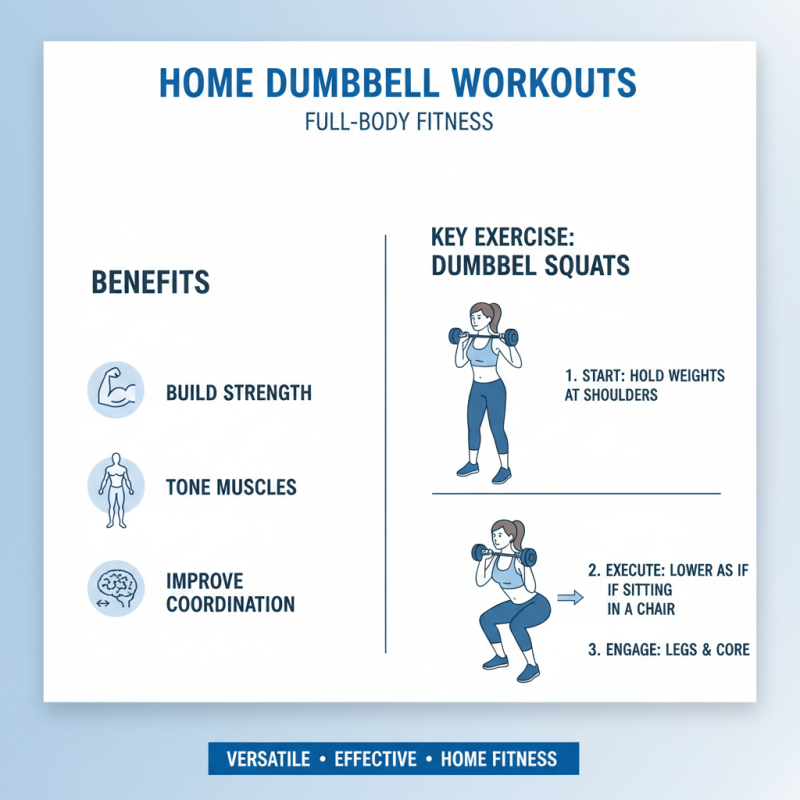
Dumbbells are a versatile tool for full-body workouts at home. They can help build strength, tone muscles, and improve coordination. Start by incorporating basic exercises like dumbbell squats. Hold the weights at shoulder height, keeping your back straight. Lower yourself as if sitting in a chair. This engages your legs and core effectively.
Next, consider adding dumbbell rows. Bend slightly at the hips, keeping a straight back. Pull the weights towards your hips, squeezing your shoulder blades together. This targets the back and enhances posture. However, maintaining proper form can be challenging. It's essential to focus on your technique rather than the weight you lift.
Lastly, don't overlook the power of dumbbell presses. Lying on your back, push the weights upward. Ensure your arms align with your shoulders. This can feel difficult, especially as fatigue sets in. Listen to your body and take breaks. Remember, progress may not always be linear, but consistency is key. Adjust as needed and experiment with different routines.