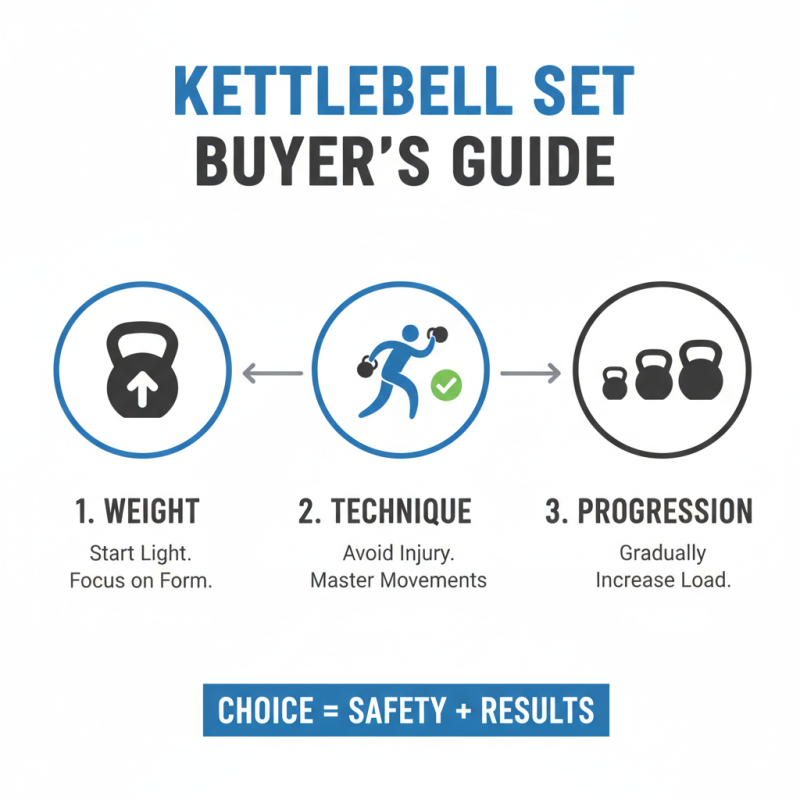
What is a Kettlebell Set and How to Choose the Right One?
Kettlebell Sets are becoming increasingly popular among fitness enthusiasts. These versatile tools can offer a wide range of workouts. According to renowned fitness expert, Mike Sable, "The right kettlebell set transforms your training experience."
Choosing the right Kettlebell Sets can be overwhelming. There are numerous options on the market. Weight, size, and material all play a role in your decision. It's essential to consider your fitness goals and experience level. A misguided choice may lead to frustration or injury.
It's also important to pay attention to the design. Some kettlebells have an uneven handle that can make exercises challenging. In contrast, others have a more ergonomic design. Remember, a perfect kettlebell set doesn't exist. Test a few options to find what suits you best. Finding the right fit can make all the difference in your training journey.
What is a Kettlebell Set and Its Components?
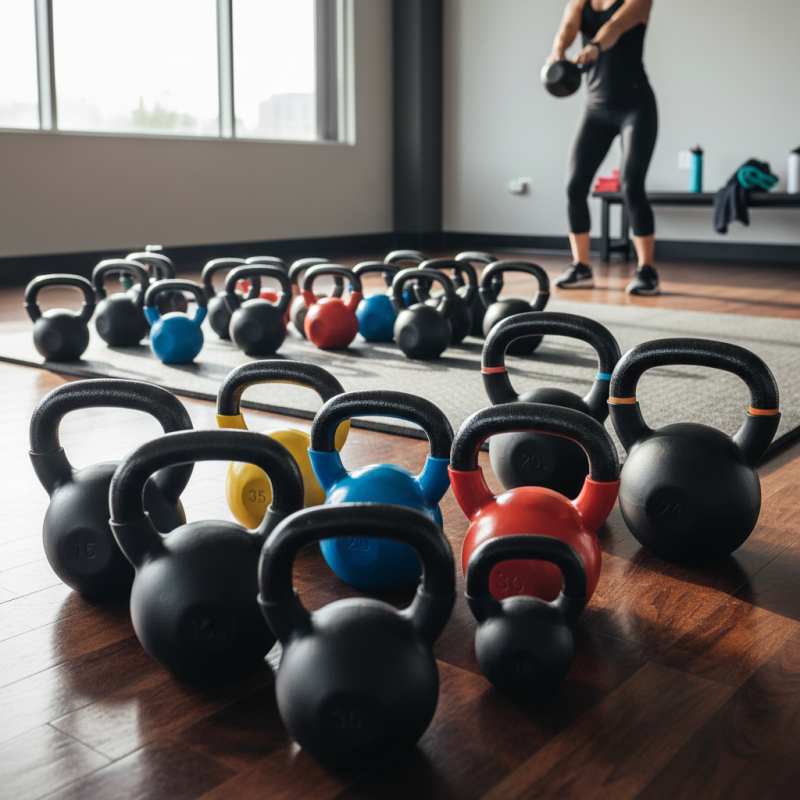
A kettlebell set is a versatile collection of weights designed for strength training and conditioning. These sets typically include various weights, allowing users to progress as their strength increases. Each kettlebell features a unique shape with a handle on top, enabling various grip styles and exercises. The kettlebell's design also promotes balance and stability during workouts, which is crucial for effective training.
When choosing a kettlebell set, consider the weight range. Beginners may start with lighter weights, like 8 to 12 kg, to master technique. As you advance, aiming for heavier options is essential. Many sets also offer a variety of handle sizes. A comfortable grip matters. A handle that is too thick can lead to poor form. Look for smooth finishes; rough edges may cause blisters.
Additionally, consider the material. Powder-coated or vinyl-covered kettlebells provide better durability. Aesthetics can be distracting, but color options can motivate you. Reflect on your space; larger sets require more room. Aim for a balance between collection size and storage solutions. It’s okay to feel overwhelmed when choosing the right kettlebell set. Take your time; your fitness journey is personal.
Benefits of Using Kettlebells for Fitness Training
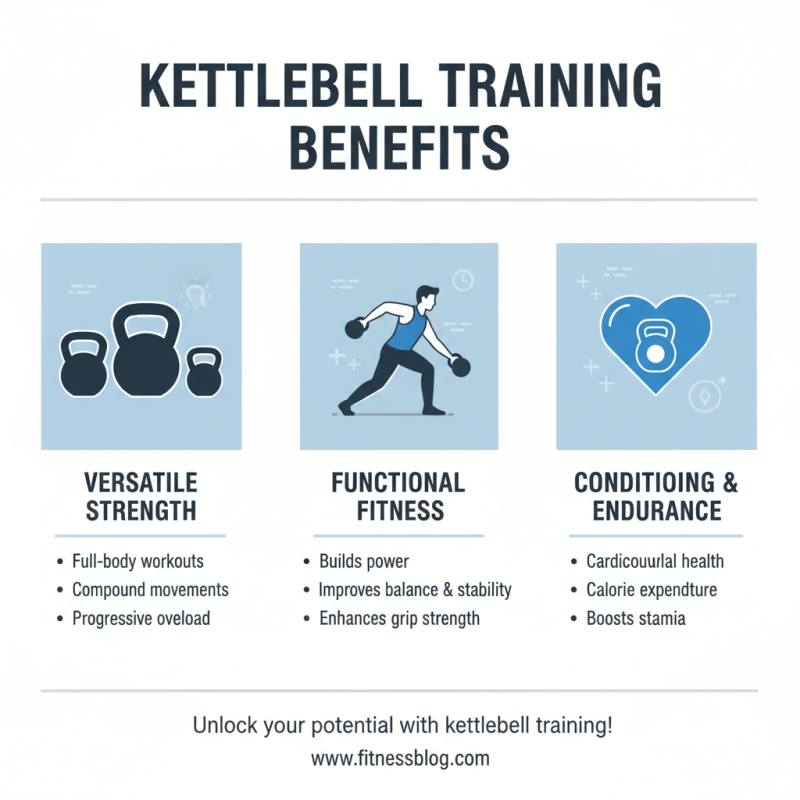
Kettlebells have become popular tools for fitness training. Their unique shape allows for versatile workouts that target multiple muscle groups. You can perform swings, squats, and presses with ease. These compound movements provide a full-body workout, enhancing strength and endurance. They engage core muscles effectively.
Using kettlebells can also boost your cardiovascular health. When you choose the right weight, you can elevate your heart rate quickly. This leads to better calorie burn during your workouts. However, it’s important to find a weight that feels comfortable. Starting too heavy can lead to form issues or injuries. It's okay to challenge yourself, but don't rush into it.
Many people might underestimate the value of kettlebell training. They often think of it as just another trend. Yet, it offers functional strength that pays off in daily life. Engaging with kettlebells regularly can improve your stability and coordination. Ultimately, everyone's journey with kettlebells is unique. Finding what works best for you may take time and experimentation.
Benefits of Using Kettlebells for Fitness Training
Factors to Consider When Choosing a Kettlebell Set
When choosing a kettlebell set, several factors play a crucial role. Weight is the most obvious consideration. Beginners may find lighter kettlebells easier to handle. Choosing a weight that allows for good form is vital. A common mistake is starting too heavy. This can lead to improper technique and potential injuries.
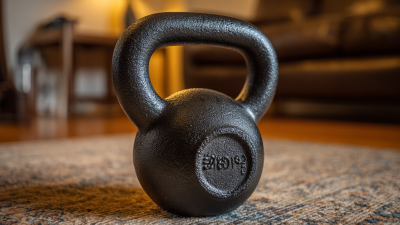
Material is another key factor. Kettlebells can be made of cast iron, vinyl, or competition-grade materials. Cast iron is durable and provides a solid grip. Vinyl-coated options may look better, but they can be slippery. You need to consider how the kettlebell feels in your hands. A smooth, comfortable grip matters, especially during intense workouts.
Lastly, design impacts your choice. Some kettlebells have a wider handle, which allows for different gripping styles. If you plan to perform exercises like swings or snatches, a wider handle is beneficial. Take time to try various designs before making a decision. This process might feel overwhelming, but finding the right kettlebell set is essential for effective workouts.
Types of Kettlebells: Material, Shape, and Weight Options
Kettlebells come in various materials, shapes, and weight options, making them versatile for different fitness levels. Most kettlebells are made from cast iron or a rubberized exterior. Cast iron is durable and offers a traditional feel, while rubberized ones protect floors and reduce noise. A survey in the fitness industry suggests that 70% of home gym users prefer rubber-coated kettlebells for these reasons.
When choosing a kettlebell, consider the weight. Beginners should start with lighter options, usually between 8 to 16 kg. According to a report, about 25% of users lift too much initially, leading to injuries. This reflects the importance of personal assessment before selection. Shape matters too; traditional kettlebells with a wide handle allow for more versatile grip options, while competition-style kettlebells maintain uniform size regardless of weight.
It's essential to reflect on your goals. Are you aiming for strength, flexibility, or endurance? This reflection influences your choice in shape and weight. Many users overlook ergonomics, which are crucial for proper form and injury prevention. Selecting the right kettlebell can mean the difference between effective workouts and setbacks.
What is a Kettlebell Set and How to Choose the Right One? - Types of Kettlebells: Material, Shape, and Weight Options
| Type |
Material |
Shape |
Weight Options (lbs) |
| Standard Kettlebell |
Cast Iron |
Traditional |
5, 10, 15, 20, 25 |
| Competition Kettlebell |
Steel |
Uniform |
8, 12, 16, 20, 24 |
| Adjustable Kettlebell |
Plastic/Metal |
Versatile |
10 to 40 |
| Rubber Coated Kettlebell |
Cast Iron with Rubber |
Traditional |
10, 15, 20, 25 |
| Neoprene Kettlebell |
Neoprene Coating |
Traditional |
5, 10, 15 |
How to Properly Use a Kettlebell for Optimal Results
Using a kettlebell correctly is key to achieving optimal results. Proper form helps prevent injuries and maximizes effectiveness. For example, when performing a swing, keep your back flat and engage your core. A report from the National Strength and Conditioning Association highlights that improper techniques can lead to muscle strains.
To enhance your kettlebell routine, include variations like squats and snatches. Research shows that incorporating different exercises can improve muscular endurance by up to 30%. Aim for a mix of strength and cardio workouts. This dual approach helps target multiple muscle groups effectively.
**Tips:** Start with lighter weights to master your form. Gradually increase the weight as you build confidence. It’s common to feel awkward at first! Reflect on what feels challenging but manageable. Keep track of your progress; it can be motivating. Regularly reassess your routine to ensure you stay engaged and avoid plateaus.