China Top Dumbbell Sets Suppliers for Global Buyers?
China has become a major sourcing market for Dumbbell Sets, serving gyms, retailers, hotels, and home fitness brands worldwide. This guide examines Chinese suppliers through practical buyer concerns, not attractive catalog claims alone. Product quality can vary between factories, even when photographs look identical. Material selection matters. Cast iron, rubber, urethane, and chrome finishes affect durability, odor, grip, and total cost. Experienced buyers should request samples, inspect handle knurling, and compare actual weights with stated specifications. A 10-kilogram dumbbell should not quietly become 9.6 kilograms.
Reliable sourcing requires evidence beyond a factory introduction. Buyers can review production experience, quality-control procedures, packaging tests, export records, and independent inspection options. Clear communication about tolerances, logo placement, carton strength, and replacement policies reduces unpleasant surprises. Shipping terms, port capability, lead times, and seasonal capacity deserve equal attention. Small details matter. A damaged carton corner can expose metal to moisture during a long sea journey.
No supplier is perfect, and this overview does not pretend otherwise. Some factories offer excellent pricing but limited customization. Others provide polished service yet require larger minimum orders. Buyers should balance price, performance, compliance, and after-sales support for their target market. Regional safety and labeling requirements should be verified with qualified professionals before purchase. The strongest supplier is not always the cheapest. It is the partner that repeatedly delivers consistent Dumbbell Sets, communicates honestly, and improves when problems appear. That standard is demanding, but global buyers need it.
Types of Dumbbell Sets Supplied by Chinese Manufacturers
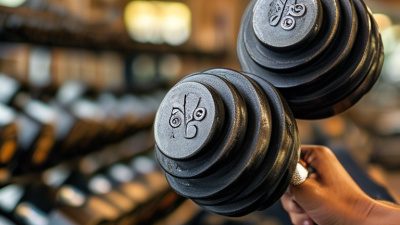
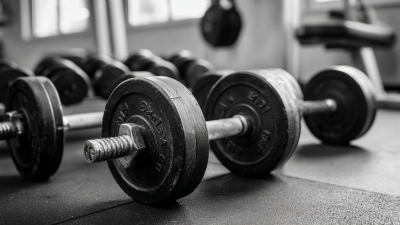
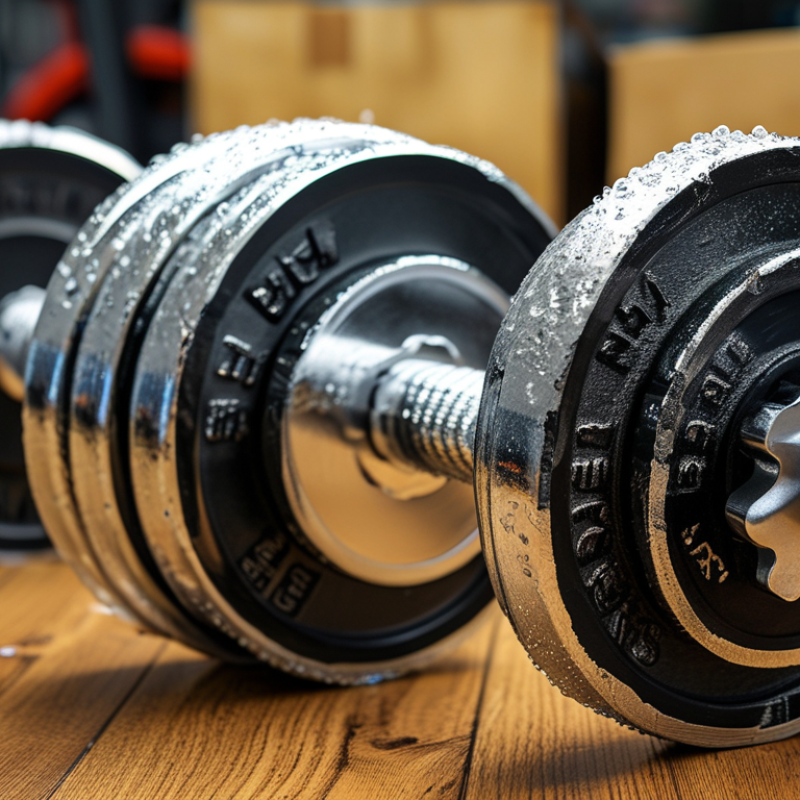
Chinese manufacturers supply dumbbell sets for home gyms, hotels, rehabilitation centers, and commercial fitness rooms. Their product ranges usually include fixed, adjustable, and selectorized sets. Fixed dumbbells often use cast iron, steel, rubber, urethane, or neoprene coverings. Neoprene models suit light training because they feel softer and resist minor surface damage. Rubber-coated sets handle heavier use and reduce noise on gym flooring.
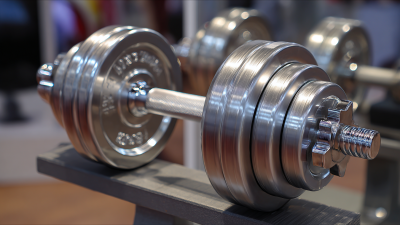
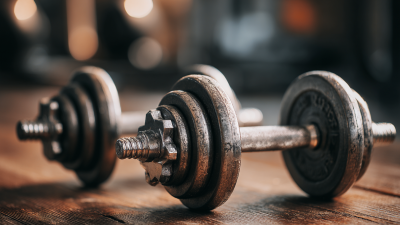
Adjustable dumbbell sets offer several weight options in one compact unit. Common designs use threaded collars, locking plates, or quick-change mechanisms. Some manufacturers supply sets from 2.5 to 50 kilograms per dumbbell, while custom ranges may go higher. Buyers should check handle diameter, plate tolerance, locking security, and the actual weight of each finished unit. Small differences can affect paired exercises.
Chinese factories also produce hex dumbbells, round dumbbells, studio sets, and complete racks. Hex shapes reduce rolling, which helps during floor workouts. Round sets look cleaner, but they may move during storage. Steel handles can improve durability, although rough knurling may feel uncomfortable for new users. I have found that packaging deserves equal attention; loose weights can damage coatings during shipment. Factory samples, coating tests, drop checks, and batch weight records provide useful evidence. Still, no inspection replaces clear specifications, and buyers sometimes overlook storage space, cleaning needs, or replacement parts.
Leading Chinese Dumbbell Set Supplier Categories for Global Buyers
China Top Dumbbell Sets Suppliers for Global Buyers?
Leading Chinese Dumbbell Set Supplier Categories for Global Buyers
Chinese dumbbell suppliers generally serve four categories: cast iron, rubber-coated, neoprene, and adjustable sets. Cast iron models suit strength-focused gyms and lower-cost procurement. Rubber-coated sets reduce floor noise and protect surfaces. Neoprene options fit home workouts and lighter studio sessions. Adjustable sets save warehouse space, but their locking systems require closer inspection.
Demand remains active. The American College of Sports Medicine ranked traditional strength training fifth in its 2024 Worldwide Survey of Fitness Trends. Grand View Research reported that the global fitness equipment market reached approximately USD 16.6 billion in 2022. Its forecast expects continued growth through 2030. These figures do not isolate dumbbells, but they show a supportive purchasing environment.
Global buyers should compare handle knurling, weight tolerance, coating adhesion, packaging strength, and replacement availability. Ask suppliers for batch inspection records, load-cycle tests, and clear material declarations. A 10-kilogram set should not vary noticeably between samples. That sounds obvious. It still needs checking.
For commercial facilities, urethane or rubber-coated sets usually offer better durability and easier cleaning. Home retailers may prefer compact adjustable designs with printed weight markings. Export cartons should separate metal edges from coated surfaces. Some suppliers provide impressive samples but weaker production batches. This is where the evaluation can fail. Request pre-shipment photographs, random weighing, and independent inspection before payment. Supplier categories overlap, so the cheapest quotation may not represent the lowest total cost.
China Dumbbell Set Supplier Categories for Global Buyers
Typical per-dumbbell weight ranges by product category
Adjustable spinlock and selectorized dumbbells are commonly selected for space-efficient commercial and home-gym programs, while fixed hex, rubber, and neoprene dumbbells are preferred for fast-access training areas. The ranges represent commonly specified product configurations for international sourcing and should be confirmed against the final supplier specification.
Manufacturing, Quality Control, and Product Customization Standards
China Top Dumbbell Sets Suppliers for Global Buyers?
Manufacturing quality begins with controlled steel, not attractive packaging. Reliable factories verify alloy certificates, hardness, coating thickness, and handle dimensions for every production batch. Grand View Research valued the global fitness equipment market at about USD 16.5 billion in 2023. That scale increases pressure on suppliers to control consistency, not merely capacity.
A practical quality system should include incoming inspection, in-process torque checks, drop testing, and final weight verification. Digital scales should record each dumbbell, because a visible 1% mismatch can affect paired training. ISO 9001 certification supports documented procedures, but certification alone proves little. Buyers should review calibration records, corrective-action reports, and independent test results. The American College of Sports Medicine has repeatedly ranked strength training among important fitness trends, keeping demand for dependable resistance equipment high.
Customization needs technical boundaries. Suppliers can adjust weight increments, knurling depth, grip diameter, colors, packaging, and laser markings. They should confirm drawings before tooling begins. Powder coating must resist sweat, abrasion, and repeated contact with racks. For adjustable sets, locking mechanisms require repeated cycle tests, not just visual inspection. Small details matter.
Factory audits can expose weak welding, mixed materials, or rushed packing. Still, no audit is perfect. Some buyers overlook rainy-season humidity and warehouse corrosion. That is a mistake. A pre-shipment inspection, sample retention, and batch traceability create stronger evidence. According to the 2024 SFIA Topline Participation Report, strength-training participation remains a major part of fitness activity in the United States, making durable, clearly specified dumbbells commercially important.