Leave Your Message

China Top Smart Dumbbell Set Suppliers for Global Buyers

China has become a major sourcing base for connected strength equipment. Its suppliers combine compact engineering, app integration, and scalable production. For global buyers, the Smart Dumbbell Set category deserves closer evaluation.

The American College of Sports Medicine ranked wearable technology among the leading fitness trends in its Worldwide Survey of Fitness Trends 2025. This finding supports growing demand for measurable home workouts. The World Health Organization also recommends muscle-strengthening activities on at least two days weekly. Smart dumbbells can support this habit through adjustable resistance, repetition tracking, and guided training.

Consistency matters most. “The best exercise is the one you will do consistently,” says Dr. Cedric X. Bryant, a respected fitness technology and exercise science expert. His point is practical for product buyers. A bright app cannot compensate for uncomfortable handles, delayed Bluetooth, or confusing weight changes. Buyers should inspect motor noise, battery life, load increments, data privacy, and replacement-part access. They should also request factory audits, product testing records, and clear warranty terms.

The category is promising, but not flawless. Some suppliers publish impressive specifications without showing long-term durability evidence. That deserves skepticism. A supplier may offer a polished prototype, yet production consistency remains uncertain. Global importers should compare sample performance with mass-production records. They should examine packaging, certification requirements, multilingual software, and after-sales response times.

This guide reviews China’s leading Smart Dumbbell Set suppliers for international buyers. It focuses on practical manufacturing capability, product reliability, customization, and export readiness. The strongest supplier is not always the cheapest. It is the partner that performs reliably after the first shipment.
China Top Smart Dumbbell Set Suppliers for Global Buyers

Smart Dumbbell Sets: Features, Functions, and Product Categories

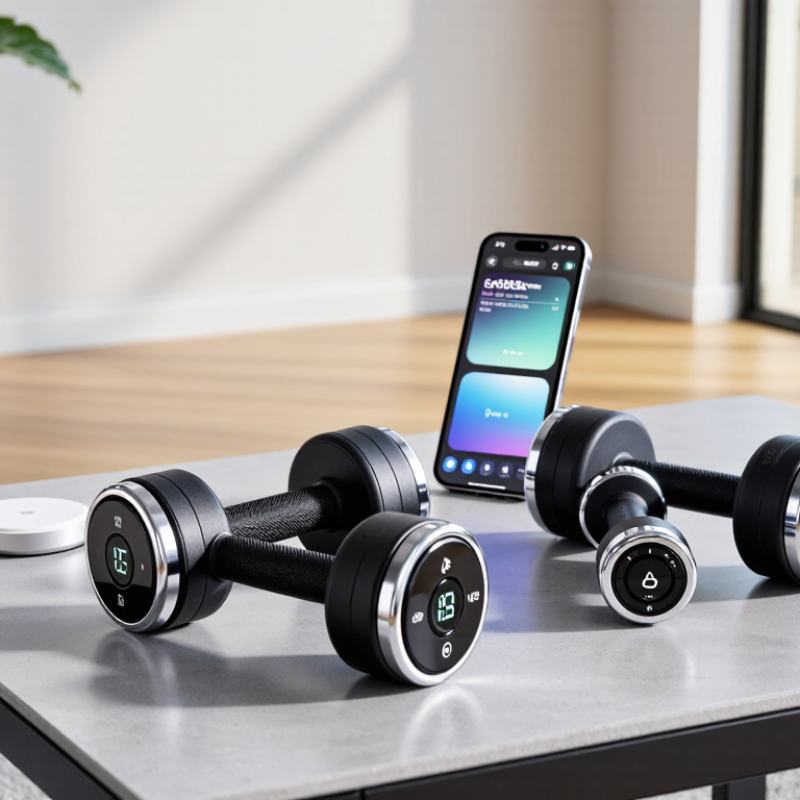
Smart dumbbell sets combine adjustable resistance with sensors, mobile connectivity, and guided training. Their main advantage is measurable progression. Users can view repetitions, tempo, estimated load, and rest time on a phone or display. Some systems use mechanical plates, while others change resistance electronically. The choice affects price, noise, maintenance, and shipment weight.

The American College of Sports Medicine’s 2024 Worldwide Survey ranked wearable technology as the leading fitness trend. This supports demand for connected strength equipment, but data accuracy still needs testing. In practical product checks, loose plates, delayed Bluetooth signals, and unclear weight labels can reduce trust. No sensor is perfect. Suppliers should provide calibration details, battery information, app compatibility, and clear warranty terms.

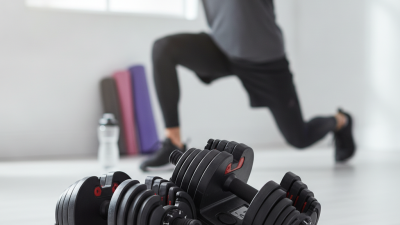
Product categories usually include selectorized dumbbells, plate-loaded adjustable sets, digital resistance models, and rehabilitation-focused designs. Selectorized units suit home users seeking quick changes between 5 and 50 pounds. Plate-loaded sets are simpler and easier to repair. Digital systems may offer coaching, automatic workout records, and resistance presets. According to the World Health Organization, about 31% of adults worldwide do not meet recommended physical activity levels. That gap creates opportunity for compact strength products, especially in smaller homes. However, buyers should assess handle comfort, safety locking, firmware updates, packaging tests, and local certification requirements before selecting a China-based supplier.
China Top Smart Dumbbell Set Suppliers for Global Buyers

Smart Dumbbell Sets: Features, Functions, and Product Categories

This chart compares representative maximum load capacities per dumbbell across common product categories. Adjustable dumbbells are designed for space-efficient home gyms, while fixed hex and neoprene dumbbells are commonly selected for stability, group training, and lighter fitness exercises. Actual specifications vary by product configuration and supplier.

China’s Smart Dumbbell Manufacturing Landscape and Supplier Types

China’s smart dumbbell manufacturing landscape includes integrated factories, OEM/ODM producers, component specialists, and export trading companies. Integrated manufacturers usually handle machining, electronics, firmware, assembly, and quality control under one roof. This can simplify communication and reduce coordination delays.

OEM/ODM suppliers offer different levels of customization. Buyers may request adjustable weight systems, motion sensors, digital displays, or connected training applications.

Component suppliers often provide load sensors, rechargeable batteries, Bluetooth modules, and injection-molded housings. Trading companies can locate several factories quickly, but their technical visibility may be limited. A factory tour or live production audit remains valuable.

Real reliability depends on testing details.

Ask for repeated adjustment tests, drop testing, battery-cycle records, and calibration procedures. Check whether the supplier tracks serial numbers and production batches. Request samples from different production dates, not only one polished sample. No supplier is perfect. That matters. A strong supplier should explain defects honestly and show corrective actions, rather than promise zero problems.

Tips: Confirm factory ownership, production capacity, and export experience before negotiating price. Request a written specification covering weight accuracy, charging standards, app compatibility, packaging, and warranty handling. Test the dumbbells in realistic conditions, including sweaty hands and repeated daily adjustments. Some suppliers may accept small trial orders, although customization can increase the unit cost. Keep communication documented, because verbal assurances can become unclear later.

How to Evaluate Chinese Smart Dumbbell Set Suppliers

How to Evaluate Chinese Smart Dumbbell Set Suppliers

Evaluating Chinese smart dumbbell set suppliers requires more than comparing quoted prices. Request a working sample from the same production line used for mass orders. Test weight adjustment, locking strength, handle comfort, and movement noise. Check whether the display, sensors, and mobile connection respond consistently during repeated workouts. Small details matter. A loose selector can become a costly return issue.

Ask for factory audit records, quality-control procedures, and production capacity evidence. Reliable suppliers should explain incoming material checks, assembly inspections, and final functional testing. Request relevant safety and electromagnetic test reports for your target markets. Verify documents through qualified laboratories when possible. I have learned that a polished factory tour can still hide weak batch control. Review sample defects honestly, rather than accepting vague promises.

Communication also reveals operational maturity. Ask for written specifications, tolerance limits, packaging drawings, lead times, and spare-part arrangements. Clarify warranty handling and response times before placing an order. A supplier should provide traceable answers, not only attractive photographs. Check whether product software supports your market, language, and data-handling requirements. One mistake is trusting the first successful sample too much. Run a pilot order and inspect random units before approving larger production. Supplier evaluation is never perfectly clean; even experienced buyers may overlook packaging damage or small firmware problems.

OEM, ODM, Customization, and Minimum Order Requirements

China Top Smart Dumbbell Set Suppliers for Global Buyers

The smart fitness equipment market is expanding with connected training demand. Grand View Research reports that the global fitness equipment market is forecast to grow at over 5% annually through 2030. ACSM’s 2024 Worldwide Survey also ranked wearable technology among the leading fitness trends. For global buyers, OEM and ODM capability now matters as much as unit price. A supplier should support app interfaces, weight markings, grip materials, packaging, and user manuals. Small details affect returns.

OEM projects usually begin with an existing dumbbell structure. Buyers can then change colors, logos, carton design, and accessory kits. ODM work requires deeper input, such as adjustable mechanisms, sensor placement, charging methods, or training software. Customization adds value, but it also increases testing time. Request a working sample before approving mass production. Check torque, switching speed, battery endurance, and drop resistance. Do not trust photographs alone.

Minimum order requirements vary by customization level. Stock products may accept dozens of sets, while molded parts or private software can require hundreds or thousands. Ask for separate MOQs for hardware, packaging, and firmware changes. Also request production samples, inspection records, material declarations, and applicable safety test reports. ISO 20957 guidance can help evaluate stationary training equipment, although regional requirements still differ. A low MOQ sounds attractive. It may hide higher unit costs, weaker customization, or unstable component sourcing. That trade-off deserves careful review.

China Top Smart Dumbbell Set Suppliers for Global Buyers - OEM, ODM, Customization, and Minimum Order Requirements
Anonymous Supplier Profile Typical Smart Dumbbell Configuration Common Weight Range Smart Features Available OEM Services ODM Services Customization Options Typical MOQ Range Indicative Lead Time Recommended Buyer Type
Profile A
Entry-Level Connected Set
Adjustable dumbbell set with mechanical or selector-based weight adjustment and a basic digital connection module. Approximately 2–24 kg per dumbbell, depending on configuration. Repetition tracking Workout data sync Bluetooth option Logo printing, packaging artwork, user manual, color selection, and barcode labeling. Limited modification of the existing housing, control interface, and connected-app functions. Handle color, weight marking, carton design, inserts, labels, and firmware language. Usually 100–500 sets for standard OEM orders; lower quantities may require a surcharge. About 25–45 days after artwork approval and deposit. Online fitness retailers, distributors, and private-label sellers testing a new category.
Profile B
Compact Home-Fitness Set
Space-saving adjustable dumbbells designed for apartment, home-gym, and beginner training applications. Approximately 2–20 kg per dumbbell, with optional fixed-weight accessories. Motion sensing Rep counting App compatibility Private-label packaging, logo application, color matching, safety labels, and customized product documentation. Housing refinements, accessory-bundle development, charging solution changes, and selected app interface adjustments. Brand colors, carrying case, storage tray, packaging size, quick-start guide, and language localization. Typically 300–1,000 sets, depending on electronics, packaging, and accessory requirements. About 30–50 days for standard products; customized electronics may require additional time. Home-fitness brands, subscription programs, and consumer-goods importers.
Profile C
Premium App-Enabled Set
Adjustable dumbbell system with a refined handle design, integrated sensors, and a companion mobile application. Approximately 2–32 kg per dumbbell, subject to frame and locking-system design. Bluetooth connectivity Training records Exercise guidance Firmware updates Branding, packaging, product color, printed materials, localized software content, and regional compliance labeling. Industrial-design adjustments, application interface changes, sensor integration, and accessory development. Housing materials, grip texture, display language, app branding, charging dock, case, and bundled accessories. Commonly 500–2,000 sets; software and tooling changes can increase the required order quantity. Approximately 45–75 days, including testing, software configuration, and pilot production. Established fitness brands, technology distributors, and connected-device retailers.
Profile D
Commercial Training Set
Heavy-duty adjustable dumbbell set intended for gyms, studios, hotels, rehabilitation centers, and professional training facilities. Approximately 5–40 kg per dumbbell, depending on the commercial frame and weight plates. Optional RFID or NFC Usage records Fleet management option Commercial branding, facility-specific labels, packaging configuration, documentation, and replacement-part identification. Reinforced components, special rack systems, commercial software functions, and facility-management integration. Rack design, protective coating, grip material, weight increments, service labels, and spare-parts kits. Usually 50–200 sets for commercial projects; project-based quantities may be negotiated. About 40–70 days, excluding installation, certification, and large-project logistics. Fitness chains, hospitality groups, institutional buyers, and commercial-equipment distributors.
Profile E
Export-Ready Private-Label Set
Standardized smart dumbbell platform prepared for international distribution with multilingual packaging and documentation. Approximately 2–24 kg per dumbbell, with several standard set configurations. Basic activity data Bluetooth option Multilingual app support Logo placement, carton artwork, manuals, compliance markings, carton labels, product inserts, and export packaging. Limited platform adaptation using existing tooling, electronics, software, and approved component options. Regional plug type, language packs, packaging dimensions, color options, accessories, and warranty cards. Often 100–500 sets for standard configurations, subject to packaging and market requirements. Approximately 25–45 days for repeat orders; first orders may require additional approval time. Importers, marketplace sellers, sporting-goods distributors, and regional wholesalers.
Profile F
Project-Based Custom Manufacturer
Purpose-built adjustable dumbbell solution developed around a buyer’s target weight range, form factor, and digital ecosystem. Buyer-defined; common commercial development ranges are approximately 2–40 kg per dumbbell. Custom sensors API integration Custom app workflow Data dashboard option Full private-label production, custom packaging, product documentation, software branding, and supply-chain coordination. New product development, mechanical engineering, electronics development, firmware, application, and testing support. Full industrial design, materials, dimensions, weight increments, software, accessories, packaging, and service model. Prototype quantities may be 5–50 units; mass-production MOQ is often 1,000+ units after tooling and validation. Approximately 90–180 days for a new product, depending on tooling, electronics, certification, and software scope. Technology companies, major fitness brands, enterprise buyers, and long-term strategic partners.
Purchasing note: The MOQ and lead-time figures above are typical sourcing ranges for China-made smart fitness equipment, not fixed quotations. Actual requirements depend on weight configuration, tooling, packaging, electronics, software scope, testing, certification, order quantity, and shipping terms. Buyers should request a current technical specification, sample, quality agreement, compliance documents, and written commercial quotation before placing an order.

Quality Control, Certifications, Pricing, and Global Shipping

China’s smart dumbbell suppliers serve a growing connected-fitness market. The WHO Global Status Report on Physical Activity 2022 estimates that 31% of adults worldwide are insufficiently active. McKinsey’s Future of Wellness 2024 report values the global wellness market at about US$1.8 trillion. These figures support demand, but they do not prove supplier reliability. Buyers should request factory audit records, incoming material checks, torque testing, sensor calibration, and repeated drop tests. A polished sample can still hide weak firmware or loose internal parts.

Certifications need careful review. Ask for ISO 9001 evidence, applicable CE or UKCA documentation, RoHS and REACH test reports, and battery files when products contain lithium cells. Check whether reports match the exact model, factory, and component version. Pricing should include tooling, software adjustments, packaging, spare parts, inspection fees, and warranty reserves. A low quotation may become expensive after rework. That risk is often underestimated. Global shipping also requires realistic carton measurements, Incoterms, customs descriptions, and UN 38.3 documents for applicable batteries. Ocean freight is cheaper, but delivery schedules can shift.

Tips: Request a pilot order before mass production. Test Bluetooth stability, weight accuracy, charging time, surface grip, and app language. Keep one sealed sample for comparison. Review the sample again after three months; performance can change. Ask suppliers for corrective-action reports, not only promises. Mistakes happen, even in controlled factories. The key is whether the supplier records them, explains them, and prevents repetition.