How to Use an Adjustable Barbell for Effective Strength Training?
In the world of strength training, the adjustable barbell stands out as a versatile tool. Dr. John Smith, a renowned fitness expert, once stated, "Adjustable barbells bring flexibility to your workout routine." This powerful statement captures the essence of what makes adjustable barbells essential in any training regimen.
Utilizing an adjustable barbell allows for various exercises, including squats, deadlifts, and bench presses. Adjusting weights easily facilitates progressive overload, which is key to building strength. Many lifters struggle with reaching their goals because they don’t adjust their weights properly. Without proper adjustments, gains can stagnate. Proper form is crucial; neglect it, and injuries may occur.
However, the journey with an adjustable barbell isn’t always perfect. Beginners might find it challenging to select the right weight. This often leads to frustration and inconsistency. Reflecting on one’s approach to using the adjustable barbell can spark motivation. Embracing these challenges can enhance your training experience significantly.
Understanding the Components of an Adjustable Barbell
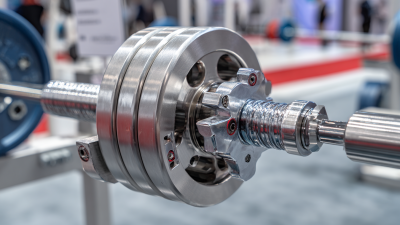
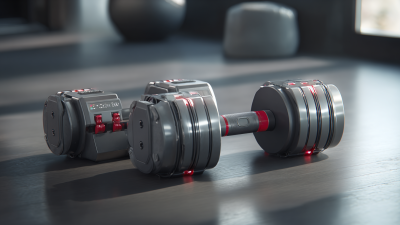
When considering strength training, understanding the components of an adjustable barbell can enhance your workout experience. An adjustable barbell typically consists of a long bar and weighted plates that can be changed according to your fitness needs. This versatility allows for a range of exercises, from deadlifts to squats. Reports reveal that individuals using adjustable barbells can achieve up to 30% more muscle growth compared to fixed-weight options.
Tips: Start with lighter weights. Gradually increase the weight as you progress. Focus on proper form rather than lifting heavy right away. Many beginners rush, leading to injuries.
Another valuable aspect is the space-saving feature of adjustable barbells. They can replace multiple fixed-weight barbells, making them ideal for home gyms. Many people struggle with organization in small spaces. Keeping weighted plates neatly stored can be a challenge. Regularly sorting and returning weights to their designated spots can help maintain a tidy workout environment.
Tips: Establish a routine for organizing your equipment after each workout. Create a checklist of weights used to ensure everything is returned. Consistency in this practice aids in efficient workouts.
Benefits of Using an Adjustable Barbell for Strength Training
When it comes to strength training, an adjustable barbell can be a game changer. They allow for a variety of weights in one piece of equipment. This versatility means you can easily customize your workout based on your fitness level. Want to start light? Just adjust the weights. Ready to push yourself? Add more without needing multiple bars.
Using an adjustable barbell also saves space. In a small home gym, every inch counts. Instead of cluttering up with various dumbbells or barbells, one adjustable barbell can do the job. It’s also often more affordable than buying separate weights. Still, it’s important to be cautious. Improper adjustments can lead to accidents. Always check the weights and secure them tightly before starting your workout.
Another point to consider is technique. While it's easy to focus on the weight, correct form is vital. Sometimes, the barbell's adjustments can cause you to overestimate your strength. This can lead to injuries. It’s essential to listen to your body and reflect on your limits. Having the convenience of an adjustable barbell is excellent, but using it wisely is what truly matters.
Setting Up Your Adjustable Barbell for Different Exercises
Setting up your adjustable barbell correctly is crucial for maximizing your strength training results. Start by choosing the right weight for your current fitness level. Adjust the barbell to a manageable load, ensuring that you can maintain good form throughout your exercises. For beginners, lighter weights are advisable to prevent injury and build confidence. Remember, it’s okay to start small. You can always add more weight later.
Next, focus on adjusting the barbell for specific exercises. For squats, ensure the barbell rests comfortably on your shoulders. When doing deadlifts, adjust the bar height to your shins. Pay attention to your grip. A secure, comfortable grip can significantly affect your performance. It might feel challenging at first, but practice can lead to improvement.
Don’t forget to experiment with different exercises. Each movement may require a unique setup. If something feels off, trust your instincts. You might need to tweak your settings. Reflection on your form and technique is key. Over time, you’ll find what works best for you and can train effectively with your adjustable barbell.
Essential Safety Tips for Using an Adjustable Barbell
When using an adjustable barbell, safety should always come first. Begin by checking the equipment for any issues. Look for loose weights or damaged parts. Ensure all plates are securely fastened. This simple step can prevent accidents.
Warming up is crucial. Take a few minutes to stretch and prepare your muscles. A proper warm-up reduces the risk of injury. Use a lighter weight to practice form before adding more. Always lift within your limits. Pushing too hard can lead to strain.
When lifting, focus on your technique. Keep your back straight and engage your core. Avoid jerky movements. Listen to your body. If something feels off, stop and reassess. A moment of reflection can save you from a serious injury later. Remember, training is a journey, not a race.
Popular Strength Training Exercises with an Adjustable Barbell
An adjustable barbell can transform your strength training routine. This versatile equipment accommodates various exercises. Many popular strength training exercises can be performed with it, making it a staple in home gyms.
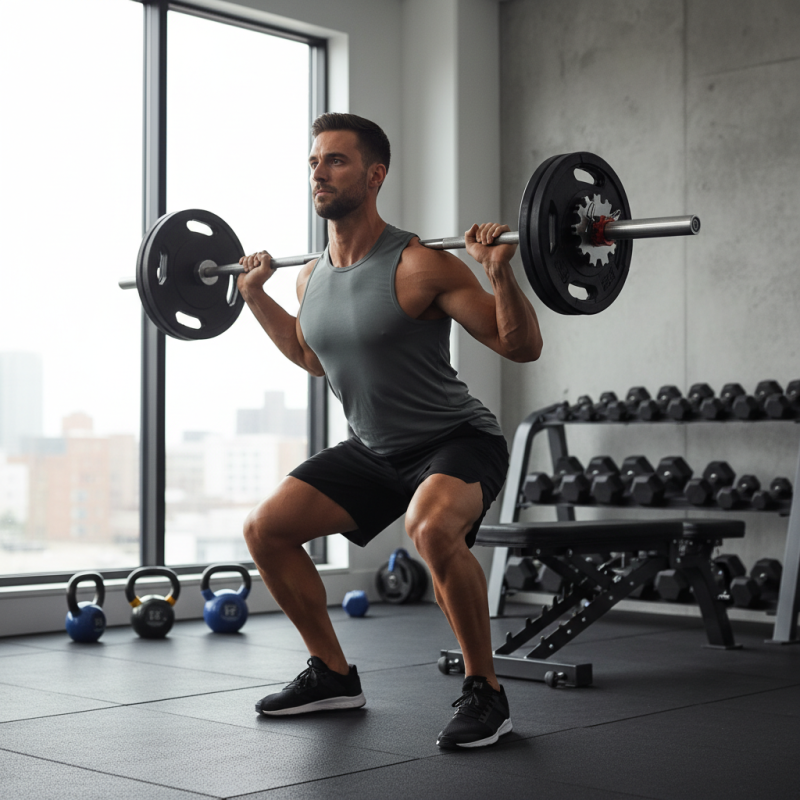
One effective exercise is the barbell squat. Stand with feet shoulder-width apart. Position the barbell across your upper back. Bend your knees and lower your body as if sitting down. Focus on keeping your chest up and back straight. At first, find your balance. It's easy to lean too far forward. Adjust your grip to help maintain proper form.
Another great move is the barbell deadlift. Start with the barbell on the floor. Bend at your hips and knees to grasp the bar. Remember to keep your spine neutral. As you lift, push through your heels and stand tall. You might feel strain on your lower back; it's important to check your form. Lastly, the bench press builds upper body strength effectively. Lay on a flat bench and press the barbell upwards. Ensure your elbows are at a 45-degree angle. Many struggle with the weight; always prioritize safety and control. Adjust the barbell weight as needed.
Strength Training Progress with Adjustable Barbell