How to Use Dumb Bells for Effective Full Body Workouts at Home
In the realm of home fitness, Dumb Bells have emerged as an essential tool for anyone looking to engage in effective full body workouts. According to a recent report by the International Health, Racquet & Sportsclub Association (IHRSA), approximately 80% of individuals who work out at home utilize free weights, with Dumb Bells being among the most favored choices. This preference is largely due to their versatility and the ability to incorporate them into a wide range of exercises targeting various muscle groups, making them ideal for comprehensive strength training routines.
Fitness expert Dr. Mark Anderson, a renowned authority in resistance training, emphasizes the importance of Dumb Bells in a balanced workout regimen: “Incorporating Dumb Bells into your training not only enhances muscle strength but also improves coordination and overall fitness levels.” His insight underscores the significant role that these weights play in promoting functional strength, particularly when navigating the complexities of working out in a home environment.
As more individuals seek efficient ways to stay fit without the need for expansive gym setups, understanding how to effectively use Dumb Bells is paramount. This guide will explore the diverse applications of Dumb Bells for a complete body workout, ensuring that anyone can achieve their fitness goals from the comfort of their home.
Selecting the Right Dumbbells for Home Workouts
When selecting the right dumbbells for home workouts, it's crucial to consider both your fitness level and workout goals. Beginners might prefer lighter weights ranging from 5 to 15 pounds to develop their strength and ensure proper form. As you progress, you can gradually increase the weight as necessary. Adjustable dumbbells have become popular as they allow users to change weight settings easily, accommodating various exercises without taking up much space.
Tips: When choosing dumbbells, look for comfortable grips that suit your hand size. A secure grip helps maintain control during lifts. Additionally, consider the material; neoprene or rubber-coated weights provide a better grip and help prevent damage to your floors.
Another key factor is the weight increments. Opt for dumbbells that offer a range of increments (such as 2.5 or 5 pounds) to enable incremental progression in your workouts. This is especially important when trying to increase strength without risking injury. Investing in a set that can be easily stored and does not take up much room can make your home workout environment far more comfortable and effective.
How to Use Dumb Bells for Effective Full Body Workouts at Home - Selecting the Right Dumbbells for Home Workouts
| Dumbbell Type |
Weight Range |
Material |
Grip Type |
Ideal For |
| Adjustable Dumbbells |
5-50 lbs |
Metal/Plastic |
Rubberized |
Full Body Workouts |
| Hex Dumbbells |
5-40 lbs |
Cast Iron |
Textured |
Strength Training |
| Kettlebells |
10-35 lbs |
Cast Iron |
Wide Handle |
Cardio and Strength |
| Neoprene Dumbbells |
1-10 lbs |
Neoprene Coated |
Easy Grip |
Beginners, Aerobics |
| rubber-coated Dumbbells |
5-30 lbs |
Steel with Rubber Coating |
Ergonomic |
General Fitness |
Essential Safety Tips for Using Dumbbells at Home
When engaging in full body workouts at home using dumbbells, ensuring safety is paramount. According to a report published by the American Council on Exercise, improper weight training techniques can lead to injuries, with almost 50% of exercisers reporting some form of injury in their lifting journey. Thus, familiarizing oneself with fundamental safety tips is essential. Always ensure that the weight you're lifting is appropriate for your fitness level, and prioritize form over weight to prevent strain, particularly on the back and joints.
Additionally, the environment in which you exercise matters significantly. A study from the National Strength and Conditioning Association highlighted that one of the major contributors to home workout injuries is inadequate space and improper setup. Ensure that your workout area is clear of any hazards, such as loose mats or furniture, and that the floor is stable and non-slip. Using quality rubber mats can offer additional grip and cushioning, reducing the chance of slip-related injuries. Moreover, keeping a water bottle nearby for hydration can help maintain your stamina and performance throughout the workout, fostering both safety and effectiveness.
Key Full Body Exercises to Perform with Dumbbells
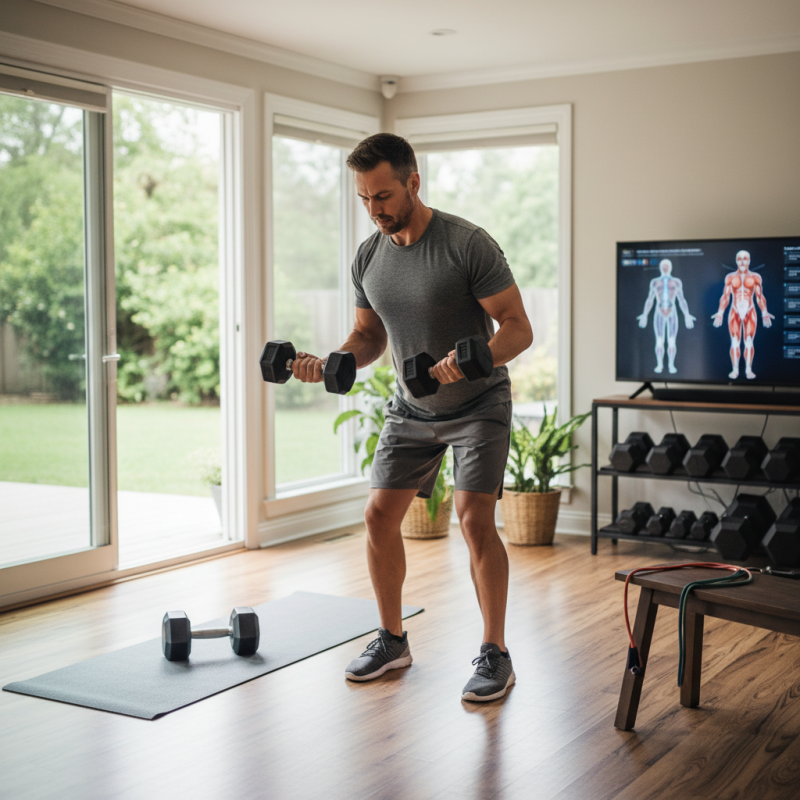
Dumbbells are versatile and effective tools for full-body workouts at home. They allow you to perform a wide range of exercises targeting different muscle groups, making them ideal for those looking to build strength and enhance overall fitness. Some key exercises to incorporate into your routine include the dumbbell squat, which engages your quads, hamstrings, and glutes while promoting core stability. To execute this movement, simply hold a dumbbell in each hand, lower into a squat position, and rise back up, maintaining proper form throughout.
Another essential exercise is the dumbbell press, which can be done either standing or lying down. This movement targets the chest, shoulders, and triceps. For a standing press, hold the dumbbells at shoulder level and press them overhead, ensuring that your core is engaged to support your back. Additionally, incorporating dumbbell rows into your routine will strengthen your back and biceps. Bend slightly at the hips and knees, keep your back straight, and pull the dumbbells towards your waist. These exercises, when combined in a circuit, can provide a challenging full-body workout that can be easily adapted to your fitness level.
Creating a Balanced Dumbbell Workout Routine
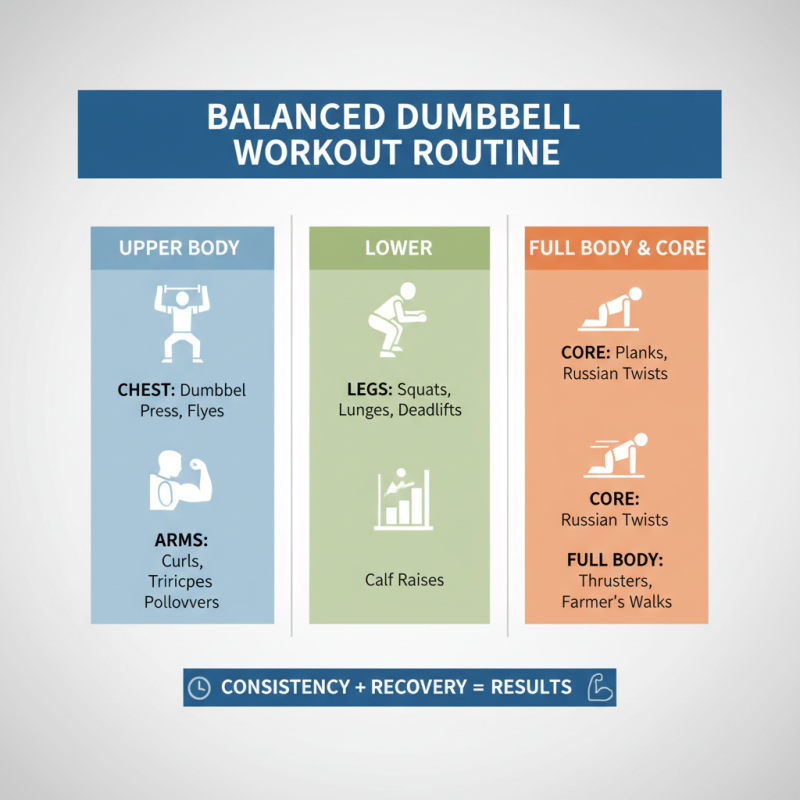
Creating a balanced dumbbell workout routine is essential for achieving comprehensive fitness goals at home. A well-rounded approach should include exercises targeting all major muscle groups: the chest, back, legs, arms, and core. Start by allocating specific days for upper body, lower body, and full-body workouts. This not only prevents fatigue but also allows for adequate recovery time for each muscle group.
Incorporating a variety of exercises is crucial to maintaining engagement and promoting muscle development. For instance, combine pressing movements like dumbbell bench presses and shoulder presses with pulling exercises such as bent-over rows and dumbbell deadlifts. Incorporate squats and lunges for lower body strength, and finish with core exercises like Russian twists and dumbbell planks. Remember to adjust the weights according to your fitness level and gradually increase them as your strength improves, ensuring progressive overload while reducing the risk of injury.
Tracking Progress and Staying Motivated with Dumbbell Workouts
Tracking progress and staying motivated during your dumbbell workouts are essential elements for achieving sustainable fitness goals at home. One effective strategy is to keep a workout journal. In this journal, record the exercises you perform, the number of sets and repetitions, and the weights used. By reviewing your entries regularly, you can easily identify improvements in strength and endurance. This not only provides tangible proof of your progress but also reinforces your commitment to your fitness journey.
Another way to maintain motivation is to set specific, achievable goals. Instead of vague objectives like "get stronger," aim for measurable targets such as increasing the weight of your dumbbells by a certain amount or completing a new workout routine without rest. Celebrate these milestones, no matter how small, as they contribute to building a more rewarding workout experience. Additionally, mixing up your routine with different exercises and training styles can prevent boredom and keep you engaged, ensuring you're excited to hit the gym again. Remember, the key lies in consistency and keeping your workouts enjoyable.
Full Body Workout Progress with Dumbbells
This chart illustrates the progress of weight lifted in pounds over a six-week dumbbell workout program. Consistent tracking can motivate individuals to achieve their fitness goals more effectively.