

Adjustable dumbbell strength factory
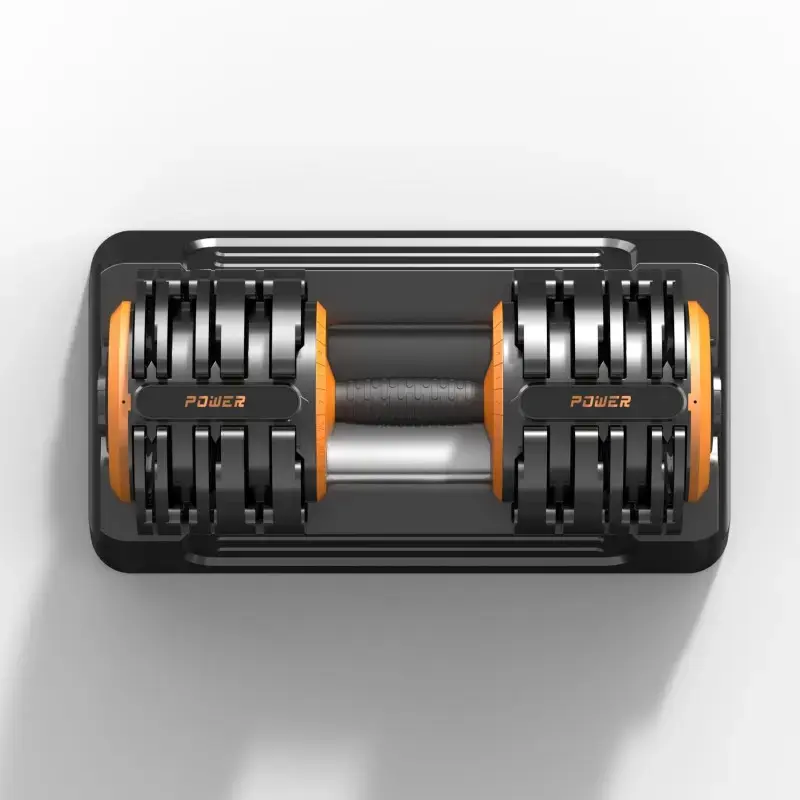
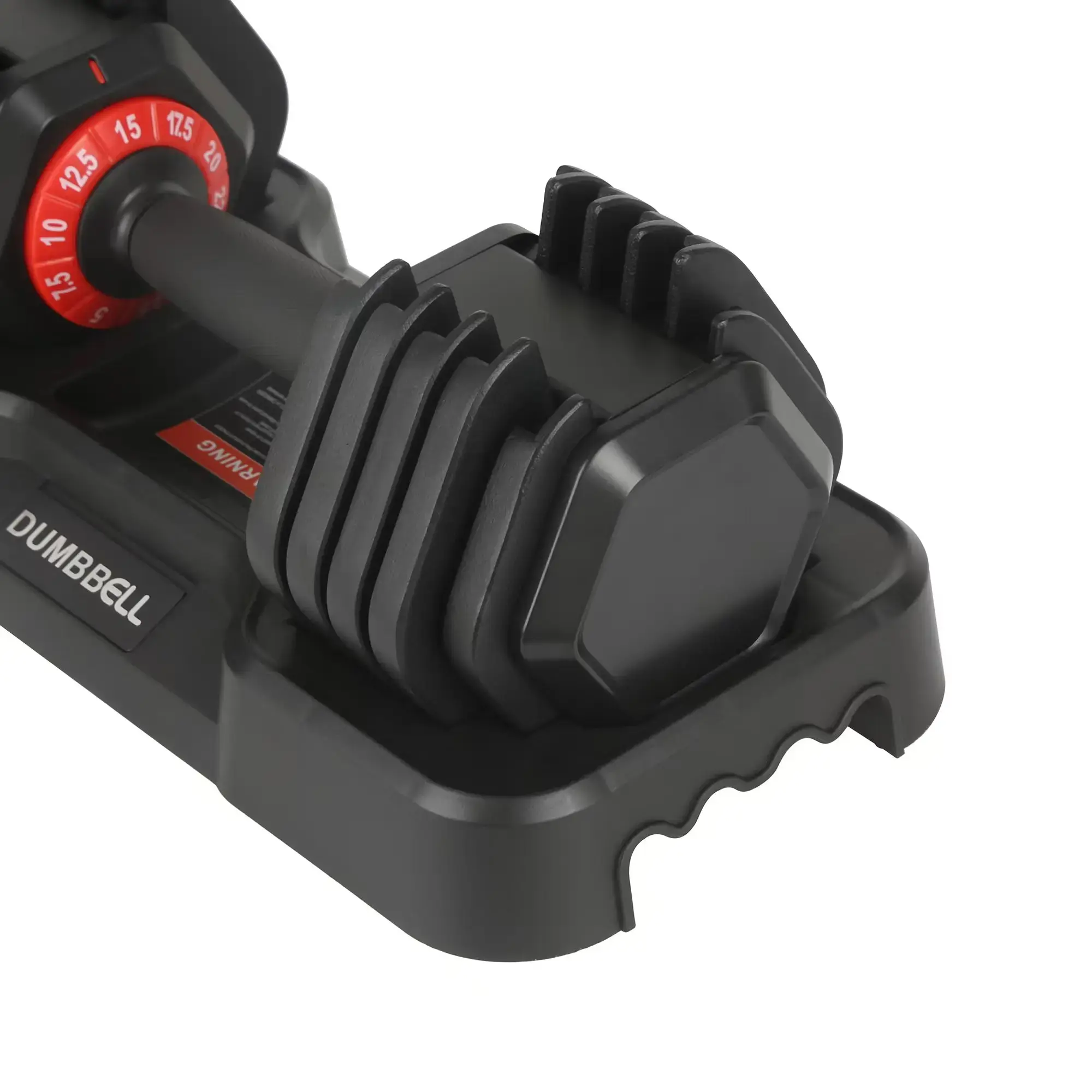
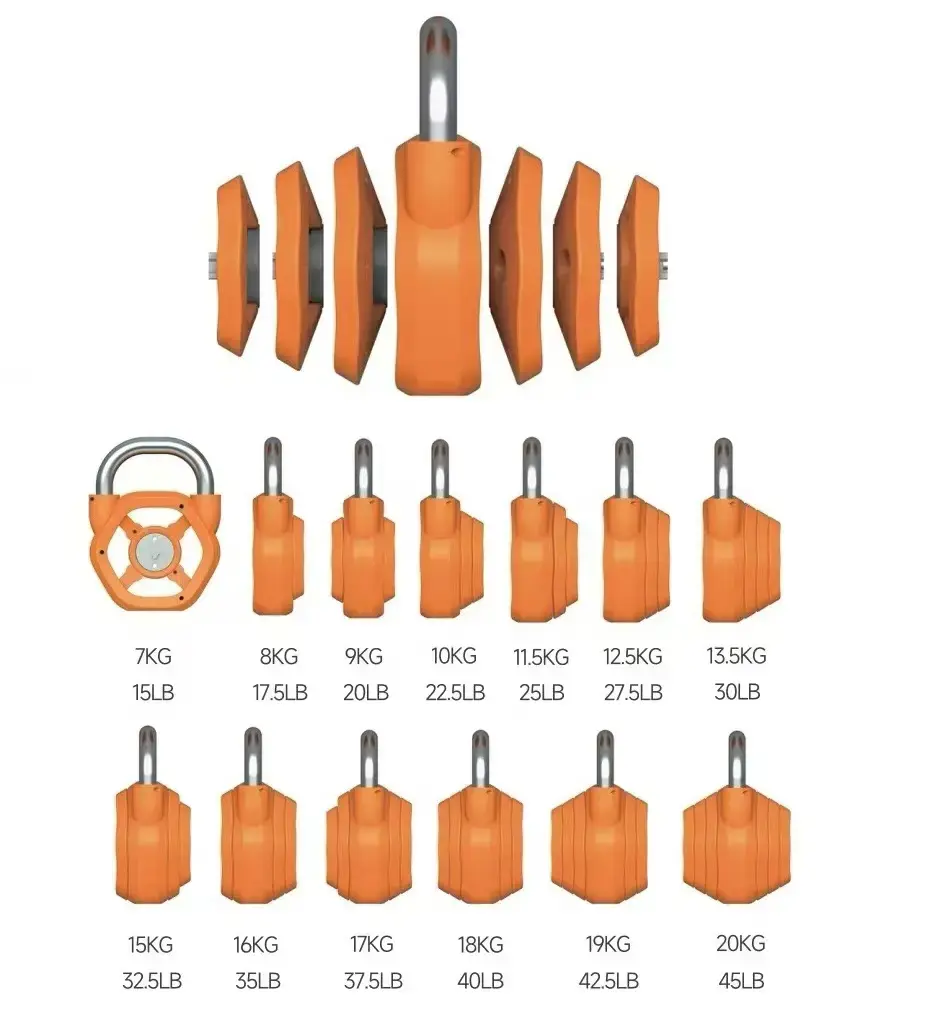
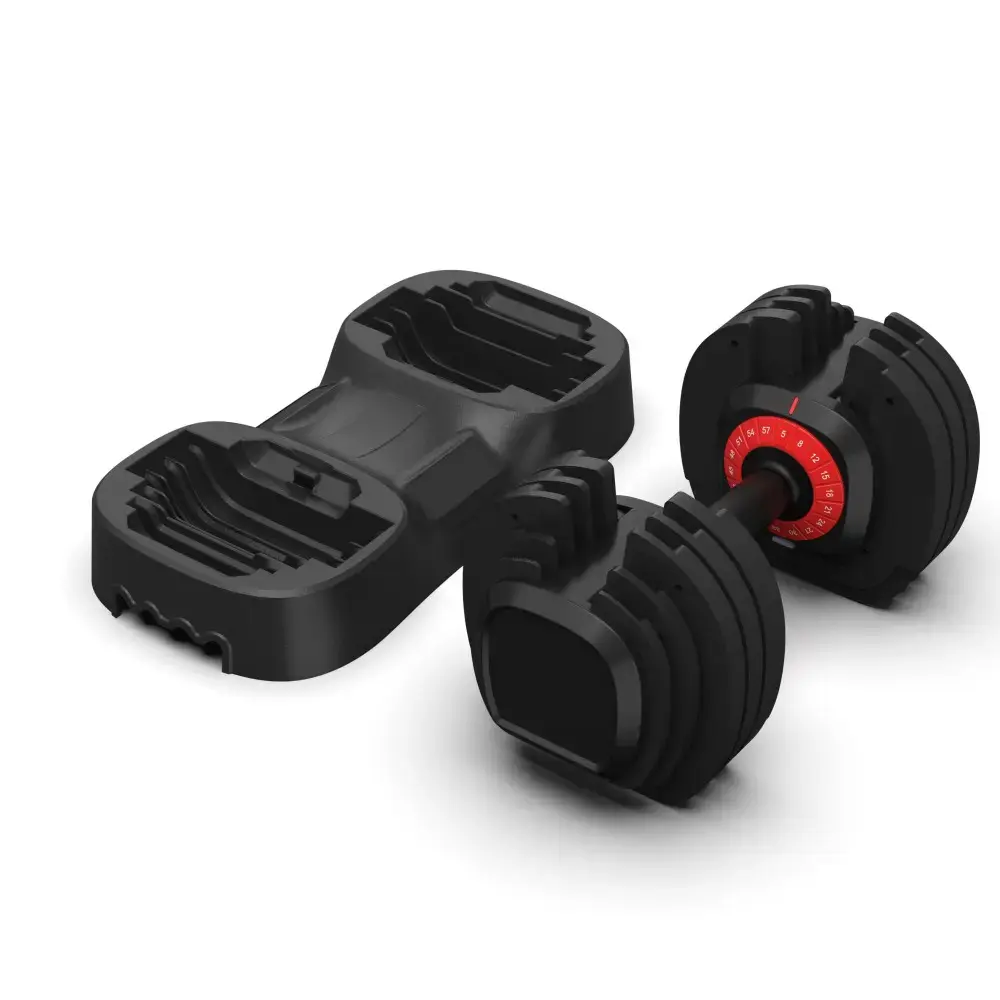
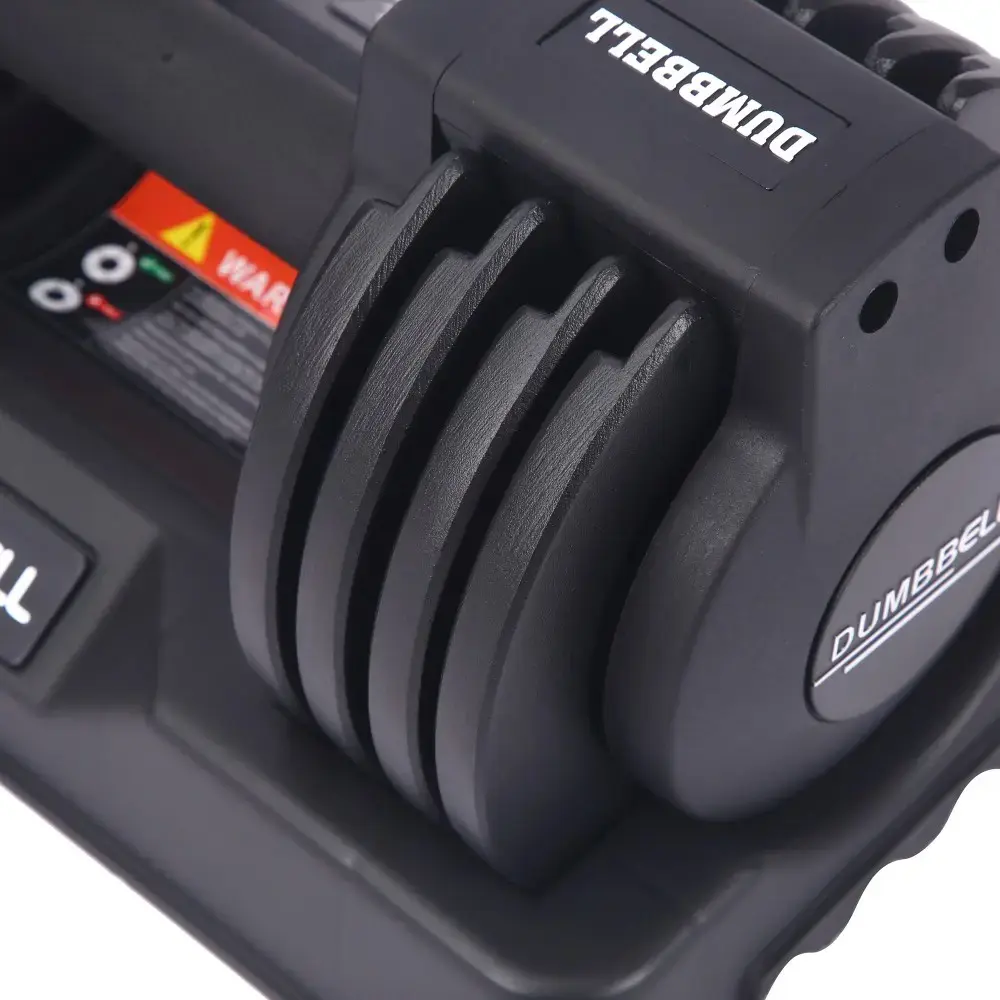
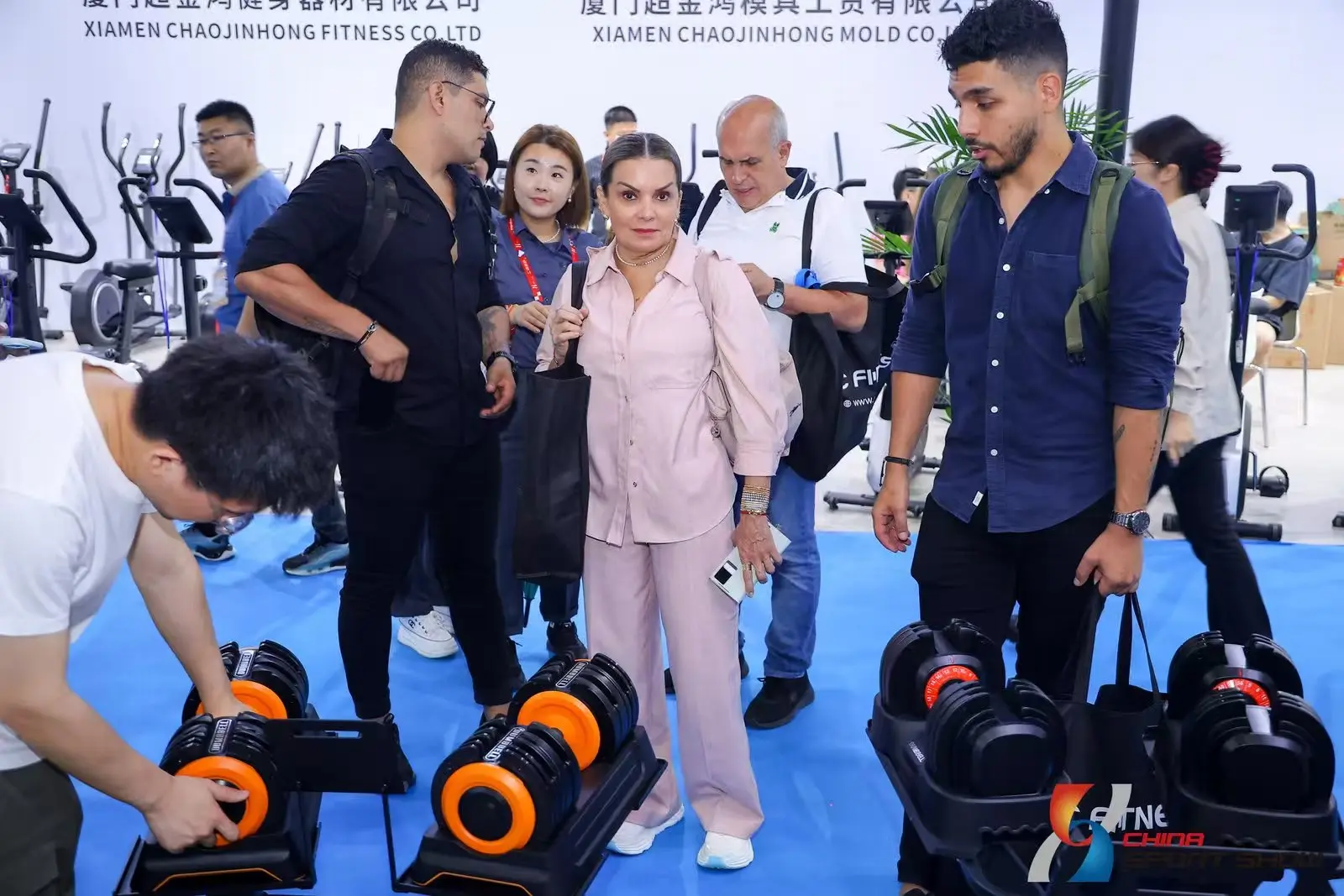
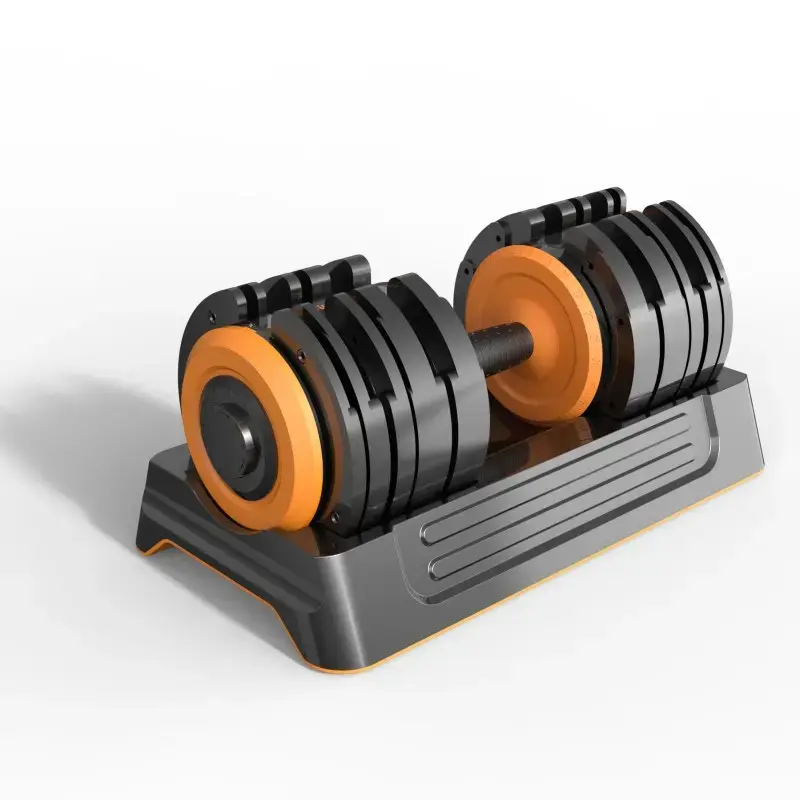
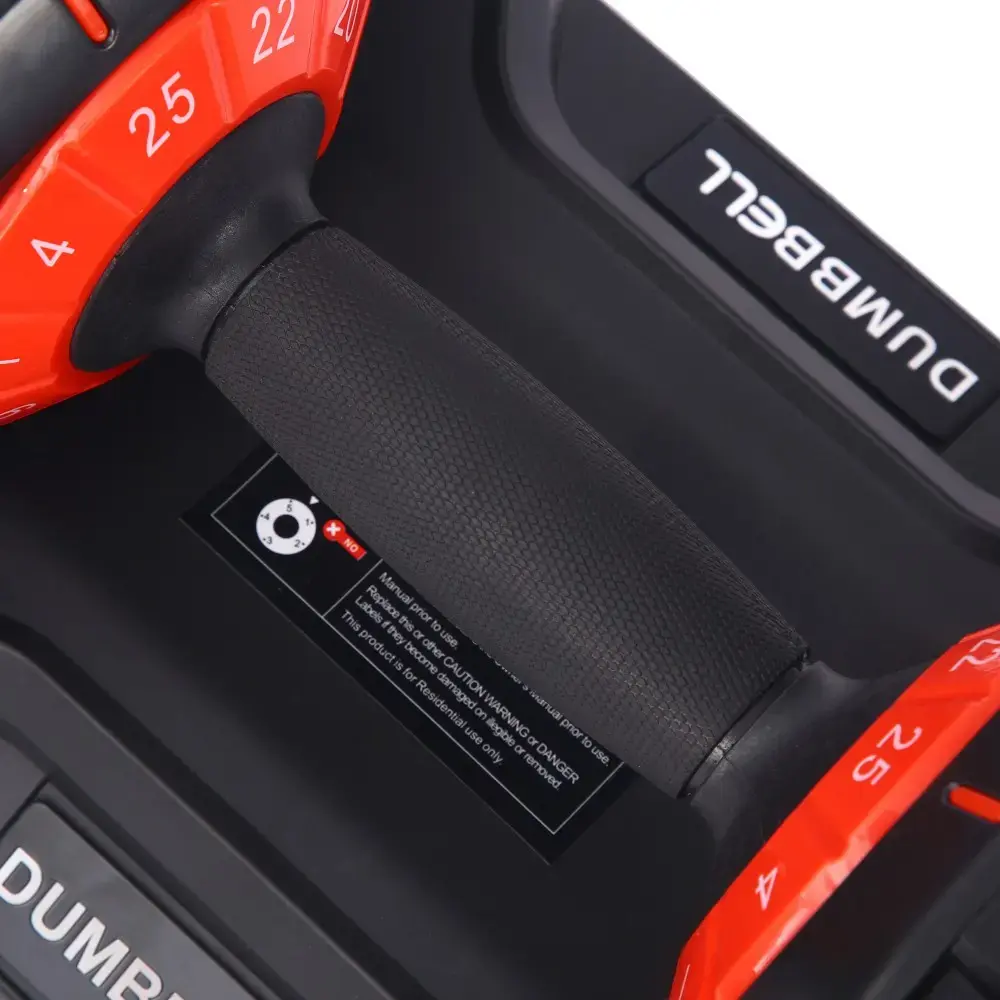
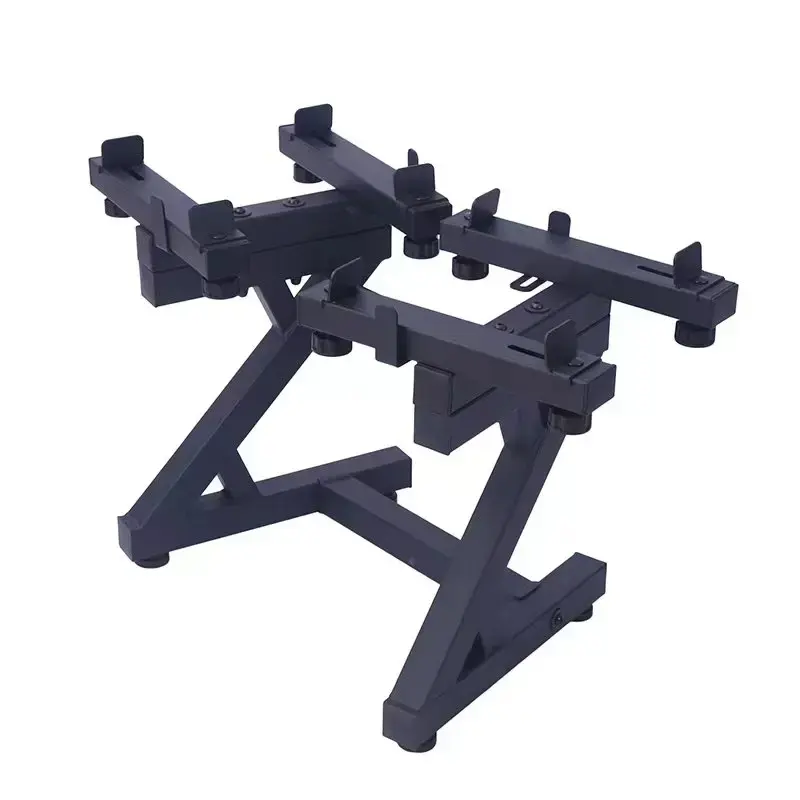
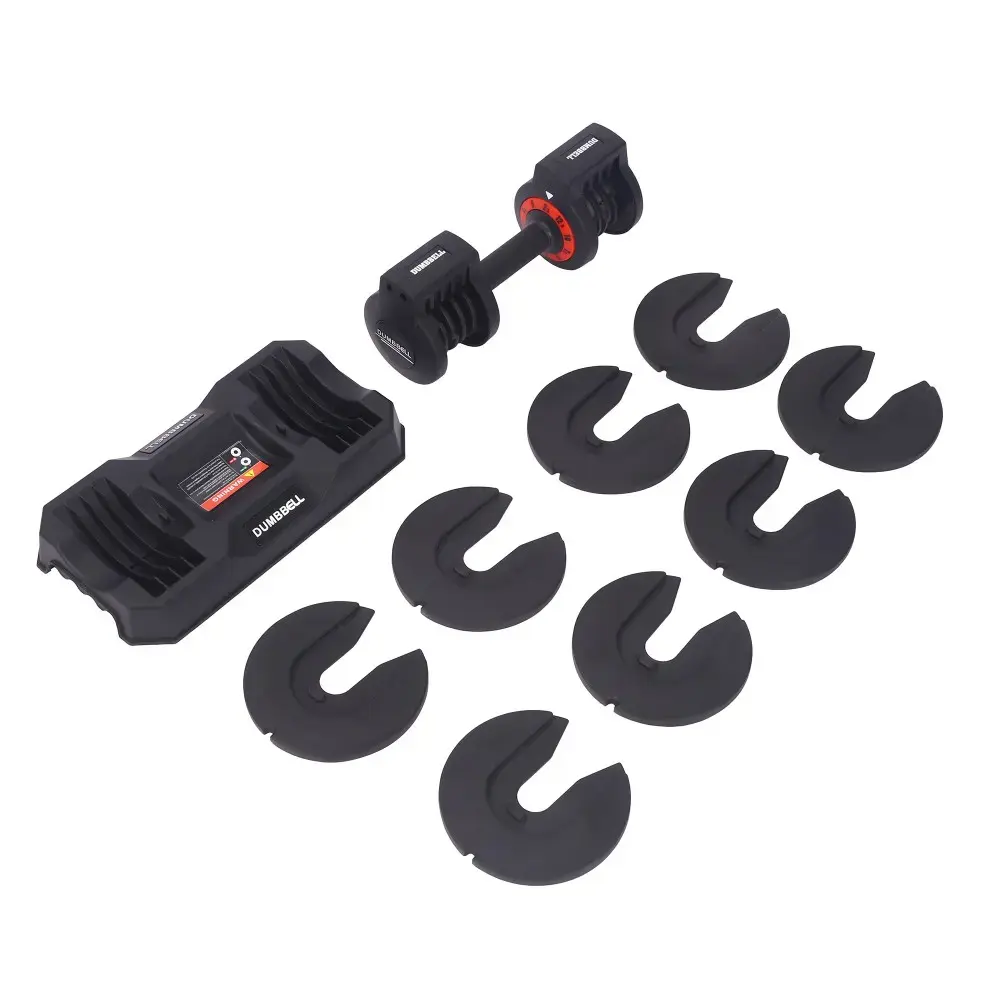
25KG Dumbbell: How does the ergonomic grip make 32mm diameter the gold standard for professional training
In the field of heavy strength training, the 25KG dumbbell holds a unique position - it is not only the cornerstone for advanced trainers to break through bottlenecks but also the regular choice for professional athletes to maintain muscle mass. However, when you hold such a heavy iron block in your hand, the key to determining the quality and safety of your training often does not lie in the bell itself, but in the grip that connects you to the weight. This is precisely where ergonomic design demonstrates its true value in a 32mm diameter.
The deep relationship between palm mechanics and grip diameter
The width of an adult's palm is usually between 75 and 85mm, and the natural gap in the middle of the palm when clenched into a fist is approximately 38 to 42mm. The 32mm grip diameter is not set randomly but is precisely calculated based on biomechanical research. When the diameter of the grip approaches this value, the finger joints can wrap around the grip at an Angle close to neutral, which not only avoids excessive bending of the fingers caused by a too thin grip (increasing tendon pressure), but also prevents premature palm fatigue caused by a too thick grip.
For heavy weight training like 25KG, grip strength consumption becomes a limiting factor. The 32mm diameter optimizes the contact area of the palm - ensuring sufficient frictional force transmission without accelerating the secretion of sweat glands in the hand due to an overly large contact surface, which could lead to slippage. Training data shows that when performing 5 sets of 8 bench presses with a 32mm grip, the electromyographic activity of the forearm muscle groups is approximately 15% lower than that with a 28mm grip. This indicates that more energy can be utilized by the target muscle groups rather than being wasted on maintaining grip stability.
The special challenges of heavy training
The dynamic load of a 25KG dumbbell exerts an instantaneous impact force on the wrist joint that exceeds 2 to 3 times the body weight. Improper grip design can cause three typical problems: ulnar deviation of the wrist joint (resulting in damage to the triangular fibrocartilage), concentrated pressure at the grip point (causing calluses on the palm and nerve compression), and low torque transmission efficiency (affecting the accuracy of movement control).
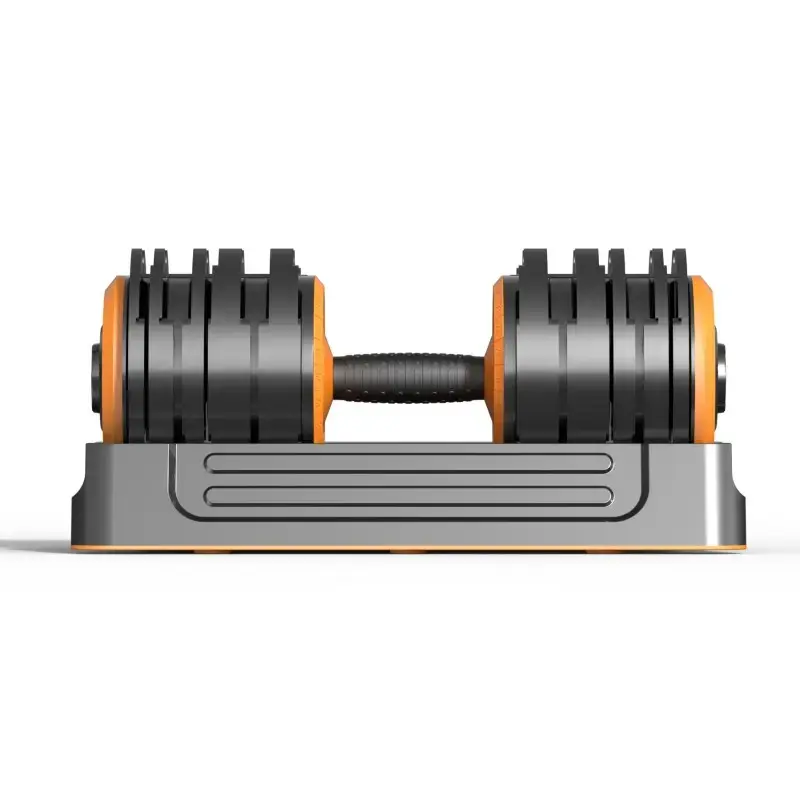
Ergonomics resolves these risks through 3D surface modeling. The central area of the handle usually adopts a slightly convex design, with a diameter maintained at 32mm, while the transition areas at both ends present a fine taper of 1-2mm. This gradient structure automatically guides the palm towards the center at the moment the dumbbell is lifted, reducing the risk of lateral slippage. A study in a certain sports medicine journal indicates that a grip that conforms to this design principle can reduce the unnecessary torsional force of the wrist joint by 22%, significantly lowering the incidence of tenosynovitis.

The scientific choice of texture depth
The friction coefficient of a pure smooth grip will drop by more than 60% under the lubrication of sweat, while overly aggressive kembossing will cut the skin on the palm. The 32mm grip of professional-grade 25kg Dumbbells usually features a diamond-shaped knurling with a depth of 0.3 to 0.5mm, and the tooth pitch is controlled between 1.2 and 1.5mm. This fine processing presents a micro-serrated structure under an electron microscope, which not only provides a reliable grip in a dry state but also avoids excessive friction when wearing training gloves.
For glove-free trainers, some high-end designs embed silicone particles or spray ceramic particles on a 32mm substrate to create a nanoscale concave-convex surface. This treatment increases the static friction coefficient to above 0.8 while maintaining the surface temperature. It is worth noting that these coatings must be evenly distributed. Any bulge larger than 0.1mm will become a pressure hotspot under a 25KG load, thereby reducing comfort.
Full-scene adaptation from single joints to compound movements
The value of the 32mm ergonomic grip varies in different training modes. When pushing dumbbells, the 32mm diameter allows the wrist to maintain a moderate dorsiflexion, and the activation of the long head of the triceps is enhanced. When the farmer is walking, the appropriate embossing of this size can extend the holding time by 30 to 40 seconds. When rowing with one arm, the natural rotation of the palm during the lifting stage will not be restricted by a thick grip.
What is more crucial is the wide adaptability of the trainee group. The average palm of female fitness enthusiasts is 8-10mm narrower than that of men, but a diameter of 32mm is still within the upper limit of the acceptable range. Powerlifters with broad palms can also enjoy a comfortable experience by adjusting their grip position (slightly thinner at both ends of the grip). This subtle taper design, which is "wider in the middle and slightly narrower at both ends", enables a single specification to cover palm-sized people from the 5th percentile to the 95th percentile, which means a significant optimization of inventory SKUs for fitness institution procurement.
The support of material craftsmanship for the realization of functions
The foundation for realizing the ergonomic value of 32mm lies in the selection of materials. Solid steel columns are integrally formed as an industry standard. Steel with a density of 7.85g/cm³ ensures that the deformation of the lower handle for a 25KG counterweight is less than 0.01mm. This places extremely high demands on diameter accuracy - the nominal value of 32mm must be controlled within a tolerance of ±0.1mm; otherwise, the problem of inconsistent grip will occur in batch products.
The surface treatment adopts hard chromium electroplating instead of ordinary nickel plating. The former has a Vickers hardness of 800-1000HV and can resist the long-term corrosion of chloride ions in sweat. The thickness of the coating needs to be precisely controlled within 8-12μm: if it is too thin, the durability will be insufficient; if it is too thick, it will mask the details of the knurled texture. Some manufacturers carry out micro-sandblasting treatment after chrome plating, creating a matte texture without changing the diameter. This visual feedback helps trainees quickly confirm whether the grip position is centered.
Long-term Value and Procurement Decisions
For professional buyers planning bulk purchases, the 25KG dumbbells with 32mm ergonomic grips represent lower user education costs and higher equipment utilization. Gym data shows that the use frequency of dumbbells with this design by members is about 35% higher than that of traditional straight-handled dumbbells, and the complaint rate of hand discomfort has decreased by 80%. From the perspective of asset depreciation, the high-quality handle design extends the average service life of dumbbells to 8 to 10 years, far exceeding the 5 to 6-year cycle of ordinary products.
During the acceptance stage, it is recommended to use a ring gauge to test the consistency of the 32mm diameter and a surface roughness meter to confirm whether the knurling depth is within the 0.3-0.5mm specification. At the same time, request a biocompatibility test report to ensure that long-term skin contact will not cause allergic reactions. These technical documents not only serve as objective evidence of product quality but also act as effective tools to reduce decision-making risks in professional procurement processes.
When your client or member holds a 25KG dumbbell, the 32mm ergonomic grip conveys not only the cold metallic texture but also respect for training science and an understanding of human potential. In a market where strength training equipment is increasingly homogenized, this seemingly tiny size figure actually embodies the triple wisdom of materials science, sports anatomy and manufacturing technology, serving as a silent yardstick to distinguish professional-grade from entry-level products.