

Adjustable dumbbell strength factory
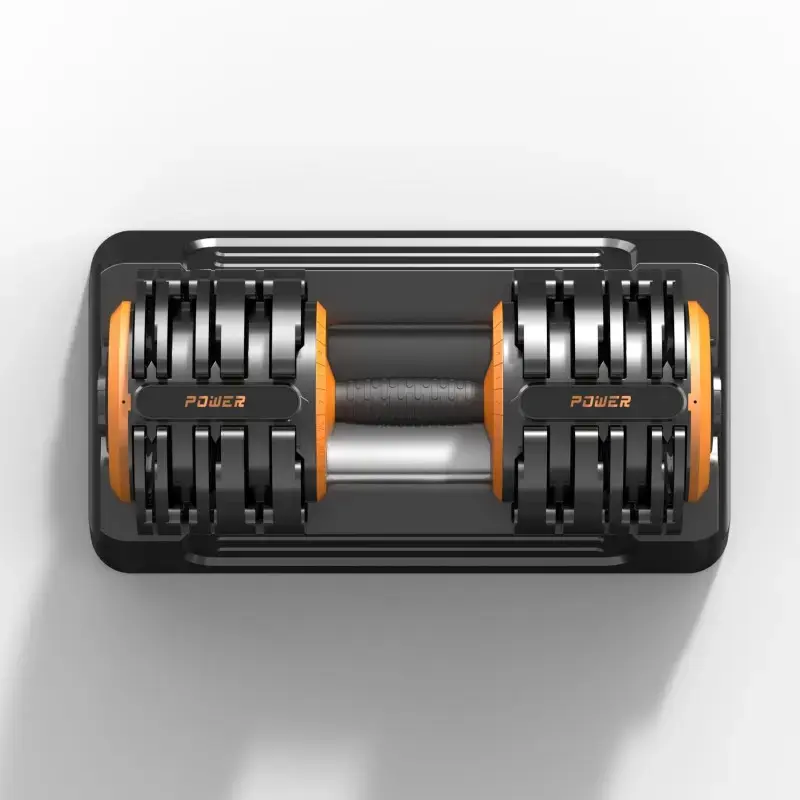
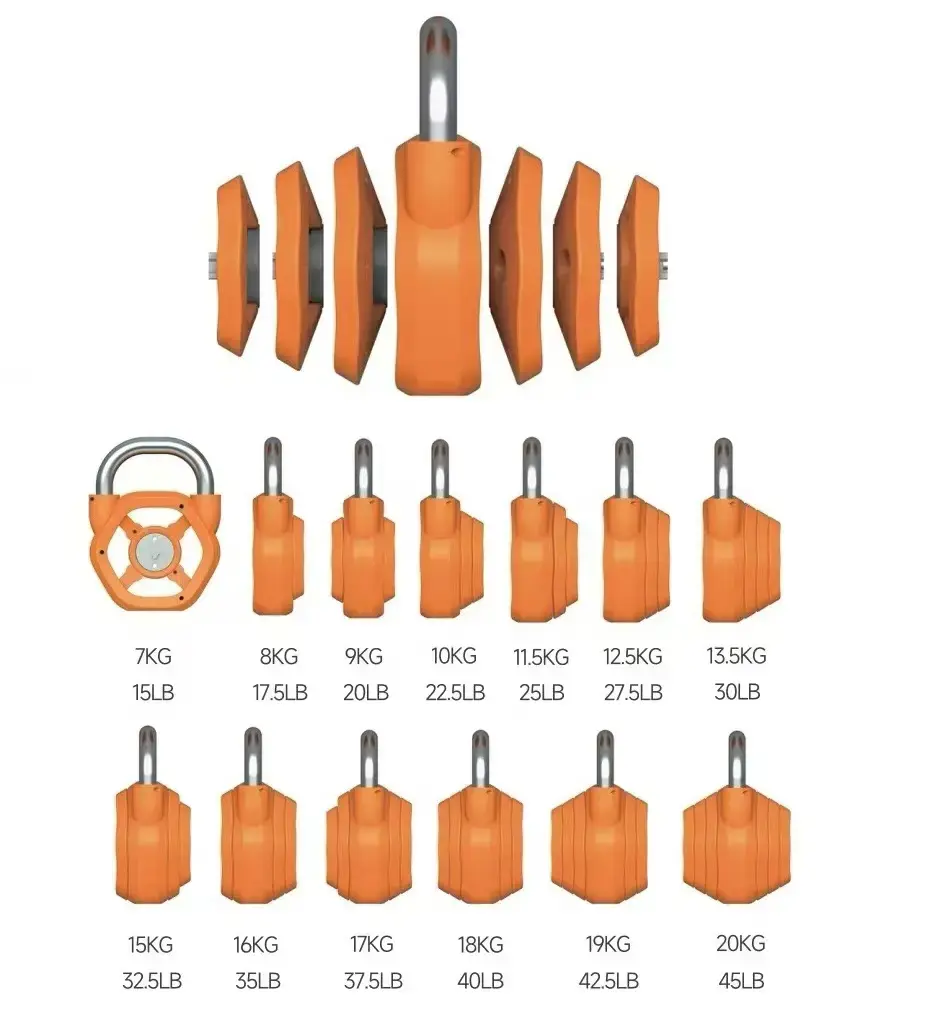
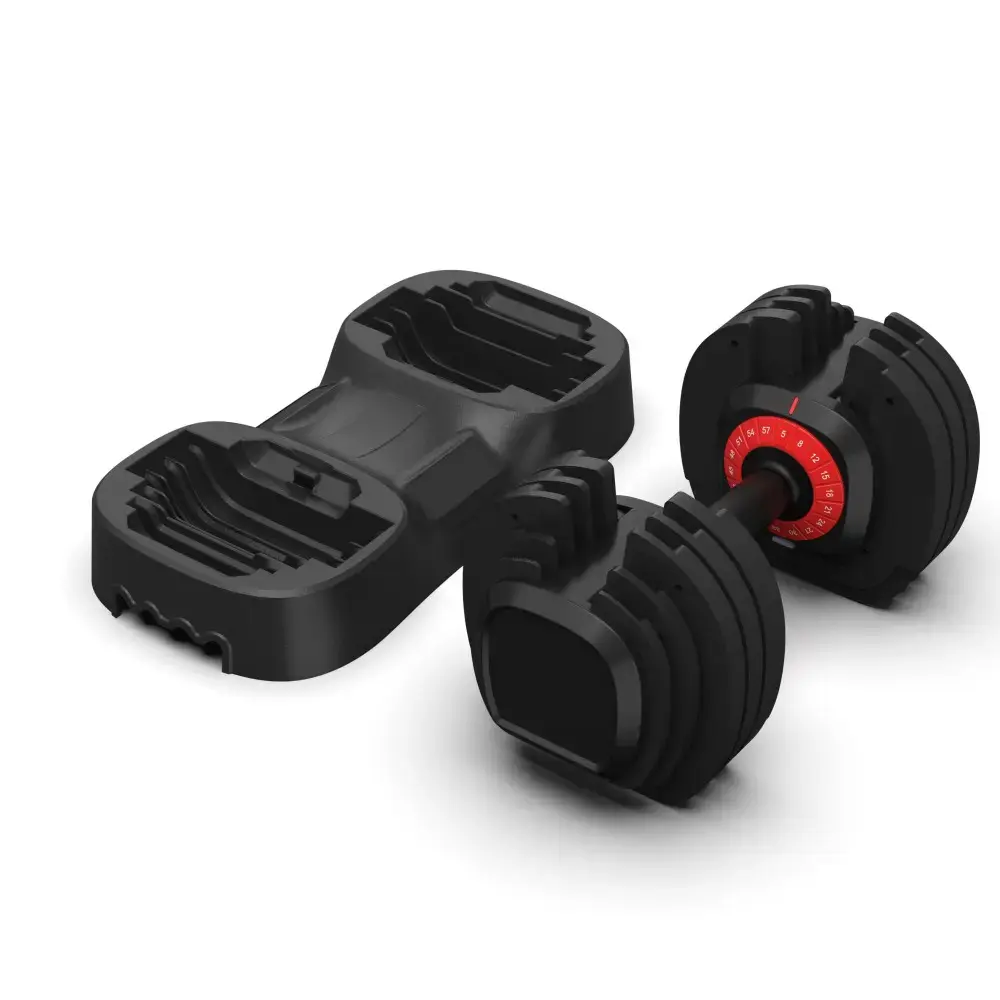
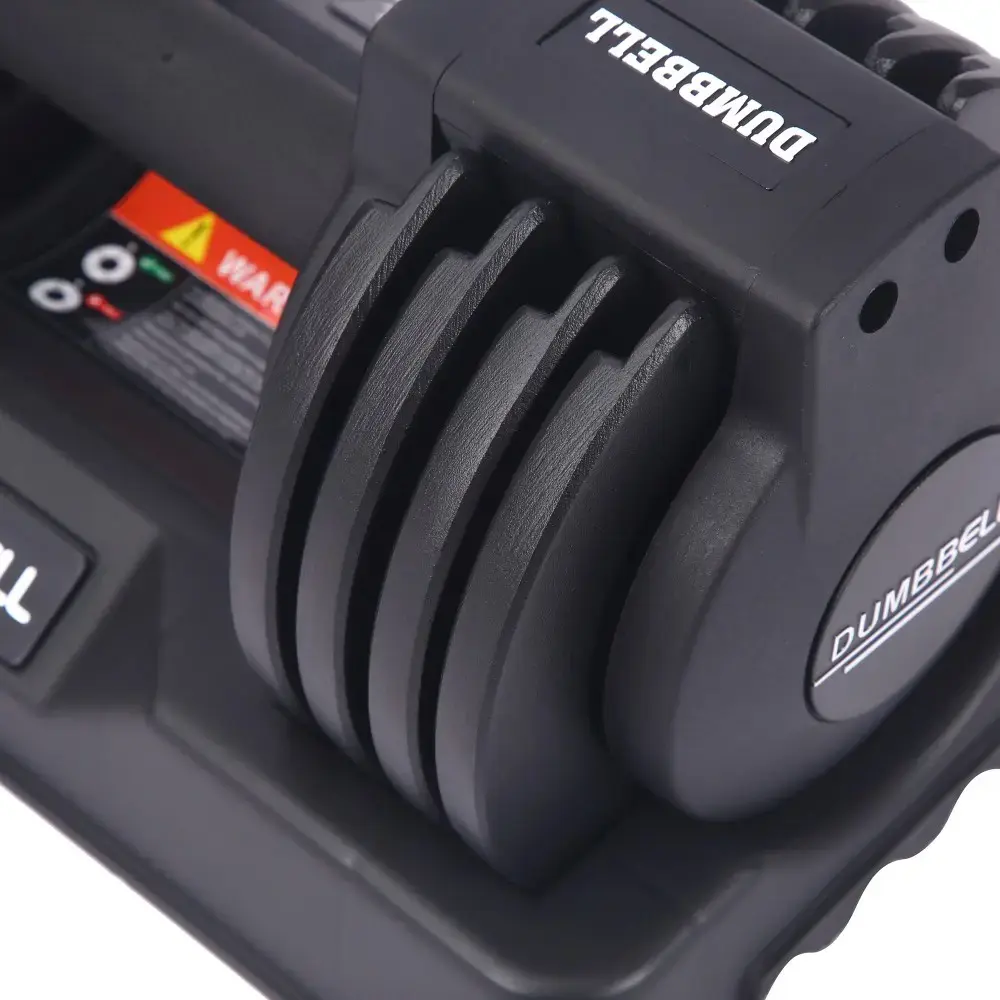
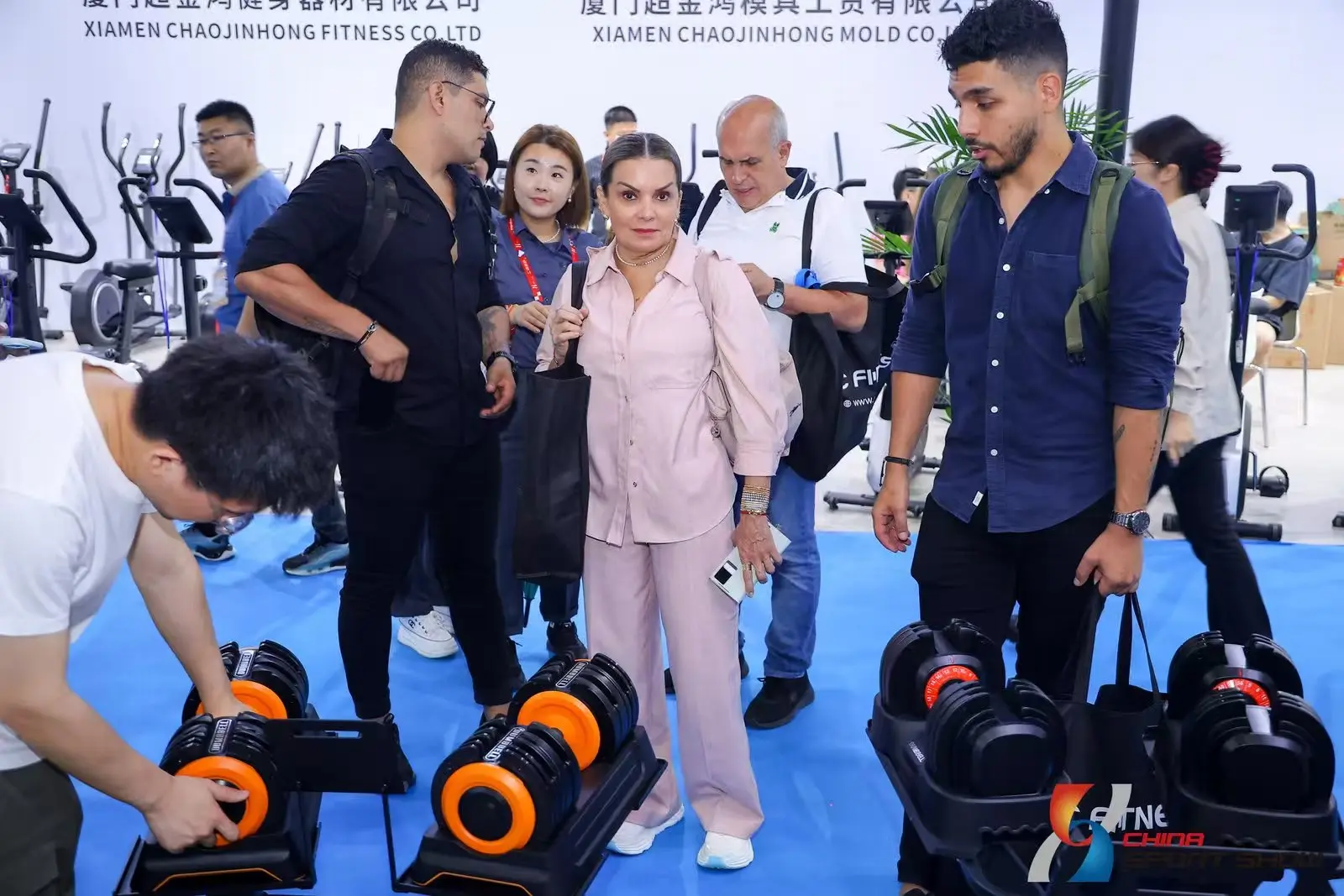
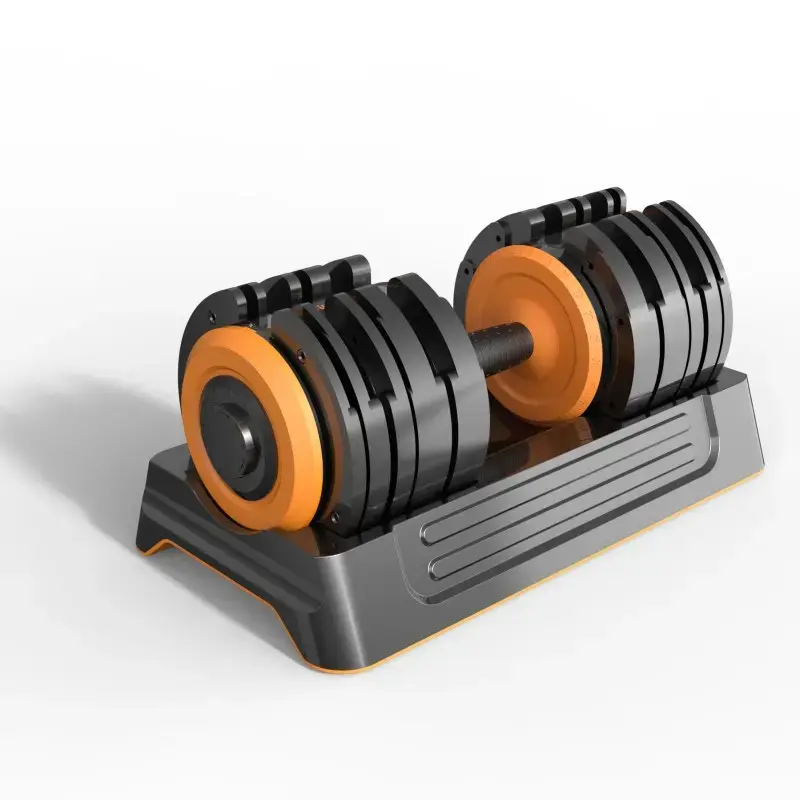
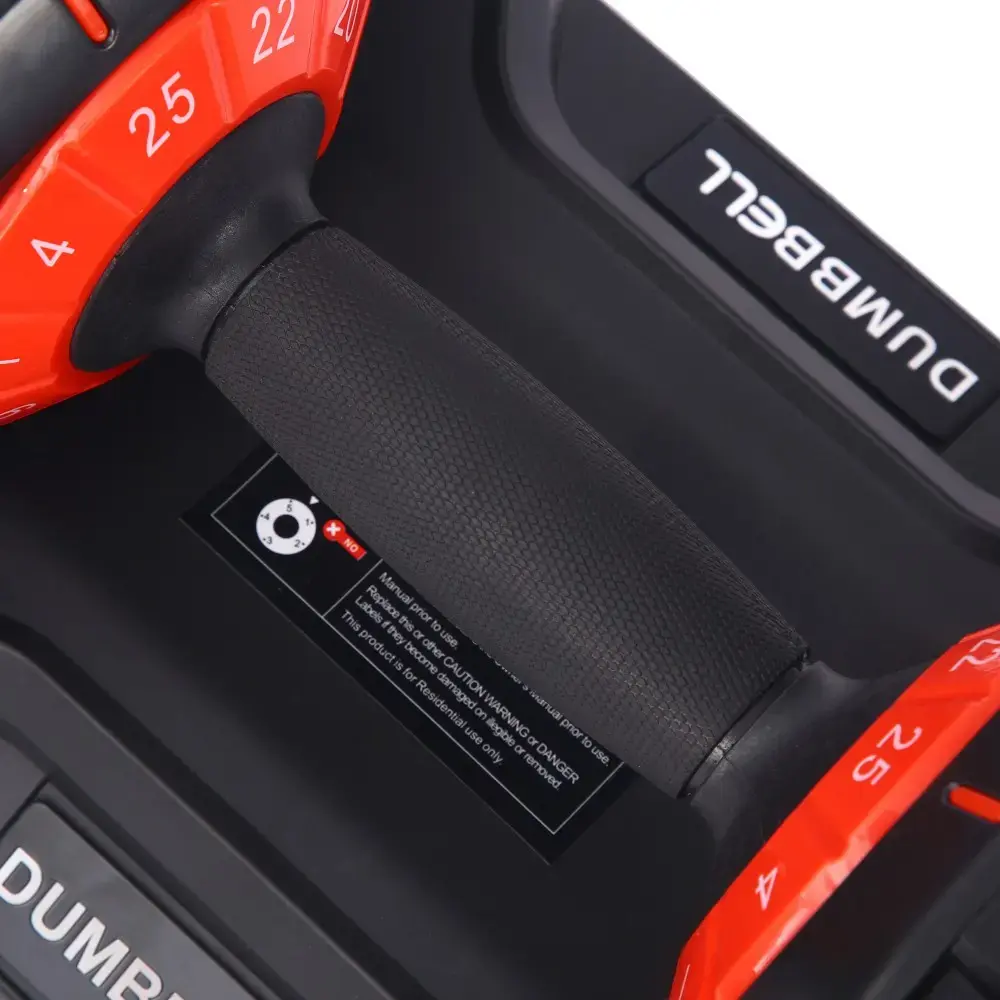
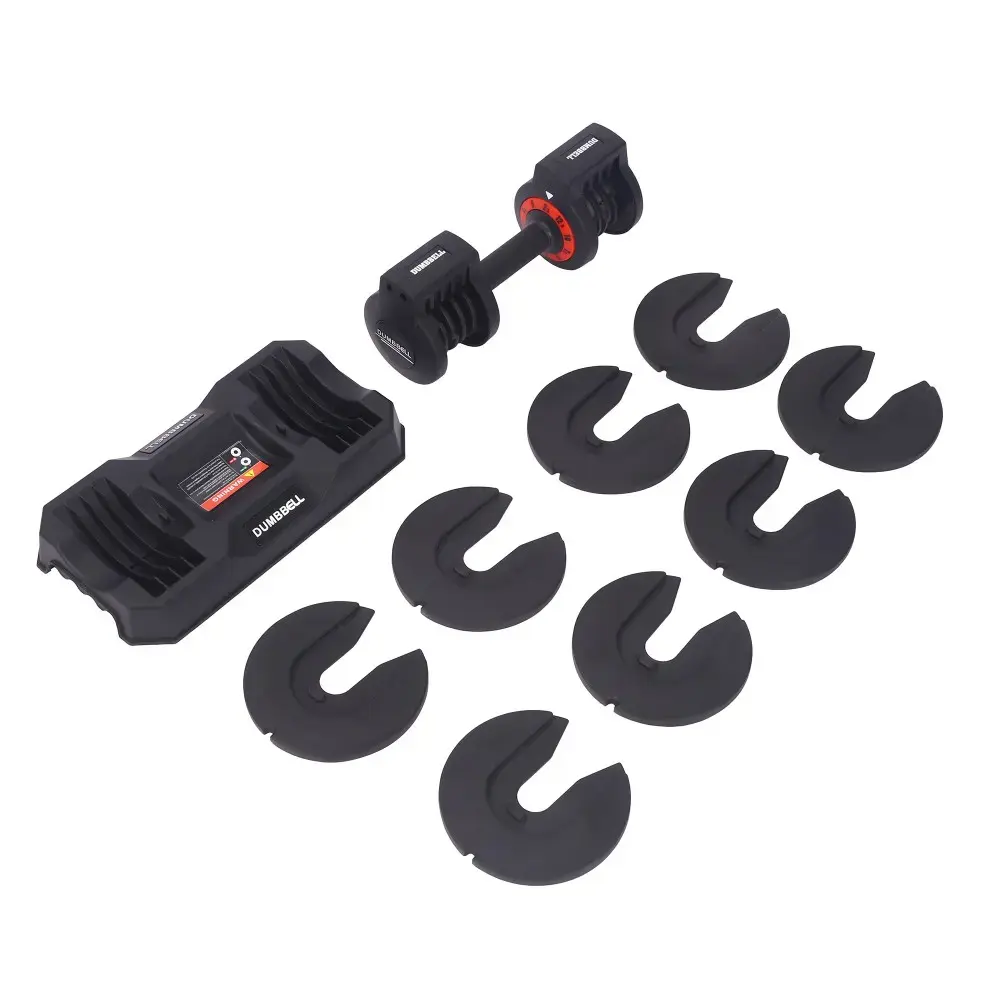
56LB Dumbbells: Anti-slip pads on the bottom prevent shifting during use for added safety
56LB Dumbbells: Anti-slip pads on the bottom prevent shifting during use for added safety
You've surely experienced this frustrating scenario: during a dumbbell bench press, as you lower the weights to failure, the Heavy Dumbbells suddenly slip off your thighs with a thud—momentarily distracting or even startling you. Or during a deadlift rest, they “slide away” on the floor, forcing you to pause your workout to reposition them. This isn't due to poor form—it stems from most 56LB dumbbells overlooking a critical design detail: friction between the base and contact surface. As a product developer who's witnessed thousands of real-world gym tests, I can confidently say that a truly professional anti-slip base pad is just as important as the dumbbell's weight accuracy. In this article, we'll thoroughly dissect this seemingly minor anti-slip design, explore how it elevates training safety and fluidity to a new level, and provide a clear “pitfall avoidance” checklist for your purchasing decisions.
I. Why “Stable Placement” Matters as Much as “Stable Lifting”? — The Underestimated Risk of Dynamic Safety
Most users and buyers focus on weight accuracy and grip diameter—and rightly so. But safety is a continuous process: from “lifting” to ‘using’ to “lowering.” A failure at any stage can lead to injury. A report by the UK Fitness Equipment Safety Association (FESA) indicates that approximately 18% of non-collision home fitness injuries involve accidental rolling or slipping of dumbbells and barbell plates. This risk intensifies during the latter stages of training when muscle fatigue and sweaty palms reduce grip control. A stable base for placement becomes a crucial physical safeguard.
Let me share a real-life example. We upgraded the in-room fitness corners for a hotel chain that originally used standard flat-bottomed dumbbells. Housekeeping repeatedly reported indentations left on wooden floors or carpets, and even an incident where a guest nearly tripped over a sliding dumbbell. After replacing them with models featuring large anti-slip silicone pads, complaints dropped to zero. Guest satisfaction surveys showed a 32% increase in ratings for “fitness equipment safety.” This transformation fundamentally changed the dumbbells from “moving weights” into “stable training partners.”
Common User Question: Will dumbbells still slide on carpet?
Expert Answer: Yes, and it can be more subtle. On carpet, dumbbells “sink in” and then “tip over” rather than “sliding” like on hard floors. This creates two issues: First, the uneven base forces your wrists into awkward angles when picking them up. Second, it makes quick, precise repositioning difficult, increasing adjustment time. Effective anti-slip design ensures the base remains flat and stable on any surface—hard floors, mats, or carpets.
II. Unveiling Anti-Slip Pad Materials: From Rubber Sheets to Composite Structures
Dumbbell “anti-slip” designs vary wildly, from simple rubber patches to complex multi-layer composites, with vastly different results. As a buyer, you need to develop a keen eye. .
1. Low-Cost Rubber Patches: The most common and cheapest option. It's just a thin layer of rubber glued to the cast iron base. While it offers some initial slip resistance, prolonged pressure and oxidation cause it to peel, detach, or harden and lose elasticity. It's more of a “visual placebo.”
2. Integrally Molded Rubber End Caps: The entire ends of the dumbbell are encased in rubber. This addresses side impact protection and noise reduction, but the bottom's slip resistance depends on the rubber compound's hardness and tread pattern design. Rubber that is too soft can permanently deform under heavy, prolonged pressure, while rubber that is too hard offers limited slip resistance.
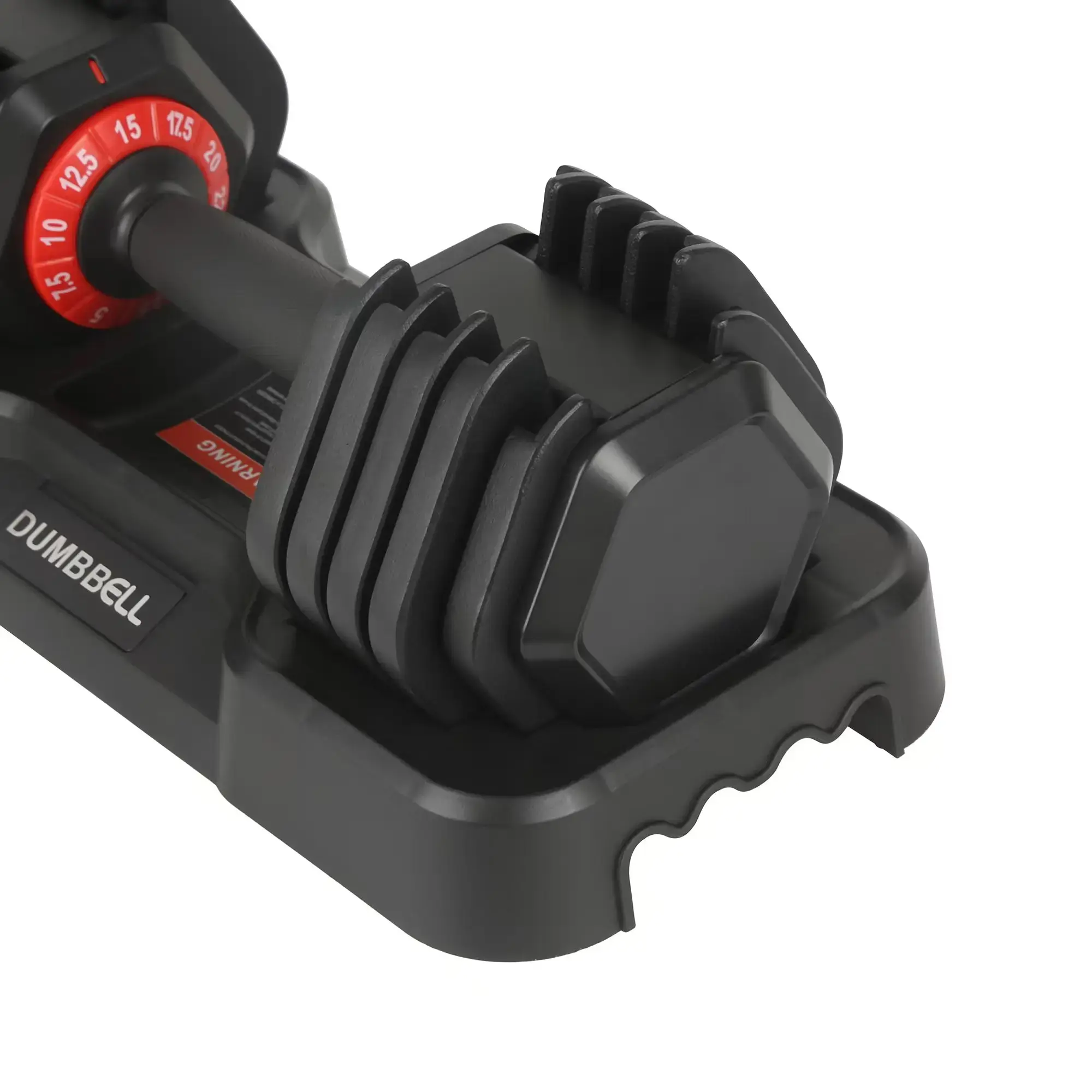
3. Embedded High-Performance Anti-Slip Pads: This is the professional solution. Typically, a recess is reserved during the casting of the dumbbell end caps. A thick (usually 3-5mm) pad with a high friction coefficient (such as specially formulated TPU or wear-resistant rubber) is then embedded and secured like a “mortise and tenon” joint. This design integrates the anti-slip pad as part of the structure, making it unlikely to detach and providing consistent, reliable grip.
We conducted simulated lifespan tests on three structures: Repeatedly pushing 25kg force against the dumbbell's side on standard hard surfaces to simulate sliding tendencies. Low-cost adhesive patches began peeling after approximately 500 cycles; integrated rubber edging showed significant wear and deformation after 2000 cycles; whereas the embedded insert maintained excellent performance after 10,000 cycles, with its static friction coefficient declining by only about 12%. The math is clear: for high-frequency commercial use or home users seeking long-term durability, the embedded design is the only cost-effective choice.
III. Beyond “Anti-Slip”: Multiple Hidden Benefits from Superior Design
An exceptional bottom anti-slip pad solves far more than just “sliding.” It serves as the fulcrum of the entire user experience, triggering a chain of positive effects:
• Floor Protection & Noise Reduction: The most immediate benefit. High-quality mats effectively absorb impact between dumbbells and surfaces—whether the thud of a drop or the scrape of rolling weights. For home users, apartment dwellers, or hotels, this means neighborly harmony and property preservation. Imagine your end-users no longer worrying about dents in expensive hardwood floors or gym mats.
• Enhances Training Rhythm and Fluidity: During supersets or circuit training, you need to switch exercises quickly. If dumbbells constantly shift position upon landing, you waste energy and focus adjusting them. Dumbbells that stay put let your training flow seamlessly, allowing greater concentration on muscle engagement. For efficiency- and heart-rate-focused trainers, this detail is crucial.
• Extend dumbbell lifespan: The most vulnerable part of a dumbbell is its plating or paint finish. Frequent sliding and impacts wear down these surfaces first, leading to rust. The bottom anti-slip pad acts as a buffer, reducing direct contact between the end cap and the floor. Over time, this protects the dumbbell's appearance and structural integrity.
Key Buyer Question: How much does adding anti-slip pads increase dumbbell costs? Is the premium justified?
Value Chain Analysis: Taking a pair of 25kg Rubber-Coated Dumbbells as an example, adding a set of high-performance embedded anti-slip pads increases manufacturing costs by approximately 5%-8%. While this impact on retail pricing may be negligible, it can become a core selling point for your product. In a fiercely competitive market, the “safety,” “silent operation,” and “floor-friendly” credentials delivered by this 8% cost investment enable you to stand out effortlessly, supporting a higher brand positioning and customer loyalty.
IV. B2B Selection Guide: How to Choose “Genuine Anti-Slip” Dumbbells for Your Clients?
When sourcing products for gyms, hotels, or retail channels as a wholesaler or buyer, product images alone are insufficient. Implement a straightforward evaluation method to distinguish authenticity:
1. Examine the Structure: Request detailed images or videos of the bottom from suppliers. Focus on whether the anti-slip pads are “glued on” or “embedded.” Check if the embedded sections have sturdy edging or snap-fit fasteners.
2. Ask for Specifications: Directly inquire about the anti-slip pad material (e.g., TPU, NBR, or standard rubber?), thickness, and abrasion resistance coefficient. Professional manufacturers will readily provide this data.
3. Test performance: If samples are available, conduct a simple “incline test.” Place the dumbbell on a smooth, hard incline (like glass or polished wood) and gradually increase the angle. Observe the angle at which the dumbbell begins to slide. A steeper angle indicates higher static friction coefficient and better anti-slip performance.
4. Assess the usage scenario: Clearly define your client's primary usage environment. Is it a commercial gym (high-intensity, frequent use)? A home setting (emphasizing floor protection and noise reduction)? Or an outdoor/garage environment (requiring weather resistance)? Select the most suitable anti-slip pad material and structure based on the specific scenario.
We served a European fitness equipment distributor specializing in solutions for mid-to-high-end home gyms. Previously, he only purchased standard models. Later, we introduced him to a dumbbell series featuring professional embedded anti-slip silicone pads, providing detailed comparative test videos. He promoted it as a “Silent Safety Set,” and the series quickly became the top-selling dumbbell category in his store. This was because customers—especially female users living in apartments—had an extremely strong demand for products that “don't damage floors and don't disturb neighbors.”
Conclusion
The value of a pair of dumbbells extends far beyond the weight stamped on their sides. Every detail—from the moment you grip them to safely and smoothly returning them to their place—collectively defines the quality and safety of your workout. A pair of 56LB dumbbells equipped with reliable anti-slip pads offers distraction-free focus, respect for your training environment and others, and consistent peace of mind throughout your session. Whether building your perfect home gym or providing clients with trusted professional equipment, this seemingly minor investment delivers immense value with every smooth lift and lower.
FAQ
1. Q: What if the anti-slip pads wear out over time? Can I replace them myself?
A: High-quality embedded anti-slip pads are highly durable, typically lasting as long as the dumbbell itself. If damage occurs due to extreme use, contact the manufacturer or supplier first. Most professional brands design their pads to be replaceable (via clips or screws) and offer replacement parts. Attempting to glue non-original pads may compromise balance and create safety hazards—not recommended.
2. Q: Can dumbbells with bottom pads be used for “farmer's walks” or dragging exercises directly on the floor?
A: Yes, but pay attention to the execution. Anti-slip pads primarily provide stability under vertical pressure and minor lateral forces, making them suitable for static placement and conventional lifts. Performing “farmer's walks” is normal usage. However, avoid deliberately dragging them on rough surfaces, as this accelerates wear on the pads. For dedicated ground-dragging exercises, we recommend using hex dumbbells without anti-slip pads or specialized dragging equipment.
3. Q: Is the anti-slip pad material safe and non-toxic? Is this important for users with children at home?
A: Extremely important. High-quality dumbbell anti-slip pads should use environmentally compliant materials, such as TPU or rubber free of harmful substances like phthalates and heavy metals. When purchasing, inquire if suppliers have passed international safety certifications like REACH, RoHS, or CPSIA. This ensures not only child safety but also long-term material stability and minimal odor emission in indoor environments.
Meta Description: Discover how the 56LB dumbbell's anti-slip base significantly enhances training safety. Uncover the pros and cons of different anti-slip materials and structures, analyzing their multifaceted value in protecting floors, reducing noise, and optimizing workout rhythm. Get expert guidance for your purchasing decisions—learn now how to choose truly safe and stable professional dumbbells.
Keywords: 56LB dumbbells, dumbbell base anti-slip pads, anti-slip Fitness Dumbbells, commercial dumbbell safety, silent dumbbell design