

Adjustable dumbbell strength factory

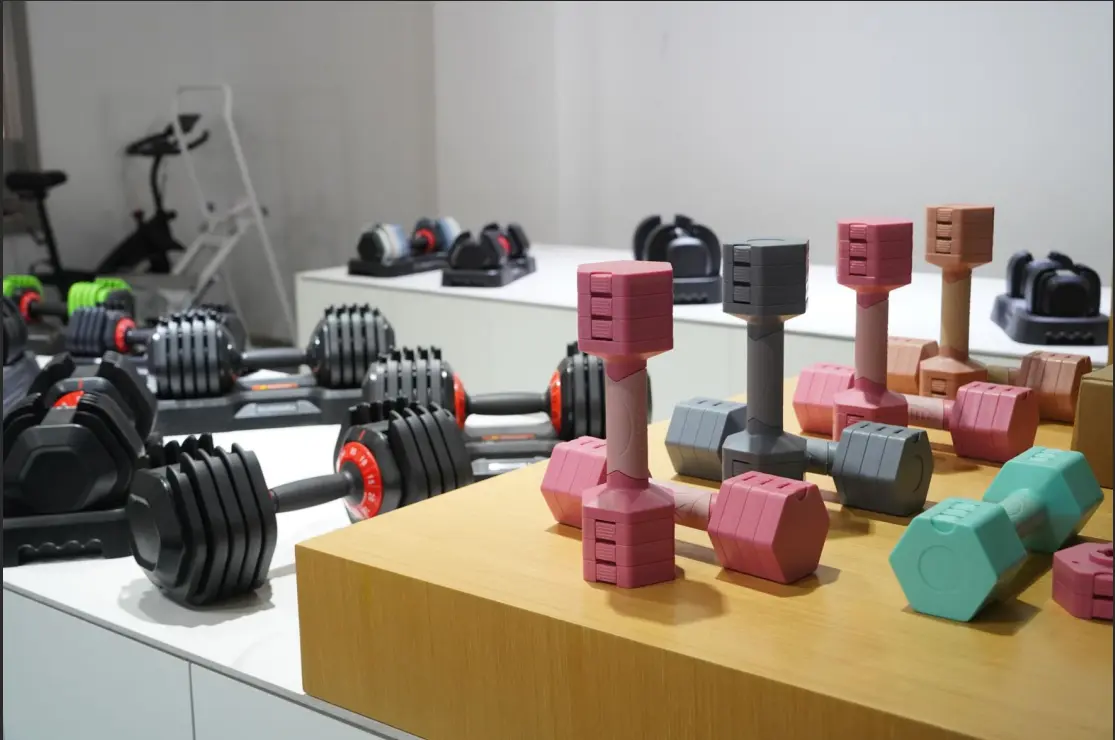
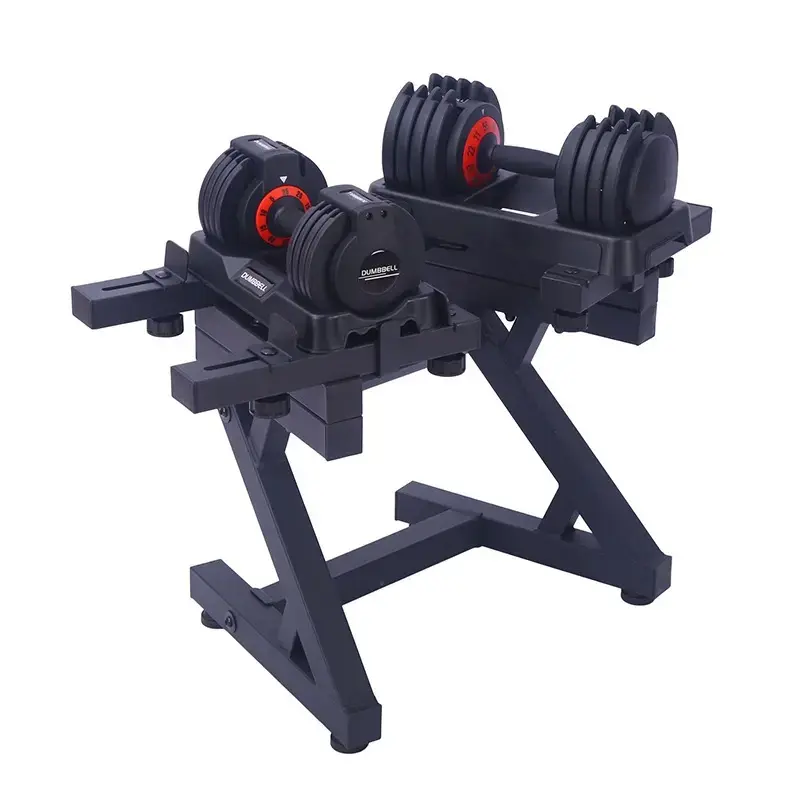
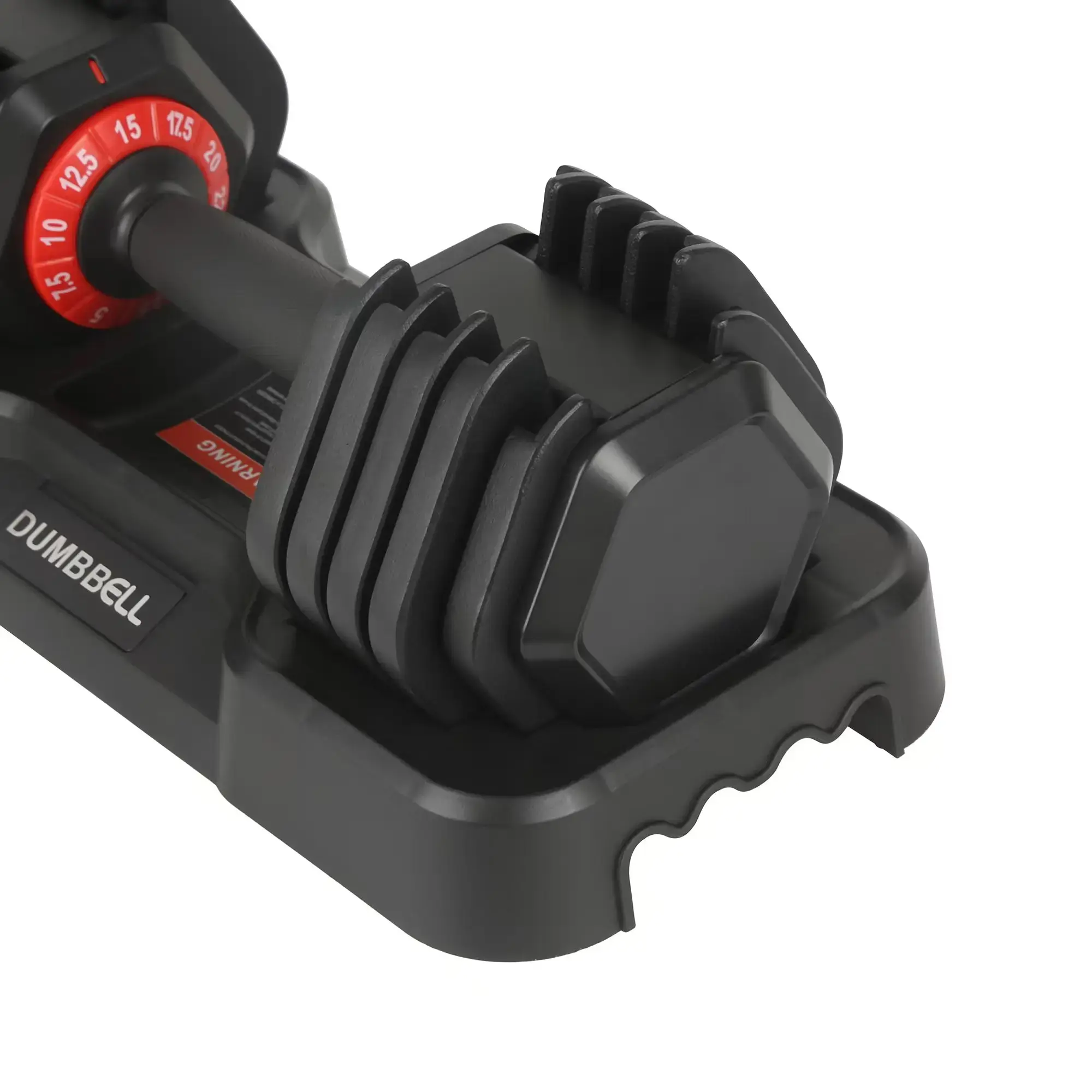
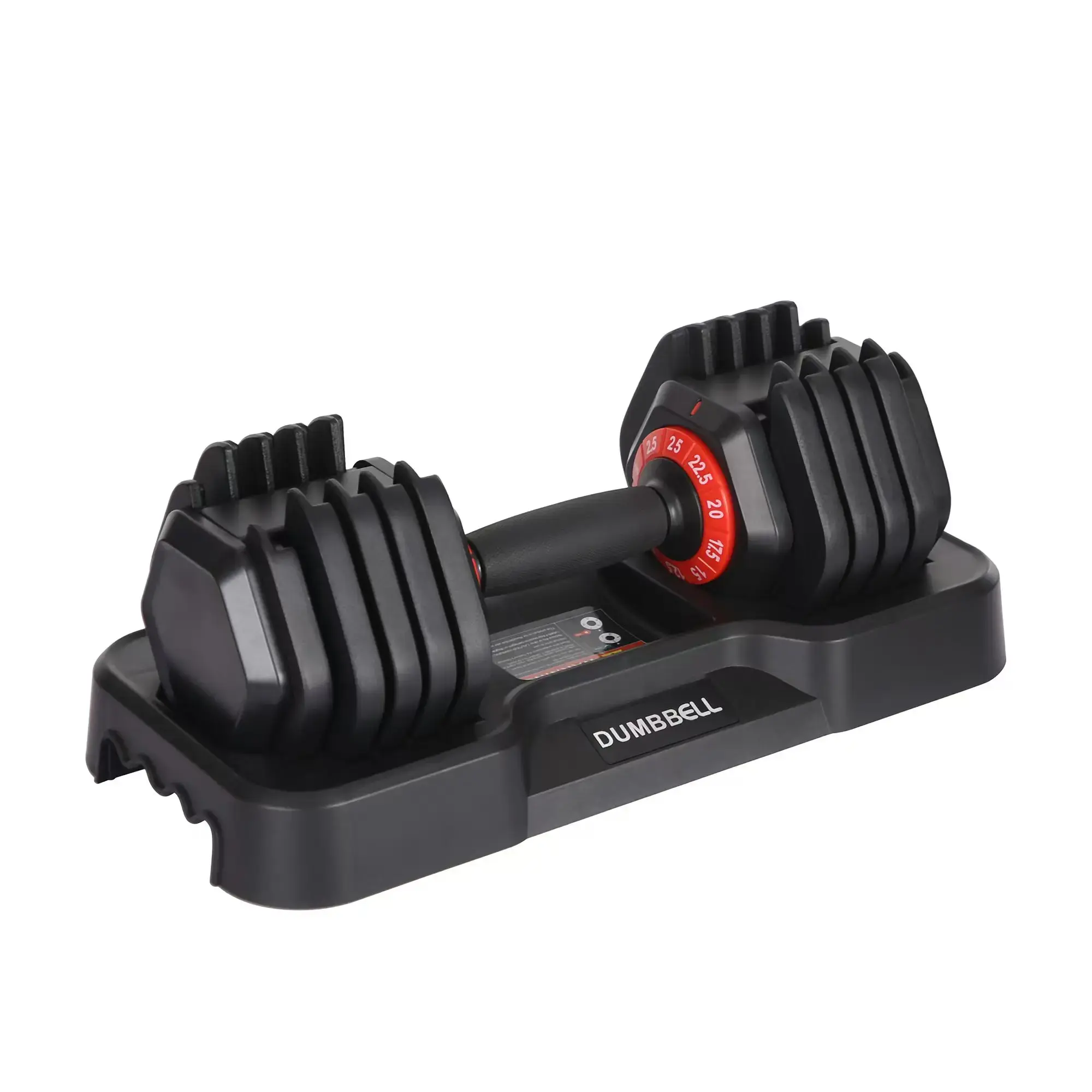
A Complete Analysis of Adjustable Dumbbell Drop Testing
A Complete Analysis of Adjustable Dumbbell Drop Testing
When you lift Adjustable Dumbbells at the gym or at home, you might focus on the ease of weight adjustment, the comfortable grip, or the soreness you'll feel after a workout. But have you ever considered what would happen if the dumbbell accidentally slipped from your hand or fell off the rack? Would it shatter, deform, or even damage the floor, furniture, or even the user? This is precisely the purpose ofadjustable dumbbell drop testing—it's not just a cold laboratory procedure, but an invisible line of defense that protects every workout. Today, we'll take you behind the scenes of an adjustable dumbbell drop test, revealing the rigorous tests a high-quality dumbbell must pass and how these tests directly impact your experience.
First, why is drop testing so important for adjustable dumbbells?
Before discussing the details of the test, we must first clarify a core question: Why do adjustable dumbbells require even more attention to drop testing than traditional fixed dumbbells?
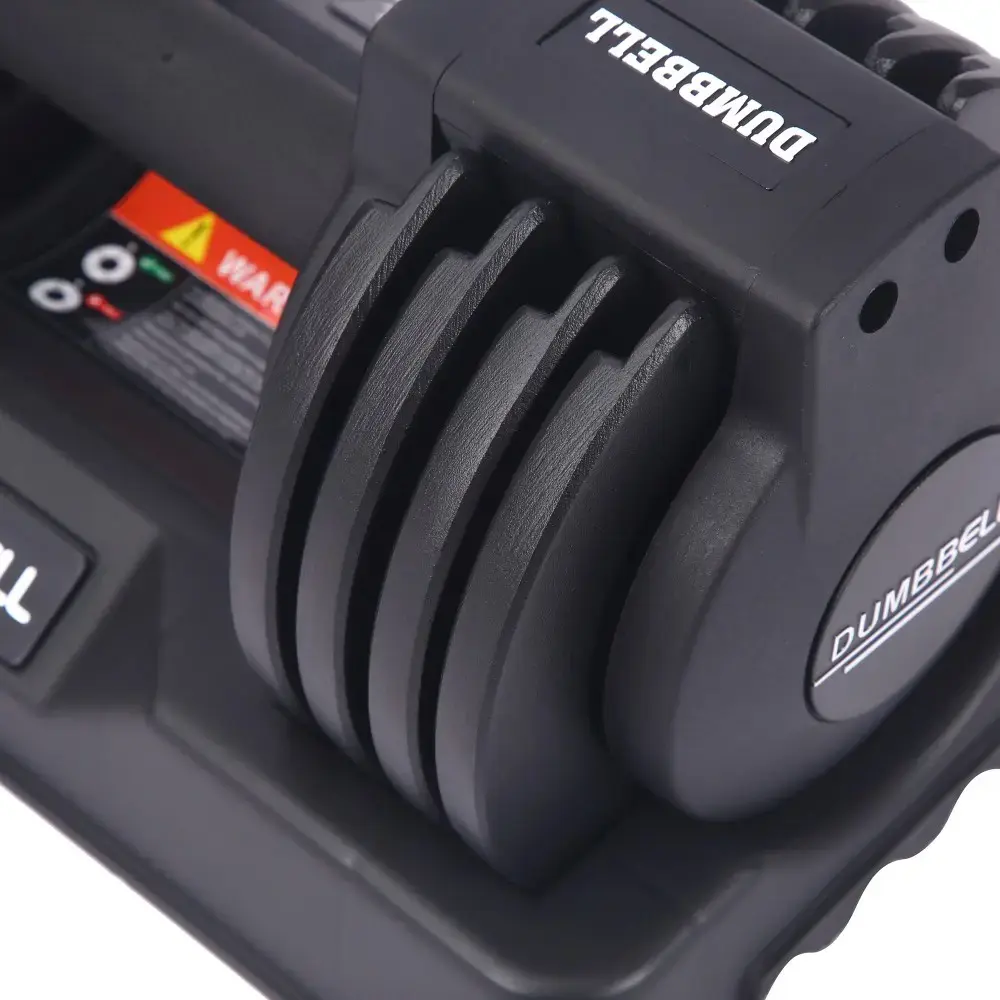
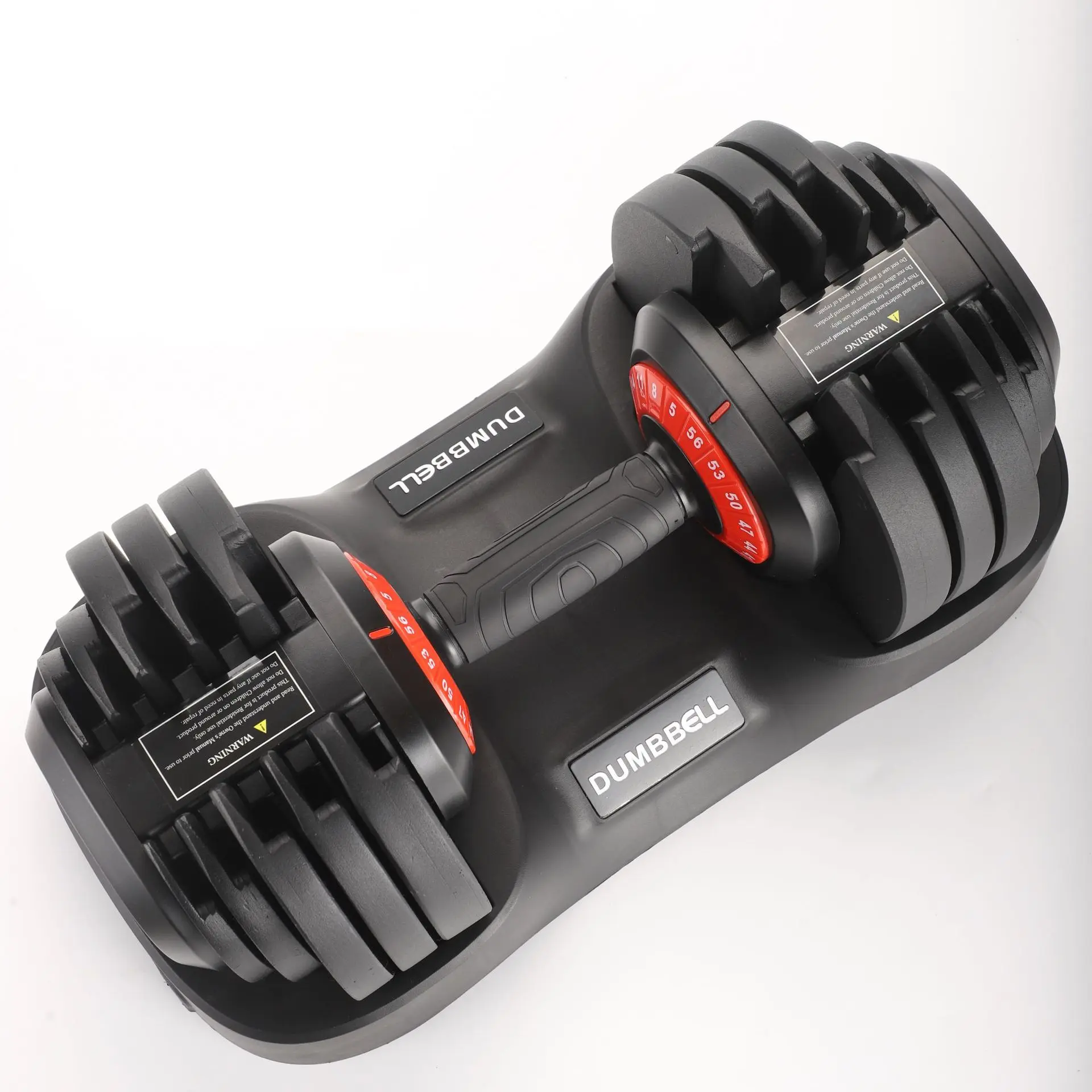
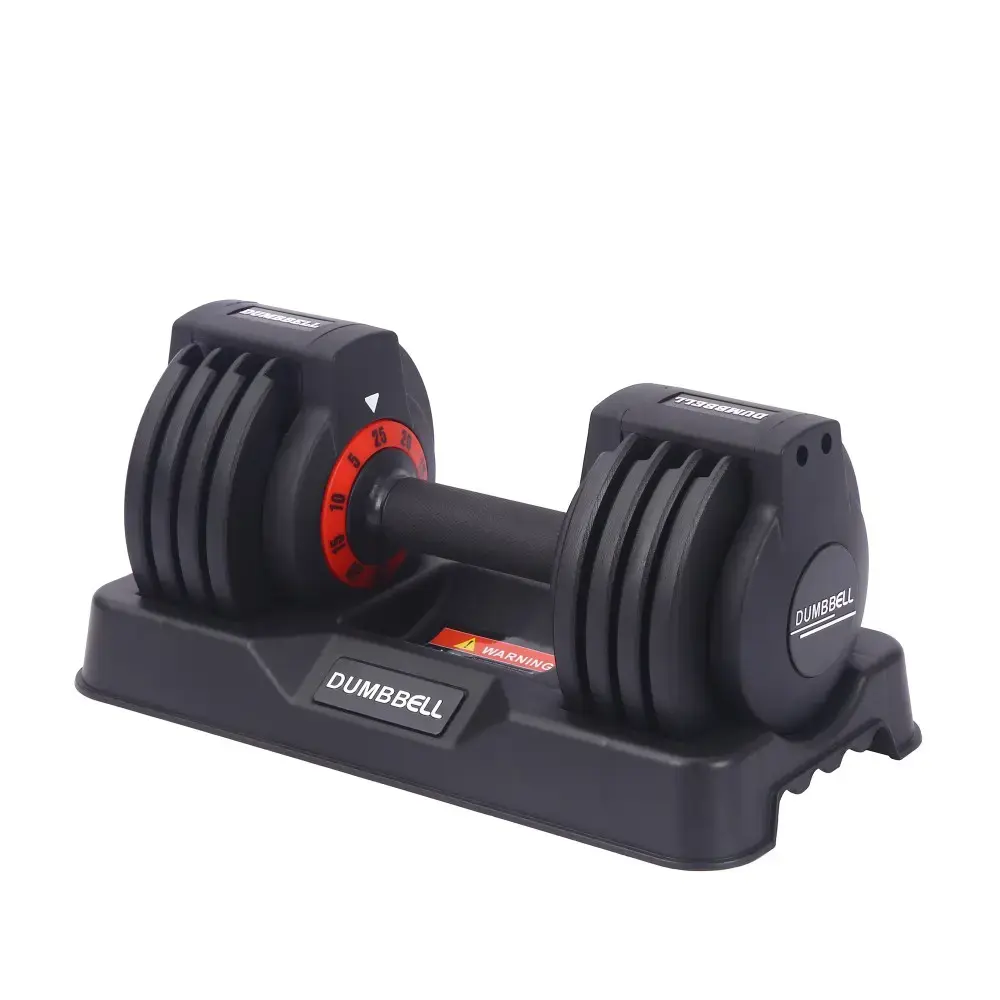
Traditional fixed dumbbells have a simple structure, typically made of a single piece of cast metal. This provides a strong, integrated structure and relatively uniform force when dropped. Adjustable dumbbells, however, are different. They consist of multiple components, including a bar, weight plates, locking mechanism, and handles. Their construction is more complex, and users must frequently disassemble and assemble the weight plates to adjust the weight. This means there are more opportunities for accidental drops than with fixed dumbbells: a single weight could fall due to slipping while adjusting, a dumbbell could slip from a shoulder while being carried, or a child could accidentally knock the entire Dumbbell Rack over.
If a fall results in broken components, flying weight plates, or a failed locking mechanism, the consequences can be disastrous: at the very least, damage to floors, tiles, or wooden flooring (which can cost hundreds of yuan to repair), or even more serious injuries such as injuries to feet and ankles due to flying weight plates. Furthermore, if low-quality adjustable dumbbells undergo even minor deformation from a fall, this can cause subsequent adjustments to become stuck, weight plates to wobble, affecting workout effectiveness, and even posing safety risks during long-term use.
Therefore, drop testing is not only a mandatory requirement for industry standards but also our commitment to user safety. Only an adjustable dumbbell that has passed rigorous drop tests can truly be considered "easy to use and safe."
Second, Real-World Testing: How do we simulate "the most extreme drop scenarios"?
To ensure the authenticity and reliability of our test results, we chose no more than a "symbolic" testing method. Instead, we simulated five extreme drop scenarios likely to occur at home and in the gym, using professional equipment to record the force, deformation, and component condition of each drop. Below is the complete testing process and details:
1. Test Preparation: From Samples to Equipment, Recreating Real-World Usage Conditions
Test Samples: We selected three adjustable dumbbells of varying weights (5kg, 10kg, and 15kg each). All were finished products from the mass production phase, not custom-made samples. The weight plates, locking knobs, and dumbbell bars were in the exact condition they received, even retaining the factory-provided non-slip coating and screw tightening force. Test Floor: Simulates four common household floor materials: ceramic tile (hardest, prone to impact rebound), wood flooring (slightly resilient but easily scratched), concrete (common in gyms, rough and hard), and carpet (highly cushioning, but may mask minor component damage).
Test Equipment: A fully automatic drop tester (±1mm accuracy) precisely controls the drop height, angle, and initial velocity. Equipped with a high-speed camera (1000 frames/second) and a strain sensor, it records the force distribution and component deformation at the moment the dumbbells contact the ground.
2. Five Extreme Scenario Tests: From "Hand Slip" to "Tip Impact"
Scenario 1: Vertical Free Drop (the most common "hand slip" scenario)
Test Conditions: The dumbbells were dropped vertically from a height of 1.5 meters (approximately at an adult's chest level), with the weight stack facing downward and the handle facing upward—simulating the situation of a user lifting the dumbbell to their chest and then dropping it.
Test Focus: Observe the connection between the weight stack and the dumbbell bar for looseness, locking mechanism failure, and cracks or deformation of the weight stack.
Acceptance Criteria: The weight stack is free of cracks and displacement, the locking knob remains securely in place, and the dumbbell bar is free of bending or deformation.
Scenario 2: 45° Drop ("Accidental Tipping" during Transport)
Test Conditions: The dumbbell is dropped from a height of 1.2 meters at a 45° angle, with the handle side contacting the ground first—simulating a scenario where the user's arm is unstable and the dumbbell falls to the ground.
Test Focus: Verify the strength of the connection between the handle and the dumbbell bar (for signs of detachment or breakage), as well as the stability of the weight stack locking mechanism under non-vertical loads.
Acceptance Criteria: The handle is free of looseness or cracks, the weight stack is free of loosening, and the locking mechanism is free of thread slippage or damage. Scenario 3: Single Weight Plate Drop ("Accidental Drop" During Adjustment)
Test Conditions: Drop the heaviest weight plate (e.g., the 5kg plate of a 15kg dumbbell) vertically from a height of 1 meter—simulating the scenario of a single weight plate slipping from a user's hand while adjusting the weight.
Test Focus: Verify the weight plate's impact resistance (no cracks or chips) and the presence of surface coating loss (to prevent exposed metal from rusting).
Pass Criteria: No damage to the weight plate, no large-scale loss of the anti-slip coating, and no sharp burrs on the edges.
Scenario 4: Entire Dumbbell Rack Topples ("Extreme Accident" at the Gym)
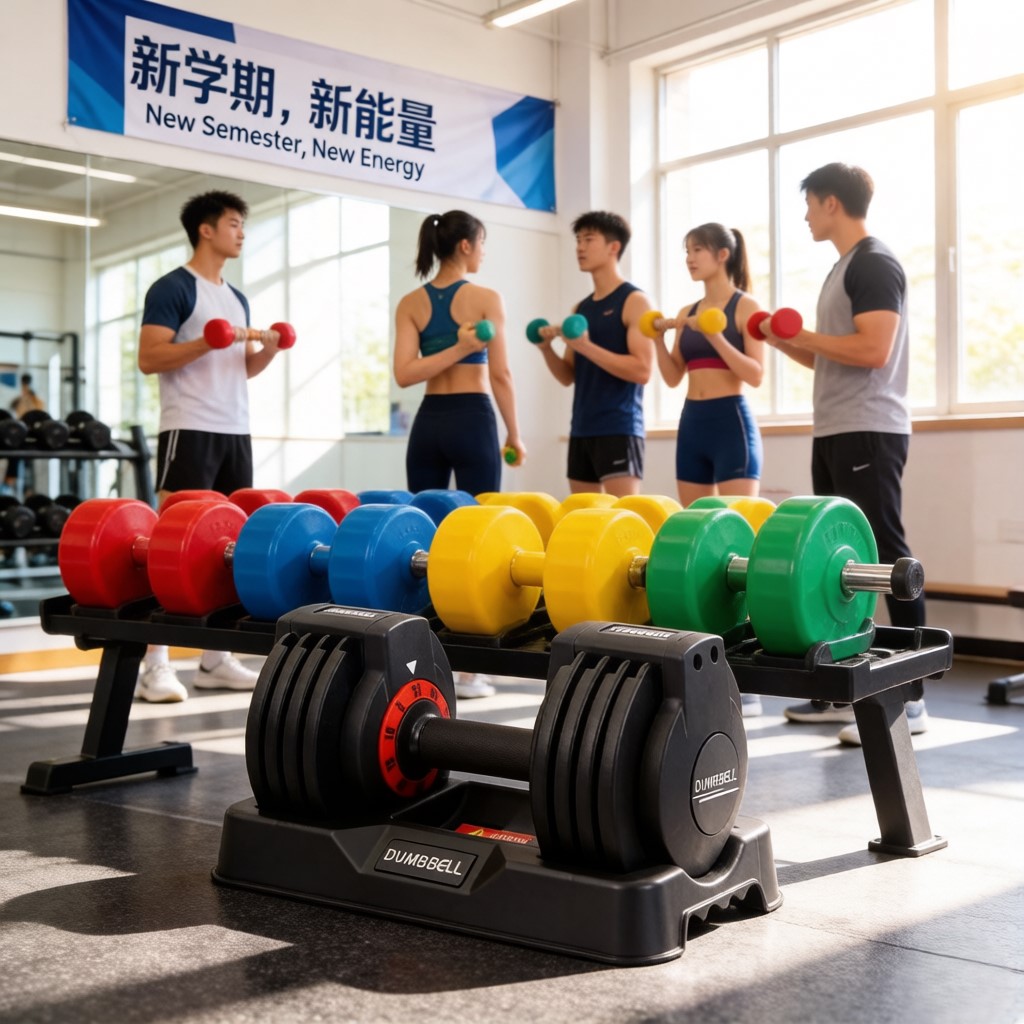
Test Conditions: Five pairs of adjustable dumbbells of varying weights (total weight approximately 100kg) are neatly arranged on a dumbbell rack. Accidental impact is simulated, causing the entire rack to topple. Dumbbells are randomly dropped from a height of 0.8 meters (the middle level of the rack).
Test Focus: Observe the component resistance when multiple dumbbells collide with each other, and the coordinated safety of the dumbbell rack and dumbbells (to prevent "secondary bounce" injuries when dumbbells fall from the rack).
Pass Criteria: All dumbbells show no significant deformation, no scattered weight plates, and no breakage of the dumbbell rack (this test only applies to dumbbells; the dumbbell rack is a companion product).
Scenario 5: Repeated Drop Test ("Multiple Accidents" in Long-Term Use)
Test Conditions: Select a 10kg dumbbell and perform 10 repeated vertical free drops (each from a height of 1 meter) onto a tile floor—simulating the cumulative effects of "occasional drops" in home use.
Test Focus: Check the "fatigue strength" of the locking mechanism (whether it has worn or loosened due to repeated impacts), and whether the connection between the weight plates and the dumbbell bar has exhibited "chronic loosening."
Pass Criteria: After 10 drops, the dumbbells can still adjust the weight normally, the locking mechanism has not significantly degraded, and there is no "hidden damage" to the components (such as loose internal screws).
Third. Test Data Revealed: The Difference Between Qualified and Substandard Dumbbells
Through the above tests, we clearly see the vast difference between "qualified products" and "substandard products" (low-priced adjustable dumbbells purchased randomly on the market). Here are a few key data comparisons:
1. Weight Plate Impact Resistance
Qualified Product: In a 1.5-meter vertical drop test, the weight plate (made of cast iron with a plastic-sprayed surface) withstood a maximum force of 800N (approximately 81.6kg) without any cracks, only minor surface scratches. After 10 repeated drops, the weight error was ≤0.1kg (in compliance with industry standards).
Substandard Product: Under the same conditions, the weight plate exhibited noticeable cracks after the third drop (made of "recycled cast iron" with a high impurity content). After the fifth drop, the weight plate shattered into three pieces, each with sharp edges (potentially causing cuts).
2. Locking Mechanism Stability
Qualified Product: After a 45° drop test, the locking knob (using a dual "threaded + anti-slip" design) continued to rotate smoothly, with only a 5% decrease in tightening force (no impact on use). After the entire dumbbell rack tipped over, none of the dumbbells exhibited weight plate displacement.
Substandard Product: After a single drop, the locking knob exhibited thread slippage (low thread machining precision), resulting in a 3mm gap between the weight plates and the dumbbell bar (significant wobbling). When the dumbbell rack tipped over, the weight plates of three dumbbells fell free, causing a secondary bounce when they hit the ground.
3. Grip-Bar Connection Strength
Qualified Product: The grip (made of rubber, internally connected to the dumbbell bar via an "interference fit + screw fastening") remained intact after a 1.2-meter drop, showing no loosening or cracking, and no noticeable change in grip feel. Low-quality products: The handles are secured only with glue. After a single drop, a 10mm gap develops and they completely fall off with a firm tug. The rubber on the handles also exhibits extensive peeling.
These data not only reflect the product's drop resistance but also reveal differences in materials and craftsmanship. Qualified adjustable dumbbells utilize high-purity cast iron weight plates, precision-machined locking mechanisms, and high-strength connections. Low-quality products, however, often use recycled materials and simplify processes to reduce costs, ultimately cutting corners on safety.
Fourth, how can you use drop test results to choose safe adjustable dumbbells?
As ordinary consumers, we can't personally conduct professional drop tests. However, we can use the following "observable" details to determine whether an adjustable dumbbell has undergone rigorous safety testing and is worth buying:
1. Check the weight plate material and craftsmanship.
Prefer cast iron weight plates (smooth surface, no obvious pinholes or bubbles) over "cement-filled sand" or "recycled cast iron" weight plates (uneven weight distribution and prone to breakage).
Check that the weight plate edges are smooth (no burrs) and the surface coating is even (not prone to peeling)—these details reflect the quality control standards during production.
2. Test the "tightness" of the locking mechanism.
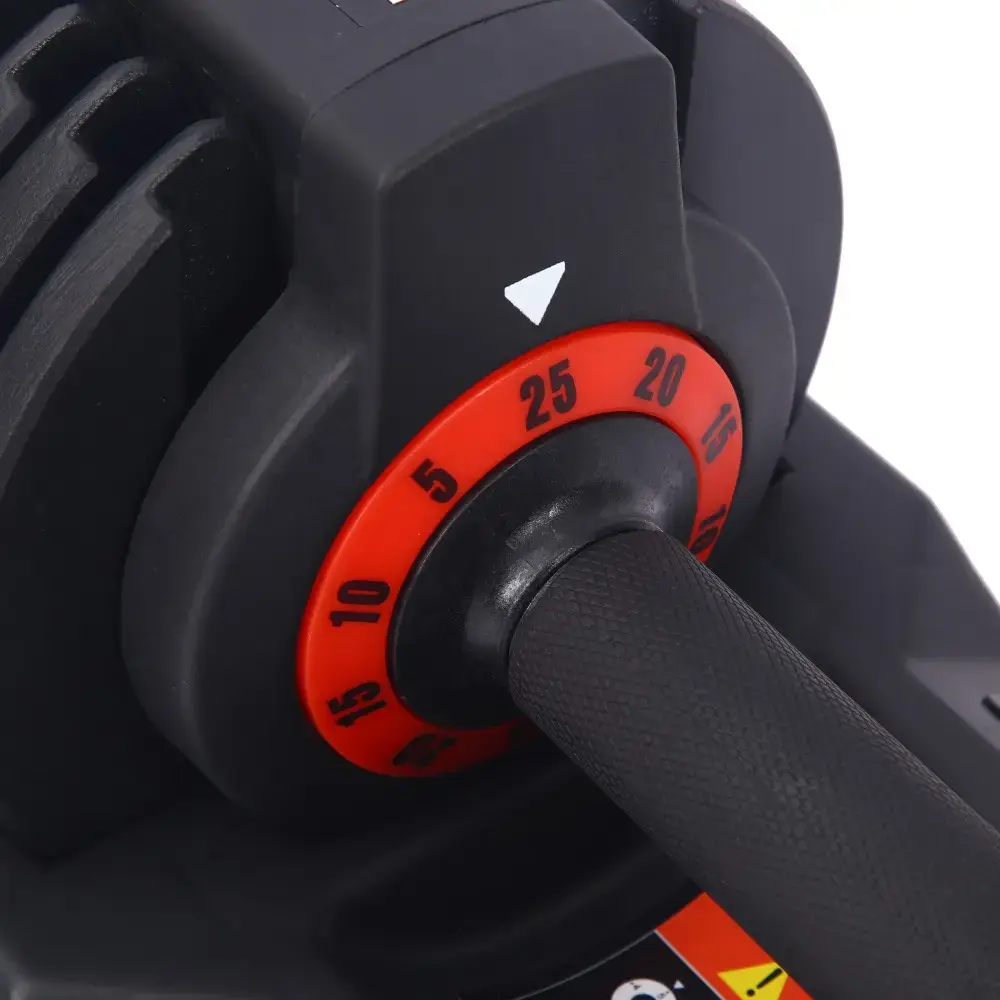
When adjusting the weight, the locking knob should rotate smoothly and with a "damped" feel. After tightening, there should be no noticeable play between the weight plate and the dumbbell bar (≤1mm of play).
Prefer a "double-lock" design (such as "thread + buckle" or "anti-slip teeth + knob") as they are more stable and impact-resistant than a single thread lock.
3. Check whether the brand provides a "safety test report."
Reputable brands often disclose product test reports (such as drop tests and load-bearing tests) or promise "returns and exchanges for damage caused by drops due to quality issues"—this demonstrates confidence in the product's safety.
Avoid purchasing "three-no products" (no brand, no specifications, and no test report). These products often have not undergone any safety testing and are extremely risky.
4. Pay attention to the dumbbell's "overall weight distribution."
High-quality adjustable dumbbells have evenly distributed weight on the weight plates and handles, eliminating the feeling of "shifting the center of gravity" when lifting. This not only enhances the workout experience but also reduces the risk of accidental falls caused by an unstable center of gravity.