

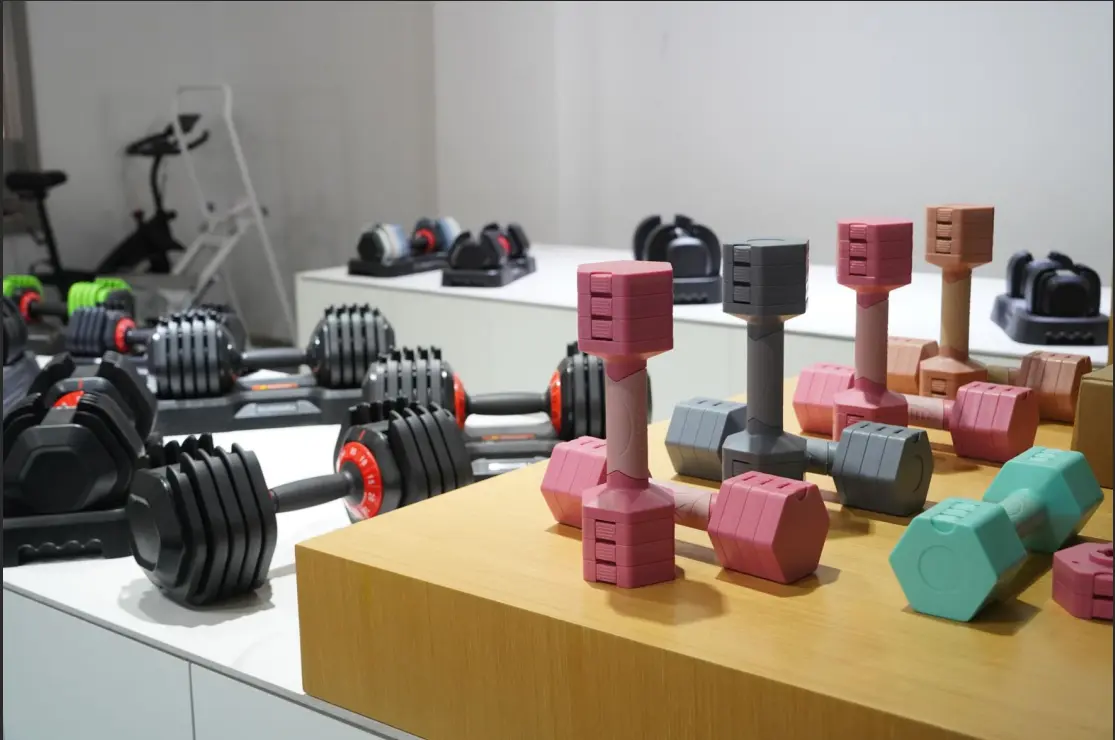
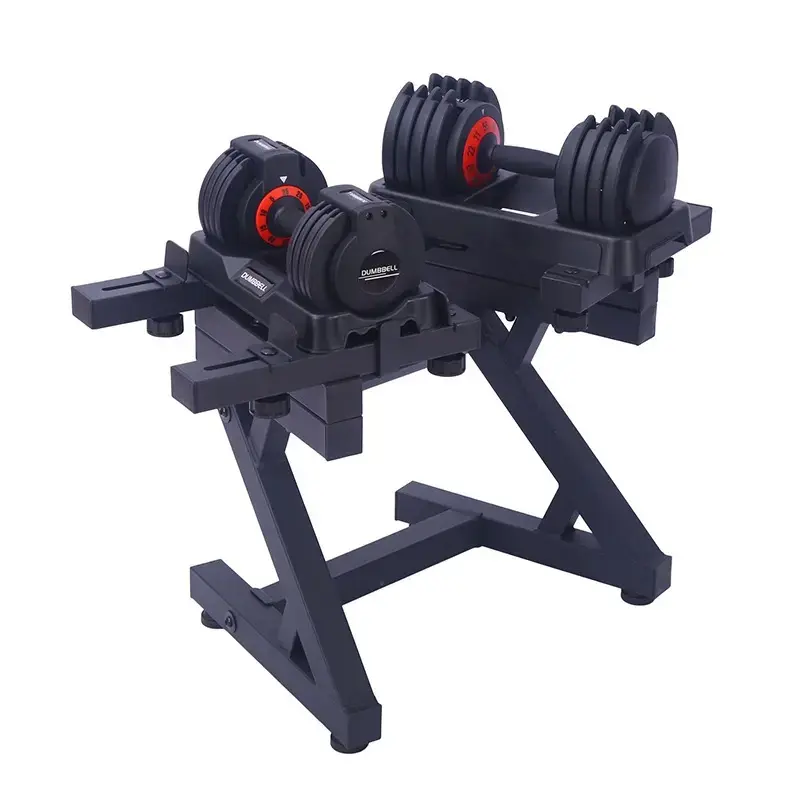
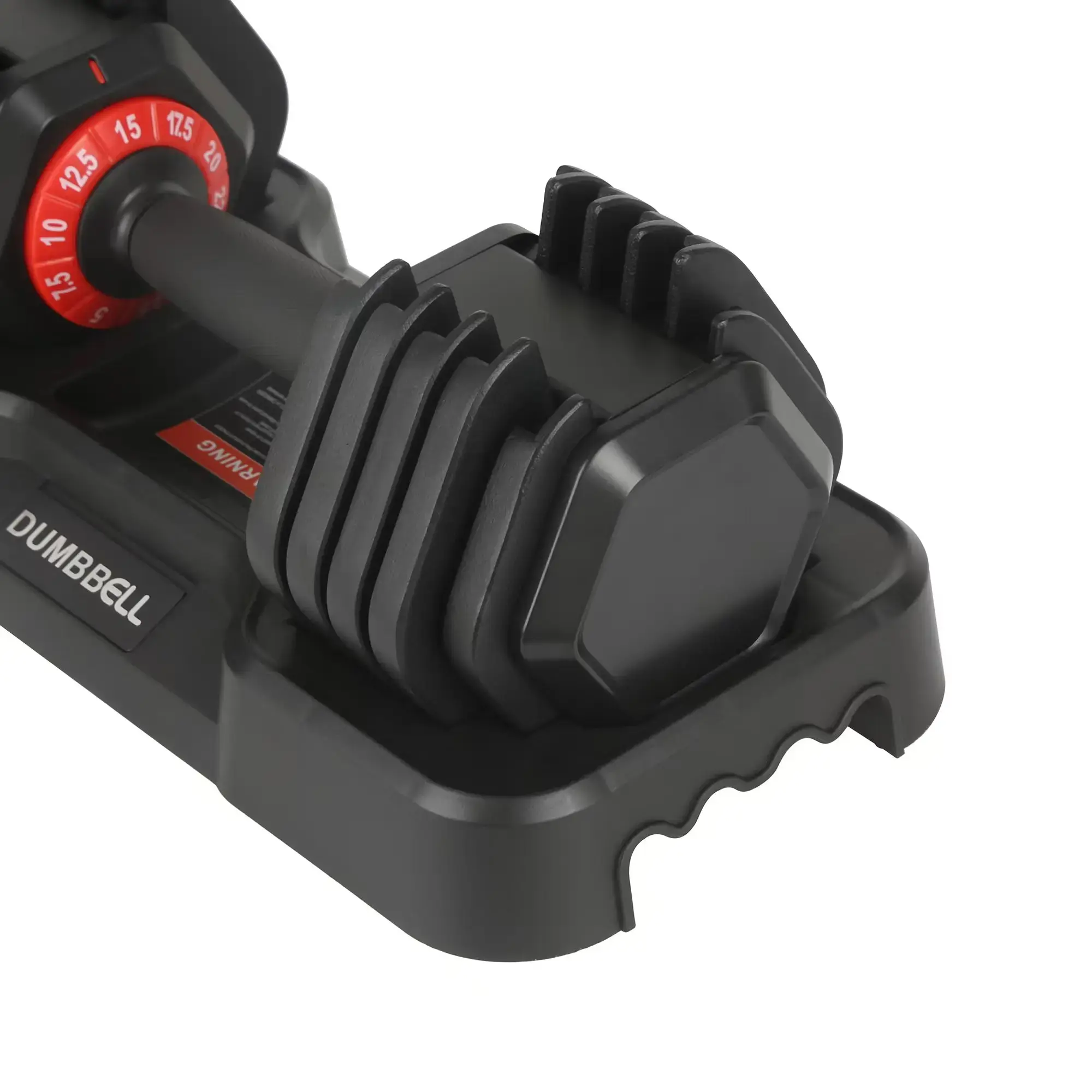
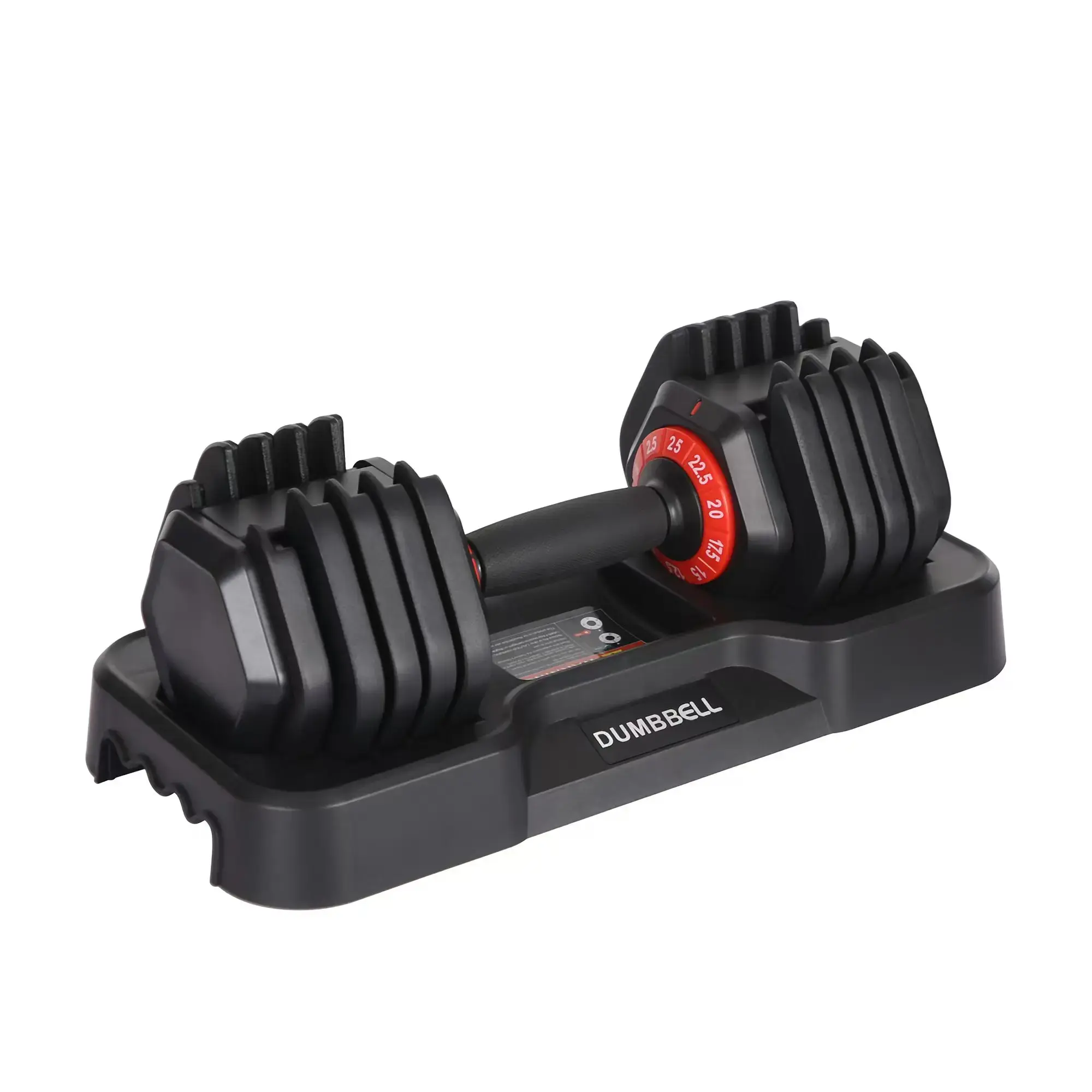
Adjustable dumbbell strength factory

A Complete Analysis of Adjustable Dumbbell Load-Bearing Tests: From the Lab to the Gym
A Complete Analysis of Adjustable Dumbbell Load-Bearing Tests: From the Lab to the Gym
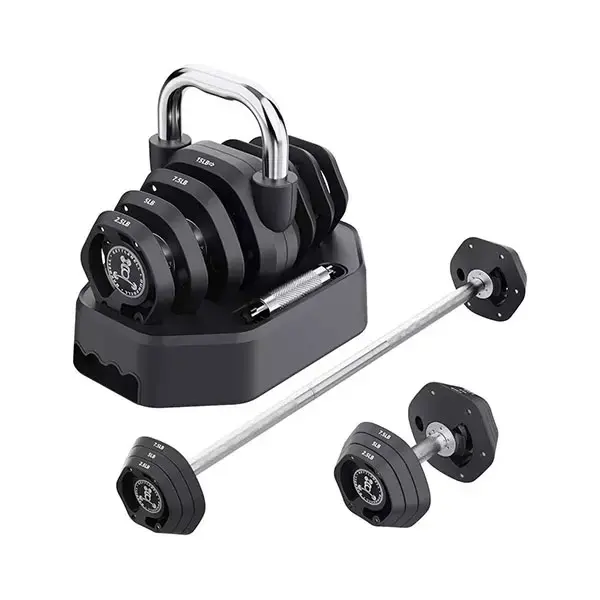
When you're lifting Heavy Dumbbells at the gym or doing strength training at home, have you ever wondered about the "limits" of your equipment? Foradjustable dumbbells, load-bearing capacity is more than just a simple number; it's a core indicator that affects training safety, equipment lifespan, and user experience. There are many products on the market claiming "50kg" or "80kg," but are these numbers rigorously verified? Can they withstand repeated loads in real-world use? Today, we'll take you behind the scenes of an adjustable dumbbell load-bearing test, using scientific methods and real-world data to uncover the "load-bearing secrets" of high-quality Adjustable Dumbbells.
First. Why Load-Bearing Testing for Adjustable Dumbbells? — The First Line of Defense for Safety and Durability
Before discussing the details of the test, we must first clarify one point: load-bearing testing isn't just a showpiece; it's a fundamental guarantee of user safety.
1. Mitigating Training Risks: From "Breakage Risk" to "Stable Output"
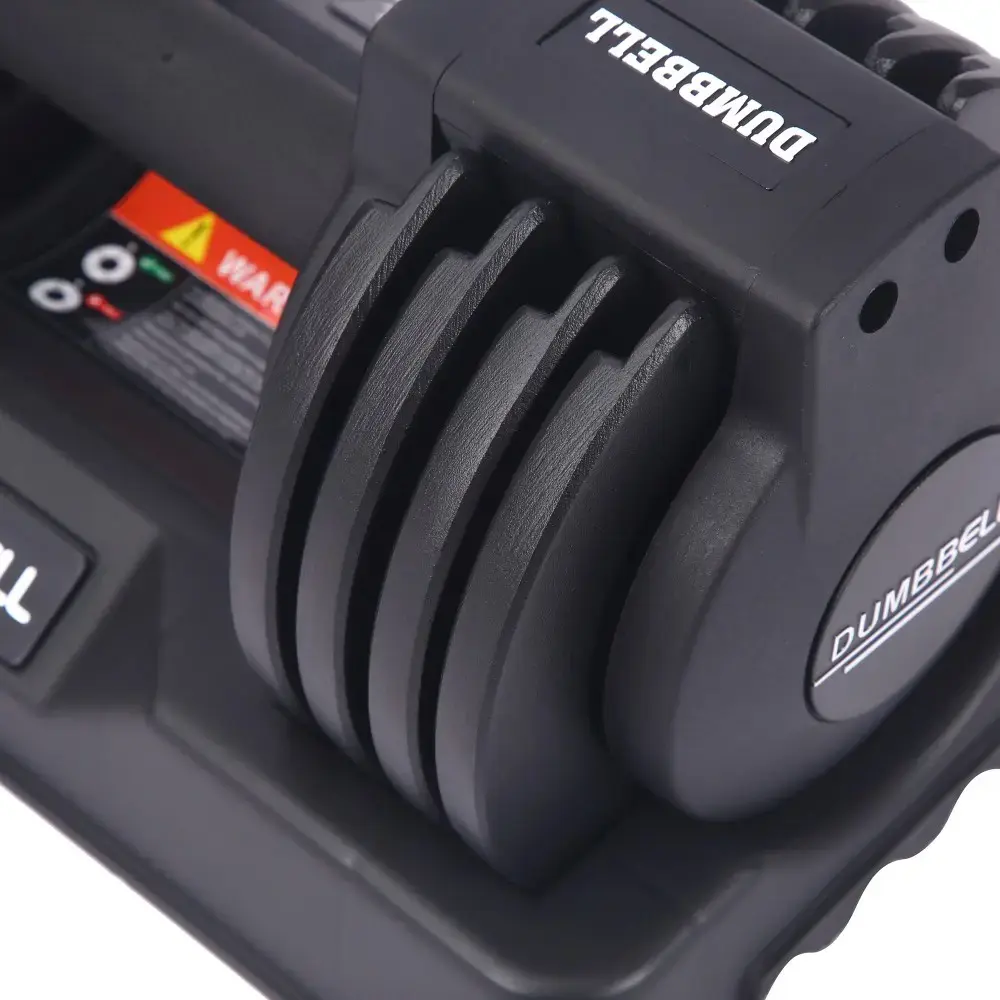
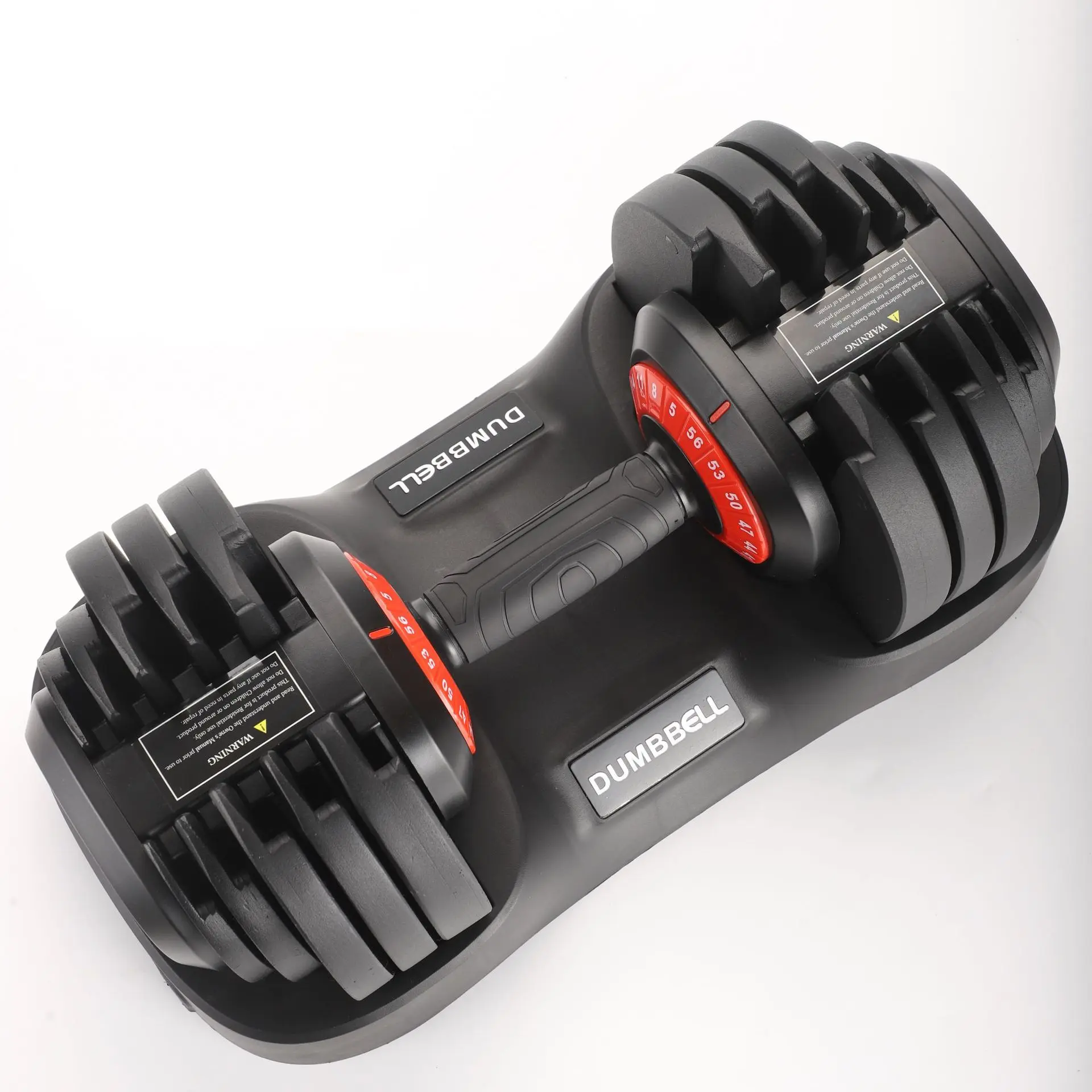
Ordinary fixed dumbbells have a single-piece weight and structure, resulting in a lower load-bearing risk. However, adjustable dumbbells consist of multiple components, including the dumbbell bar, adjustment mechanism, weight plates, and locking mechanism. Inadequate load-bearing capacity in any of these components can lead to accidents during training—for example, a broken adjustment buckle could cause the weight plates to fall out, or a bent dumbbell bar could cause movement distortion, potentially causing injury or damage to the floor.
2. Verifying Product Durability: The Protracted Battle Against "Fatigue Damage"
During strength training, dumbbells bear more than just static weight; they endure dynamic impact and repeated loading during lifting and lowering. A qualified adjustable dumbbell must maintain structural stability through thousands or even tens of thousands of load-bearing cycles. Testing solely with a "one-time load" fails to simulate the "fatigue damage" experienced in real-world use, potentially leading to problems like "new dumbbells working well but becoming loose after six months." 3. Exposing the "False Labeling Trap": Bringing Reality to the Numbers
Currently, there is no unified industry standard for load-bearing testing of adjustable dumbbells. To attract consumers, some small manufacturers engage in "false load-bearing"—for example, claiming a 60kg capacity when it can only bear 40kg. Professional load-bearing testing is designed to expose these traps and help consumers choose truly "authentic" products.
Second. How is Professional Load-Bearing Testing Conducted? — Five Key Steps to Reflect Real-World Usage Scenarios
To comprehensively verify the load-bearing capacity of adjustable dumbbells, we collaborated with a third-party testing organization to design a comprehensive testing protocol encompassing static, dynamic, extreme, fatigue, and environmental testing. The following is a detailed process and standards:
Step 1: Pre-Test Preparation - From Sample Screening to Equipment Calibration
Sample Selection: Three mainstream adjustable dumbbells (labeled with load capacities of 50kg, 60kg, and 80kg, respectively) were randomly selected and numbered A, B, and C to ensure that the samples had not undergone any "special treatment" and were identical to the products purchased by consumers.
Core Equipment:
Electronic universal testing machine (0.1N accuracy): used for static load-bearing and ultimate tensile testing;
Dynamic fatigue testing machine: simulates the impact of repeated lifting and lowering;
Torque wrench: tests the tightness of the locking device;
High and Low Temperature Test Chamber: simulates load-bearing performance under extreme conditions.
Preconditioning: All samples were placed in a standard environment at 23°C and 50% humidity for 24 hours to eliminate any environmental influences on the initial state.
Stage 2: Static Load-Bearing Test - A "Stability Test" of Basic Load-Bearing
The core of the static load-bearing test is to verify the structural stability of the dumbbells under continuous load, simulating the scenario of "lifting a heavy object and then remaining still" (such as a plank dumbbell lift or static crunch).
Testing Steps:
Assemble each dumbbell according to the product instructions to 80% of the marked load (A = 40kg, B = 48kg, C = 64kg). Secure the dumbbells horizontally on the test bench.
Use an electronic universal testing machine to apply a vertical downward static pressure to the midpoint of the dumbbell bar for 2 hours.
Observe the dumbbell bar for bending, looseness of the adjustment mechanism, and any misalignment of the weight stacks, and record the data.
Gradually increase the load to 100% of the marked load and 120% (overload test). Repeat the above steps. Test Results:
Sample A (marked 50kg): Remained stable at 50kg. After loading to 60kg (120%), the dumbbell bar exhibited a 0.3mm bend and the adjustment buckle slightly deformed.
Sample B (marked 60kg): No significant deformation was observed at 72kg (120%), and the locking mechanism remained intact.
Sample C (marked 80kg): Structurally stable at 96kg (120%), with only minor scratches on the edges of the weight stack.
Conclusion: High-quality adjustable dumbbells should have a static load capacity of at least 120% of the marked value without structural damage.
Step 3: Dynamic Impact Test – Simulating the "Explosive Force Challenge" of Real-World Training
Dynamic impact testing more closely reflects the "instantaneous force" of lifting dumbbells in deadlifts and squats. During these tests, the dumbbells not only bear the weight but also experience the combined effects of impact.
Testing Procedure:
Assemble the dumbbells to 100% of their marked load capacity and hang them from the mechanical arm of a dynamic fatigue testing machine.
Set the mechanical arm to simulate a "lifting and lowering" motion: 50 cm high, 0.5 m/s low, and gently impact the bottom of the dumbbell with the test bench each time it is lowered (simulating the "gentle release" action during training).
Set the number of cycles to 1000, stopping after every 200 cycles to inspect the condition of the dumbbell components.
If no abnormalities are observed after 1000 cycles, increase the impact force (increasing the lowering speed to 0.8 m/s) and repeat the cycle for another 500 cycles.
Test Results:
Sample A: After 800 cycles, the adjustment knob began to slip, and the weight stack began to loosen.
Sample B: After 1500 cycles, the locking mechanism remained secure, and the dumbbell bar showed no bending.
Sample C: After 1500 cycles, only minor wear to the surface coating of the dumbbell bar was observed, with no structural abnormalities.
Conclusion: In the dynamic impact test, qualified products should withstand more than 1,500 standard impacts without functional damage to core components.
Step 4: Extreme Load Test – The Ultimate Test of Exploring the "Safety Margin"
The purpose of the extreme load test is not to challenge users to "challenge their maximum weight," but to identify the dumbbell's "safety threshold" and provide a "safety margin" for daily use.
Testing Procedure:
Gradually increase the dumbbell's weight in 5kg increments (beyond the marked value);
After each load, use a torque wrench to check the torque change in the locking device and a micrometer to measure the deflection of the dumbbell bar;
Until the dumbbell exhibits "structural failure" (e.g., bar breakage or cracking of the adjustment mechanism), the weight at that point is recorded. Test Results:
Sample A: Maximum load capacity of 75kg. At 70kg, the dumbbell bar exhibited a 1.5mm bend (far exceeding the safety standard of 0.5mm)
Sample B: Maximum load capacity of 100kg. At 90kg, the bar maintained a 0.4mm bend, with failure occurring at the bar-handle connection.
Sample C: Maximum load capacity of 130kg. Failure occurred at the weight plate mounting pin, with no noticeable bend in the bar.
Conclusion: High-quality adjustable dumbbells should have a maximum load capacity of at least 1.5 times the stated value and maintain minimal bend even near the maximum load capacity.
Step 5: Environmental Adaptability Testing - Maintaining Stability in Extreme Conditions
Training environments aren't always ideal: gym humidity, high temperatures on a balcony, and low temperatures in winter can all affect the material properties and load-bearing capacity of dumbbells. Therefore, environmental adaptability testing is essential.
Testing Procedure:
Assembled dumbbells (marked with 100% load capacity) were placed in a high-low temperature test chamber set to -20°C (low temperature), 60°C (high temperature), and 40°C + 80% humidity (humid heat).
After 48 hours in each environment, the dumbbells were removed and immediately subjected to a static load test (80% of the marked value).
Observe the dumbbells for any signs of material embrittlement, rust, or sticking in the adjustment mechanism.
Test Results:
Sample A: After exposure to -20°C, the plastic adjustment knob cracked and stripped during static load.
Sample B: No significant abnormalities were observed in all three environments; the adjustment mechanism remained flexible and locked securely.
Sample C: After exposure to the damp heat environment, minor rust appeared on the weight plates, but this did not affect their load-bearing performance.
Conclusion: High-quality adjustable dumbbells should be able to withstand temperatures ranging from -20°C to 60°C and humidity levels below 80%, with no functional damage to core components.
Third. Buying Guide Based on Testing: 3 "Pitfall Avoidance Guides" for Choosing the Right Adjustable Dumbbells with Reliable Weight Bearing
Through the above tests, we found significant differences in weight-bearing capacity among different brands of adjustable dumbbells. As a consumer, how can you determine a product's weight-bearing reliability through visual inspection and detailed inquiry? Here are three key recommendations:
1. Check the Material: The dumbbell bar and adjustment mechanism are the "weight-bearing core."
Dumbbell bar: Prefer solid chrome alloy steel or high-carbon steel, as these materials have a higher yield strength (≥400MPa) and are less prone to bending. Avoid hollow steel tubes or ordinary carbon steel, as these materials are prone to deformation under heavy loads.
Adjustment Mechanism: Choose a "snap-on" or "screw-on" locking mechanism, and the locking component should be made of metal (such as stainless steel or zinc alloy). Avoid purely plastic adjustment mechanisms, as they are prone to wear and thread stripping under long-term loads.
2. Ask about the Standards: Has the product been third-party tested? When purchasing, proactively ask the seller: "Has the product been load-bearing tested by a third-party organization? Can you provide a test report?" Reputable brands will disclose key data such as static load and dynamic fatigue, rather than simply claiming "load capacity XX kg" without providing any supporting evidence.
3. Test the feel: Check for "stability" after assembly
If purchasing offline, you can make a preliminary assessment after assembly using the following methods:
Grip the dumbbells at both ends with both hands and gently shake them to feel for any "unusual noises" indicating loose weight plates;
Lift them to your chest and hold for 5 seconds, feeling for any "bending" or "sinking" in the bar;
Adjust the weights 2-3 times to ensure the adjustment mechanism operates smoothly and locks securely.