
Adjustable dumbbell strength factory
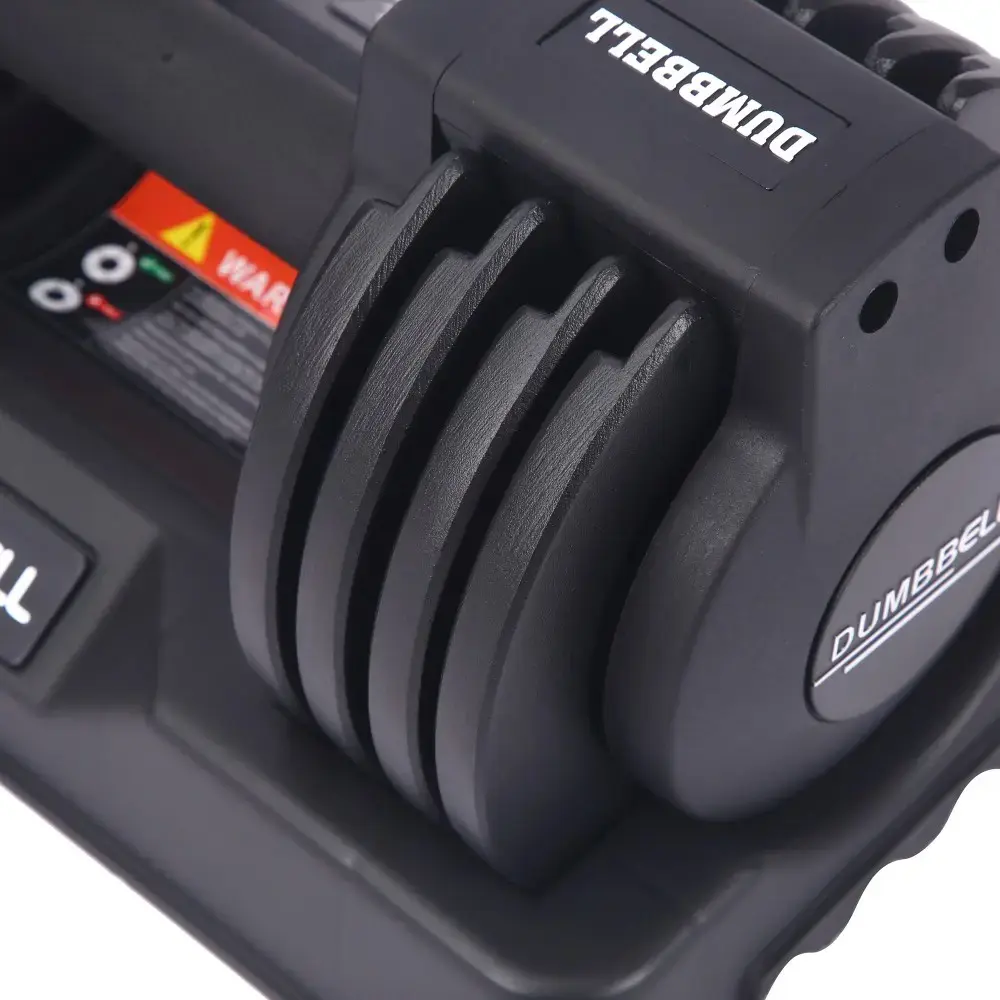

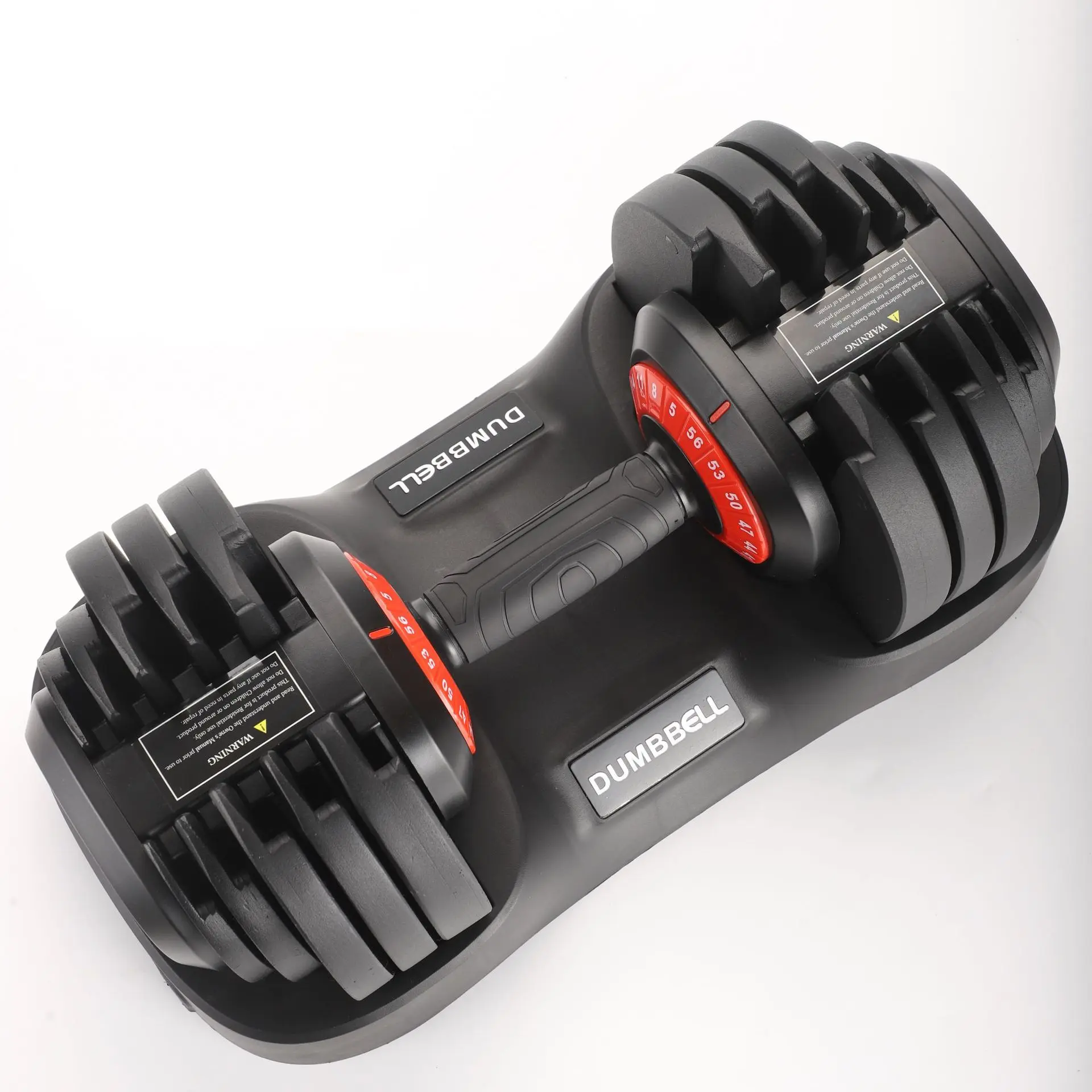
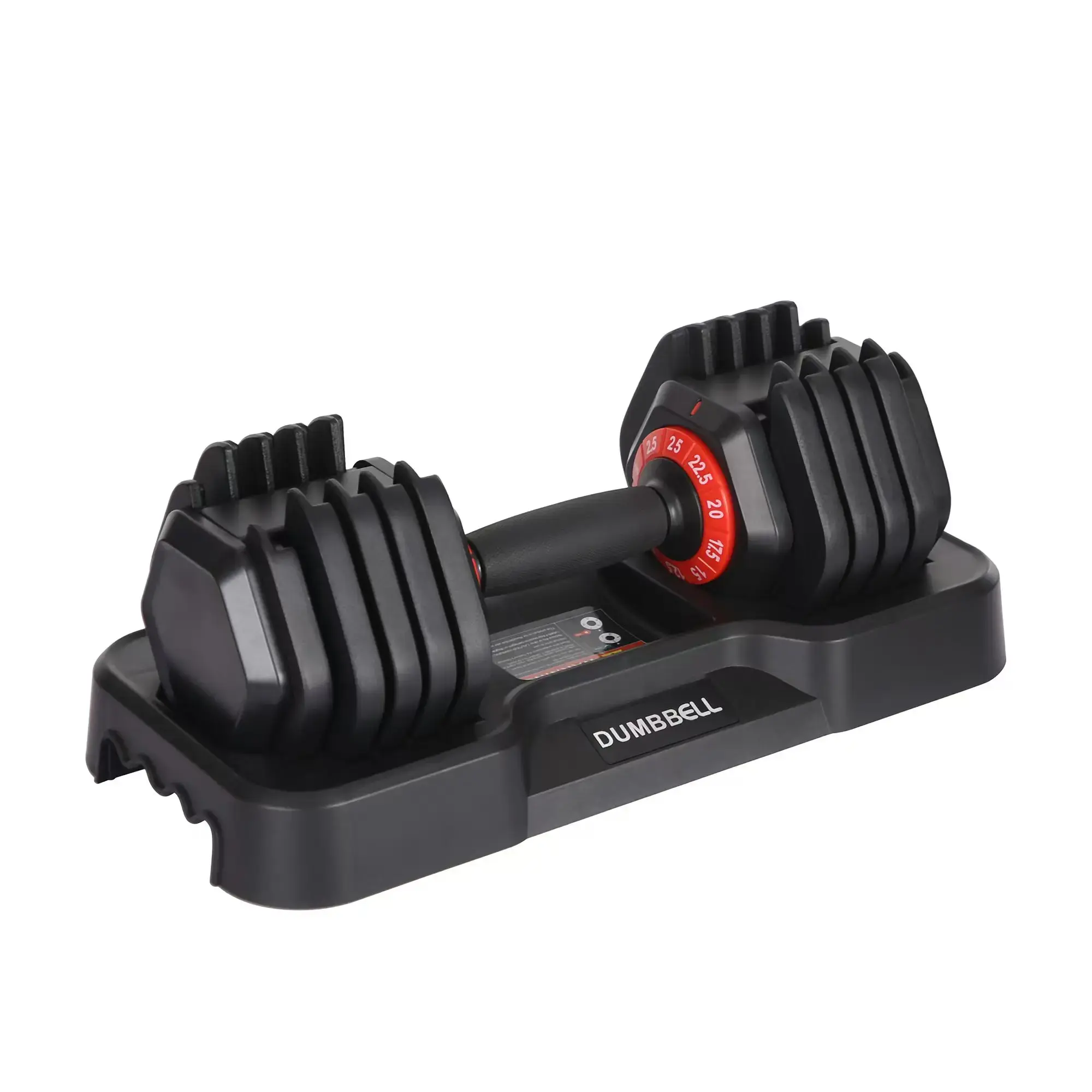
Adjustable Dumbbell Coating Abrasion Resistance Test
Adjustable Dumbbell Coating Abrasion Resistance Test
For fitness enthusiasts, home gym users, and professional fitness facilities, adjustable dumbbells are undoubtedly a practical and space-efficient piece of equipment. With just one set of equipment, you can adjust weights from a few kilograms to tens of kilograms, meeting the diverse needs of strength training. However, with long-term use, many people overlook a key issue: the dumbbell's coating.
Imagine you've spent a fortune on an adjustable dumbbell, but within six months, the coating on the handle begins to peel, revealing the metal underneath. Not only does this make the handle feel less comfortable and slippery, but the detached coating can also get into cracks in your workout area and even scratch floors or clothing during transport. Worse still, if the metal parts are exposed to sweat and humidity for a long time, they may rust, shortening their lifespan and posing a health risk.
The core of all these issues lies in the "abrasion resistance" of the coating. Today, we'll delve into the wear resistance testing of adjustable dumbbell coatings—what exactly is measured, how it's performed, and how this data can help you decide if an adjustable dumbbell is worth buying.
First, Understanding: Why is the wear resistance of adjustable dumbbell coatings so important?
Before discussing the testing, we must first clarify that the coating on an adjustable dumbbell is far more than just a decorative layer; it's a critical structure that combines three core functions: protection, anti-slip properties, and comfort. Wear resistance is the key indicator that determines the long-term effectiveness of these three functions.
Protective Function: Extending the Lifespan of Dumbbells
The core components of Adjustable Dumbbells are often made of metals such as cast iron and alloy steel. Without a protective coating, the metal surface is exposed to direct air, sweat (containing salt), and dust, making it highly susceptible to oxidation and rust. A high-quality coating can act as a protective shield against these corrosive factors. However, if the coating is poorly wear-resistant, the friction from prolonged handling and weight adjustment can quickly damage the coating, exposing the metal and causing rust, which can significantly shorten the dumbbell's lifespan.
Anti-Slip Function: Ensuring Training Safety
During strength training, the anti-slip properties of dumbbells are directly related to safety. If the grip coating wears and becomes slippery, especially with sweaty palms, the dumbbells can easily slip from your hands, potentially causing scratches on the floor or even injuries to your hands or feet. A highly abrasion-resistant coating maintains the surface's textured friction over time, preventing the loss of anti-slip performance due to wear.
Comfort Function: Enhancing the Training Experience
A good coating provides a smooth, comfortable grip. However, a worn coating may develop warped edges and uneven surfaces. Prolonged grip can cause discomfort and even abrasions, affecting your concentration and overall training experience.
Second. Professional Abrasion Resistance Testing: How is coating performance scientifically evaluated?
Reputable adjustable dumbbell brands conduct rigorous abrasion resistance testing on their coatings before releasing their products. These tests are not based on subjective perceptions, but rather quantitative assessments based on industry standards. The following are several common professional testing methods and key indicators to monitor:
1. Martindale Abrasion Test
This is a widely used abrasion test standard for textiles, leather, and coatings, and is also applicable to adjustable dumbbell grip coatings.
Test Principle: A dumbbell coating sample is mounted on a test bench. An abrasive head (simulating the friction force and frequency of a human hand) rubs the sample back and forth at a specific pressure (typically 9kPa-12kPa, close to the force of a normal dumbbell grip) and a Lissajous curve (simulating the motion of rotating a dumbbell). The number of rubs before the coating shows noticeable wear (such as bottom exposure, cracking, or peeling) is recorded.
Key Indicator: High-quality adjustable dumbbell coatings typically withstand more than 5,000 rubs in the Martindale test without noticeable wear. For commercial dumbbells used in professional fitness facilities, the standard is even higher, requiring more than 10,000 rubs. User Implications: A higher number of abrasions means the coating can withstand longer-term daily use. For an average home user using the device 1-2 times per day, a 5,000-abrasion rating is sufficient for 3-5 years of normal use. Commercial products with higher abrasion resistance standards can withstand frequent use by multiple individuals.
2. Taber Abrasion Test
The Taber test focuses on evaluating a coating's resistance to scratch wear and tear. It is particularly useful for adjusting the weight of an adjustable dumbbell, where friction between components occurs (e.g., between the dumbbell plates and the connecting rod, or between the weight adjustment knob and the housing).
Test Principle: A coated sample is mounted on a rotating platform. Two weighted arms equipped with standard abrasive wheels (such as CS-10 wheels, simulating metal-coating friction) press against the sample surface with a specific weight (typically 250g-1000g, adjusted based on the load on the dumbbell component). The platform rotates at a fixed speed (60 rpm). The coating's weight loss (mg/100 rpm) and appearance changes after a certain number of revolutions are measured.
Key Specifications: A qualified coating should have a weight loss of ≤5mg after 100 revolutions in the Taber test, with no visible scratches or exposed bottom. For highly abrasive components such as dumbbell plates, the weight loss should be kept below 3mg.
User Implications: A lower weight loss indicates a denser and more adherent coating, making it less likely to fall off due to friction with the component during weight adjustment, thus avoiding the problem of "a little coating loss after each use." 3. Sweat Immersion + Abrasion Test
To address the dual wear and tear of sweat and friction experienced in fitness settings, professional brands also conduct combined testing to simulate the coating's durability under real-world conditions.
Test Principle: First, soak the coating sample in a solution simulating human sweat (containing sodium chloride, lactic acid, urea, and other ingredients, with a pH of approximately 4.5-6.0, close to real sweat). The sample is then placed at a constant temperature of 40°C for 24 hours (simulating the effects of prolonged sweating and unwashed dumbbells). After drying, the sample is then subjected to a Martindale or Taber abrasion test to determine if sweat corrosion has reduced the coating's wear resistance.
Key Parameter: After sweat immersion, the number of abrasions or weight loss of the coating should be ≤10% lower than that of the unsoaked sample, with no signs of corrosion such as blistering, discoloration, or peeling. User Benefits: Many people don't clean their dumbbells immediately after training, allowing sweat to adhere to the coating for extended periods. If the coating isn't sweat-resistant, even if it initially exhibits good wear resistance, it will become brittle and wear more quickly. This test can help you eliminate inferior products that appear wear-resistant but are actually sweat-sensitive.
Third. High-Quality Coating Process: Besides Wear Resistance, Other Considerations Need to be Considered
Wear resistance is the core performance indicator of a coating, but a good adjustable dumbbell coating must also consider the following factors, which can indirectly affect its long-term durability:
Coating Adhesion
Poor adhesion between the coating and the metal substrate can easily lead to complete peeling, even with excellent wear resistance. Professional testing assesses adhesion through a "cross-cut test" (scratching a cross with a blade, then taping the surface to see if the coating peels off). The passing standard is "no peeling of the coating after the cross-cut."
Environmental Safety
Some inferior coatings may contain harmful substances such as formaldehyde and heavy metals, which can pose health risks if exposed to them over a long period of time. Reputable brands use environmentally friendly powder coatings (such as epoxy resin powder or polyester powder). These coatings not only have strong adhesion and are wear-resistant, but are also RoHS and REACH certified, releasing no harmful substances.
Feel and Anti-Slip Texture
The surface texture of the coating is also crucial—a fine texture can easily wear, while a coarse texture can be irritating. High-quality coatings feature a "micro-bump texture" or "spiral pattern" to ensure anti-slip properties while reducing friction between the textures and extending wear life.
Fourth Buying Guide: How to Assess the Quality of Adjustable Dumbbell Coatings Using Test Data?
As ordinary consumers, we cannot conduct professional testing ourselves, but we can indirectly assess the wear resistance of adjustable dumbbell coatings using the following three methods:
Check the Brand's Test Report
Reputable brands will provide coating wear test reports (such as Martindale test times and Taber test weight loss rate) on the product details page or when contacting customer service. If a brand fails to provide any test data and relies solely on word-of-mouth claims such as "wear-resistant and durable," it's recommended to choose with caution.
Pay attention to the coating material description.
Prefer products with "epoxy powder coating," "polyester powder coating," or "rubber non-slip coating (TPR/TPE)"—these materials inherently offer excellent wear and corrosion resistance and are recognized as high-quality choices within the industry. Avoid products that simply say "metal coating" without a material label.
Actual Hand Feel and Appearance Observation
Hand Feel: A high-quality coating should have a smooth, even feel, without noticeable graininess or unevenness. A clear, textured feel should be felt when gripping, but the grip should be smooth and comfortable.
Appearance: Observe the coating for defects such as bubbles, sags (uneven buildup of coating), and scratches. These cosmetic issues often indicate an immature coating process and that wear resistance cannot be guaranteed.
Fifth. Conclusion: Don't Let "Coating" Become a Weakness for Adjustable Dumbbells
The core advantage of adjustable dumbbells is their long-term value, and the wear resistance of the coating is crucial to determining this long-term value. Adjustable dumbbells with a wear-resistant and durable coating not only avoid the hassle and cost of frequent equipment replacements, but also ensure your training safety and enjoyment.