

Adjustable dumbbell strength factory
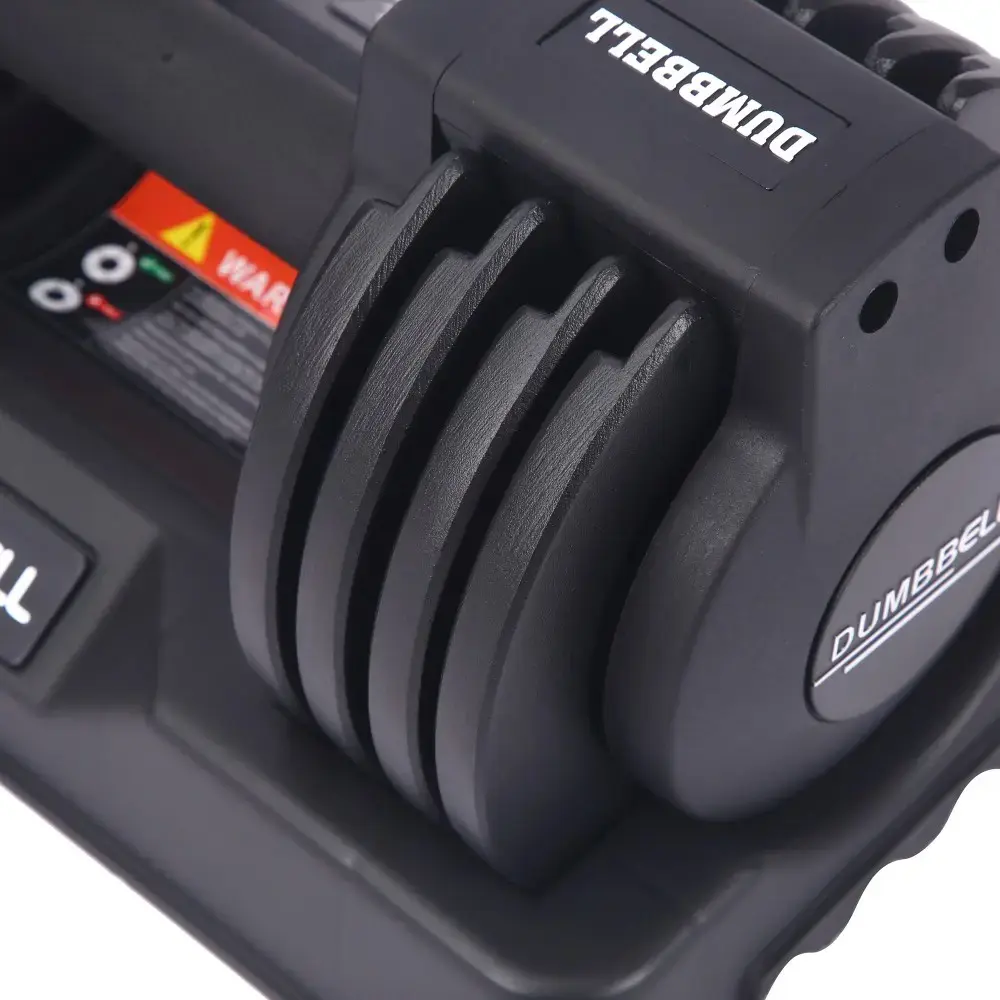

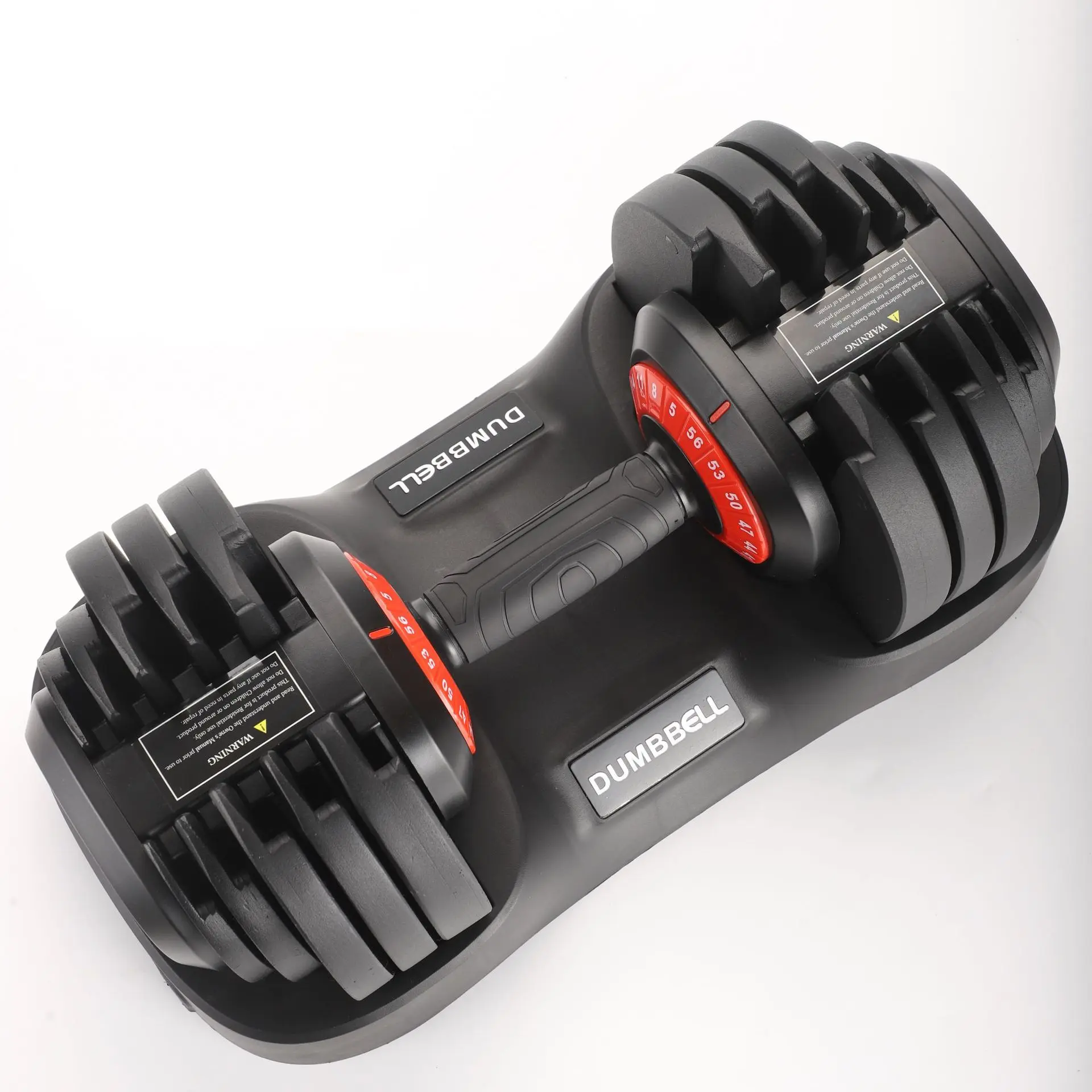
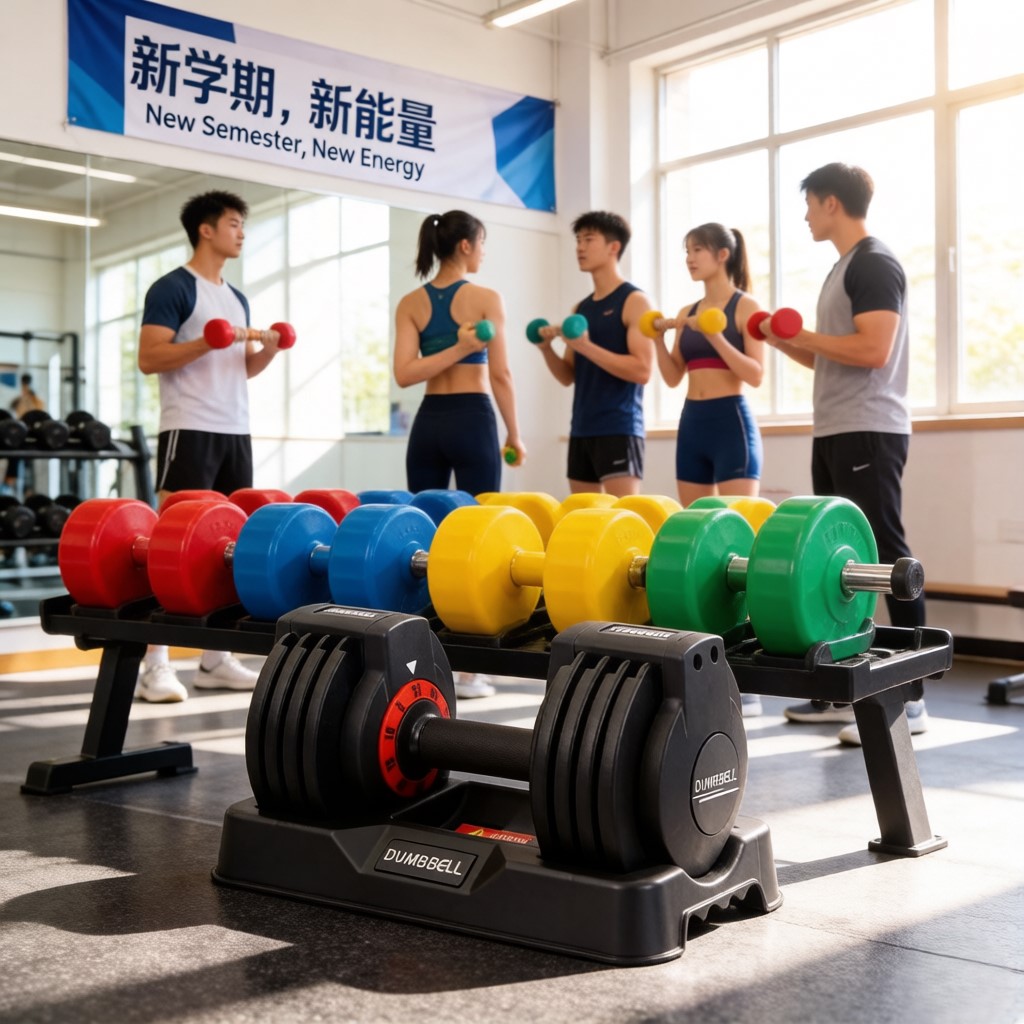
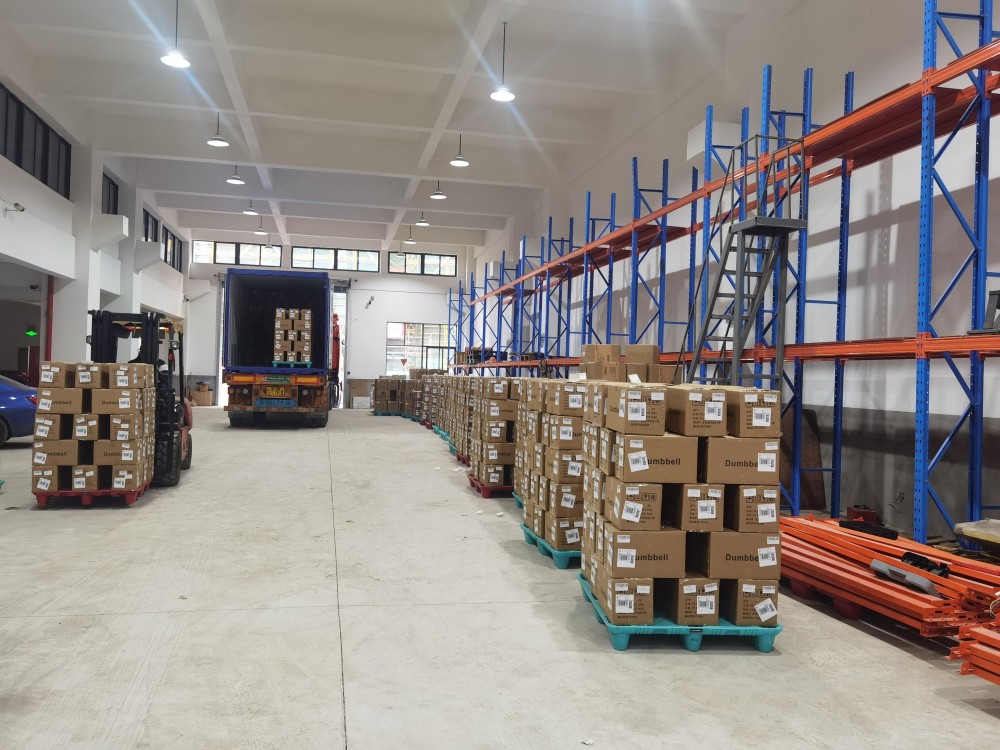
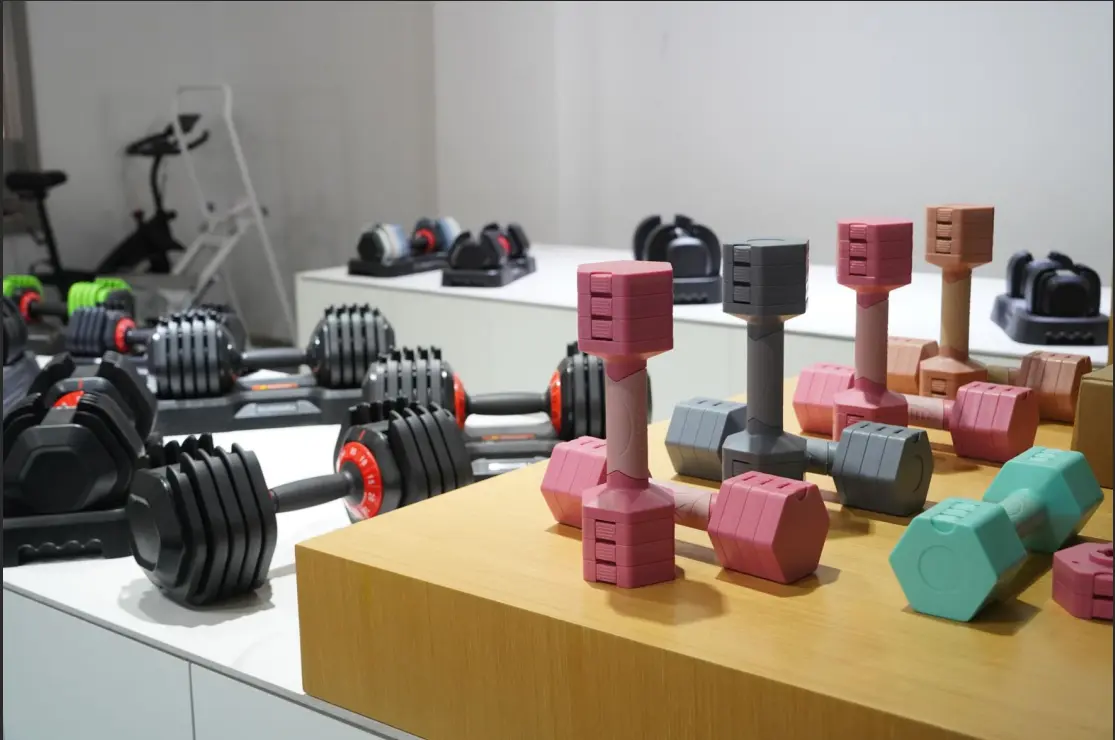
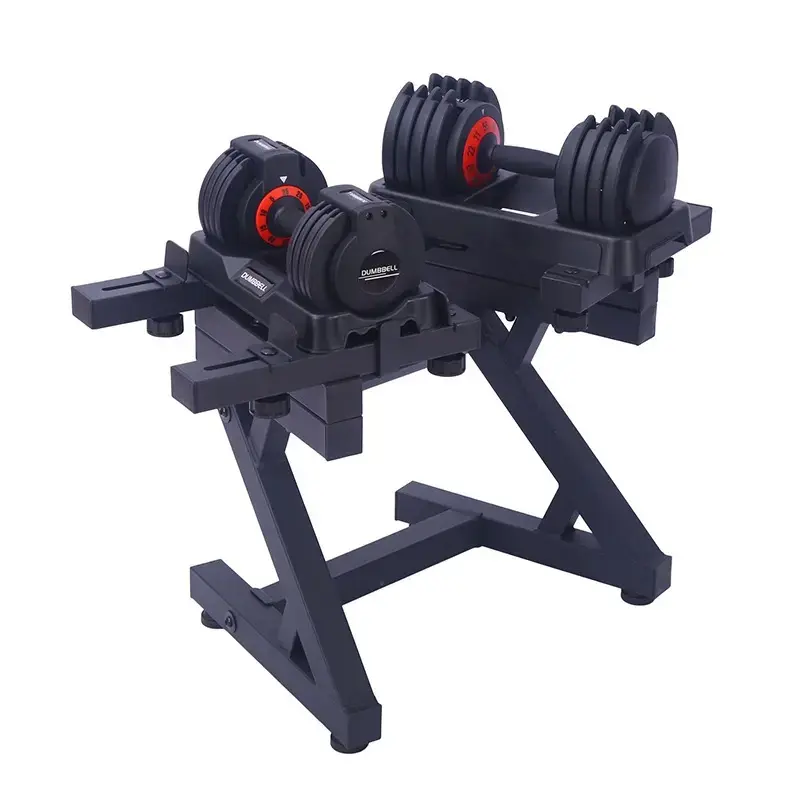
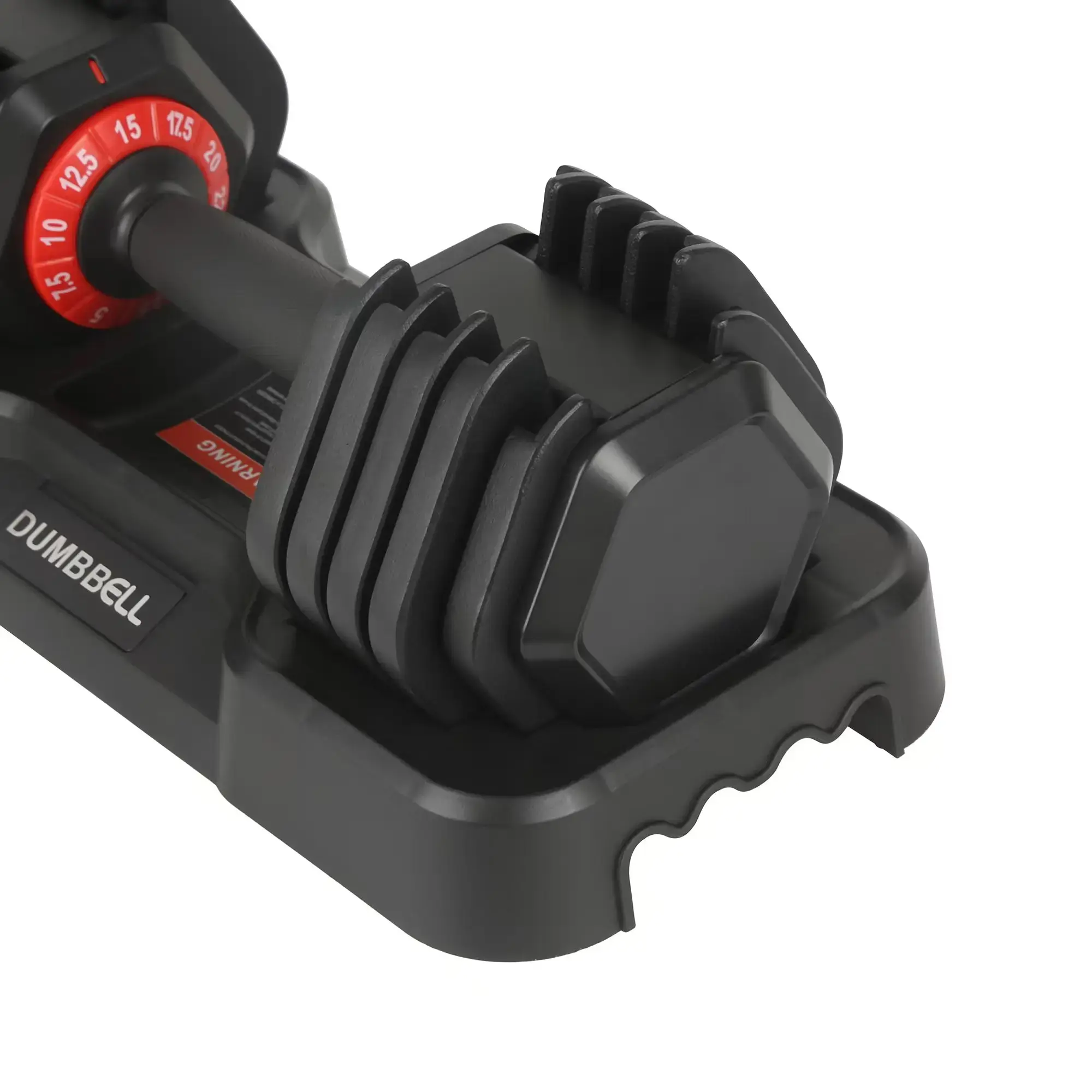
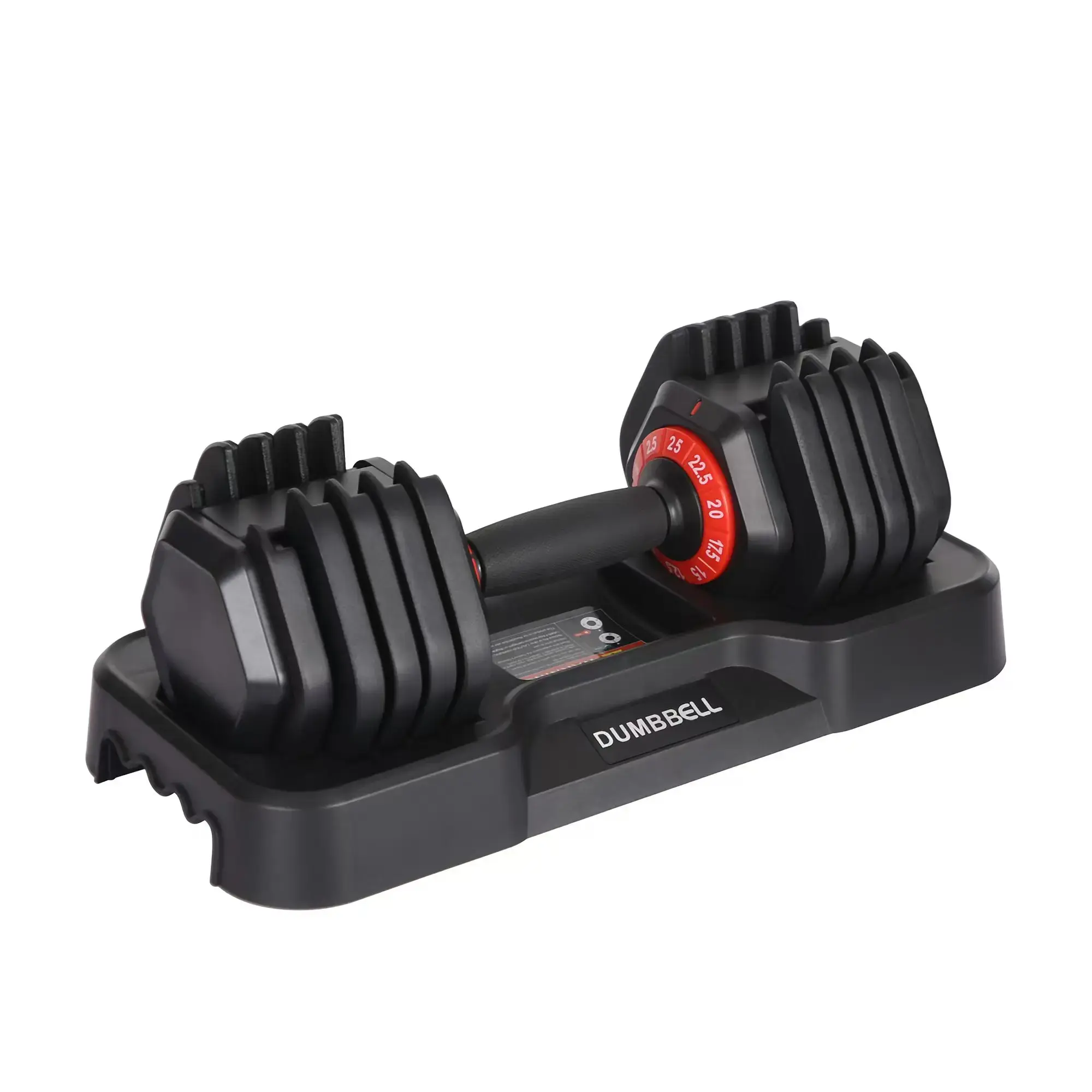
Adjustable Dumbbell Core Materials
An In-Depth Analysis of Adjustable Dumbbell Core Materials: Choosing the Right Material for Durability and Safety
For fitness enthusiasts or cross-border fitness equipment buyers, the "value for money" of adjustable dumbbellsgoes beyond weight ranges and ease of adjustment—the core material is the key factor determining their lifespan, safety, and even the overall training experience. Choosing the wrong material can lead to short-term rust, handle detachment, and even weight breakage during long-term use. Today, based on common needs in the international trade market, we'll thoroughly analyze the characteristics, advantages, and applicable scenarios of the main materials used in Adjustable Dumbbells to help you avoid purchasing pitfalls.
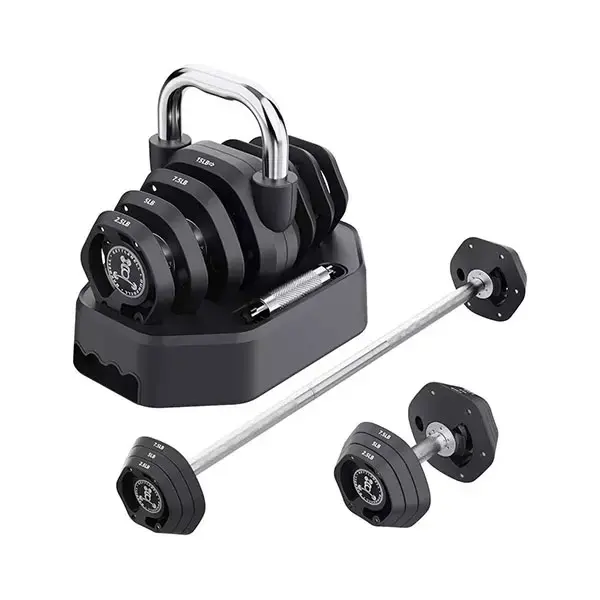
First, Metal: The "Power Framework" of Adjustable Dumbbells
Metal is the core material used in the weights and core connectors of adjustable dumbbells, directly determining the product's load-bearing capacity and durability. Currently, the main metal materials used in the international trade market are cast iron and steel alloys, with significant differences in performance and application scenarios.
1. Cast Iron: A Traditional and Durable Choice, Suitable for Professional Needs
Cast iron is a time-honored material in fitness equipment. Its high density (approximately 7.2g/cm³) and high rigidity make it the preferred choice for professional gyms and experienced fitness enthusiasts.
Key Advantages:
Strong Load-Bearing Stability: Cast iron weights offer uniform density, preventing center of gravity shift during rapid weight adjustments or high-intensity exercises (such as deadlifts and presses), reducing the risk of injury.
Wear and Deformation Resistance: Precision-cast and surface-anti-rust treatments (such as epoxy resin spraying or electrostatic spraying) protect cast iron components from everyday impacts and reduce the risk of rust even in the humid environment of a gym. High-quality products can withstand salt spray tests for at least 48 hours, complying with the EU EN 12571 standard for fitness equipment.
High Cost-Effectiveness: Cast iron raw material costs are relatively manageable. For buyers seeking high weight and long life (such as commercial gyms and fitness studios), this allows them to maintain quality while staying within their budget.
Suitable for:
Purchasing for overseas commercial gyms, personal use by professional fitness bloggers, and direct-to-consumer (DTC) products for heavy-duty trainers. Note: Pure cast iron weights are heavier and more suitable for those who prioritize a "real feel" over portability.
2. Steel Alloys: A balance of lightness and high strength, suitable for home and portable use.
With the rise of the home fitness market, steel alloys (such as mild steel and chromium-molybdenum steel) have become the mainstream material for Home Adjustable Dumbbells due to their "lightweight + high-strength" properties. Compared to cast iron, steel alloys have a slightly lower density (approximately 7.85g/cm³, with some lightweight steel alloys capable of reducing it to 6.5g/cm³). However, alloying (adding elements such as chromium and molybdenum) can increase their strength by over 30%.
Core Advantages:
Lightweight Design: Steel alloy weights are smaller for the same weight, and the compact design reduces the overall dumbbell footprint, making them suitable for use in overseas apartments and small homes.
Improved Rust Resistance: High-quality steel alloys undergo chrome plating, galvanizing, or passivation treatments, forming a dense oxide layer on the surface. This prevents rust even in humid environments like bathrooms (some products can pass EU REACH regulations for heavy metal release testing).
Durable Connectors: Adjustable dumbbells' adjustment rods, locks, and other core connectors are made of high-strength steel alloys, which withstand the wear and tear of frequent adjustments and prevent problems like loosening or jamming after long-term use.
Suitable Applications:
Adjustable dumbbells for home use (e.g., 10-30kg weights), popular products for home fitness on cross-border e-commerce platforms, and outdoor fitness environments that prioritize portability.
Second, Engineering Plastics: The "Outer Guard" That Balances Protection and User Experience
If metal is the "skeleton," engineering plastics are the "outer protective layer" of adjustable dumbbells. Primarily used in components like the weight block housing and adjustment knob housing, their core functions are scratch protection, noise reduction, and improved grip comfort, while also reducing overall product weight. In the international trade market, ABS plastic and nylon (PA) are the most popular choices.
1. ABS Plastic: A Cost-Effective Option Suitable for the Mass Market
ABS plastic (acrylonitrile-butadiene-styrene copolymer) is currently the mainstay of adjustable dumbbell housings. Its excellent injection moldability and impact resistance make it a top choice for mid-range and low-end household products. Core Advantages:
Easy to process, exquisite appearance: ABS plastic can be molded into a variety of shapes (such as curved weights and knobs with anti-slip textures) through injection molding. The surface can be finished in matte, glossy, or colored finishes, meeting the aesthetic needs of overseas customers.
Scratch-resistant, floor-protecting: The ABS shell has a moderate hardness (around Rockwell hardness R100), effectively cushioning the impact of the dumbbell falling to the ground and preventing scratches caused by direct impact between the metal and the floor. This makes it particularly suitable for "wooden floors and carpets" in overseas homes.
Cost Control: Compared to nylon, ABS raw material costs are lower, making it suitable for cross-border e-commerce sellers seeking a "high-value" product (such as entry-level products on Amazon and eBay platforms).
Precautions:
Avoid prolonged exposure to high temperatures (such as on a balcony in direct sunlight), as this may cause slight deformation. Choose RoHS-certified ABS plastic to ensure that it does not release harmful substances such as heavy metals and phthalates.
2. Nylon (PA): A High-Performance Choice for Harsh Applications
Nylon (polyamide) is a high-performance engineering plastic, particularly suitable for applications requiring high durability and temperature resistance. It is commonly found in core plastic components of mid- to high-end adjustable dumbbells (such as the adjustment lock housing and load-bearing connector housing). Core Advantages:
Abrasion and Aging Resistance: Nylon has a low coefficient of friction (approximately 0.1-0.3), making it less susceptible to wear from the turning of adjustment knobs and collisions with weights during long-term use. It also exhibits excellent aging resistance, maintaining stability in temperatures ranging from -40°C to 120°C, making it suitable for use in colder regions (such as Northern Europe) or hotter regions (such as the Middle East).
High Load-Bearing Strength: Reinforced nylon (such as glass-fibered PA66) boasts a tensile strength exceeding 80 MPa, capable of withstanding the long-term pressure of weights and preventing cracking of the casing.
Chemical Resistance: Nylon exhibits excellent resistance to sweat and cleaning fluids (such as disinfectants used for fitness equipment), preventing cracking and discoloration after prolonged contact.
Suitable Applications:
High-end home adjustable dumbbells, professional products for "harsh environments" (such as hot gyms and outdoor training), and flagship models from overseas brands.
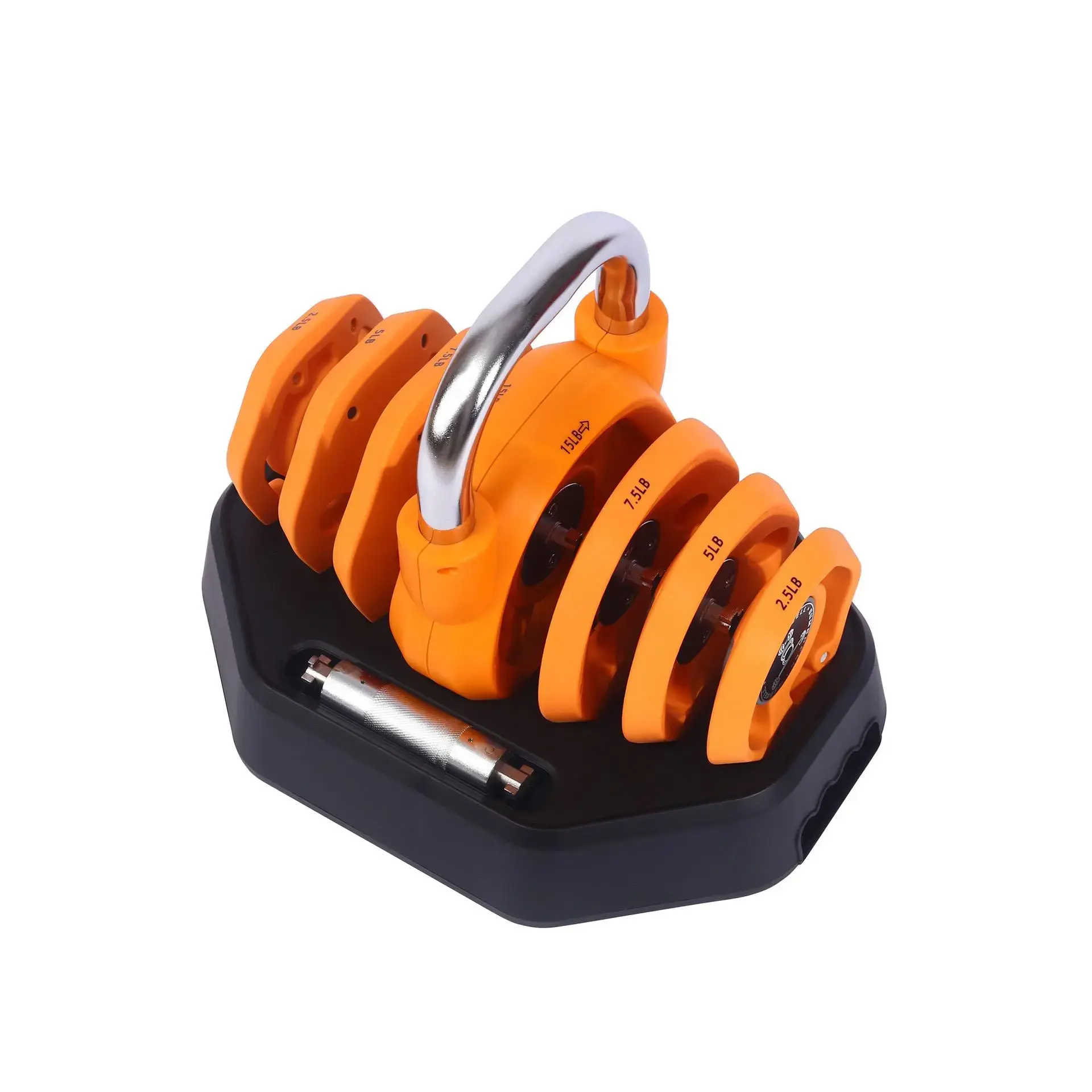
Third, Rubber/TPR: Critical Details for Improving Safety and User Experience
The grips and weight rims of adjustable dumbbells are often made of natural rubber or TPR (thermoplastic rubber). These "small components" directly impact the grip's slip resistance and comfort during training, and are also "safety details" of particular concern to overseas customers.
1. Natural Rubber: Extremely slip-resistant, suitable for high-intensity training
Natural rubber, with its excellent elasticity (elongation up to 800%) and coefficient of friction (approximately 0.6 in dry conditions and 0.4 in wet conditions), is the preferred choice for professional-grade adjustable dumbbell grips.
Core Advantages:
Excellent anti-slip performance: Even with sweaty palms during training, the natural rubber grip maintains excellent friction, preventing the dumbbells from slipping.
Soft feel: The natural rubber has a delicate touch and is less prone to scratching when held for extended periods, making it suitable for long-term training (such as strength circuits lasting over an hour).
Precautions:
It is relatively expensive and susceptible to aging with prolonged exposure to sunlight, requiring a UV-protective coating. Avoid contact with oily substances (such as hand cream), as this may accelerate material degradation.
2. TPR: A balance of cost-effectiveness and durability, suitable for general use.
TPR (thermoplastic rubber) is an affordable alternative to natural rubber. Made by blending thermoplastic materials with rubber, it combines the elasticity of rubber with the ease of processing of plastic, making it a popular choice for mid-range and low-end adjustable dumbbell grips. Core Advantages:
Slip resistance meets standards: The coefficient of friction is approximately 0.5 in dry conditions and approximately 0.3 in wet conditions, meeting the anti-slip requirements of daily training.
Aging-resistant and easy to clean: TPR offers superior UV resistance to natural rubber, making it less susceptible to hardening and cracking after long-term use. Its surface also resists dust and can be easily cleaned with a damp cloth.
Cost-effective: Compared to natural rubber, TPR raw material costs approximately 30% less, making it suitable for household products seeking "basic anti-slip properties with a high cost-performance ratio."
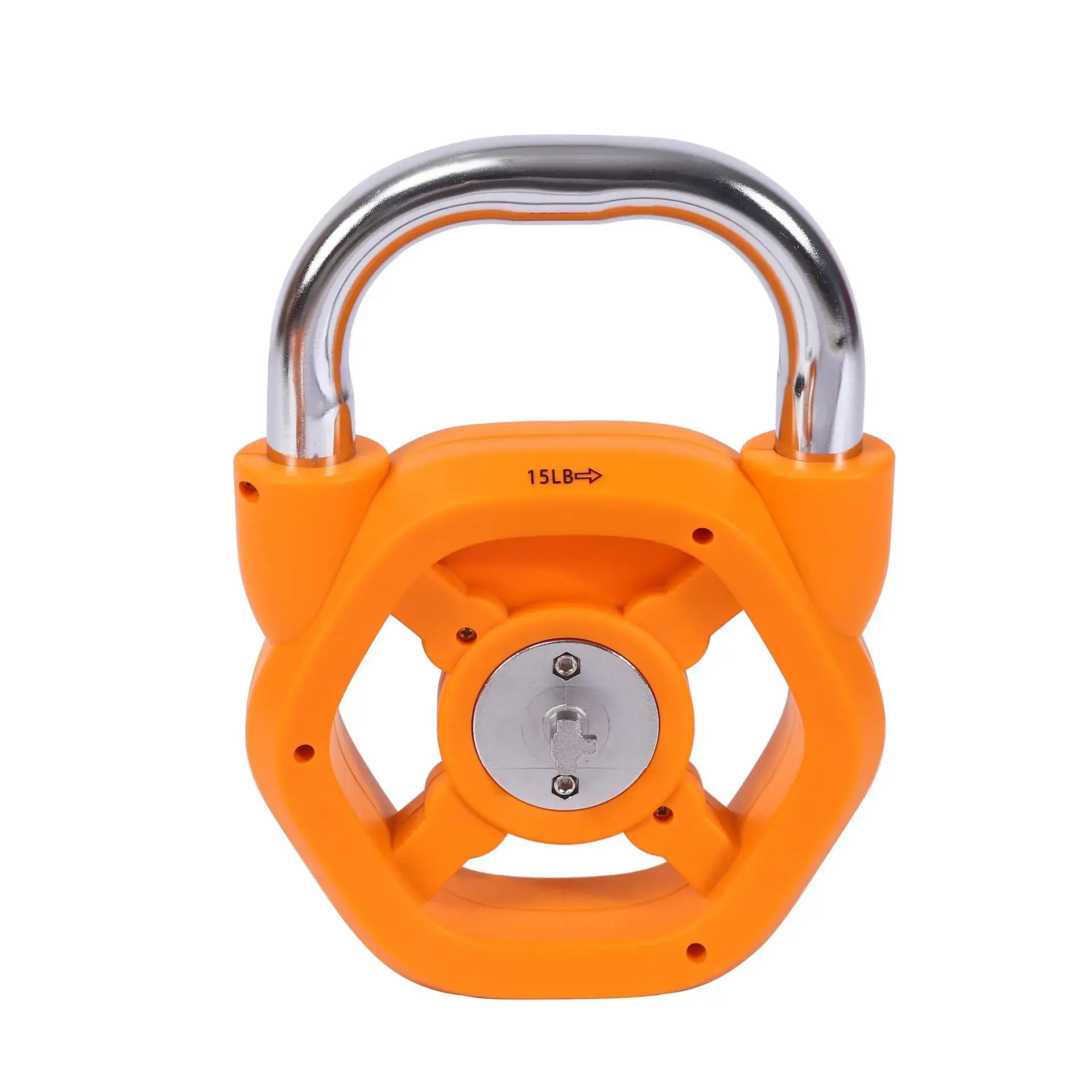
Fourth, Adjustable Dumbbell Material Selection Guide: Matching Dumbbells to Your Needs, Avoiding Overspending
The usage scenarios and budget requirements of different overseas customers vary significantly. Blindly pursuing "high-end materials" may increase costs, while choosing "low-cost materials" may compromise reputation. The following are targeted recommendations:
1. Commercial Gyms / Professional Purchasing: Prioritize "Cast Iron + Nylon + Natural Rubber"
Core Requirements: High durability, high load-bearing capacity, and resistance to deformation even with frequent use;
Material Combination: Cast iron weights (for stable weight) + nylon shell (scratch-resistant and age-resistant) + natural rubber handles (anti-slip and comfortable);
Certification Recommendations: Must pass EU EN 12571 (Fitness Equipment Safety Standard) and US ASTM F2267 (Strength Training Equipment Standard) to ensure compliance with commercial safety requirements.
2. Home Gyms / Small Homes: Prioritize "Steel Alloy + ABS + TPR"
Core Requirements: Lightweight, space-saving, and basic durability;
Material Combination: Lightweight steel alloy weights (compact and easy to store) + ABS shell (scratch-resistant) + TPR handles (anti-slip and easy to clean);
Certification Recommendations: RoHS (Restriction of Hazardous Substances) and REACH (Registration of Chemicals) certification to ensure safety for home use.
3. Special Environments/Regions: Targeted Material Selection
For humid regions (such as Southeast Asia and Northern Europe): Choose "Galvanized Steel Alloy + Nylon Shell" for enhanced rust resistance;
For hot regions (such as the Middle East): Choose "Heat-Resistant Nylon (PA66) + TPR Grip" to prevent deformation from high temperatures;
For outdoor training: Choose "Stainless Steel Alloy + Rubber-Wrapped Weights" to withstand wind and rain.
Conclusion: Materials are "Invisible Word of Mouth," Choosing the Right One for Long-Term Success
Material is more than just a product specification; it's also "Invisible Word of Mouth"—an overseas customer might give up on a single purchase due to "rust" or "grip falling off," but they can also become a loyal buyer after "three years of stable use."