

knowledge
Adjustable dumbbell strength factory
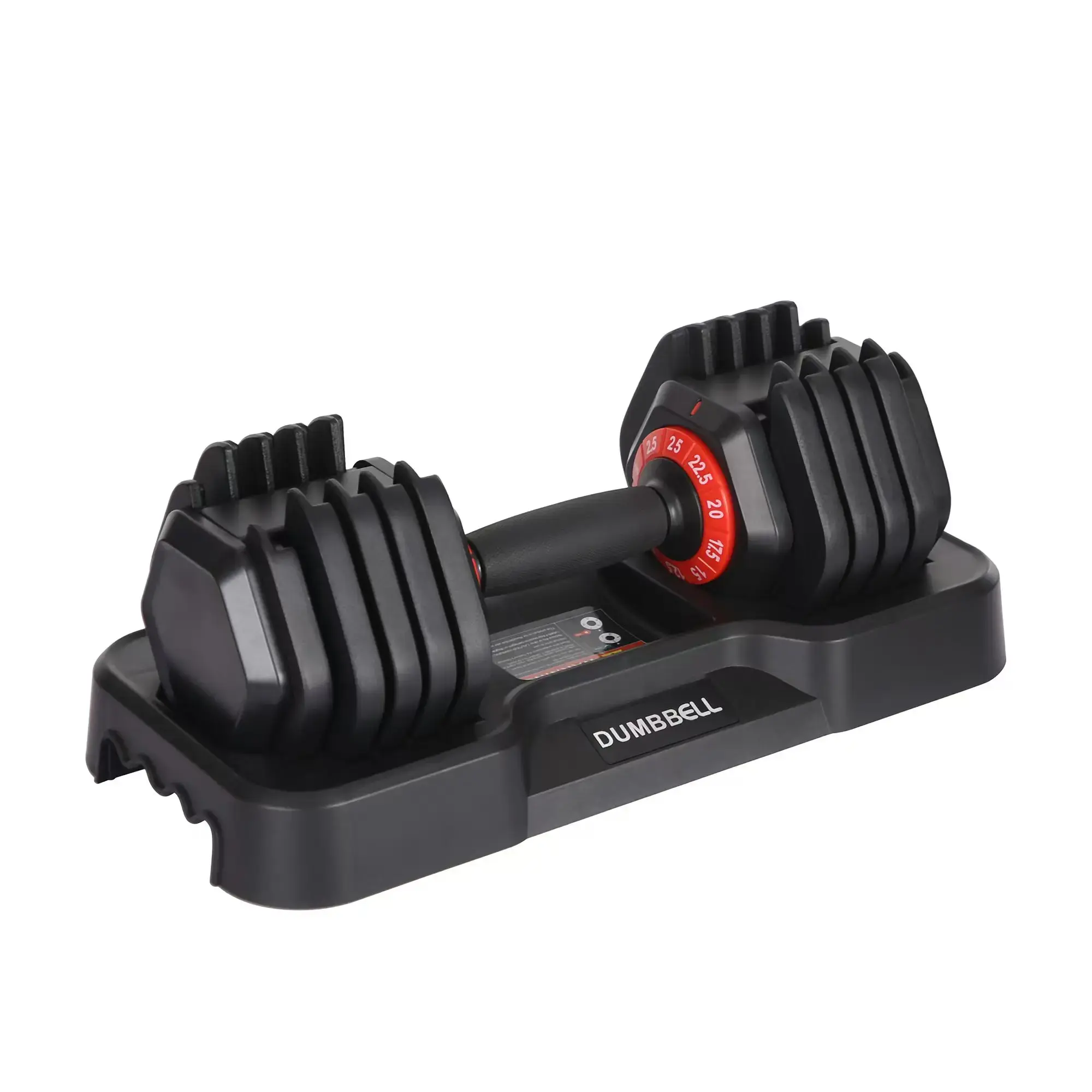

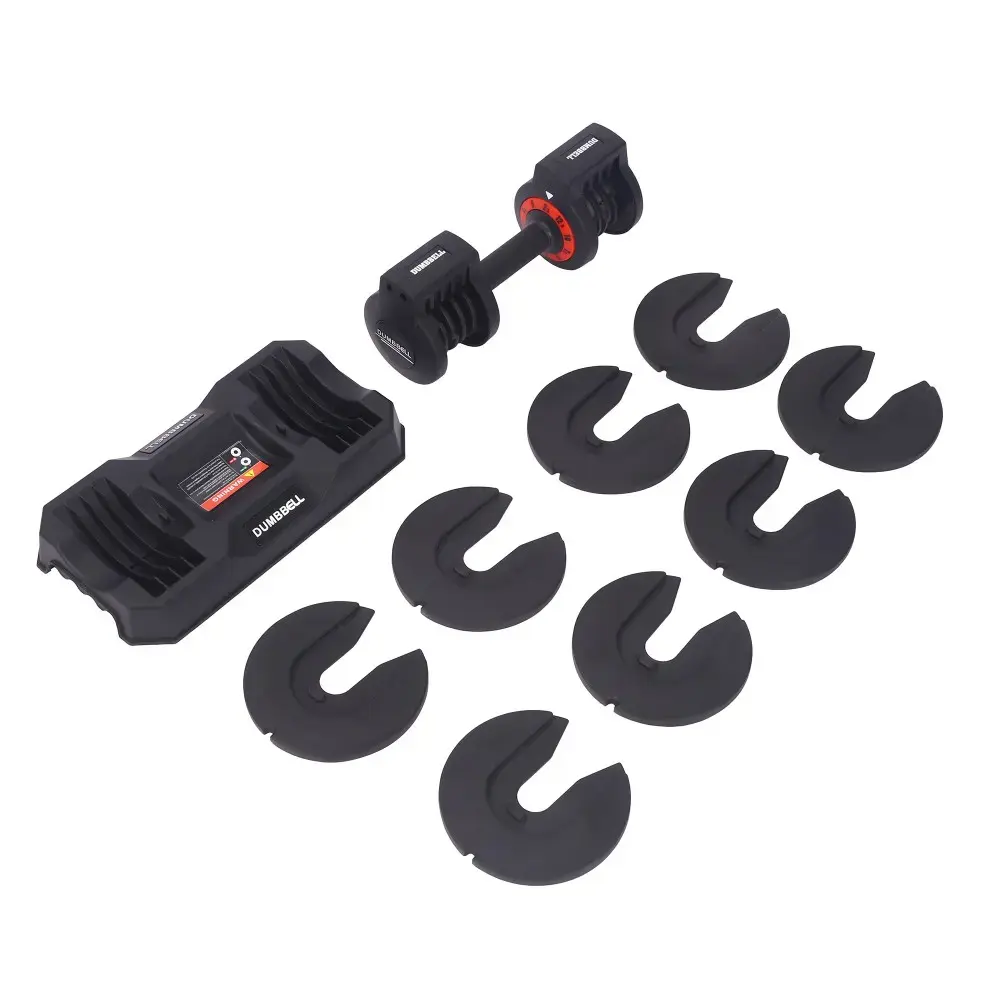
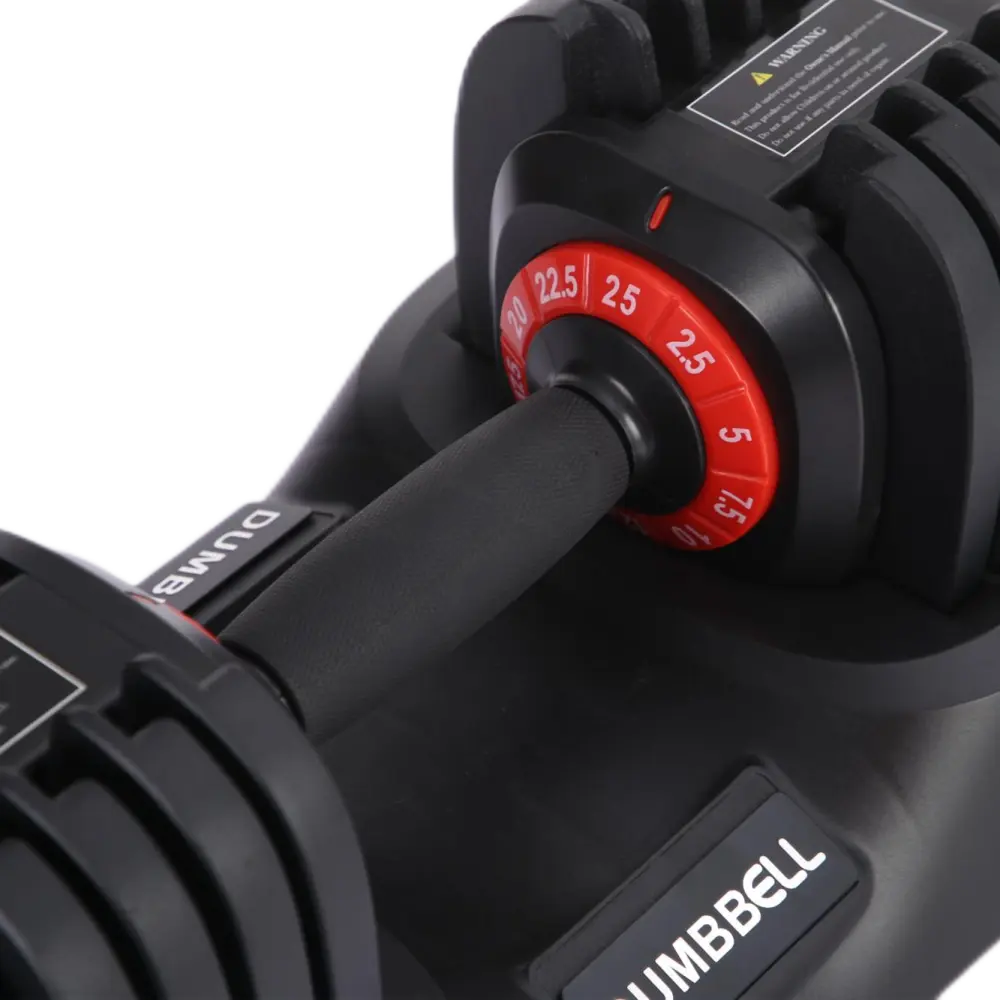
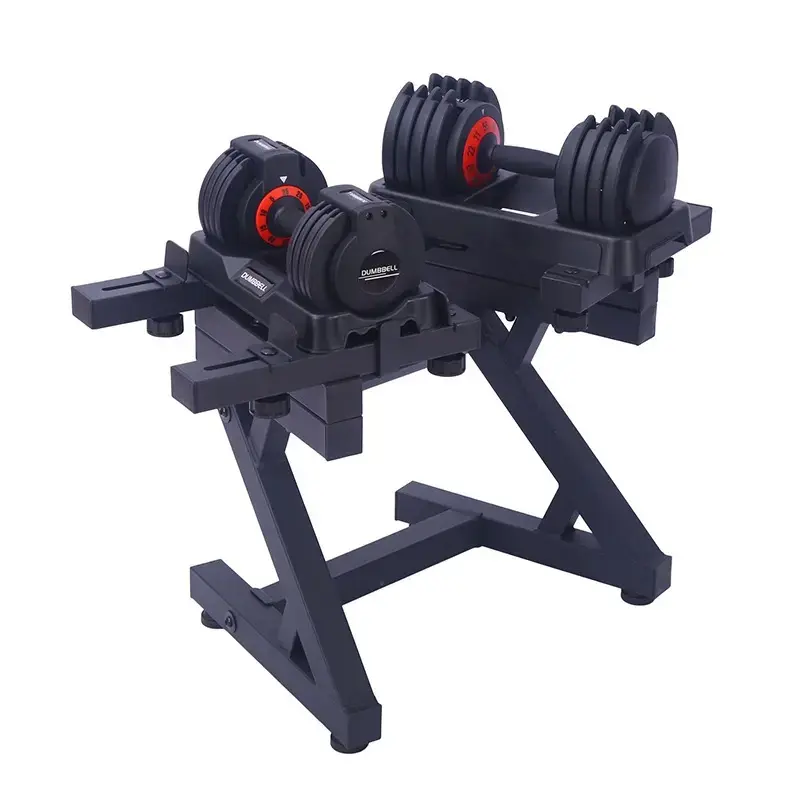
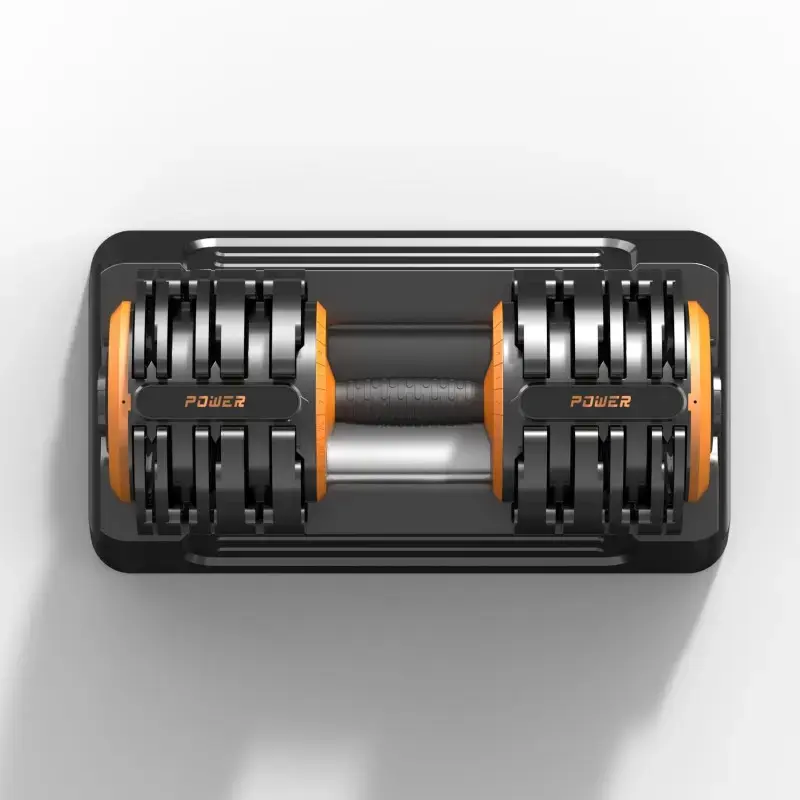
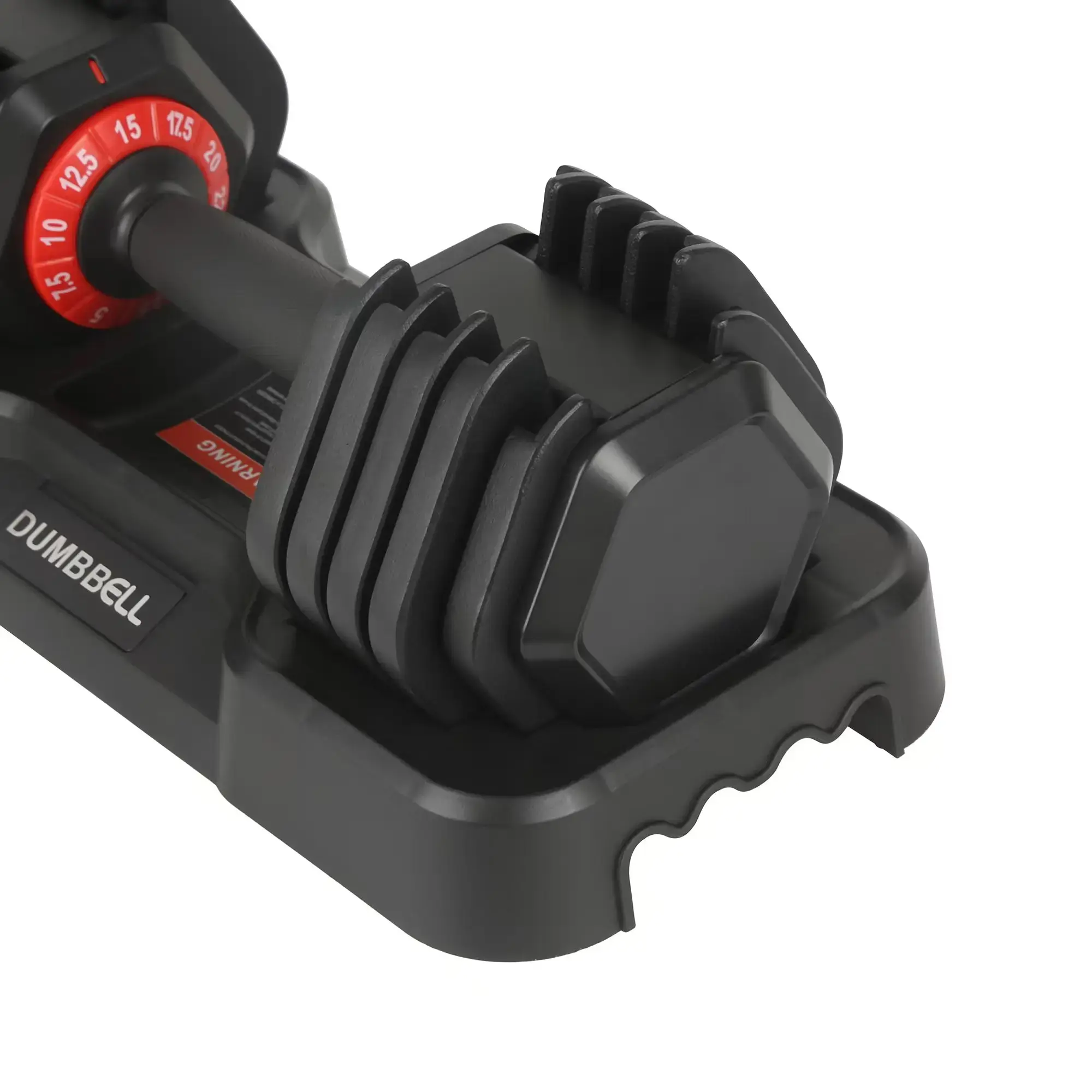
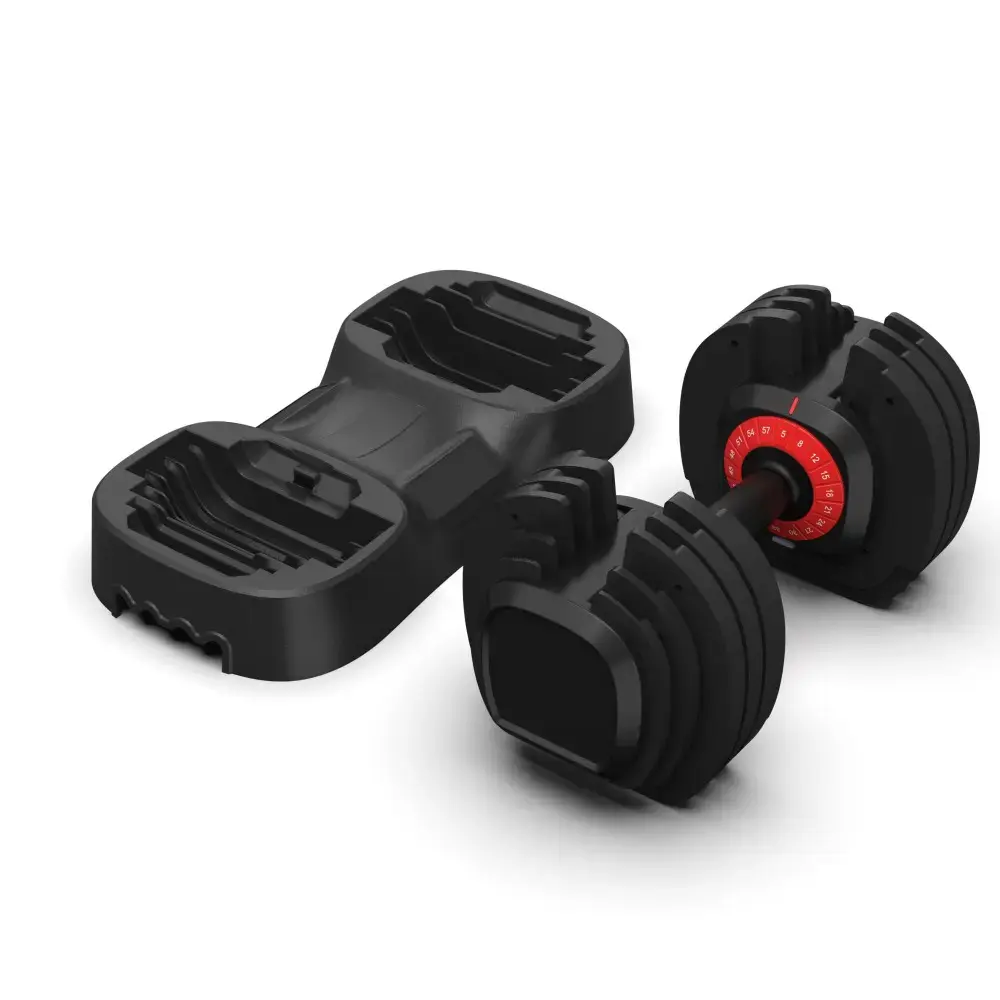
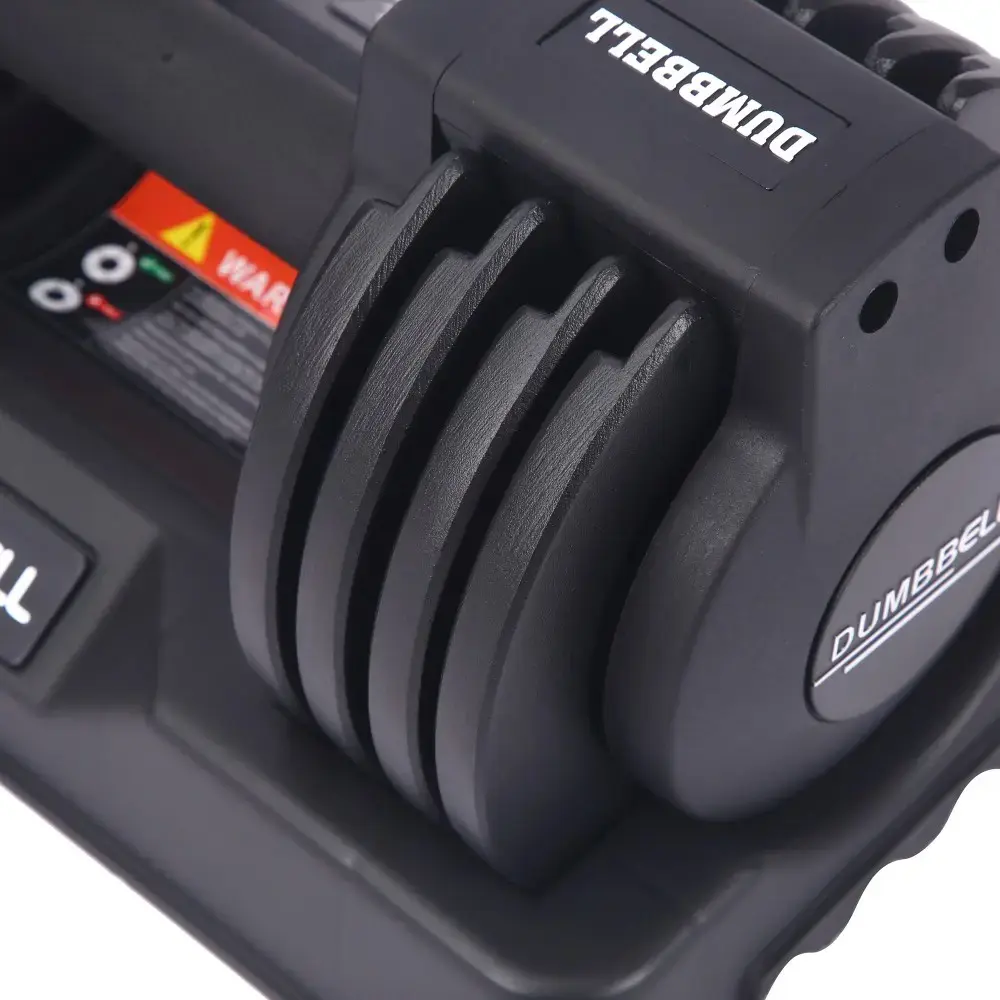
Adjustable Dumbbell Gear Design: The Hidden Math & Engineering to Boost Your B2B Procurement Success
2026-03-16
Weight Stacking Principle of Adjustable Dumbbells: The Mathematical Logic of Gear Design
Why Can’t You Turn That Dial? — An Explanation from a 10-Year Industry Practitioner
Last week, an old customer called me and said that an end user of the Adjustable Dumbbells he wholesaled from us complained that "it won’t turn". I asked him: "Did the customer turn directly from gear 3 to gear 8?" There was a two-second silence on the other end of the phone, "How do you know?" In fact, this is not a quality issue, but many people simply don’t understand the core design logic of adjustable dumbbells — behind that gear, there is a mathematical problem that engineers spent years figuring out.
As a technical practitioner with 10 years of experience in this industry, today I want to talk to you about how adjustable dumbbells can realize "one handle with more than a dozen weights". This is not a trade secret, but understanding these will allow you to see the real cost of the product at a glance when selecting adjustable dumbbells, explain the differences clearly to customers when wholesaling, and end users will no longer cause repairs due to "violent operation".
Gear Selector: Not Just a Simple Buckle, But a Precise Force Calculation Problem
Many people think that the gear of an adjustable dumbbell is just a card slot; when the dial is turned to a certain number, the corresponding weight plate is locked. This understanding is correct, but too superficial. What really determines the quality of an adjustable dumbbell is how the designer handles "force distribution".
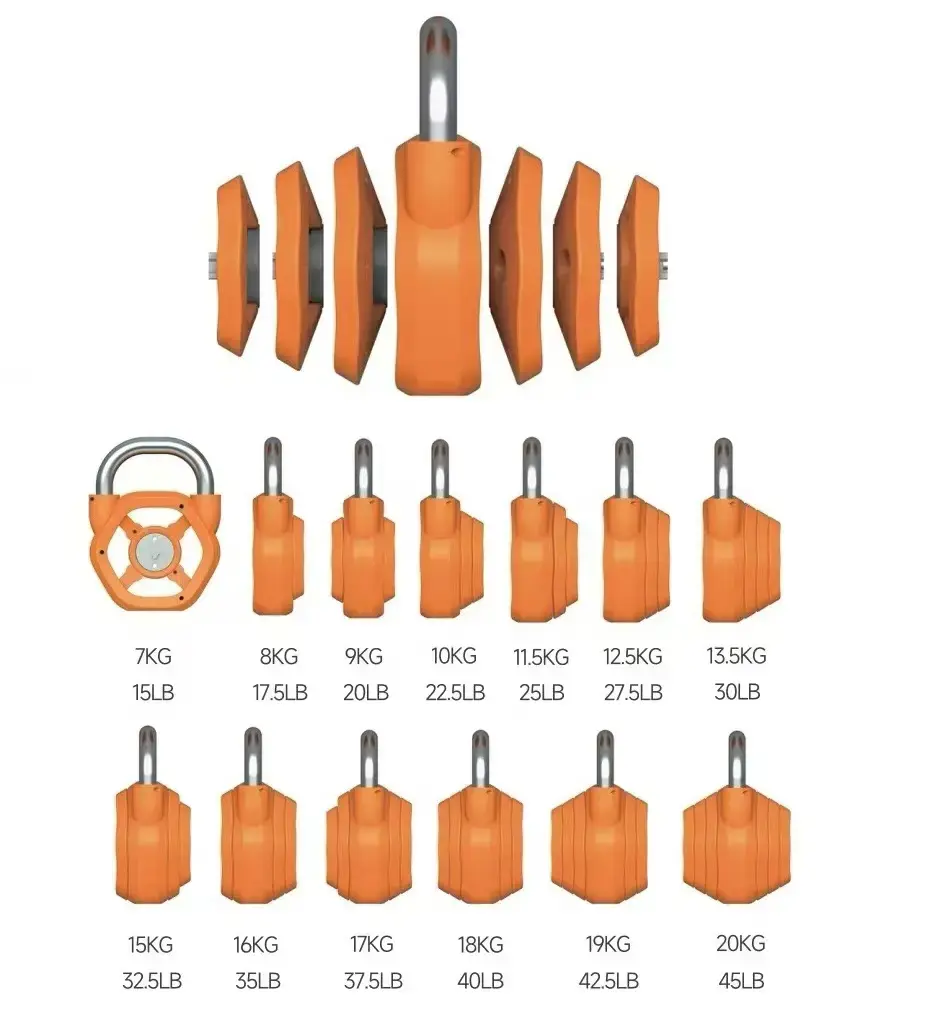
Take a product that our factory OEMed for a German customer last year as an example. Its gear design went through four rounds of sampling before finalization. Why all the trouble? Because each gear corresponds to a weight value, from 5kg to 25kg, there are 10 gears in total, but only 8 weight plates. How to achieve 10 weights? It relies on "combination logic" — instead of adding one weight plate for each gear increase, different permutations and combinations are realized through the mechanical structure of the adjustable dumbbell.
A Common Question from Users: "Why are some gears particularly stiff to turn, while others are smooth?"
The answer lies in the force angle of the spring pin. When you are in gear 1, the spring pin only bears the pressure of one weight plate; when you jump directly to gear 8, the spring pin has to bear the weight of five weight plates at the same time, and there is also cumulative gap error between these five plates. If the designer does not calculate the vector direction of these forces properly, it will be difficult to turn at best, and the spring pin will break at worst. Therefore, when we do product testing for adjustable dumbbells, there is a special project called "violent gear jumping test" — simulating users turning directly from the minimum weight to the maximum to see if the mechanical structure can withstand it.
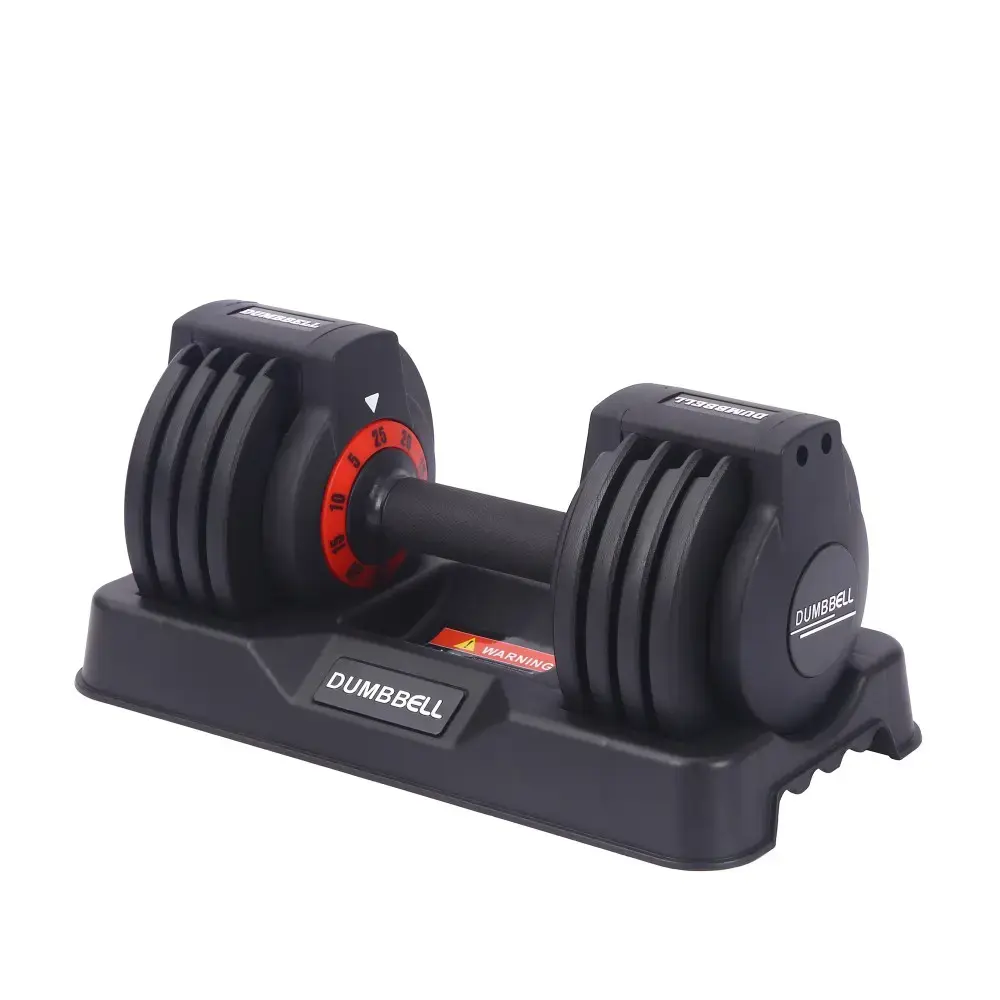
Weight Plate Arrangement: The Combined Mathematical Principle Behind Gear Numbers
For mainstream adjustable dumbbells on the market, there are basically two logics for weight plate design: equal weight increment and unequal weight combination.
Equal weight increment is the simplest. For example, each plate is 2kg, gear 1 is 2kg, gear 2 is 4kg, gear 3 is 6kg, and so on. But the fatal flaw of this design is — the handle is too long. Think about it, you need 10 weight plates to make up 20kg, and the grip distance with both hands is wide enough for bench press.
Therefore, high-end adjustable dumbbells all use unequal weight combination. I disassembled a best-selling adjustable dumbbell in North America, and its weight plate weights are: 2kg, 2.5kg, 3kg, 3.5kg, 4kg, 5kg. Through these 6 plates, 15 gears from 2kg to 20kg are combined. The mathematical logic behind it is: each gear corresponds to a binary code, and the gear selector is a "decoder" — when you turn to 5, the mechanical structure automatically locks the weight plate with the corresponding number.
Last year, a cross-border e-commerce customer came to me with a competitor’s adjustable dumbbell and asked: "Their dumbbells claim 12 gear adjustments, why do we only see 8 weight plates when we disassemble them?" I did the math for him: 8 weight plates can theoretically be combined into 255 weights, but limited by the feasibility of the mechanical structure and actual training value, 12 gears is a very restrained and practical design. That competitor used the "Gray code" logic, where only one weight plate is switched between adjacent gears, making the user feel the smoothest when turning the adjustable dumbbell.
Another High-Frequency Question: "The more weight plates, the more delicate the gear adjustment — is it necessarily better?"
Not necessarily. The more weight plates, the longer the length at both ends of the handle and the larger the center distance. For B-end dumbbell buyers, this means larger packaging volume and higher shipping costs; for end users, it means greater torque on the wrist and worse training experience. When we did OEM for an Australian brand, the other party clearly required: "At most 8 weight plates, even if we have to sacrifice some gear delicacy, we must control the handle length." This is a knowledgeable dumbbell purchaser.
Magnetic Control vs. Mechanical Limit: Two Technical Schools in Gear Design
Magnetic control is represented by those high-end adjustable dumbbells. The dial makes a crisp "click" sound when turned, and the feel is as smooth as cutting butter. The principle is that the Hall sensor senses the gear position, and the electromagnet controls the suction of the spring pin. The advantages are long service life and good hand feel; the disadvantage is — it’s expensive and afraid of falling. When we did OEM for a German brand, the other party required the magnetic control module to pass a 1.5-meter drop test. As a result, it took seven rounds of sampling to pass, and the cost doubled directly.
Mechanical limit is much simpler, relying purely on the physical engagement of gears and spring pins. The advantages are simple structure, durability and low cost; the disadvantage is that the spring will fatigue after long-term use, and gear switching may become stiff. But interestingly, the Southeast Asian and South American markets prefer mechanical limit adjustable dumbbells — they are easy to maintain, and local users can even replace the spring themselves.
"Is magnetic control better than mechanical?" I am asked this question hundreds of times a year.
From a technical perspective, there is no absolute good or bad, only differences in positioning. If you target European and American home users who are willing to pay for user experience, magnetic control adjustable dumbbells are suitable; if you do wholesale in the Southeast Asian market, where end users pursue cost-effectiveness and durability, mechanical limit is more reliable. Last year, an Indonesian customer took 200 sets of magnetic control adjustable dumbbells in the first batch, and switched to all mechanical models when reordering three months later. When asked why, he said: "Local users think magnetic control is too light and has no feel when turning; mechanical ones have a 'click' sound and look sturdy." You see, this is the real consumer psychology.
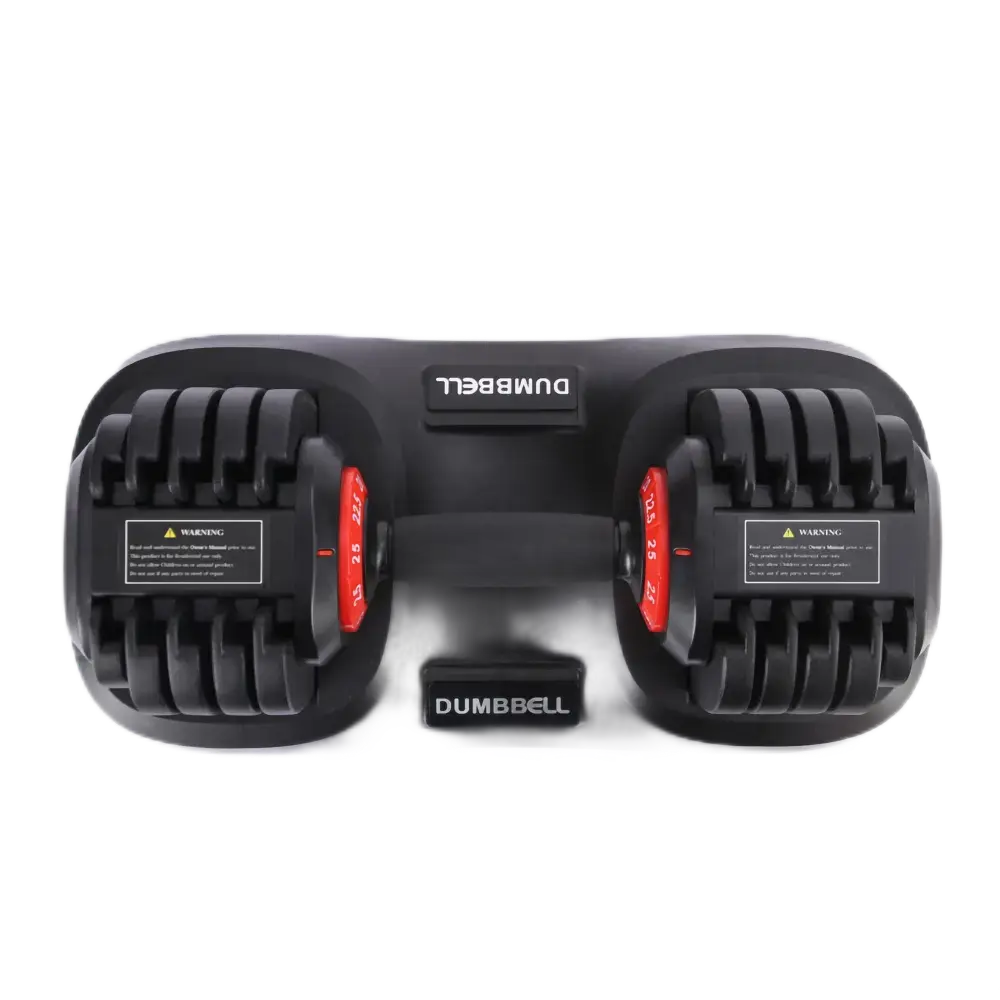
Torque Design for Gear Switching: The Engineering Behind User Feel
Hand feel sounds vague, but it’s all about numbers. When we design an adjustable dumbbell, there is a core parameter called "switching torque" — the force a user needs to turn the gear dial.
What range should this value be set in? Too light, the spring pin will not engage firmly, and the weight plates will shake when lifted; too heavy, users will find it difficult to use, leading to a flood of negative reviews. After hundreds of tests, we concluded that the empirical value is 2.5-3.5 N·m. But this is not a fixed value; it also depends on the total weight of the weight plates — the feel of the same torque design is vastly different between a 20kg adjustable dumbbell and a 40kg one.
Last year, an American fitness blogger reviewed our adjustable dumbbells and repeatedly emphasized in the video that "this turns smoother than a certain well-known brand". In fact, it’s not that our technology is so advanced, but that we applied a DLC diamond-like coating on the surface of the spring pin, reducing the friction coefficient from 0.15 to 0.08. This modification increased the cost per set by 3 US dollars, but it earned consistent praise from users in the comment section.
A Question from Buyers: "If users report abnormal noise when switching gears, is it a quality problem?"
Not necessarily. New adjustable dumbbells leave the factory with a layer of anti-rust oil between the spring pin and the weight plates; friction noise is normal at first, and it will disappear after dozens of uses. The real abnormal noise comes from excessive gear engagement gap — that’s a precision issue, which depends on how well the machining tolerance is controlled. Our factory’s standard is to control the fit gap within 0.1mm; if it exceeds this range, it will be sorted out as a defective product during assembly.
FAQ: Three High-Frequency Questions in the Industry
Q1: Will the gears of adjustable dumbbells become unclear after long-term use?
Yes, but it depends on the structural design and materials. After tens of thousands of fatigue tests, the spring force of the spring pin will decrease by about 5%-8%. Good brands will recommend users to spray a little lubricant on the moving parts every six months in the manual; this is not a product quality problem, but normal wear and tear of mechanical products. We repeatedly emphasize this point when training customers, which can reduce many after-sales disputes related to adjustable dumbbells.
Q2: Why are the gear numbers marked on the weight plates for some adjustable dumbbells, and on the dial for others?
This detail reveals the product’s design logic. For adjustable dumbbells with numbers marked on the weight plates, it is usually a "weight plate follow-up" structure; when you turn the gear, the entire weight block rotates together. For those with numbers marked on the dial, it is often a "dial independent rotation" design; the weight plates do not move, only the dial rotates. The former has a simple structure and low cost, but fingers are easily pinched when switching gears; the latter is safer but has a complex structure and high cost. Which one to choose depends on your target market and pricing for adjustable dumbbells.
Q3: Does cross-border sea shipping affect the gear mechanism of adjustable dumbbells?
This question hits the point. Sailing at sea for a month, salt spray corrosion is an invisible killer. For our adjustable dumbbells shipped to Europe, the spring pins must pass a salt spray test of more than 72 hours; ordinary anti-rust oil cannot withstand it. Last year, we helped a customer handle after-sales issues; when disassembled, we found that the spring was rusted and caused jamming. After investigation, it was found that the cargo hold was flooded during sea shipping; the outer packaging was intact, but the interior was damp. Later, our solution was to add desiccant packs between the weight plates, which cost a few cents, but the after-sales rate dropped significantly.
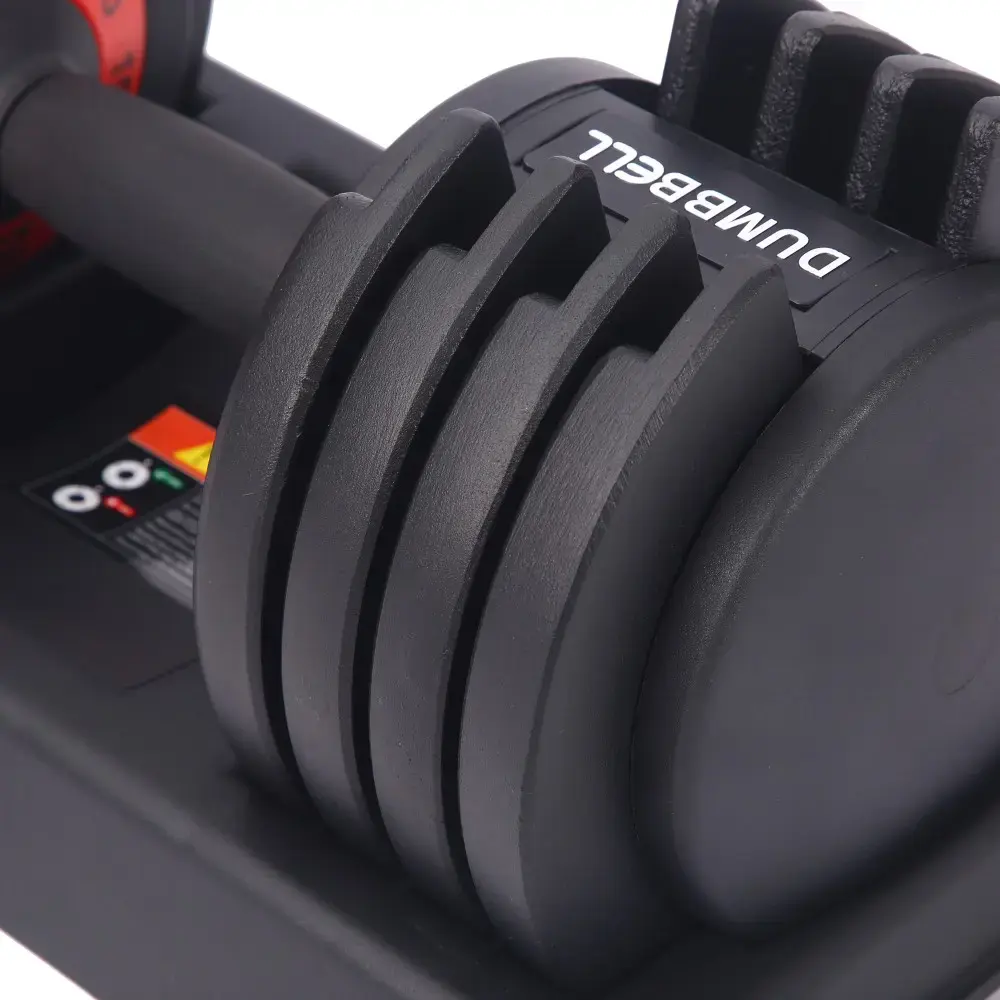
Conclusion
In essence, the gear design of adjustable dumbbells seems to be about mathematical logic and mechanical principles, but it is actually an understanding of user habits. From the engineer drawing the first design drawing to the end user smoothly switching each weight at home, there are countless tests, adjustments and compromises in between. As an industry practitioner, I hope this article can help dumbbell buyers not only ask "how many gears" and "how much weight" when selecting products, but also see the technical content behind the gears and choose adjustable dumbbells that are truly suitable for their own market.
After all, a good adjustable dumbbell should allow users to focus on training itself, not on "why can’t it turn again".
Meta Description
In-depth analysis of the mathematical logic and engineering principles behind adjustable dumbbell gear design, from weight plate combination and torque design to technical school comparison, providing professional product selection reference for B-end buyers. With 10 years of industry experience, we explain the real technical differences behind the gears of adjustable dumbbells.
Keywords
adjustable dumbbells, dumbbell gear design, weight plate combination, magnetic control limit, mechanical limit, dumbbell procurement, B2B fitness equipment