

Adjustable dumbbell strength factory

Adjustable Dumbbell Plastic Handles: Will They Deform at High Temperatures?
Adjustable Dumbbell Plastic Handles: Will They Deform at High Temperatures?
For fitness enthusiasts, gym buyers, and those interested in adjustable dumbbells on cross-border e-commerce platforms, the question "Will plastic handles deform at high temperatures?" is a frequent and crucial one. After all, the high temperatures of summer gyms, outdoor storage, and even the stifling heat of shipping containers during cross-border transport can put plastic components to the test of their heat resistance. Today, we'll thoroughly address this question from the perspectives of material science, process design, and practical testing, while also explaining the core advantages of high-quality adjustable dumbbell handles in terms of heat resistance.
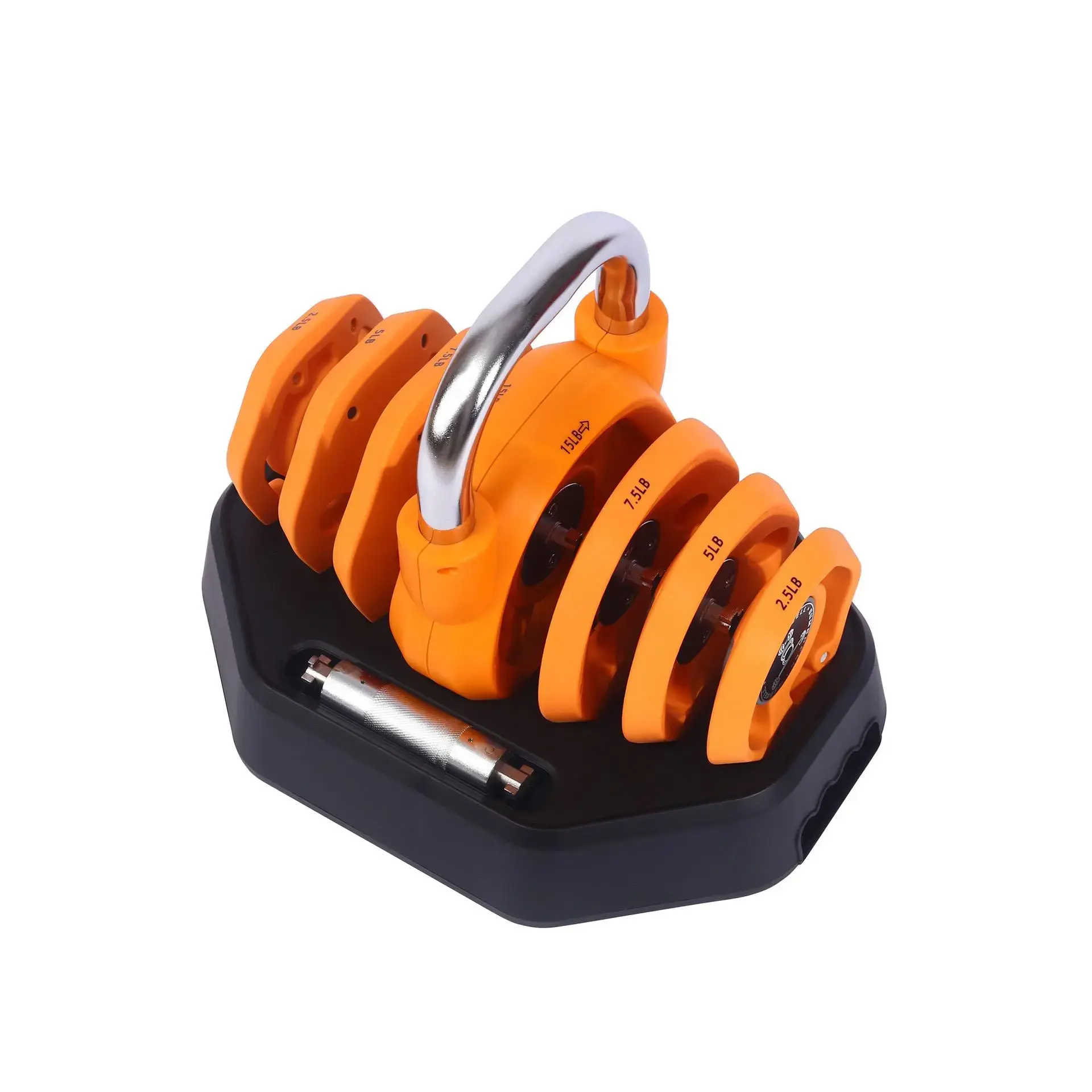
First, understand this: the plastic handles of Adjustable Dumbbells aren't made of "ordinary plastic."
Concerns about plastic handle deformation under high temperatures stem from a limited understanding of what constitutes "plastic materials." The plastic used in the handles of qualified adjustable dumbbells on the market isn't the "common plastic" used in everyday shopping bags and plastic bottles. Instead, it's an engineered plastic specifically designed for fitness equipment. The core advantages of this type of material are its high-temperature resistance, impact resistance, and resistance to aging. Common types and their heat resistance are as follows:
ABS resin (acrylonitrile-butadiene-styrene copolymer)
The preferred handle material for most mid- to high-end adjustable dumbbells. The heat deflection temperature (HDT) of ABS plastic, the temperature at which the material begins to noticeably deform, is typically between 80-100°C. Normal summer indoor temperatures (25-35°C) and the temperatures in a ventilated gym (maximum 40°C) are well below this deformation threshold. More importantly, ABS plastic combines both rigidity and toughness, maintaining a firm grip even in muggy environments of 35-45°C (114-160°F), without issues like softening or denting.
Reinforced PP (Polypropylene)
Some cost-effective adjustable dumbbells utilize glass-fiber-reinforced PP. While the heat deflection temperature of standard PP is approximately 60-70°C (192-228°F), the addition of glass fiber increases heat resistance to 90-110°C (192-228°F), while also enhancing tensile and abrasion resistance. This material is also acid- and alkali-resistant and easy to clean. Even at high temperatures, it resists chemical corrosion and structural weakening from contact with sweat (including salt).
Nylon 66 (Polyhexamethylene adipamide)
This premium material for high-end, professional-grade adjustable dumbbells boasts a heat deflection temperature of 120-140°C (192-228°F) and can even withstand short-term temperatures of 150°C (192-228°F). This type of material is commonly found in dumbbells designed for export in tropical regions (such as Southeast Asia and the Middle East)—after all, summer temperatures in these regions often exceed 40°C. In poorly ventilated gyms, ambient temperatures can approach 50°C, yet the nylon 66 handles maintain their stable shape.
Key Point: While ordinary plastics (such as PE and PVC) may soften and deform at around 50°C, the heat deformation temperature of engineering plastics used in adjustable dumbbells is generally above 80°C, far exceeding the upper temperature limit for everyday use.
Second, will it deform under high temperatures? The key depends on "three variables."
Even high-quality engineering plastics are not absolutely "heat-resistant." Whether they deform depends directly on the following three factors, which are the core criteria for determining whether an adjustable dumbbell is qualified:
1. Whether the temperature "exceeds the material threshold + sustained exposure"
The heat deformation temperature of engineering plastics is the test result "under a specific pressure (typically 1.82 MPa, simulating the pressure of the handle bearing the force of a hand grip plus the weight of the dumbbell)." In daily use, ABS or reinforced PP handles will not deform if exposed to temperatures of 60-70°C (e.g., direct sunlight for 1 hour) and without additional stress (e.g., stacking dumbbells). However, if exposed to temperatures above 80°C (e.g., in a car trunk exposed to the sun for 4 hours or more in summer), and the dumbbells are squeezed against each other, even engineering plastics may deform slightly.
2. Is the handle's "process design" heat-resistant?
High-quality adjustable dumbbell handles are heat-resistant through process design, rather than relying solely on the material:
Wall thickness uniformity: If the handle wall thickness is uneven, the thinner areas will deform first due to differential thermal expansion at high temperatures. Qualified products are precision-molded to ensure a wall thickness tolerance of ≤0.2mm.
Anti-shrinkage structure: The handles are designed with internal "reinforcement ribs" to reduce deformation caused by plastic shrinkage at high temperatures (e.g., where the handle ends connect to the dumbbell body, these ribs can increase deformation resistance by 30%). Surface Treatment: Some products feature a heat-resistant coating (such as a silicone-modified coating) on the handle surface. This not only improves slip resistance but also insulates some heat, protecting the plastic from direct contact with high-temperature environments.
3. Is it a "compliant product" (avoiding low-quality recycled materials)?
A few low-priced, low-quality adjustable dumbbells on the market use a mix of recycled and virgin plastic for their handles. Impurities and aging in recycled plastic can significantly reduce the material's heat resistance, potentially causing deformation and cracking at temperatures of 40-50°C. Qualified export-grade products, on the other hand, use 100% virgin engineering plastic. Each batch of material is RoHS-certified and FDA-certified (ensuring safety in contact with sweat), and a heat resistance test report is provided.
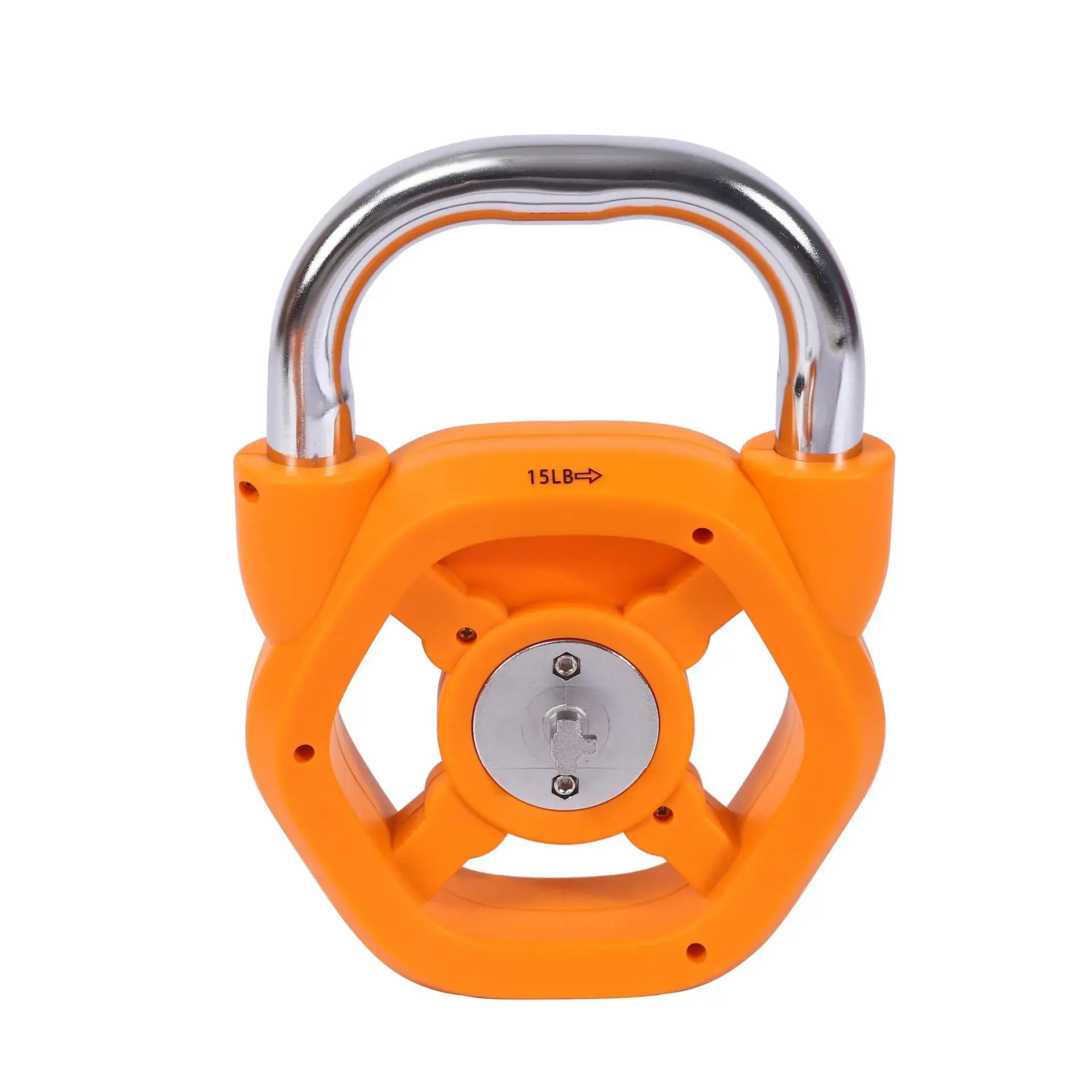
Third, our adjustable dumbbells: Triple-stage high-temperature testing, proven by data to "remain undeformed."
As an adjustable dumbbell brand focused on the international market, we are well aware of the challenges that climate differences in different regions (such as the high temperatures and humidity in Southeast Asia and the extreme sun in the Middle East) can pose to our products. Therefore, the plastic handles of each dumbbell undergo dual testing, both in the laboratory and in real-world scenarios:
1. Laboratory High-Temperature Load Test
In an ISO-standard laboratory, we secure the handles to a test stand simulating the weight of a dumbbell (maximum adjustable weight 30kg) and place them in a constant-temperature chamber:
40°C (simulating a tropical gym environment): 72 hours: no deformation, no softening of the grip, and clear anti-slip texture on the surface;
60°C (simulating the stifling heat of container shipping): 48 hours: no loosening at the connection between the handle and the dumbbell body, and no breakage during load-bearing testing;
80°C (extreme high-temperature simulation): 24 hours: only 0.1mm of ABS handle wear. Minimal thermal expansion (invisible to the naked eye) will return to its original shape after cooling, without affecting usability.
2. Outdoor Exposure Field Test
Targeting markets with intense summer sunlight, such as Australia and the Middle East, we conducted a one-month outdoor test in Dubai and Sydney. Adjustable dumbbells (set to maximum weight) were placed outdoors in temperatures reaching 45-50°C during the day, with UVB intensity ≥10W/m², and naturally cooled at night. After the test, the following results were obtained:
The handle showed no yellowing or cracking, and its compression strength remained consistent with its initial state;
The anti-slip rubber cover (if present) remained intact, maintaining its fit with the plastic handle;
The clearance between the adjustment knob and the handle remained unchanged, and adjustment was smooth as expected.
3. Long-Term Aging Test
To verify the handle's stability in repeated high-temperature-low-temperature cycles, we conducted 100 cycles of "80°C (4 hours) → 25°C (2 hours)" hot-cold cycling tests. The results showed:
The plastic handle's tensile strength decreased by only 2.3% (well below the industry's acceptable 5% standard);
The handle surface showed no bubbles or deformation, and the grip felt unchanged.
Fourth, High-Temperature Use and Storage: 3 Tips to Extend Handle Life
Even if the handle meets heat resistance standards, proper use and storage can further mitigate potential risks. We recommend that foreign trade customers and end users:
Avoid "Excessive Sun Exposure + Heavy Pressure"
Do not store adjustable dumbbells in direct sunlight for extended periods of time on balconies or in car trunks (trunk temperatures can reach 60-70°C in summer). Furthermore, do not stack them immediately after exposure to sunlight (plastic softens at high temperatures, and heavy pressure can easily cause deformation). Avoid using hot water when cleaning.
When cleaning the handles, use warm water below 30°C and a neutral detergent. Avoid using boiling water or high-temperature steam to avoid microscopic cracks in the plastic caused by sudden heat.
Tropical Regions: Prefer Nylon 66 Handles.
For markets with year-round high temperatures, such as Southeast Asia and the Middle East, we offer exclusive adjustable dumbbells with nylon 66 handles. These handles have a heat deflection temperature of over 120°C, making them more suitable for local climates. They are featured on the product details page.
Fifth, in addition to heat resistance, these advantages are also available.
For buyers, a heat-resistant handle is merely a basic requirement. Our products have also been optimized for international trade suitability:
Complete Compliance Certifications: Each product is CE (EU), FCC (US), and SGS (Global Standard). Material test reports can be provided directly to overseas customers, reducing customs clearance risks.
Multilingual Instructions: Available in 12 languages, including English, Spanish, Arabic, and Russian, to accommodate diverse target markets.
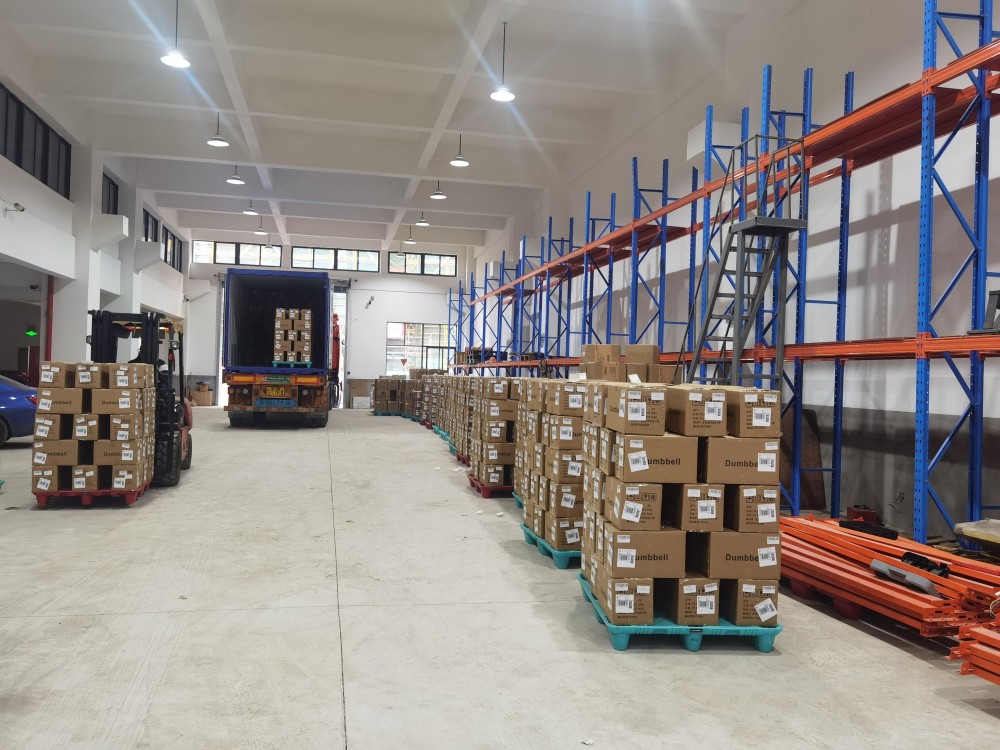
Customized Packaging: Brand logos can be printed upon request. Moisture-resistant corrugated paper is used to prevent damage caused by high temperatures and humidity during ocean shipping.
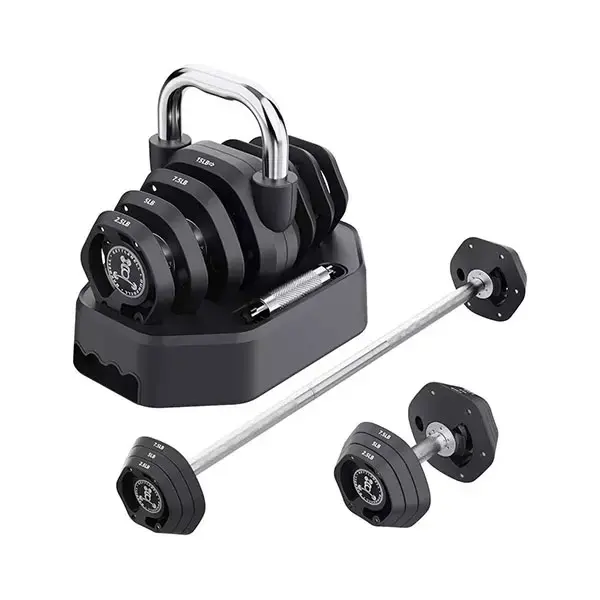
Conclusion: High-temperature resistance is a fundamental characteristic of high-quality adjustable dumbbells.
Back to the original question—"Will plastic handles deform at high temperatures?" The answer is: as long as the adjustable dumbbells are made of qualified engineering plastics (ABS/reinforced PP/nylon 66) and manufactured using compliant processes, the handles will not deform in everyday use (including gyms in tropical regions). Deformation is only a concern for products made from low-quality recycled materials or in extreme temperatures (such as sustained exposure above 80°C and heavy pressure).