
Adjustable dumbbell strength factory
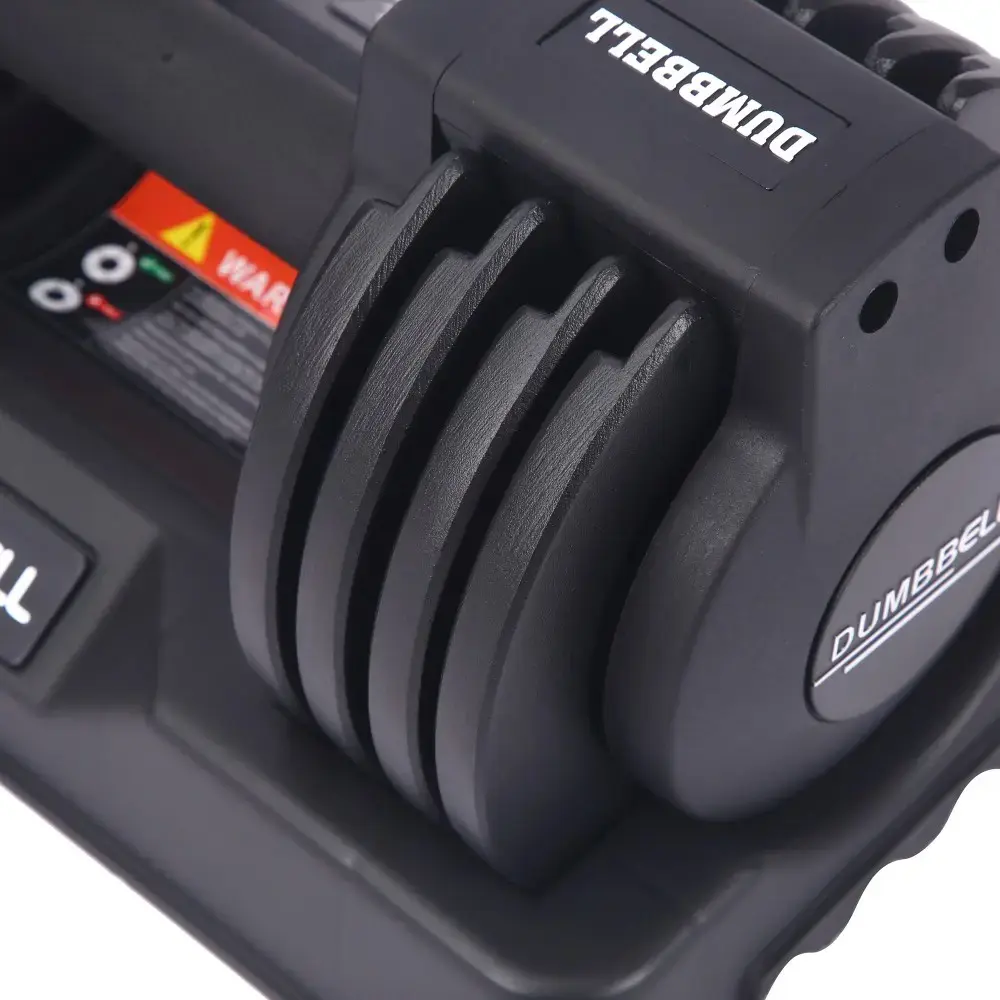

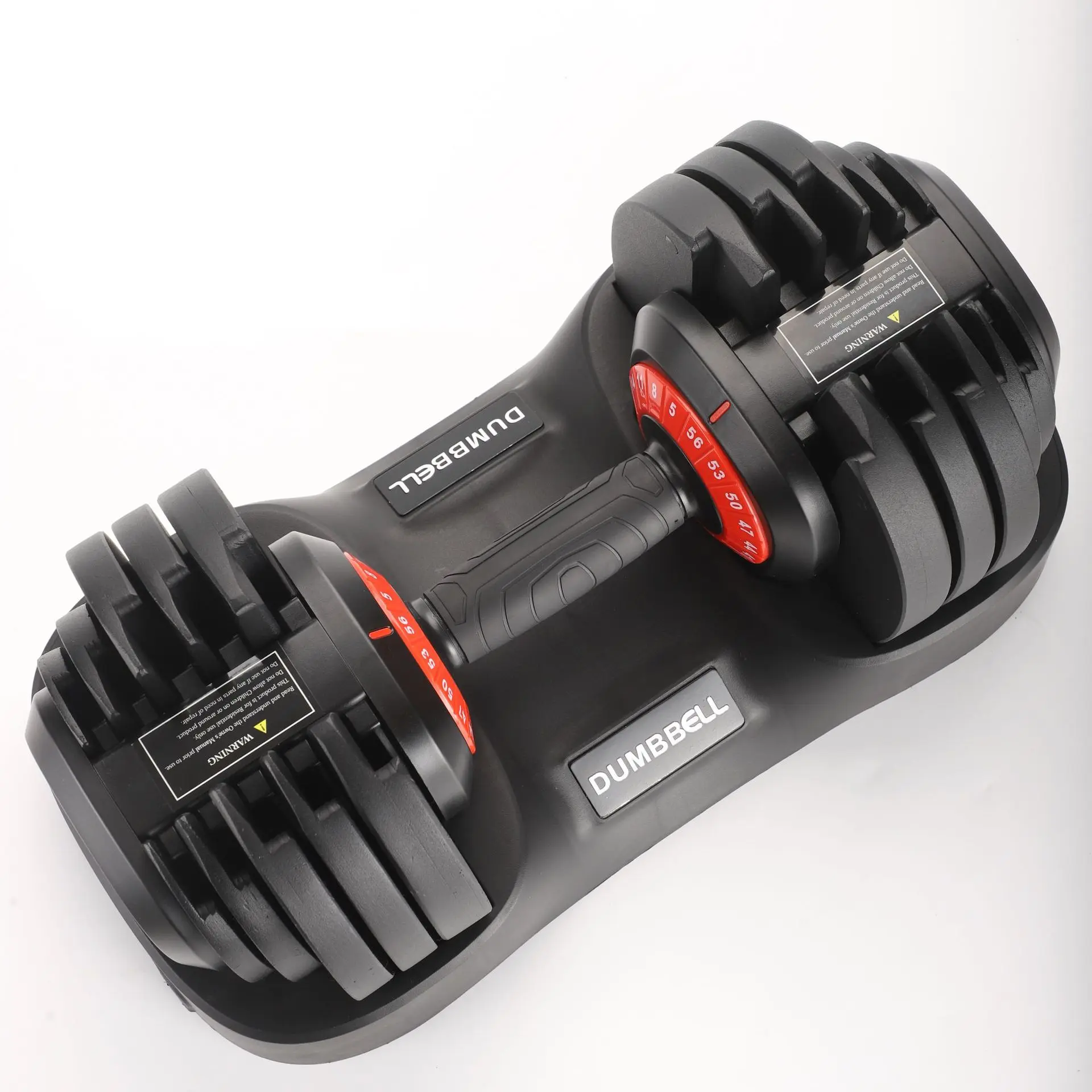
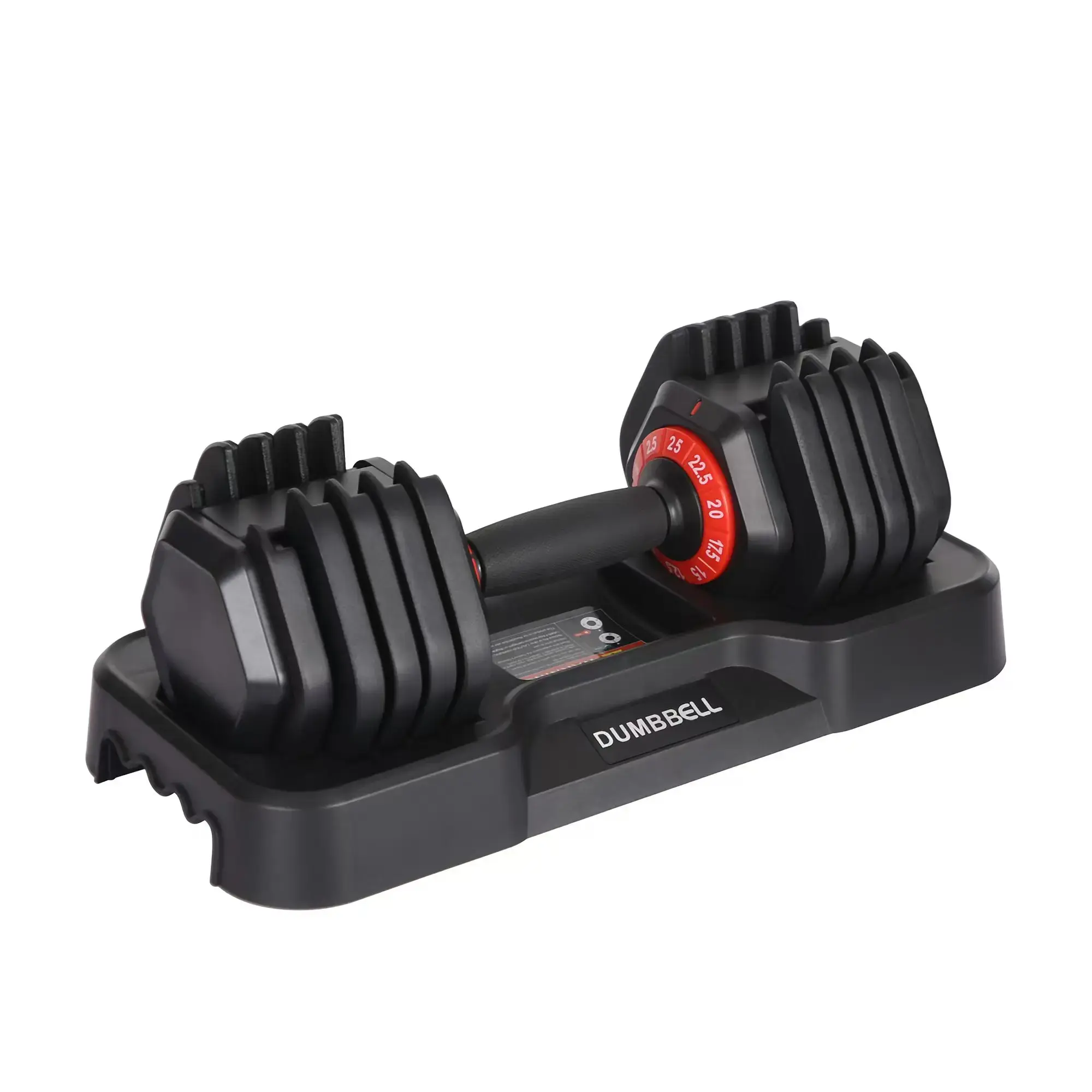
Adjustable Dumbbell Rubber Coating
Adjustable Dumbbell Rubber Coating: Choosing the Right One Upgrades Your Fitness Experience and Safety
When choosing adjustable dumbbells for your home gym, are you more focused on the weight adjustment range and bar comfort, but overlooking the "invisible guardian" of the weights—the rubber coating? In fact, the rubber coating not only directly affects the grip and user experience, but also affects home safety, equipment durability, and even health risks from long-term use. Today, based on the actual needs of foreign trade users, we'll delve into the core knowledge of adjustable dumbbell rubber coating to help you avoid purchasing pitfalls and select a high-quality product that truly meets your needs.
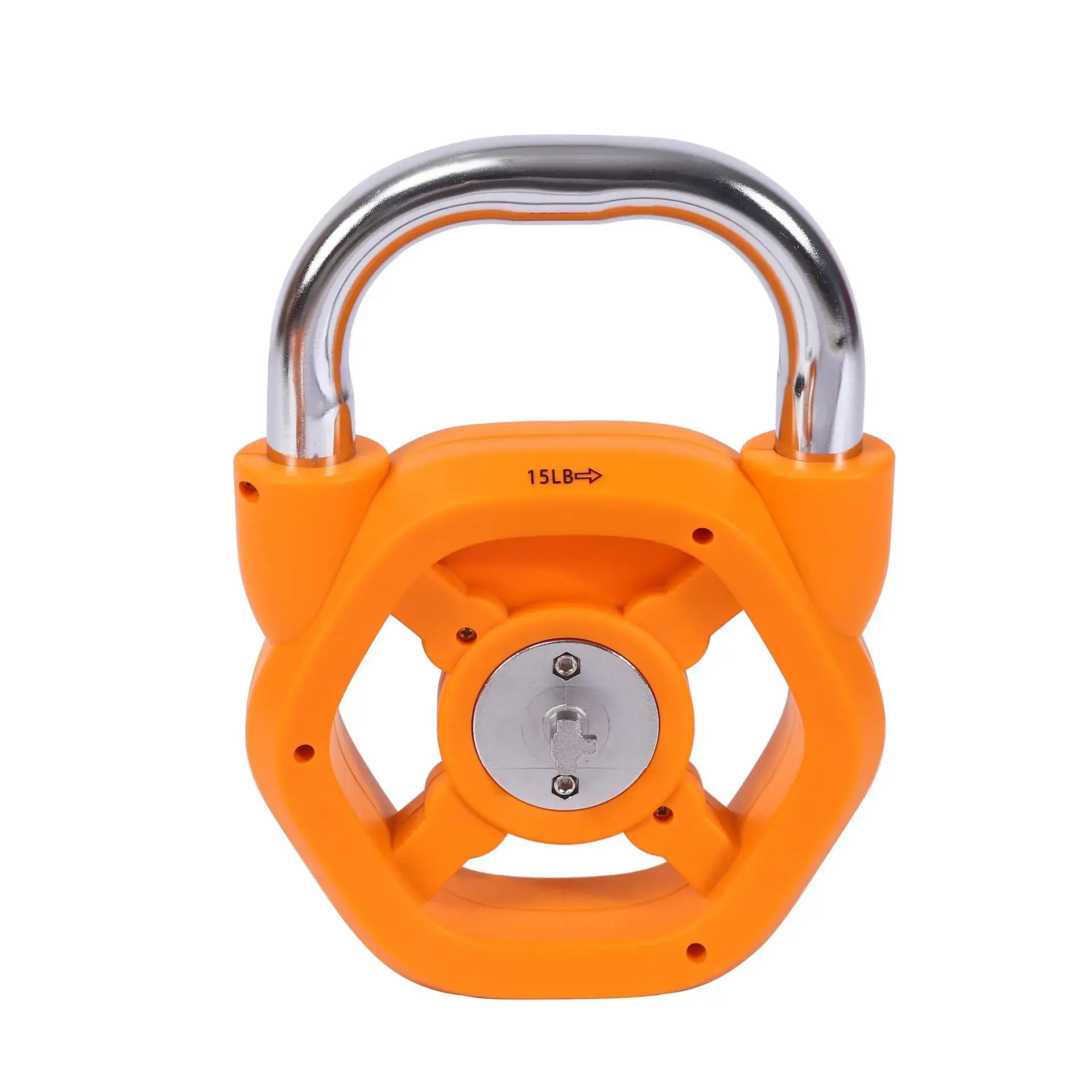
First, why is the rubber coating the "invisible core" of Adjustable Dumbbells?
The rubber coating of an adjustable dumbbell is not just a "decorative layer" but a key component that supports multiple functions. For overseas home users and small fitness studios, its benefits are primarily reflected in three key areas:
1. A "Shield" for Home Safety
Overseas families often prioritize floor protection (such as solid wood floors, carpets, and tiles). High-quality rubber coating can cushion the impact of dumbbells hitting the ground, preventing scratches and dents from the weights hitting the floor. It can also reduce the risk of damage to furniture, pets, or children from tipping over. Compared to metal dumbbells without rubber coating, Rubber-Coated Dumbbells offer significantly greater tolerance for home use.
2. A "Bonus" for the Fitness Experience
Whether beginners or fitness experts, the feel of the rubber coating directly impacts comfort during extended periods of lifting. High-quality rubber coating absorbs sweat from the hands, preventing slippage. The delicate surface texture enhances grip stability and reduces distortion caused by slippage. Furthermore, it insulates the weights from the cold touch, enhancing user satisfaction, especially in low-temperature environments (such as indoors during winter in Europe and the United States).
3. "Extender" of Equipment Durability
Adjustable Dumbbell Weights are exposed to air for extended periods, susceptible to corrosion and rust from moisture and sweat. The rubber coating forms a protective seal, preventing metal contact with the outside world and extending the life of the equipment. Furthermore, when frequently adjusting the weights, the rubber coating reduces friction and wear between the weights, preventing metal debris from falling off, and maintaining a clean appearance.
Second, Comparison of Mainstream Adjustable Dumbbell Rubber Coating Materials: Which One Best Fits Your Needs?
Currently, adjustable dumbbell rubber coating materials available on the international market fall into three main categories: TPE elastomers, natural rubber, and PVC composites. The three differ significantly in terms of environmental performance, durability, and cost, and their intended use cases also vary. We provide a table for a visual comparison:
Material Type
Core Advantages
Potential Disadvantages
Applicable Scenarios
Environmental Certification (Key for Foreign Trade)
TPE Elastomer
1. Environmentally friendly and odorless, compliant with EU REACH and US FDA standards; 2. Excellent elasticity, smooth touch, and strong anti-slip properties; 3. High and low temperature resistance (-30°C to 80°C), adaptable to various climates
1. Higher cost, slightly higher price than other materials; 2. Susceptible to slight discoloration with prolonged exposure to sunlight
For home users (especially those with children and pets), environmentally conscious users in Europe and the United States, and users in low-temperature regions
REACH, FDA, RoHS
Natural Rubber
1. Extremely wear-resistant and long-lasting (up to 5-8 years); 2. Excellent elasticity and good impact cushioning; 3. High-temperature resistance, suitable for frequent use
1. Some natural rubbers contain trace amounts of allergens; 2. New dumbbells may have a slight rubbery odor; airing is recommended.
Small fitness studios, commercial gyms, and frequent trainers
EU ECOCERT, US USDA organic certification
PVC composite materials
1. Low cost, high value; 2. Rich colors and customizable appearance; 3. Waterproof and easy to clean
1. Some low-end products contain phthalates (plasticizers), which do not meet environmental standards; 2. Tend to harden and crack at low temperatures and deform at high temperatures
Budget-bound users, short-term use scenarios (such as rental apartments)
Confirm RoHS (Restriction of Hazardous Substances) compliance
Foreign trade purchasing tips: For markets with strict environmental standards such as Europe, the United States, Japan, and South Korea, prioritize TPE or compliant natural rubber materials. Request suppliers to provide relevant certification reports (such as REACH and FDA) to avoid customs clearance delays and user complaints due to non-compliant materials.
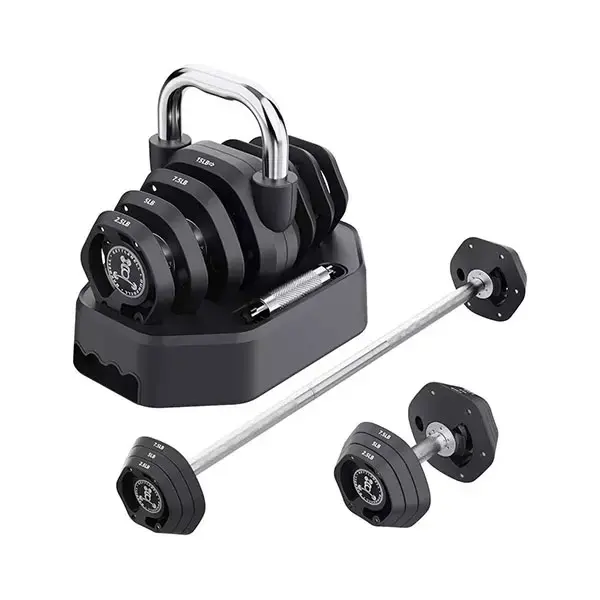
Step 3: Identifying High-Quality Rubber Lagging: Avoiding the "Inferior Product Trap"
Many users only discover problems with the rubber lagging, such as a strong odor, easy peeling, and slipping, after receiving their adjustable dumbbells. In fact, simply looking, touching, and smelling can help you determine the quality of the rubber lagging in advance:
1. Look: Observe the Appearance and Workmanship
High-quality rubber lagging: The surface is smooth and free of bubbles and obvious seams. The rubber lagging around the edges of the weight blocks is completely covered with no exposed metal. The texture is clear and uniform, with no blurring or cracks.
Inferior rubber lagging: The surface has raised bubbles or depressions, and the seams are prone to cracking (especially around the weight adjustment area). The rubber lagging may peel and delaminate after long-term use.
2. Touch: Test the tactile feel and anti-slip properties.
Press the rubber cover with your hand: High-quality materials have moderate elasticity and rebound quickly after pressing, without feeling "soft" or "hard."
Simulate sweating: Wipe the surface of the rubber cover with a wet tissue and then hold the dumbbell. High-quality rubber covers will maintain stable friction without noticeable slippage. Low-quality rubber covers will become slippery and easily slip out of your hand.
3. Smell: Determine if there is any odor.
High-quality rubber covers (such as TPE and compliant natural rubber): After unpacking a new dumbbell, there will be only a slight "material odor," which will largely dissipate after 1-2 days of ventilation.
Low-quality rubber covers (such as low-quality PVC): After unpacking, there will be a strong "plastic" or "irritating" odor that persists even after weeks of ventilation. Long-term inhalation may be harmful to health (especially for children and the elderly).
Fourth, Maintenance of the Rubber Covering for Adjustable Dumbbells: Extending Lifespan and Maintaining Experience
High-quality rubber covers require proper maintenance to maintain their performance over time. This is especially true for users who are using them for international trade, as dumbbells may be shipped long distances, requiring even greater attention:
Daily Cleaning: After each use, wipe any sweat off the surface of the rubber cover with a dry cloth to prevent sweat residue from corroding the cover. If stains are present, gently wipe with warm water and a neutral detergent (such as dishwashing liquid). Avoid strong solvents such as alcohol or gasoline (as these can cause the cover to age and harden).
Avoid extreme environments: Avoid placing dumbbells on balconies in direct sunlight or in high-temperature environments (such as near heaters or ovens). Avoid placing them in humid bathrooms (as this can cause the rubber cover to mold). For users in cold climates, avoid leaving dumbbells outdoors for extended periods of time (TPE material can withstand temperatures as low as -30°C, but low-quality PVC can crack easily at low temperatures). Regular Inspection: Each time you adjust the weight, inspect the rubber cover for signs of cracking or peeling. If you notice slight warping at the edges of the rubber cover, repair it with a specialized glue (such as a TPE adhesive) to prevent further damage.
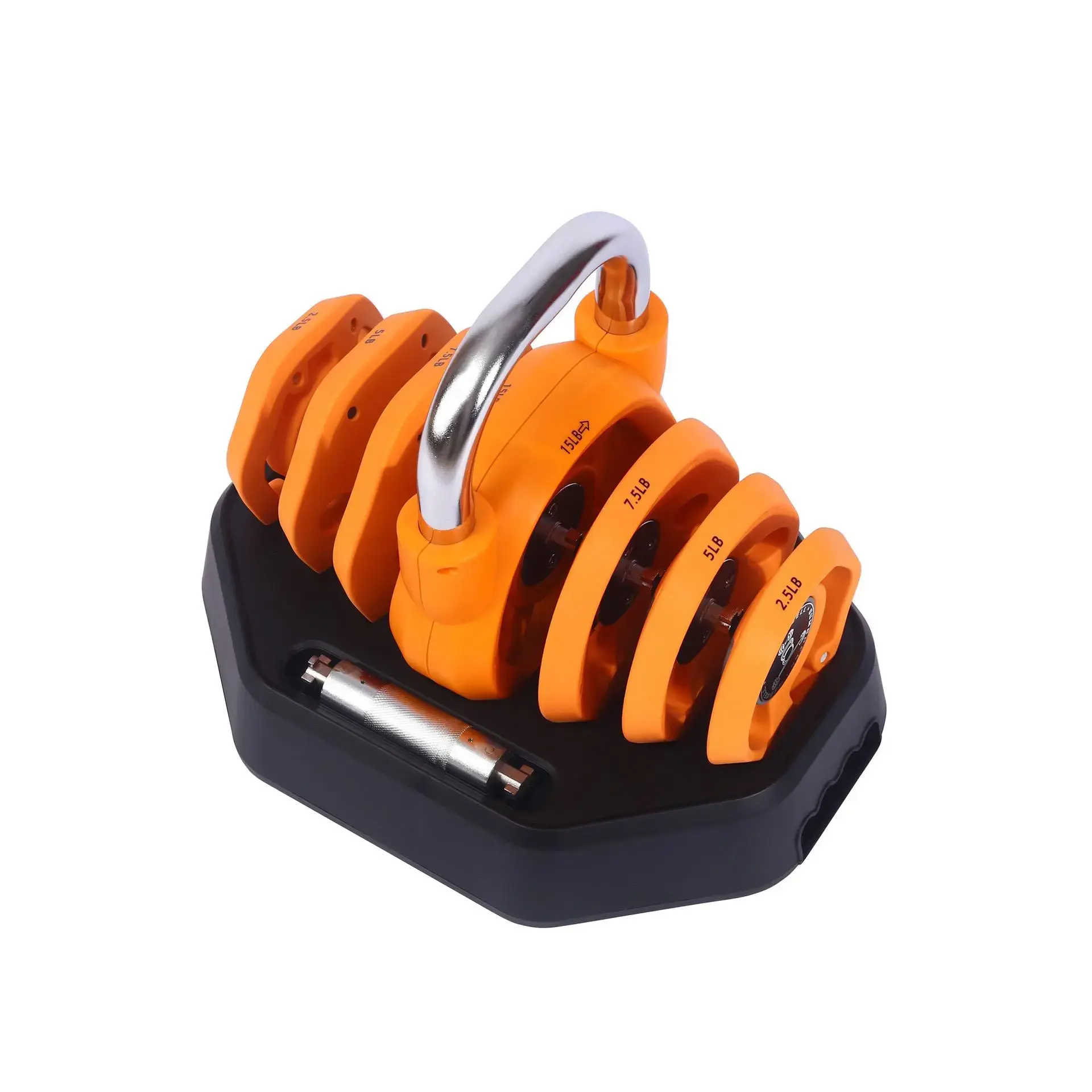
Fifth, Final Word: Choosing the right rubber cover is choosing the right "long-term fitness partner."
For adjustable dumbbells, the rubber cover material is crucial to the "details that determine the experience." Whether you're a home user seeking environmental safety or a commercial setting focused on durability, choosing the right rubber cover material not only enhances the fitness experience but also avoids subsequent safety hazards and repair costs.
If you're selecting adjustable dumbbells for overseas markets, consider the rubber cover material first: prioritize TPE or compliant natural rubber, confirm environmental certification, and verify quality through inspection, touch, and smell. Our adjustable dumbbell series is entirely coated with food-grade TPE (REACH and FDA certified), with a 98% rubber coverage of the weight blocks. It offers anti-slip, shock-absorbing, and environmentally friendly features, meeting the needs of mainstream global markets such as Europe, the United States, Japan, and South Korea.