
Adjustable dumbbell strength factory

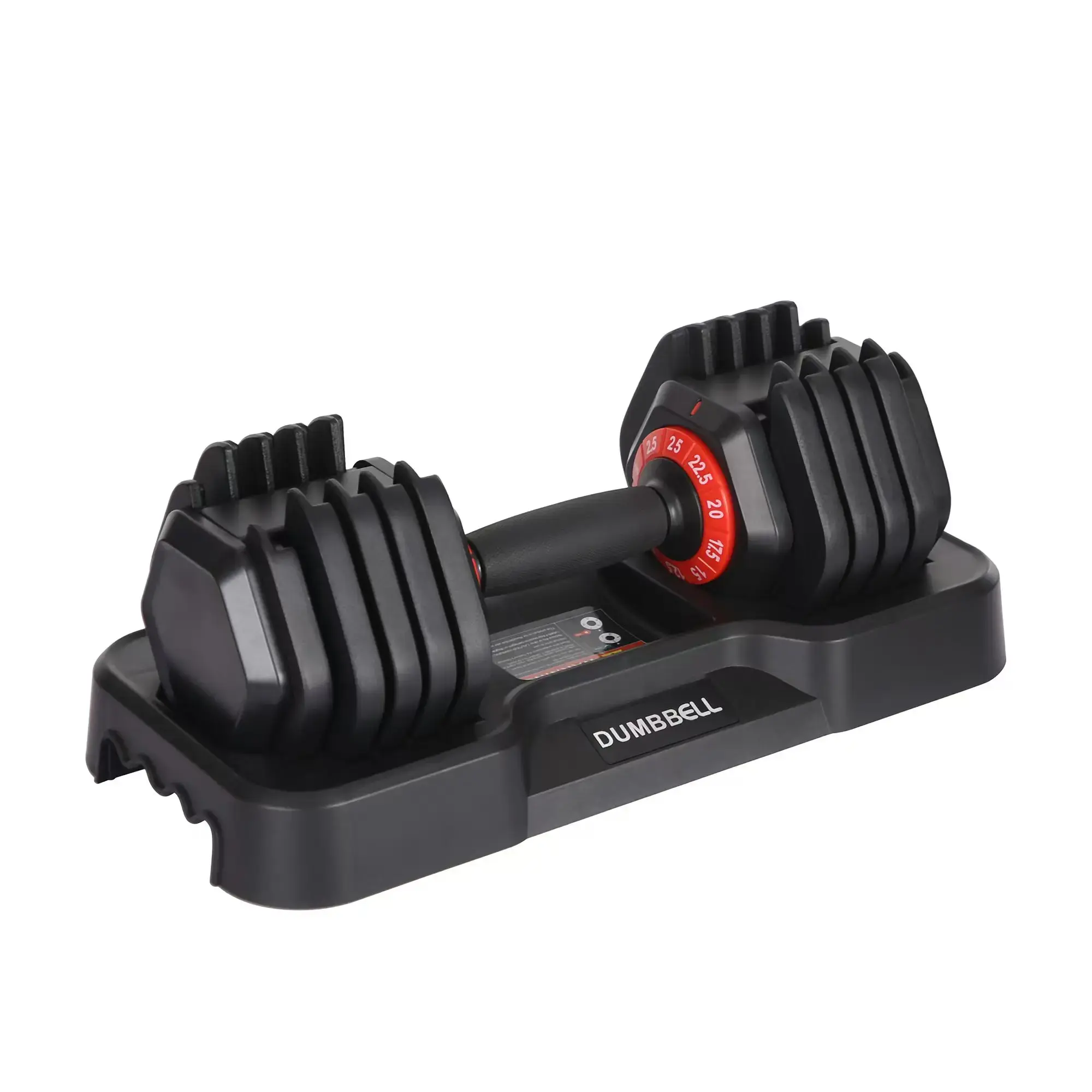
Adjustable Dumbbell Salt Spray Test: Uncovering the Corrosion Resistance Behind Superior Quality
Adjustable Dumbbell Salt Spray Test: Uncovering the Corrosion Resistance Behind Superior Quality
While you're working out at the gym or lifting weights following a workout at home, have you ever wondered why some dumbbells remain pristine after years, while others rust, peel, or even experience problems with adjustment parts after just a few months? The answer may lie in a "hardcore test" you've probably never heard of: the salt spray test. For adjustable dumbbells, this test is not only a key indicator of product durability but also an invisible line of defense for ensuring user safety and a positive user experience. Today, we'll take a deep dive into the salt spray test of Adjustable Dumbbells and reveal the core differences between high-quality and ordinary products.
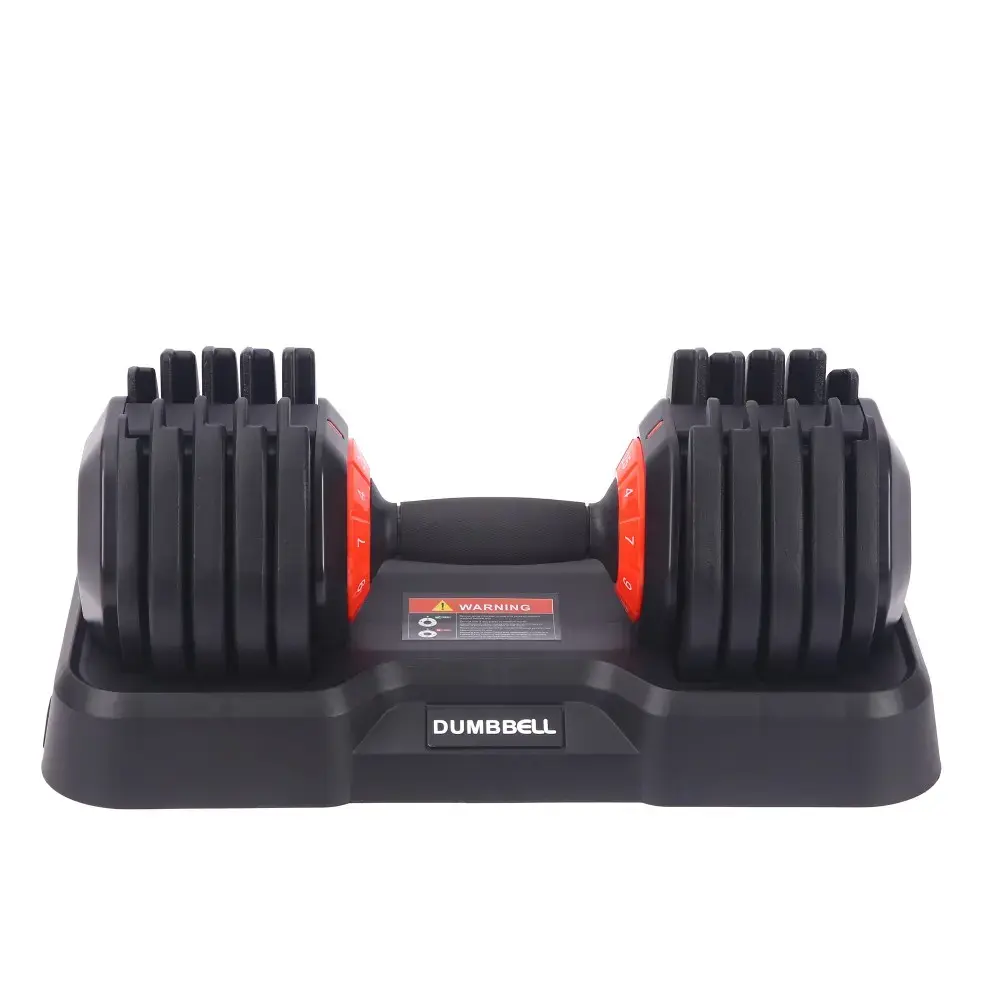
First, Why Do Adjustable Dumbbells Have to Pass the "Salt Spray Test"? — Understanding the Necessity of Testing from a Perspective
To understand the significance of salt spray testing, we must first examine the real-world use of adjustable dumbbells. Unlike fixed-weight dumbbells, the core advantage of adjustable dumbbells lies in their one-touch weight switching. This means they contain more delicate metal components: adjustment knobs, connecting buckles, metal rods, and weight plate locks. These components are precisely the primary targets of corrosion.
1. The Pervasive Threat of Corrosion
Whether used in a home gym or commercial fitness center, dumbbells face multiple corrosion risks:
Sweat erosion: Sweat secreted during exercise contains sodium chloride and lactic acid. Sodium chloride (the main component of table salt) can directly adhere to the surface and crevices of the dumbbells, causing electrochemical corrosion.
Humidity: During the rainy season in southern China, in fitness corners near bathrooms, or when dumbbells are left in a clean, inadequately dried environment, prolonged exposure to high humidity can significantly accelerate metal oxidation.
Cleaning product residue: If chemical detergents are not rinsed thoroughly after cleaning dumbbells, the residual chemical will react with the metal, damaging the surface protective layer.
2. Corrosion's "Chain Harm": A Complete Collapse from Appearance to Safety
The damage caused by metal corrosion to adjustable dumbbells goes beyond simply "paint peeling"; it triggers a series of chain reactions:
Appearance Deterioration: Rust and paint peeling make the dumbbells look cheap and old, affecting the aesthetics of your home fitness environment;
Adjustment Jamming: Rusted adjustment knobs or buckles can cause weight switching to be awkward or even "stuck," disrupting your workout rhythm;
Structural Looseness: Long-term corrosion weakens the strength of metal components. For example, rusted weight plate buckles may lose their locking ability, causing weight plates to fall off during exercise, potentially causing personal injury;
Dramatically Reduced Service Life: Ordinary dumbbells that haven't undergone salt spray testing may become obsolete after one to two years due to severe corrosion, while those that pass the test can have a service life of five to eight years.
Precisely because of the "fatal impact" of corrosion on adjustable dumbbells, salt spray testing has become an essential quality threshold for premium brands.
Second, Adjustable Dumbbell Salt Spray Testing: What is Exactly Tested? How is It Tested?
Salt spray testing is more than just a simple spray of salt water. Instead, it's a scientific testing process designed in accordance with international standards (such as ISO 9227 and ASTM B117). It targets the core components of adjustable dumbbells, from simulating extreme environments to quantifying corrosion severity, forming a complete testing loop.
1. Core Test Target: Corrosion-Sensitive Areas of Adjustable Dumbbells
Salt spray testing doesn't indiscriminately test the entire dumbbell. Instead, it focuses on the components most susceptible to corrosion and most impacting safety. These components primarily fall into three categories:
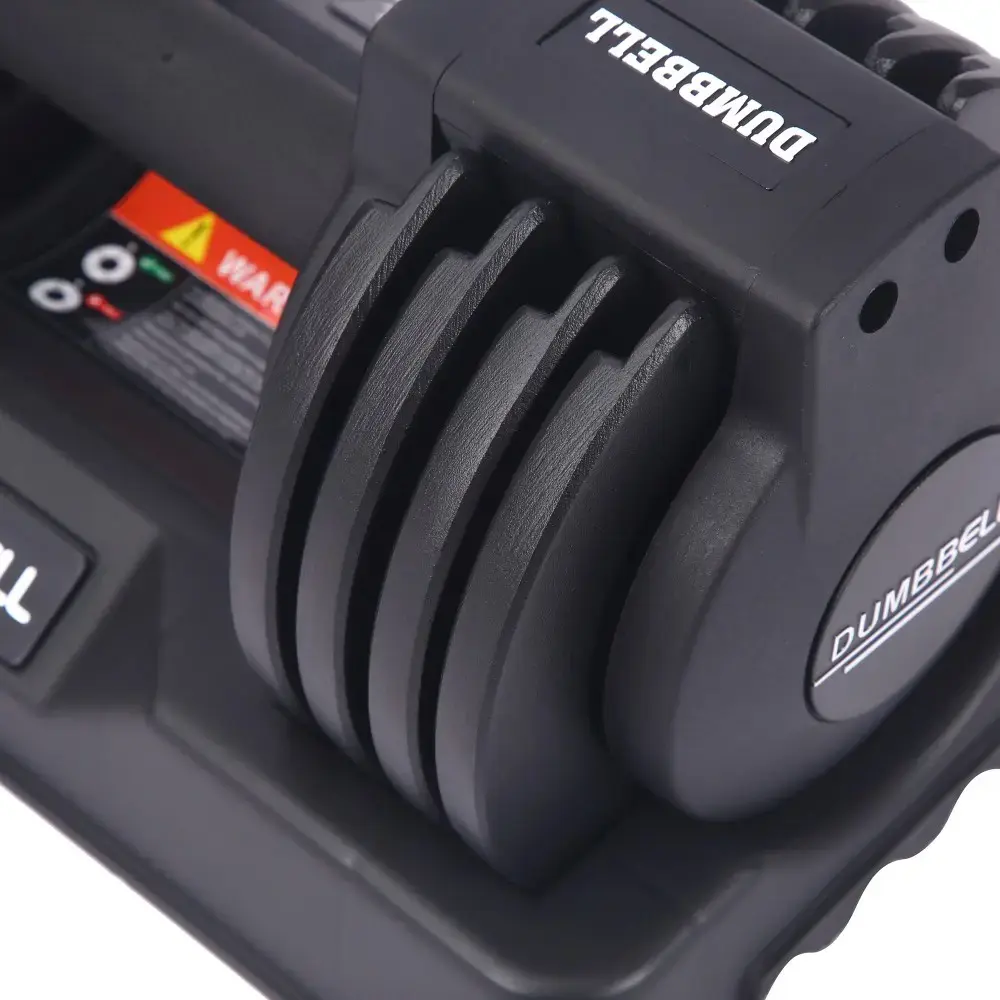
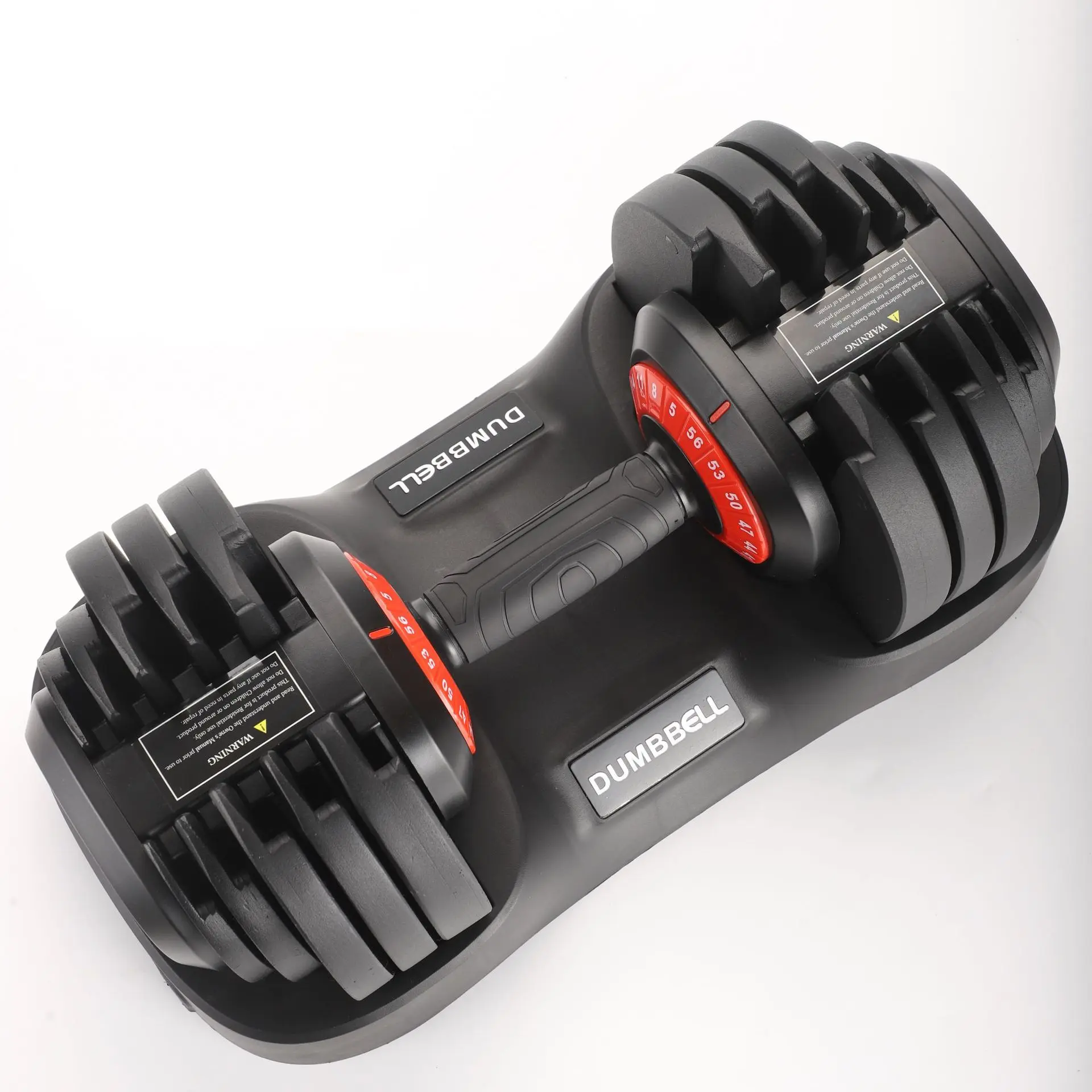
Weight-bearing metal components: the dumbbell bar (especially the chrome/galvanized sections), the center metal hole of the weight stack, and the weight-bearing connecting shaft;
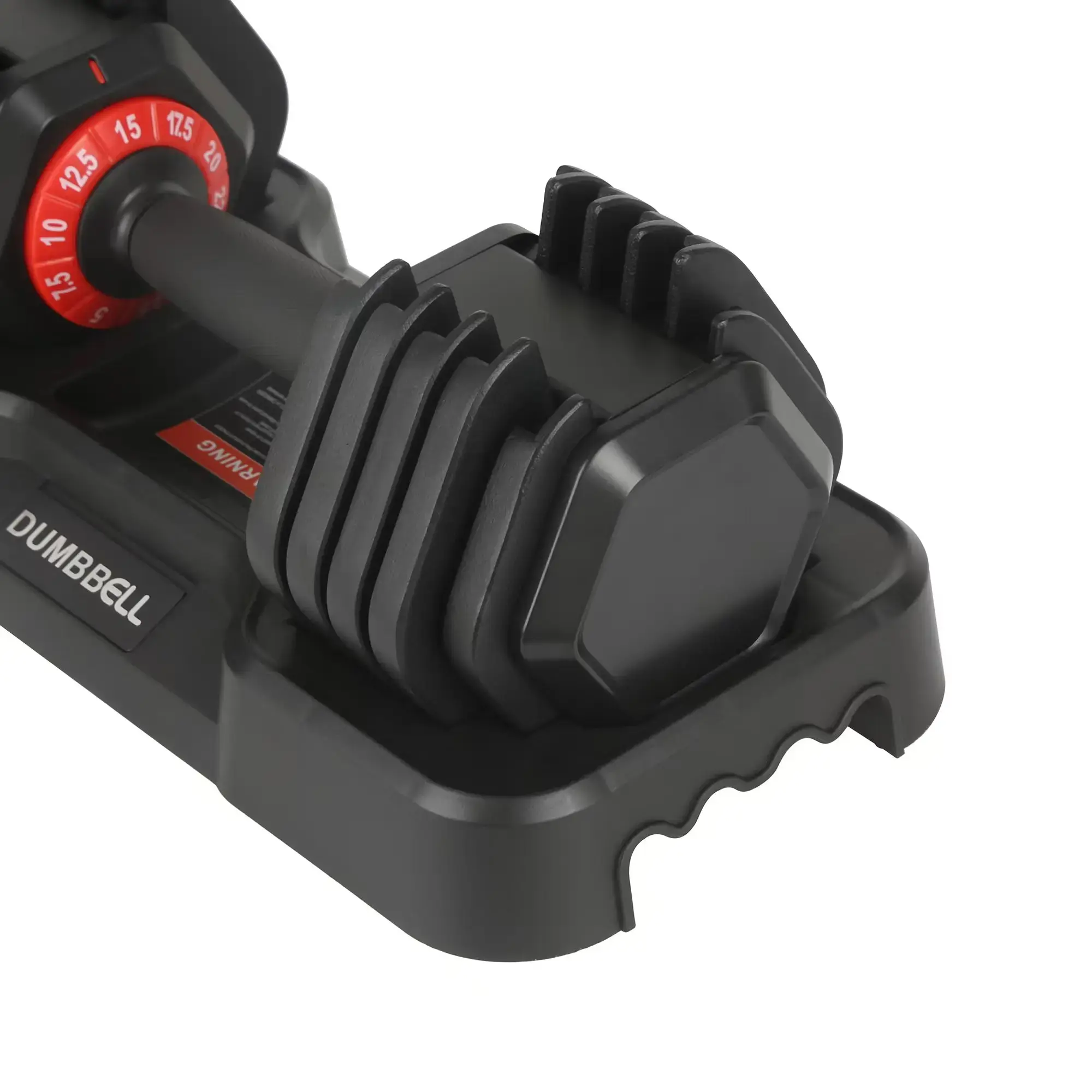
Adjustment system components: the metal gears of the adjustment knob, the snap-on locking pin, and the weight adjustment lever;
Surface treatment: the plastic spray/electrophoretic coating of the weight stack, the chrome plating of the dumbbell bar, and the seals connecting the handle and the bar.
The corrosion resistance of these components directly determines the "upper limit" of the dumbbell's durability.
2. Testing Standards: Different Levels Correspond to Different Usage Requirements
Depending on the severity of the usage scenario, salt spray testing for adjustable dumbbells is generally divided into two categories: Neutral Salt Spray (NSS) and Acetic Acid Spray (AASS). The test duration and acceptance criteria also vary:
Test Type
Simulated Environment
Test Duration
Pass Criteria (Using Chrome-Plated Dumbbell Bars as an Example)
Applicable Scenario
Neutral Salt Spray
Normal Humidity, Light Perspiration Environment
48-96 Hours
No Obvious Surface Rust, No Peeling or Bubbling of the Chrome Plating
Light Home Use
Acetic Acid Spray
High Humidity, Heavy Perspiration, Coastal Environment
120-240 Hours
Surface Rust ≤ 0.5%, Adjustable Components Function Normally
Commercial Gyms, Coastal Homes
For our brand of adjustable dumbbells, all core metal components have passed 240 hours of acetic acid spray testing, which simulates "daily heavy perspiration + The salt spray test is designed to withstand 3-5 years of use in a "high humidity environment," ensuring long-term stable performance even in high-frequency use in commercial gyms.
3. Testing Process: 4-Step Reduction to "Extreme Corrosion Challenges"
The salt spray test process may seem simple, but each step is subject to strict parameter control to ensure the authenticity and comparability of the test results:
Sample Pretreatment: Wipe the dumbbell components to be tested (such as the dumbbell bar and adjustment knob) with alcohol to remove surface oil and impurities, ensuring that the test focuses solely on the "product's inherent corrosion resistance."
Salt spray test environment setup: A 5% sodium chloride solution (similar to the salt concentration of seawater) is placed in a sealed salt spray test chamber. The solution is atomized using a spray system to maintain a relative humidity above 95% and a temperature of 35°C ± 2°C. This environment is higher in humidity and more corrosive than the rainy season in southern China.
Continuous Testing and Observation: The samples are suspended in the test chamber (avoiding contact with the chamber walls or each other) and sprayed continuously for a set duration, with the sample spraying every 24 hours. Observe the sample surface changes every hour, recording the time of rust appearance and coating peeling.
Post-test evaluation: After the test, remove the sample and air dry it. Use a magnifying glass to inspect the extent of corrosion. Also, test the flexibility of the adjustment components (e.g., whether the knob rotates smoothly and whether the buckle locks properly). Final acceptance is determined based on the "rust area" and "functional integrity."
Only components that pass all evaluations can enter the production process for adjustable dumbbells. Components that fail these tests will be returned to the supplier for further refinement of the surface treatment (e.g., thickening the chrome plating layer, upgrading the plastic spray material) until they meet the standards.
Third, failing the salt spray test? These "hidden pitfalls" are ruining your fitness experience.
Many consumers, when choosing adjustable dumbbells, prioritize ease of weight adjustment and aesthetics, but overlook the crucial indicator of corrosion resistance. Products that fail the salt spray test will gradually reveal various problems during use, significantly diminishing your fitness experience.
1. Case 1: "Paint-Peeling and Rusted Weight Plates Get Dirtier with Use"
Mr. Zhang purchased a pair of Inexpensive Adjustable Dumbbells online. After six months of use, he noticed that the paint on the weight plates began to peel, revealing large areas of rust on the exposed metal. Rust would stick to his hands after every workout, making cleaning the dumbbells a real hassle. After consulting a professional, he discovered that the weight plates had only been simply painted and had not undergone salt spray testing, making them incapable of withstanding sweat.
2. Case 2: "A Stuck Adjustment Knob Nearly Hit My Foot"
Ms. Li purchased adjustable dumbbells for her home use. After about a year, they began to become stuck. She was trying to adjust the weight from 10kg to 15kg when the knob suddenly became stuck. When she turned it hard, the weight plates unexpectedly came loose, nearly hitting her foot. Upon disassembly, it was discovered that the metal gears of the adjustment knob had rusted, causing it to engage loosely. This was because the knob had not undergone salt spray testing and had corroded due to prolonged contact with sweat.
3. Case 3: "Rusty Dumbbell Bars, Getting Slippery with Exercise"
Fitness instructor Mr. Wang once encountered a student complaining that the dumbbell bar was becoming increasingly slippery. Upon inspection, he discovered that the chrome plating on the bar had corroded and peeled, leaving the surface rough and rusty, resulting in a poor grip and even slipping during exercise. These dumbbells are typically produced in small workshops, where salt spray testing is skipped to reduce costs. The chrome plating thickness is less than 0.01mm, far below the industry standard of 0.03mm.
These cases demonstrate that salt spray testing is not a gimmick but a direct reflection of the durability and safety of adjustable dumbbells. While skipping this test may seem to save money on dumbbells, it may actually lead to hidden costs such as frequent replacement and safety risks.
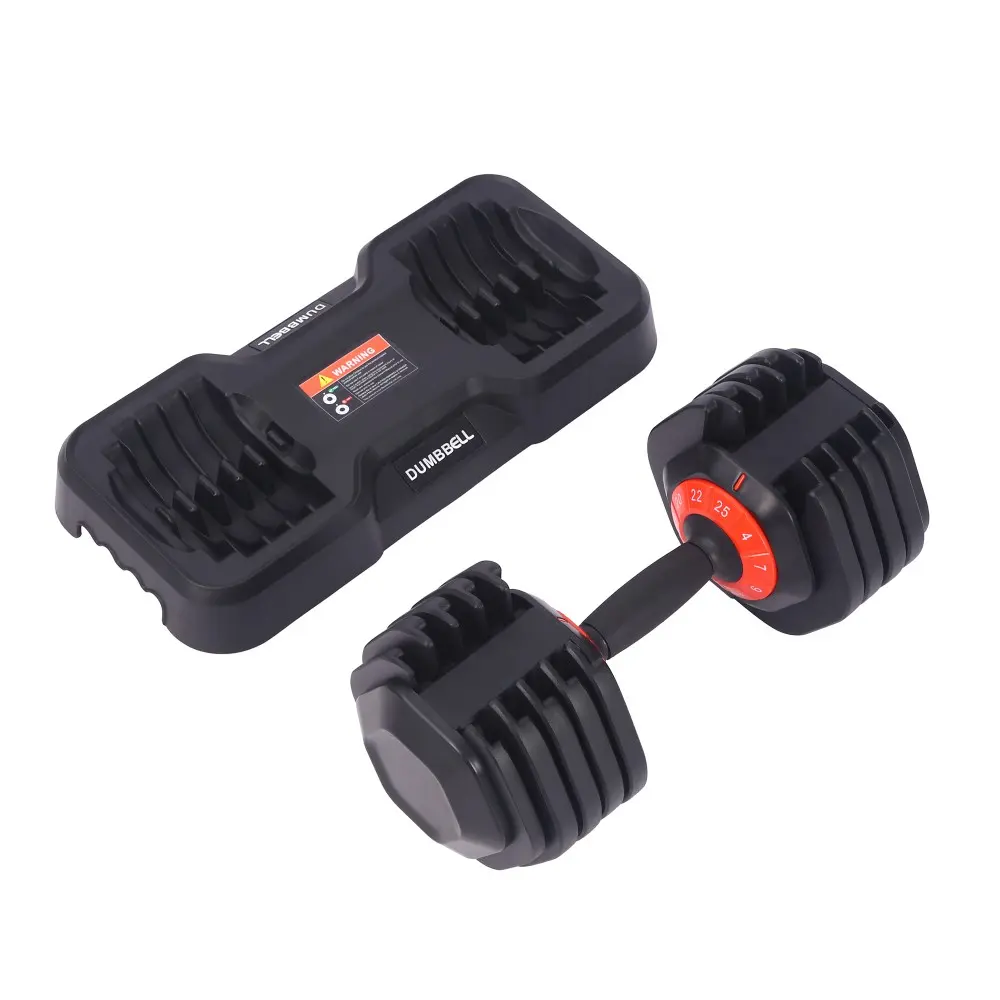
Fourth, how can you determine whether an adjustable dumbbell has passed the salt spray test? 3 Buying Tips
As ordinary consumers, we can't directly see a product's salt spray test report, but we can use the following three details to determine whether an adjustable dumbbell meets the corrosion resistance requirements:
1. Look for the "surface treatment" and avoid "cheap coatings."
Dumbbell bars: High-quality dumbbell bars typically use "multi-layer chrome plating" or "nitriding treatment," resulting in a bright and even surface that won't scratch noticeably with a fingernail. Dumbbell bars with a dull, grainy finish may be galvanized or painted, which offer poor corrosion resistance.
Weight plates: We recommend choosing weight plates with "electrophoretic coating" or "electrostatic spray coating," as these coatings offer strong adhesion and corrosion resistance. Avoid products with "ordinary spray coating." Gently scrape the coating with your hands; if it easily peels off, don't buy it.
Connections: Check the connection between the dumbbell bar and the handle, and between the weight plates and the buckle for seals (such as rubber seals). Proper seals reduce perspiration and minimize corrosion risk.
2. Ask about "testing standards" to pressure brands to prioritize quality.
When purchasing, proactively ask customer service: "Has the core metal components of this dumbbell been salt spray tested? How long was the test?" High-quality brands will clearly state the testing standards (such as "240 hours of acetic acid salt spray testing") and even provide third-party testing reports. Low-quality brands, on the other hand, will be vague, using vague terms like "rust-proof treatment" and "durable design" to evade buyers.
3. Check brand reputation to avoid "small workshop products."
Salt spray testing requires specialized equipment and costs, so small workshops or unknown brands often skip this step. It's recommended to choose brands with a strong market reputation and specialize in fitness equipment. These brands prioritize long-term reputation and incorporate salt spray testing into their product quality control systems. You can also check the "follow-up reviews" on e-commerce platforms (especially those from users who have used the product for at least one year) to understand the product's long-term corrosion resistance.
Five. Conclusion: Salt Spray Testing Is a "Long-Term Commitment" to Users
The salt spray test for adjustable dumbbells measures the metal's corrosion resistance, but it also demonstrates a brand's "long-term commitment" to its users. A product willing to invest in salt spray testing must have thoroughly scrutinized materials, craftsmanship, and safety. Products that skip this testing may appear "cost-effective," but in reality, they are irresponsible to user experience and safety.