
Adjustable dumbbell strength factory
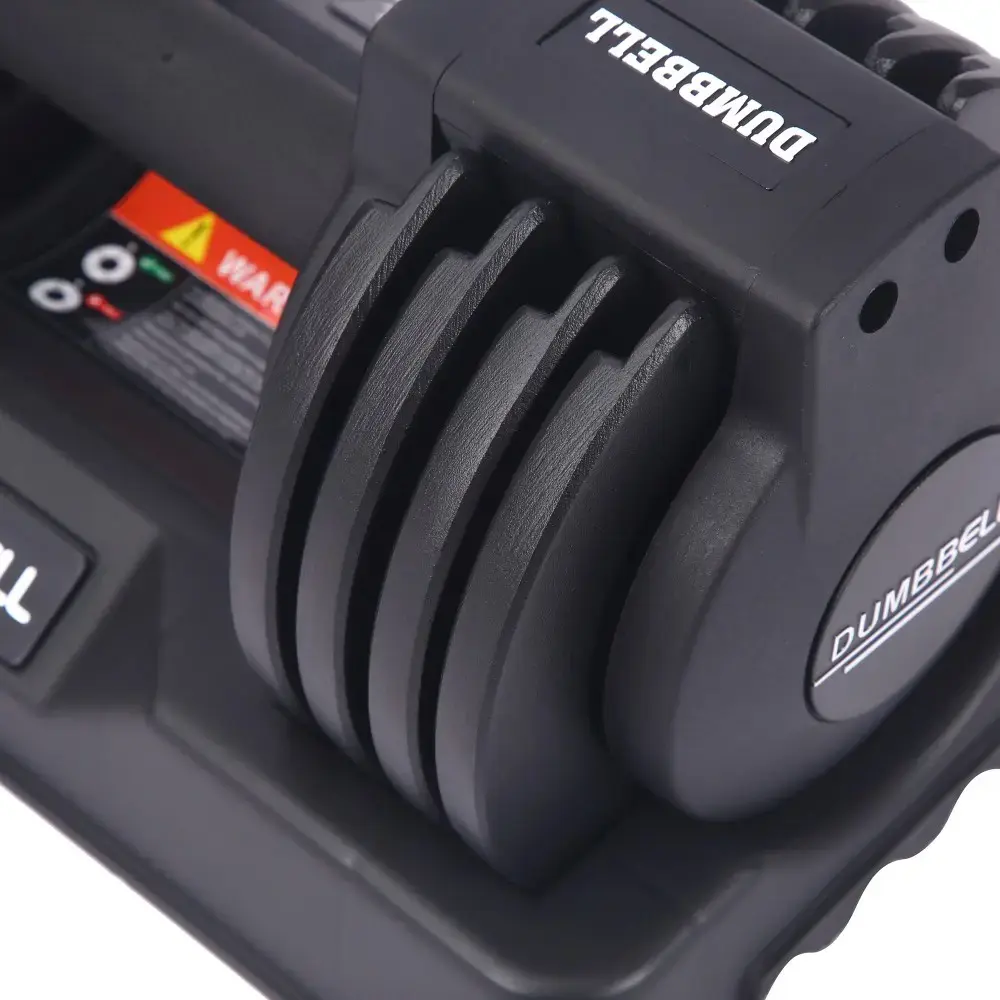

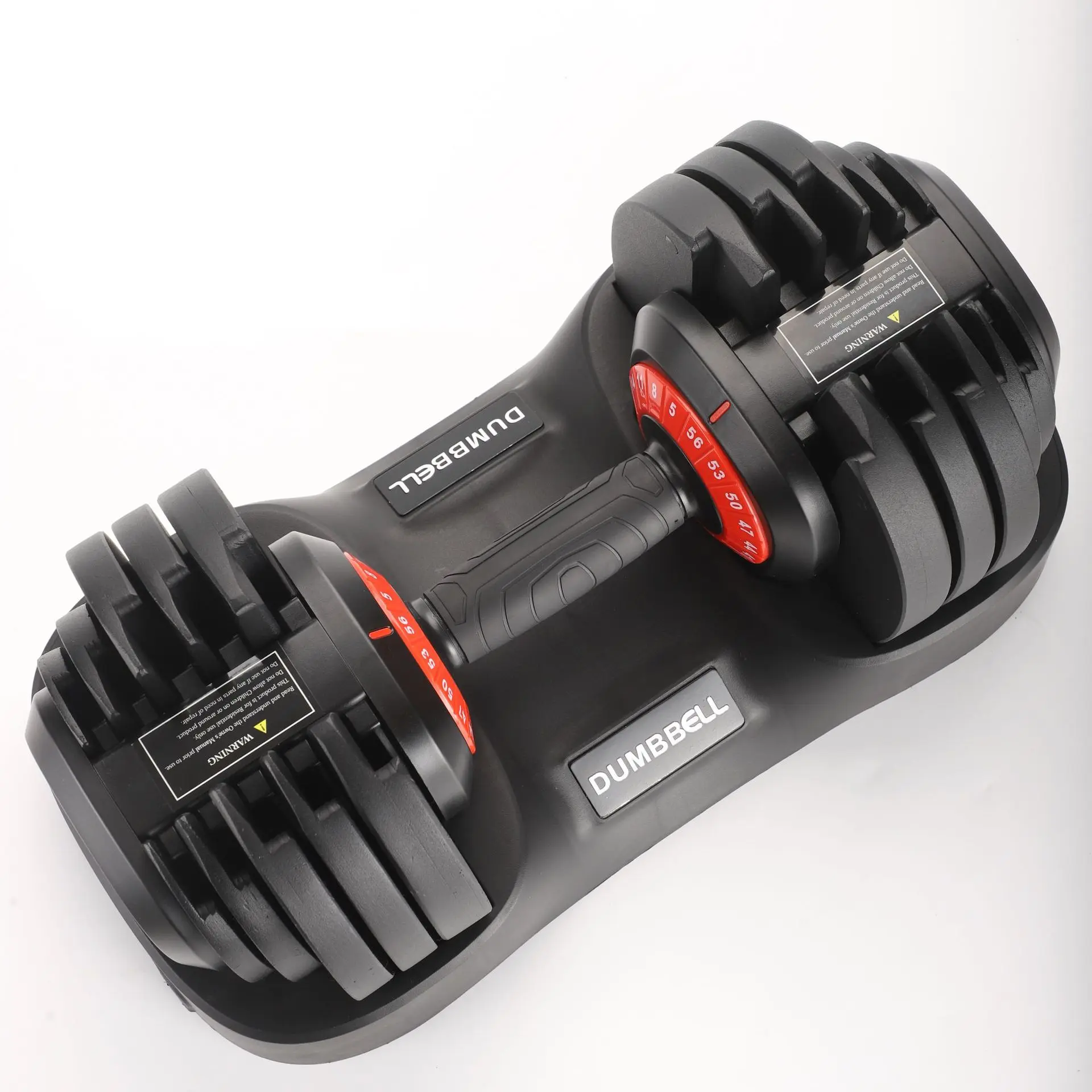
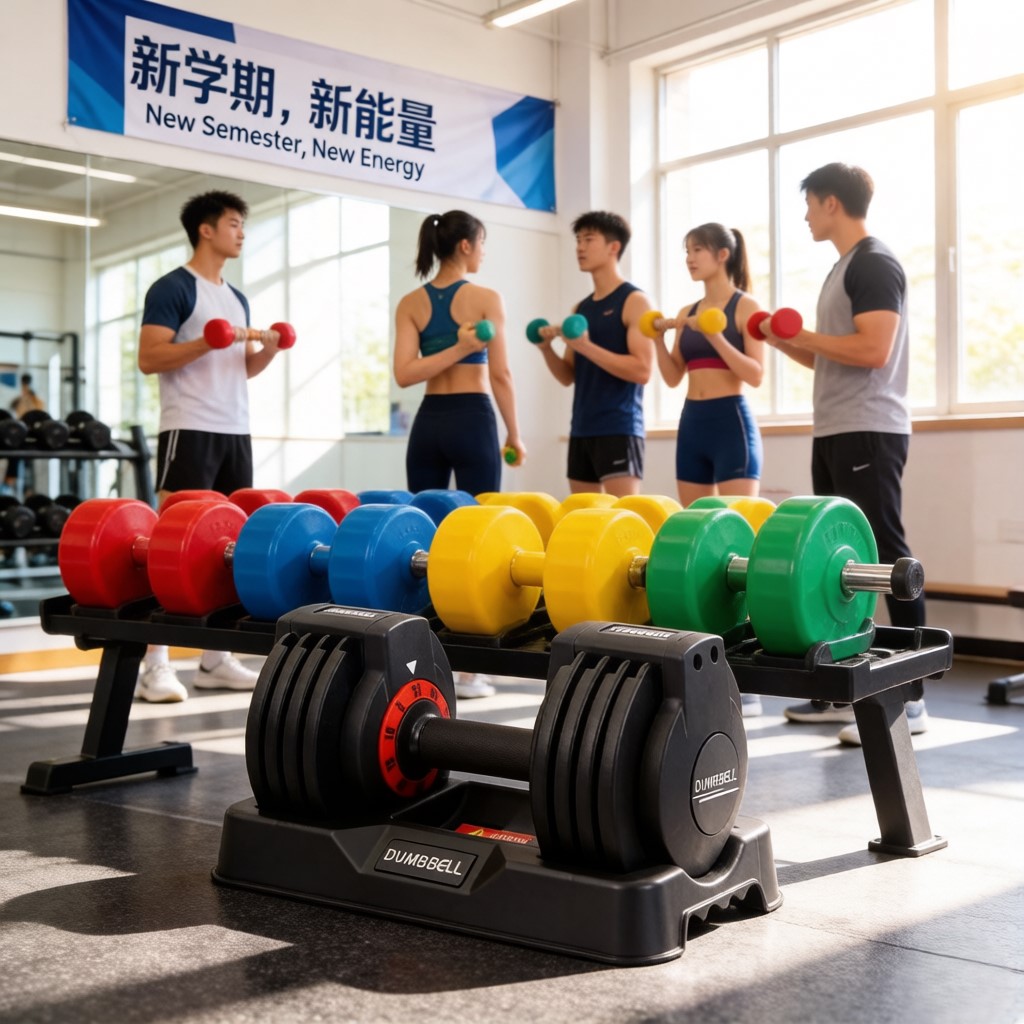

An In-Depth Comparison of Adjustable Dumbbell Surface Treatments
An In-Depth Comparison of Adjustable Dumbbell Surface Treatments: From Rust Prevention to Handle, Which Process is Best?
For fitness enthusiasts, an adjustable dumbbell's "intrinsic performance" (such as adjustment accuracy and weight capacity) is undoubtedly important, but the surface treatment directly determines its lifespan, safety, and hand-feel—after all, it's the part you come into direct contact with every workout.
Have you ever encountered this problem: Your newly purchased dumbbells are peeling and rusting after just six months? They feel slippery in your hands, affecting your power? Or are you worried about the surface coating peeling and causing skin irritation? The root cause of these issues is closely related to the dumbbell's surface treatment.
Today, we'll thoroughly analyze the four most popular surface treatments on the adjustable dumbbell market: electroplating, spray coating, dipping, and phosphating. We'll conduct an in-depth comparison, covering the process principles, core advantages, applicable scenarios, and potential drawbacks, to help you find your ideal dumbbell surface.
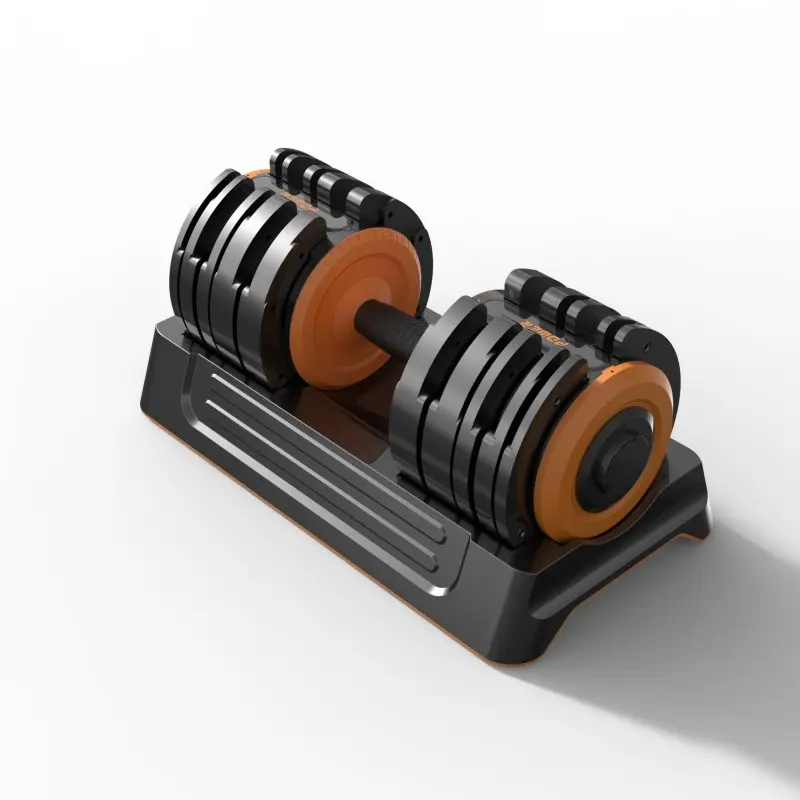
I, understand: Why is surface treatment so important for Adjustable Dumbbells?
Before comparing specific processes, we need to clarify a core question: Why is surface treatment necessary for adjustable dumbbells?
The core components of adjustable dumbbells (such as the bar and weight plates) are mostly made of steel. Steel itself has two major "natural enemies": oxidation and rust (especially in the humid environment of the gym or after contact with sweat at home), and surface wear (from friction between the weight plates and the bar during adjustment and from daily handling and collisions).
The essence of surface treatment is to create a "protective barrier" on the steel surface while also optimizing the feel. It must simultaneously meet three core requirements:
Rust resistance: Isolating the steel from air and moisture to prevent rust and corrosion;
Slip resistance: Ensuring a stable grip during training, preventing slippage and potential safety hazards;
Durability: Withstanding daily friction and impact, preventing coating peeling or surface damage.
Different surface treatment processes perform significantly differently on these three requirements, which ultimately directly impacts the price and user experience of the dumbbells.
II. In-Depth Comparison of Four Mainstream Processes: From Principle to Practical Experience
Next, we'll break down each of the four main processes one by one. Using the structure of "Process Principle + Core Advantages + Potential Shortcomings + Suitable Customers," we'll help you intuitively determine which process is best for you.
1. Electroplating: Combining aesthetics with rust resistance, suitable for those seeking a refined look
Process Principle
Electroplating is a process that uses electrolysis to evenly deposit a metal coating (common examples include chrome, zinc, and nickel) on the dumbbell's steel surface. Simply put, it "coats" the dumbbell with a protective metal film that bonds tightly to the steel and resists peeling.
Core Advantages
Extremely Rust-Resistant: The metal plating (especially chrome plating) is highly dense, completely sealing out moisture and air. Rust is difficult to form even in humid environments (such as a home gym next to a bathroom).
Aesthetically Pleasing and Easy to Clean: The electroplated surface is smooth and bright, with a natural "metallic luster" that adds a premium look. Furthermore, the surface is non-porous, allowing sweat and dust to be easily removed with a damp cloth.
Smooth and Non-Slip: High-quality electroplating has a light "matte" finish, which preserves the delicate feel of the metal without the slipperiness of a mirror finish, providing moderate grip.
Potential Disadvantages
High Cost: The electroplating process requires significant equipment investment and a long production cycle. Therefore, adjustable dumbbells using this process are typically 10%-20% more expensive than those using other methods.
Severe Impact: While the plating is durable, it can crack if subjected to significant impact (such as if the dumbbell is accidentally dropped). Once cracked, moisture can penetrate, causing rust to form.
Target Audience
This product is suitable for users with a reasonable budget who value aesthetics and long-term durability. It's especially suitable for prominent placement in living rooms and study rooms, balancing training with aesthetics.
2. Powder Coating (Electrostatic Spraying): A cost-effective option suitable for frequent exercisers.
Process Principle
Powder coating (also known as electrostatic spraying) involves applying a powder coating (such as epoxy resin powder) evenly to the dumbbell surface through electrostatic attraction. The powder is then heated to a high temperature, melting and solidifying the coating into a protective plastic film.
Core Advantages
High Cost-Effectiveness: The spray coating process boasts high production efficiency and lower costs than electroplating, making it a popular choice for mid-range and low-end adjustable dumbbells at an affordable price.
Strong Impact Resistance: The spray coating layer is typically 0.2-0.5mm thick and offers a certain degree of toughness. Even minor bumps or drops will prevent damage, providing enhanced protection for the internal steel.
Various Color Options: Powder coating can be blended to create a variety of colors (such as black, gray, and red), and even a matte finish can be achieved to suit different user aesthetics.
Potential Disadvantages: Rust resistance depends on process details. If pre-spray coating is not properly de-rusted or pinholes exist in the spray coating, moisture can penetrate and cause rust. Furthermore, some low-quality spray coatings may develop bulges after prolonged exposure to sweat.
Slightly Difficult to Clean: The spray coating surface has micropores. If sweat residue is not cleaned promptly, bacteria may grow. Regular cleaning with a neutral detergent is necessary.
Target Audience
This product is suitable for users with a medium budget and a high training frequency (e.g., 3-5 strength training sessions per week), especially beginners who are new to strength training and need cost-effective equipment.
3. Plastic Dipping: Provides an excellent non-slip feel, suitable for heavy lifters.
Process Principle
Plasma dipping (also known as vinyl glue) involves heating the dumbbell components and then directly immersing them in liquid plastic glue (such as PVC glue or PE glue). After the plastic glue adheres to the surface, it is cooled and solidified to form a thicker plastic layer.
Core Advantages
Top-notch anti-slip performance: The plastic coating is 0.5-1mm thick, with a natural "rubbery" feel. Even with sweaty palms, it provides a secure grip, eliminating the risk of slipping.
Good cushioning: The thicker plastic layer provides a certain degree of shock absorption, reducing the noise of the dumbbells hitting the ground (suitable for home use without disturbing neighbors) and protecting the floor.
High safety: The plastic coating is odorless and releases no harmful substances, making it non-irritating even with prolonged skin contact, making it suitable for users with sensitive skin.
Potential drawbacks: Dust-sensitive and difficult to clean: The plastic coating has a certain stickiness, easily attracting dust and hair, requiring frequent wiping with a damp cloth. Furthermore, the surface may become sticky after prolonged use.
Average durability: The plastic coating may age and harden, or even crack, if exposed to high temperatures for extended periods (such as on a balcony in direct sunlight). Furthermore, it feels slightly heavier than electroplated or spray-coated versions (due to the inherent weight of the plastic layer).
Target Audience
Suitable for users who engage in heavy weight training (such as deadlifts and bench presses), or those with elderly or children at home who require both slip resistance and quiet operation.
4. Phosphating: Basic rust prevention, often used as a "base treatment"
Process Principle
Phosphating involves immersing the dumbbell steel in a phosphating solution. Through a chemical reaction, a "phosphating film" (primarily composed of iron phosphate) forms on the surface. This film itself has limited rust resistance and serves primarily as a "base treatment" to prepare for subsequent electroplating, spray coating, and other processes.
Core Advantages
Enhanced Coating Adhesion: The phosphating film's rough surface with numerous tiny pores allows the subsequent electroplating or spray coating to adhere more firmly, reducing the chance of coating peeling.
Basic Rust Prevention: Even without subsequent coating, the phosphating film provides a certain degree of short-term rust prevention, making it suitable as a "pre-treatment" for dumbbells.
Extremely Low Cost: The phosphating process is simple and far less expensive than other surface treatments. It is not typically used solely as a final surface treatment.
Potential Disadvantages
Poor rust resistance when used alone: If phosphate coating alone is applied without a subsequent coating, rust easily develops after prolonged exposure to moisture.
Poor feel and appearance: The phosphate coating has a dark gray surface and a rough texture, making it unpleasant to the touch when gripped directly and visually giving it a cheap appearance.
Intended Use
Few brands use phosphate coating as a final surface treatment. If you see a dumbbell advertised as having a "phosphate coating," it's likely a low-end product with a simplified process and is not recommended for long-term use.
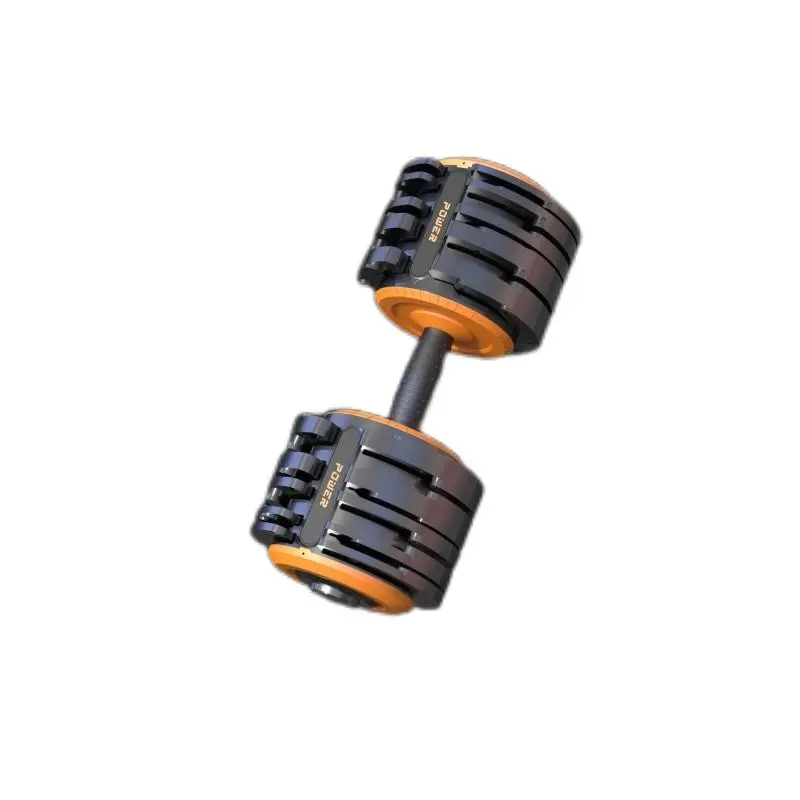
III. Purchasing Decision: Three Dimensions to Quickly Identify the Optimal Process
After comparing the four major coating treatments, you may still be confused about which one to choose. In fact, you can quickly make a decision by considering three core dimensions.
Dimension 1: Usage Scenario - Electroplating is preferred for humid environments, while plastic coating is preferred for quiet home use.
If your training environment is humid (e.g., near a bathroom, during the rainy season in southern China): Electroplating is preferred for its superior rust resistance, preventing the dumbbells from rusting quickly.
If you train in a bedroom or living room (where quietness is a priority): Plastic coating is preferred for its excellent cushioning and low noise when dropped.
If you train in a garage or balcony (where dryness is a priority): Spray coating offers the best value and is sufficient for your needs.
Dimension 2: Training Intensity - Plastic coating is preferred for heavy lifting, while spray coating is preferred for frequent training.
For heavy lifting (e.g., a single dumbbell weighing over 20kg): Plastic coating is preferred for its excellent slip resistance, preventing the dumbbells from slipping during exertion.
For medium to low weight training with frequent use (e.g., daily light weight bodybuilding): Spray coating is preferred for its high impact resistance, durability, and affordability.
For daily training seeking a refined look: Electroplating offers both aesthetics and a comfortable feel, suitable for long-term use.
Dimension 3: Budget - Different Budgets Require Different Processes
Adequate Budget (dumbbells costing over 500 yuan): Choose electroplating for better long-term performance and value;
Medium Budget (dumbbells costing between 200-500 yuan): Choose plastic spraying for a balance of performance and price;
Limited Budget (dumbbells costing less than 200 yuan): Choose basic plastic spraying, but be sure to choose branded products to avoid inferior products with incomplete rust removal.
V. Surface Treatment Maintenance Techniques to Extend the Lifespan of Dumbbells
Regardless of the process chosen, proper maintenance will extend the lifespan of your dumbbells. Here are three general maintenance tips:
Clean the surface after every workout: After each workout, wipe any sweat off the dumbbell surface (especially those with electroplating or plastic spraying) with a dry towel to prevent residual sweat and corrosion. If the dumbbell is plastic-dipped, wipe it with a damp towel and let it dry to prevent dust from sticking.
Avoid prolonged contact with moisture: Avoid placing the dumbbells in humid areas like the bathroom or near a sink, and do not rinse them directly with water. If they get wet, dry them immediately.
Regularly inspect the surface: Check the dumbbells every 1-2 months for signs of coating peeling, cracks, or rust. If you notice cracks in the electroplating or bulging in the plastic spray, repair them with anti-rust paint immediately to prevent further damage.
V. Summary: There's no "best" process, only the "most suitable" option.
Finally, we've used a table to quickly summarize the core differences between the four major processes for your convenience:
Process Type
Core Advantages
Potential Disadvantages
Reference Price Range (per unit)
Target Audience
Electroplating
High rust resistance, attractive appearance, easy to clean
High cost, sensitive to severe impact
Over 500 RMB
Budget-conscious users seeking a refined look
Spray-coated
High cost-effectiveness, impact resistance, and a variety of colors
Rust resistance depends on the process, difficult to clean
200-500 RMB
Medium-budget users with frequent training
Dip-coated
Top-notch anti-slip, quiet, and safe
Easily picks up dust, average durability
300-600 RMB
Thick weight training, quiet home use
Phosphating
Low cost, enhanced coating adhesion
Poor rust resistance, low feel and appearance
200 Under ¥
Not recommended for standalone use
In short, there's no "absolutely best" finish for adjustable dumbbells, only "the most suitable." Hopefully, through this comparison, you'll have a clear understanding of your needs and be able to purchase an adjustable dumbbell that's comfortable and long-lasting, making it a reliable companion on your fitness journey.