

Adjustable dumbbell strength factory


Drive and Rotating Components: How to Ensure Precise Dumbbell Weight Adjustment
Drive and Rotating Components: How to Ensure Precise Dumbbell Weight Adjustment
In the fitness world, adjustable dumbbellsare increasingly popular among fitness enthusiasts because they can meet the weight requirements of different training stages. For those seeking efficient and precise training, precise weight adjustment is crucial. So, how do Adjustable Dumbbells achieve this critical function through drive and rotating components?
I. Basic Structure and Working Principle of Adjustable Dumbbells
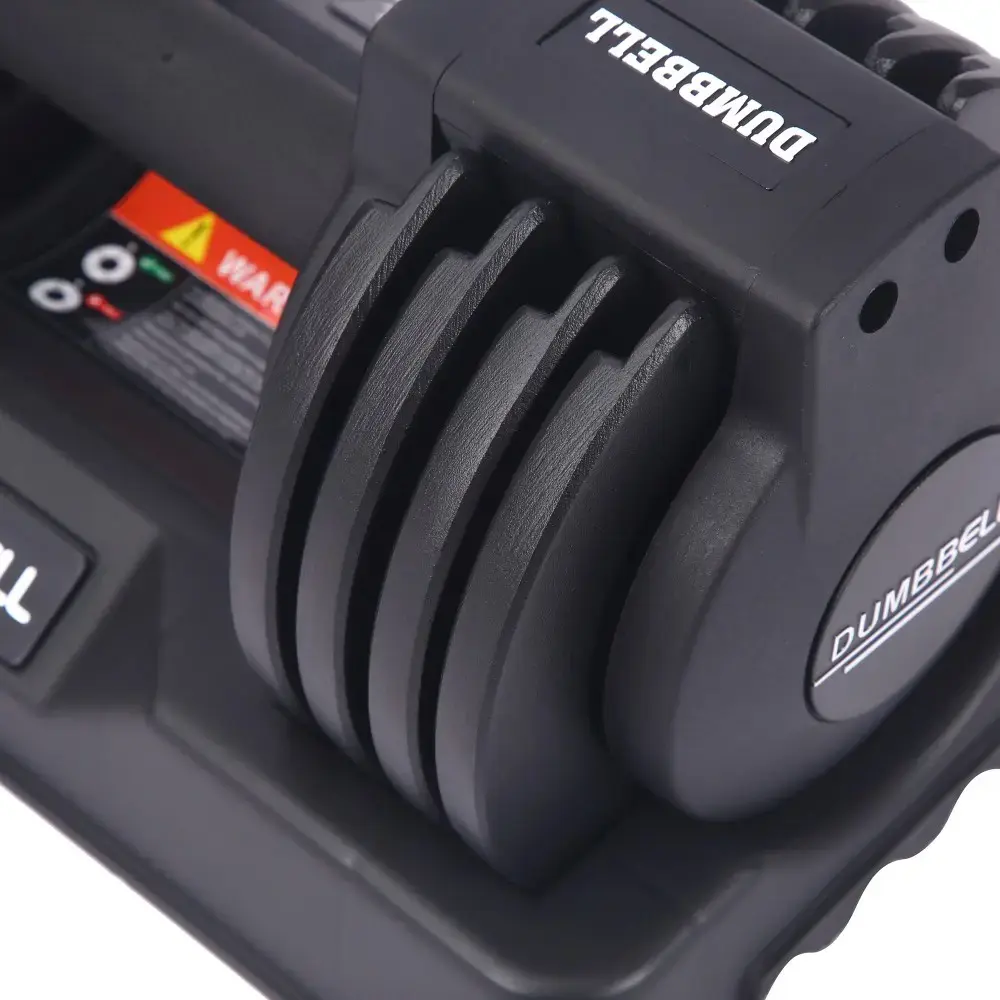
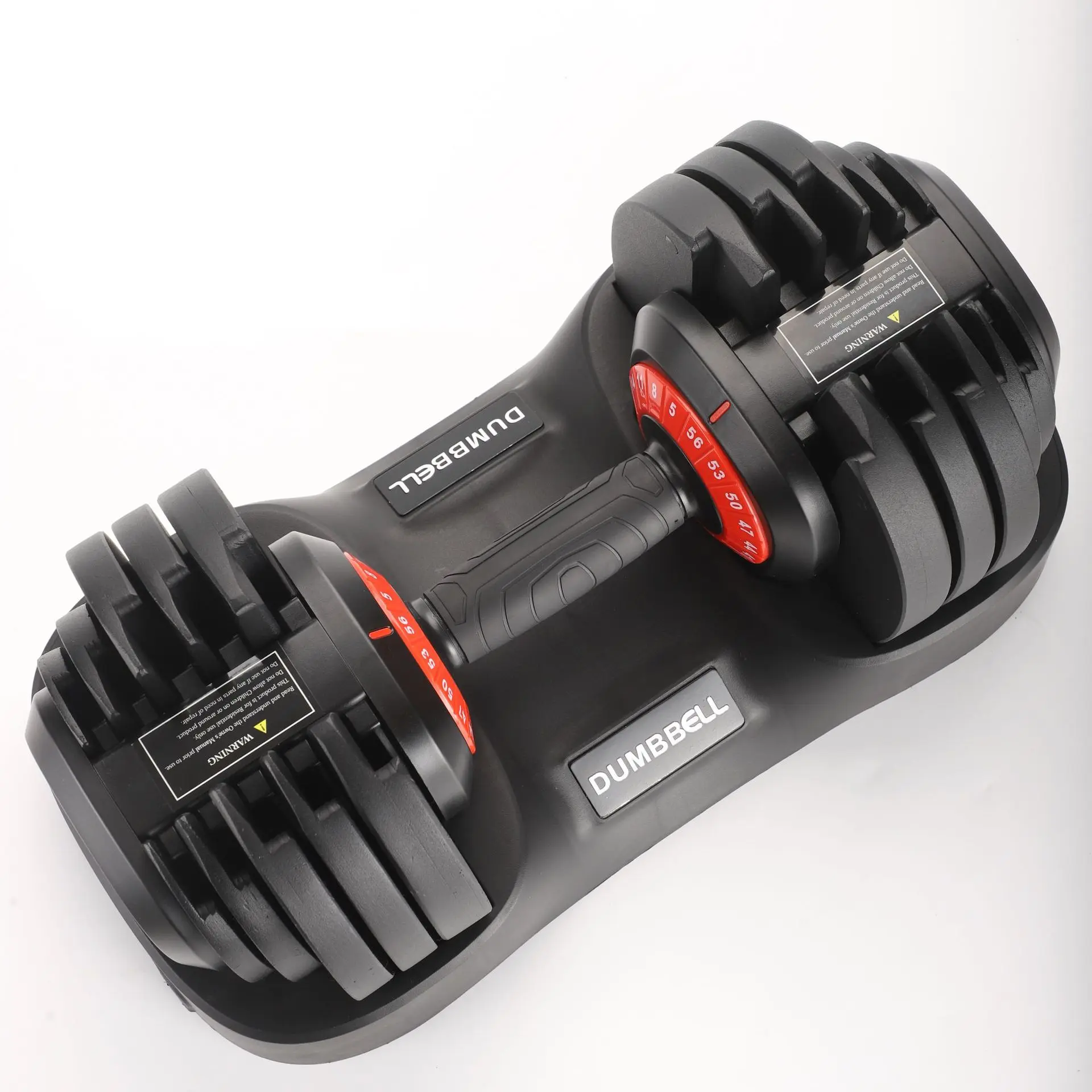
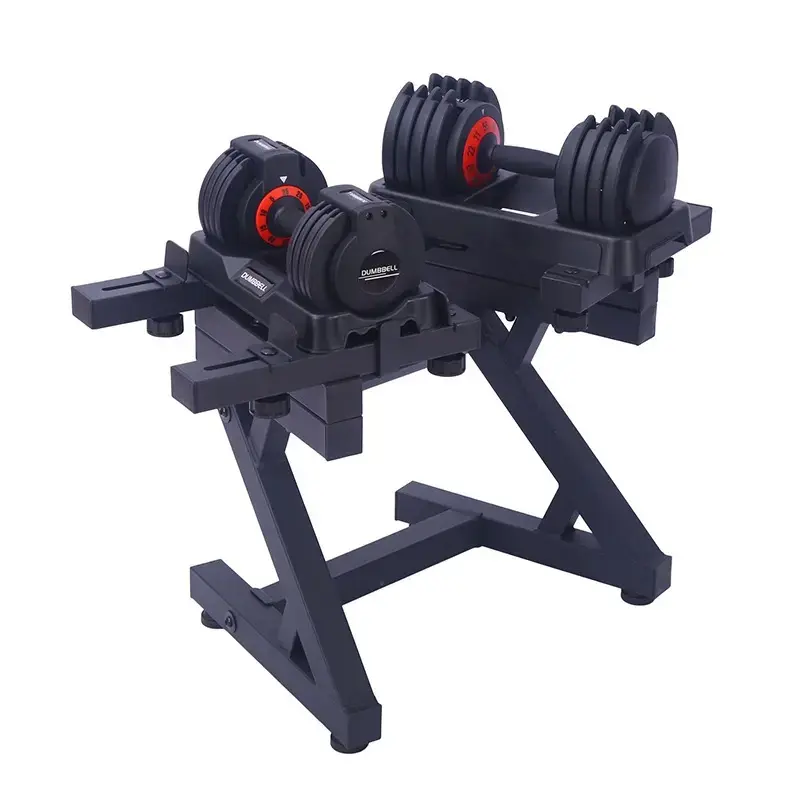
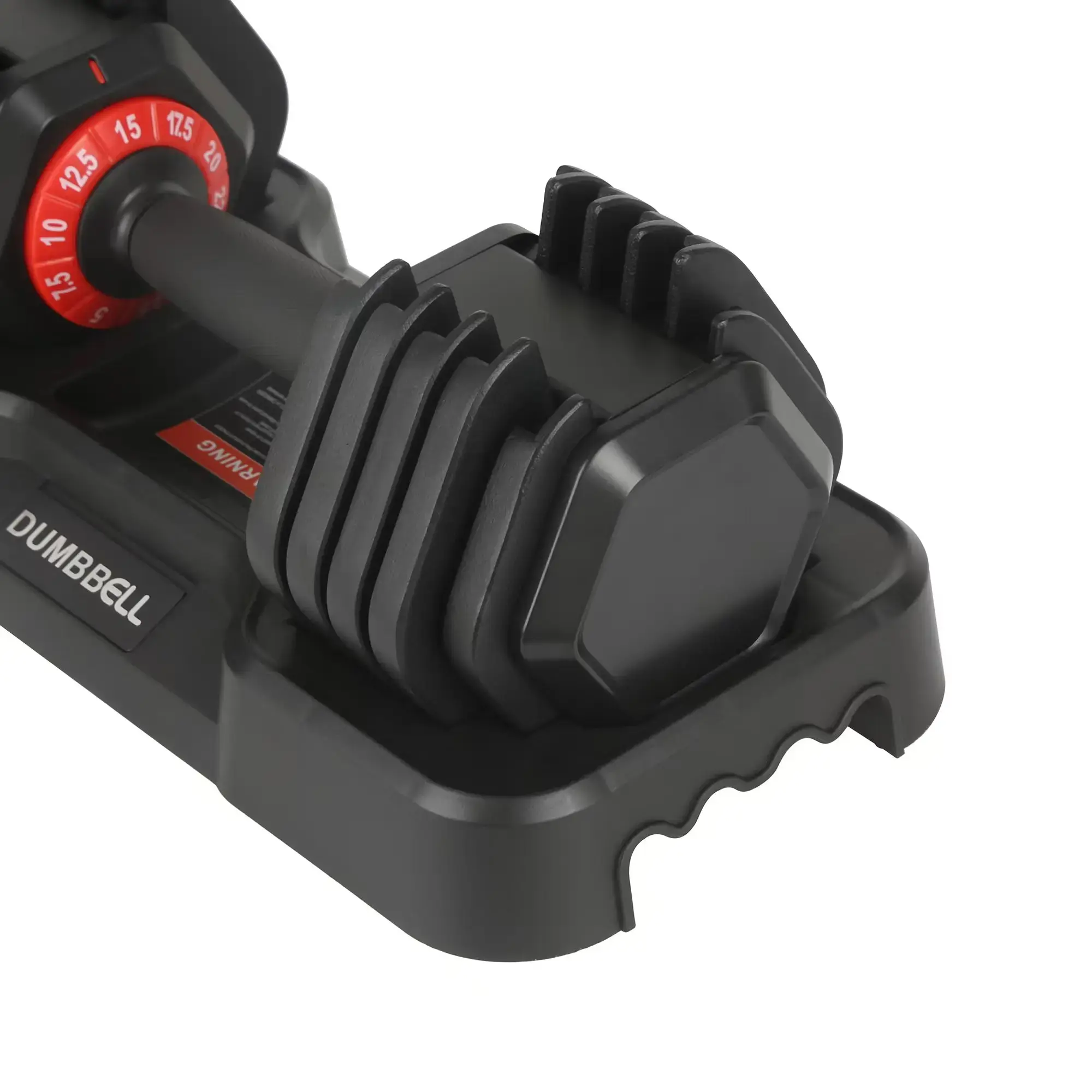
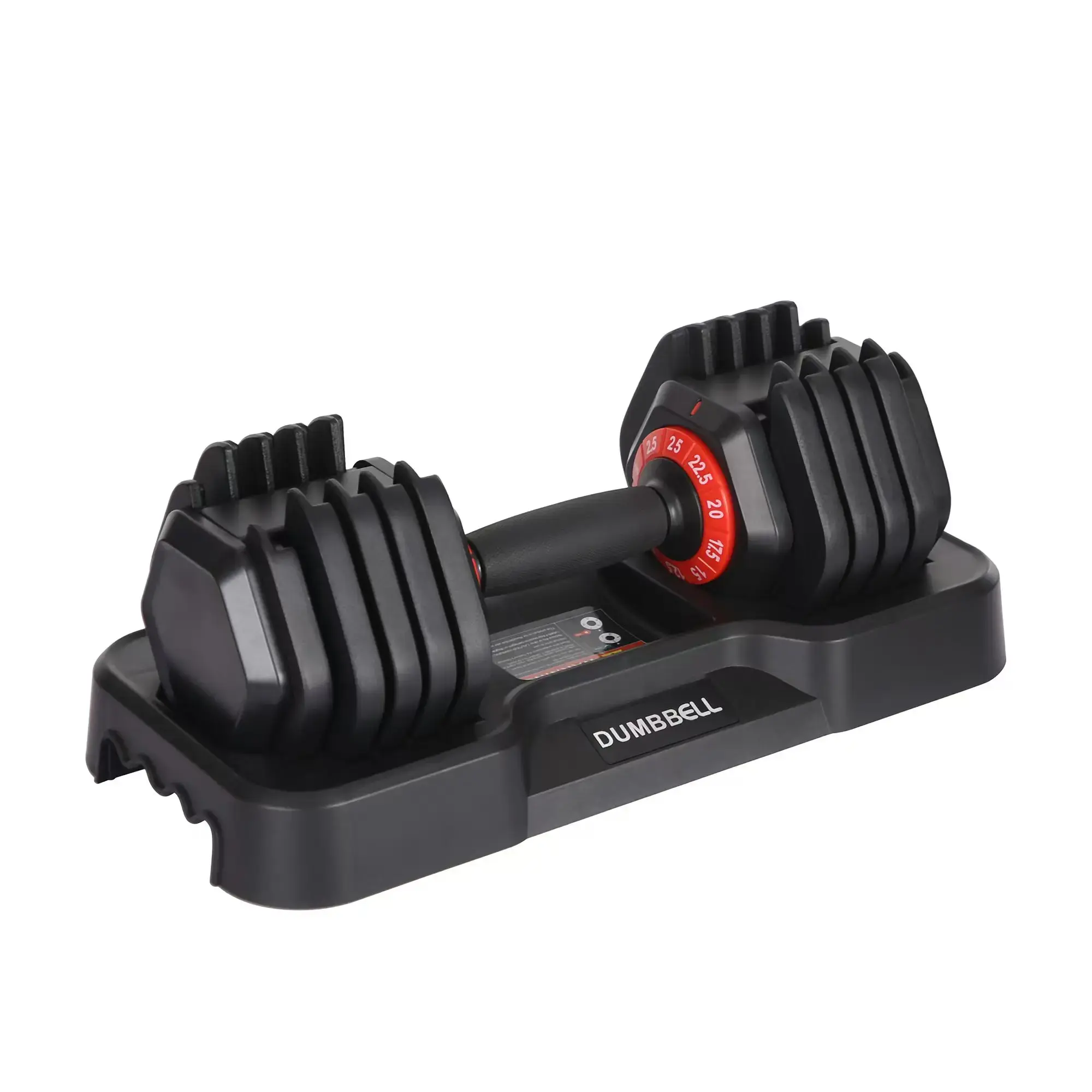
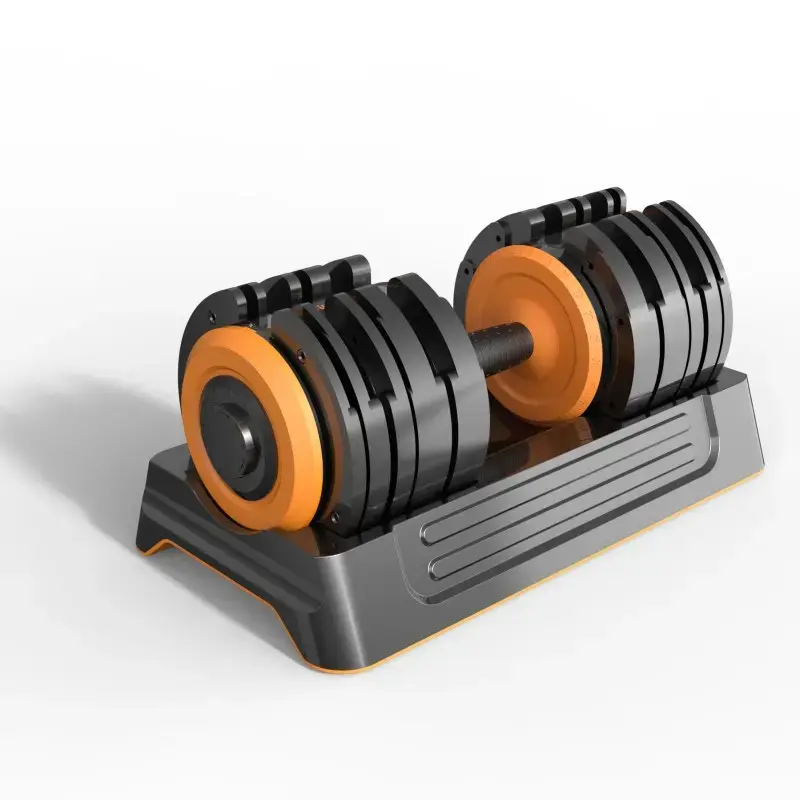
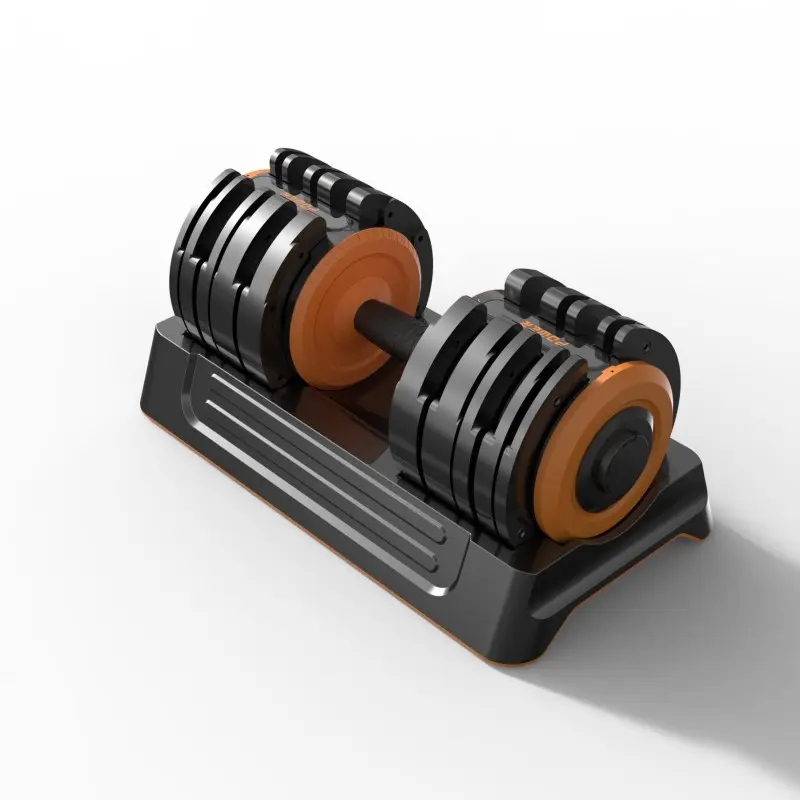
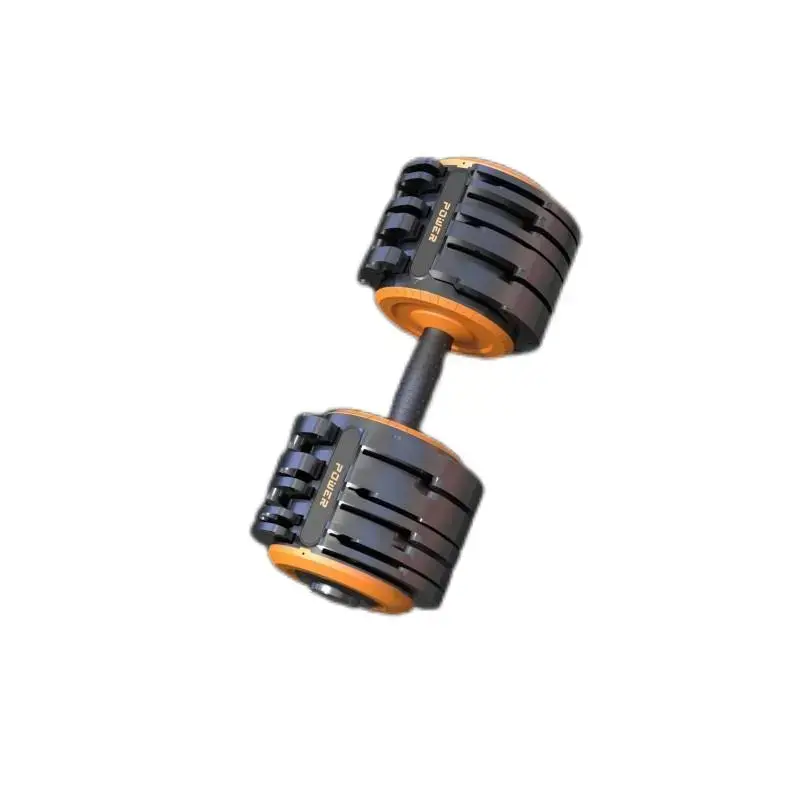
Adjustable dumbbells primarily consist of core components such as handles, weight plates, drive, and rotating components. Their operating principle is to adjust the overall weight of the dumbbell by changing the number or position of the weight plates at each end. The drive and rotating components play an indispensable role in this process, working together to ensure precise weight adjustment with every adjustment.
II. Drive: The Power Source of Precise Adjustment
(I) Motor Drive System
Motor drive systems are widely used in some high-end adjustable dumbbell products. This drive system typically utilizes high-precision motors such as stepper motors or servo motors. A stepper motor converts electrical pulse signals into angular displacement. Each time a pulse signal is received, the motor rotates a fixed angle, known as the step angle. By precisely controlling the number and frequency of pulses, the motor's rotation angle, and therefore the rotation of the drive shaft connected to the motor, can be precisely controlled. For example, the motor drive system of a certain brand of Smart Adjustable Dumbbells can adjust the weight with an accuracy of ±0.1kg. This means users can precisely adjust the weight to their training needs, ensuring precise weight support for both detailed muscle-building exercises and gradual weight increases for strength gains.
Servo motors offer even higher precision and responsiveness. They not only precisely control the motor's position, speed, and torque, but also adjust output in real time based on feedback signals, ensuring high accuracy under all operating conditions. In adjustable dumbbells, servo motors can quickly and accurately drive the drive shaft according to the user-set weight parameters, driving related components to adjust the weight stacks, adjust their weight stacks, and adjust their positions. Furthermore, when the dumbbells are disturbed by external forces during use, the servo motor can quickly sense this and make corresponding adjustments, maintaining stable operation and ensuring accurate weight adjustment.
(II) Mechanical Transmission Drive
In addition to motor drive, mechanical transmission drive is also a common method. The screw-nut transmission mechanism is the most widely used. In this mechanism, the driving element is typically a threaded screw. When the user turns the adjustment knob connected to the screw, the screw begins to rotate. The nut, which is coupled to the screw, is connected to a tray or other connecting component that holds the weight stacks. As the screw rotates, the nut moves along the screw's axis, thereby raising or lowering the tray to add or remove weight stacks. For example, with some traditional manually adjustable dumbbells, turning the adjustment knob causes the screw to move the nut, which in turn pushes the tray, allowing the user to precisely select the appropriate number of weight stacks for the dumbbell's overall weight. To enhance adjustment accuracy, the screws in these dumbbells typically utilize high-precision thread machining. This ensures that the distance the nut moves with each rotation is precisely controlled, enabling precise adjustment of the dumbbell weight.
Another common mechanical transmission method is the rack-and-pinion drive. In this structure, the driving element is a gear. When the user turns the handle or adjustment mechanism, the gear begins to rotate. The rack, meshing with the gear, is connected to the connecting component of the weight stack. As the gear rotates, the rack moves linearly, which in turn changes the position of the weight stack, achieving weight adjustment. Rack-and-pinion drives offer advantages such as high transmission efficiency and smooth motion, providing stable and precise power support for dumbbell weight adjustment. For example, some adjustable dumbbells utilize a carefully designed rack-and-pinion transmission system that precisely converts the rotation of the adjustment handle into linear displacement of the weight stack. This provides a clear and stable feel when adjusting the weight, allowing users to accurately achieve the desired weight setting.
III. Rotating Components: The Key to Precise Positioning
(I) Positioning Slots and Pins
Many adjustable dumbbells utilize a rotating component structure that combines positioning slots with pins to ensure precise weight adjustment. The dumbbell's main body features a series of evenly spaced positioning slots, each corresponding to a specific weight combination. A retractable pin is attached to the rotating component connected to the driver. When the user adjusts the dumbbell's weight using the driver, the rotating component rotates accordingly. When the pin aligns with the desired positioning slot, a spring or other elastic device automatically snaps it into place, ensuring precise positioning of the rotating component. This ensures the dumbbell's weight is accurately adjusted to the preset weight for that slot. For example, the positioning slots of a classic adjustable dumbbell are precision-machined, with spacing errors kept to a minimum. The spring forces the pin to quickly and accurately snap into place, ensuring reliable weight positioning and allowing users to confidently use the dumbbells at the desired weight during exercise. (II) Encoder and Sensor Technology
With the continuous advancement of technology, some advanced adjustable dumbbells have begun to utilize encoder and sensor technology to achieve precise control of rotating parts. An encoder is a precision measuring device that converts angular or linear displacement into an electrical signal. In adjustable dumbbells, the encoder is typically mounted on the rotating shaft of the rotating part. As the rotating part rotates, the encoder monitors the rotation angle of the shaft in real time and converts this information into a digital signal for transmission to the control system. Sensors are used to detect various status information of the dumbbell, such as weight and acceleration. By combining the rotation angle information provided by the encoder with the actual weight information detected by the sensor, the control system can accurately calculate the current actual weight of the dumbbell and compare it with the target weight set by the user. If there is any deviation between the two, the control system immediately issues a command to fine-tune the rotating part through the drive element until the actual weight of the dumbbell is exactly consistent with the target weight. For example, a smart adjustable dumbbell equipped with high-precision encoders and sensors can monitor and adjust the dumbbell weight in real time. Even in fast adjustments or complex training environments, the weight adjustment error is always kept to a very small range, providing users with an extremely precise weight adjustment experience.
IV. Collaborative Mechanism of the Driving and Rotating Components
The driving and rotating components do not operate independently; rather, they work together through a sophisticated collaborative mechanism to ensure precise dumbbell weight adjustment. When the user issues a weight adjustment command, the driving component first receives the command and begins operation. Whether the motor-driven system rotates in response to an electrical signal from the control system, or the mechanical transmission drives the movement of related components through manual operation of the adjustment knob, the driving component transmits power to the rotating component. Driven by the driving component, the rotating component begins to rotate. Simultaneously, the positioning structure on the rotating component (such as the latch in a positioning slot and latch structure, or the encoder in encoder and sensor technology) provides real-time feedback on the rotating component's position. When the rotating component reaches the target position, that is, the user's desired weight setting, the positioning structure activates, ensuring precise positioning of the rotating component. Simultaneously, the control system receives position feedback from the rotating component, confirming that the weight adjustment is complete. If any deviation occurs during the adjustment process, the control system, based on feedback from the encoder and sensor, promptly adjusts the operating state of the driving component and fine-tunes the rotating component until the weight is precisely adjusted. This collaborative mechanism, characterized by close coordination and mutual feedback between the drive and rotating components, is like a precise clockwork. The coordinated operation of these components ensures high precision and reliability in weight adjustment for adjustable dumbbells.
V. Factors Affecting Weight Adjustment Accuracy and Solutions
(I) Component Wear and Aging
With age, the various components of the drive and rotating components may experience wear and aging. For example, the motor brushes in the motor drive system may wear out over time, resulting in unstable motor output power and affecting weight adjustment accuracy. Components such as the screw, nut, gear, and rack in a mechanical transmission drive can wear out due to long-term friction, increasing transmission clearance and reducing the positioning accuracy of the rotating component during adjustment. To address this issue, high-quality, wear-resistant materials should be selected for these key components during the product design phase. For example, high-strength alloy steel should be used for the screw and gears, and wear-resistant rubber or composite materials should be used for the motor brushes. On the other hand, users should regularly maintain dumbbells during daily use. For example, they should add an appropriate amount of lubricant to the mechanical transmission components to reduce friction and wear; regularly check the wear of the motor brushes and promptly replace severely worn brushes. Furthermore, some advanced adjustable dumbbells are equipped with intelligent monitoring systems that monitor component wear in real time. When component wear is detected, it promptly alerts the user to perform maintenance or replacement.
(II) External Interference and Vibration
When using adjustable dumbbells for training, they may be subject to various external interference and vibration. For example, during rapid dumbbell swings or squats, the dumbbells are subject to significant impact and vibration. These external forces can cause the operating conditions of the drive and rotating components to change momentarily, affecting the accuracy of weight adjustment. To address this issue, adjustable dumbbells are typically designed with a series of shock-absorbing and anti-interference measures. For example, shock-absorbing pads or springs are installed within the dumbbell's internal structure to absorb and cushion external shock and vibration, reducing their impact on the drive and rotating parts. In the control system, advanced filtering algorithms and anti-interference technologies are used to process the signals fed back by the encoders and sensors, removing noise generated by external interference and vibration. This ensures that the control system can accurately obtain the position of the rotating parts and the actual weight of the dumbbell, enabling precise weight adjustment. Furthermore, some high-end adjustable dumbbells are equipped with sensors such as inertial measurement units (IMUs) that monitor the dumbbell's motion and force in real time. When excessive external interference or vibration is detected, the operating parameters of the drive and rotating parts are automatically adjusted to ensure stable and accurate weight adjustment.
(III) Environmental Impacts of Temperature and Humidity
Environmental factors such as temperature and humidity may also affect the accuracy of weight adjustment in adjustable dumbbells. In high-temperature environments, electronic components in the motor drive system may experience performance drift, causing variations in motor speed and torque, which in turn affects the accuracy of weight adjustment. For mechanical transmission components, high temperatures can reduce the viscosity of lubricating oil, impairing lubrication and increasing component wear. Furthermore, in high-humidity environments, metal components are susceptible to rust and corrosion, affecting mechanical performance and transmission accuracy. To minimize the impact of temperature and humidity on dumbbells, first, special protective treatments should be applied to electronic and metal components during the manufacturing process. For example, electronic components can be potted to improve their resistance to environmental interference, and metal components can be coated with an anti-rust coating to prevent rust and corrosion. Secondly, users should avoid extreme temperatures and high humidity when using and storing adjustable dumbbells. If used in high-temperature environments, appropriate heat dissipation measures can be implemented, such as placing fans around the dumbbells for heat dissipation. If stored in high-humidity environments, desiccant can be used to maintain a dry environment. Furthermore, some high-end adjustable dumbbells feature adaptive environmental control, automatically adjusting the operating parameters of the drive and rotating components based on changes in ambient temperature and humidity to ensure precise weight adjustment in varying environmental conditions.
VI. Conclusion
The adjustable dumbbell's drive and rotating components utilize sophisticated design, advanced technology, and an efficient collaborative mechanism to provide users with precise weight adjustment. From the power output of the motor drive system and mechanical transmission, to the precise positioning of the positioning slots and latches, the encoder and sensor technology, and the seamless coordination between them, every detail has been meticulously crafted to ensure users can easily and accurately adjust the dumbbell weight according to their needs during training, enjoying an efficient and scientific fitness experience. Furthermore, factors that may affect weight adjustment accuracy, including component wear and aging, external interference and vibration, and environmental influences such as temperature and humidity, are effectively addressed through optimized product design, enhanced user maintenance, and the use of advanced intelligent technology, ensuring the adjustable dumbbell maintains its superior performance.