
knowledge
Adjustable dumbbell strength factory

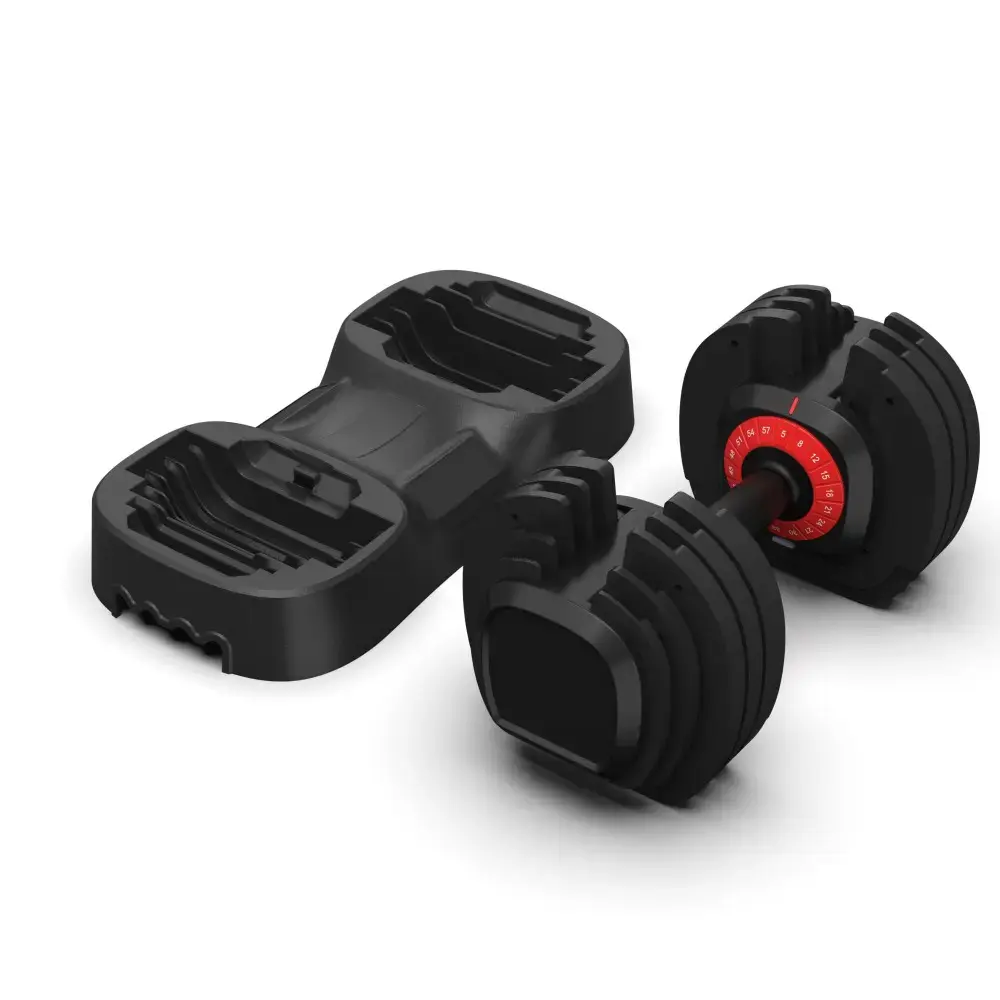
Dumbbell Corrosion Resistance Test: Usage Recommendations in Humid Environments
2026-03-06
Dumbbell Corrosion Resistance Test: Usage Recommendations in Humid Environments (2026 Guide for B2B Buyers)
Last month, a client focusing on the Southeast Asian market came to me with a complaint: he shipped a batch of electroplated dumbbells to Kuala Lumpur, and within less than three months, buyers reported rust spots on the surface. The client was confused, saying the batch had been stored in a domestic warehouse for over half a year without any issues, so why did it rust as soon as it reached the customers? I asked him one question: Do you know how many hours the dumbbell corrosion resistance test was conducted? He was stunned and said he hadn’t actually asked the manufacturer.
This case is particularly typical. Many buyers only focus on whether the dumbbell weight is accurate and the appearance is shiny, but ignore the most critical point—in coastal areas, during the rainy season, or in gyms where they are soaked in sweat all year round, a pair of dumbbells’ ability to resist corrosion directly determines their actual service life. Today, from the perspective of professional testing, we will discuss how to evaluate the corrosion resistance of dumbbells, as well as how to select and use them in humid environments.
I. Salt Spray Test: The "Magic Mirror" to Measure Dumbbell Rust Resistance
Core Keywords: Neutral Salt Spray Test + Corrosion Resistance Grade
In the industry, the most rigid indicator for evaluating dumbbell corrosion resistance is the salt spray test. The principle of this test is quite straightforward: place the dumbbells in a sealed box and continuously spray them with a 5% sodium chloride solution at a constant temperature of 35℃, simulating a more severe corrosive environment than the humid air by the sea.
How long does the test need to be to be qualified? According to the group standard of the domestic fitness equipment industry, metal components must undergo a 12-hour neutral salt spray test with a corrosion resistance grade of no less than 6 (grade 10 means no corrosion). What does this mean? 12 hours of exposure in the salt spray chamber is roughly equivalent to one year of use in a normal indoor environment. For exports to high-salt-spray areas (such as island countries and coastal cities), many brands require 24-hour or even 48-hour tests.
Industry Case: When we supplied goods to a chain gym in Australia, the other party specified the Copper Accelerated Acetic Acid Salt Spray Test, a more severe version than the neutral salt spray, requiring no red rust for 72 hours. That batch finally passed the test, but to be honest, there are very few manufacturers in the country that can withstand 72 hours of salt spray.
Common User Question: "If the salt spray test is passed, does it guarantee that it will never rust?"
Answer: No. The salt spray test verifies the corrosion resistance of the coating, but if you leave the dumbbells outdoors in the rain or soak them in salt water, they will still rust. The significance of the test is that under the same usage conditions, products that pass the test have a longer service life—for example, those not tested may rust in half a year, while those tested can last three years.

II. Corrosion Resistance Showdown of Three Main Surface Treatment Processes
Long-tail Keywords: Hard Chrome Plating Process, Powder Coating, Rubber-coated Dumbbell Rust Prevention
Ninety percent of a dumbbell’s corrosion resistance depends on its surface treatment process. There are three main types on the market, which we will break down one by one:
1. Electroplating (Hard Chrome Plating)
This is one of the most rust-resistant processes currently available. The principle is to use electrolysis to plate a dense layer of metallic chromium on the surface of the steel, completely isolating iron from the air. A good chrome plating layer can withstand 24 hours of salt spray without rust, and has a smooth, metallic luster that can be easily cleaned with a dry cloth after getting sweaty. The disadvantage is high cost, and if the plating layer cracks due to severe impact, water vapor will seep into the cracks and accelerate local rusting.
2. Powder Coating (Electrostatic Spraying)
This is the most cost-effective solution. Epoxy resin powder is electrostatically adsorbed on the surface of the dumbbell, then cured at high temperature to form a 0.2-0.5mm thick protective film. The rust resistance of the spraying process depends on the pre-treatment—if the steel is not thoroughly derusted before spraying, or if there are pinholes and bubbles during spraying, water vapor can still seep in. A good powder-coated dumbbell can withstand 12 hours of salt spray without red rust, which is completely sufficient for daily home use.
3. Rubber Coating/Dipping
This process involves wrapping a layer of PVC or rubber around the dumbbell. The advantages are good grip, anti-slip properties, and no noise when dropped on the ground. The disadvantage is that if there is a gap between the rubber coating and the metal, sweat will seep in and cause rust inside, which cannot be seen from the outside. Wholesalers in coastal areas should note that if end customers use Rubber-Coated Dumbbells in humid environments, it is recommended to choose designs with a fully sealed rubber coating and end caps on both ends.
Data Support: According to actual test data, when stored in an environment of 35℃ and 95% humidity for 30 days, the surface rust rate of chrome-plated dumbbells is about 0.5%, that of high-quality powder-coated dumbbells is about 2%, and if the low-end rubber-coated dumbbells are not tightly wrapped, the internal rust rate may be as high as 15% or more.
Common User Question: "Can I still use dumbbells if the handle is rusted? Will there be safety issues?"
Answer:Minor rust does not affect load-bearing and can be sanded off for continued use. However, if the rust is severe enough to cause surface pitting, or if the locking mechanism of Adjustable Dumbbells is rusted and stuck, it is recommended to replace them—safety first, it is not worth taking the risk of injury to save a few hundred dollars.
III. In Humid Environments, Which Details Determine How Long Dumbbells Can Last?
Value Orientation: Daily Maintenance + Storage Tips
Even if they pass the salt spray test, dumbbells are not a "get-out-of-jail-free card." Especially in high-humidity areas such as Southeast Asia and the coastal areas of South China, several details directly determine the service life of dumbbells:
1. Sweat is Much More Corrosive Than Air
Many people do not know that human sweat contains salt and acidic substances, which corrode metal several times faster than pure water. After each workout, wipe the surface of the dumbbells with a dry towel, especially the handle—this is more effective than any maintenance.
2. Storage Location is More Important Than Cleaning Frequency
Never throw dumbbells directly on the corner floor, especially next to the bathroom or in the basement. The water on the floor evaporates slowly, and the bottom of the dumbbellsis in a slightly humid state all year round, where coating aging and rust start. Buy a Dumbbell Rack, or at least lay a moisture-proof mat to let the dumbbells "rest off the ground."
3. Don’t Panic About Minor Rust—There’s a Way to Handle It
If you find yellow rust spots on the surface, don’t rush to throw them away. Gently sand off the rust with 000-grade fine steel wool, wipe it clean with a dry cloth, and finally apply a thin layer of anti-rust oil (not too much, otherwise it will be sticky when you grab it next time). This method can save most slightly rusted dumbbells.
Industry Case: A gym owner in Singapore told me that their dumbbells can still maintain 70-80% of their new appearance after 5 years of use. The secret is twofold: use a fan to ventilate for half an hour after closing every day, and wipe them with a neutral cleaner once a month. It’s that simple, but few can do it.
Common User Question: "Can I use WD-40 to spray dumbbells for rust prevention?"
Answer: It’s okay for emergencies, but not recommended for long-term use. WD-40 contains oil; spraying too much will make the handle slippery, affecting training safety. For real rust prevention, use a special dry anti-rust spray, which forms a film after volatilization, non-sticky and does not affect grip.
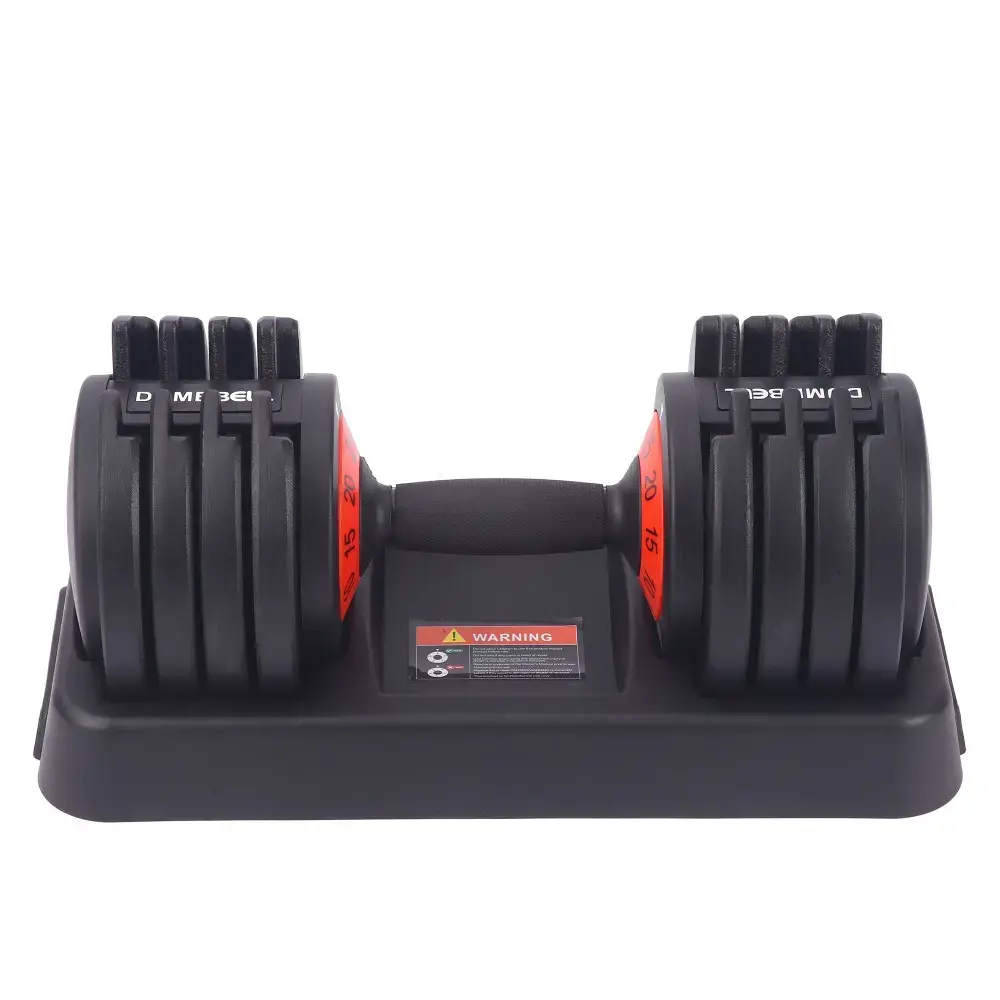
IV. A Corrosion Resistance Selection Checklist for B2B Buyers
As a wholesaler or buyer, you cannot send every batch of goods for salt spray testing. So how to judge whether the corrosion resistance of a batch of dumbbells is up to standard? Here is a practical checklist for you:
| Inspection Dimension | Qualified Standard | Pitfall Avoidance Guide |
|---|---|---|
| Salt Spray Test Report | Ask the manufacturer for a third-party test report; do not trust verbal commitments | |
| Electroplating Thickness | Chrome plating ≥ 10 microns | Randomly spot-check with a thickness gauge; those below 8 microns are prone to rust |
| Spray Adhesion | Cross-cut test, no edge peeling | Scratch the hidden area with a key; no paint peeling is considered passing |
| Rubber Coating Sealing | Tight fit between rubber coating and metal, no gaps | Press the edge of the rubber coating hard to see if bubbles can be pressed out |
| Weld Treatment | Welds are covered with additional coating | Welds are the most prone to rust and must be checked carefully |
Data Support: We have counted after-sales records in the past three years. Among the returned dumbbells, 67% were due to "rust" or "coating peeling." Among these rust cases, 85% occurred in "protective dead corners" such as welds, logo engraving depressions, or rubber coating seams.
V. One-Sentence Summary
Going back to the question of the Southeast Asian client at the beginning: Why did the same batch of goods have no issues in China but rust in Malaysia? The answer is simple—different climates require different corrosion resistance of dumbbells. If you sell electroplated dumbbells that only passed a 6-hour salt spray test, they may last three years in inland northern China, but in tropical coastal areas, rust spots within half a year are a high-probability event.
So next time you select products, don’t just ask "how heavy" or "how much." Ask one more question: How many hours was the salt spray test conducted? Spending these extra tens of seconds may save you a whole year of after-sales troubles.
The corrosion resistance of dumbbells is not an illusory technical indicator; it directly determines how long your customers can use them and how far your reputation can spread.
FAQ Section: Answers to High-Frequency Industry Questions
Q1: How to judge if the dumbbells in hand are really "rust-proof"?
A1: Here’s a simple method: wrap the dumbbells with a wet towel, seal them in a plastic bag for 48 hours, and take them out to check for rust spots. Although this method is not rigorous, it can simulate the harshest high-humidity environment. A serious manufacturer will let you try this, while a guilty manufacturer will find various reasons to refuse.
Q2: If a rubber-coated dumbbell rusts, can it be disassembled for treatment?
A2: It depends on the situation. If the rubber coating is detachable (e.g., fixed with screws at both ends), disassemble it for cleaning and then reassemble. If the rubber coating is injection-molded in one piece, it cannot be reassembled once disassembled. It is recommended to replace it directly—internal rust of a rubber-coated dumbbell indicates that the seal is broken, and continued use will only make the rust worse.
Q3: As a wholesaler, how to explain to downstream customers that "different prices mean different rust resistance"?
A3: Here’s a reference script: "Cheaper electroplated dumbbells have a thin rust-proof layer, suitable for indoor use in dry areas; more expensive ones have undergone multiple rust-proof treatments and can last longer in humid environments. Just like buying a car, the chassis protection for urban commuting and off-road needs is not at the same level." Let customers choose according to the actual conditions of their region, rather than just pressing for lower prices.
Meta Description
How to test dumbbell corrosion resistance? Is 12 hours of salt spray test enough? This guide compares the rust resistance of three processes (electroplating, powder coating, rubber coating), provides dumbbell usage and maintenance tips in humid environments, and offers a complete selection and pitfall avoidance guide for B2B buyers to reduce return rates and improve end-user reputation.
Core Keywords
dumbbell corrosion resistance, salt spray test standard, electroplated dumbbell rust prevention, dumbbell maintenance in humid environment, rubber-coated dumbbell rust treatment, fitness equipment B2B procurement, dumbbell surface treatment process comparison