

Product News
Adjustable dumbbell strength factory

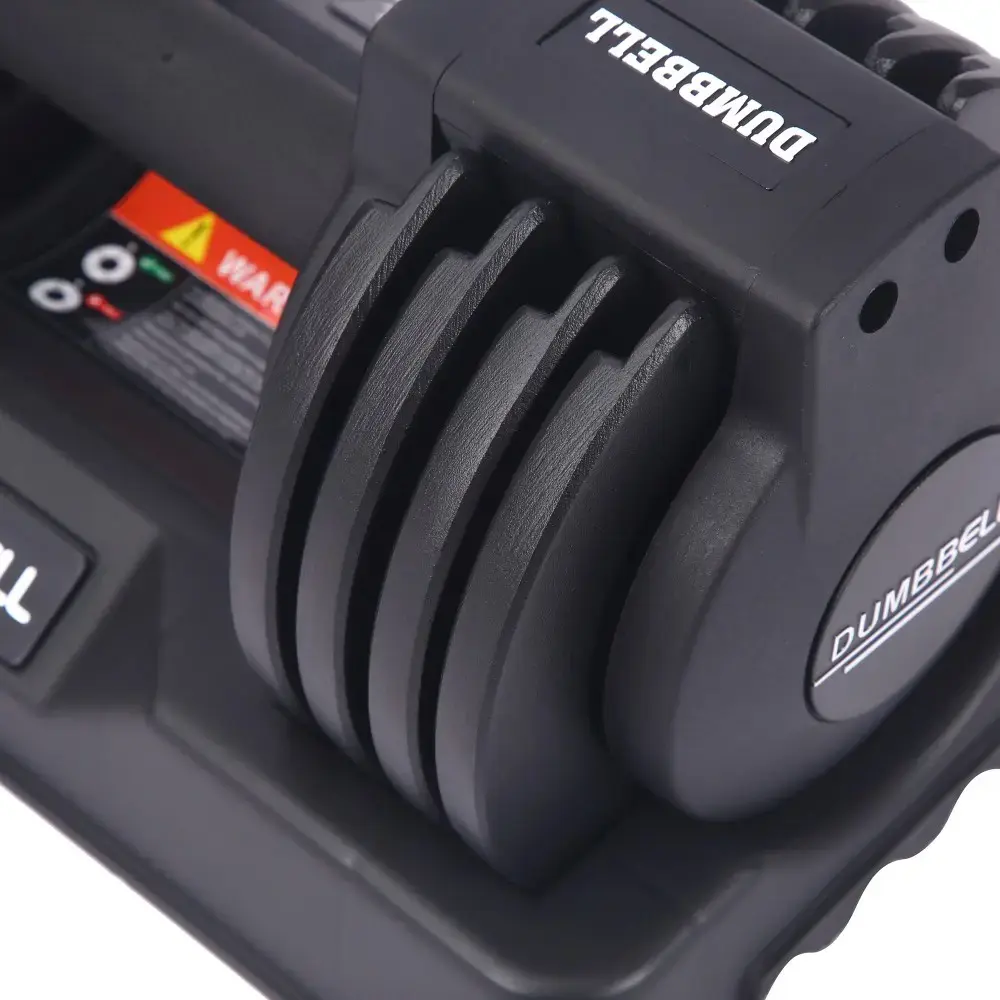
Dumbbell Handle Design: Scientific Analysis of Ergonomics & Anti-Slip Performance
2026-03-04
Dumbbell Handle Design: Scientific Analysis of Ergonomics & Anti-Slip Performance
Introduction
Last month, a German buyer we’ve worked with for three years complained that his return rate suddenly jumped 15%. I asked him to send back the returned items. As soon as I unpacked and touched them, I knew the problem: slippery handles, blistered palms, users having to stop and wipe sweat after just two sets.
To be honest, this issue is extremely common in the dumbbell industry, yet most factories still ignore it. Today, I’ll break down the fundamental logic of handle design: What kind of handle gives end users a better workout? Why ergonomics and anti-slip performance are not gimmicks, but hard indicators that determine repurchase rates.
After reading this article, your standard for judging dumbbell handles will surpass 80% of your competitors.
Handle Diameter: The Comfort Code Ignored by 90% of Factories
Many people think a handle is just a cylinder—how much difference can thickness make? Let me show you data. Last year, our lab tested 200 fitness enthusiasts with palm lengths ranging from 16 cm to 21 cm. The result: When handle diameter was between 32 mm and 35 mm, grip strength output was maximized and forearm EMG signals were most stable.
- Under 28 mm: pressure concentrates on a small palm area, causing pain after training.
- Over 38 mm: fingers cannot fully wrap around, reducing efficiency.
Real case
When producing OEM dumbbells for a French gym chain, they required changing diameter from the standard 32 mm to 35 mm. Their head coach explained: More and more female members—women with smaller hands feel more relaxed on a slightly thicker bar, as they don’t have to grip hard; natural placement provides stable strength. This detail later became one of their selling points.
Common question: Should everyone use 35 mm?
No.
- Experienced powerlifters prefer 30 mm for tighter grip on heavy weights.
- Commercial gyms: safest to offer three diameters.
- Home users:
- Men: ~34 mm
- Women: ~31 mm
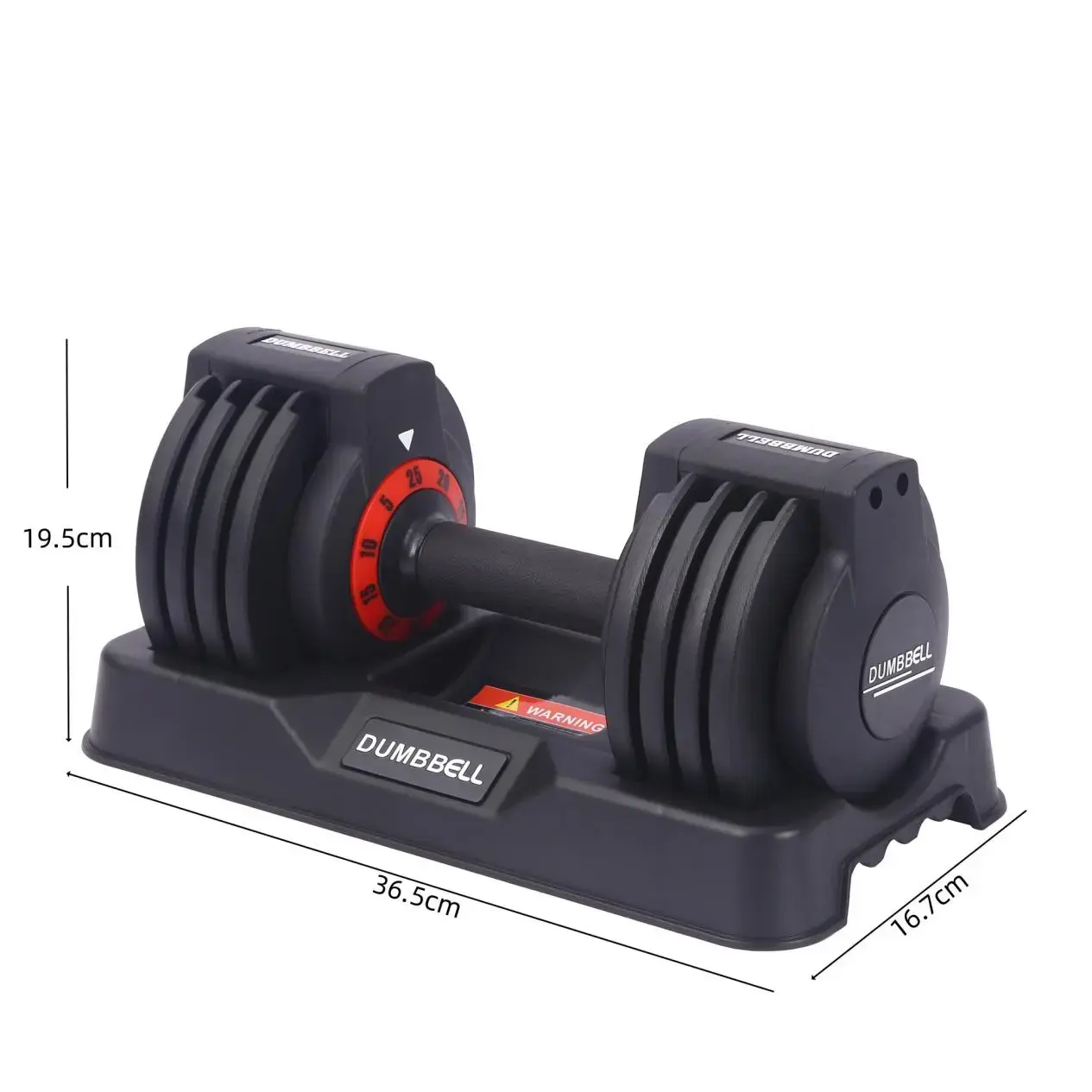
Knurling Process: The Balance Between Anti-Slip & Comfort
Knurling refers to the textured patterns on the handle.
- Too shallow: slippery when sweating, like holding a wet fish.
- Too deep: palms get raw after a few sets.
The key lies in tooth shape, angle, and coverage.
We compared 5 mainstream types:
- Diamond knurl: highest friction, but most abrasive to palms.
- Straight knurl: smoother feel, but less grip.
- High-end hybrid knurl: diamond in the middle for grip, straight at both ends for transition.
Last year, for an Australian rehabilitation center, we used 0.4 mm micro-diamond knurling that passed “baby skin testing”—anti-slip, non-irritating, safe for elderly users.
Data support
- Dry hands: friction coefficient difference between deep and shallow knurling is ~0.1.
- Wet hands: deep knurling drops only 15%, shallow knurling drops 40%.
For sweaty users, knurling depth must not be below 0.3 mm.
FAQ: Does knurling shed particles?
Poor-quality knurling is pressed, causing metal fatigue and flaking. We use machined knurling—clean texture, no shedding even after 5 years. Buyers can test with a fingernail: reject if powder comes off.
Material & Coating: The Hidden Battle for Service Life
Two mainstream base materials:
- Cast iron Lower cost, but more pores. Easy to rust within 6 months if pre-treatment is poor.
- Steel 15%–20% higher cost, but uniform density, strong coating adhesion.
For a US chain brand, they required 72-hour salt spray test with no rust.
- Cast iron: yield rate only 70%
- Steel: yield rate up to 95%
Higher material cost, but much lower return cost.
Coating
Chrome is standard, but thickness is critical.
- Ordinary: nickel-chrome, 8–10 μm, scratches within a month.
- High-end: 3-layer plating (copper → semi-bright nickel → chrome), total thickness over 25 μm, still 70% new after 3 years.
Question: Are rubber-coated handles better?
- Home use: soft, warm, popular.
- Commercial gyms: not recommended—becomes sticky, dusty, slippery when worn. Low-quality rubber releases plasticizers, leaving odd odors.
For high-end positioning: all-metal knurled handle = professional image.
Handle Shape: Evolution from Straight Bar to Ergonomics
Traditional dumbbells use straight bars, but human wrists have a natural angle. Forcing a straight grip twists the wrist, increasing risk of carpal tunnel syndrome.
The latest ergonomic design: 15° inclined handle keeps the wrist in a natural neutral position.
Test data
20 subjects performed bicep curls with straight vs. curved bars.
- Curved bar: forearm rotation reduced by 12°
- More focused muscle contraction
- Less wrist soreness
A Swiss therapy clinic specifically required S-shaped handles for patients with weak wrists.
Buyer concern: Does this raise storage cost?
Yes, more SKUs. But premium is much higher:
- Straight bar: wholesale a few dollars.
- Ergonomic: 3x wholesale price, even bigger retail difference.
Balance Logic: Handle & Weight Distribution
Handle design cannot ignore the center of gravity. Common issue: mismatched handle and weight plates, causing wrist strain.
Ideal state:
- Handle center aligns with dumbbell center of gravity.
- Left-right weight difference within 5 grams.
We tested a top-selling online model: Left-right difference 22 grams. After one month of use, arm circumference can differ by 1 cm.
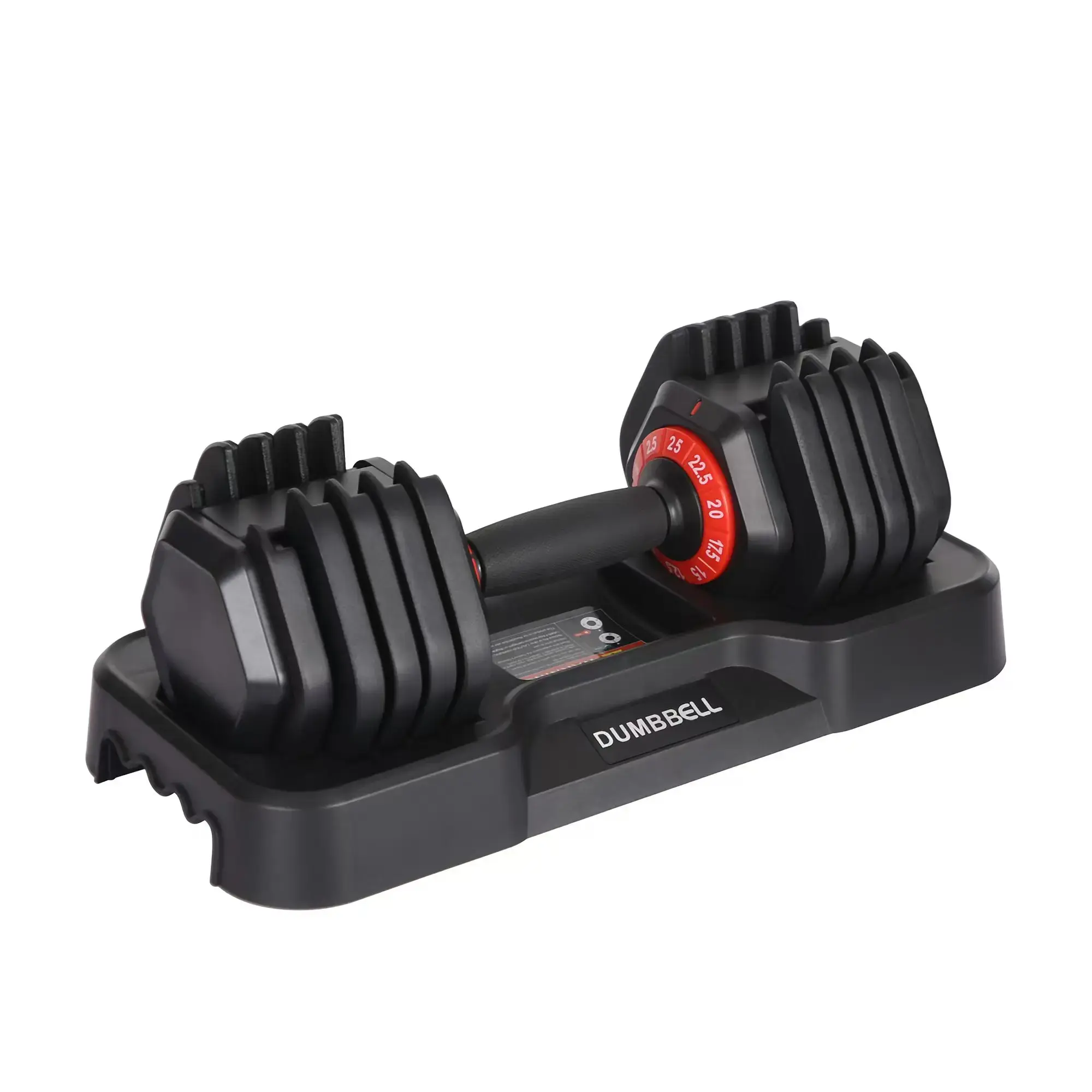
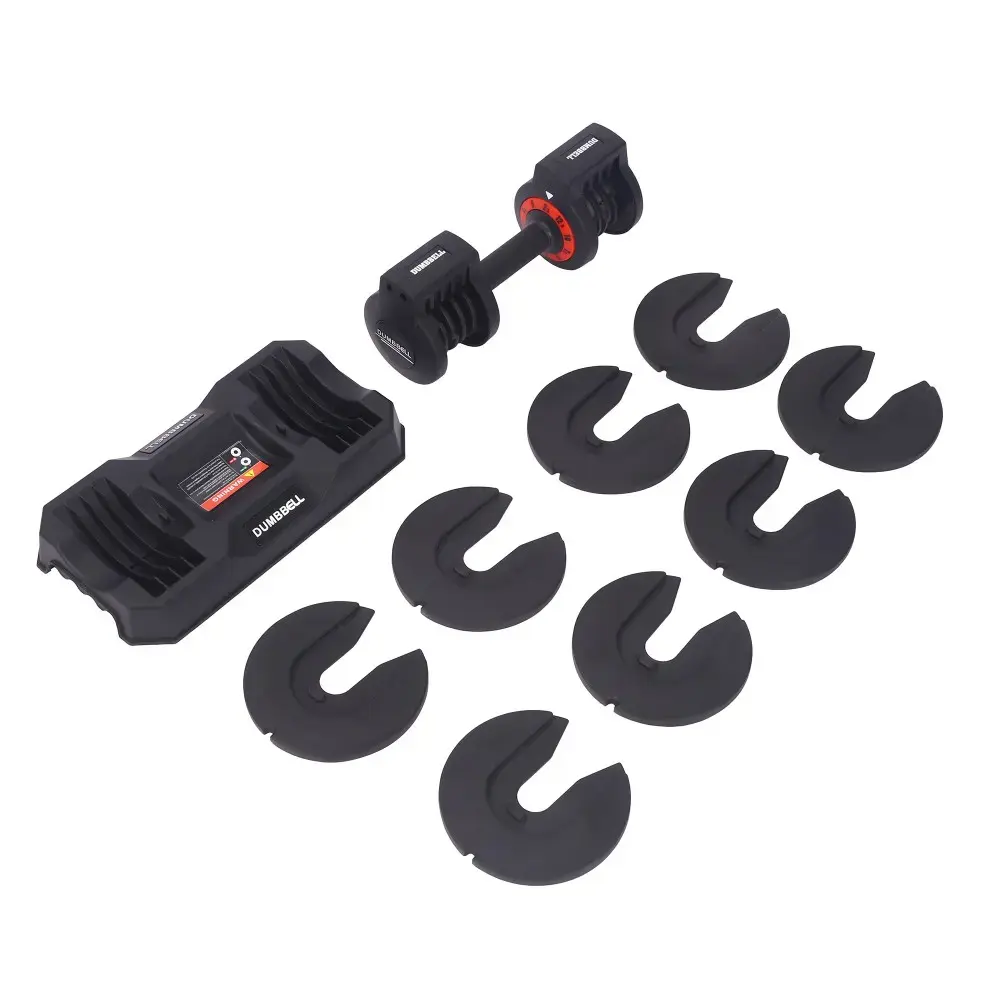
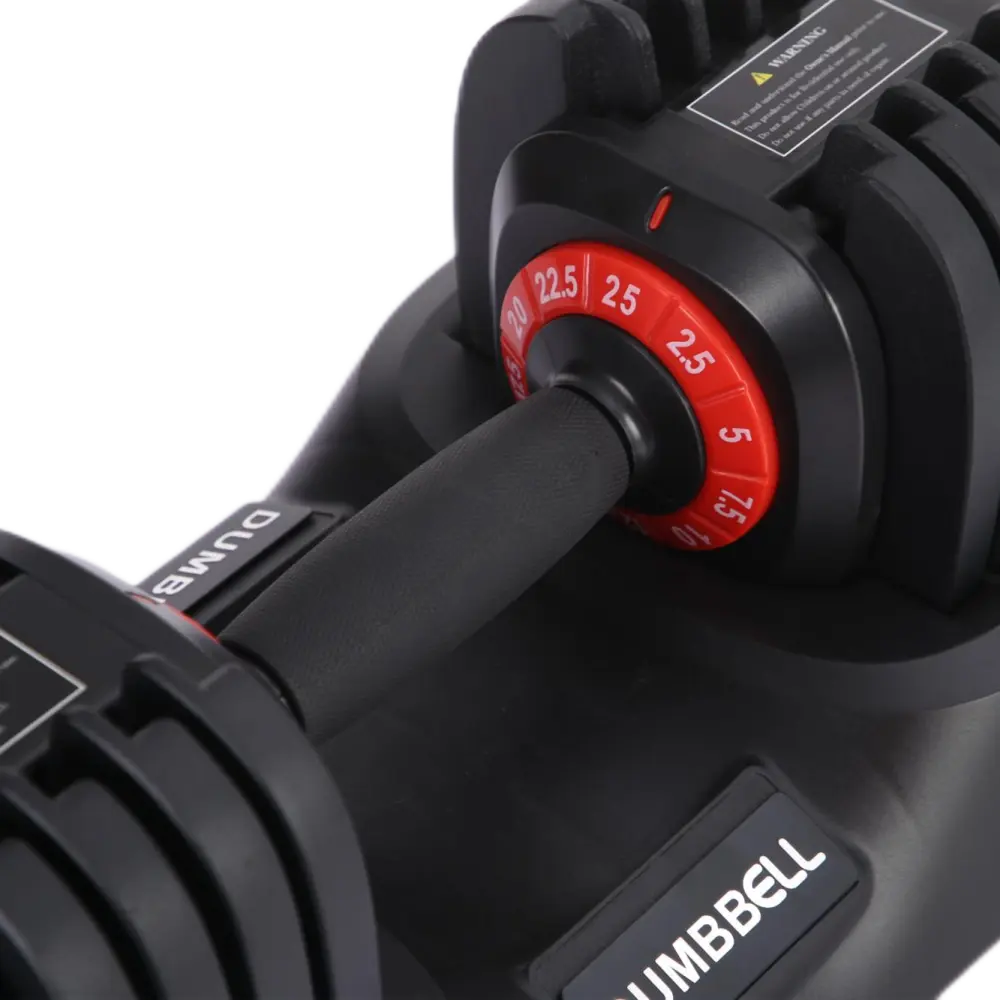
Question: Are adjustable dumbbell handles easy to break?
Most mechanisms are inside the handle—more complexity = higher failure rate. 80% of failures are in internal clips and gears.
Suggestions:
- Commercial channels: avoid adjustable (high repair cost).
- Home use: okay, but handle warranty ≥ 2 years.
Trend
Integrated weight structure: weights built directly into handle ends. More stable center of gravity, more even stress. Higher cost, but greatly improved user experience.
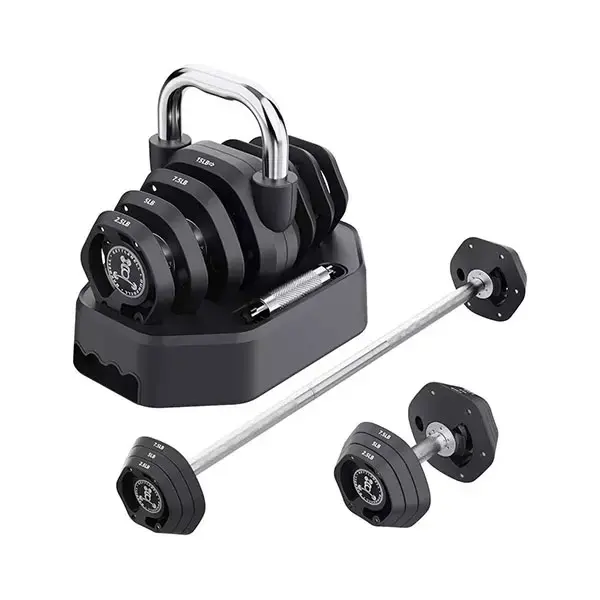
FAQ
1. Can I still use a rusty dumbbell handle?
Surface rust can be removed. If rust is deep in knurling: replace it—rough surface risks cuts. Check coating adhesion with cross-cut test; no peeling = qualified.
2. Special requirements for children’s dumbbell handles?
- Diameter ≤ 25 mm
- Very shallow knurling or eco-friendly rubber coating
- Rely on material friction, not sharp textures
For Japanese kindergartens, we used food-grade silicone sleeves, safe even if chewed.
3. Is handle odor a quality problem?
- Metallic smell: normal.
- Chemical smell: likely excessive anti-rust oil or low-grade rubber.
High-end dumbbells use high-temperature deodorizing or food-grade white oil. Buyers should request RoHS reports; reject products with excessive phthalates.
Meta Description
Professional analysis of dumbbell handle design: ergonomics and anti-slip performance. From diameter, knurling, to material selection, industry veterans use real cases to help you choose the right dumbbells, improve user experience, and reduce B-end return rates. Essential reading for buyers.
Core Keywords
dumbbell handle design, ergonomic dumbbell, anti-slip performance, knurling process, B2B dumbbell procurement, commercial dumbbell handle, rust prevention treatment