

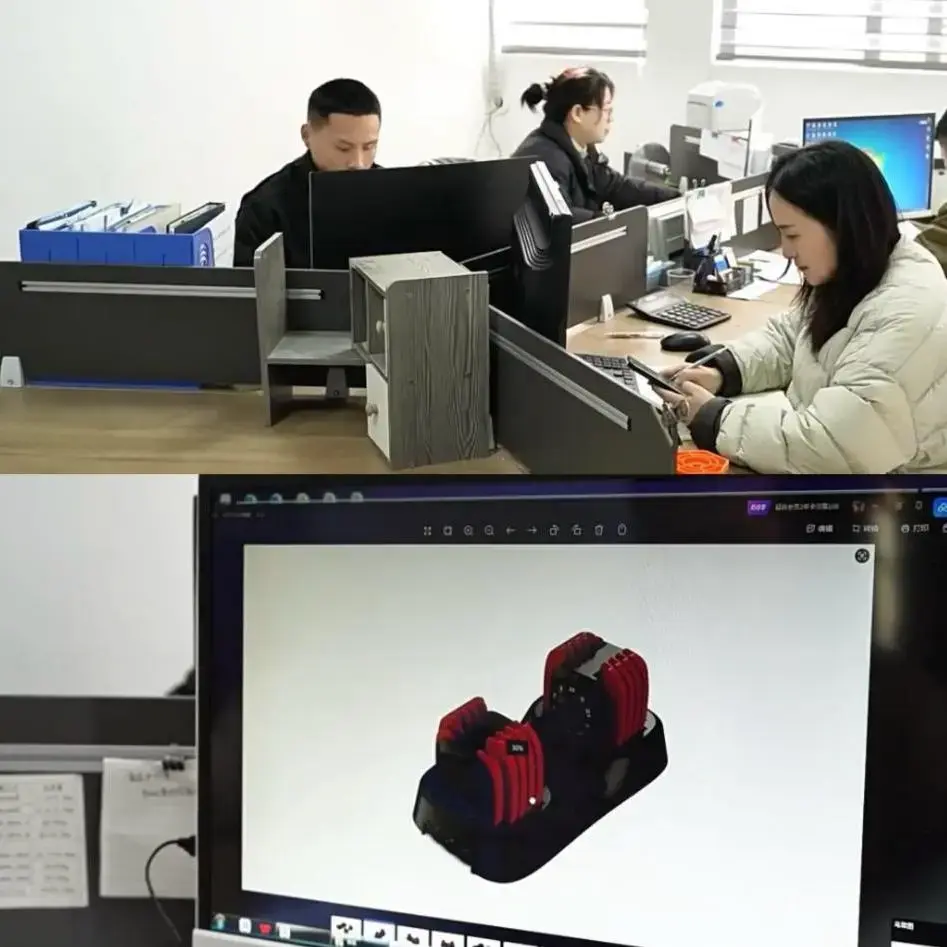
Adjustable dumbbell strength factory
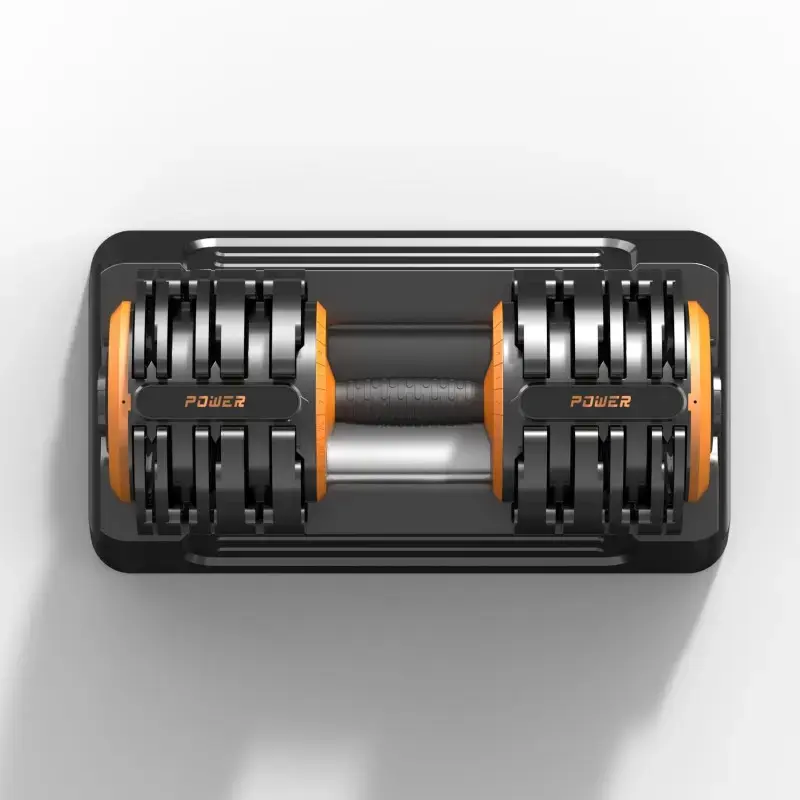
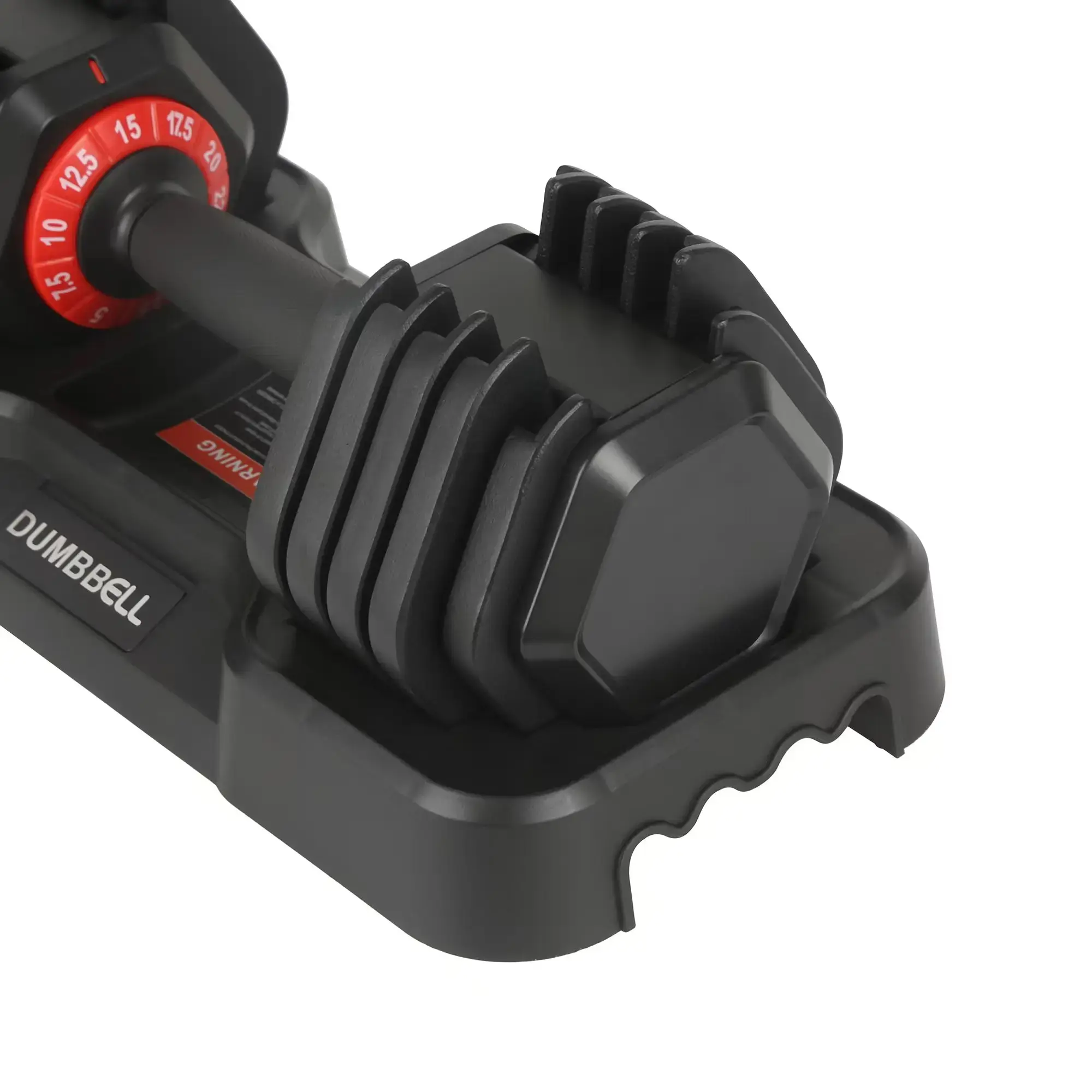
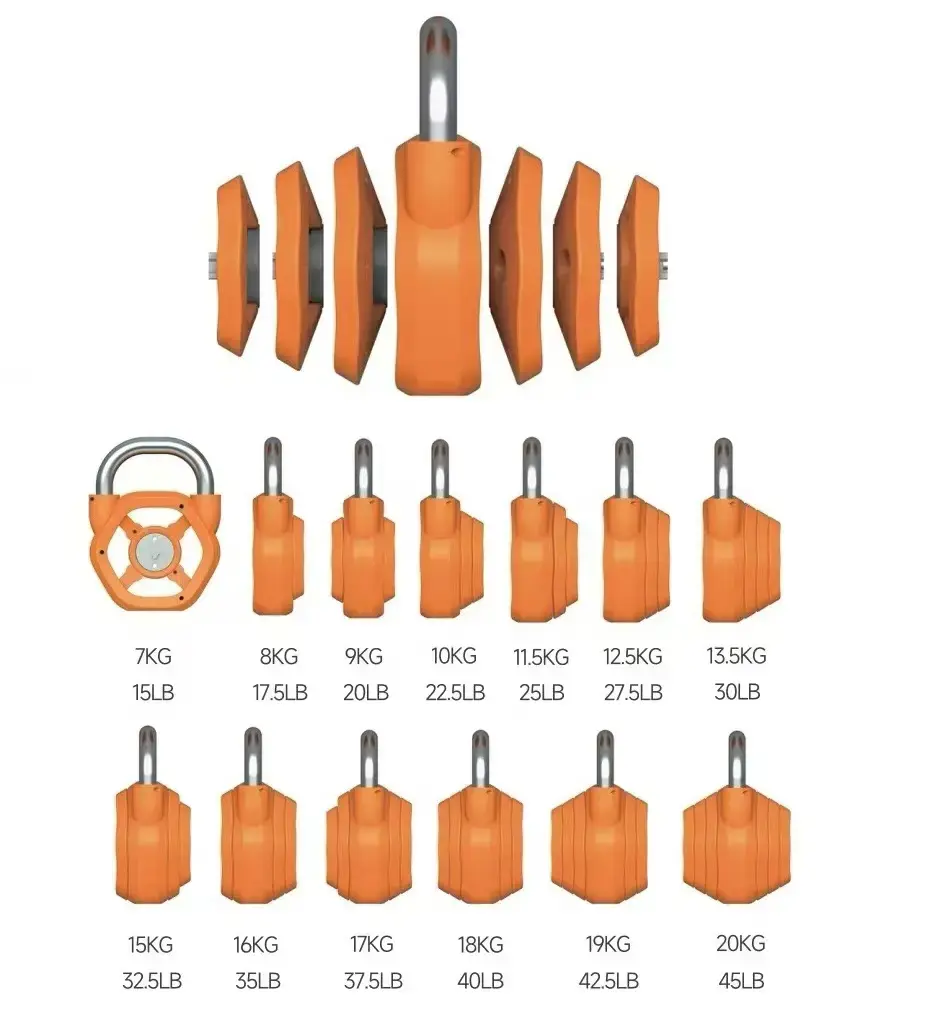
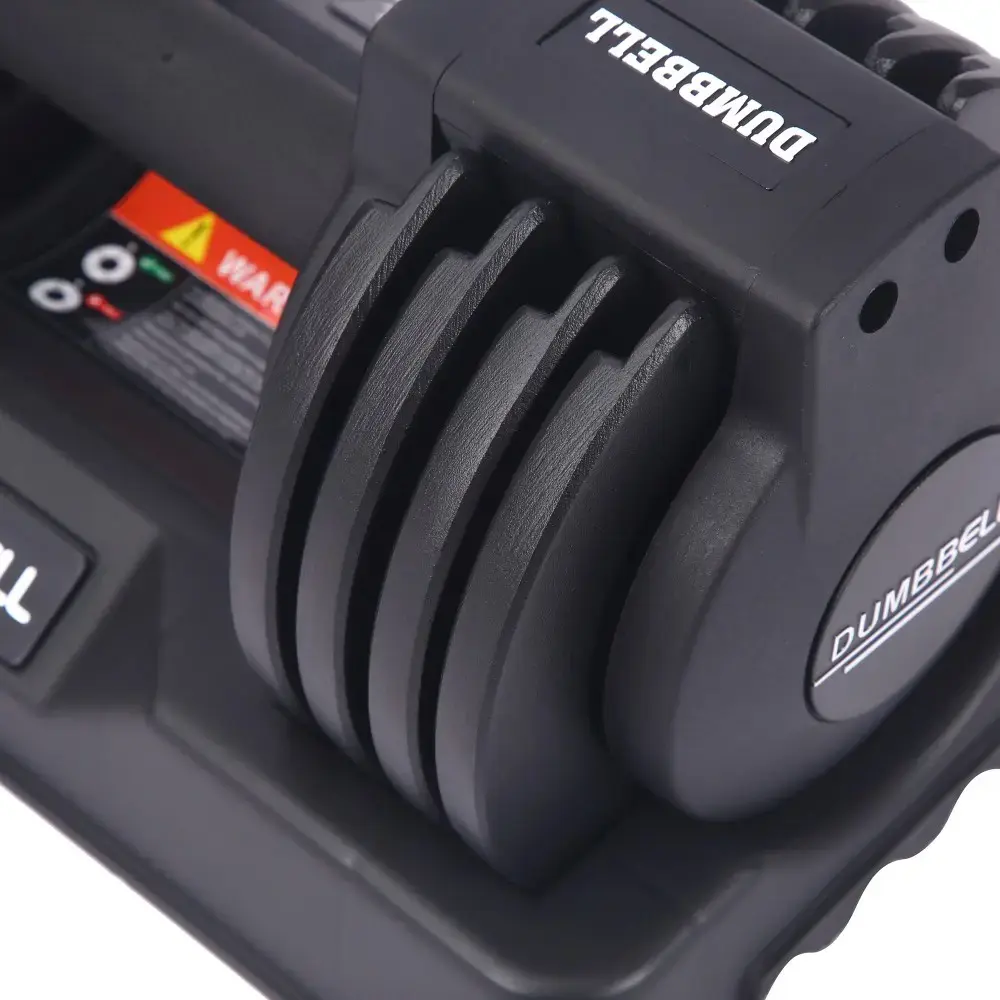
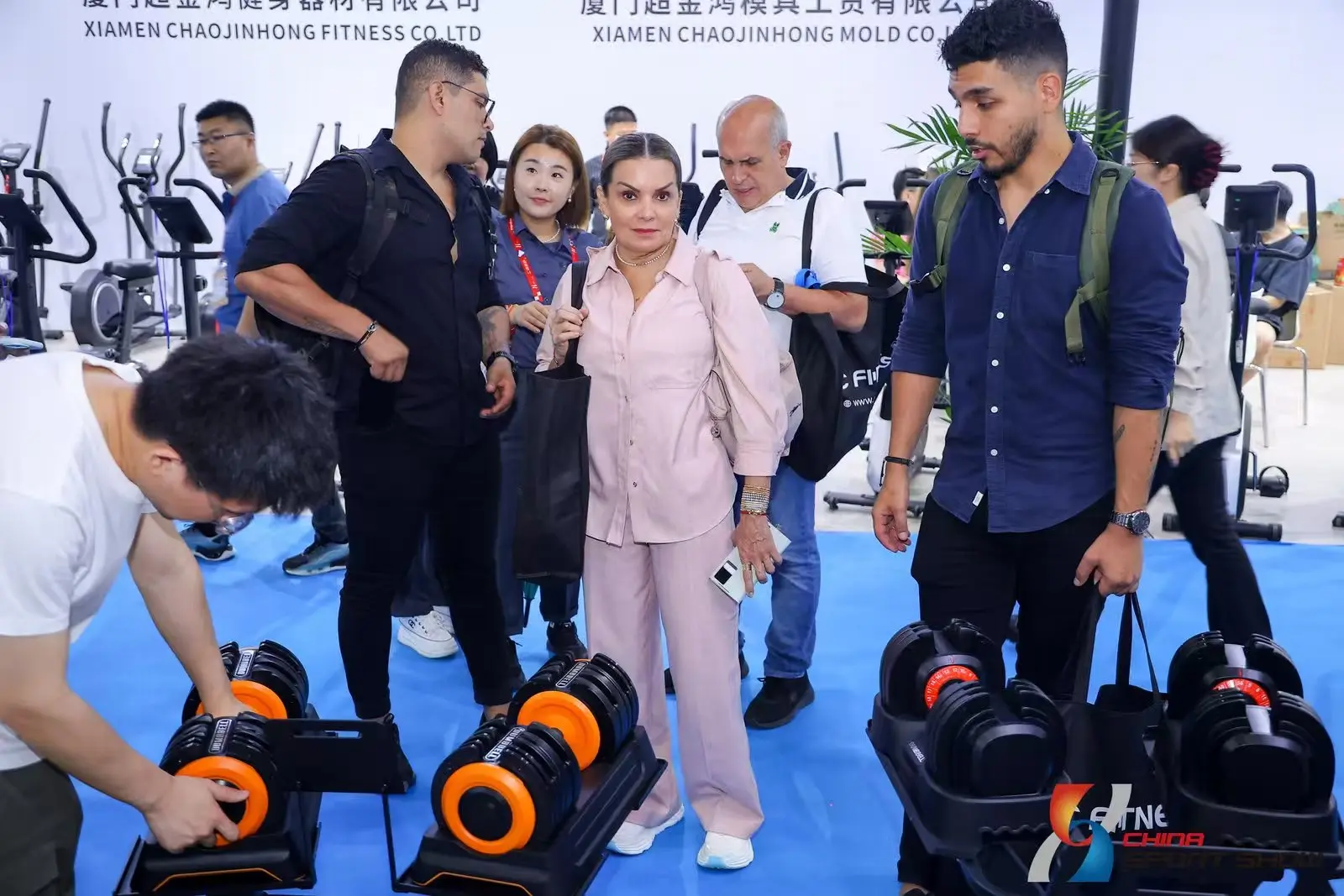
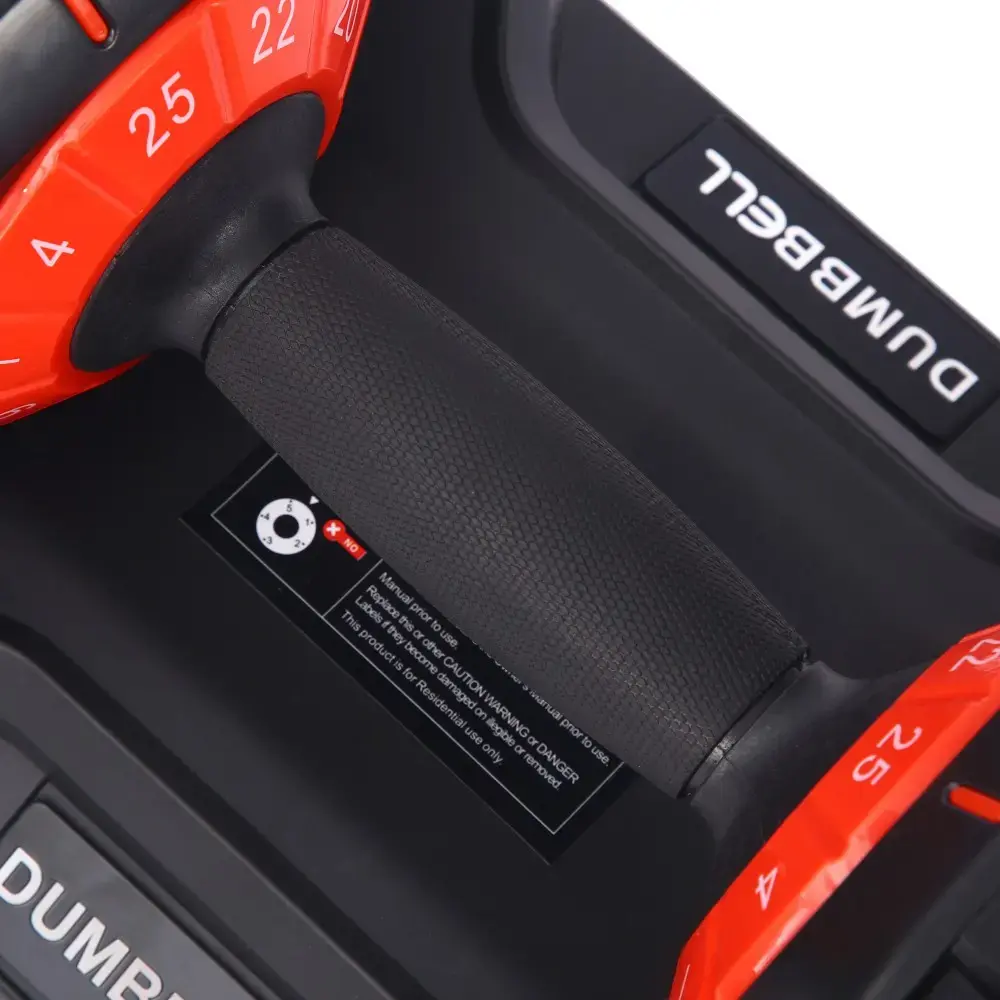
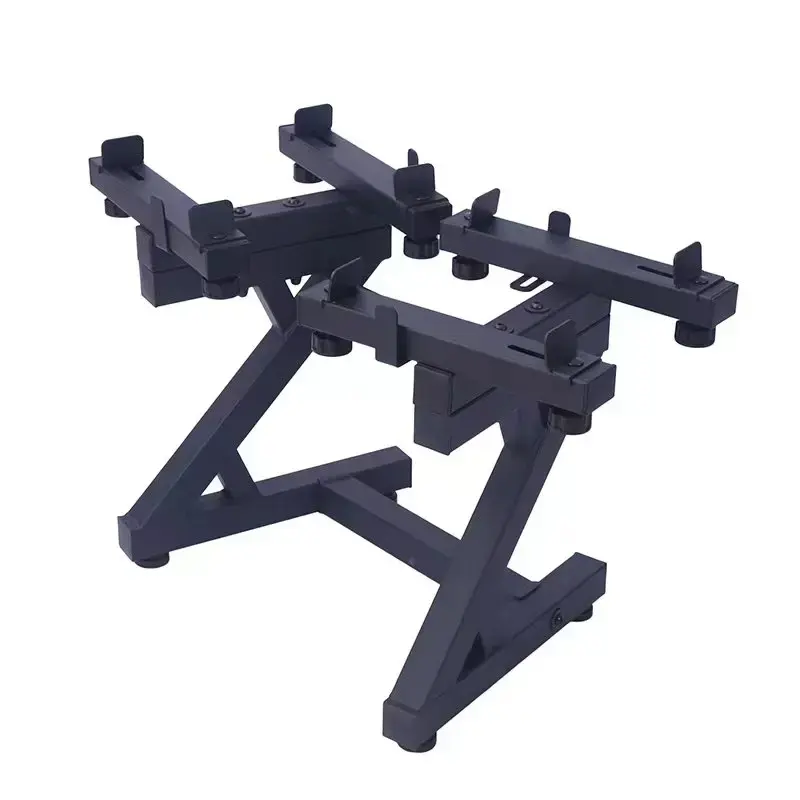
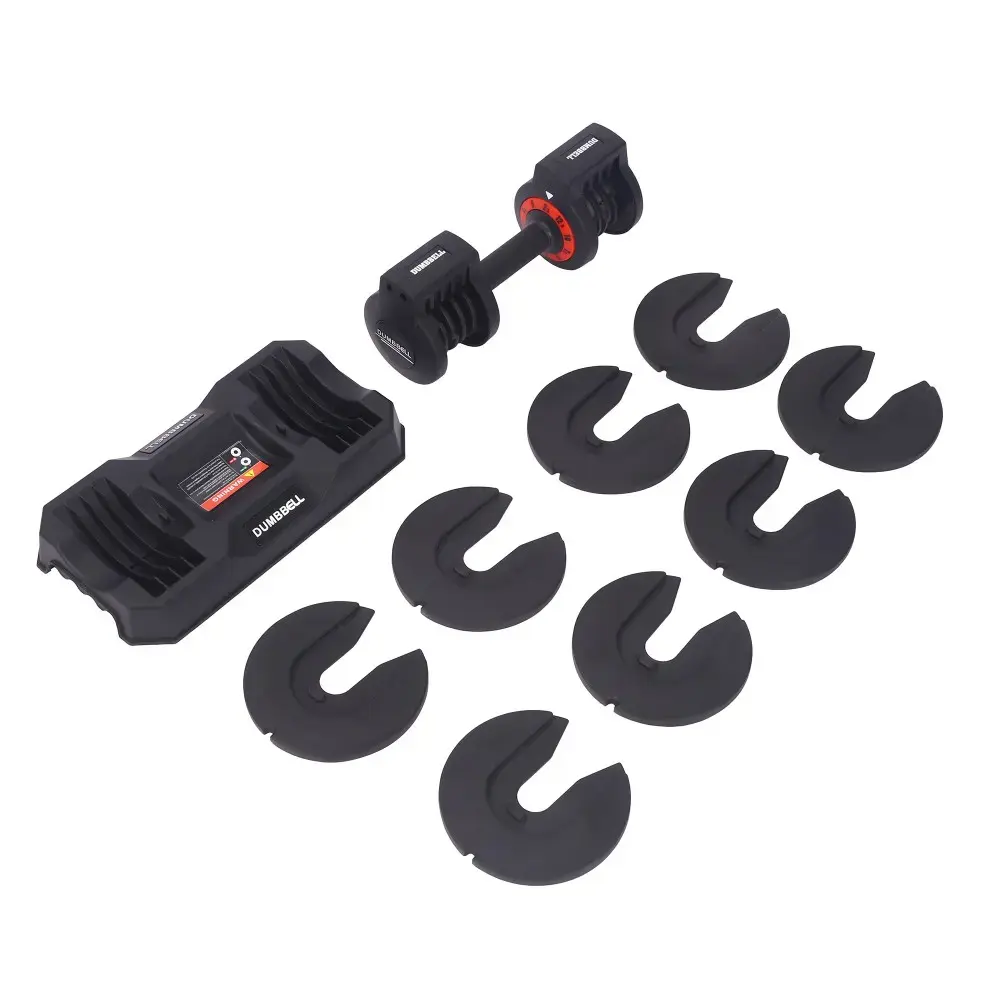
Dumbbell Sample Testing Standards: 10 Key Performance Metrics Inspection Methods
Dumbbell Sample Testing Standards: 10 Key Performance Metrics Inspection Methods
When sourcing dumbbells cross-border, do you sign contracts the moment samples arrive? Many B2B buyers have suffered heavy losses by overlooking details—only discovering weight mislabeling, poor grip feel, or rust susceptibility upon delivery. For end consumers, loose or squeaky dumbbells directly compromise the user experience. This article breaks down testing methods for 10 critical performance metrics, helping you establish reliable testing procedures to identify trustworthy suppliers. After reading, you'll avoid pitfalls and improve inspection efficiency. Read on for specific implementation steps.
I. Weight Accuracy Testing: Does Excessive Error Impact Pricing?
Weight is the core value of dumbbells. Significant measurement errors lead to inaccurate pricing.
We recommend using industrial-grade electronic scales with a precision of at least ±10g.
First weigh each dumbbell individually, then weigh the complete set. Take the average and compare it to the nominal value.
Case Study: A fitness equipment supplier in the Eastern U.S. tested a Chinese sample labeled as 20kg, but it measured 18.6kg.
After the bulk shipment arrived, end-users complained about “short weight,” causing the return rate to jump by 12%.
Question: Can manual weighing replace equipment for small sample quantities?
Answer: Not recommended. Manual weighing is prone to operator and environmental interference, compromising consistency.
Note: Material density variations affect finished product weight.
Cast iron tolerance should ≤2%; rubber-coated parts may allow slightly wider tolerance ≤3%.
Lock tolerance ranges before cross-border quoting to prevent settlement disputes.
II. Handle Diameter Compatibility: Does poor grip comfort impact repurchase?
Handles that are too thick or thin cause users to abandon equipment after brief use.
Measure mid-section diameter with a vernier caliper and conduct grip simulation tests.
Recommended ranges: 28-32mm for men, 24-28mm for women.
Case Study: European gym chain purchased Asian-style equipment with 34mm handles.
Members reported instability, leading to an 8% increase in three-month cancellation rates.
Question: Does the rubber coating interfere with diameter measurement?
Answer: Yes. Remove the surface layer or measure the metal base to ensure accurate grip diameter.
Practical Tip: Have target market users test grip comfort and record fatigue onset time.
Only when grip comfort aligns can repeat purchases and brand reputation be secured.
III. Surface Coating Durability: How to Detect Peeling/Rust Early?
In outdoor or high-humidity environments, coating failure halves product lifespan.
Conduct 48-hour salt spray testing to observe blistering and rust coverage.
For premium chrome plating or electrostatic powder coating, pass criteria: no red rust, blistering ≤5%.
Case Study: An Australian wholesaler skipped coating inspections, resulting in 30% of sea-freighted shipments arriving with flaking.
After-sales replacement costs consumed 15% of that season's profits.
Question: Does an intact appearance guarantee coating reliability?
Answer: Not necessarily. Internal weld points are prone to inspection oversight; cross-section sampling is required.
Recommend adding abrasion testing: no visible base material exposure after 50 sandpaper rubs.
This step is non-negotiable, especially for cross-border shipments via high-humidity, salt-fog routes.
IV. Structural Stability Testing: Can Looseness and Noise Be Prevented?
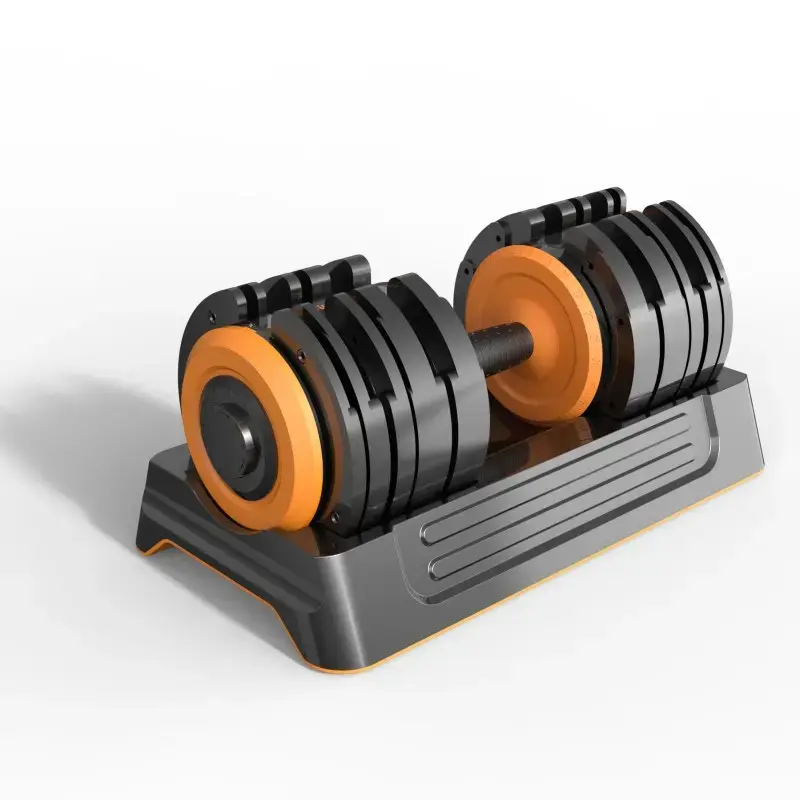
Loose dumbbell structures increase training risks and appear cheap.
For fixed models, inspect weld saturation and absence of burrs.
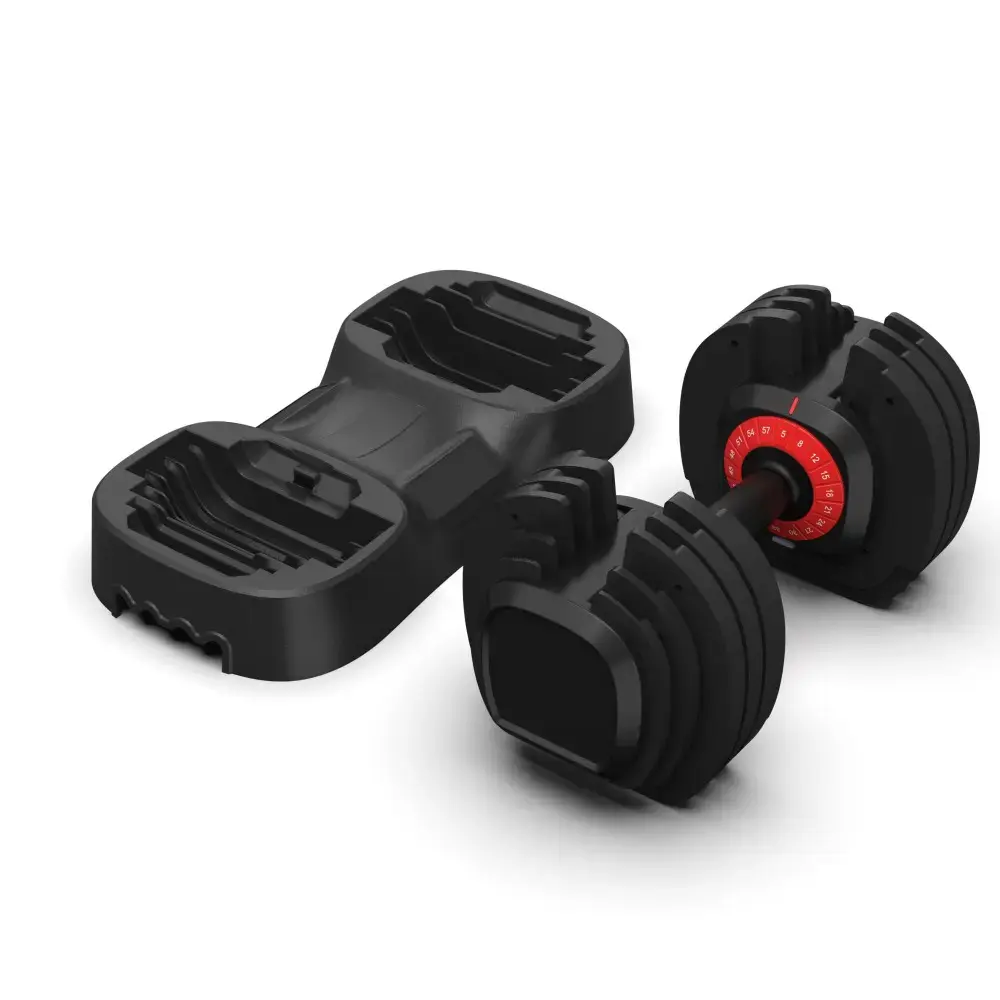
For adjustable models, focus on locking mechanisms—test by tightening 50 times without stripping threads.
Case Study: A Middle Eastern B2B client received goods from Southeast Asia where knobs loosened after one rotation.
Rework took two weeks, missing the store's new product launch window.
Question: Can structural stability be assessed by sound?
Answer: It can help. Crisp, uniform sounds indicate stability; muffled or irregular sounds signal potential issues.
Practical method: After assembly, suspend under static load for 10 minutes and observe displacement.
Adding this step to cross-border quality control can prevent 90% of basic errors.
V. Balance Testing: Can uneven weight cause wrist strain?
If dumbbells have uneven centers of gravity, prolonged use may injure wrists.
Simple method: Place on a flat surface and observe if they roll spontaneously.
For stricter testing, use a dynamic balancer; deviation ≤5mm is optimal.
Case study: A North American gym purchased unbalanced dumbbells, leading to client complaints of wrist soreness.
After switching brands, client retention increased by 11%.
Question: How to detect minor deviations imperceptible by hand?
A: Rely on instruments. Manual inspection detects only significant imbalances.
Note: Uneven rubber coating thickness can also cause false imbalance—assess comprehensively.
Proper balancing protects clients and reflects manufacturing quality.
Q1: Must cross-border inspections rely solely on third parties?
A: Third parties recommended for major orders. Small batch samples may use simplified in-house processes, but standardization is essential.
Q2: Must all 10 metrics be tested?
A: Depends on product positioning and use. Full testing recommended for high-end commercial products; entry-level household items may prioritize weight, structure, and coating.
Q3: Can suppliers be required to modify molds for failed tests?
A: Negotiable. However, assess lead times and costs. Ideally, lock standards during prototyping to minimize later changes.
When selecting dumbbells, don't rely solely on photos and promises. Master the testing methods for 10 critical performance indicators in dumbbell sample standards. Cross-border buyers, end consumers, and B2B clients can all speak with objective data. From weight to balance, from strict control to implementation, this process helps you eliminate most risks at the source and build trust through product quality. Whether requesting quotes or inspecting goods, remember the dumbbell sample testing standards: 10 key performance indicator testing methods ensure more stable partnerships and higher repeat purchases.
Meta Description:
Master the 10 key performance indicator testing methods in dumbbell sample standards. Cross-border buyers and B2B clients can accurately screen samples, avoid pitfalls, and reduce losses. This article provides practical testing methods and case studies to help you build a trustworthy inspection system, instantly improving procurement quality and closing deals.
Keywords:
Dumbbell sample testing standards; Dumbbell weight accuracy testing; Adjustable Dumbbell locking mechanism testing; Anti-rust dumbbell coating process; Home dumbbell grip design