
News
Adjustable dumbbell strength factory
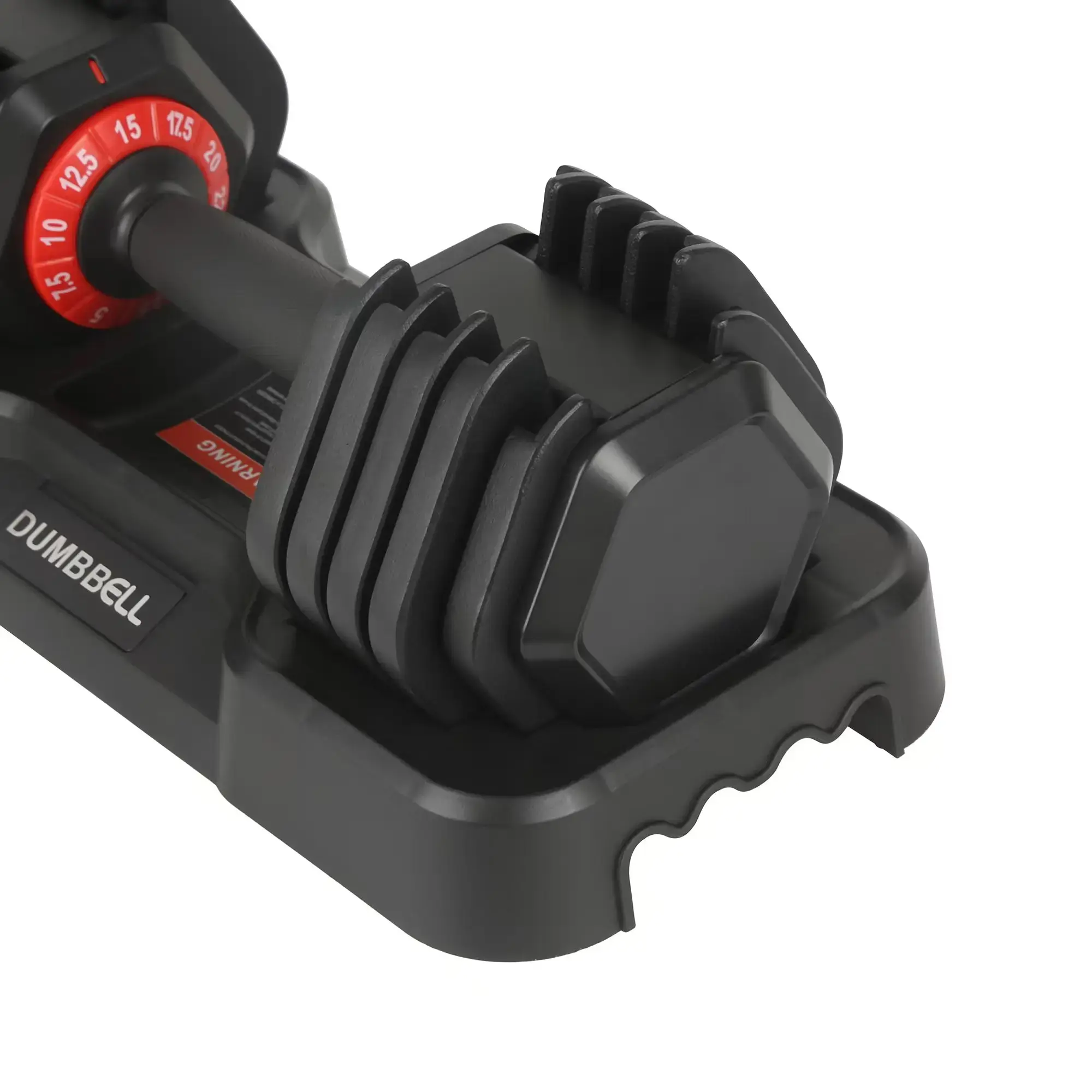

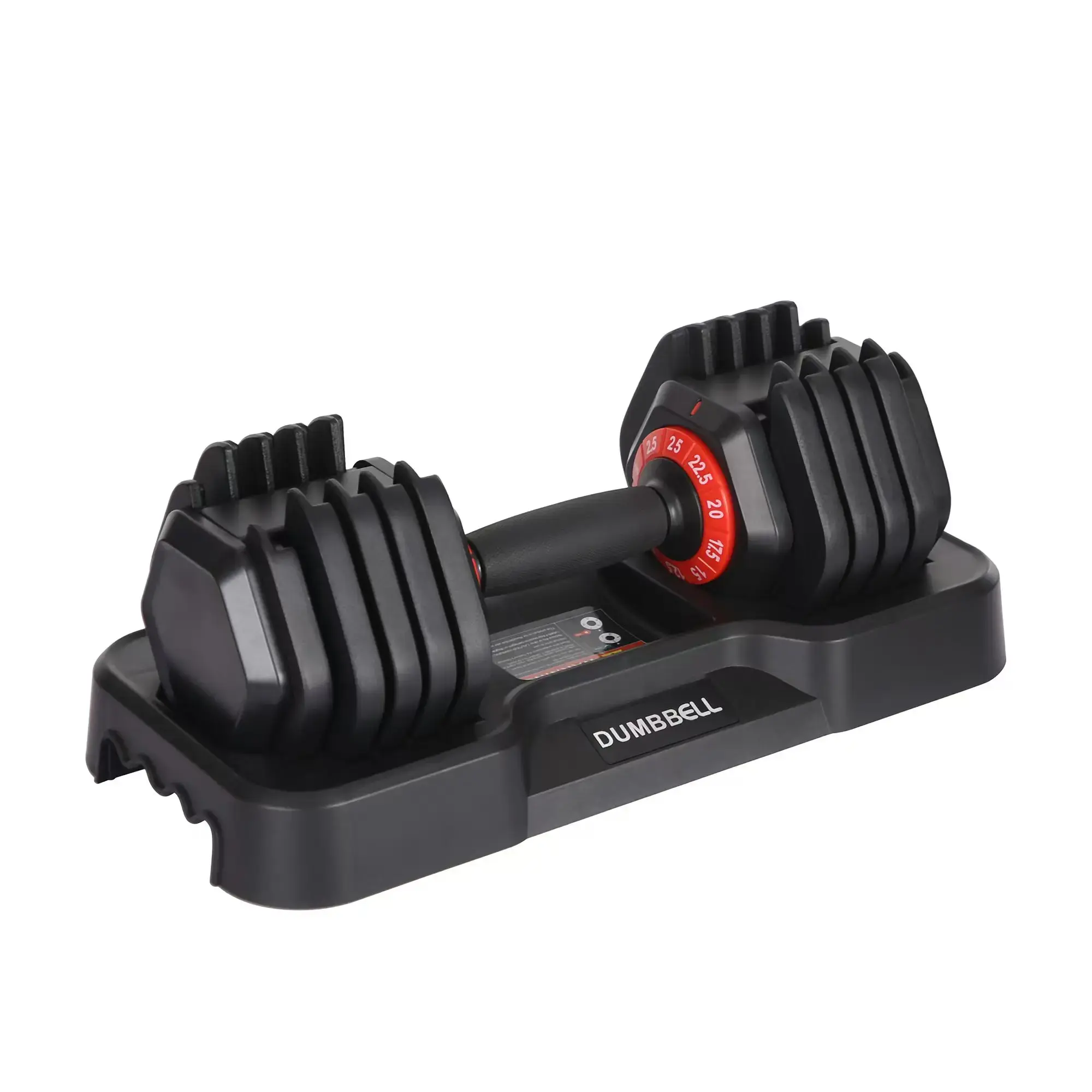

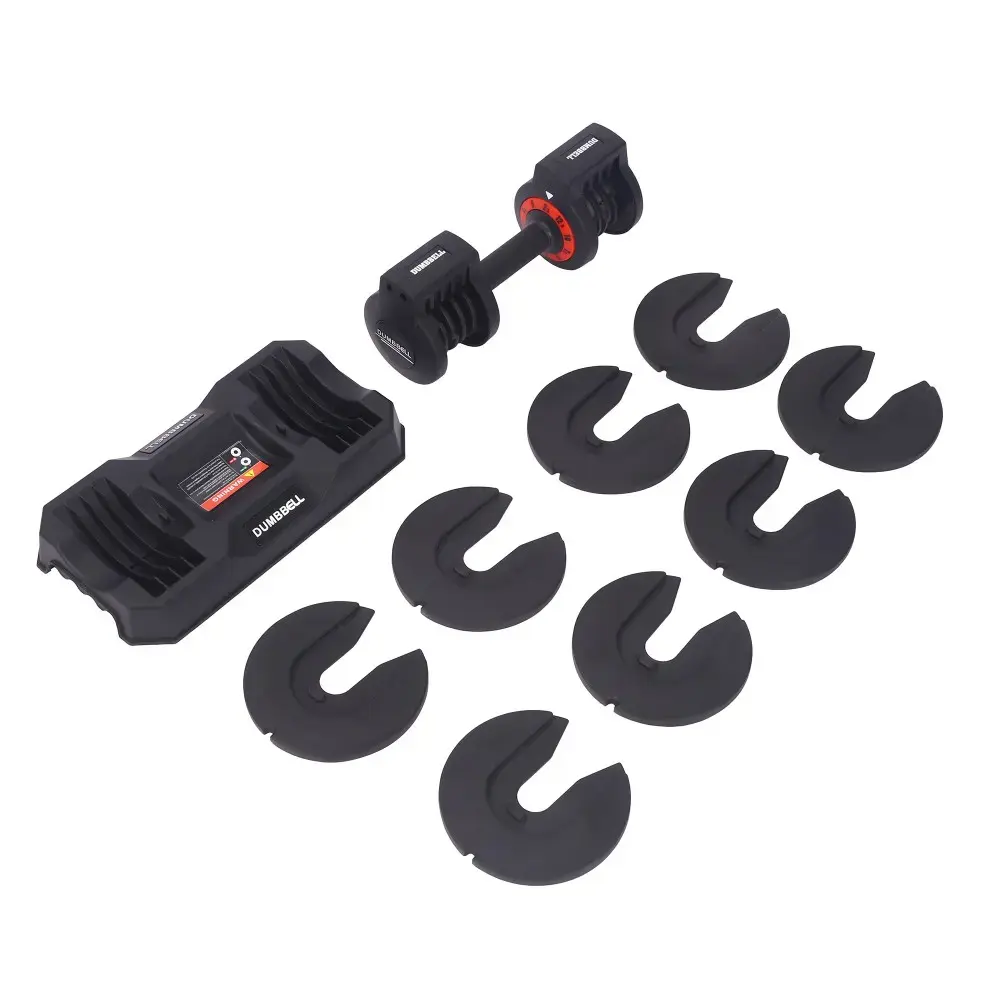
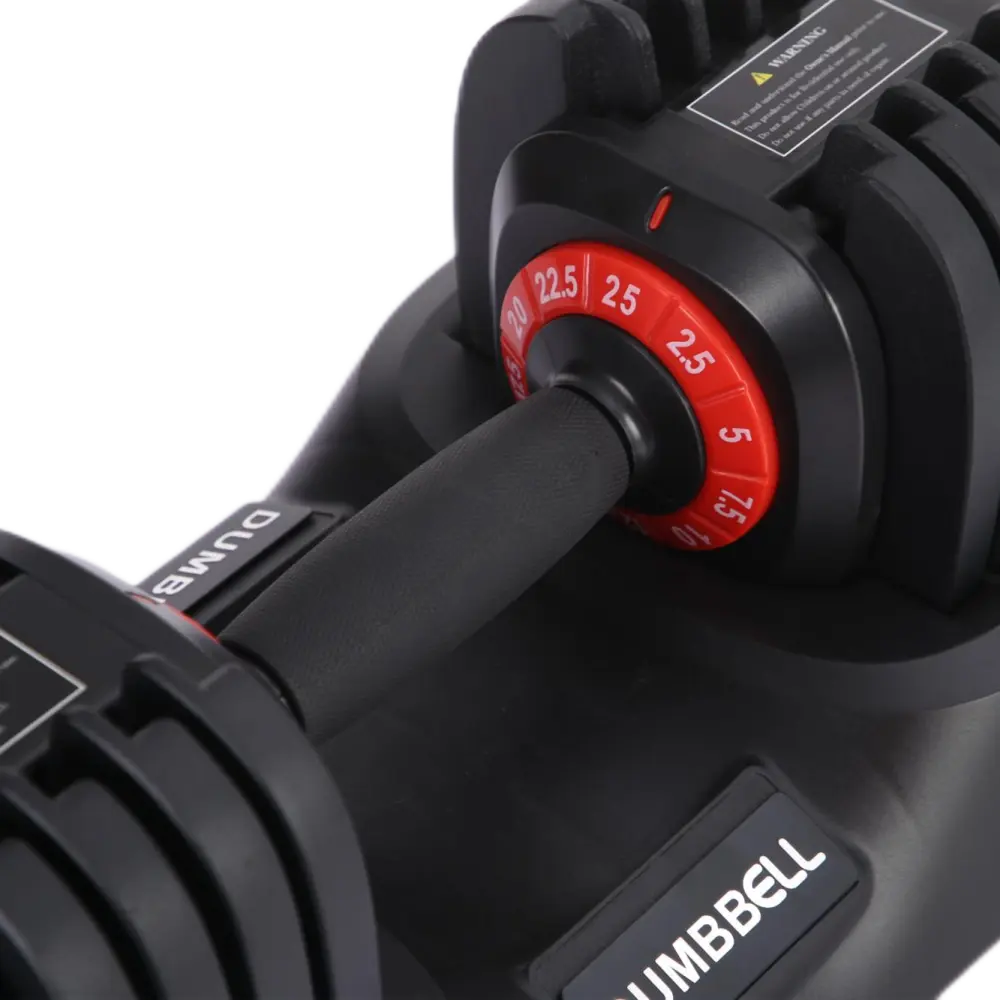
Factory Audit Guide: Which Workshops to Focus on When Visiting an Adjustable Dumbbell Factory?
2026-03-30
Factory Audit Guide: Which Workshops to Focus on When Visiting an Adjustable Dumbbell Factory?
As a fitness equipment buyer or brand, an on-site factory visit is a crucial step before confirming an Adjustable Dumbbell supplier. This not only relates to the quality of the products themselves but also involves the reliability of the supply chain, production compliance, and the potential for long-term cooperation. An excellent factory is not just a place to assemble products, but a complete quality system from raw materials to finished product delivery.
When you step into an adjustable dumbbell factory, an aimless visit often becomes a mere formality. To conduct an efficient and in-depth factory audit, you need to clarify your goals and focus on several key production areas that determine the core performance, safety, and durability of Adjustable Dumbbells. This article provides you with a clear guide on which workshops you must focus on during the visit and what to observe in these workshops.
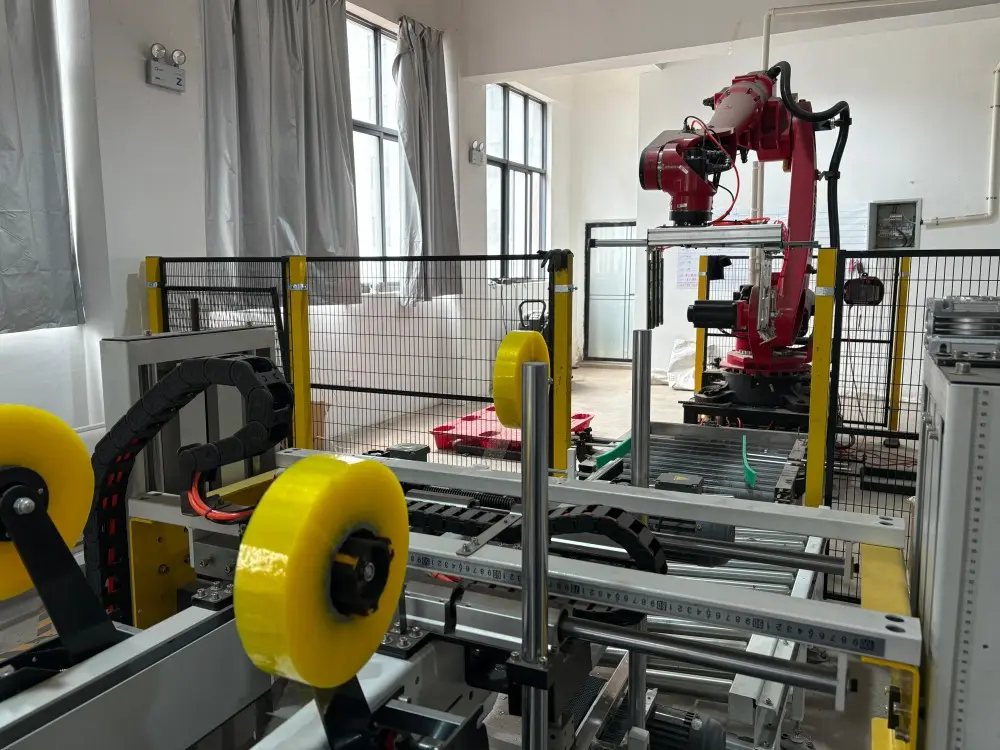
Why Is a Workshop Visit More Important Than Showroom Samples?
The adjustable dumbbells in the sample room may be sleek and fully functional. But the workshop is where the "manufacturing truth" lies. Here, you can see:
- Real Craftsmanship Level: Is the welding smooth and firm? Are there any defects on the electroplated surface? Does the adjustment mechanism operate smoothly?
- Quality Control System: Are there clear quality inspection points? How are defective products handled?
- Production Capacity and Efficiency: Is the production line smooth? Is the material flow orderly? This directly affects whether your orders can be delivered on time.
- Technical Strength: Are core components (such as adjustment gears and locking mechanisms) produced in-house or purchased externally? This determines the factory’s innovation and quality control capabilities.
Core Workshop 1: Casting and Machining Workshop (Start of Production)
This is the birthplace of dumbbell weight plates and core structural components. For iron adjustable dumbbells and kettlebells, the level of this workshop determines the "foundation" of the product.
Key Focus Points:
- Raw Material Management: Observe whether the incoming cast iron or steel has clear labels and quality inspection reports. Are the raw materials stacked neatly and rust-proof?
- Casting Process: If casting is done in-house, check the precision and wear of the molds. Is the surface of the cast blank relatively flat, and are the flash and burrs severe? This directly affects subsequent processing efficiency and finished product appearance.
- Machining Precision: This is the key to Adjustable Weight Dumbbells. Pay attention to the Computer Numerical Control (CNC) machines used to process adjustment tooth grooves, connection holes, and handle interfaces. Ask about the machining precision (tolerance range) and observe the dimensional consistency and surface finish of semi-finished components. High-precision machining is the foundation for ensuring smooth operation of the adjustment mechanism without shaking or abnormal noise.
- First Article Inspection: Check if there are re
- cords or actions for measuring the dimensions of the first processed part at the start of the production line.
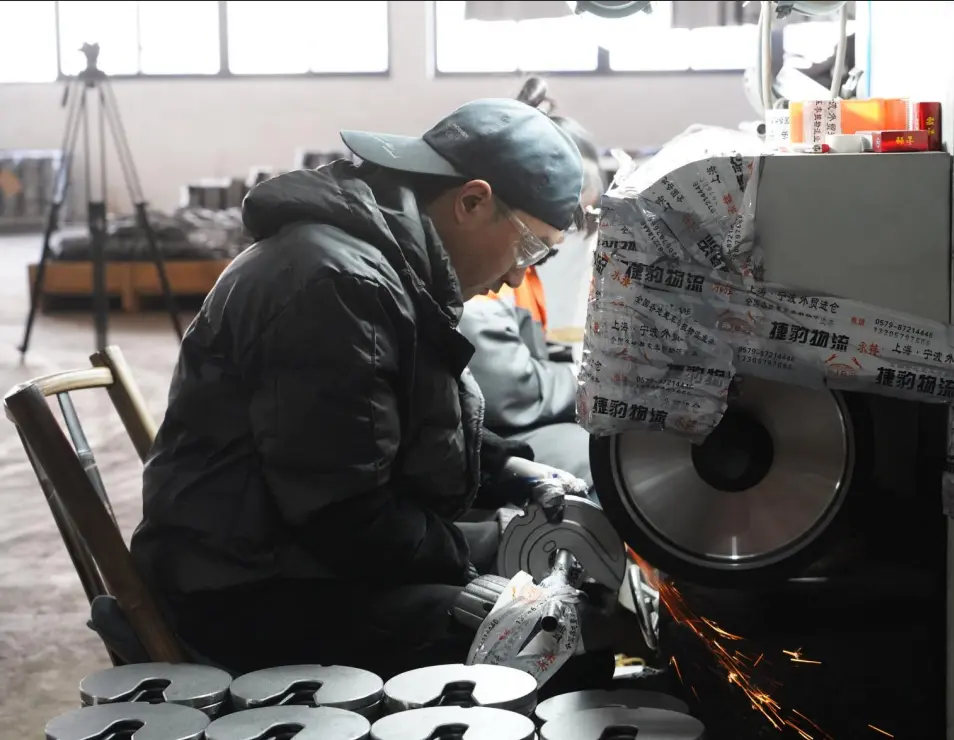
Core Workshop 2: Welding and Polishing Workshop (Structural Enhancement)
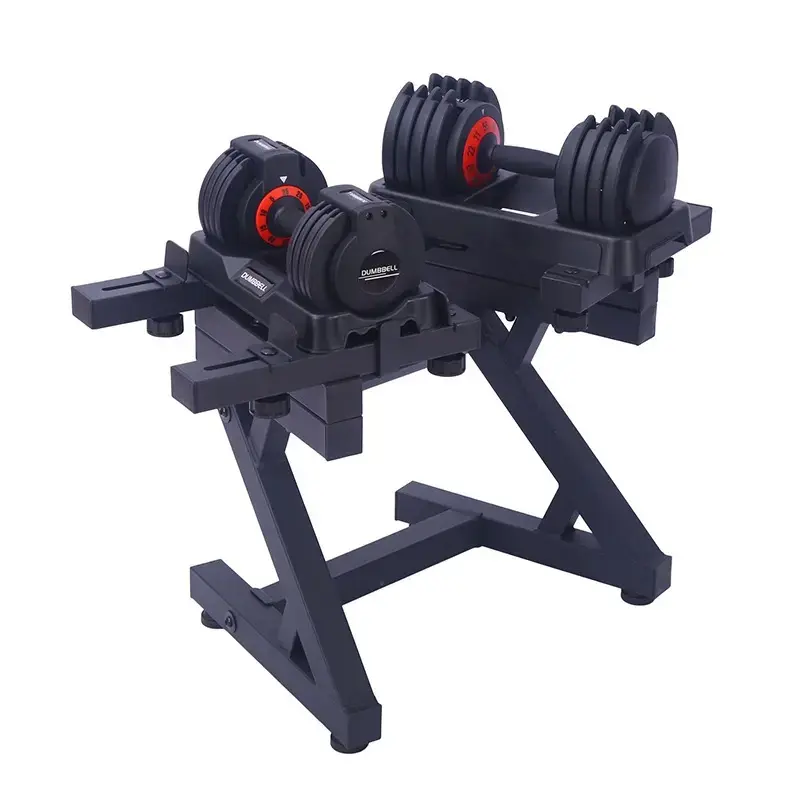
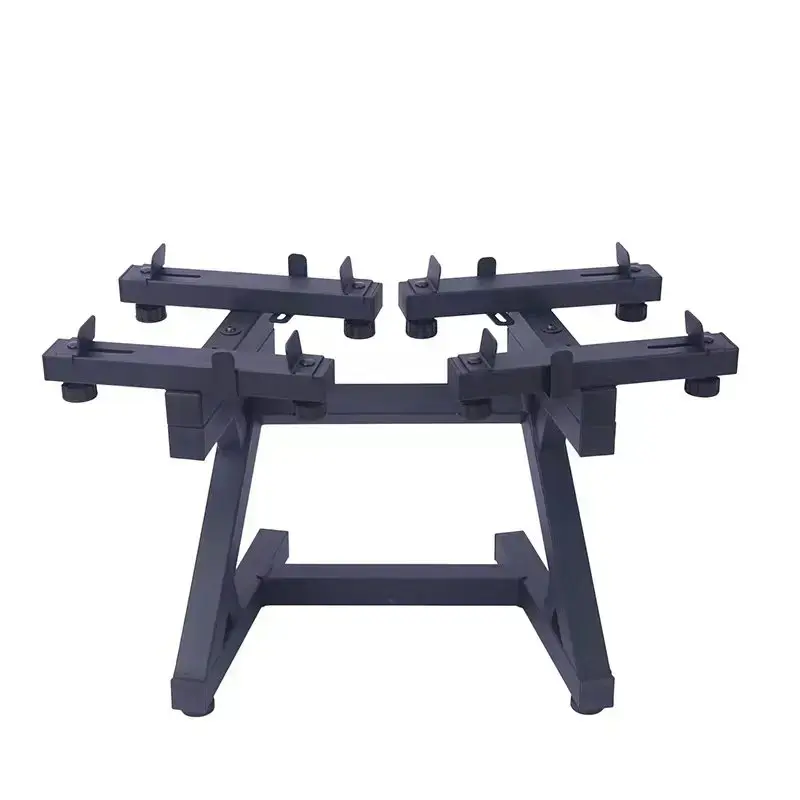
For adjustable mobile dumbbell racks or composite products with frame structures, welding quality is directly related to load-bearing safety and service life.
Key Focus Points:
- Welding Process: Observe whether the welder’s operation is standardized and whether the welds are uniform, continuous, and free of false welding. You can request to see the welding process standard documents.
- Post-Welding Treatment: Check if the welding slag has been carefully removed. This is a reflection of safety and professionalism.
- Grinding and Polishing: This is an important link affecting the final feel and appearance of the product. Observe whether the grinding process is thorough, especially whether the welds, edges, and other parts that are easy to scratch hands are processed smoothly. Ask about the grit size of the grinding wheel used—the higher the grit size, the finer the surface.
Core Workshop 3: Surface Treatment Workshop (Rust Prevention and Aesthetics)
Dumbbells are in long-term contact with hand sweat, so rust resistance is a core concern for buyers and end users. The surface treatment workshop determines the durability and "first impression" of the product.
Key Focus Points:
- Pretreatment (Phosphating/Pickling): This is a key step before electroplating or powder coating, used to remove rust and increase coating adhesion. Observe whether the surface of the treated workpiece is uniform, with no residual rust or oil stains.
- Electroplating Line (if electroplating process is adopted): Check the maintenance status of the electroplating tank and the coating thickness test records. Randomly select semi-finished products to check if the coating is uniform and bright, with no blistering, exposure (iron color), or "dripping" phenomenon. An excellent coating should pass at least 24 hours of neutral salt spray test.
- Powder Coating Line (if powder coating process is adopted): Observe the uniformity of powder spraying and ask about the powder brand and environmental standards (whether it is free of heavy metals). Check if the temperature and time control of the curing oven are accurate, which directly affects the hardness and adhesion of the coating. You can try scratching the hidden part with a hard object (such as a key) to test the coating firmness.
- Environmental Protection and Safety: Understand the factory’s wastewater and waste gas treatment facilities, which reflects the factory’s compliance and sustainability.
Core Workshop 4: Assembly and Quality Inspection Workshop (Final Line of Defense)
All components converge here to form the final product. This is a concentrated reflection of the factory’s quality awareness.
Key Focus Points:
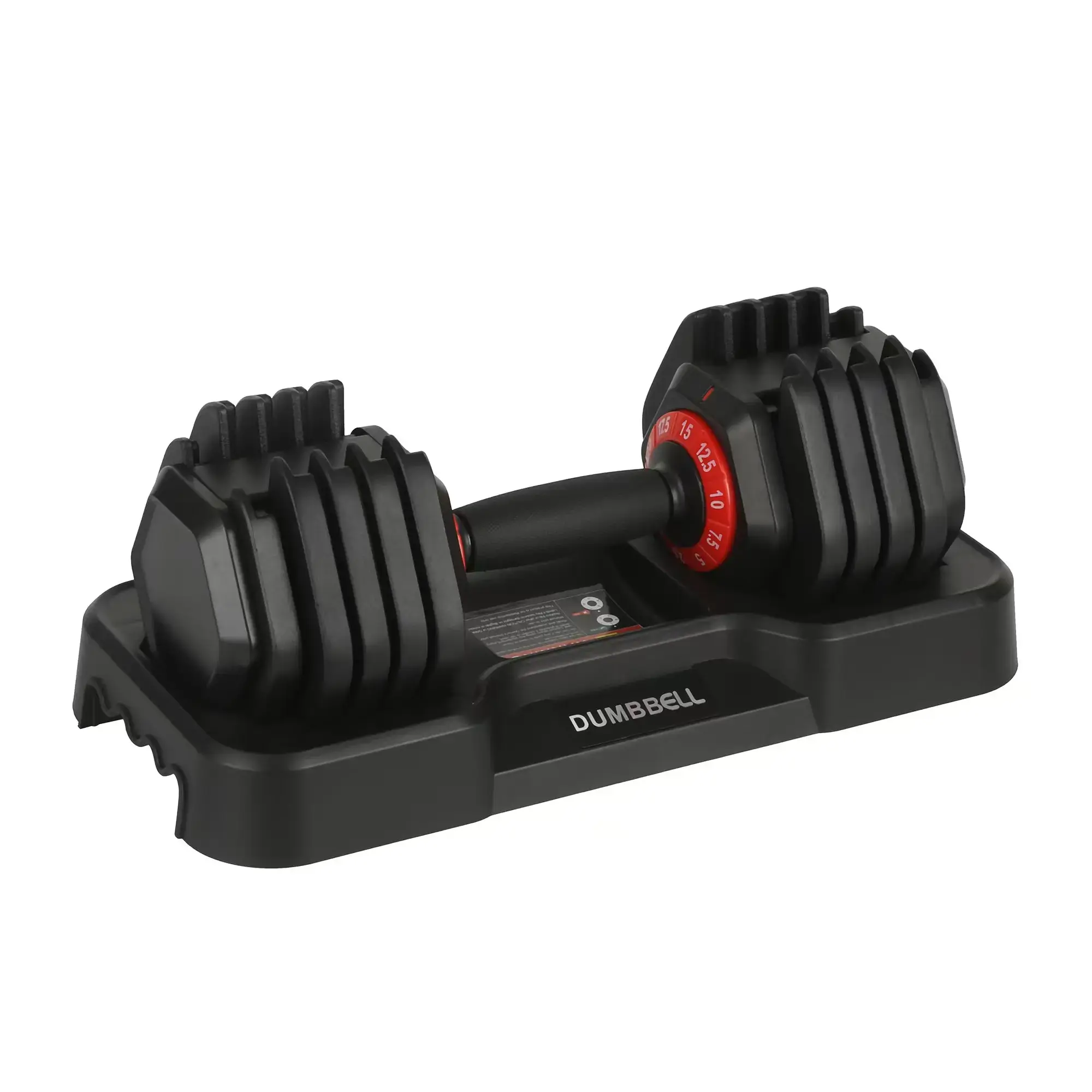
- Assembly Line: Observe whether the assembly line is orderly and whether the workers are skilled in assembling the adjustment mechanism. You can personally test several newly off-the-line adjustable dumbbells to feel if the weight adjustment is smooth and accurate, the locking is firm and reliable, and there is no abnormal noise.
- In-Process Quality Control (IPC): Are there special quality inspection stations on the line? What items do they check (such as adjustment function, locking test, appearance defects, weight verification)? Are there inspection records?
- Final Test Area: Does the factory have simulated use tests? For example, load-bearing tests on Dumbbell Racks and repeated cycle durability tests on adjustment mechanisms. Ask about the test standards and frequency.
- Defective Product Isolation Area: Is there a clearly marked area for storing unqualified products? How are they handled (rework, scrap)? This reflects the factory’s attitude towards quality issues.
What Else Should You Pay Attention to Besides Workshops?
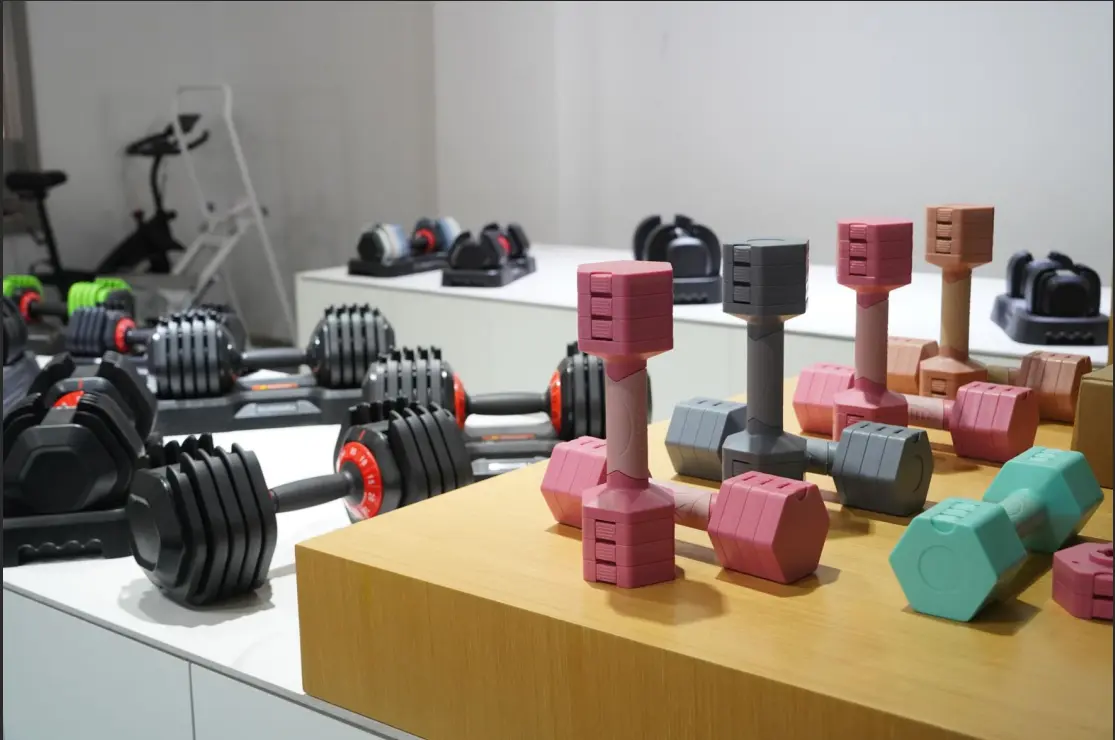
- R&D and Sample Room: Understand the factory’s mold development capabilities and new product design process.
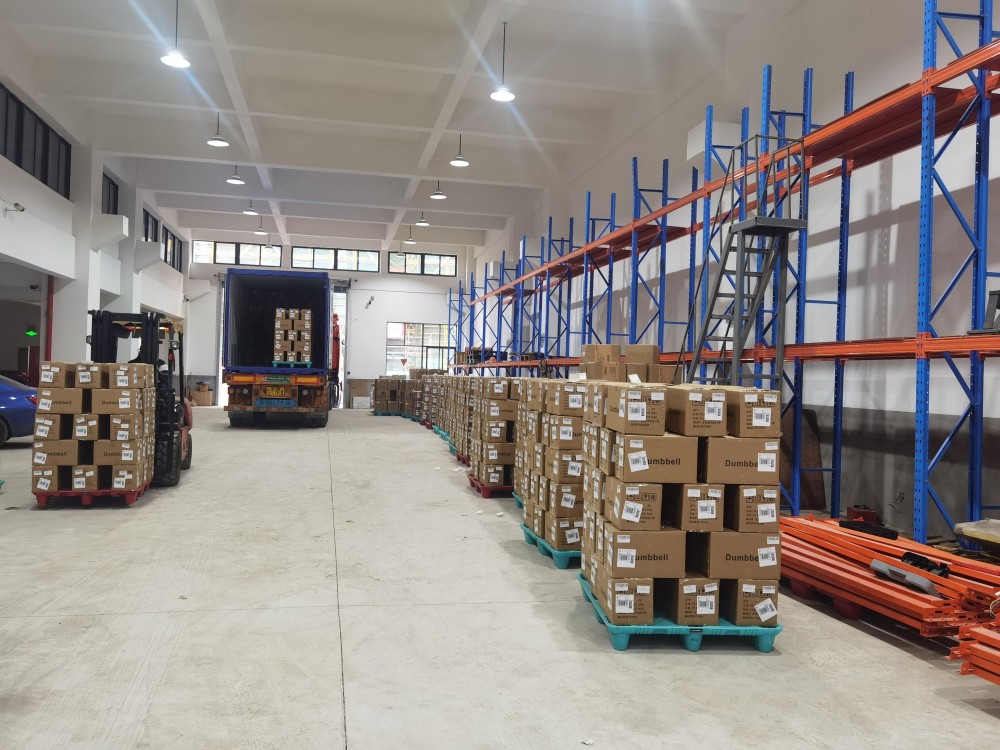
- Warehouse: The management level of raw material, semi-finished product, and finished product warehouses can reflect the factory’s material control and order management capabilities.
- Laboratory (if available): Are there basic testing equipment, such as coating thickness gauges, hardness testers, and salt spray test machines? This is strong evidence that the factory has self-inspection capabilities.
Conclusion
A successful factory inspection should be like an in-depth surgical operation, focusing on the key points. By systematically inspecting the four core workshops—casting and machining, welding and polishing, surface treatment, and assembly and quality inspection—you can quickly evaluate the comprehensive strength of an adjustable dumbbell factory. Remember, what you are looking for is not a simple processing factory, but a long-term partner that can make you feel at ease in terms of quality control, craftsmanship level, and production management. Bring this guide, ask specific questions, and observe the details, and you will be more confident in making a wise supplier choice.