

Adjustable dumbbell strength factory


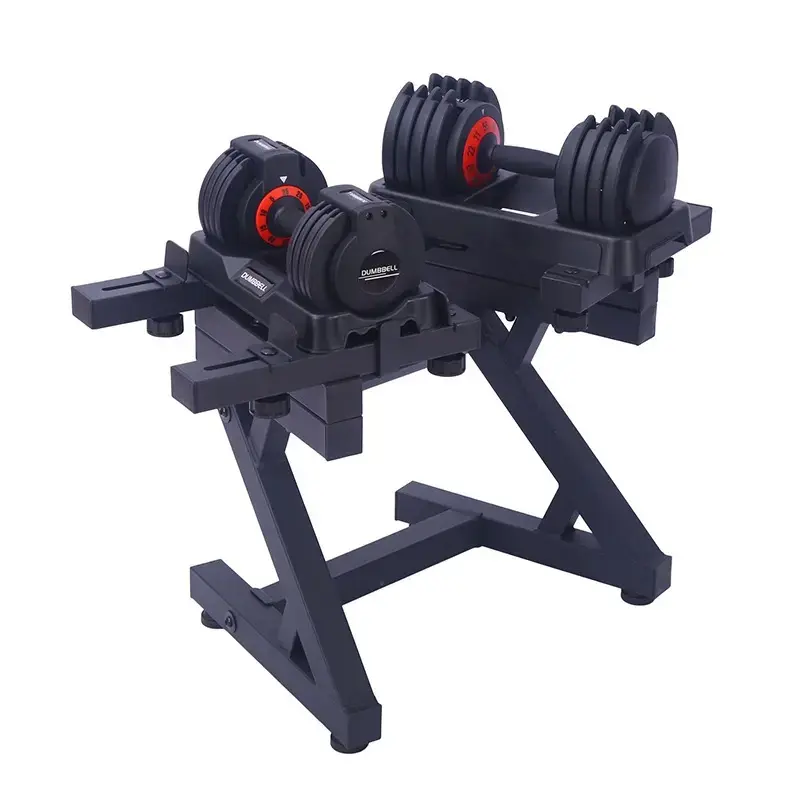
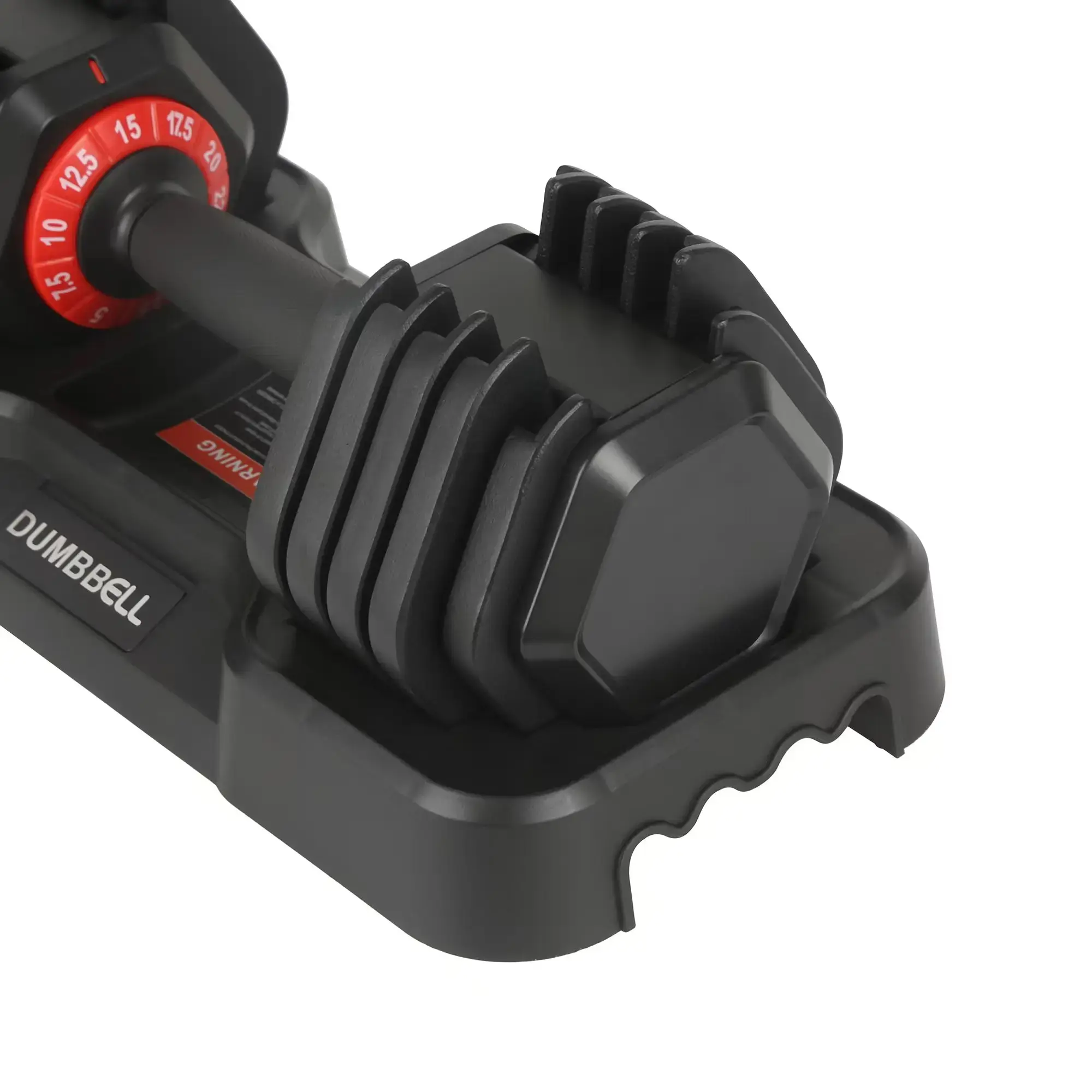
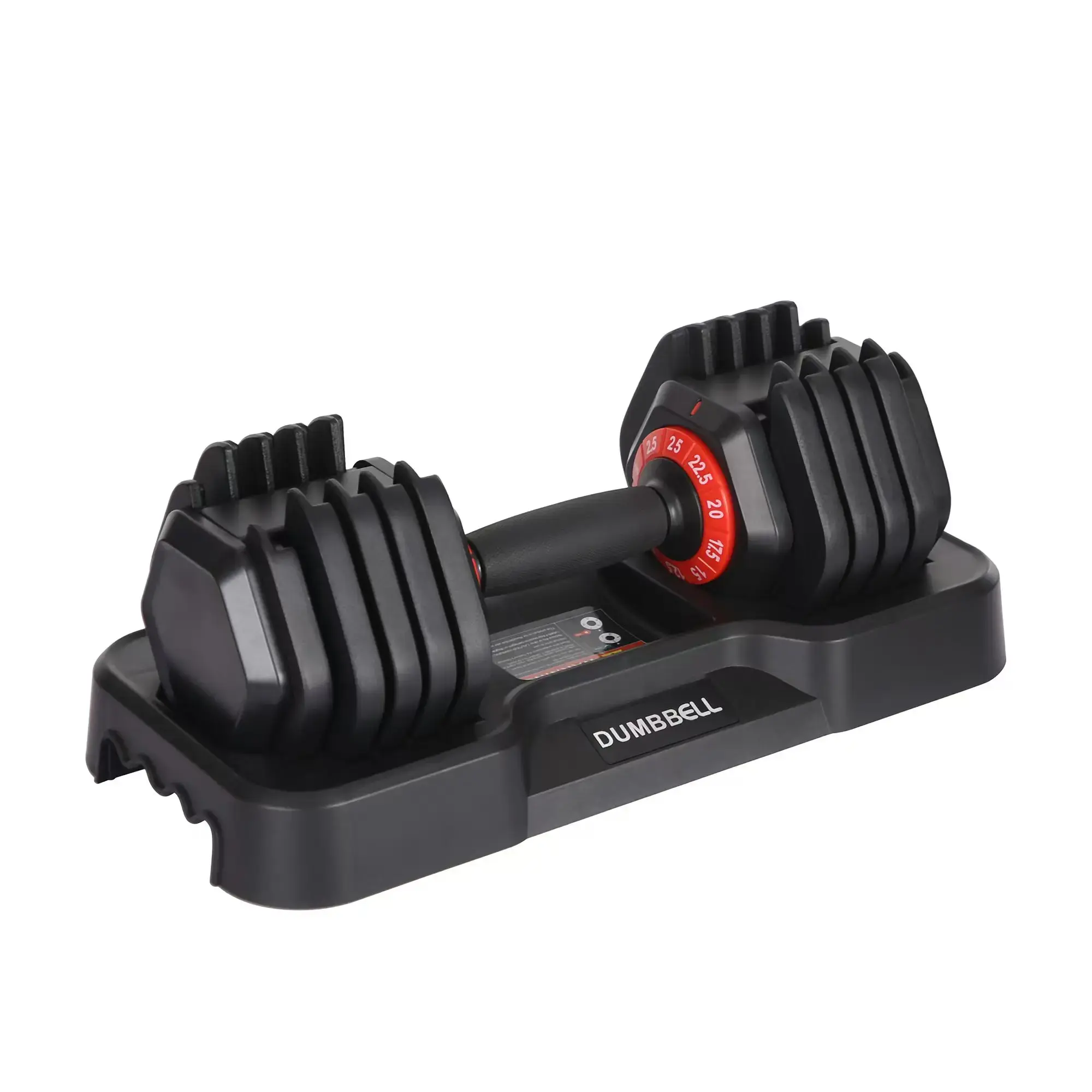
Features of the Weight Locking System of Adjustable Dumbbells
Features of the Weight Locking System of Adjustable Dumbbells
In the fitness equipment world, adjustable dumbbells have become a mainstream choice for both home and commercial gyms thanks to their core advantages of "multi-purpose" and space-saving design. However, when purchasing, most users tend to focus on obvious specifications like "maximum weight capacity" and "adjustment levels," overlooking a critical component that directly impacts training safety and user experience: the weight locking system.
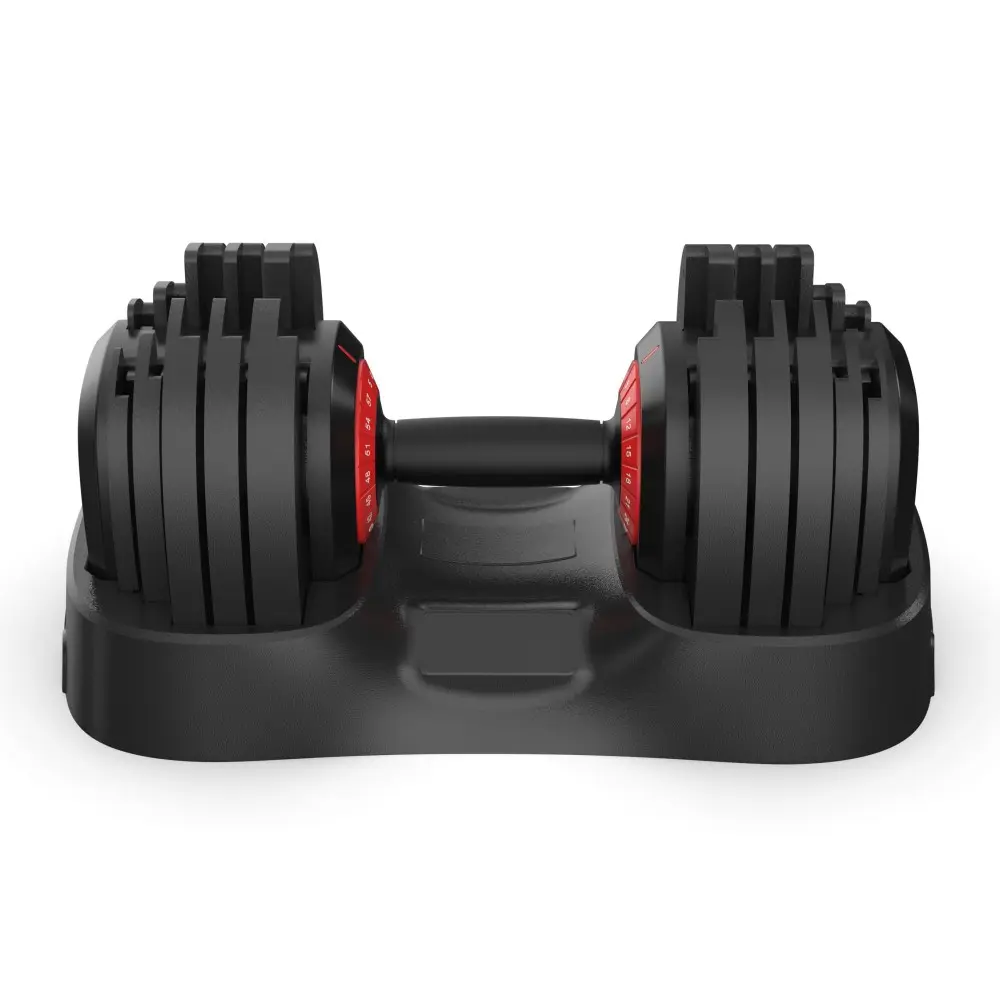
The weight locking system is the "heart valve" of an adjustable dumbbell: it securely secures the weight plates during training to prevent potential safety hazards caused by looseness, while also ensuring smooth operation during weight adjustment, balancing the dual demands of "safety" and "convenience." Today, we will provide a comprehensive understanding of this "invisible guardian" from three perspectives: its technical principles, core features, and practical value.
I. Why is the weight locking system the "safety bottom line" of adjustable dumbbells?
Before understanding the features of the locking system, we must first clarify its irreplaceable role. Traditional fixed-weight dumbbells don't require locking because the plates and handles are integrally constructed. Adjustable dumbbells, on the other hand, utilize a combination of removable plates and an adjustment mechanism to adjust the weight. This means that if the locking system fails, the plates could become dislodged during movements like pressing or swinging, disrupting the training flow at best and causing damage to the equipment or personal injury at worst.
According to the Fitness Equipment Safety Association (FISA), loose adjustable dumbbell components accounted for 27% of all home fitness equipment safety incidents in 2023, with 80% of these incidents stemming from flawed or improperly operated locking systems. This data clearly demonstrates that a superior weight locking system is not only a reflection of product quality but also the "last line of defense" for user training safety.
II. Four Core Technical Features of Adjustable Dumbbell Weight Locking Systems
Currently, mainstream adjustable dumbbell locking systems are categorized as "mechanical locking" and "hydraulic assisted locking." However, their core design focuses on four key aspects: stability, convenience, durability, and compatibility. The following is a detailed analysis:
1. Locking Structure: From "Single-Point Fixation" to "Multi-Point Locking," Improving Stability
Early adjustable dumbbells often used a "single-point latch" locking mechanism—a metal latch inserted through holes in the handle and weight plates to secure the weight. The drawbacks of this mechanism include: the latch is susceptible to loosening due to vibration, and it only secures the weight in a single position, making it prone to shifting when the weight plates are subjected to uneven force. Current high-end products generally utilize a "multi-point locking" mechanism, such as:
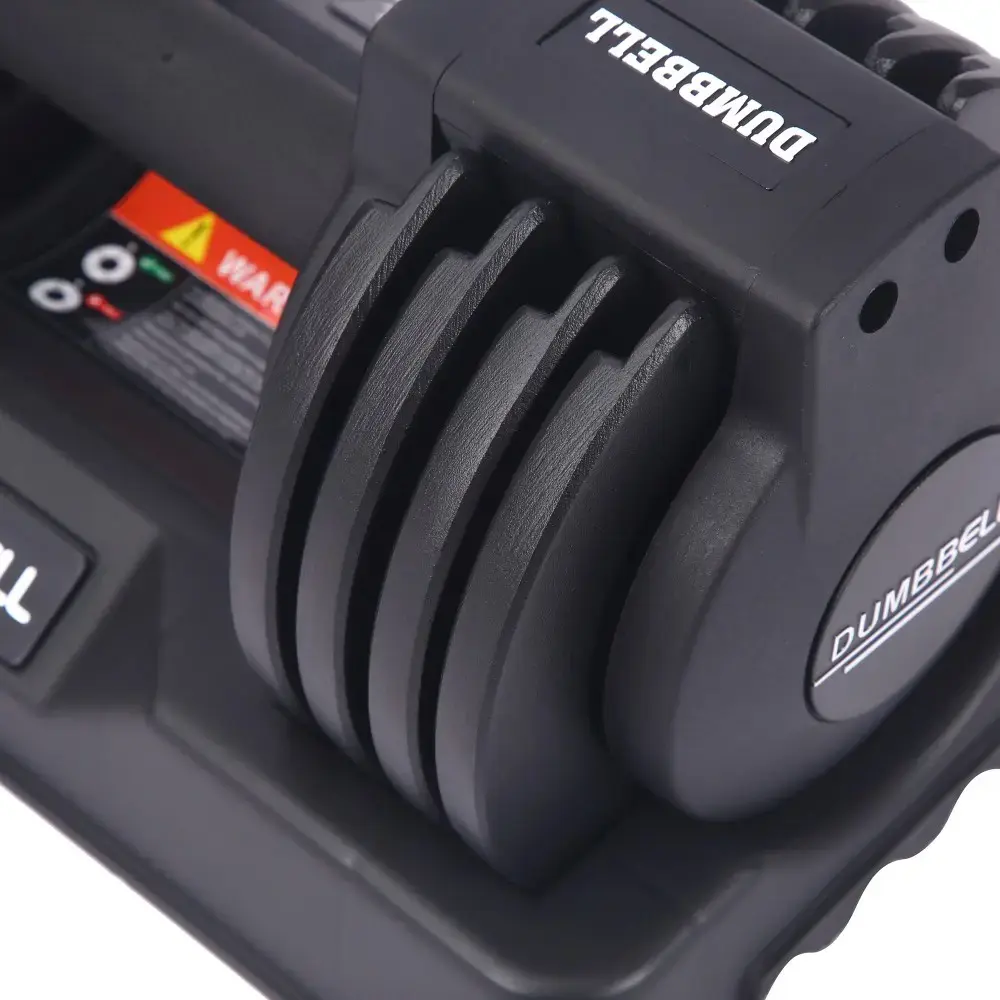
Three-prong buckle mechanism: Three metal buckles extend from each side of the handle. These buckles automatically engage the dumbbell plate's slots during adjustment, creating a "360-degree locking" mechanism that prevents loosening even with vigorous swinging.
Threaded locking mechanism: The handle's end features a threaded design that allows for a rotating locking sleeve. After adjustment, tighten it clockwise, creating a tight fit between the dumbbell plates, providing the dual security of "mechanical locking + friction retention."
Magnetic assisted locking: Strong magnets are built into the buckle or latch, automatically attaching the dumbbell to the plate when locked, preventing movement caused by tiny gaps and reducing wear and tear on metal components.
2. Adjustment method: From "manual plug-in/plug-out" to "one-touch operation," a revolution in convenience.
The convenience of the locking system directly impacts training efficiency—no one wants to spend more than a minute adjusting weights between sets. Today's locking technology enables "efficient adjustment":
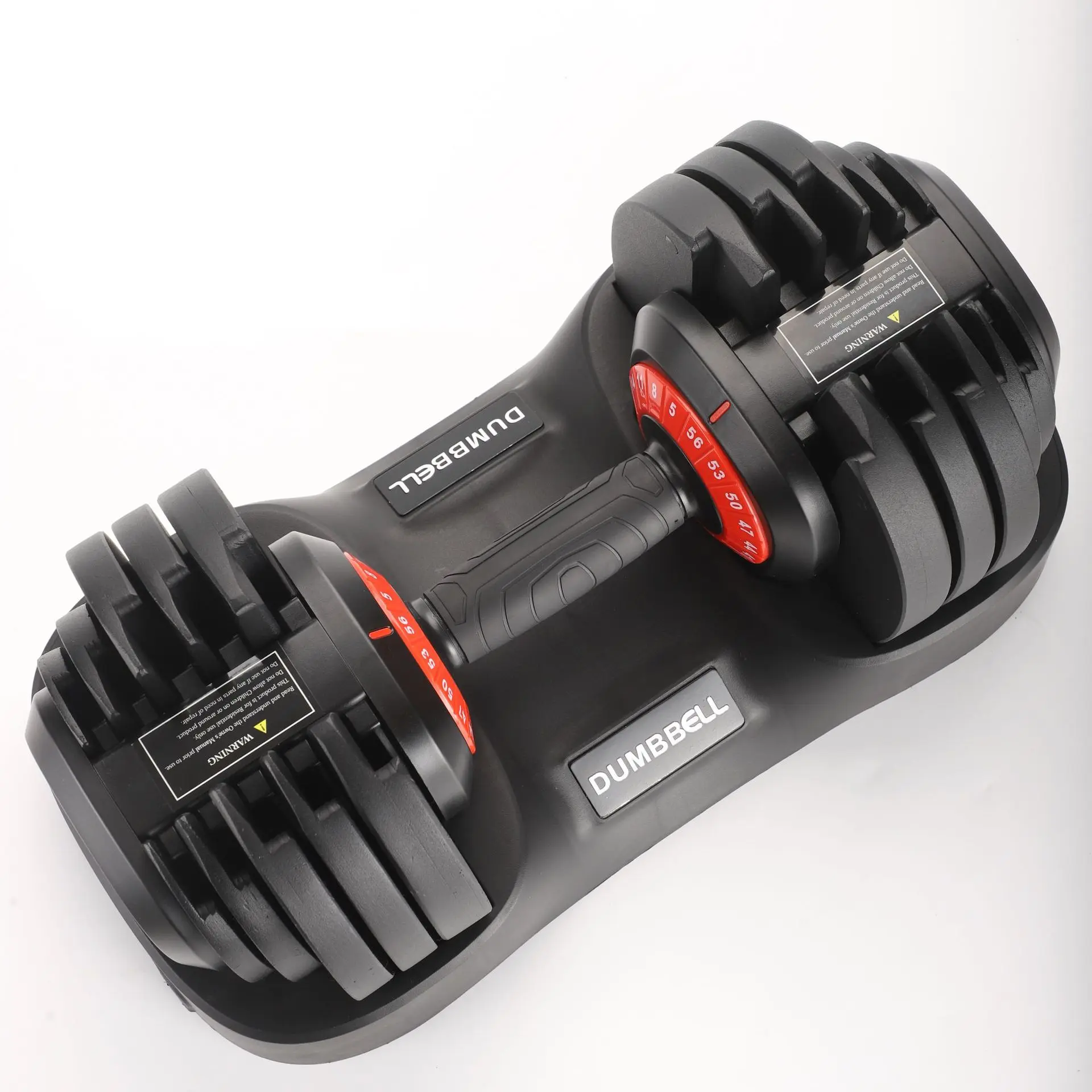
One-touch lever: A lever is designed on the top of the handle. Press down to unlock. After sliding the weight, release the lever and the locking system automatically resets. The entire process takes only 3 seconds.
Rotary knob: A knob is located on the side of the handle. Turn counterclockwise to unlock. After adjusting, turn clockwise until it clicks to lock, eliminating the need for additional pressure.
Foot-assisted locking: Some commercially available adjustable dumbbells (such as heavy models over 100kg) have a foot-operated release mechanism on the bottom. While holding the handles with both hands, you can press the pedal to unlock the weight, eliminating the difficulty of adjusting the weight due to excessive weight.
3. Material Craftsmanship: From "ordinary steel" to "aircraft-grade alloy," achieving a breakthrough in durability
The locking system is the component in adjustable dumbbells that bears the most concentrated stress. The material choice directly determines its lifespan:
Core Component Material: The locking buckle and latch of high-end products are often made of "aircraft-grade aluminum alloy" or "45-gauge high-carbon steel." After quenching, they reach a hardness of over HRC 50, allowing them to withstand long-term impact without deformation.
Surface Treatment: Metal components are generally treated with a "chrome plating + sandblasting" process, which not only prevents rust and corrosion (especially suitable for humid gym environments), but also reduces friction during adjustment, extending service life.
Buffer Protection Design: Silicone or rubber gaskets are installed at the contact point between the locking mechanism and the dumbbell plates to prevent noise caused by direct metal impact, further enhance the fit, and reduce the risk of loosening.
4. Weight Compatibility: From "Fixed" to "Stepless Adjustment," Broadening Compatibility
Traditional locking systems typically correspond to fixed weight levels (e.g., 2.5kg, 5kg, and 7.5kg increments). This new generation of locking technology achieves a wider range of weight compatibility through a modular design:
Stepless Adjustment Compatibility: Some systems employing friction locking can accommodate non-standard Dumbbell Weights (e.g., 3kg, 6kg) by adjusting the tightness of the locking sleeve, meeting personalized training needs.
Compatibility with Multiple Dumbbell Plates: The diameter of the locking handle is designed to accommodate dumbbell plates of varying bore diameters. For example, the same handle can accommodate both standard 25mm and heavy 30mm plates. This eliminates the need to purchase dedicated plates, reducing costs.
III. The Real Value of the Locking System: Beyond Safety, It Enhances the Training Experience
An excellent weight locking system can provide users with a training experience that exceeds expectations, specifically in three key areas:
1. Safety: Eliminate worries and focus on the training form.
When the locking system is secure, users no longer need to worry about whether the dumbbells are loose during training. This is especially true when performing core-stabilizing exercises like squats and presses and bent-over rows, allowing them to focus more on muscle development and maximize training effectiveness.
2. Improved Efficiency: Faster inter-set adjustments and uninterrupted training rhythm.
For example, with the one-touch lever locking system, adjusting the weight between sets takes only 3 seconds, saving 80% of the time compared to traditional latch-type systems. For users pursuing high-intensity interval training (HIIT), this convenient feature effectively prevents heart rate drops caused by slow adjustments, ensuring training intensity. 3. Long-term Cost Savings: Durable, Reduced Repairs and Replacements
The locking system, made of high-strength materials and precision craftsmanship, boasts a service life of 5-8 years (compared to 2-3 years for standard systems). Even minor wear can be repaired by replacing spare parts like gaskets and clips, eliminating the need to completely replace the dumbbells, resulting in lower long-term costs.
IV. Buying Guide: How to Determine if a Locking System is High-Quality?
After reading the above analysis, you may be wondering, "With so many options on the market, how can I tell if a locking system is good?" Here are three simple and practical methods:
Field Test: Focus on "Two Details"
After adjusting the weight, hold the handle with both hands and gently shake it to feel for a slight sense of looseness—a high-quality system should have no play.
Adjust the weight 5-10 times to observe whether the locking mechanism operates smoothly and whether there is any "stuckness" or unusual noise. A smooth, no-noise system indicates precision craftsmanship.
Check "Core Parameters"
Locking mechanism type: Prefer a "multi-point wraparound" type (such as a three-prong buckle or threaded fastening).
Material hardness: Ask the manufacturer for the "hardness value of the locking component" (HRC 45 or above is acceptable, HRC 50 or above is high-quality).
Weight capacity: Confirm that the locking system's "maximum load capacity" matches the overall weight capacity of the dumbbell (for example, the locking system of a 100kg dumbbell should be able to withstand a 100kg pull alone).
Reference "User Feedback"
Pay special attention to reviews from long-term users (e.g., users who have used the dumbbell for more than 6 months), paying attention to issues such as loosening of the lock or broken buckles.
Choose a brand with "after-sales service guarantees" (such as a 1-2 year warranty on the locking system) to avoid unrepairable components due to component damage.
V. Conclusion: The Locking System is the Soul of Adjustable Dumbbells
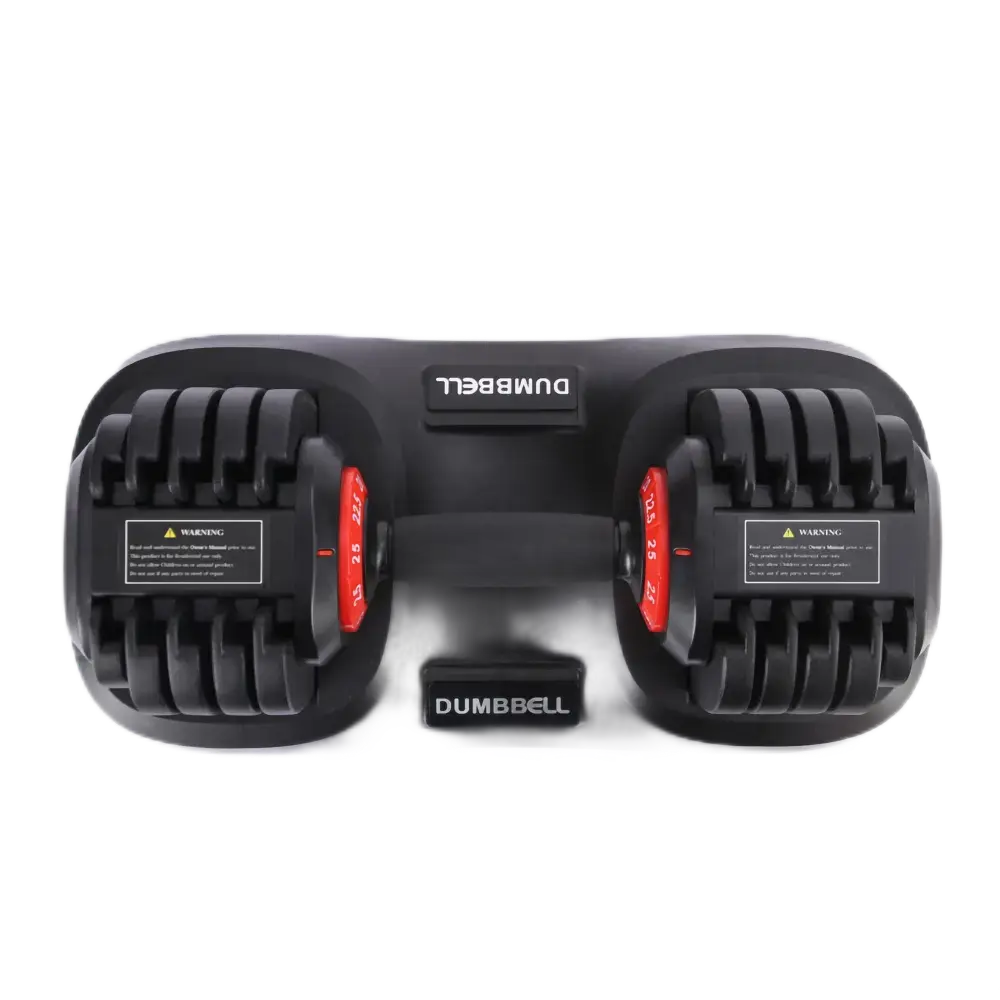
When choosing adjustable dumbbells for home or gym use, remember that the maximum weight capacity determines the upper limit of your training, while the weight locking system determines the lower limit of your training safety and experience. A high-quality locking system not only safeguards your training but also maximizes the core advantage of adjustability—after all, the ability to safely and conveniently switch weights is the true value of adjustable dumbbells.
In the future, as fitness needs diversify, weight locking systems will be upgraded to become more intelligent (such as adding weight display and lock status reminders). However, regardless of technological advancements, stability, convenience, and durability remain their core priorities.