

Adjustable dumbbell strength factory

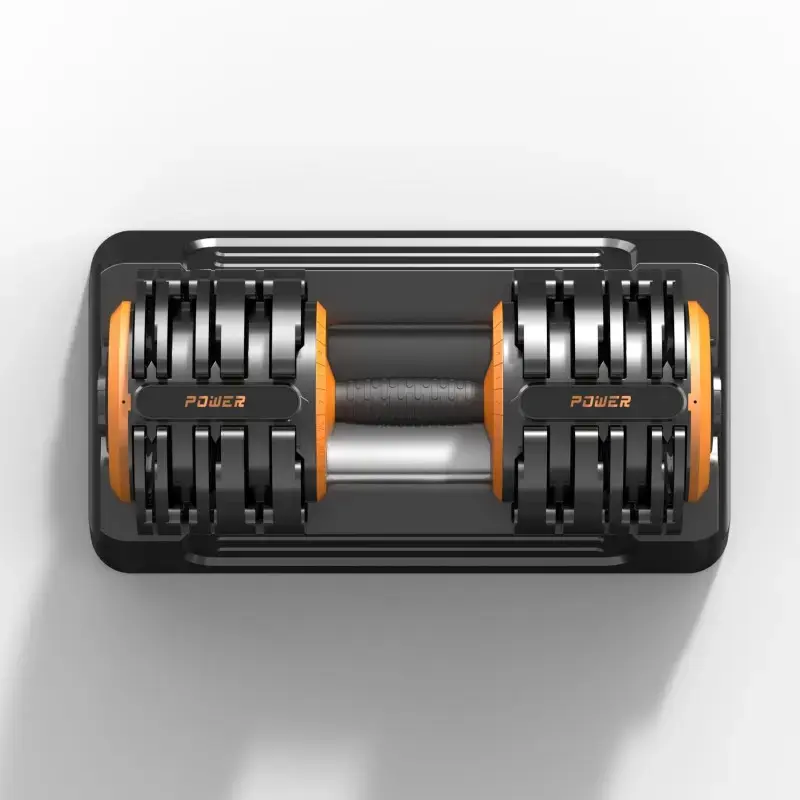
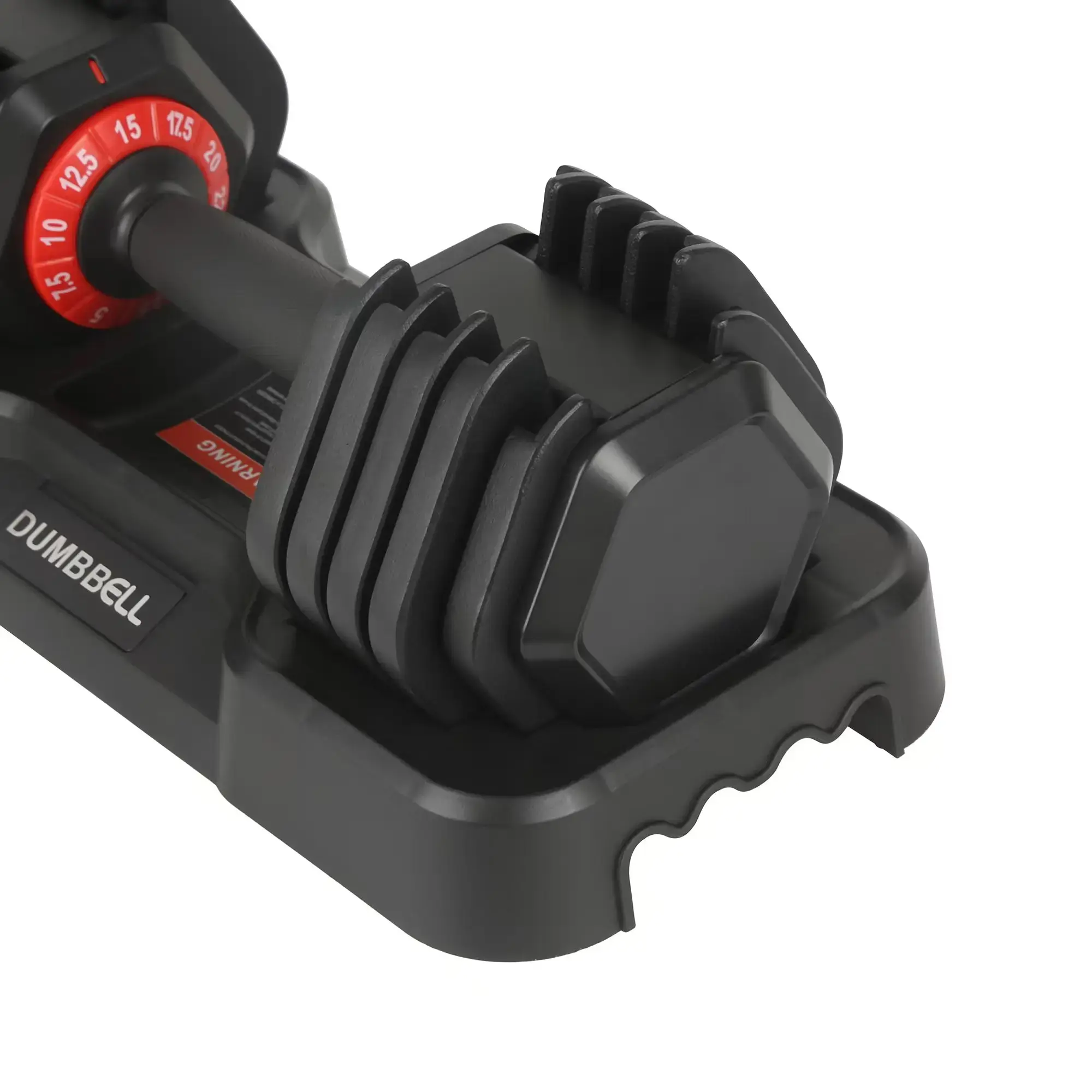
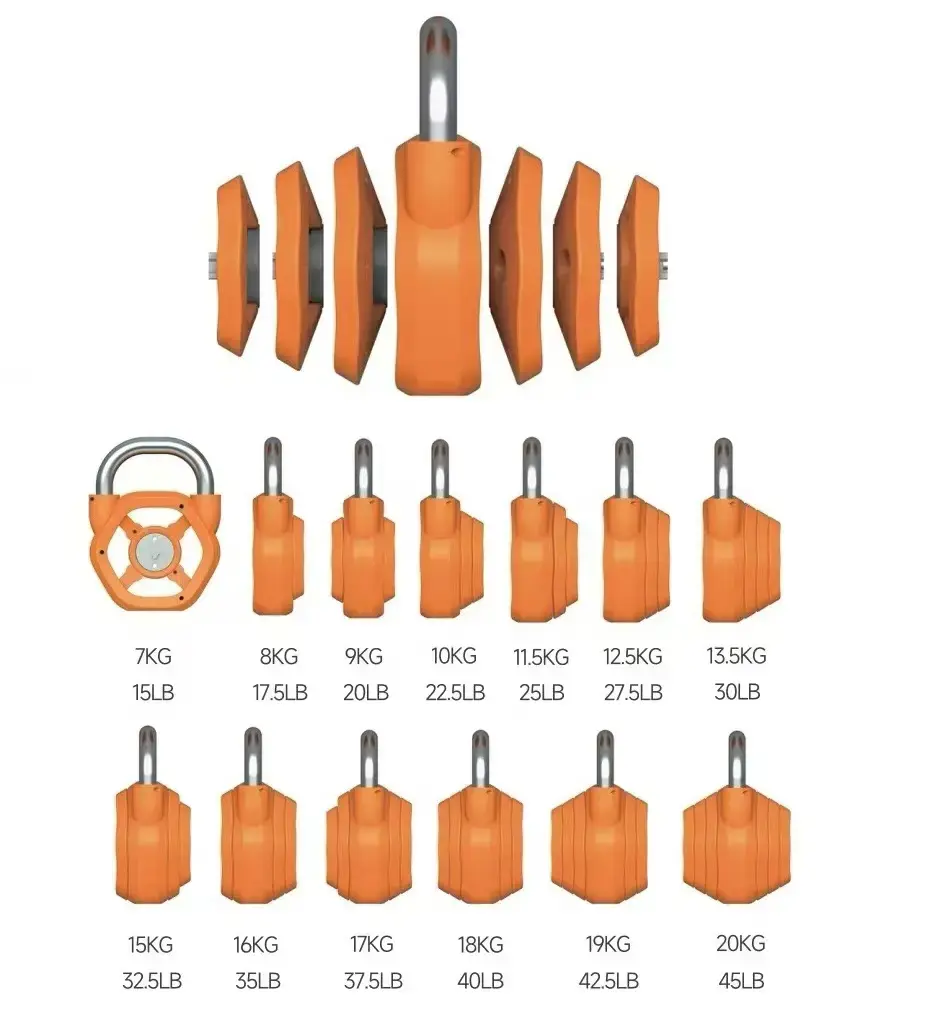
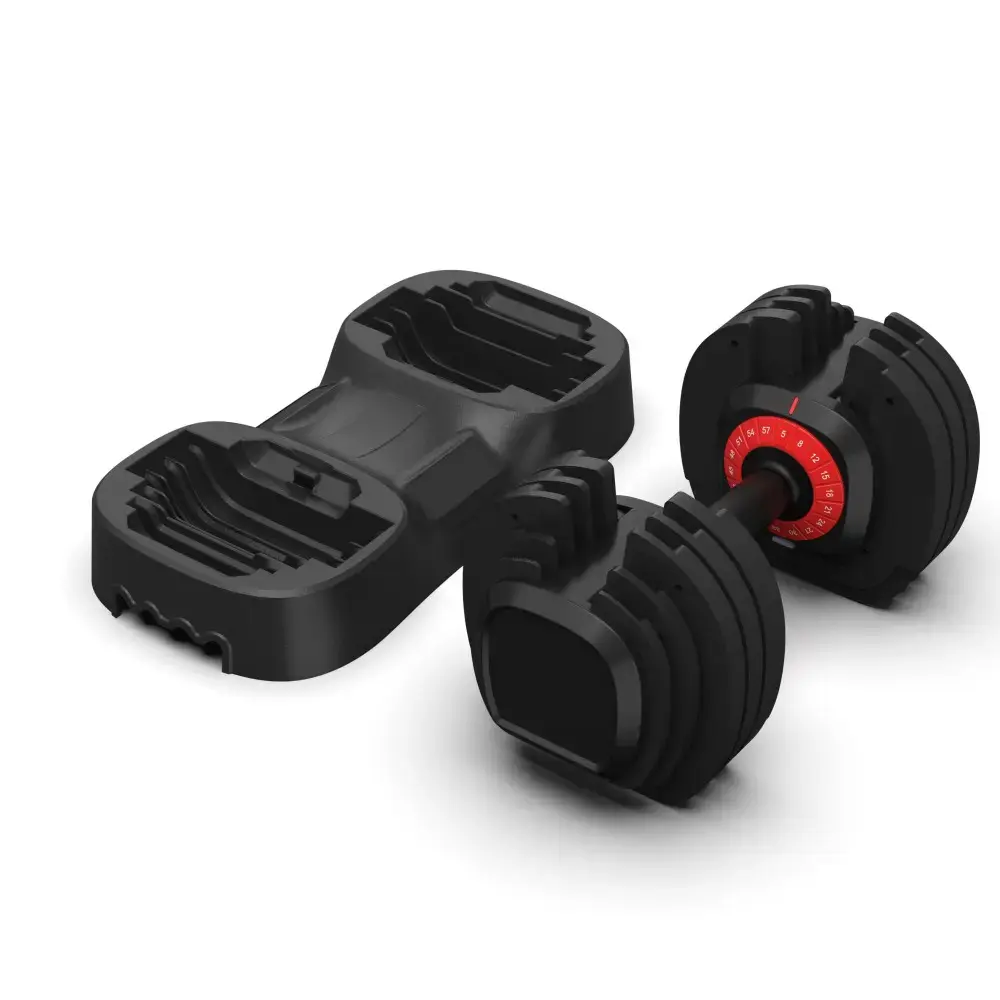
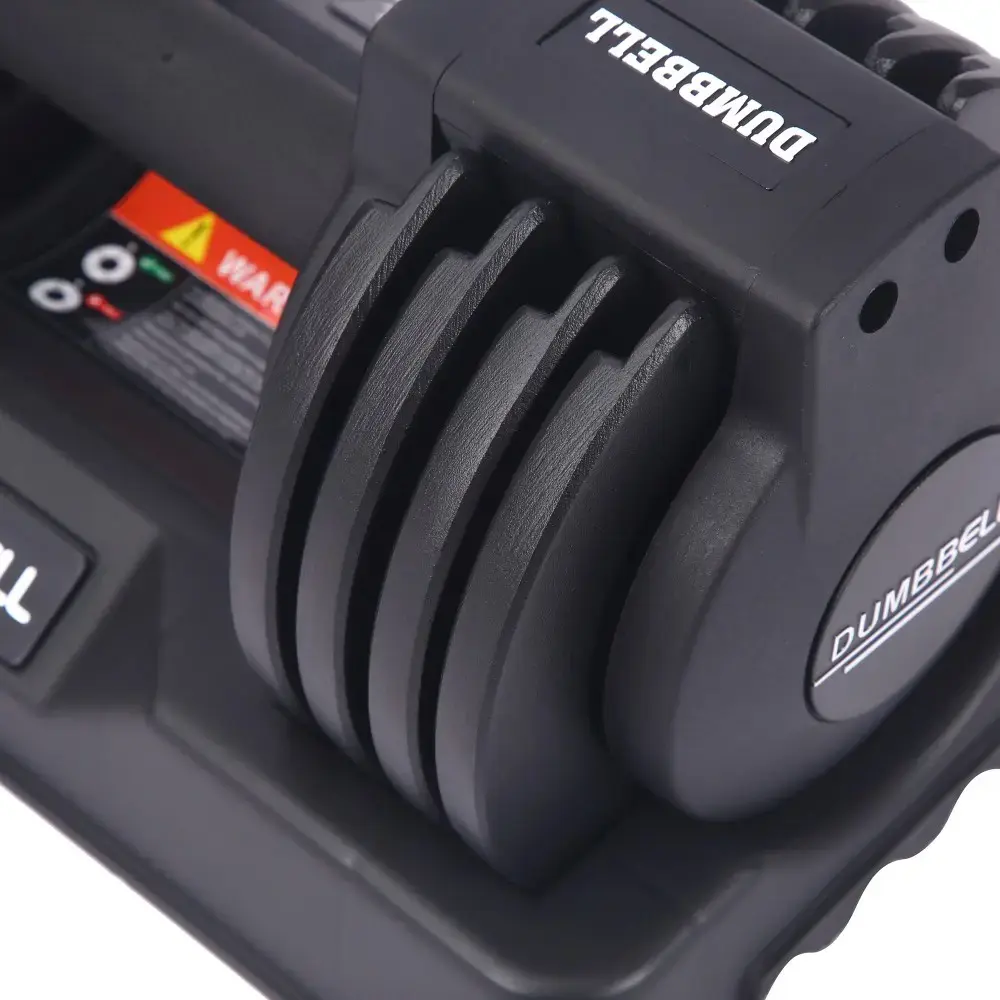
Firefighting Training: Strength and Endurance Applications of 55LB Dumbbells
Firefighting Training: Strength and Endurance Applications of 55lb Dumbbells
55LB dumbbell training serves as a core method for many fire departments to enhance firefighters' operational capabilities. However, numerous teams have encountered pitfalls in practice—either using equipment that's too light to target critical pain points during actual operations, or failing to integrate dumbbell exercises with rescue scenarios, resulting in disconnect between training and real-world application.
Whether you're a cross-border buyer, wholesaler, or fire training supervisor, this guide will clarify how 55lb dumbbells integrate into firefighting drills. It helps buyers pinpoint the right equipment while making end-user training more efficient and combat-ready.
Today, we'll thoroughly discuss the specific applications of 55-pound dumbbells in firefighter strength and endurance training, covering adaptability, practical exercises, procurement advantages, and common misconceptions. Every point is grounded in real-world experience—no empty talk here.
Why are 55-pound dumbbells ideal for firefighter strength and endurance training?
Many wonder: with so many available training tools, why have 55-pound dumbbells become the mainstream choice? The core reason is simple: their weight precisely matches the load firefighters carry in real operations.
When responding to calls, firefighters carry air respirators, hoses, and personal gear totaling around 50-60 lbs. The 55-pound dumbbell perfectly simulates this load, building strength and endurance directly applicable to the field.
I've worked with numerous grassroots fire stations. One unit previously used 40-pound dumbbells for training. Despite rigorous practice, firefighters still struggled with fatigue during load-bearing climbs and lacked strength to drag hoses during operations. Switching to 55-pound dumbbells significantly improved these issues.
Purchasers often ask me: Would heavier dumbbells yield better training results? Not necessarily. Excessively heavy weights increase injury risk, while lighter weights fail to replicate operational intensity. The 55-pound dumbbell strikes the optimal balance, prioritizing both safety and training efficacy.
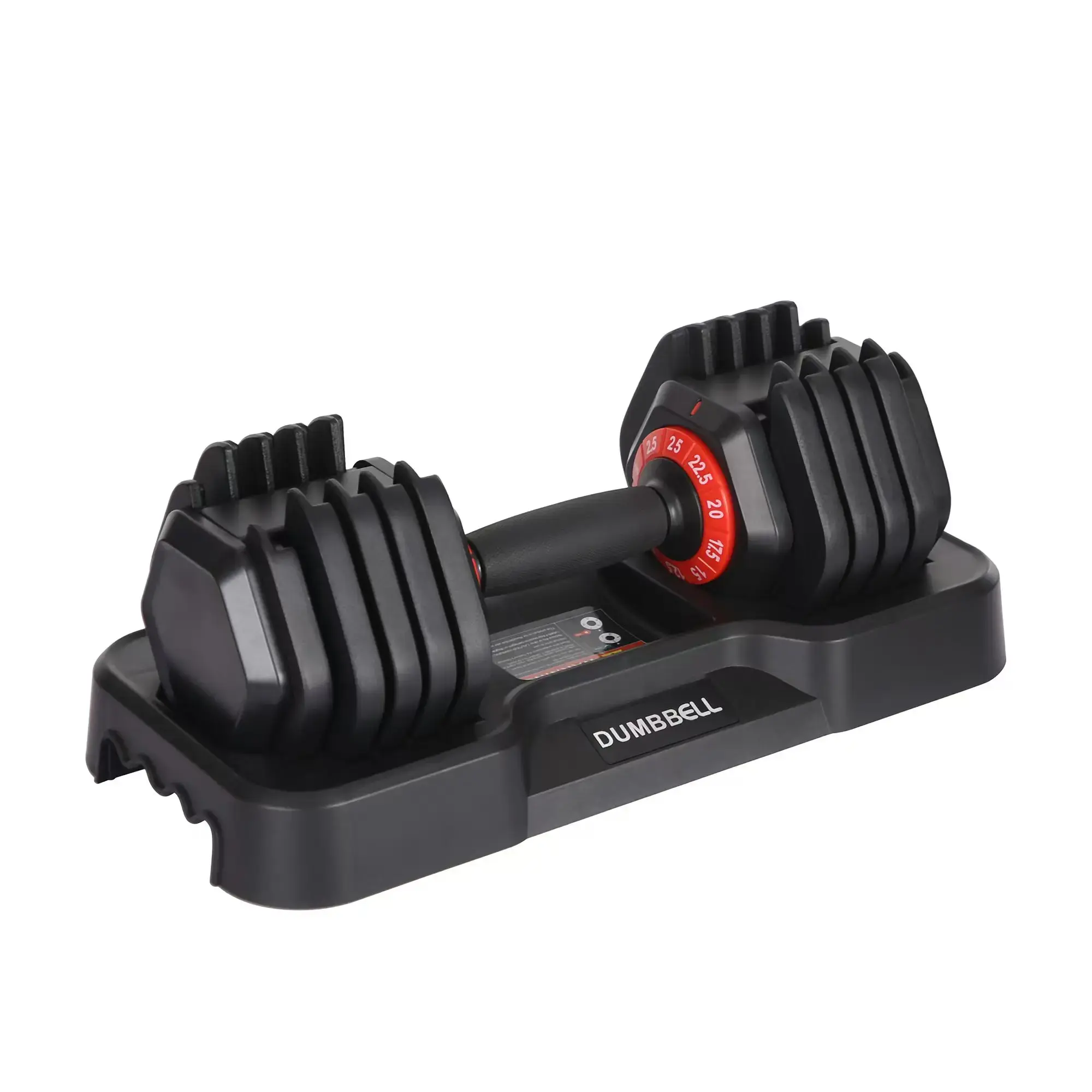
Moreover, firefighting drills often occur outdoors or in makeshift spaces. The 55-pound dumbbell’s compact size and portability eliminate complex setup, enabling swift training deployment—whether in indoor gyms or outdoor training zones—which is a key factor in its popularity.
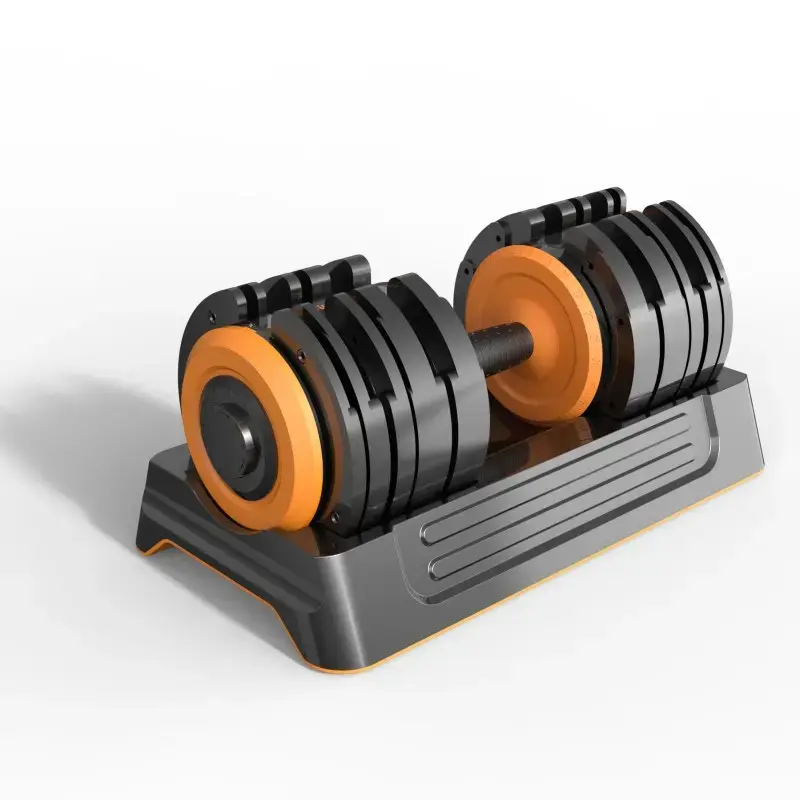
Core Practical Exercises with 55-Pound Dumbbells in Firefighting Training
Selecting the right equipment is essential, but mastering the practical exercises is key. After all, firefighting training emphasizes “practice what you'll use,” with each movement directly addressing real-world rescue scenarios.
The first core exercise is the dumbbell lunge press. Hold a 55-pound dumbbell in each hand, assume a stable lunge stance, press the dumbbells upward from shoulder height, then slowly lower them. Perform 12-15 repetitions per set, completing 3-4 sets daily. This exercise primarily builds shoulder, neck, and lower-body strength, simulating climbing and load-bearing movements during rescues.
Another essential exercise is the bent-over dumbbell row. Bend at the waist with knees slightly bent, keeping the back straight. Pull the dumbbells toward your midsection, focusing on engaging the back muscles. This exercise builds back and core strength, preparing for scenarios like dragging trapped individuals or transporting rescue supplies.
A city fire brigade once incorporated these two exercises as core components of their daily training. After three months of consistent practice, their firefighters reduced the average time required to climb five flights of stairs while carrying loads and significantly improved their efficiency in dragging fire hoses. Notably, not a single training injury occurred during this period.
Many training supervisors ask: Are there any simple techniques to optimize power generation for these exercises? The answer is straightforward: maintain full core engagement throughout the movement, avoid rounding your back, and slow down during pushing/pulling phases to focus on activating target muscle groups. This enhances effectiveness while preventing injuries.
Additionally, always perform thorough warm-ups before training—including dynamic stretches and joint mobility exercises. Given that 55LB weights are substantial, adequate preparation minimizes muscle strain risks. This is a critical detail often overlooked by many units.
Core Advantages of 55LB Dumbbells for Firefighting Training Equipment in Cross-Border Procurement
For cross-border buyers and wholesalers, product selection hinges on three pillars: “end-user acceptance, high cost-effectiveness, and ease of transportation.” The 55LB dumbbell perfectly meets all three criteria, making it a category I consistently recommend buyers prioritize.
First, end-user demand is stable. Increasingly, fire departments recognize the importance of realistic training. As one of the most adaptable pieces of equipment, 55-pound dumbbells boast high repurchase rates, eliminating concerns about inventory buildup for buyers.
Second, their broad adaptability. Whether in Europe, America, or Southeast Asia, fire departments share similar training needs. The weight and dimensions of 55LB dumbbells require minimal adjustment to meet regional demands, significantly reducing customization costs for buyers.
I know a friend in cross-border procurement who previously focused on standard Fitness Dumbbells but later shifted to fire training-specific dumbbells, prioritizing the 55LB specification. Within less than a year, he expanded his end-user client base to over a dozen, with repurchase rates significantly higher than for standard dumbbells.
Another key advantage is ease of transportation. The 55LB dumbbell's compact size, combined with its sturdy packaging design, minimizes damage during transit. Shipping costs are considerably lower than for larger training equipment. Additionally, its durable, wear-resistant material ensures reliable performance for end-users while reducing after-sales pressure for buyers.
Some buyers may ask: How should one choose between different materials for 55LB dumbbells? Prioritize cast iron with anti-slip surface treatment. This meets the demands of high-intensity firefighting training while enhancing end-user experience and encouraging repeat purchases.
Common Misconceptions and Solutions for 55LB Dumbbells in Firefighting Training
Whether in training or procurement, many fall into seemingly minor yet impactful pitfalls that compromise training effectiveness or inflate costs. Here are the most prevalent misconceptions to avoid:
The first common misconception is prioritizing speed over proper form during training. Many trainees believe faster movements yield better results, but this is incorrect. The substantial weight of 55-pound dumbbells makes improper form highly likely to cause injuries to the lower back and shoulders, ultimately hindering training progress.
The solution is straightforward: assign dedicated trainers to guide each exercise, emphasizing proper form and controlled movements. Prioritize precision over speed to ensure every repetition targets the intended muscle groups. Slow and steady wins the race when balancing effectiveness and safety.
The second pitfall involves buyers fixating solely on price while overlooking material quality. Some buyers cut costs by choosing cheap, low-quality dumbbells that peel, deform, or break after just a few uses. This damages reputation and increases after-sales costs.
You get what you pay for. While premium 55-pound dumbbells cost slightly more upfront, their durability and longevity lead to higher customer retention and repeat purchases. Long-term, they prove more cost-effective—a point I consistently emphasize to buyers.
Another common misconception is limiting training to fixed exercises using only 55LB dumbbells. Firefighting and rescue operations demand comprehensive skills—single-movement routines fall short of real-world requirements and can lead to uneven skill development among team members.
We recommend incorporating simple auxiliary equipment like training mats and resistance bands. Use resistance bands for warm-ups, 55LB dumbbells for core training, and mats for stretching. Diversifying training content is essential for enhancing team members' overall operational capabilities.
FAQ
1. Are 55-pound dumbbells suitable for all firefighters?
They suit most personnel. New recruits or those with weaker strength foundations may start with lighter weights, transitioning to 55-pound dumbbells after building strength. Experienced firefighters can use them for advanced conditioning to better align with operational demands.
2. What should be considered when shipping 55LB dumbbells internationally?
Prioritize shock-resistant packaging to prevent damage during transit. Coordinate with logistics providers beforehand to confirm equipment shipping regulations, especially for cross-border shipments, to avoid additional fees due to size or weight restrictions.
3. What is the approximate lifespan of 55LB dumbbells?
High-quality cast iron 55LB dumbbells used for standard firefighting training can last 3-5 years. Proper storage—avoiding moisture and direct sunlight—along with regular inspections and maintenance can further extend their lifespan.
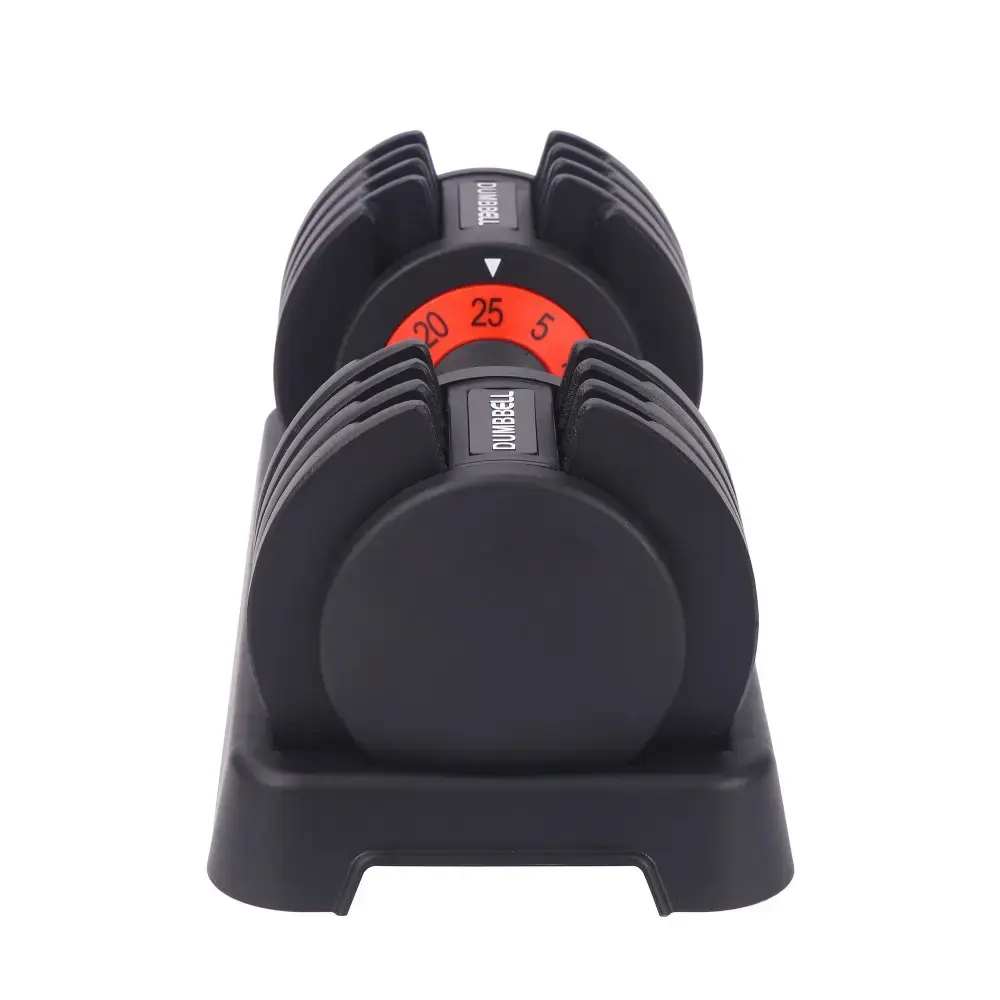
Meta Description
55LB dumbbells are central to firefighting squads enhancing strength and endurance, aligning with firefighters' real-world load-bearing demands and adapting to diverse outdoor and indoor training scenarios. This article details their suitability rationale, practical exercises, procurement advantages, and pitfall avoidance techniques. It assists cross-border buyers in identifying product selection directions while enabling efficient implementation of end-user firefighting training—balancing professionalism and practicality. For procurement inquiries or detailed operational guidance, direct consultation is available.
Keywords
55LB dumbbells firefighting training, cross-border procurement fire training dumbbells, 55LB dumbbells firefighting practical training, fire training dumbbell suitability
Whether for actual fire training implementation or cross-border buyers' product selection decisions, the core principle remains “meeting needs, practicality, and durability.” The reason 55LB dumbbells have become mainstream firefighting training equipment is fundamentally their ability to precisely address the pain points of real-world drills while meeting the core demands of procurement professionals. We hope this practical sharing benefits every reader who has made it this far. May every firefighter enhance their operational capabilities through scientific training, ensuring safe deployment and return. May 55LB dumbbells for firefighting training become a reliable ally on their training journey.