

Adjustable dumbbell strength factory

Home Fitness Market Growth: Dumbbells Lead in Developing Nations
In recent years, global health awareness has continued to rise, and fitness has gradually integrated from an exclusive activity in professional venues into daily life. In this trend, the home fitness market in developing countries is demonstrating strong growth potential. Particularly, lightweight and cost-effective home fitness equipment represented by dumbbells, with their strong adaptability and low usage threshold, have become the core category driving market expansion. This article will analyze the growth logic of this niche field from four dimensions: demand drivers, market status, consumer behavior characteristics, and future opportunities.
First, the underlying driving forces for demand growth: health awareness and lifestyle changes
1.Health needs have changed from "optional" to "essential"
With economic development and the improvement of living standards, the attention paid by residents in developing countries to health has significantly increased. The rising obesity rate and the younger age of chronic diseases have prompted people to actively seek health solutions. Fitness, as a low-cost and high-return health management approach, has gradually been included in daily consumption lists. Compared with the time and economic cost of going to the gym, the flexibility of exercising at home is more in line with the demands of modern fast-paced life - especially for office workers, novice fitness enthusiasts and family users, the training mode that does not require a fixed place and can start at any time is more attractive.
2. Home Settings become the "second space" for fitness
After the pandemic, global consumers' awareness of "home safety" has been strengthened, and this habit continues to this day. Even though gyms are gradually resuming business, a large number of users still tend to keep the habit of exercising at home: it can avoid crowds and allow them to flexibly arrange their training according to their personal schedules. Against this backdrop, equipment such as dumbbells, which take up little space and have diverse functions, not only meet the basic needs of strength training but also cover the entire body through combined movements, becoming the "standard equipment" in home fitness corners.
3. Indirect promotion by policies and public health
Some governments of developing countries encourage residents to participate in physical exercise through public health promotion, subsidies for community fitness facilities and other means. For instance, countries like India and Brazil have incorporated "national fitness" into their national health strategies and promoted the significance of home exercise through the media. Some Southeast Asian countries have added community public fitness areas in urban planning, indirectly cultivating residents' exercise habits. Although these policies did not directly target the household equipment market, they laid the foundation for consumer education and further released potential demand.
Second, market status quo: The penetration rate is low but the growth rate is significant, with dumbbells being the core growth category
1.Current market size and growth trend
According to industry research data, the compound annual growth rate (CAGR) of the home fitness equipment market in developing countries exceeded 12% from 20XX to 20XX, far higher than the 3% to 5% in mature markets in Europe and America. Among them, the growth rate of dumbbell products is particularly prominent - in countries such as India, Indonesia, and Mexico, the household ownership of dumbbells has increased nearly threefold over the past five years, making it one of the fastest-growing subcategories. This growth is mainly attributed to its "entry-level" attributes: relatively affordable price (usually lower than other large-scale equipment), comprehensive functional coverage (can be used alone or in combination with resistance bands and training benches to expand training modes), and it can be operated without professional guidance.
2. Differentiated performance in regional markets
• Emerging markets in Asia (such as India, Vietnam, and the Philippines) : They have a large population base, a high proportion of young people (those aged 15-35 account for over 40% of the total population), and the accelerated urbanization process has brought about more young families with limited living space. These users are more inclined to choose "small but exquisite" household equipment. Dumbbells have become the first choice due to their portability and multi-functionality.
• Latin American markets (such as Brazil and Mexico) : The middle class is expanding in size, and consumers' pursuit of quality of life has shifted from "basic needs" to "health investment". The local fitness culture has been deeply influenced by Europe and America. The popularity of strength training (such as weightlifting and functional training) has driven up the demand for dumbbells.
In the African market (such as South Africa and Nigeria), although the overall penetration rate of fitness equipment is still relatively low, economic growth and the popularization of the Internet (the dissemination of fitness content on social media) are accelerating market education. Dumbbells, as "visual training tools" (where users can directly observe weight changes), are more likely to win the favor of consumers.
3. Consumer behavior characteristics: Pragmatism and cost-effectiveness first
Home fitness users in developing countries generally have the following characteristics:
• Budget-sensitive: They tend to choose products with moderate unit prices (usually within the range of 50 to 200 US dollars) and strong durability rather than high-end imported equipment.
• Function-oriented: Focus on the "practicality" of the equipment rather than its appearance design, such as the convenience of weight adjustment, grip comfort, anti-slip performance and other details of dumbbells;
• Channel reliance online: E-commerce platforms (such as Shopee in Southeast Asia, Mercado Libre in Latin America, and Flipkart in India) have become the main purchasing channels, and consumers make decisions through user reviews and short video content (such as YouTube training tutorials and Instagram fitness blogger recommendations).
Third, growth opportunities: Unmet demands and market gaps
1. Product adaptability: The space for optimization based on local demands
At present, some dumbbell products on the market are still dominated by the demands of users in Europe and America (such as large-capacity sets and complex adjustment systems), while users in developing countries need lightweight, easy-to-store and low-maintenance cost solutions more. For example:
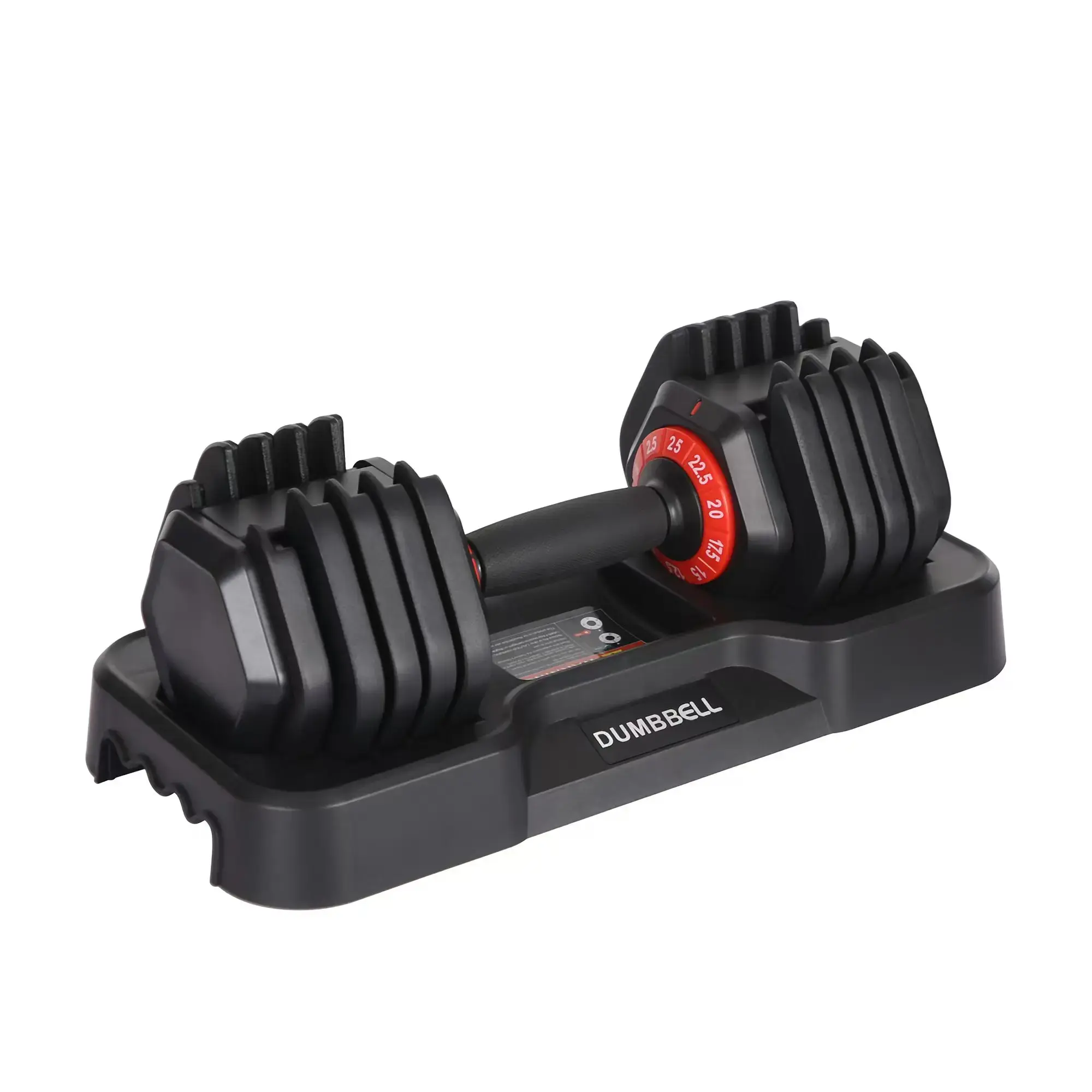
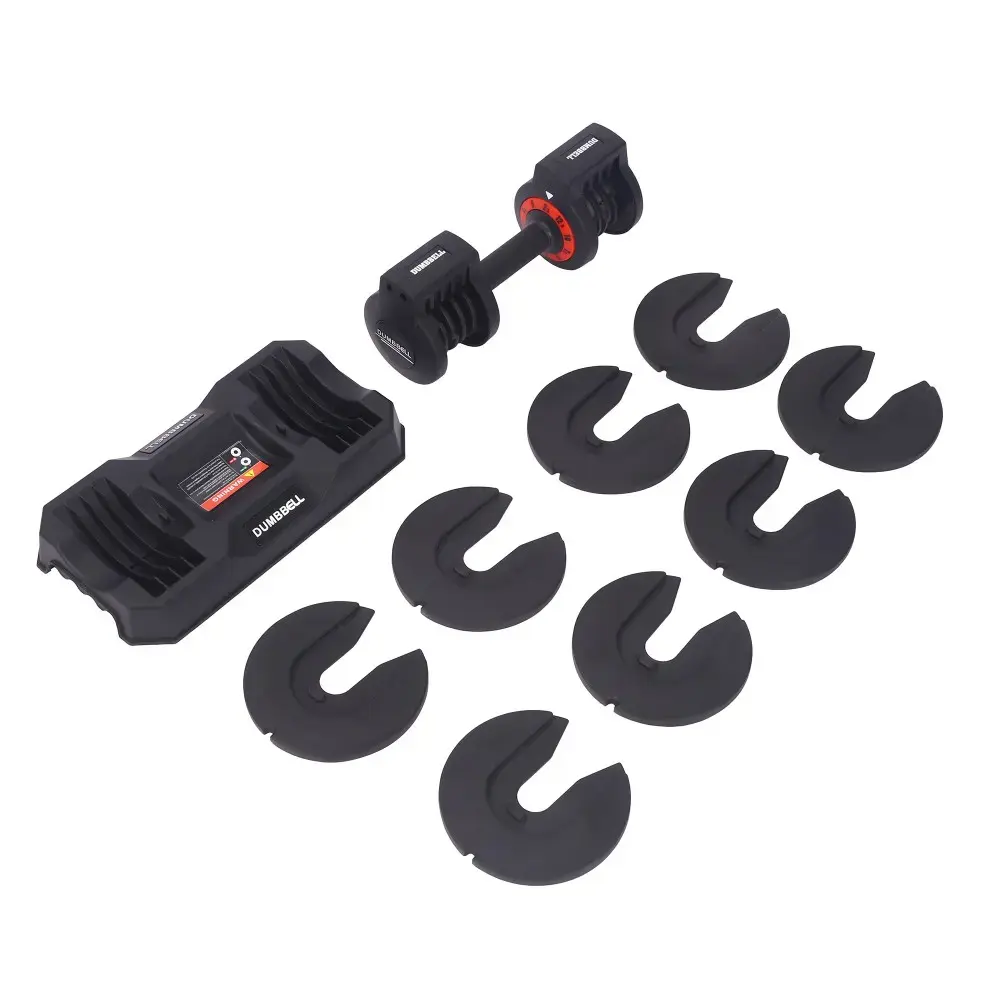
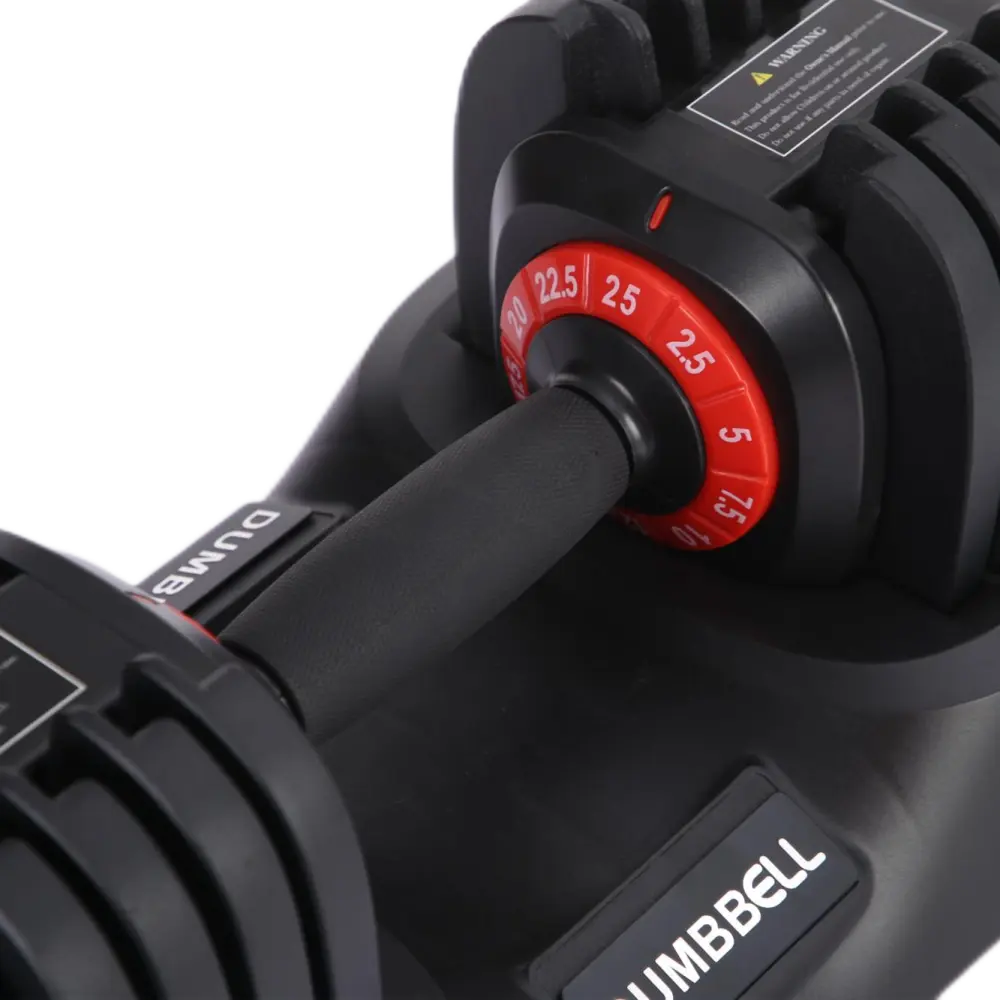
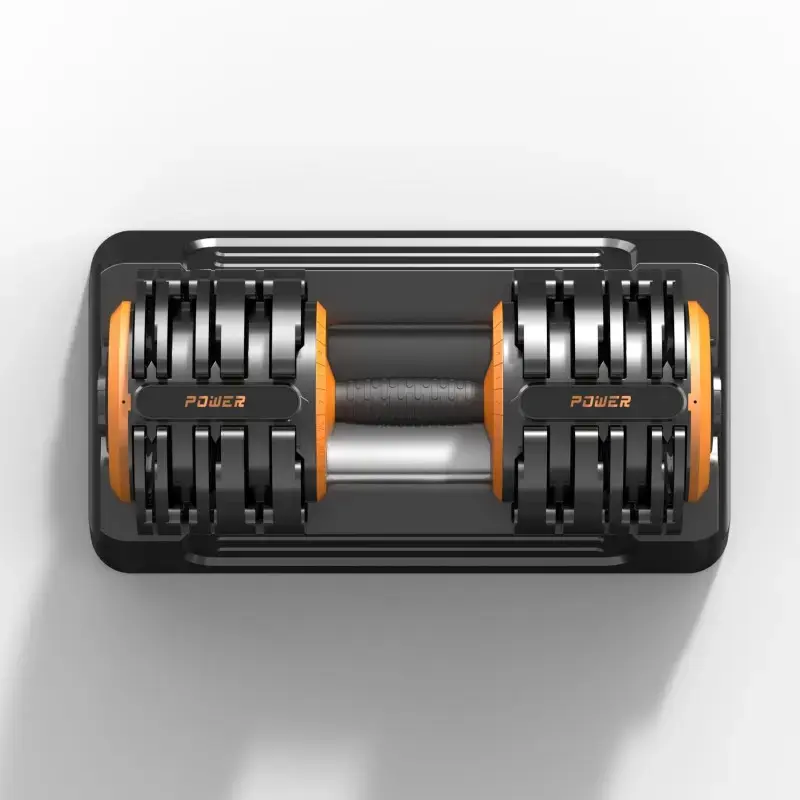
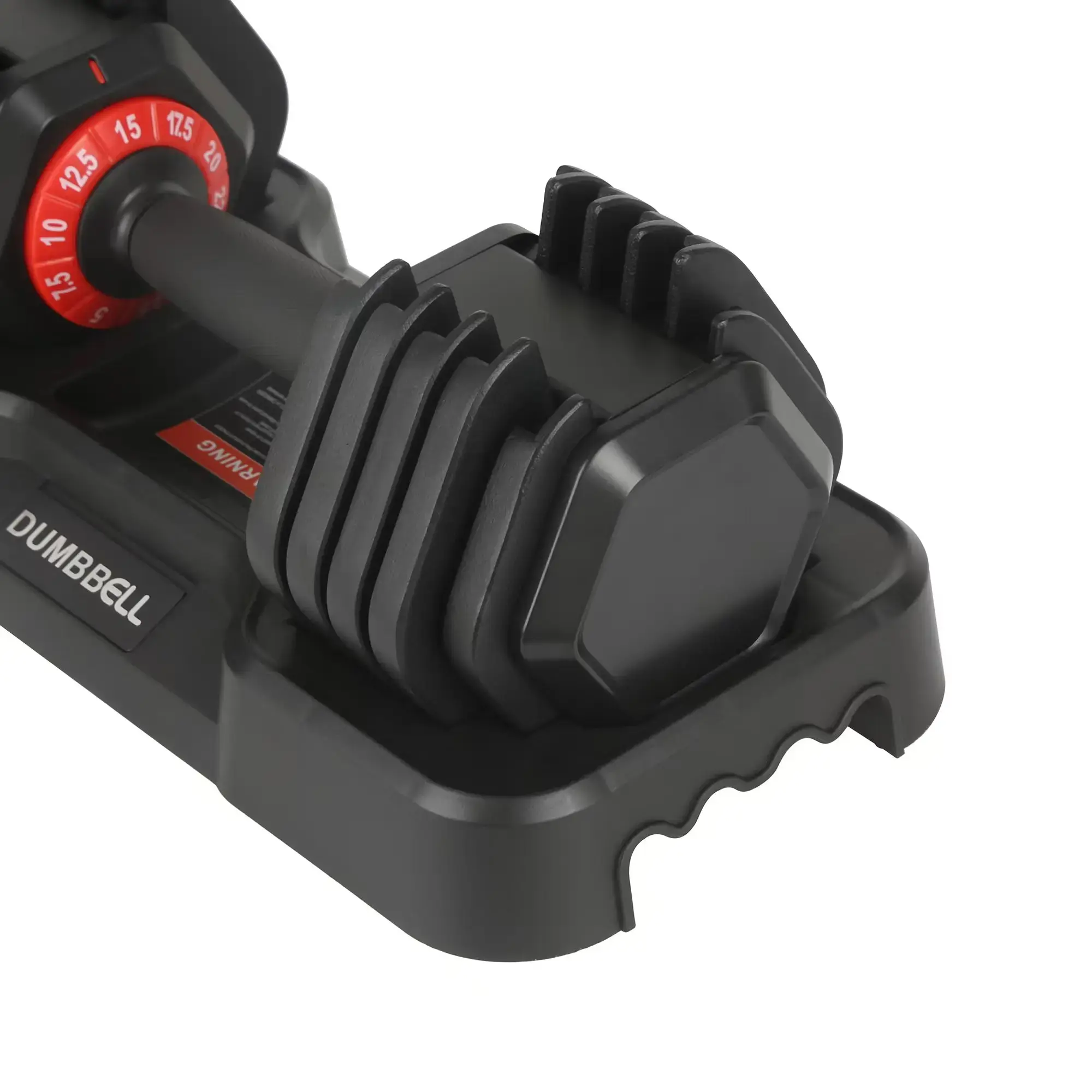
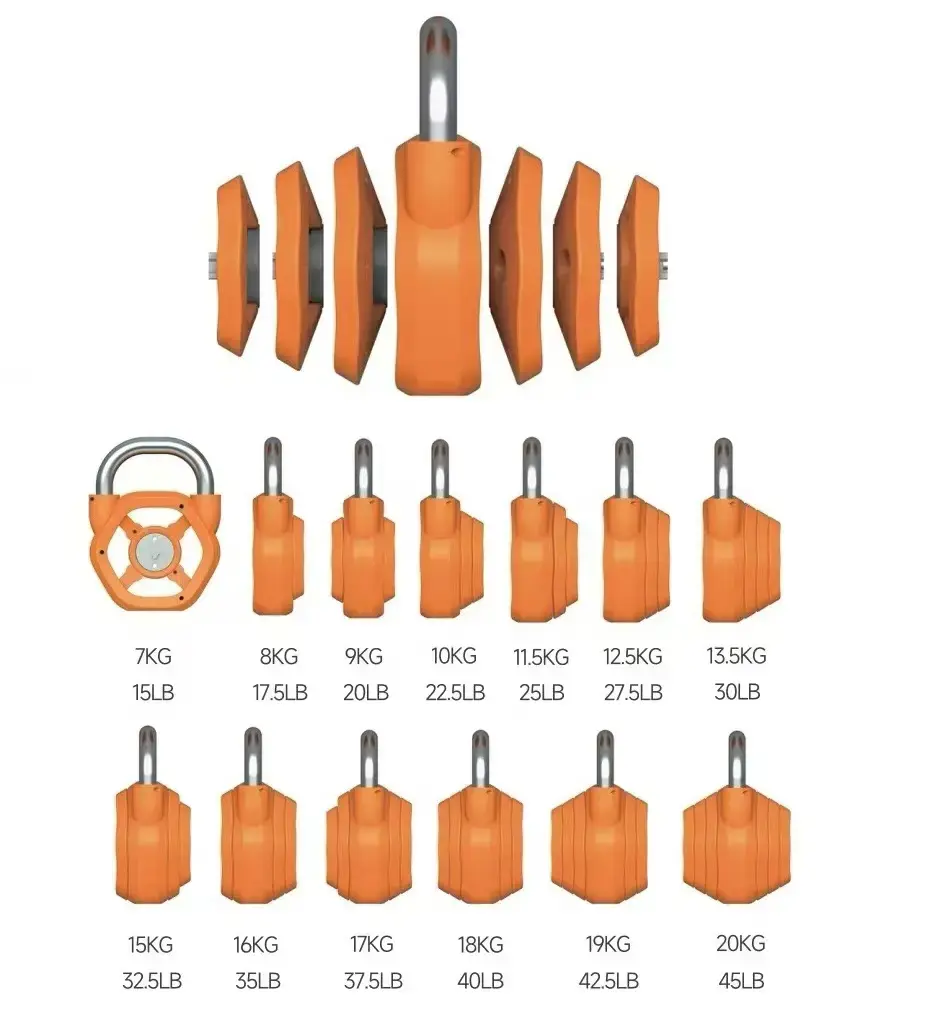
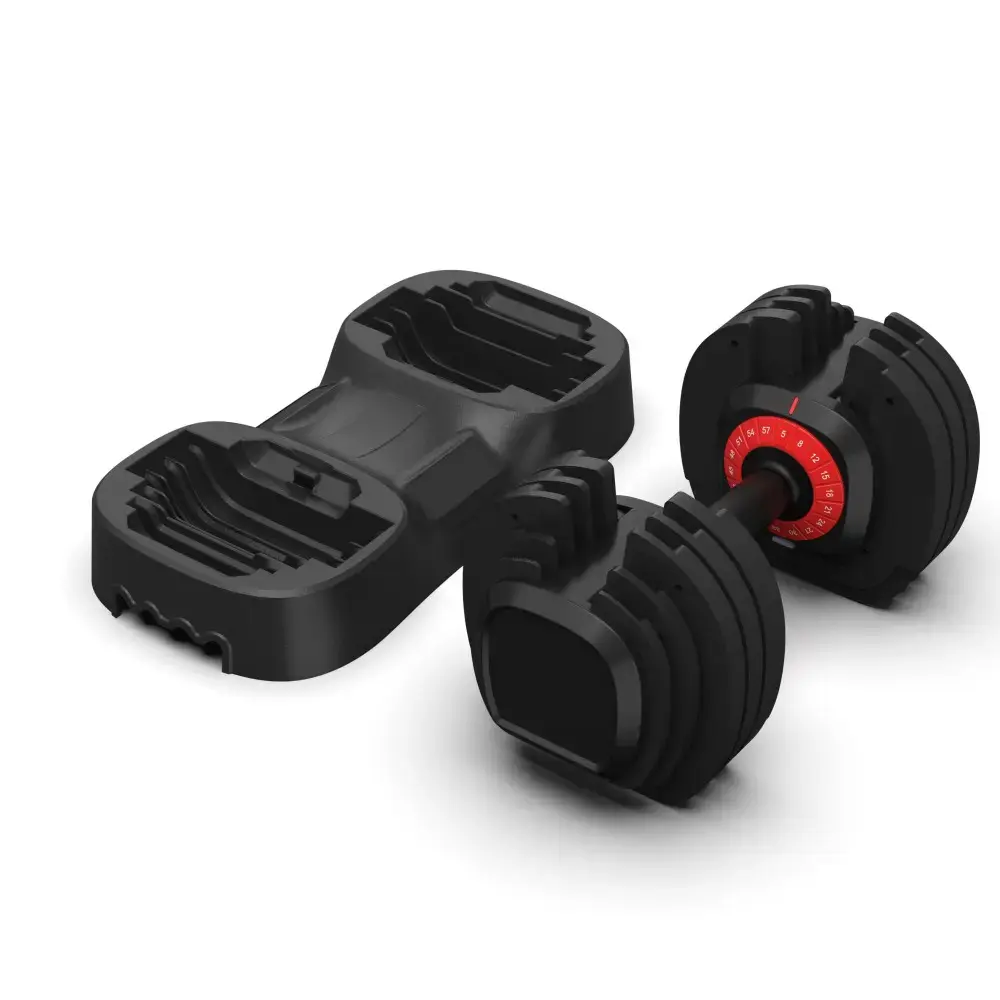
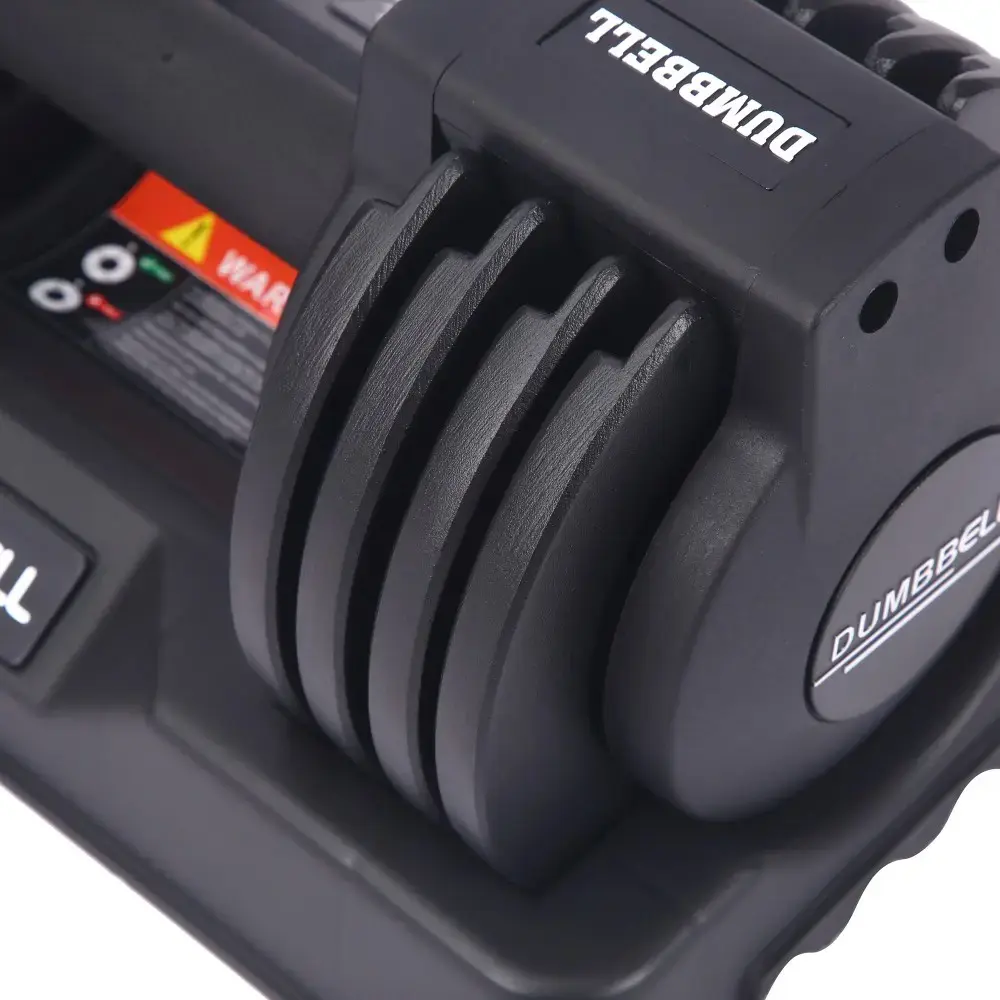
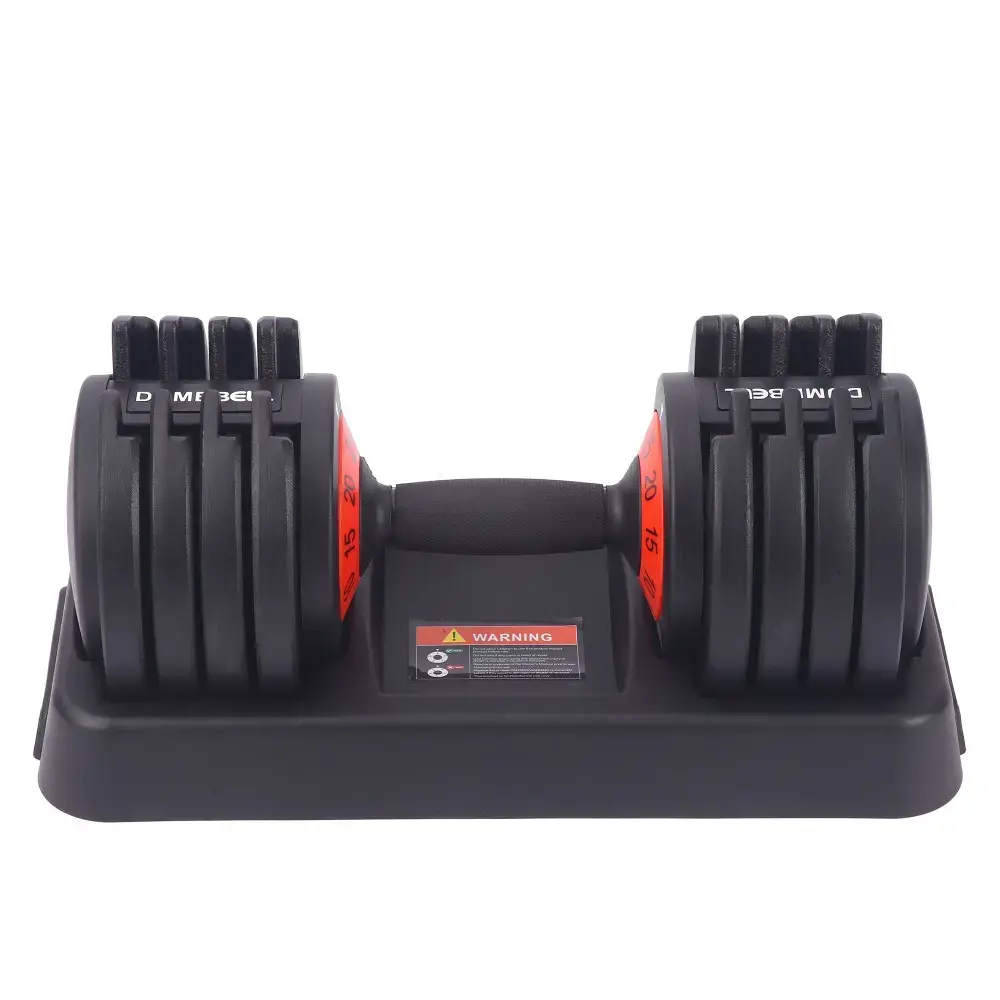
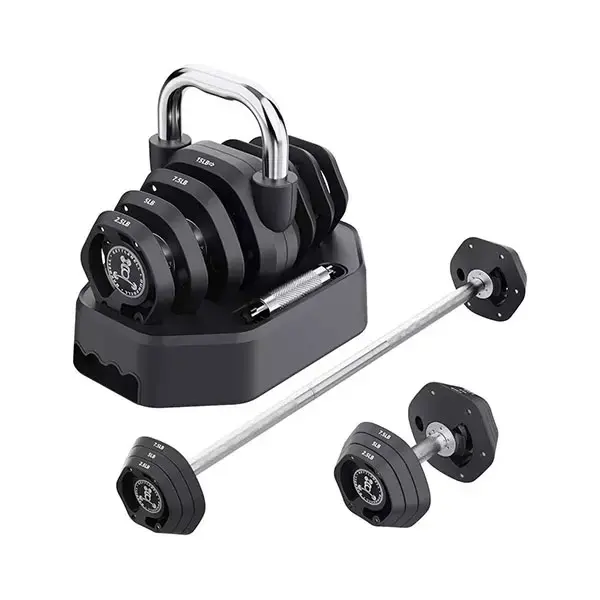
• Adjustable Dumbbells: The weight can be quickly switched (such as 2kg-20kg) through rotation or pin design, reducing the occupied storage space and making them more suitable for small-sized households.
• Eco-friendly materials: Equipped with anti-rust coating or recycled plastic casing, it is suitable for long-term use in hot and humid climates such as Southeast Asia and Africa.
• Basic Set: Offers an entry-level combination of "1-2 dumbbells + training guide" to lower the threshold for beginners to try.
2. Channel penetration: The potential of third - and fourth-tier cities and rural markets
At present, the main sales of home fitness equipment are concentrated in e-commerce channels in first - and second-tier cities, but the growth potential in third - and fourth-tier cities and rural areas has not been fully unleashed. Consumers in these areas also face the problems of long distances and high costs of gyms, but the demand for "exercising at home" is real - especially with the popularization of smart phones (short video platforms have become the main medium for the dissemination of fitness content), users' awareness of home fitness is rapidly increasing. For this market, offering more flexible purchasing options (such as installment payments) and simplifying delivery and installation services will be the key to opening up the lower-tier markets.
3. Social-driven: The interaction effect between community and family scenarios
In developing countries, fitness behavior often has a "social attribute" - the model of family members exercising together and friends supervising each other is more common. Dumbbells, as equipment that can be used by multiple people (such as couples training together or parent-child interaction), can naturally blend into family Settings and even serve as a "bond" for community fitness activities. If brands or suppliers can enhance this scenario through content marketing (such as offering family training programs or parent-child fitness tutorials), it will further stimulate purchasing demand.
Fourth, conclusion: The long-term growth logic of the dumbbell market is clear
The home fitness market in developing countries is at a critical stage of "awakening to explosion", and dumbbells, as core equipment with low entry barriers, high adaptability and strong functionality, have far from having their growth potential fully tapped. From the demand side, the improvement of health awareness, the normalization of home scenarios, and the promotion of policies and social media jointly form a stable growth foundation. From the supply side, there are still numerous opportunities in product compatibility optimization, channel penetration, and the exploration of social scenarios.
For manufacturers or suppliers focusing on this field, seizing the core demands of consumers in developing countries for "practical, cost-effective and easy-to-use" products, and through precise product design and channel strategy layout, is expected to gain an advantage in the rapidly expanding market. In the future, with the further increase in residents' income levels and the in-depth penetration of fitness culture, the home fitness equipment market will continue to release vitality, and dumbbells, as a representative category within it, are bound to become one of the core driving forces for growth.