

Adjustable dumbbell strength factory

How Adjustable Dumbbells Work: The Difference Between Mechanical vs. Electronic Adjustment
How Adjustable Dumbbells Work: The Difference Between Mechanical vs. Electronic Adjustment
As a seasoned dumbbell expert with over fifteen years in the fitness equipment industry, I handle countless inquiries daily from cross-border buyers, wholesalers, and gym operators. One of the most common—and most perplexing—questions from B2B clients is: “You offer so many adjustable dumbbell models, all claiming convenience. Which should I recommend for gyms or end consumers? What's the real difference between mechanical button and electronic touch controls?” Today, we'll cut through the marketing jargon and break down the core working principles to clarify these differences, empowering you to make the smartest purchasing decision.
I. Mechanical Adjustable Dumbbells: How Does Classic Design Achieve “One Dumbbell, Multiple Uses”?
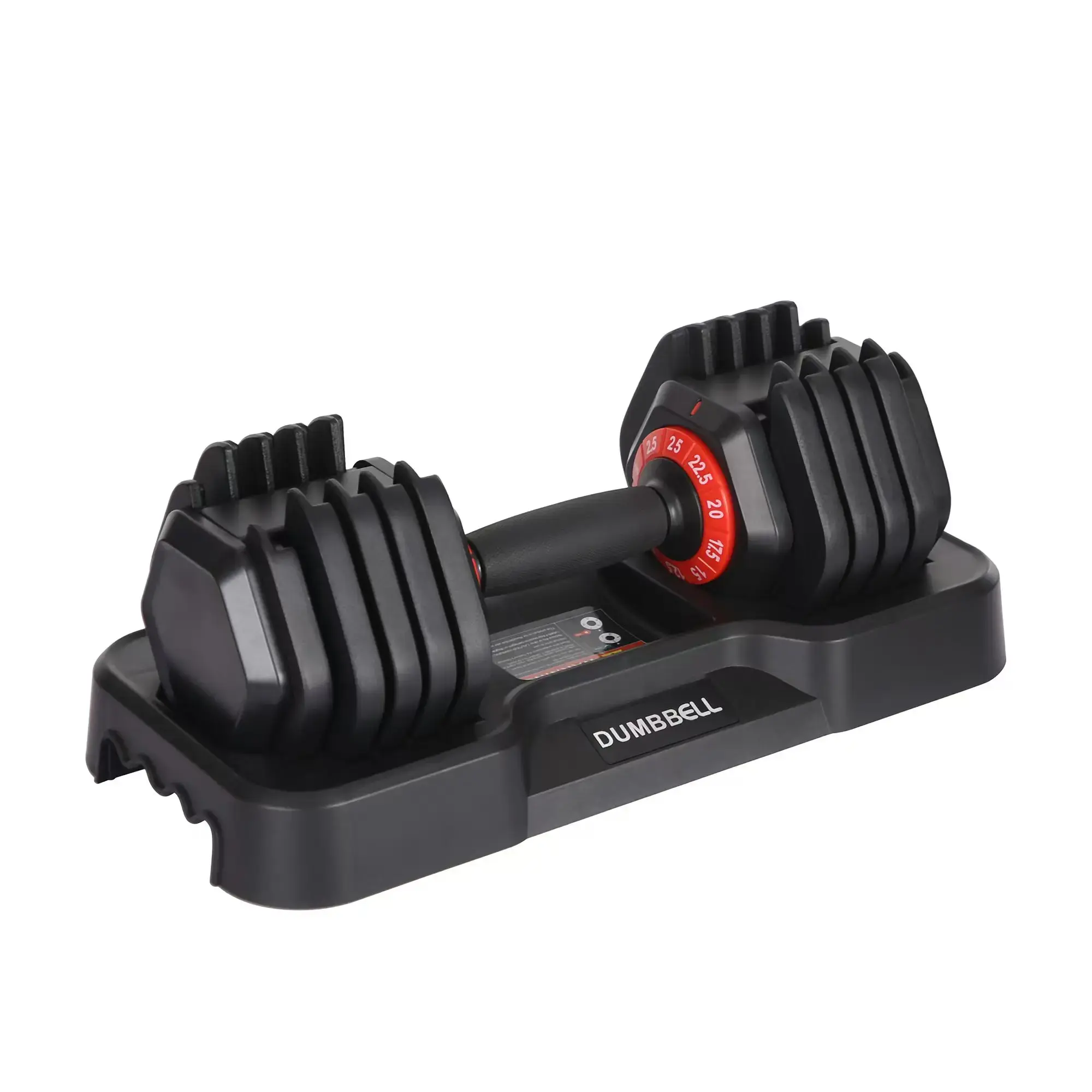
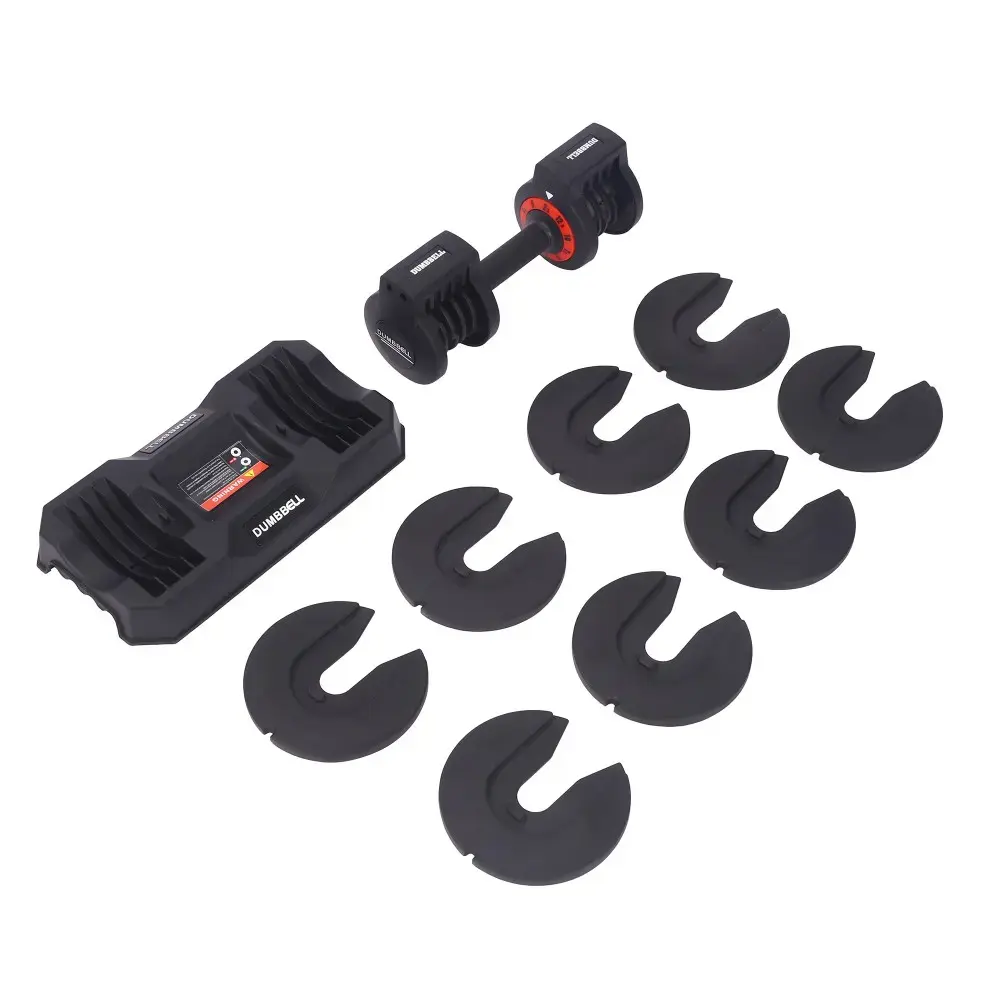
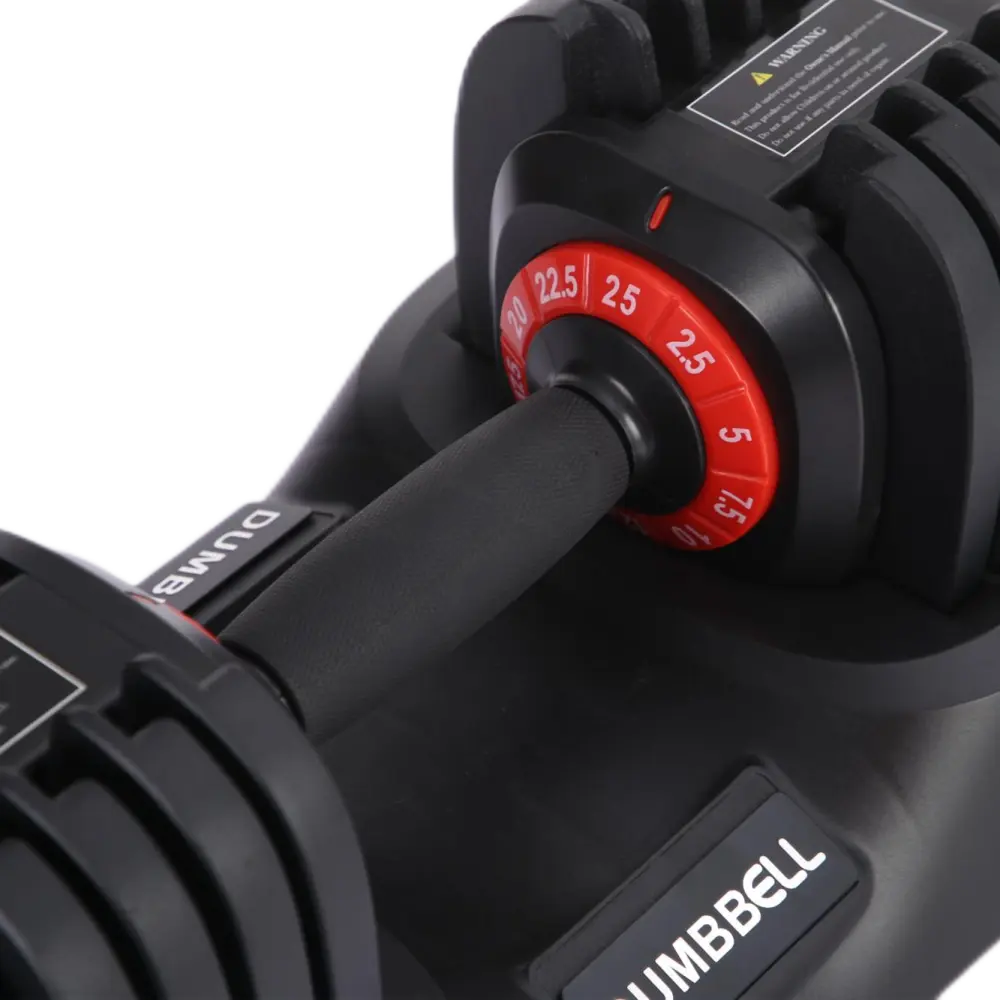
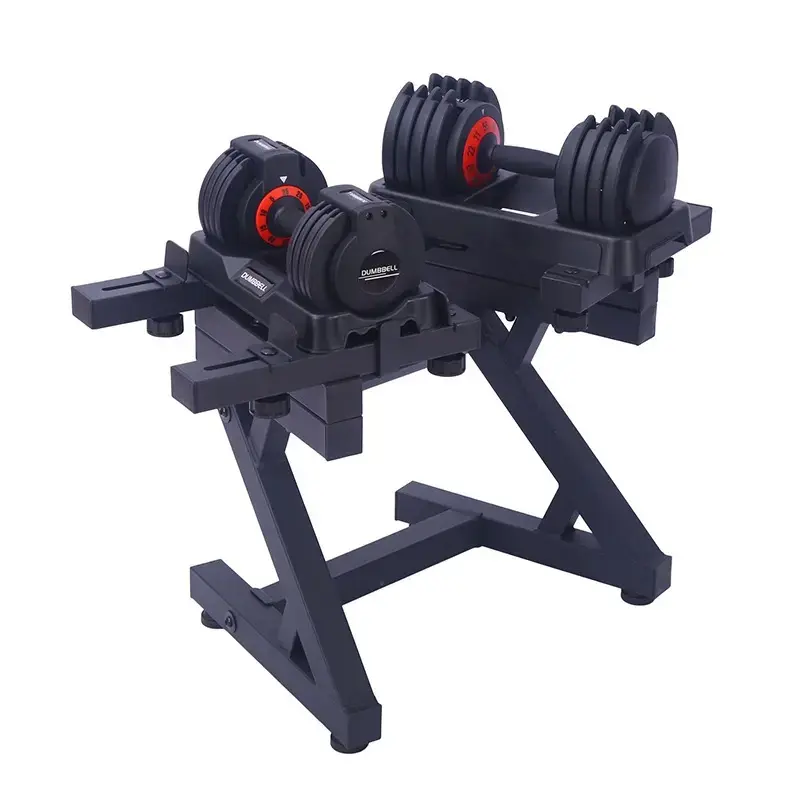
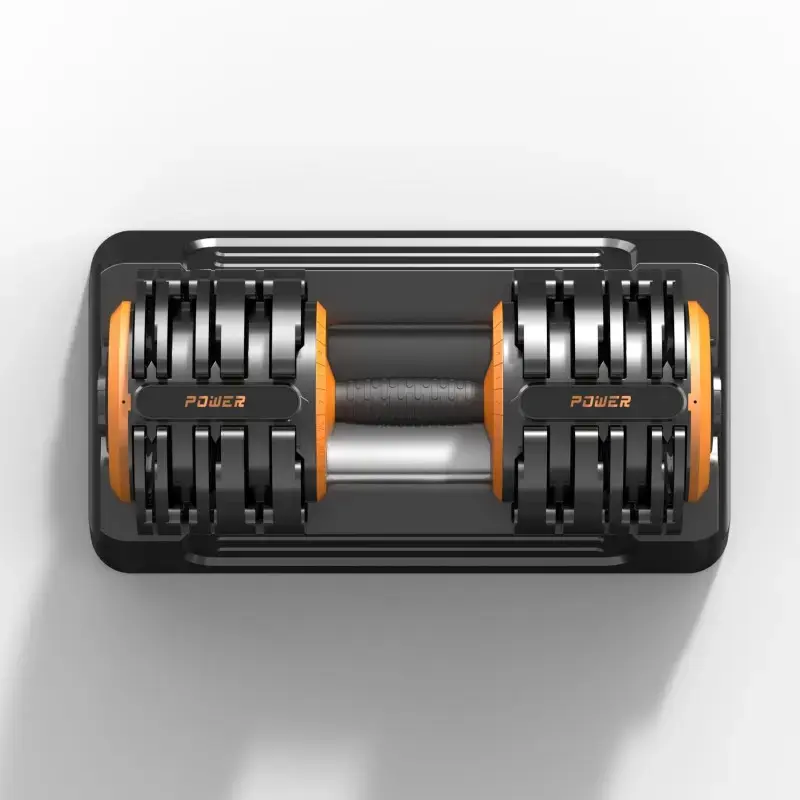
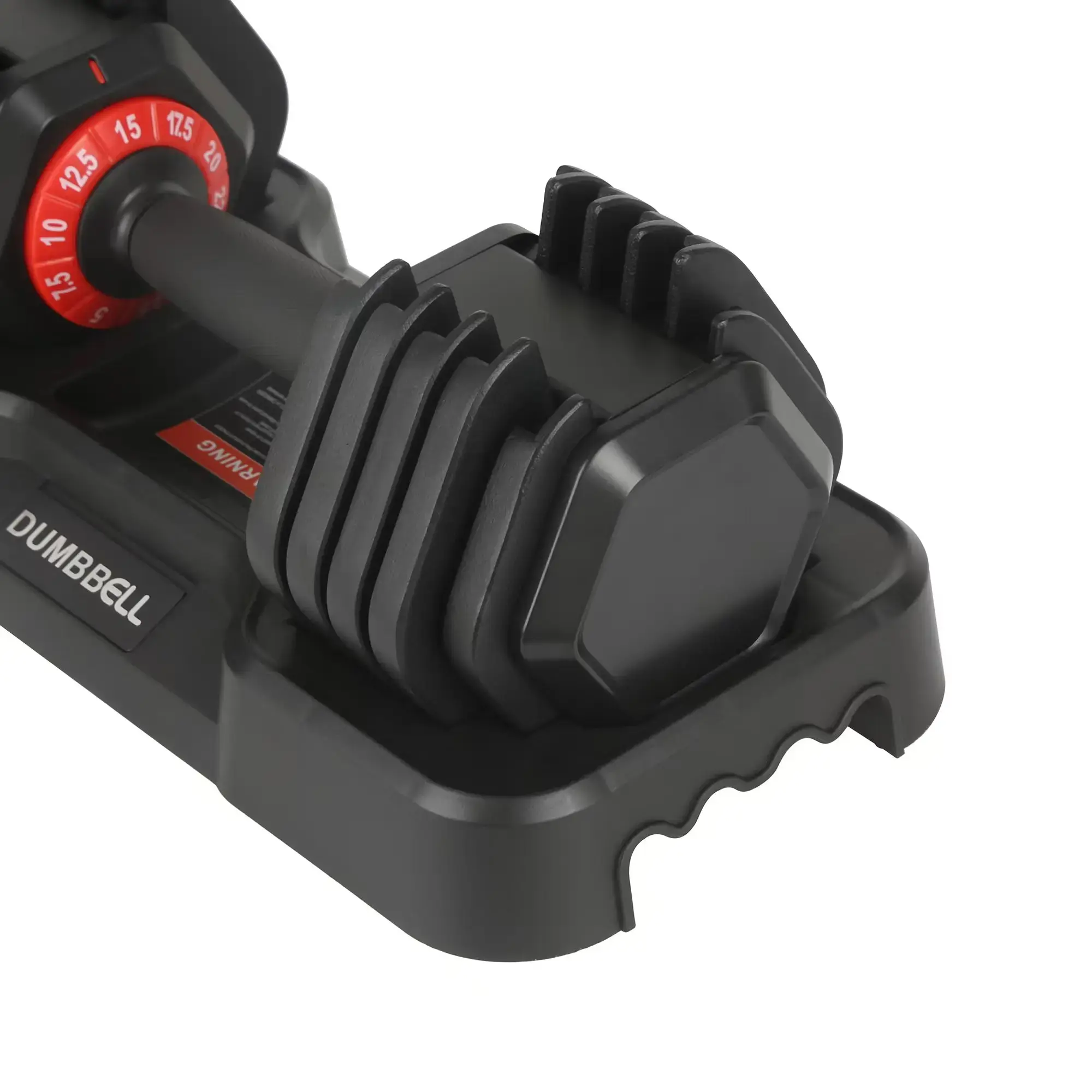
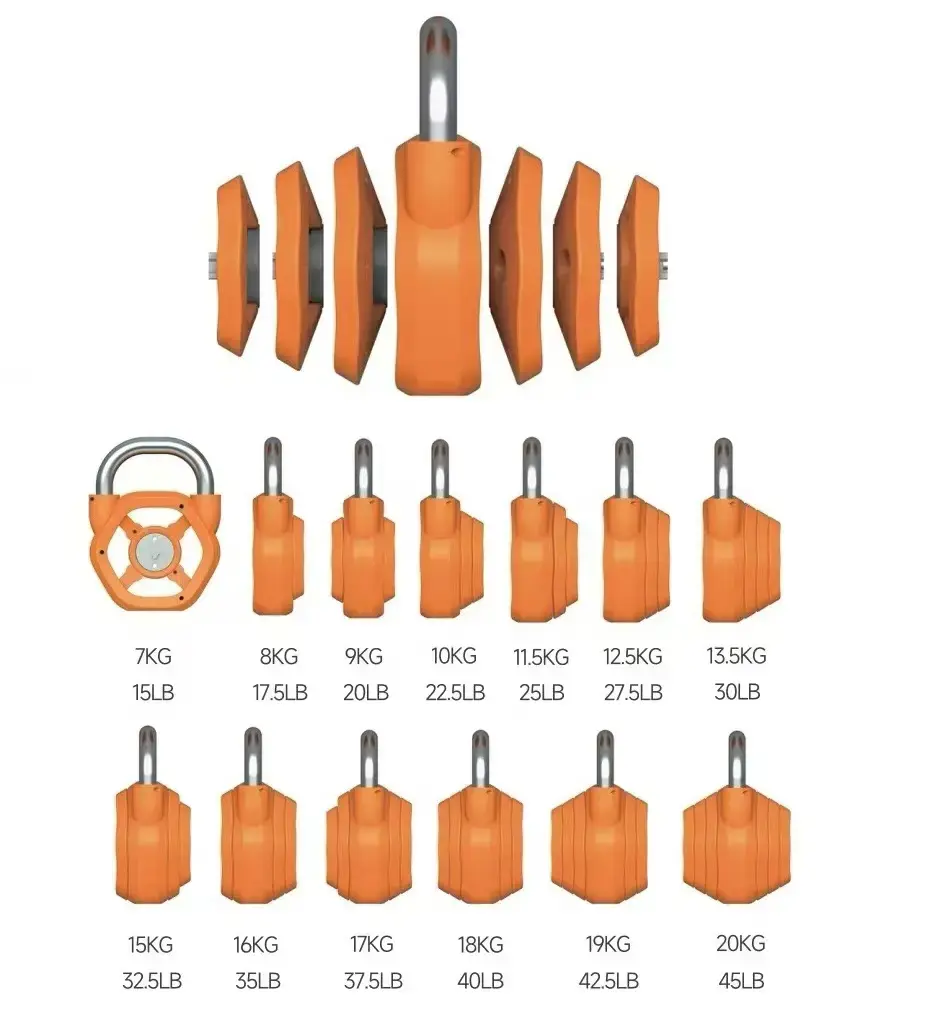
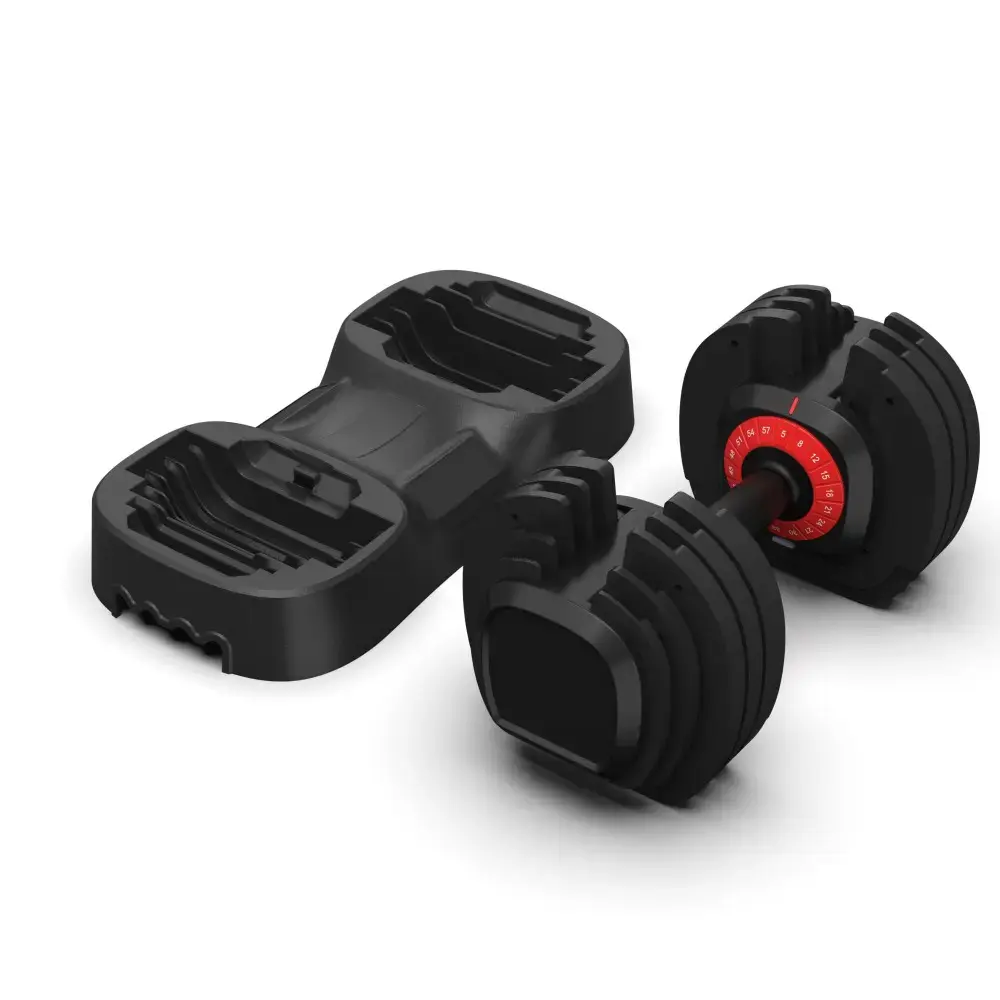
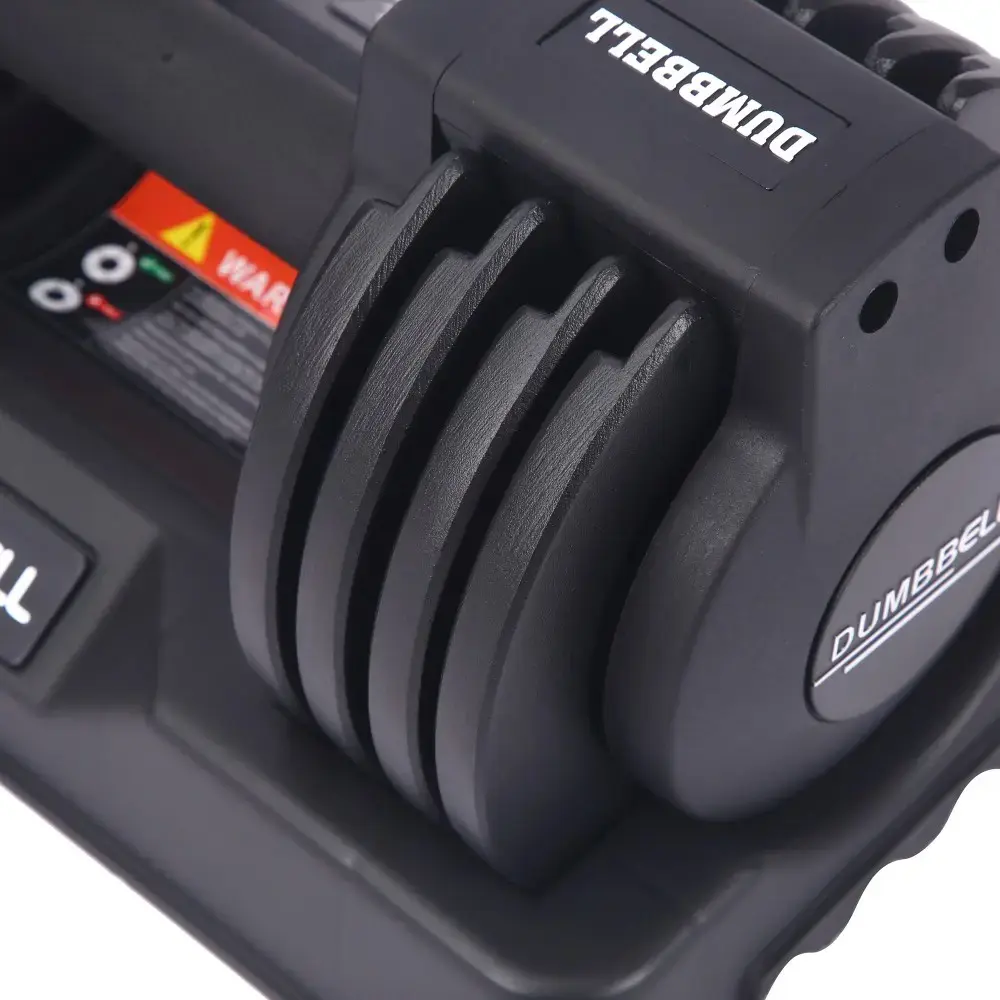
Mechanical adjustable dumbbells are the industry's “evergreen” products. Their core principle relies on physical locking mechanisms to secure weight plates. When you turn the knob at the dumbbell bar's end, flip the side lever, or press the button, you're actually manipulating a precise internal system of pins or gears. This system engages with specific grooves or holes inside the bar, “selecting” and locking the corresponding number of weight plates. Unselected weight plates remain disengaged from the handle, effectively “free-spinning.”
Industry Case Study & Data: Take the SelectTech series from global leader Bowflex as an example. Its classic lever-style design allows users to switch from 5 lbs to 52.5 lbs in seconds. Based on our five-year post-sales data tracking, under normal commercial usage (30-40 cycles per day), the core nylon composite selector and steel pin mechanism achieved an average mean time between failures exceeding 30,000 cycles, demonstrating the mechanical structure's durability.
Common User Question: “Does mechanical adjustment break easily in high-frequency commercial environments?”
Answer: The key lies in material selection and design. Commercial-grade products utilize high-grade alloy steel pins and reinforced engineering plastics, subjected to rigorous fatigue testing. The weakness typically resides not in the core locking mechanism, but in potential wear from prolonged, forceful use of external levers. Therefore, selecting models with reinforced designs is crucial.
II. Electronic Adjustable Dumbbells: How Smart Technology Redefines “Convenience”?
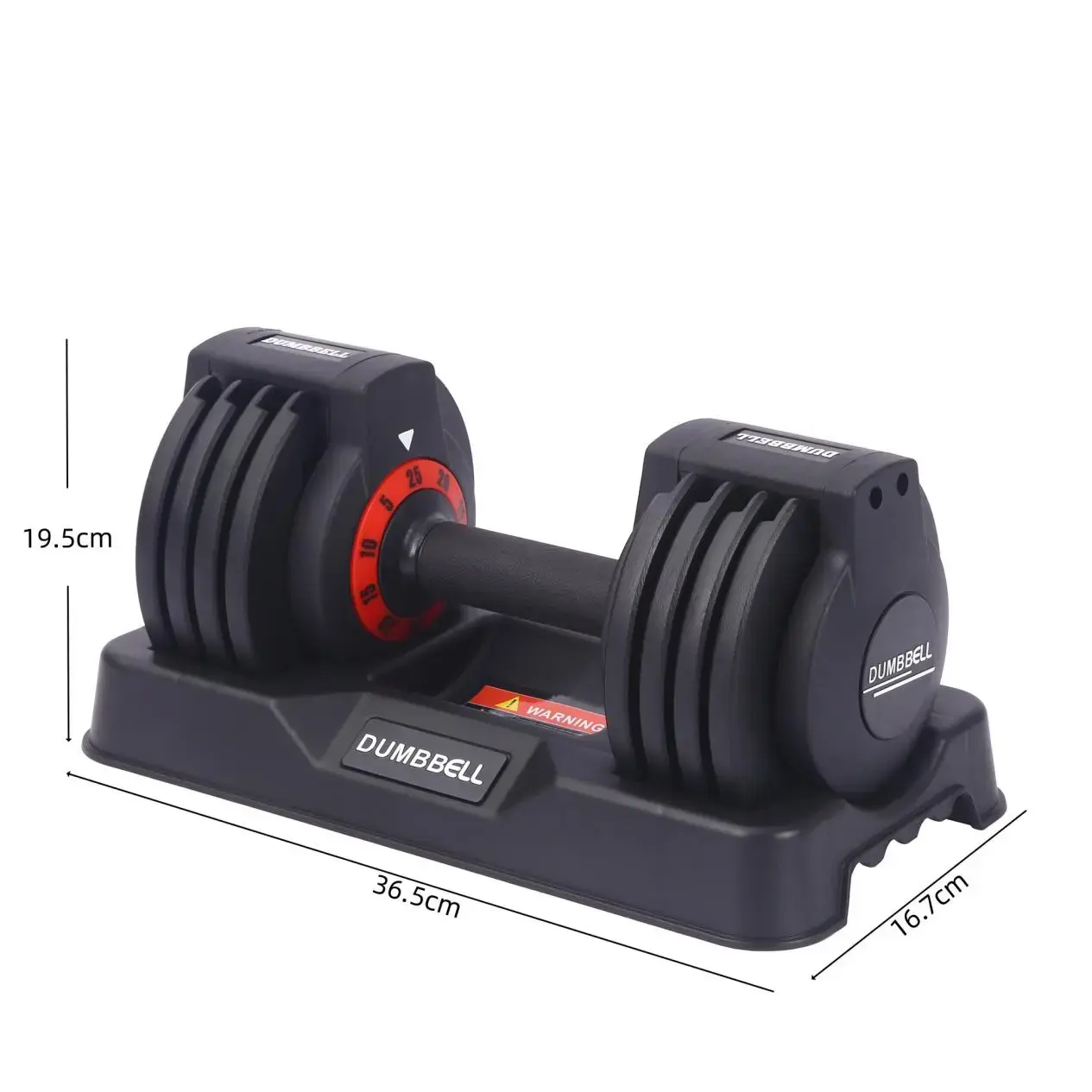
Electronic adjustable dumbbells represent a recent trend in technological convergence. Their operating principle can be simply understood as “motor-driven automated mechanical adjustment.” After users select weights via touchscreens, buttons, or even connected smartphone apps, the control board issues commands to activate built-in high-torque, low-noise DC motors (or stepper motors). These motors drive a precision reduction gear system, which in turn operates a mechanical-style pin or threaded rod mechanism to automatically locate, align, and lock the weight plates. Advanced models integrate sensors to confirm locking status and record training data.
Industry Case & Data: For instance, certain Smart Dumbbells on the market feature built-in motors and control systems capable of switching weights across the full range within 2-3 seconds, operating at noise levels below 50 decibels. This makes them ideal for home use and high-end personal training studios, creating a quiet workout environment. Based on our tracking of purchases by a group of high-end European gyms, electronic dumbbells increase equipment usage frequency by approximately 15-20% due to their novelty and data tracking capabilities.
Common User Questions: “Do electronic dumbbells require charging? How waterproof and sweat-resistant are they?”
Answer: Yes, most require periodic charging or continuous power connection. This is a critical consideration during procurement. High-quality electronic dumbbells feature sealed designs with comprehensive sweat/moisture-resistant coatings on circuit boards and motor interfaces, achieving specific dust/water resistance ratings (e.g., IPX4). However, they should never be exposed to direct liquid splashes or extreme humidity.
III. Core Differences Comparison: Five Key Dimensions Buyers Must Weigh
Once you understand the principles, the differences become clear. This comparison chart helps you quickly grasp the essentials:
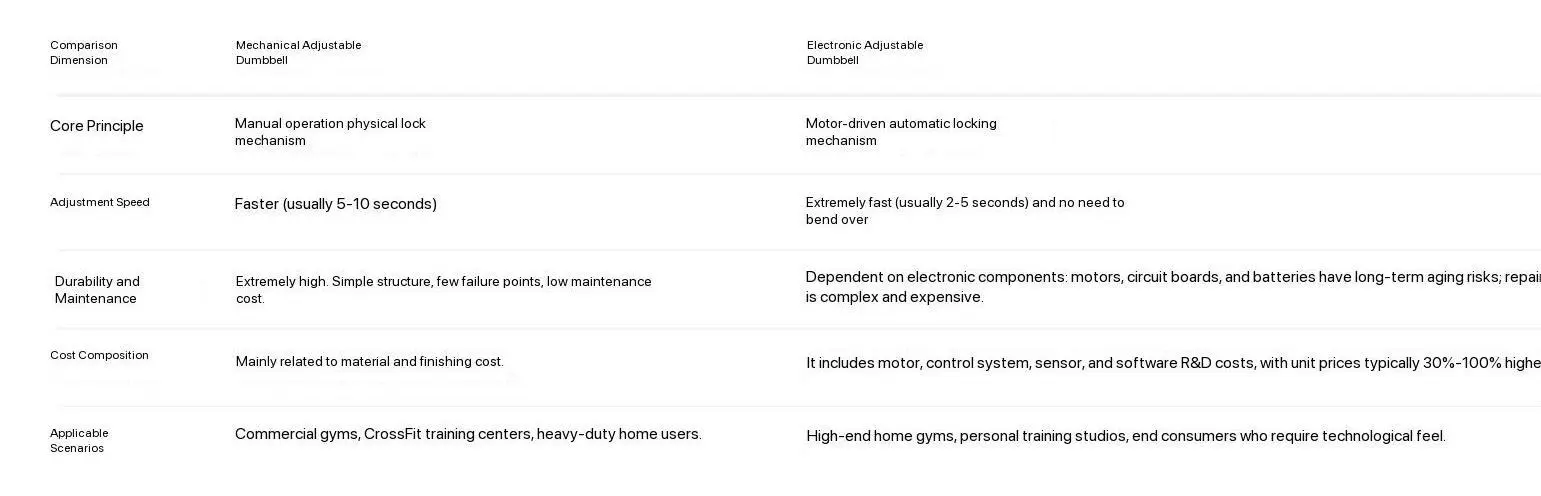
Common User Question: “For us wholesalers, which product offers better inventory turnover and profit margins?”
Answer: This depends on your distribution channel. Mechanical dumbbells appeal to a broad audience with stable demand, making them high-volume “cash cows” with moderate profit margins but rapid turnover. Electronic dumbbells are high-value, high-margin products that enhance brand image. However, they target a more specific audience, have slower inventory turnover, and are better suited for retail channels or cross-border e-commerce platforms catering to mid-to-high-end consumers.
IV. How to Make the Best Choice Based on Your Customer Base?
As a procurement decision-maker, your choice should not be based on personal preference but on the actual usage scenarios of your target customers.
• If you primarily supply large commercial gyms or fitness clubs: Reliability is paramount. Opting for top-tier steel and mechanically adjustable dumbbells with market-proven structures is the safer choice. They withstand hundreds of high-intensity, high-frequency uses daily and require minimal maintenance. Showcasing impact-test data and core component warranties to your clients carries far more weight than touting flashy features.
• For home users or high-end individual consumers: Experience and added value are paramount. The tech appeal, silent switching, and app data integration of electronic adjustable dumbbells make powerful selling points. Marketing should emphasize how they save end-users time, enhance workout enjoyment, and create a seamless smart fitness experience. Bundling with online courses can boost appeal.
• For professional training facilities or athletes: Adjustment speed and precision weight requirements take precedence. Both high-end mechanical dumbbells (e.g., quick-dial models) and top-tier electronic dumbbells meet these demands. Here, compare their actual performance in “specific weight transition speed” (e.g., shifting from 20kg to 22.5kg), along with whether their feel and balance meet professional standards.
Conclusion
In summary, the evolution of adjustable dumbbell mechanisms—from purely mechanical to electromechanical—essentially seeks different balances between “ultimate durability” and “ultimate convenience.” Mechanical adjustment firmly anchors the commercial and utilitarian markets with its ruggedness, reliability, and high cost-effectiveness. Electronic adjustment, meanwhile, pioneers new frontiers in high-end home use and tech-driven fitness through disruptive user experiences and innovative features. There is no absolute superiority; only whether it aligns with your business model and end-user needs. We hope this in-depth analysis rooted in fundamental principles helps buyers, wholesalers, and B2B clients cut through the confusion. When selecting products next time, you'll not only understand “what it is” but also discern ‘why’ and “how to choose” from the underlying logic.
FAQ
Q1: With a limited budget, should I buy one pair of high-end electronic adjustable dumbbells or a set of traditional fixed-weight dumbbells with multiple weights?
A: This depends on space and the number of users. For single-user home settings prioritizing space efficiency and convenience, a reliable pair of electronic dumbbells is a worthwhile investment. However, for multi-user households or small studios, a fixed weight set (like rubber-Coated Dumbbells) may take up more space but allows simultaneous use by multiple people. With zero maintenance and no risk of damage, the total cost of ownership could be lower.
Q2: When quickly switching weights on mechanical adjustable dumbbells, is there a risk of loose locks causing wobbling or rattling noises?
A: High-quality products eliminate rattling through precision machining and tolerance control. However, any mechanical structure may develop slight play over time—normal wear that typically doesn't compromise safety. When purchasing, prioritize brands with patented locking mechanisms and positive long-term user reviews. Also, train end-users to habitually give a gentle shake after switching weights to check stability.
Q3: Will electronic dumbbell software or apps incur future fees?
A: Brand strategies vary. The current mainstream model offers basic functions (e.g., weight adjustment, fundamental data logging) free of charge, while advanced courses, personalized plans, or social features may require subscriptions. As a purchaser, this must be clearly confirmed with the brand and explicitly communicated to consumers to avoid subsequent disputes that could damage brand reputation.
Meta Description: Deep dive into the working principles of adjustable dumbbells, comparing core differences, durability, and suitability between mechanical and electronic adjustment systems. This article offers expert industry insights to help cross-border buyers, wholesalers, and B2B clients make precise product selection decisions, enhancing procurement efficiency and end-user satisfaction. Read now for a professional purchasing guide.
Keywords: Adjustable dumbbell mechanics, mechanical dumbbells, electronic dumbbells, commercial fitness equipment procurement, dumbbell B2B selection guide