

Product News
Adjustable dumbbell strength factory
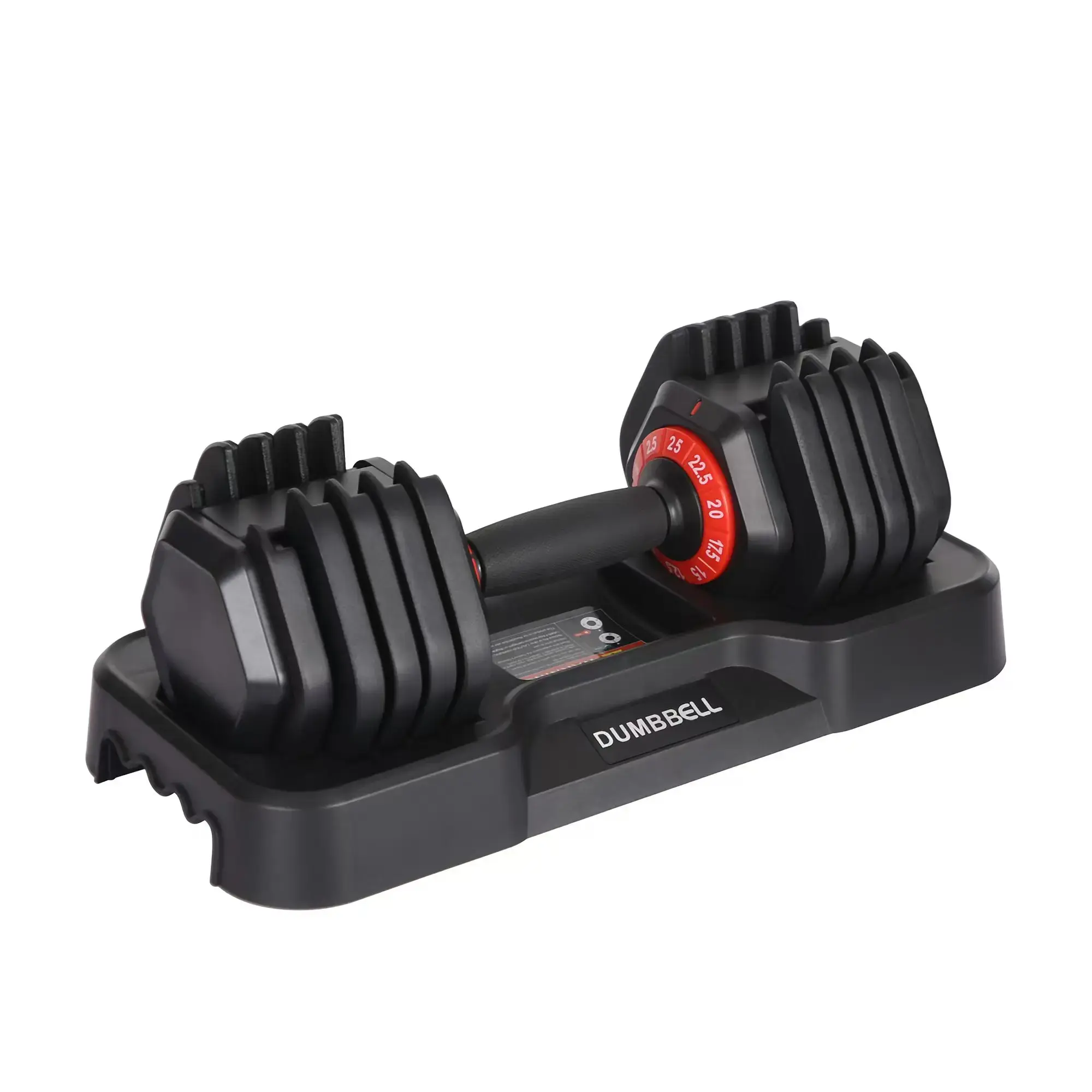

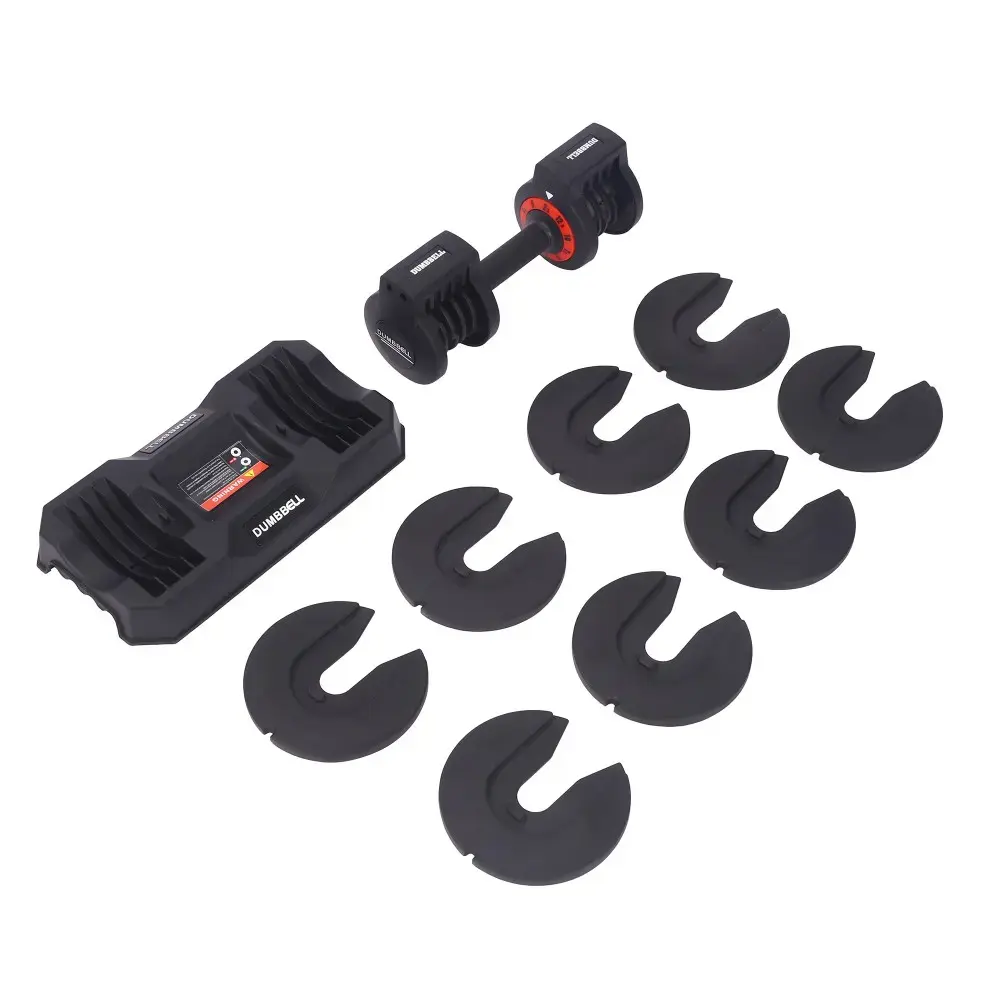
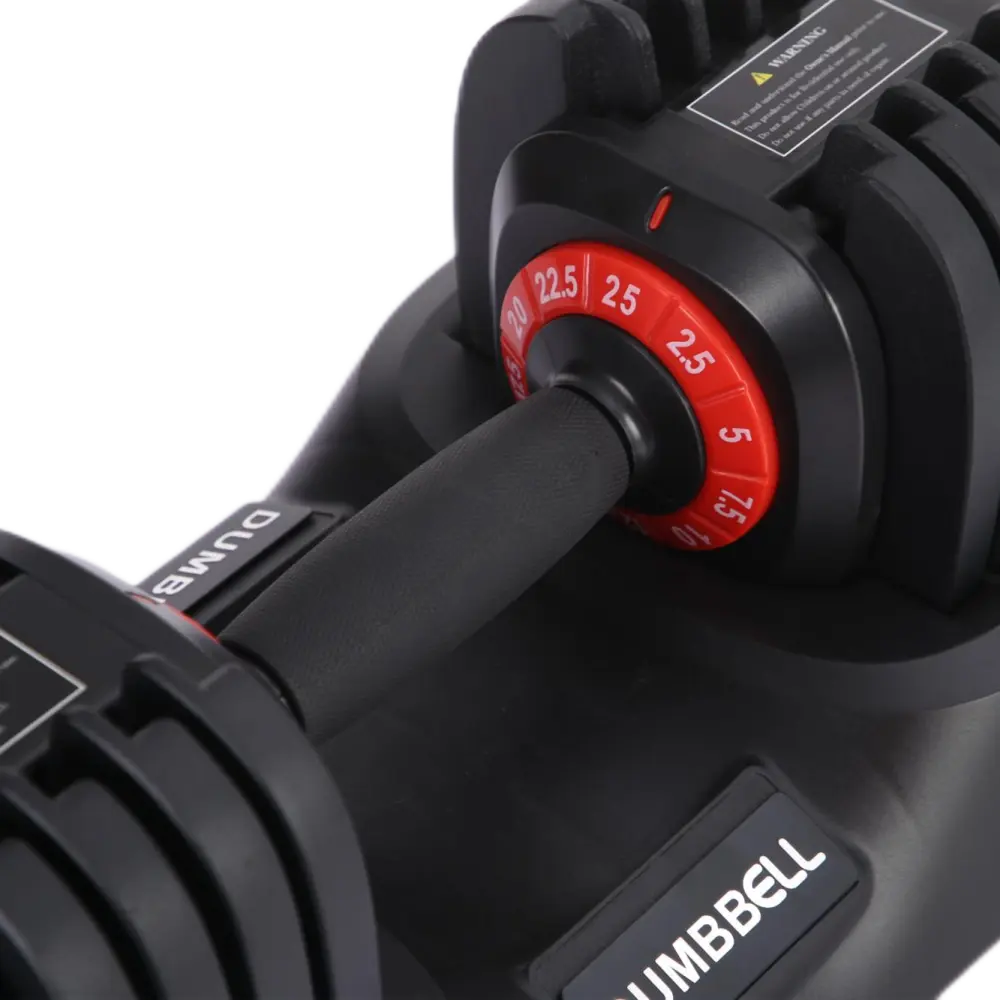
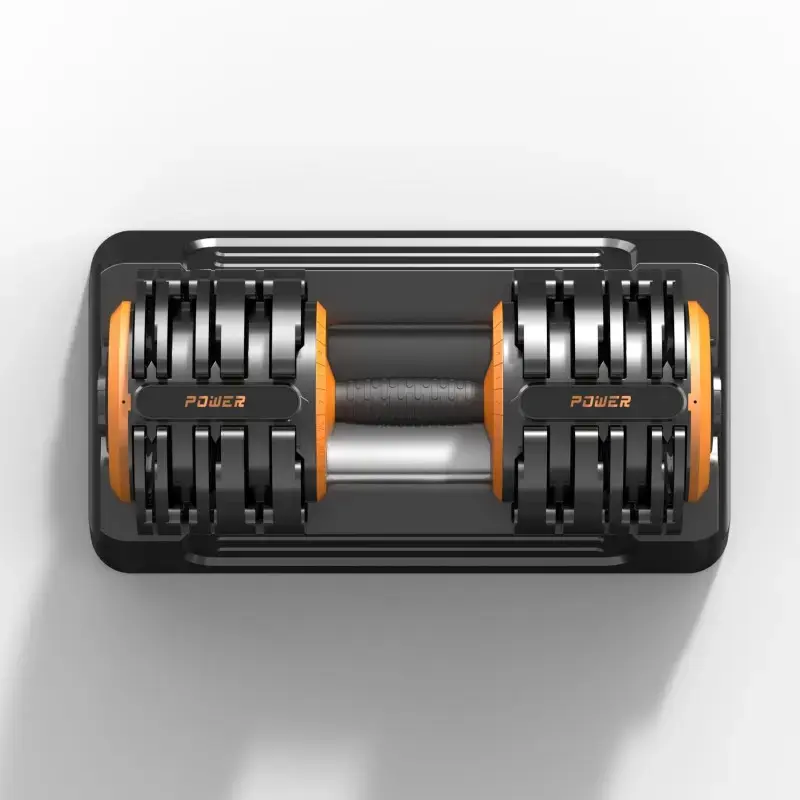
Load-Bearing Design of Mobile Dumbbell Racks: Material Selection & Structural Principles
2026-03-02
Load-Bearing Design of Mobile Dumbbell Racks: Material Selection & Structural Principles
The load-bearing design of mobile dumbbell racks is the core factor determining product durability, safety, and market competitiveness. It is also a common pitfall for many cross-border buyers and wholesalers. Many buyers have reported that bulk-purchased mobile dumbbell racks either lack load capacity and deform under several pairs of Heavy Dumbbells, or shake unstably during movement, leading to continuous end-customer complaints, cost losses, and damaged reputations.
This article breaks down the key points of load-bearing design for mobile dumbbell racks from two core dimensions: material selection and structural principles, helping you avoid mistakes in purchasing and use, whether for product selection or personal use. We will start with the basics of material selection and gradually clarify the logic of load-bearing design.
1. How to Select Load-Bearing Materials for Mobile Dumbbell Racks?
The load capacity of a mobile dumbbell rack is first determined by its core materials. Different materials vary greatly in strength, corrosion resistance, and cost. Choosing the right material balances load safety and cost performance.
Many buyers fall into the misunderstanding that “thicker is better”. In fact, the material grade and processing technology are more important than thickness alone.
There are two mainstream load-bearing materials on the market:
- Carbon Steel Low cost, moderate strength, suitable for household use with low load requirements. However, it has poor corrosion resistance and rusts easily, requiring additional surface treatments such as spraying or galvanizing, especially in humid southern regions.
- Cold-Rolled Steel Further processed from hot-rolled steel at room temperature, with a smoother surface, higher dimensional accuracy, and approximately 20% higher strength than carbon steel with the same carbon content. It offers stronger load capacity and better corrosion resistance. However, it has more processing procedures and costs 20%–50% higher than carbon steel, making it suitable for commercial or cross-border export scenarios with high requirements for load capacity and appearance.
Real Case
A cross-border buyer initially purchased carbon steel mobile dumbbell racks for the Southeast Asian market to control costs. Within half a year, many complaints arose regarding rust and insufficient load capacity—racks deformed slightly under 10 pairs of 20kg dumbbells, forcing full rework and replacement. After switching to 3.0mm cold-rolled steel with electrostatic spraying, the complaint rate dropped by 60%, and end-user repurchase rates improved significantly.
In short:
- Carbon steel is sufficient for budget household consumers.
- Cold-rolled steel is more cost-effective in the long run for exports to Europe, America, and commercial gym clients, reducing after-sales issues.
2. Structural Principles of Mobile Dumbbell Racks: Stable & Shake-Resistant Design
Selecting the right material is only the foundation. A reasonable structure maximizes material performance while resolving the conflict between mobility and load stability.
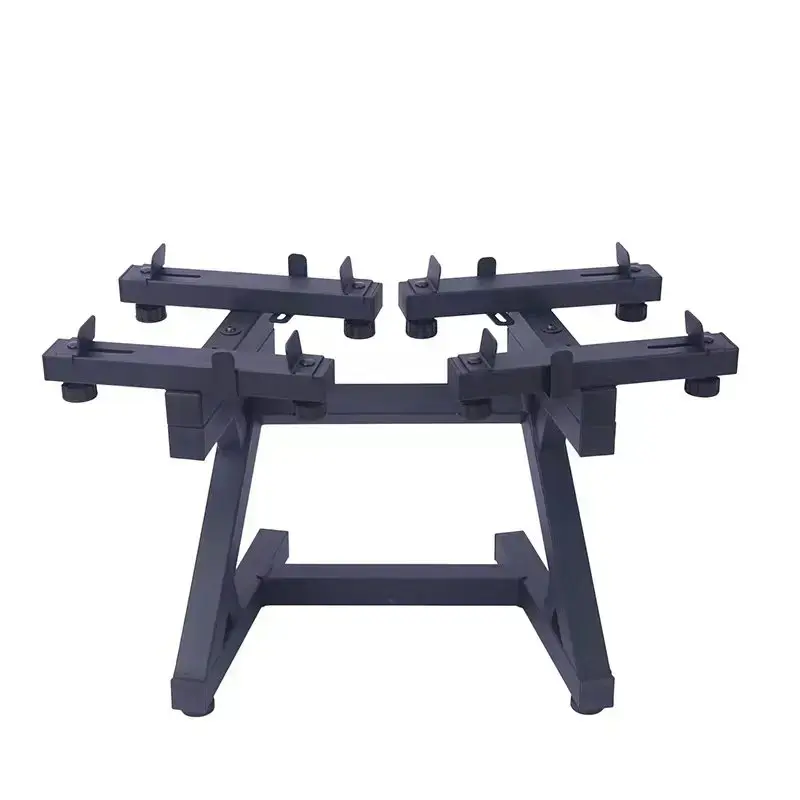
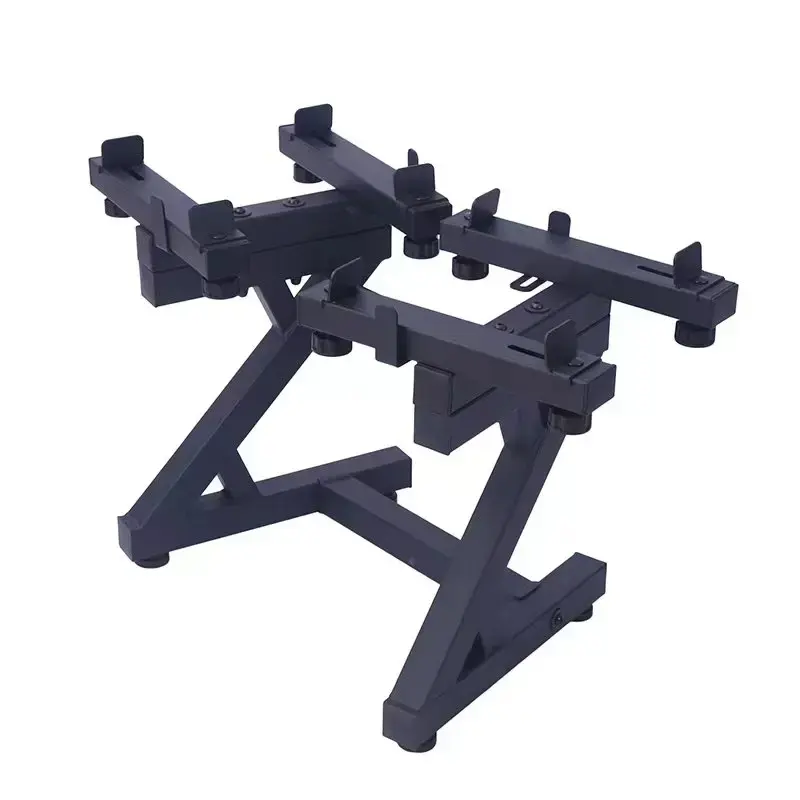
The core structure is the “upright–crossbeam–base” triangular support system. The triangular structure evenly distributes the weight of the dumbbells across the entire frame, avoiding local overloading and deformation.
- Uprights: the core load-bearing component
- Crossbeams: connect uprights and distribute weight
- Base: determines overall stability, especially the caster design
Key Design Details
- Base width and weight A wider and heavier base lowers the center of gravity, reducing shaking during loading. One commercial fitness equipment manufacturer uses a base 15cm wider than standard racks with built-in counterweights. Even fully loaded with 15 pairs of heavy dumbbells, the rack does not tip or shake, and has passed CE, TÜV certifications.
- Caster design Casters do not reduce load capacity if properly selected and installed. Recommended: polyurethane (PU) swivel casters with high load capacity and wear resistance. Install near the base edge, symmetrically aligned with uprights, to ensure mobility while sharing weight and preventing damage.
3. Load-Bearing Standards for Mobile Dumbbell Racks
For cross-border buyers and wholesalers, load-bearing standards affect not only quality but also export compliance. Ignoring regional certification requirements can lead to cargo detention or returns.
Main Global Certification Standards
- EU EN 957
- US ASTM F2213
Both have strict requirements for load capacity, stability, and safety performance. For example, EN 957 requires:
- Static load capacity: 120% of rated load
- Dynamic load capacity: 150% of rated load
- Pass a 24-hour load test without deformation or loosening
Example
A buyer’s shipment to Europe was detained at customs for failing EN 957 load tests, causing high demurrage fees and delivery delays. After optimizing upright thickness and base structure to reach 130% of the rated static load, the product passed certification and achieved smooth subsequent exports.
Load Standards by Scenario
- Household: 200–300kg rated load
- Commercial: over 500kg rated load for gyms and training centers
- Exports to Europe & America: must comply with local certification standards
4. Load-Bearing Design Adapted to Different Scenarios
Load-bearing design must be customized to end-use scenarios to enhance competitiveness.
- Household Light to medium dumbbell storage. Rated load: 200–300kg. Focus: mobility and cost efficiency. Recommended: carbon steel, small base, space-saving.
- Commercial High-frequency use with heavy dumbbells. Rated load: over 500kg. Recommended: ≥3.0mm cold-rolled steel, widened base, reinforced crossbeams.
- Cross-Border Export
- Southeast Asia: humid climate → focus on corrosion resistance (carbon steel + galvanizing).
- Europe & America: emphasize safety and durability → cold-rolled steel, EN 957 compliance, 30% higher load redundancy.
Case
A cross-border wholesale client’s customized racks achieved a 45% repurchase rate after launching:
- Southeast Asia version: carbon steel + galvanized
- Europe & America version: cold-rolled steel + EN 957 certified
For household use, higher load capacity is not always better—it increases weight, reduces mobility, and raises costs. 200–300kg is enough for storing up to 10 pairs of dumbbells.
5. FAQ: Frequently Asked Questions About Load-Bearing Design
1. Do manufacturers overstate load capacity? How to verify?
Some manufacturers falsely label load capacity. You can check:
- Material thickness and grade (cold-rolled steel > carbon steel)
- Structural design (widened base, reinforced crossbeams)
- Official load test reports from third-party laboratories (static & dynamic data)
2. What is the maximum load for different materials?
- Ordinary carbon steel: 200–300kg (household)
- 3.0mm cold-rolled steel: 500–800kg (commercial)
- Extra-thick cold-rolled steel: over 1000kg (high-end professional facilities)
3. Do casters reduce load capacity?
No, if casters are properly selected and installed. Use PU swivel casters with ≥100kg capacity each, symmetrically installed at the base edge for balanced force.
6. Summary
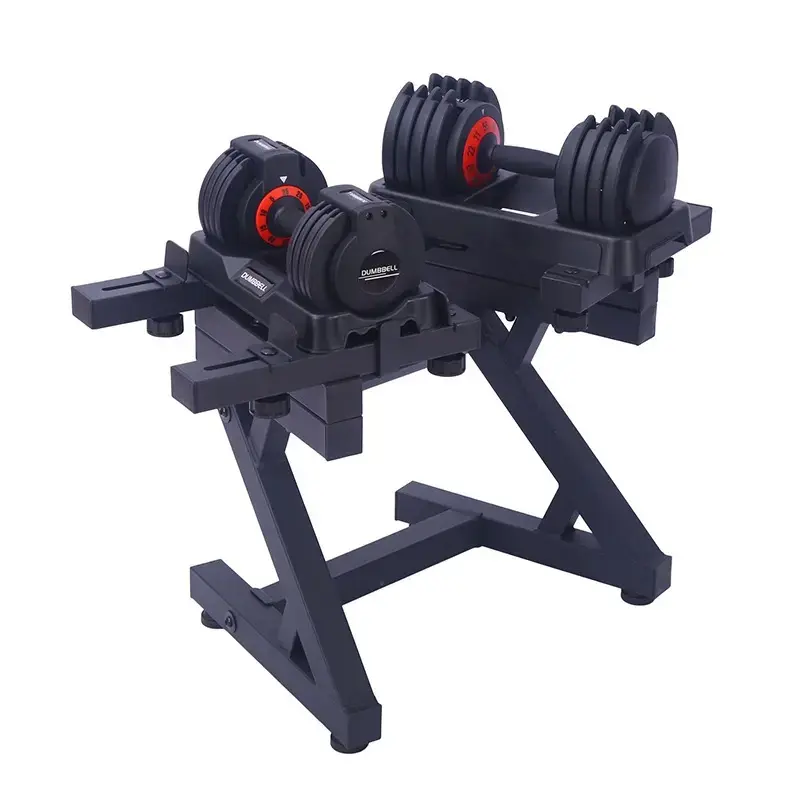
The core of load-bearing design for mobile dumbbell racks is: correct materials + reasonable structure + scenario adaptation
For cross-border buyers and wholesalers: proper load-bearing design reduces after-sales problems and improves competitiveness. For end-users: understanding load-bearing design helps purchase safer and more durable products.
High-quality mobile dumbbell racks are not simply “thicker is better”—they are scientifically engineered based on material, structure, and usage scenario.
Meta Description
The load-bearing design of mobile dumbbell racks is the core product competitiveness. Written by senior industry professionals, this article explains material selection and structural principles, combined with real cases and FAQs, helping cross-border buyers and wholesalers avoid selection pitfalls and providing practical references for end-users. Covering carbon steel vs. cold-rolled steel, triangular support structure, and cross-border export compliance, it helps you choose mobile dumbbell racks with excellent load capacity, durability, and cost performance. Contact us for customized procurement solutions.
Keywords
load-bearing design of mobile dumbbell racks, material selection for mobile dumbbell racks, cross-border mobile dumbbell racks, structural principles of mobile dumbbell racks, load-bearing standards for mobile dumbbell racks