

Adjustable dumbbell strength factory

Mastering Bulk Dumbbell Purchases: Top Negotiation Strategies
Against the backdrop of the continuous expansion of the global fitness equipment market, dumbbells, as core strength training tools, have become an important business decision for gyms, hotels, schools and retailers in terms of bulk procurement. Successful procurement not only depends on product quality, but also on the purchaser's comprehensive control ability over price, minimum order quantity (MOQ) and payment method at the negotiating table. This article will delve deeply into the core negotiation strategies when bulk purchasing dumbbells, helping you build a more resilient and profitable supply chain.
First, price negotiation: A multi-dimensional game beyond unit price
Price negotiation is at the core of the procurement process, but astute purchasers will deconstruct costs from multiple perspectives rather than merely focusing on the unit price of the product.
1.Full-chain cost analysis
Raw material fluctuation hedging: The production cost of dumbbells is highly correlated with the prices of steel and rubber. During negotiations, it is advisable to introduce a "raw material price linkage clause", for instance, adjusting the unit price when the steel index fluctuates beyond the agreed range, thereby diversifying the risks of long-term contracts.
Quantification of process costs: Different processes (such as dip molding, rubber coating, and electroplating) directly affect the cost structure. Rubber-coated dumbbells need to take into account the rubber thickness (usually 3-5mm) and environmental protection standards (such as RoHS certification) additionally. These should be clearly marked in the technical specifications to avoid cost transfer due to subsequent standard upgrades.
Logistics and tariff optimization: For cross-border procurement, it is necessary to comprehensively assess the liability boundaries of trade terms (such as FOB, CIF, and DDP). Statistics show that optimizing logistics plans may reduce overall procurement costs by 12-18%.
2. Stepped quotation strategy
Suppliers usually offer tiered pricing based on the quantity of purchase. The following strategies are suggested:
Dynamic quantity commitment: By adopting the "total quantity commitment and batch delivery" model, we can obtain prices close to the maximum discount level while ensuring the total order volume of suppliers, and at the same time reduce the pressure on warehousing.
Cross-category bundling: Bundling dumbbells with products such as barbell plates and fitness racks for negotiation, and leveraging a better price coefficient by increasing the overall purchase amount.
3. Value substitution solutions
When the target price is difficult to achieve, value engineering as an alternative can be explored
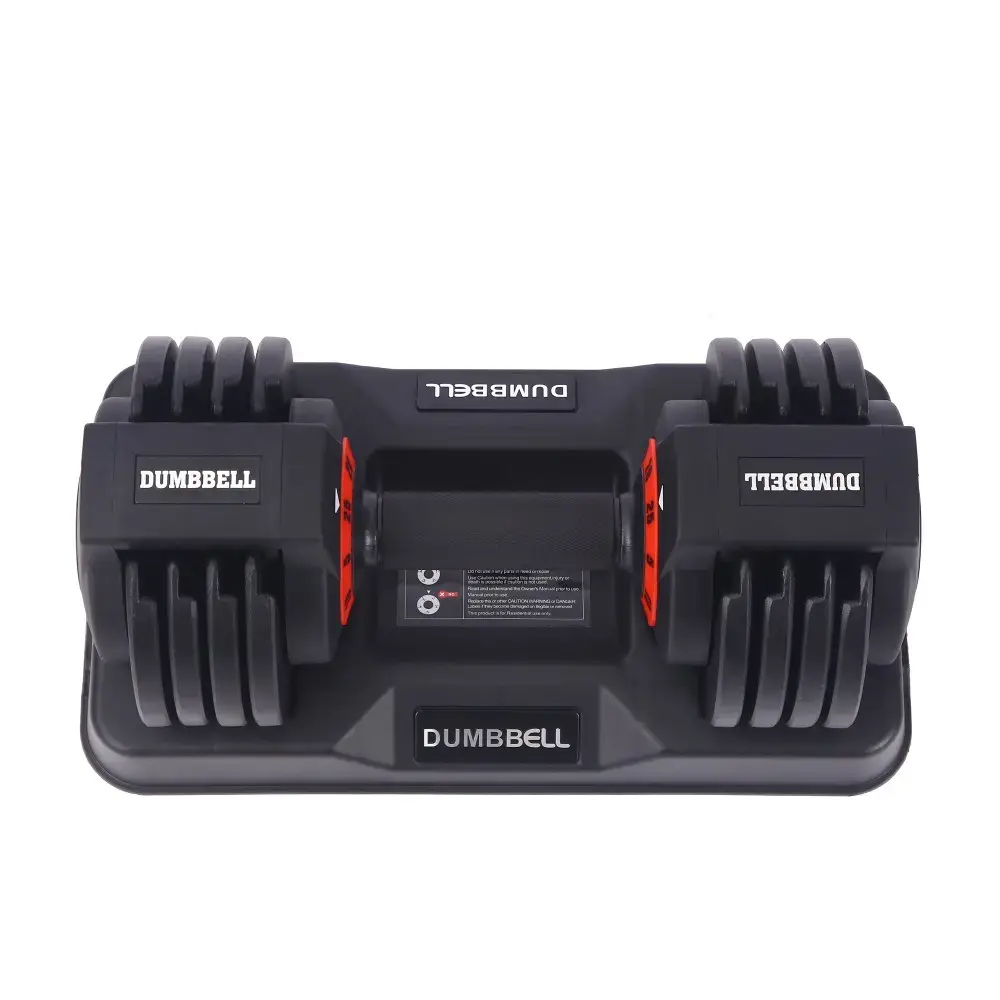
Under the premise of ensuring safety, adjust the thickness of the rubber coating (for example, from 5mm to 3.5mm)
A hexagonal design is adopted instead of a circular one to reduce raw material waste
Standard colors replace custom colors to save on spraying costs
Second, MOQ Negotiation: The Art of Balancing Flexibility and Risk
The minimum order quantity (MOQ) directly affects the capital turnover and inventory management of the purchasing party, and flexible arrangements need to be achieved through scientific strategies.
1. MOQ composition analysis
Require the supplier to clearly define the constituent elements of MOQ:
Mold cost allocation: The cost of custom dumbbell molds is usually allocated to the first batch of orders
Production line switching costs: including hidden costs such as equipment commissioning time and worker training
Special packaging requirements: The MOQ difference between retail packaging and industrial packaging may reach 300%
2. Effective strategies for reducing MOQ
Product standardization: By giving priority to the existing mold products of suppliers, MOQ can be reduced by 40-60%
Seasonal complementary procurement: Utilize the off-season production capacity of suppliers to strive for a 30% reduction in the minimum order quantity
Trial order + Commitment: Place a trial order at a lower MOQ and commit to the subsequent order volume in exchange for discounts
3. Inventory Management Innovation
Establish a "virtual inventory" cooperation model with suppliers:
The supplier is responsible for the basic inventory, and the purchaser takes delivery as needed
Adopt the Supplier Managed Inventory (VMI) system to achieve shared inventory costs
Establish a safety stock early warning mechanism to ensure the resilience of the supply chain
Third, payment Method: A Game between capital efficiency and risk control
The payment terms directly affect the security of cash flow and the stability of the cooperative relationship. It is necessary to build a payment system that benefits all parties.
1. Payment structure design
Stepwise payment: It is recommended to adopt the structure of "30% deposit +60% as per the copy of the bill of lading +10% quality guarantee deposit"
Negotiation on payment terms: For reputable purchasers, strive for a payment term of 30 to 60 days to improve cash flow
For bulk purchases of financial instruments: Consider using letters of credit (LC) or supply chain finance solutions
2. Risk hedging strategy
Exchange rate locking: For cross-currency transactions, forward foreign exchange settlement and sales are used to lock in exchange rate risks
Quality guarantee deposit: 5-10% of the contract amount is retained as a quality guarantee deposit, with a typical period of 12 months
Breach of contract clause: Clearly define the compensation standards for delayed delivery and substandard quality
3. Design of incentive clauses
Advance payment discount: If payment is made within 10 days, a 2% discount will be enjoyed to enhance the efficiency of funds for both parties
Performance rewards: Establish a rebate mechanism based on on-time delivery rate (>98%) and product qualification rate (>99.5%)
Fourth, Negotiation Preparation and Execution: The Winning element of Professional Procurement
1. Supplier evaluation system
Establish a quantitative assessment model, with a focus on:
Capacity stability (monthly capacity compliance rate ≥95%)
Quality consistency (CPK process capability index ≥1.33)
Social responsibility certification (such as ISO9001, BSCI
2. Negotiation team building
It is suggested to form a cross-functional team:
Purchasing Specialist: Responsible for negotiating commercial terms
Technical experts: Verify process standards and quality inspection procedures
Logistics expert: Optimize supply chain solutions
3. Key terms of the contract
Price validity period: Clearly state the validity period of the quotation (usually 90-180 days)
Quality inspection standards: Refer to international standards (such as EN 957-5)
Intellectual property protection: especially when it comes to custom design
Scope of force majeure: Clearly define and handle the situation
Fifth, sustainable cooperation: Value creation beyond a single transaction
Outstanding procurement negotiations should focus on the value of long-term cooperation
Information sharing mechanism: Establish sales data sharing to assist suppliers in precisely planning production capacity
Joint research and development: Jointly develop new products and share the benefits of intellectual property rights
Green supply chain: Promoting the application of environmentally friendly materials and enhancing the ESG ratings of both parties
A successful negotiation for bulk purchase of dumbbells is essentially an art of value creation. Through systematic price analysis, flexible MOQ management and scientific payment design, the purchaser can establish a stable and mutually beneficial strategic partnership with high-quality suppliers. Against the backdrop of a global compound annual growth rate of approximately 8% in the fitness industry, mastering these core negotiation strategies will help you gain a sustained competitive edge in global dumbbell procurement and build a more resilient supply chain system.