

Adjustable dumbbell strength factory

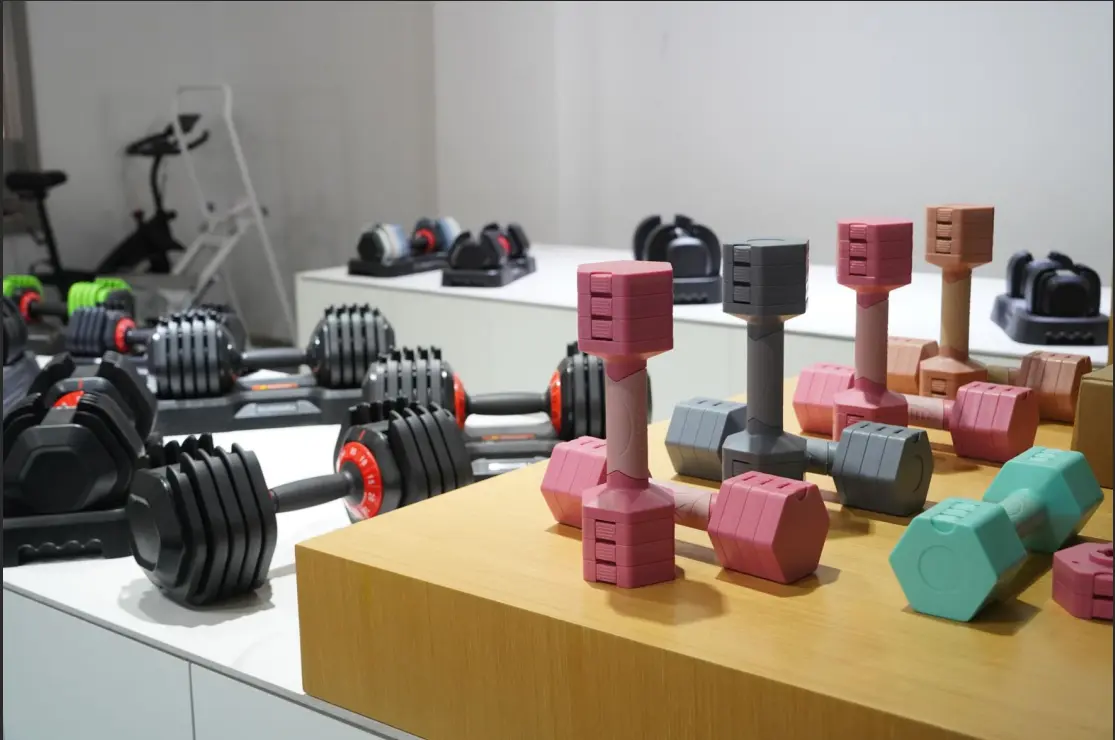
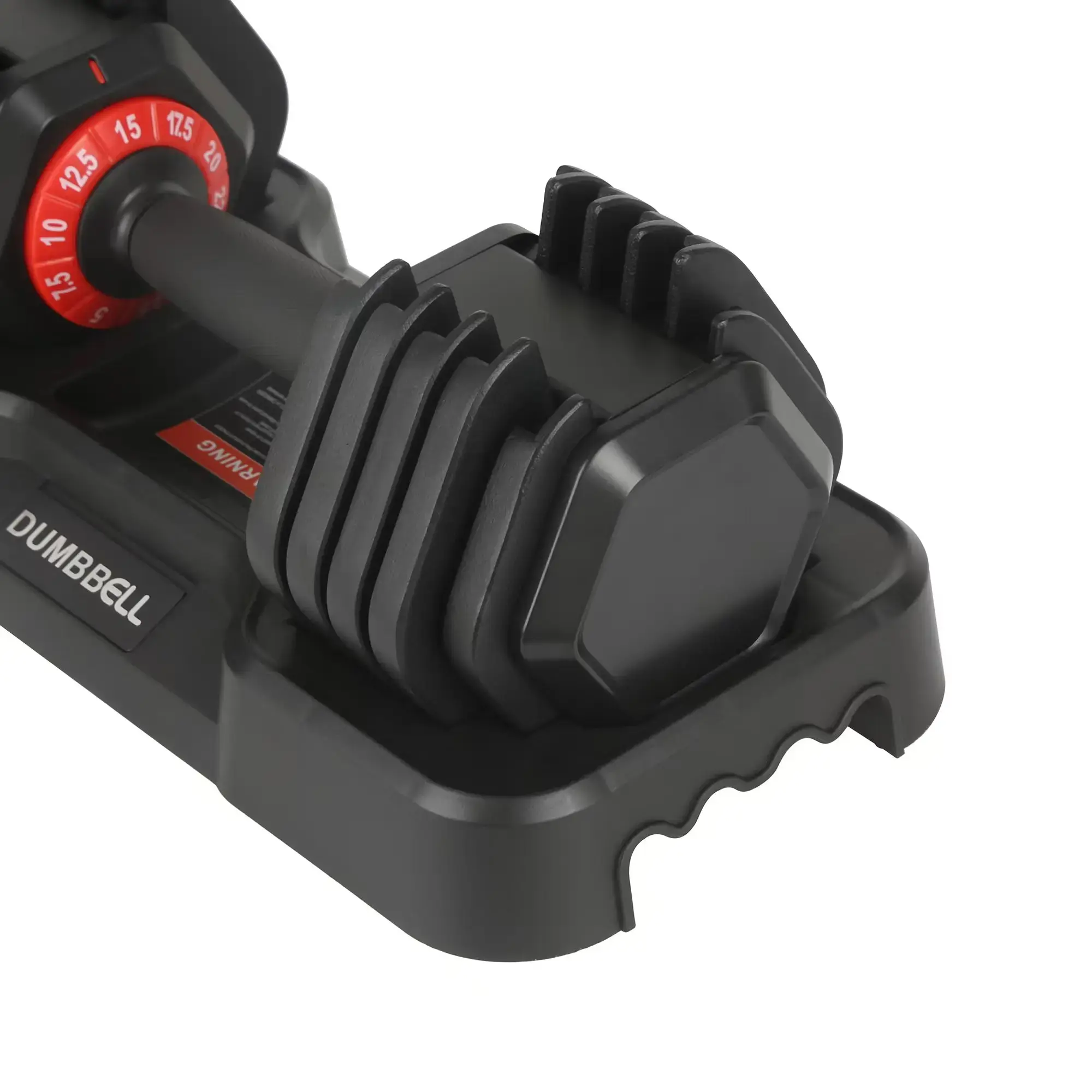
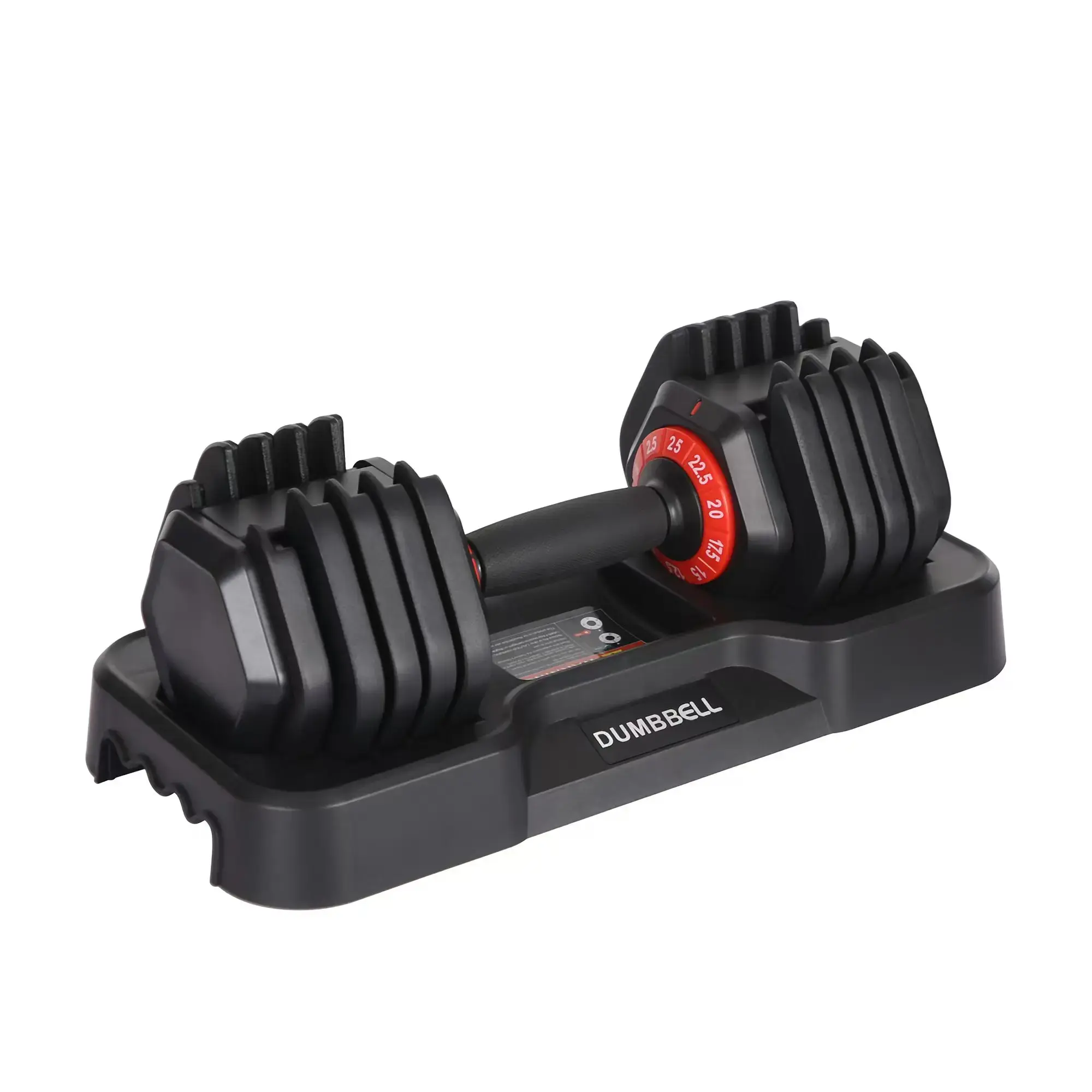
Material Comparison: Steel Dumbbell Racks vs Plastic Trays – Which Offers Greater Durability?
Introduction
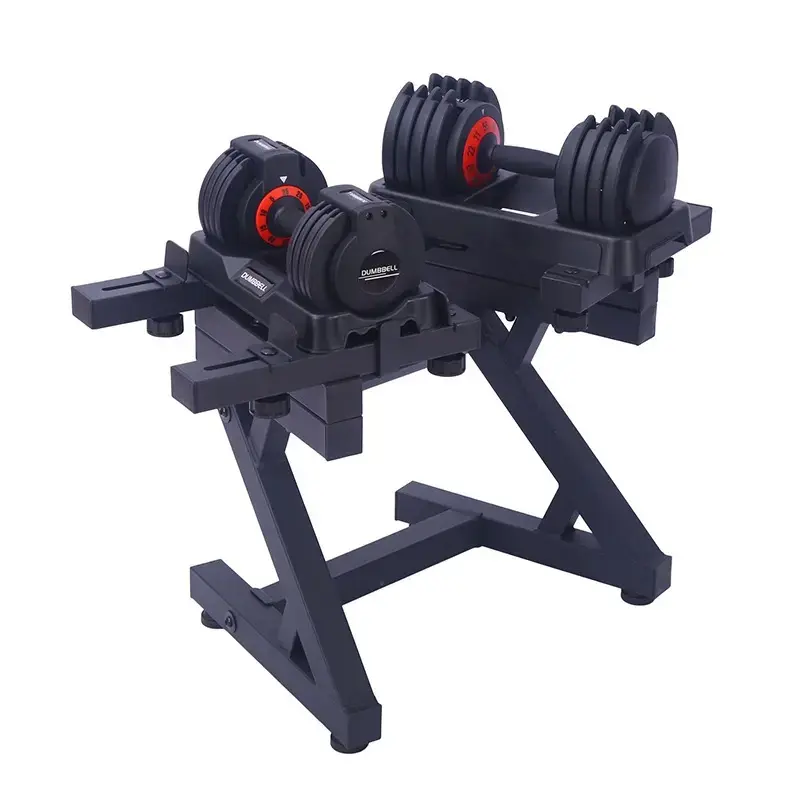
When specifying dumbbell storage solutions for commercial gyms, training facilities, or institutional fitness centres, the choice of material for the rack and tray components has direct implications for safety, lifespan, and total cost of ownership. Two primary material categories dominate the market today: welded steel frames with steel tray decks, and steel-framed racks fitted with plastic tray inserts or fully plastic tray assemblies.
For procurement professionals, facility managers, and gym owners making capital investment decisions, understanding the genuine durability differences between these material options is essential. This article examines steel and plastic from the perspectives of material science, mechanical performance under real-world loading conditions, long-term degradation mechanisms, and lifecycle cost analysis.
The Material Fundamentals: What Are We Actually Comparing?
Steel: Composition and Grades
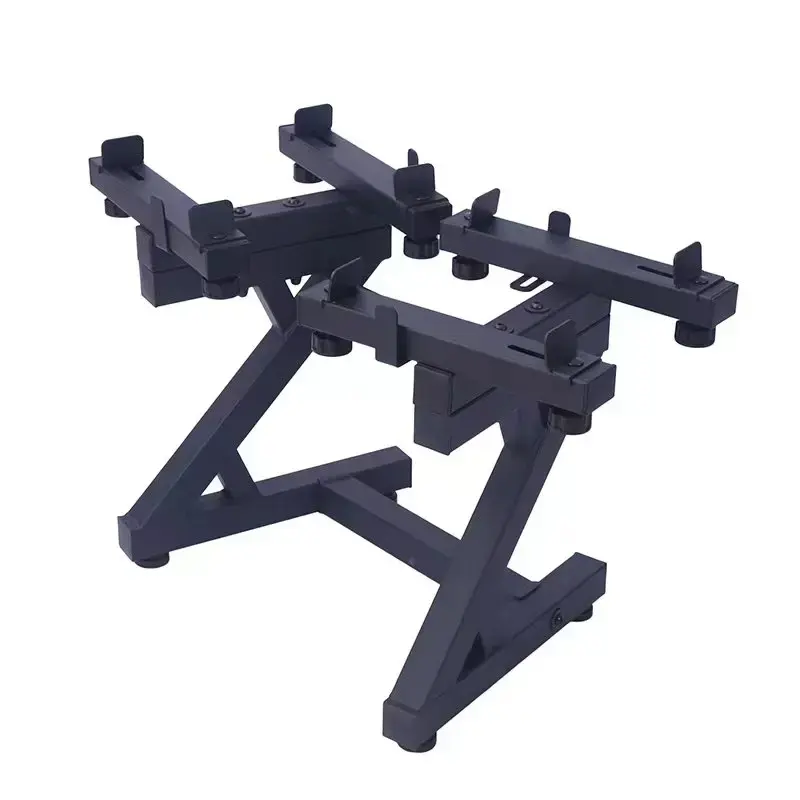
Steel Dumbbell Racks are predominantly fabricated from carbon steel or cold-rolled steel, selected for their combination of strength, weldability, and cost-effectiveness. Cold-rolled steel, further processed from hot-rolled steel at room temperature, offers a smoother surface finish, higher dimensional accuracy, and approximately 20% higher strength than standard carbon steel with the same carbon content, though with a cost premium of 20–50%.
The most meaningful specification for steel rack durability is gauge thickness—a standardised measure where a lower gauge number indicates thicker and stronger steel. Commercial-grade racks should use thick-gauge steel in the range of 3–4 millimetres with welded joints to support heavy loads, with each tier designed to withstand not only static loads but also the repeated impact of dumbbells being racked and re-racked.
For reference, 11-gauge steel measures approximately 3.04 millimetres thick and offers exceptional structural integrity suitable for heavy-duty commercial applications. By comparison, 14-gauge or 16-gauge steel is significantly thinner and substantially less capable of bearing sustained heavy loads. The yield strength of structural steel grades commonly used in rack fabrication ranges from 250 to 345 megapascals (MPa), with tensile strengths between 470 and 630 MPa. These values represent the stress thresholds at which permanent deformation begins and the ultimate stress before fracture occurs.
Plastic: Composition and Variants
Plastic dumbbell racks and tray inserts are typically manufactured from high-density polyethylene (HDPE) or polypropylene (PP), chosen for their lightweight properties and inherent resistance to rust and corrosion. HDPE offers good impact resistance and chemical stability, while PP is lighter—approximately 5–8% lighter than HDPE for identical dimensions—and exhibits better inherent UV resistance.
The tensile strength of HDPE plates is typically in the range of 3,000–4,500 pounds per square inch (psi), a fraction of the tensile strength of structural steel. Under sustained loading, plastic components are susceptible to creep—the progressive deformation of a material under constant stress—as well as environmental stress cracking, failure at extreme temperatures, and accelerated degradation from outdoor UV exposure.
Load-Bearing Capacity: The Primary Durability Metric
Steel Racks: Engineered for Heavy Commercial Use
The most fundamental durability advantage of steel lies in its ability to support substantial weight without permanent deformation. Commercial steel dumbbell racks are routinely engineered for total load capacities exceeding 650 kilograms, with some heavy-duty designs capable of holding up to 3,000 pounds (approximately 1,360 kilograms) of dumbbells.
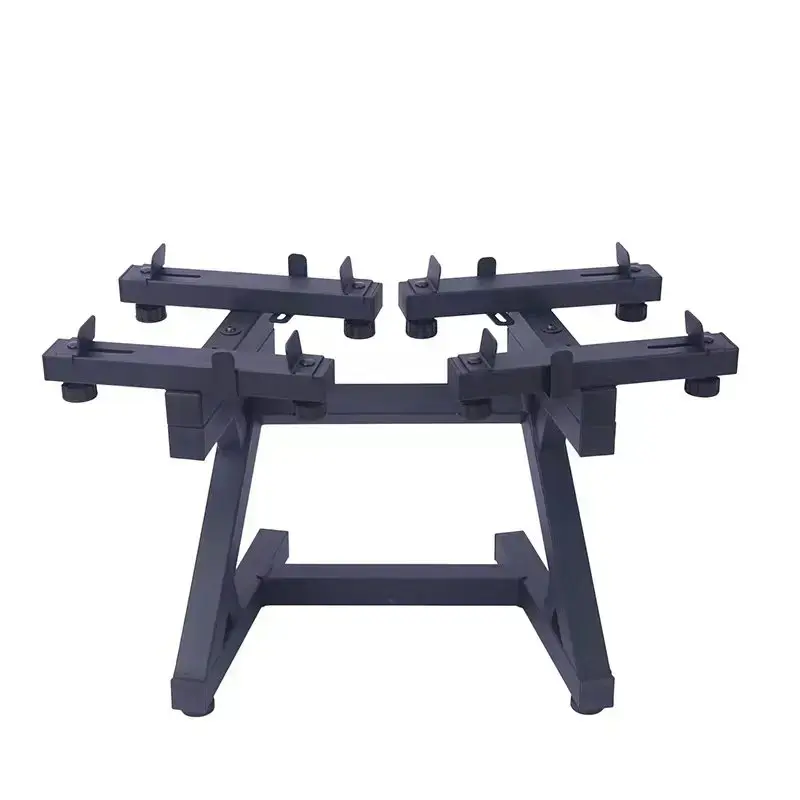
A well-constructed commercial rack fabricated from 3-millimetre steel with fully welded joints—free of bolts or fasteners that can loosen over time—provides structural rigidity that effectively eliminates bending, sagging, or shaking even under maximum rated loads. The triangular support system formed by uprights, crossbeams, and base members distributes weight evenly across the entire frame, preventing localised overloading that could otherwise cause deformation.
For facilities storing heavy Dumbbell Sets—such as pairs ranging from 5 kilograms to 50 kilograms or more—steel provides the necessary safety margin. Home gym racks typically carry weight capacities of 200–500 pounds (approximately 90–225 kilograms), while commercial racks routinely accommodate substantially higher loads.
Plastic Trays: Defined Limitations
Plastic tray components, even when manufactured from premium HDPE or reinforced polymers, have inherent strength limitations that make them more suitable for lighter dumbbell sets rather than full commercial ranges. While plastic can hold a moderate amount of weight, overloading leads to cracking, warping, or complete structural failure.
The issue is compounded by the fact that dumbbell storage involves not just static weight but repeated dynamic loading—the impact of dumbbells being dropped or placed into trays after use. Commercial racks must withstand repeated re-racking impact, and plastic trays subjected to such forces over time are prone to crack propagation starting from stress concentration points. Field reports indicate that plastic racks may begin cracking after as little as two years of use under normal conditions.
Long-Term Degradation Mechanisms
Creep and Stress Relaxation
One of the most significant differences between steel and plastic in long-term durability is their behaviour under sustained loading. Steel exhibits excellent resistance to creep at room temperature; the elastic modulus of steel ensures that deflections under load are small and recoverable, with no progressive deformation over time within the material‘s elastic limit.
Plastics, in contrast, are inherently susceptible to creep rupture and stress relaxation—phenomena in which a material continues to deform under constant stress, eventually leading to failure. A plastic tray holding a fixed weight of dumbbells may initially appear adequate, but over months and years, the polymer chains realign under stress, causing the tray to sag, bow, or crack. This is not a manufacturing defect but a fundamental property of polymeric materials.
Temperature Sensitivity
Steel maintains its mechanical properties across a wide temperature range, from sub-zero conditions to elevated temperatures well beyond those encountered in any indoor gym environment. The yield strength of steel remains essentially unchanged within typical operating ranges, providing consistent performance year-round.
Plastics are significantly more temperature-sensitive. Polypropylene, in particular, becomes brittle in cold climates; PP components have been documented to fail during winter shipping tests. HDPE, while more cold-tolerant, still exhibits reduced impact resistance at low temperatures and accelerated creep at elevated temperatures. For facilities in regions with seasonal temperature variations or unheated storage areas, this temperature sensitivity represents a genuine durability risk.
UV Degradation and Weathering
For indoor gym applications, UV exposure may be limited. However, for facilities with glass roofs, skylights, or outdoor storage areas, UV resistance becomes a critical durability factor. Steel racks protected by powder coating are largely immune to UV-induced degradation; the coating may fade or chalk over extended periods, but the underlying structural material remains unaffected.
Plastics, by contrast, degrade under UV exposure. While PP has better inherent UV resistance than HDPE, both materials require UV stabilisers for outdoor applications. Without adequate stabilisation—or when stabilisers degrade over time—plastic surfaces yellow, become brittle, and develop surface cracks. Even with stabilisation, UV-resistant HDPE typically requires the addition of 0.1–0.3% carbon black or UV absorbers to maintain tensile strength retention above 95%.
Surface Protection and Corrosion Resistance
Powder Coating for Steel
The primary vulnerability of steel is corrosion. However, modern surface treatment processes effectively mitigate this risk. Powder coating provides an excellent barrier that seals steel from oxygen and moisture—the two components necessary for rust formation. With proper pretreatment (phosphate treatment, zinc-rich primer, or sandblasting) and correct film application, powder-coated steel can achieve a decade or more of corrosion protection in moderate conditions.
For high-humidity environments such as aquatic centres or coastal locations, additional protection measures are available, including zinc primers, marine-grade polyester topcoats, or galvanised finishes. With proper use and maintenance, powder-coated racks can last 10–20 years or longer, depending on environmental conditions and load factors.
Plastic: Inherent Corrosion Resistance
Plastic trays offer the advantage of inherent corrosion resistance. They do not rust, and they can be easily cleaned with soap and water, requiring no special maintenance for corrosion protection. In highly corrosive environments—such as indoor swimming pools where chlorinated humidity can attack metal surfaces—plastic trays may outlast powder-coated steel if the steel coating becomes compromised.
However, this advantage is narrowly confined to corrosion. The strength and stability limitations of plastic trays remain regardless of environmental conditions. A plastic tray that does not rust is still a plastic tray that can crack, creep, or fail under load.
Structural Integrity: Welded Steel vs Plastic Tray Mounting
Welded Steel Construction
Premium steel dumbbell racks utilise fully welded construction, meaning all frame joints are welded rather than bolted or riveted. Welded joints provide stronger connections and eliminate the risk of fasteners loosening over time due to vibration from repeated dumbbell loading and unloading.
Racks constructed entirely from 3-inch by 3-inch, 11-gauge steel with fully welded assembly contain no nuts or bolts to loosen, bend, sag, or shake over the lifetime of the equipment. This monolithic construction approach ensures that the structural integrity of the rack is maintained indefinitely, provided the steel is adequately protected from corrosion.
Plastic Tray Integration
Plastic trays, when used as inserts in steel-framed racks, introduce potential failure points at the interface between the plastic component and the steel frame. The plastic tray must be securely retained while allowing for thermal expansion and contraction—a mismatch in coefficients of thermal expansion between steel and plastic can create stresses that contribute to cracking.
Fully plastic racks, lacking a steel frame altogether, are even more problematic. The structural stability of a plastic rack depends entirely on the flexural modulus of the plastic material, which is orders of magnitude lower than that of steel. Plastic racks may not provide the same level of stability as steel racks, which is a genuine safety concern when storing Heavy Dumbbells.
Real-World Failure Modes
Plastic Cracking and Brittle Fracture
The most commonly reported failure mode for plastic dumbbell racks and trays is cracking. Customer reviews of plastic storage products consistently describe cracking after one to two years of use, often originating at corners or mounting points where stress concentrates. Once a crack initiates, it propagates progressively, eventually compromising the tray‘s ability to retain dumbbells safely.
Plastic products also exhibit brittle fracture at low temperatures or after UV degradation. A plastic tray that performs adequately when new may become dangerously brittle after two to three years of exposure to indoor lighting and temperature fluctuations, failing suddenly rather than showing gradual warning signs.
Steel: The Risk of Coating Failure
The primary failure mode for steel racks is coating damage. Scratches, chips, or abrasion that penetrate the powder coating expose bare steel to moisture, initiating localised rust. In moderate indoor environments, rust from minor coating damage remains superficial and does not compromise structural integrity for many years.
However, in high-humidity or marine environments, untreated coating damage can lead to corrosion creep beneath intact coating layers, requiring prompt repair to prevent structural degradation. Facilities in such environments should specify enhanced coating systems, including zinc primers or marine-grade topcoats, and implement regular inspection and touch-up maintenance protocols.
Cost and Lifecycle Considerations
Initial Purchase Price
Plastic racks and plastic tray inserts are generally more budget-friendly than all-steel alternatives. They are cheaper to manufacture, and this cost saving is typically passed on to the purchaser, making plastic an attractive option for budget-constrained home gyms or temporary installations.
Steel racks command a higher initial price due to material costs and the manufacturing processes required for welding, finishing, and quality control. However, for commercial facilities and serious home gyms, the initial investment in steel translates directly into extended service life and reduced replacement frequency.
Lifecycle Cost Analysis
When evaluating total cost of ownership, the durability advantages of steel become apparent. A properly maintained powder-coated steel rack can serve a commercial gym for 10–20 years or more. Plastic trays, even under moderate use, may require replacement within two to five years due to cracking, warping, or UV degradation.
For a facility storing heavy dumbbells—the 5–50 kilogram range typical of commercial gyms—the cumulative cost of replacing plastic trays multiple times over a decade often exceeds the initial premium paid for an all-steel rack. Moreover, the safety risks associated with plastic failure—dumbbells falling, trays collapsing, users being struck by falling weights—represent liabilities that are difficult to quantify but impossible to ignore.
Application-Specific Recommendations
Commercial Gyms and Fitness Centres
For commercial applications, steel racks with steel trays are the appropriate specification. These facilities require equipment that can withstand continuous daily use, heavy loads, and occasional abuse. The 3–4 millimetre steel gauge standard for commercial racks, combined with fully welded construction and powder coating, provides the necessary durability.
Some premium commercial racks incorporate ABS polymer tray liners to reduce noise and protect dumbbell finishes, but these liners are fitted into steel tray structures rather than serving as primary load-bearing components. This hybrid approach offers the noise-dampening benefits of plastic without compromising structural integrity.
Home Gyms
For home gyms with lighter dumbbell sets—typically up to 25 kilograms per pair—plastic racks may be adequate, particularly if the rack is not heavily loaded and the environment is climate-controlled. However, purchasers should verify the weight capacity of any plastic rack against the total weight of dumbbells to be stored and should inspect regularly for signs of cracking or deformation.
For home gyms storing heavier dumbbells, a steel rack remains the more durable and safer choice, even at a higher initial cost.
Institutional and Multi-User Facilities
Hotels, apartment fitness rooms, university recreation centres, and corporate wellness facilities should follow commercial gym specifications. These environments see high turnover of users with varying levels of care in handling equipment, making over-engineering a prudent strategy. Steel racks with welded construction and durable powder coating provide the necessary safety margin.
Conclusion
When comparing steel dumbbell racks against plastic tray alternatives, the durability gap is substantial and grounded in fundamental material science. Steel offers exceptional strength-to-weight ratio, resistance to creep and fatigue, stable mechanical properties across temperature ranges, and the ability to support heavy commercial loads without permanent deformation. Powder coating effectively addresses the primary vulnerability of steel—corrosion—providing decade-scale service life in moderate conditions.
Plastic trays, while lightweight, corrosion-resistant, and cost-effective at initial purchase, are limited by lower tensile strength, susceptibility to creep and stress relaxation, temperature sensitivity, UV degradation, and documented failure modes including cracking and brittle fracture. These limitations make plastic suitable only for lighter-duty applications and shorter service life expectations.
For procurement professionals and facility managers prioritising safety, longevity, and total cost of ownership, steel racks with steel tray decks represent the appropriate specification for heavy-duty commercial use. The higher initial investment is justified by extended service life, reduced maintenance requirements, and, most importantly, the safety assurance that the equipment will perform reliably under load for years to come.