
knowledge
Adjustable dumbbell strength factory

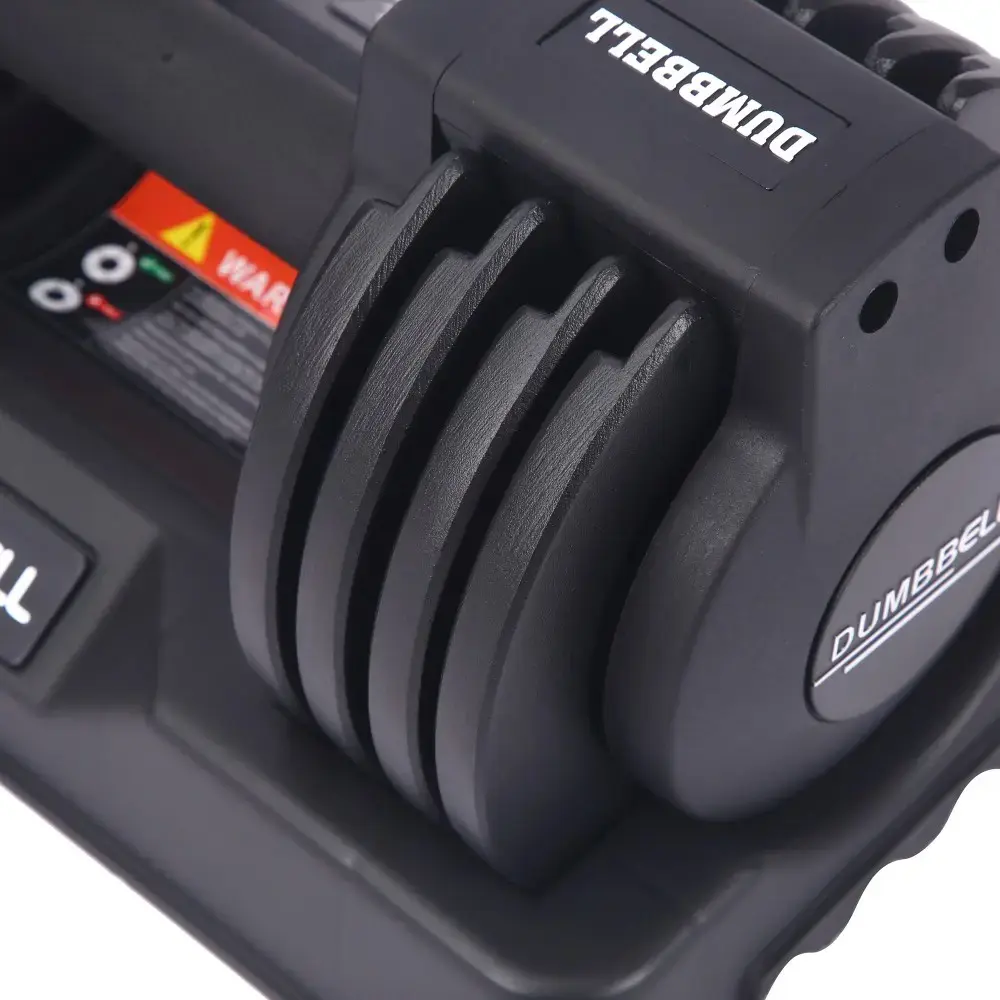
Senior Activity Centers: Application of Lightweight Adjustable Dumbbells for Health Maintenance
2026-02-05
Senior Activity Centers: Application of Lightweight Adjustable Dumbbells for Health Maintenance
When selecting fitness equipment for senior activity centers, one often faces a dilemma: traditional fixed-weight dumbbells take up too much space and offer limited options, deterring seniors with varying physical fitness levels; while overly complex all-in-one equipment poses safety risks and a steep learning curve. The result? Expensive equipment ends up as 摆设,and the precious "window for preventing sarcopenia" for seniors slips away day by day amid walks and casual chats. This is not just a waste of resources, but also a missed opportunity to maintain seniors’ functional health. The key to solving this predicament may lie in a set of seemingly simple yet severely underrated devices—lightweight Adjustable Dumbbells. This article will delve into how this highly flexible device can become a core tool for senior activity centers to deliver personalized, safe, and efficient health maintenance, and provide a comprehensive practical guide from selection to application, helping you truly activate the health vitality of the community.
I. Why Is Adjustability the "Gold Standard" for Serving Seniors?
Members of senior activity centers have vastly different physical fitness levels. Aunt Li, who just recovered from hip surgery, and Uncle Wang, who has practiced Tai Chi for years, may have an initial weight-bearing capacity difference of more than five times. A fixed set of dumbbells—even the lightest 1kg one—may be too heavy for the former and quickly lose its challenge for the latter. This is the irreplaceable core value of adjustable dumbbells: precision personalized matching.
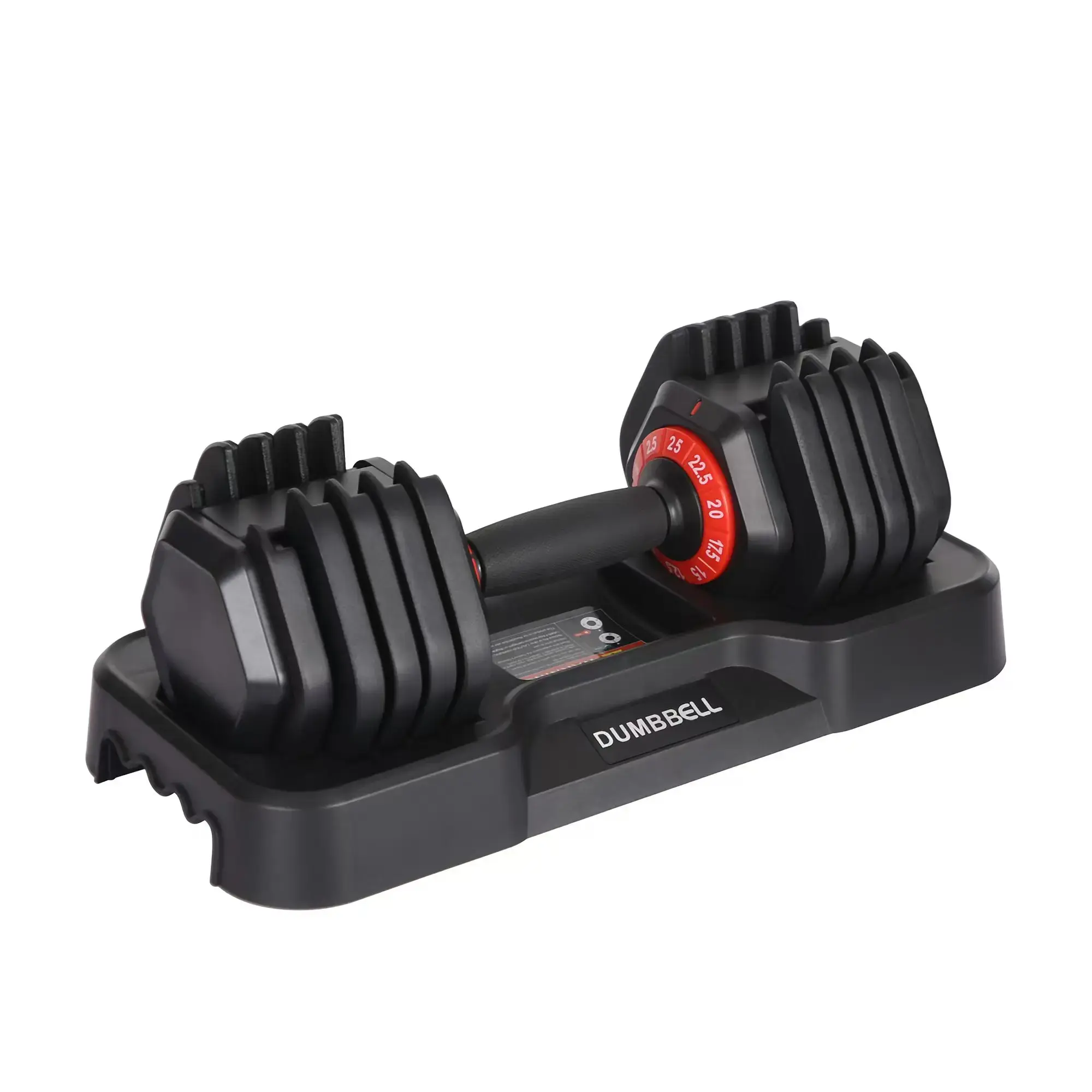
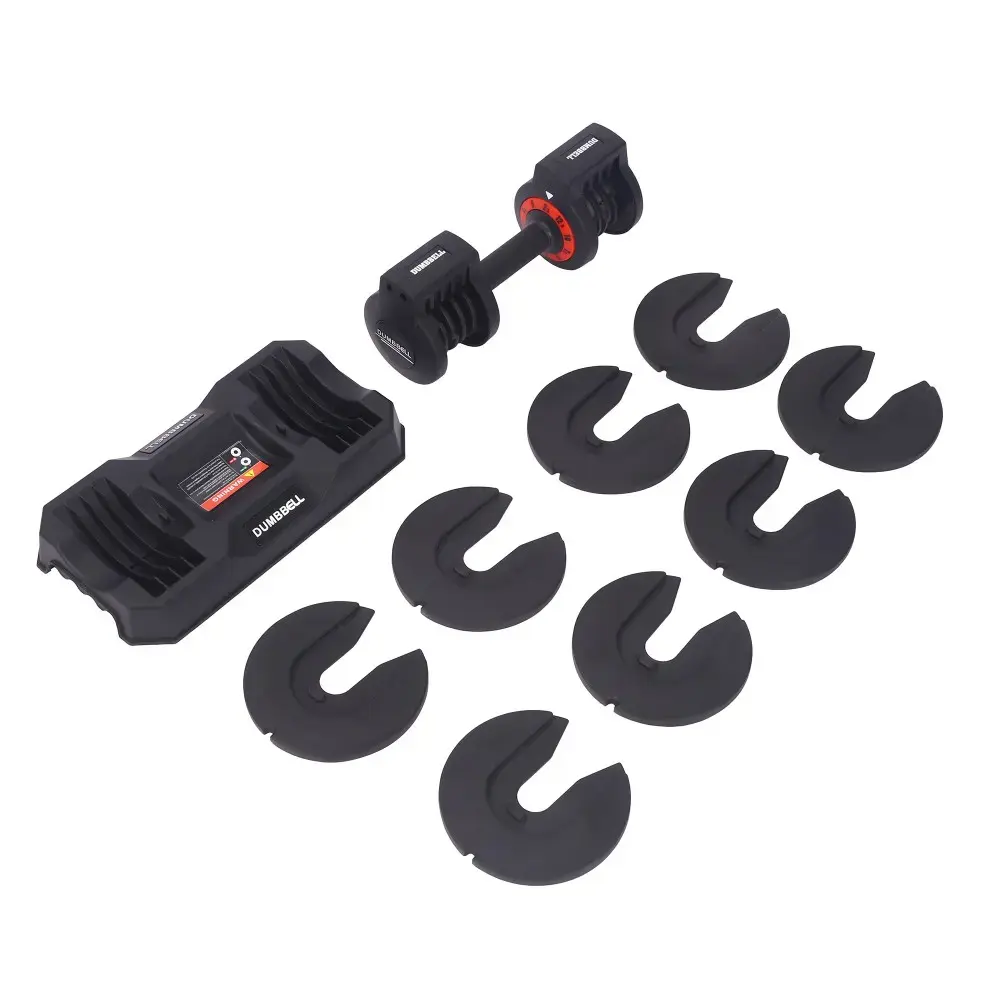
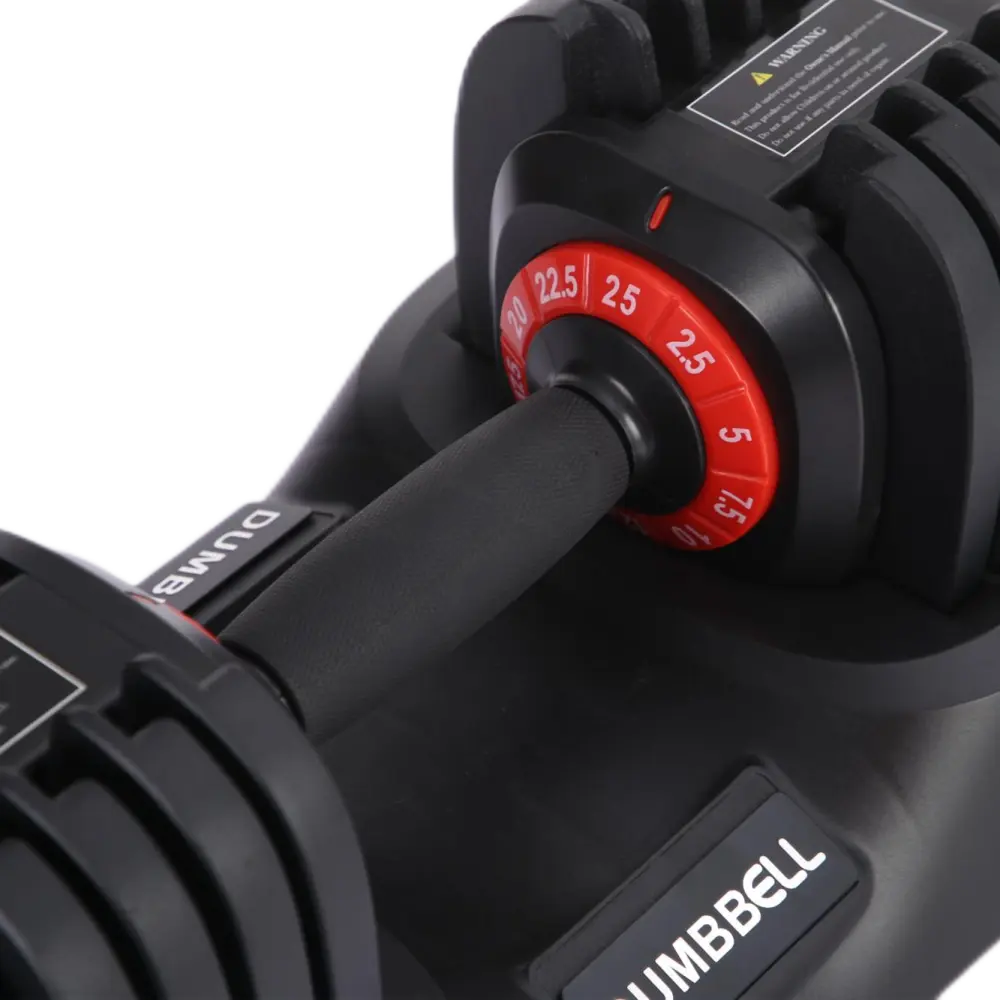
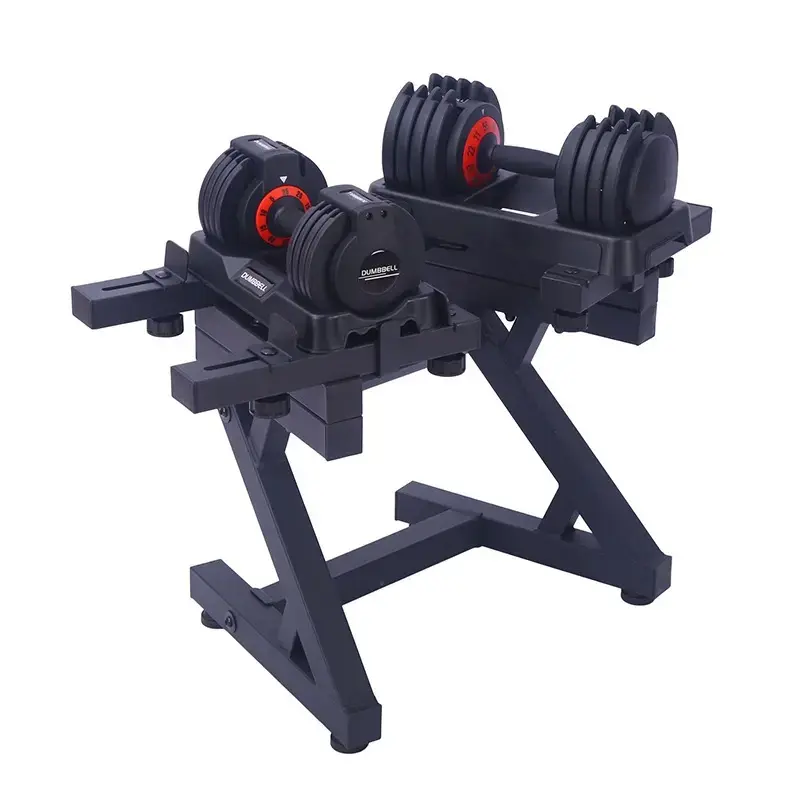
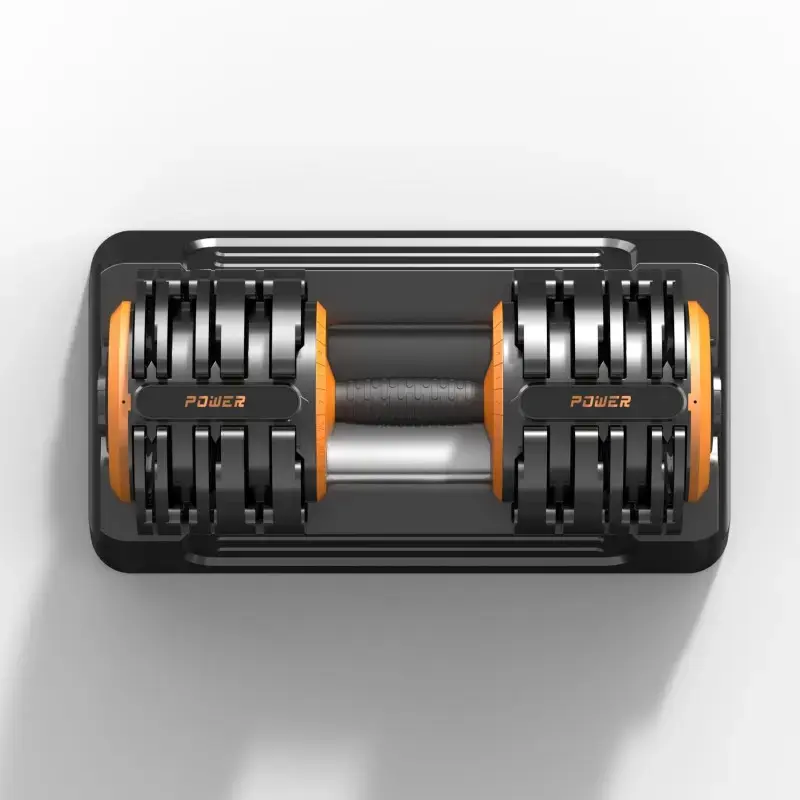
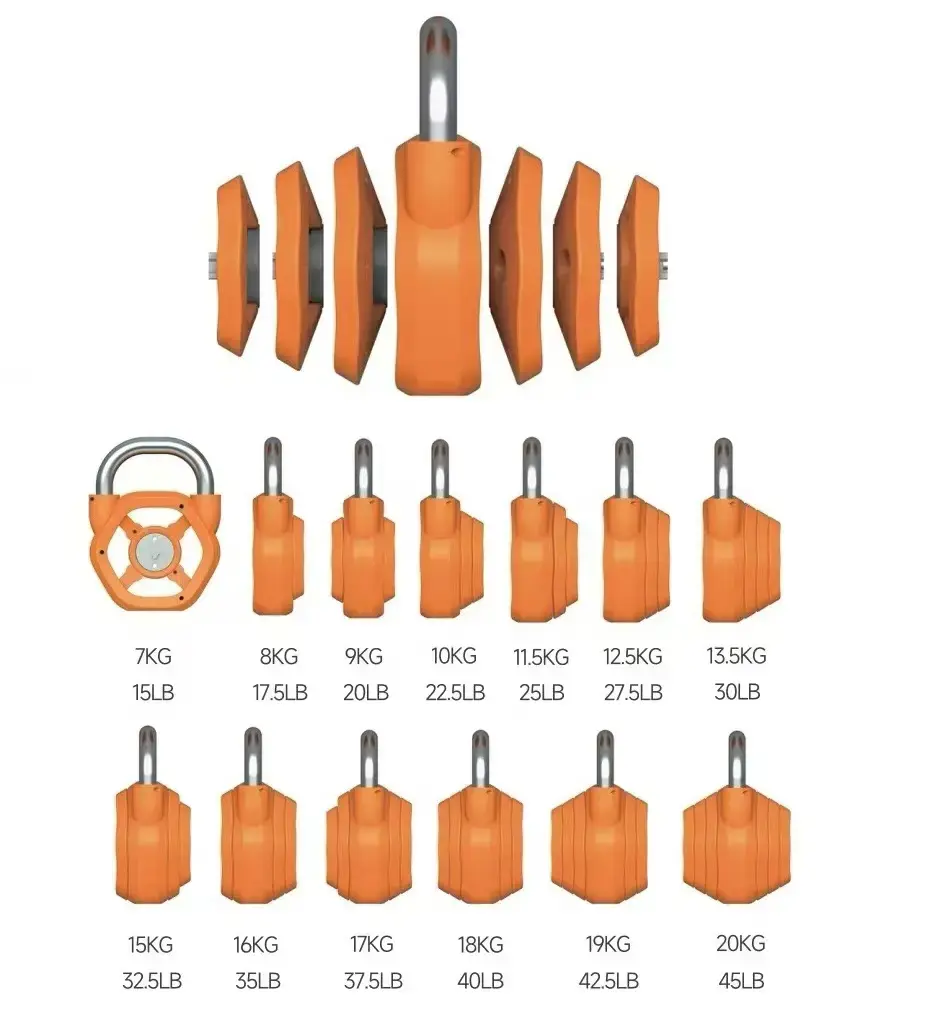
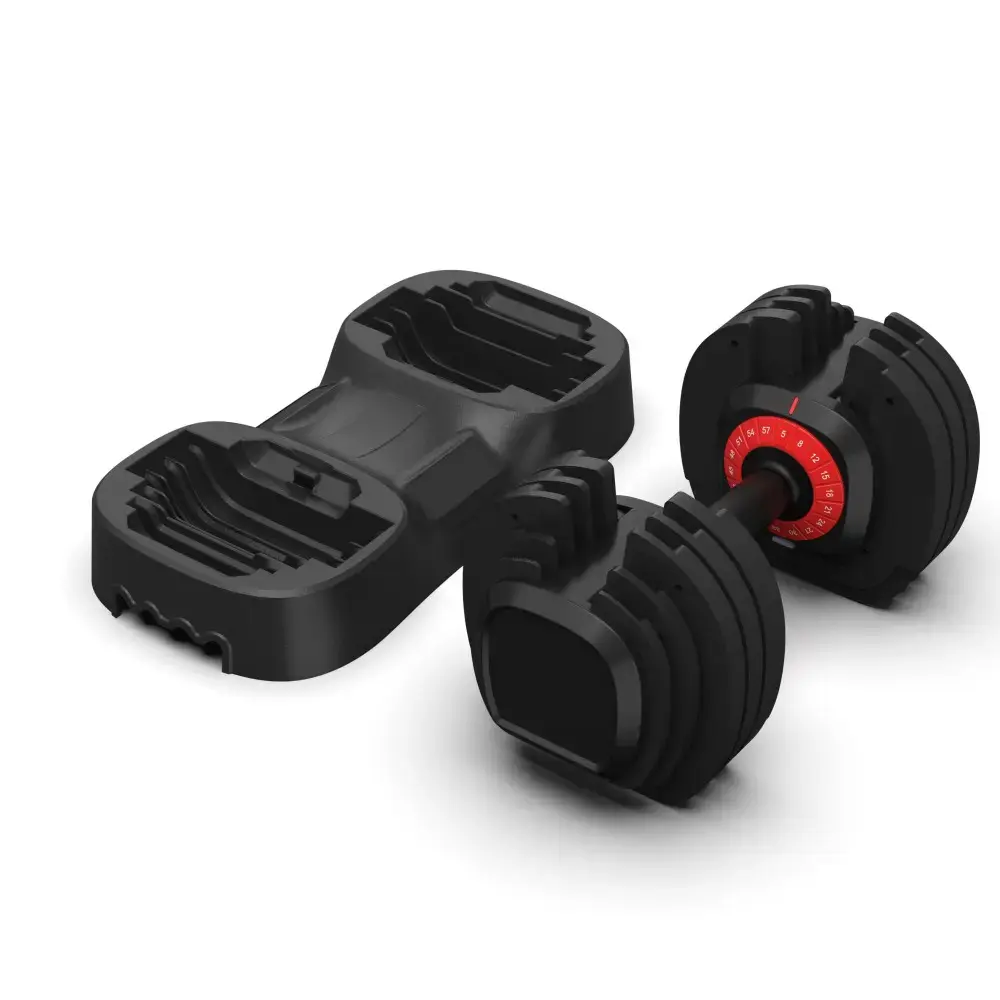
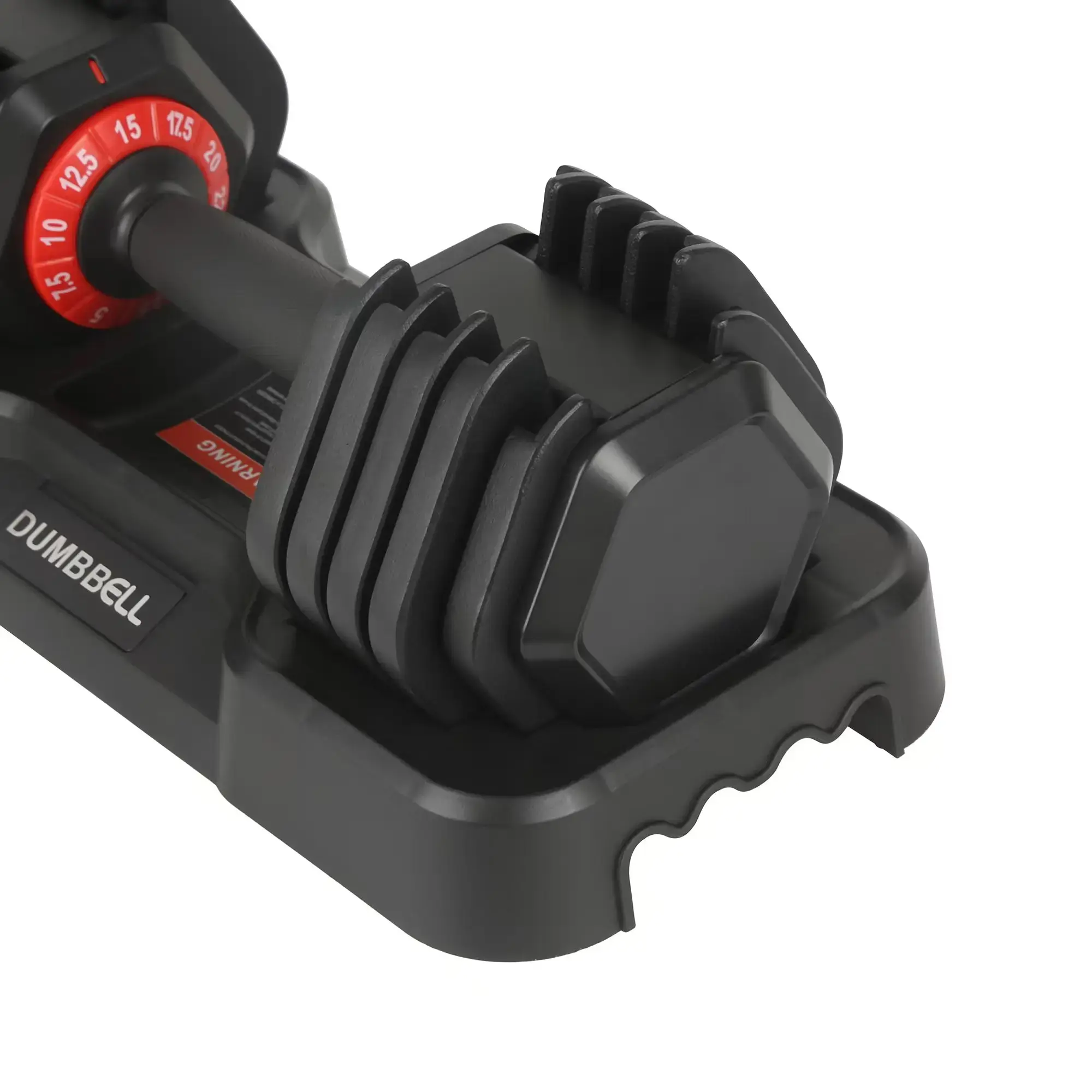
Through a knob or dial, weight can be switched in seconds (e.g., from 0.5kg to 4kg, with incremental adjustments of 0.5kg), which perfectly aligns with the principle of progressive overload—safely stimulating muscle growth and strength improvement through small, continuous increases in load. For seniors, this "micro-increment" is crucial, as it avoids joint stress or frustration caused by abrupt weight gains. More importantly, a single pair of adjustable dumbbells can serve the entire continuous population from the early stage of rehabilitation to the active period, greatly improving equipment utilization and space efficiency. You no longer need to purchase and store a wall full of fixed dumbbells; just a few pairs of adjustable dumbbells can cover the initial needs of all members and grow with them.
- Industry Case Reference: In 2023, a senior activity center in a Shanghai subdistrict upgraded its equipment, replacing 20 pairs of fixed dumbbells with three sets of dumbbells with an adjustable range of 0.5–4kg. Six months after the upgrade, data showed that the proportion of seniors participating in regular resistance training increased from 12% to 31%. The center’s management reported that the key lay in the "adjustable" feature eliminating physical and psychological barriers—seniors with the weakest physical condition dared to start with 0.5kg bicep curls without worrying about others’ opinions or inappropriate equipment.
- Common User Question: "Is the adjustment mechanism complicated? Can seniors learn it easily?"
- Answer: This is a key consideration during procurement. Prioritize intuitive one-click adjustment designs such as "knob-type" or "dial-type," avoiding complex styles requiring pins or assembly screws. High-quality products feature clear adjustment actions, distinct scale feedback, and a "click" locking sound. Even seniors unfamiliar with tech products can master them with one teaching session. Incorporating adjustment training as the first lesson for new members is itself a cognitive exercise and social interaction opportunity.
II. How Does Light Load Combat Sarcopenia, the Silent Threat?
Many mistakenly believe that seniors only need "some movement" for exercise, and load is irrelevant. This is a serious misconception. The natural loss of muscle mass and strength with age (known as sarcopenia) is one of the leading causes of falls, disability, and metabolic decline. To combat sarcopenia, effective resistance training is the only core method scientifically validated worldwide, and lightweight dumbbells are the safest and most accessible tool for achieving this.
The key lies in understanding the definition of "effective." For seniors, an effective load is not about lifting heavy weights, but about a intensity that allows them to complete 8–15 repetitions with standard form, feeling "somewhat fatigued but still able to finish." A dumbbell that can be finely adjusted starting from 1kg enables seniors to accurately find this "sweet spot of effectiveness and safety." Through movements like seated shoulder presses, rows, and bicep curls, they can systematically stimulate upper limb, shoulder-back, and core muscle groups—strength in these groups directly relates to daily functions such as standing up from a chair, carrying shopping bags, and maintaining balance. Integrating training with function—for example, teaching seniors "farmer’s walks" (walking with dumbbells in hand)—directly improves their stability when carrying heavy loads.
- Industry Case Reference: A 12-month community study by scholars at Beijing Sport University found that regular light dumbbell training (starting weight at 40% of an individual’s maximum single-rep load) significantly improved muscle mass, strength, and functional independence in seniors, reducing fall risk by 32%. The study emphasized that lightweight, incremental adjustment was critical to ensuring adherence and safety.
-
III. From Equipment to Curriculum: How to Design Safe Dumbbell Group Activities?
Purchasing suitable dumbbells is just the first step—how to make them "come alive" instead of gathering dust? This requires shifting from an "equipment mindset" to a "curriculum and service system mindset." A successful program must include standardized teaching processes, safety supervision mechanisms, and a stepped curriculum system.First, design an introductory course centered on seated training. Seated training greatly reduces balance requirements, allowing seniors to focus entirely on muscle activation and control, ensuring maximum safety. The course should start with unweighted arm movements to teach proper movement patterns, such as the vertical trajectory of "shoulder presses" and scapular retraction during "rows." Once seniors master the movements, introduce 0.5kg or 1kg dumbbells. Second, adopt a time-based system rather than a repetition-based system. For example, use a cycle of "30 seconds of exercise, 30 seconds of rest," which prevents seniors from sacrificing movement quality for repetitions and enables individuals with different fitness levels to train together. The core responsibility of coaches or activity leaders is to conduct 巡回 observations, correct incorrect patterns such as "compensating with the lower back," rather than leading high-intensity training.- Industry Case Reference: A high-end senior care community in Hangzhou introduced a "Silver Strength" curriculum system at its activity center. Using adjustable dumbbells, they offered three levels of courses: "Seated Strength Basics," "Standing Balance Enhancement," and "Functional Strength Improvement." New members must start with the introductory course, where coaches assess their movement patterns and initial weights and record them on individual cards. After one year of this system, the rate of minor fall-related injuries in the community dropped by nearly 40%. This proved that a structured curriculum, rather than just providing equipment, delivers more significant health outcomes.
- Common User Question: "With a large group in class, how can coaches ensure everyone’s safety?"
- Answer: This depends on curriculum design and auxiliary tools. 1. Small-class setting: Control the teacher-student ratio (recommended no more than 1:10). 2. Use mirrors: Allow seniors to observe movement symmetry. 3. Partner system: Encourage seniors to observe and remind each other during safe movements. 4. Clear safety red lines: Repeatedly emphasize the principles of "better light than unstable, better not to compensate than to rush," and make "stop immediately if joint discomfort is felt" a classroom rule. Coaches’ responsibility is to foster a safety culture and promptly identify and intervene with at-risk individuals.

IV. Procurement and Operation: How to Choose the Right Dumbbells for the Activity Center?
Faced with a wide range of products on the market, purchasing dumbbells for senior activity centers requires moving beyond home use and conducting commercial-grade evaluations from three dimensions: public usability, durability, and safety.- Public Usability: The appearance should be professional and neutral, with a grip diameter not too thick to suit seniors’ smaller hands.
- Durability: This is a top priority. Equipment in activity centers is used far more frequently than at home. Choose products with a metal body and knobs tested for tens of thousands of cycles. Cheap plastic adjustment mechanisms are prone to damage from frequent use, leading to loose weights and serious safety hazards.
- Safety: Details matter. Weight plates should be fully rubber-coated to avoid exposed metal; after adjustment, there should be a clear visual or auditory lock indicator; all edges must be rounded and burr-free. Additionally, it is recommended to purchase dumbbells of the same brand and model to ensure consistent adjustment and usage experience for all members, significantly reducing teaching and management costs.
- Industry Case Reference: A procurement manager at a chain community fitness center shared a costly lesson: to save budget, they purchased a batch of low-cost adjustable dumbbells. Within three months, over 30% of the products had faulty adjustment mechanisms or loose weight plates, forcing a full recall and replacement. This not only incurred additional procurement costs but also severely dampened seniors’ enthusiasm for exercise. They later switched to models designed specifically for light commercial use. Although the unit price was higher, the equipment operated flawlessly for two years, delivering better long-term operational costs and reputation.
- Common User Question: "How many pairs do we need to purchase, and what weight range is sufficient?"
- Answer: This depends on the center’s size and curriculum design. A basic startup configuration recommendation is: at least 4–6 pairs of adjustable dumbbells, with each pair covering a range of 0.5kg (or 1kg) to 5kg. This range meets the needs of most seniors—from the very frail to relatively robust individuals. For larger centers with more members, consider 8–10 pairs, divided into two groups (e.g., 2–3 pairs dedicated to the ultra-light range of 0.5–2kg). The core principle is: ensure that new, weakest members can immediately find a suitable starting weight during peak hours without being deterred by waiting.
-
Conclusion
The ultimate goal of equipping senior activity centers with fitness equipment is not to fill space, but to create an enabling environment that continuously motivates seniors to participate and safely improves their quality of life. In this system, lightweight adjustable dumbbells, with their unparalleled personalized adaptability, evolve from a simple strength tool into a bridge connecting seniors of different physical abilities with a healthy lifestyle. They make the mildest rehabilitation start possible and support advanced training for those maintaining vitality. When you choose such a system for your community, you are investing far more than just a few pairs of dumbbells—you are investing in an implementable health maintenance solution that effectively combats sarcopenia, prevents falls, and enhances seniors’ functional independence. This may be one of the most valuable gifts you can bestow upon the community.
FAQ
- Q: Is it safe for seniors with arthritis to use dumbbells? A: During pain relief periods and with the permission of a doctor or physical therapist, light, slow, full-range dumbbell exercises are generally safe and beneficial. They strengthen the muscles around joints, providing better support and reducing joint pressure. The key is to start with extremely light weights (even no weight), focus on movement control, and exercise within a pain-free range. Avoid training during acute joint inflammation or severe pain.
- Q: Besides the arms, can dumbbells help seniors exercise their lower limbs? A: Absolutely. While dumbbells are primarily held in the hands, they can effectively exercise the lower limbs through specific movement designs. For example, "sit-to-stand" exercises (rising from a seated position) with light dumbbells held at the sides significantly boost functional strength for standing; "goblet squats" (holding one dumbbell at chest level with both hands) train the entire legs and core. These movements integrate load with function, making them highly efficient.
- Q: How to motivate seniors with anxiety about strength training to try it? A: Language adjustment is crucial. Avoid intimidating terms like "fitness" or "weightlifting," and instead use phrases such as "functional training," "vitality enhancement classes," or "fall prevention exercises." Start with goals closely related to daily life, like "exercise makes it easier for you to climb stairs" or "lets you easily pick up your grandson." Initial curriculum design must be engaging and social, with quick wins (e.g., from bodyweight exercises to lifting a 0.5kg dumbbell), and leverage group atmosphere and coaches’ positive encouragement to drive participation.
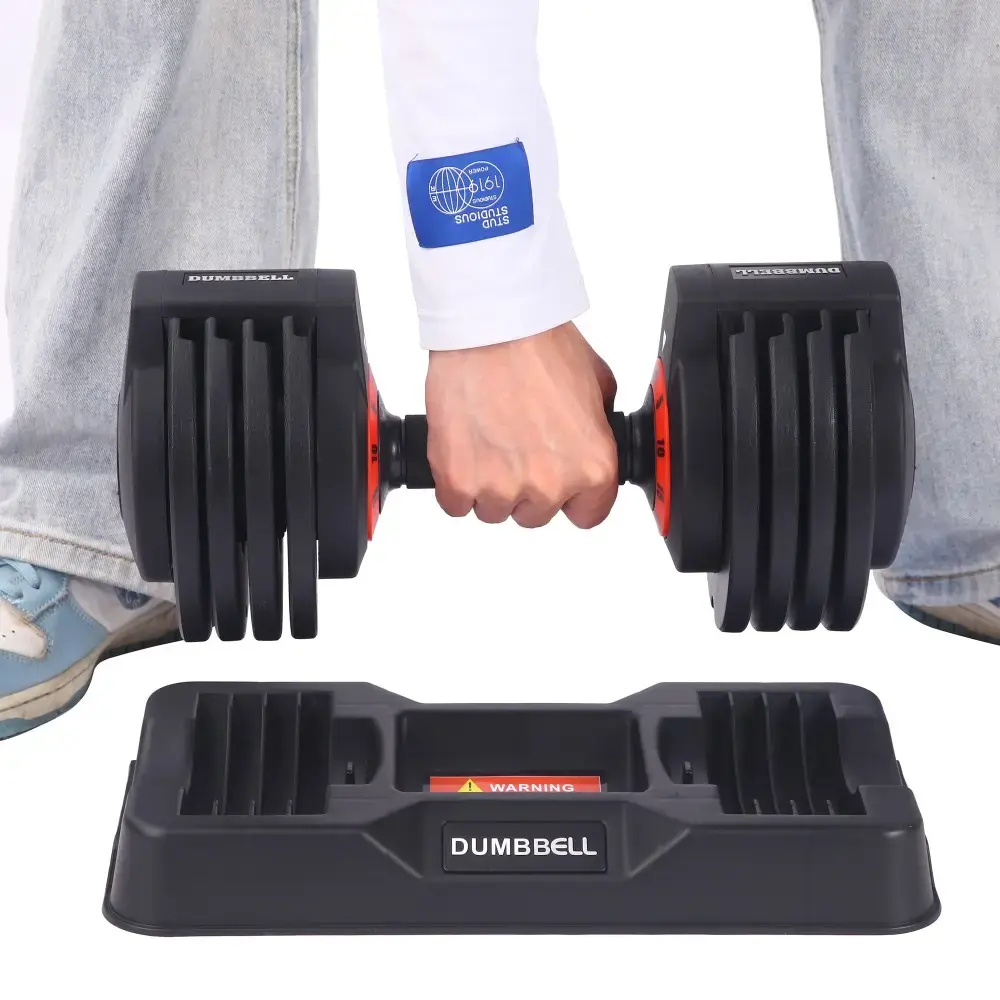
Meta Description
Explore the core value of lightweight adjustable dumbbells in senior activity centers. This article details how they enable personalized resistance training, safely combat sarcopenia, and provide a complete health maintenance solution from curriculum design to equipment procurement, helping communities effectively improve seniors’ functionality and quality of life.
Keywords
senior dumbbell training, adjustable dumbbell procurement, community resistance training program, sarcopenia prevention equipment, senior strength training safety