

Adjustable dumbbell strength factory
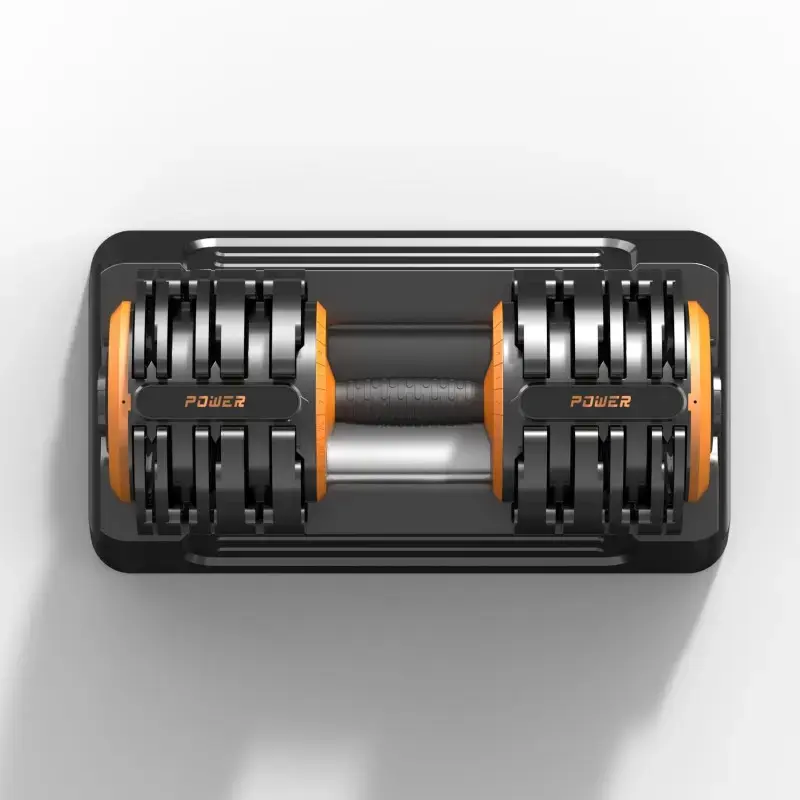
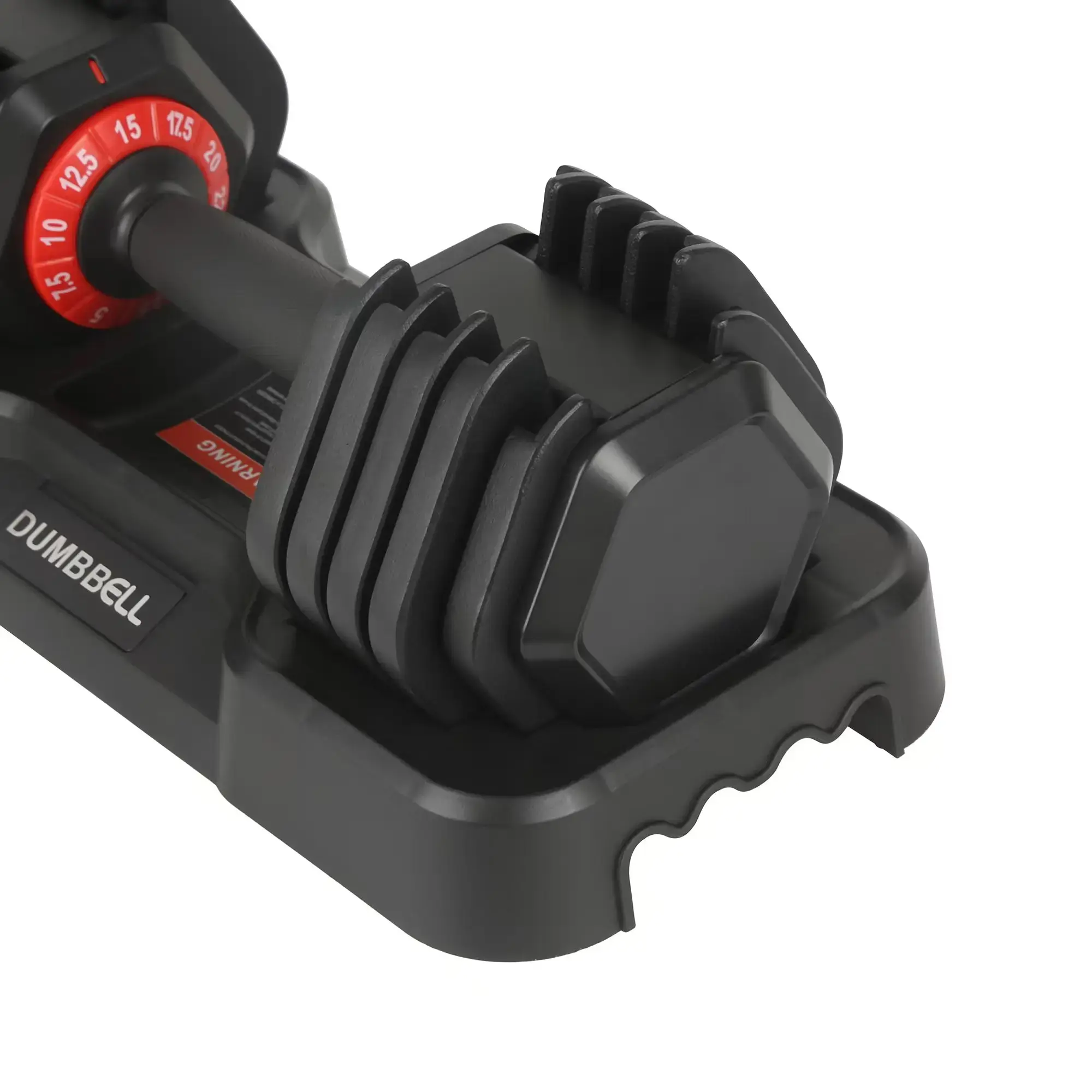
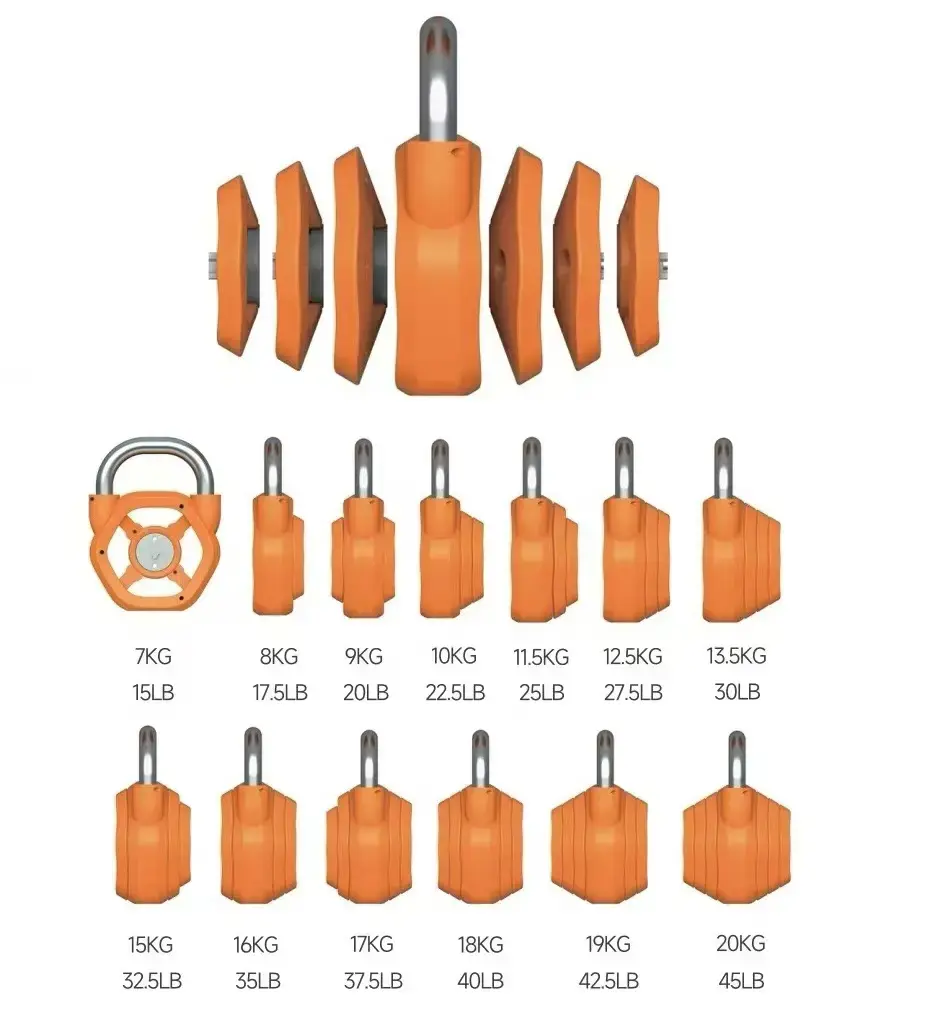
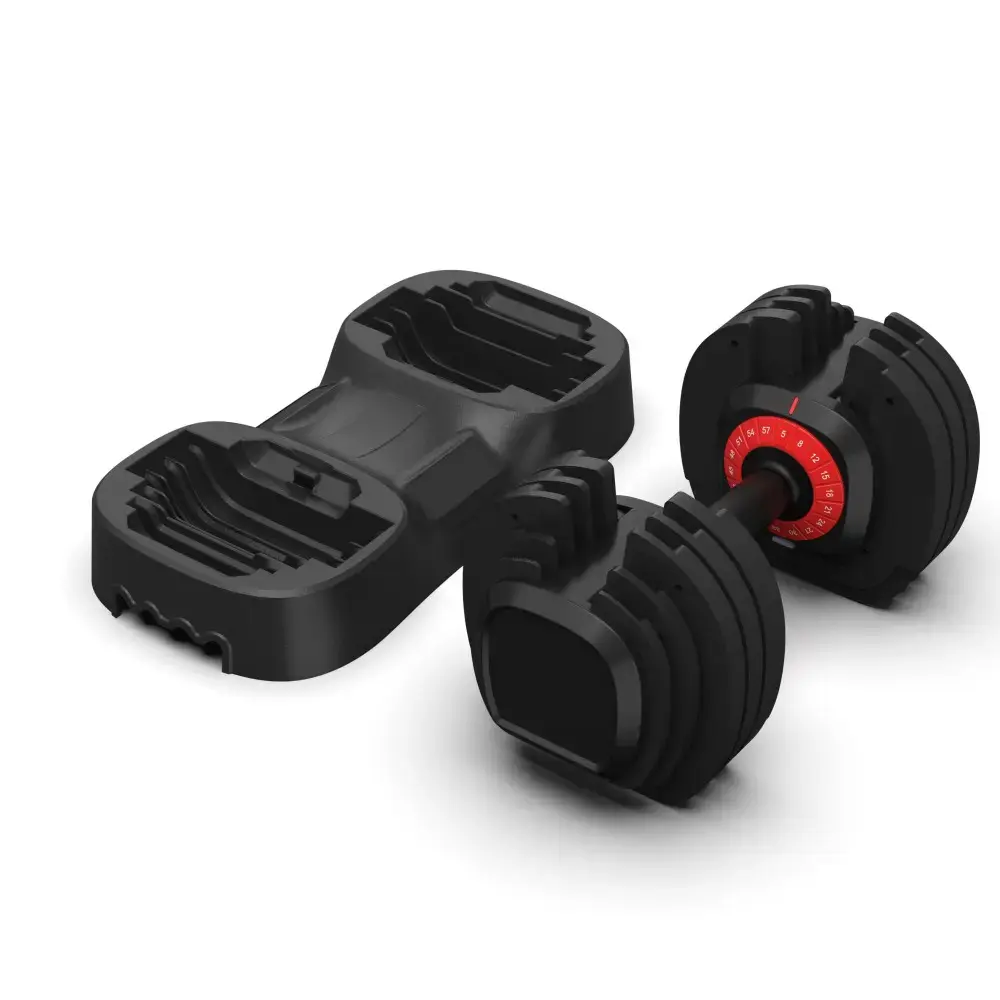
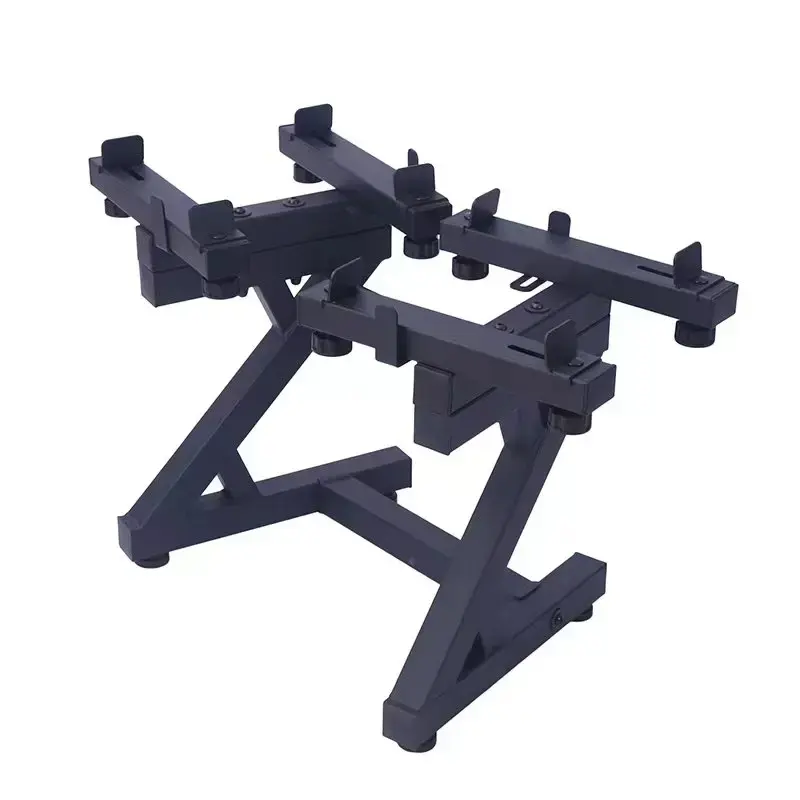
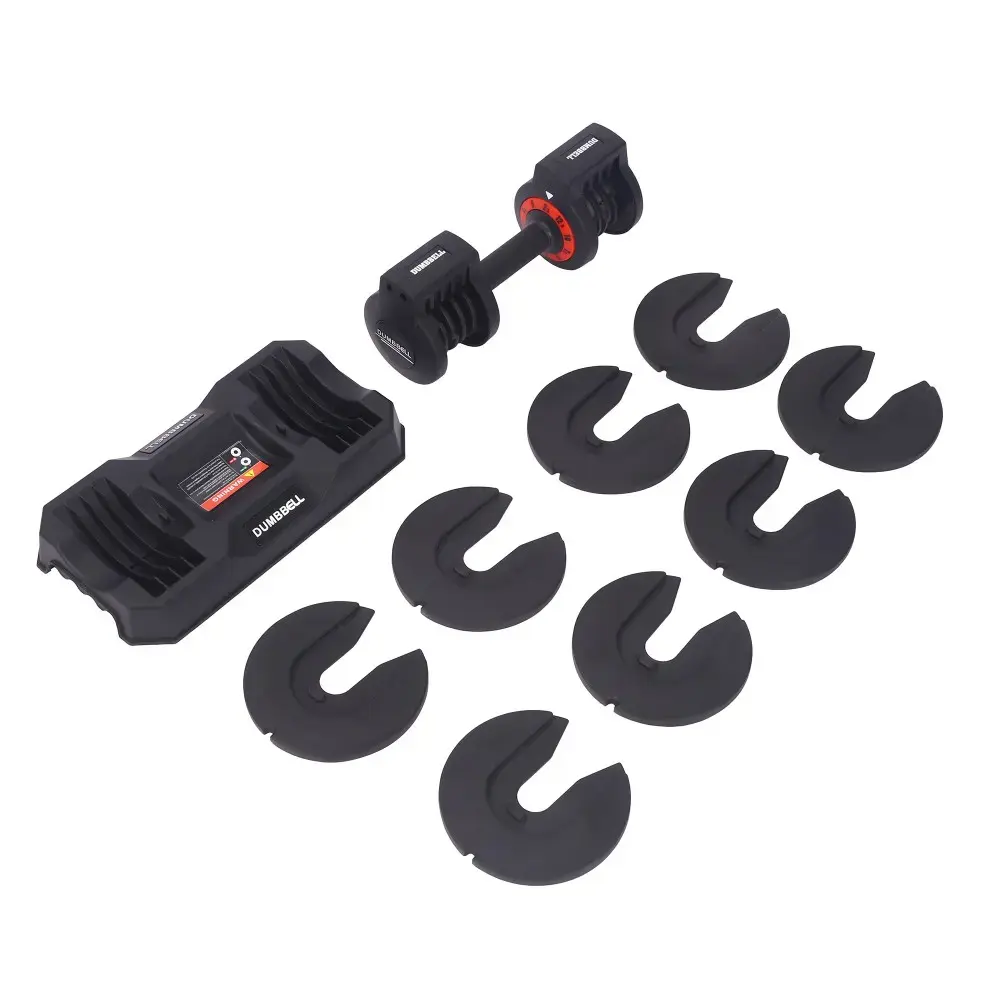
Small Batches, Frequent Orders vs. Large Batches, Infrequent Orders: Comparing Dumbbell Procurement Models
Small Batches, Frequent Orders vs. Large Batches, Infrequent Orders: Comparing Dumbbell Procurement Models
Fitness equipment wholesalers are facing a common dilemma lately: volatile raw material prices upstream and unpredictable market demand downstream. Should they opt for flexible replenishment with small batches and frequent orders, or stick to locking in low prices through large batches and infrequent orders? Last year, an Australian client learned this the hard way: stockpiling 5,000 Dumbbell Sets at once led to shipping delays. Combined with rapid model updates, the inventory sat idle in warehouses upon arrival. Cash flow stalled, leaving no funds to order new models. This is far from an isolated case. Choosing the wrong procurement model can eat up all your profit margins in storage fees and interest. Today, drawing from years of real-world examples, I’ll break down the true financial implications behind both approaches. After reading this, you'll be able to make the most advantageous choice based on your own capital, storage capacity, and market timing.
I. Capital Commitment vs. Cash Flow: Which Offers Greater Flexibility?
Cash flow is the lifeblood of trade. This calculation must be clear.
The advantage of bulk purchasing lies in unit price. Ordering 2,000 dumbbell sets at once will certainly get you a better unit price from the factory than ordering 500 sets. On the surface, the profit per unit appears higher. But the drawback is equally clear: a massive sum is frozen instantly. This capital could otherwise be used for inventory turnover in other categories or to seize new market opportunities.
Small-batch purchasing frees up cash flow. You might need to place four separate orders for 2,000 sets, each with significantly less payment pressure. The remaining funds can be used to test complementary products like kettlebells or yoga mats. This is a huge advantage when market demand shifts rapidly.
Real-world example: A Southeast Asian e-commerce seller initially bulk-purchased a single dumbbell specification quarterly. When home fitness trends cooled in 2022, inventory piled up. He shifted to monthly small-batch orders while introducing accessories like resistance bands and foam rollers. Though dumbbell unit costs rose slightly, overall capital turnover doubled, stabilizing his business through diversified product mixes.
Common User Question: Will factories agree to small-batch orders?
This depends on your supplier relationships and negotiation strategy. Established suppliers understand market fluctuations and are willing to grow alongside promising clients. You can negotiate to integrate small orders into their fixed production schedules or accept slightly longer lead times. Establishing long-term, stable order expectations matters more than the size of individual orders.
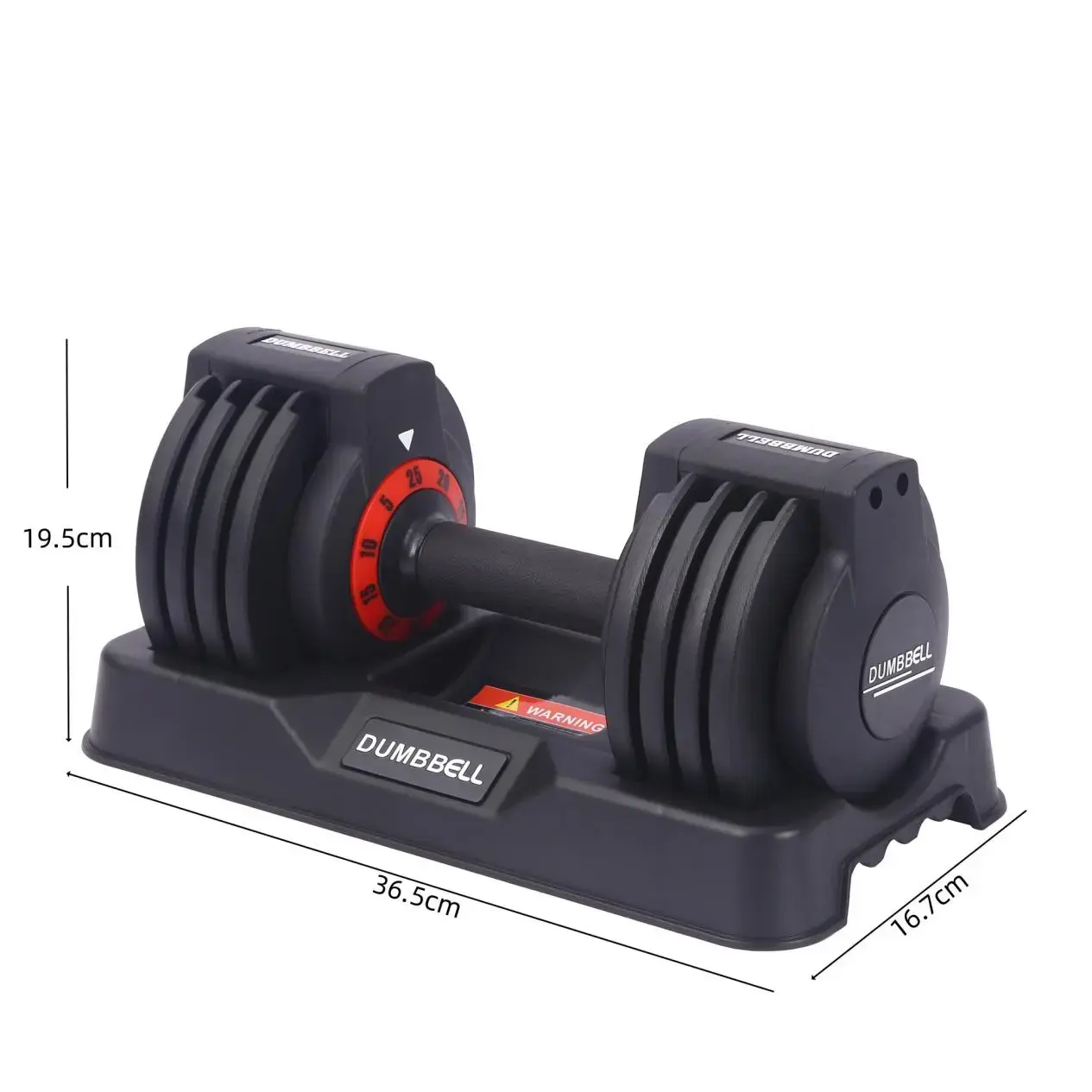
II. Inventory Pressure and Storage Costs: The Invisible “Profit Eaters”
Inventory isn't an asset—it's a cost. Many underestimate this.
Bulk purchasing requires either a sufficiently large warehouse or third-party storage fees. Dumbbells are bulky and heavy, making storage costs significant. More importantly, inventory management, handling, and counting demand labor and time.
There's also the risk of obsolescence. Dumbbell styles, coatings (e.g., rubber, powder coating), and color trends constantly evolve. Old models sitting in warehouses for a year may become obsolete—even if high-quality—forcing discount sales.
Small-batch purchasing keeps inventory near “safe levels.” It enables “fast in, fast out” turnover, keeping warehouses constantly active. This is a decisive advantage in high-rent cities or for startups with limited storage space.
Common user question: Doesn't frequent restocking increase the risk of stockouts?
Indeed, this demands greater supply chain stability. The solution: establish deep partnerships with 1-2 core suppliers, share your sales forecasts, and have them reserve capacity or safety stock for you. Simultaneously, closely track shipping and trucking cycles. This isn't about reducing communication—it's about making communication more proactive and granular.
III. Market Responsiveness and Product Iteration: Who Can Capture Trends?
The fitness equipment market, especially in the home sector, sees trends shift rapidly.
Home dumbbells were popular during the pandemic, but post-pandemic, portable, Adjustable Dumbbells and specialized strength training equipment are growing faster. Bulk purchasing involves long decision cycles and slow inventory turnover—like a large ship, it's difficult to turn around.
The small-batch, high-frequency model, however, operates like a speedboat. You can swiftly adjust procurement specifications based on sales data. For instance, if 5kg and 10kg Dumbbell Sets sell well recently, order more of these combinations next month. If colorful dumbbells gain traction on social media, quickly test the waters with small batches.
This approach allows you to better serve end consumers. Gym buyers also increasingly favor suppliers who offer stable, continuous restocking and the latest products.
A real-world example: A European chain gym's procurement manager shared that they now prefer suppliers offering “monthly rolling deliveries.” This allows flexible allocation based on actual wear and tear across branches and membership growth needs, preventing stockpiles in some locations while others run short. While this tests a supplier's delivery capabilities, once established, the partnership becomes highly sticky.
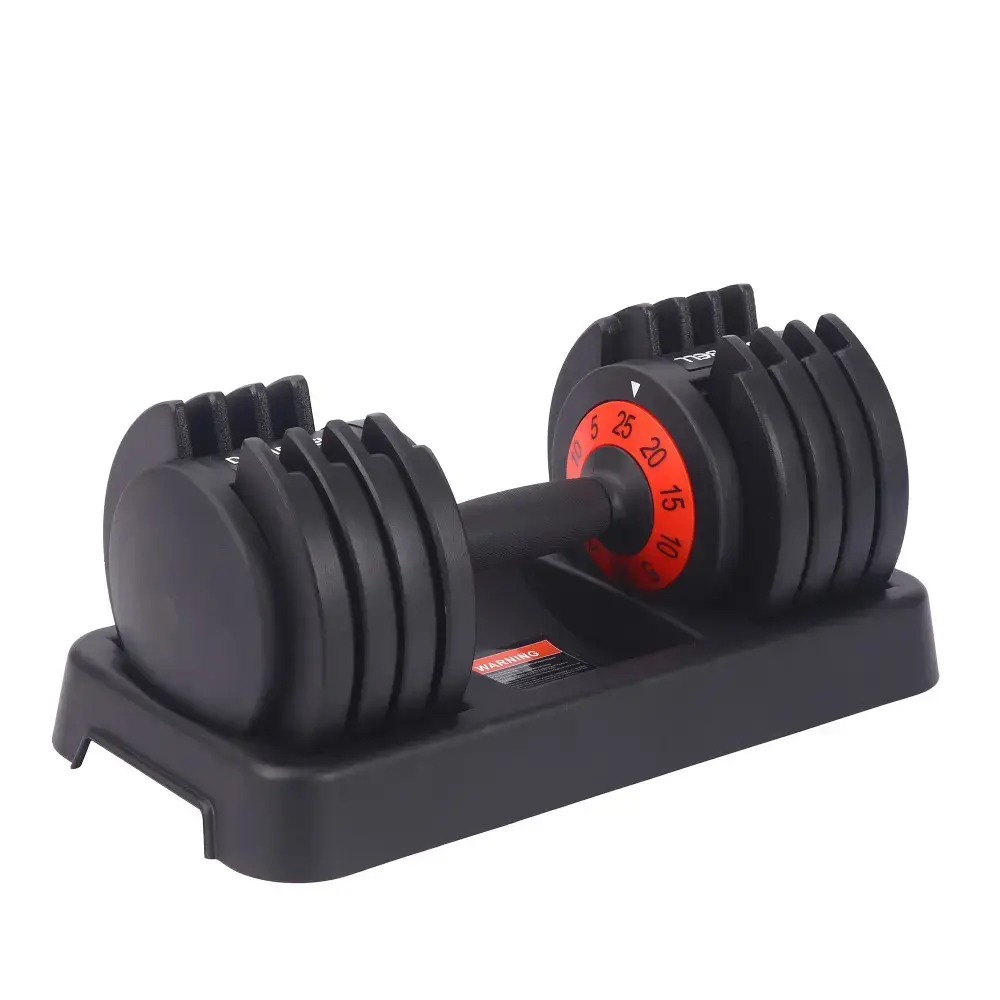
IV. How to Choose? A Clear Decision Checklist
There's no absolute right or wrong—only suitability. Ask yourself these questions:
What is your financial strength?
Cash-rich with tolerance for volatility → Consider bulk orders for cost advantages;
Cash-strapped seeking stability → Smaller batches are safer.
What are your warehousing and logistics capabilities?
Own large, efficiently managed warehouses → Bulk orders are feasible;
Outsourced storage or limited space → Smaller batches are necessary.
Is your market demand stable? Highly standardized products with steady demand (e.g., professional gym procurement) → Large batches feasible; Fast-changing markets targeting individual consumers → Small batches offer greater agility.
How strong is your supplier relationship? Established ties with guaranteed schedules and discounts → Both models negotiable; Newly developed suppliers → Start with small trial orders.
For most growing wholesalers, I recommend a “hybrid model”: Use small-to-medium batches for stable, slow-changing “core items” (e.g., solid black Rubber Dumbbells). For trendy or feature-rich new products, strictly adopt small-batch, high-frequency testing. Dynamic adjustment is key.
FAQ: Frequently Asked Questions
Q1: How can I minimize inventory risk with bulk purchases?
A1: The key lies in “accurate forecasting” and “staggered deliveries.” Negotiate with suppliers to split large orders into 2-3 monthly production and delivery batches. This allows you to benefit from volume discounts while reducing inventory pressure. Simultaneously, leverage sales data software to enhance demand forecast accuracy.
Q2: How can I address rising per-unit logistics costs from small-batch purchases?
A2: Two primary solutions exist: First, consolidate shipments (LCL/FCL) by combining diverse, small-volume goods into a single container to share ocean freight costs. Second, establish long-term partnerships with freight forwarders to secure more competitive “consolidation rates.” The key lies in logistics planning and organizational capabilities.
Q3: For a newly launched fitness equipment e-commerce business, which model should be adopted initially?
A3: Undoubtedly, start with small-batch, high-frequency procurement. This is the optimal approach to validate the market, products, and supply chain with minimal trial-and-error costs. Survival and establishing a viable model are far more critical than pursuing high per-unit margins. Only after accumulating stable bestseller data and a customer base should you consider increasing single-order volumes for core products.
Ultimately, the debate between small-batch, high-frequency and large-batch, low-frequency dumbbell procurement boils down to balancing “agility” against “economies of scale.” In today's era of constant uncertainty, maintaining rapid market responsiveness often holds greater commercial value than pursuing absolute unit cost efficiency. Assess your capital, warehousing, and market conditions to choose the path best suited to your current stage of development. Successful procurement isn't a one-time gamble but a meticulous, continuously optimized process.
Meta Description: Should dumbbell procurement favor small-batch, high-frequency orders or large-batch, low-frequency ones? This article provides a deep comparison across three core dimensions—capital, inventory, and market responsiveness—offering clear decision-making guidance and practical strategies for fitness equipment B2B buyers. Read now to optimize your procurement model.
Keywords: Dumbbell wholesale procurement strategy, fitness equipment inventory management, B2B procurement model optimization, small-batch high-frequency procurement, dumbbell supply chain management