

Adjustable dumbbell strength factory
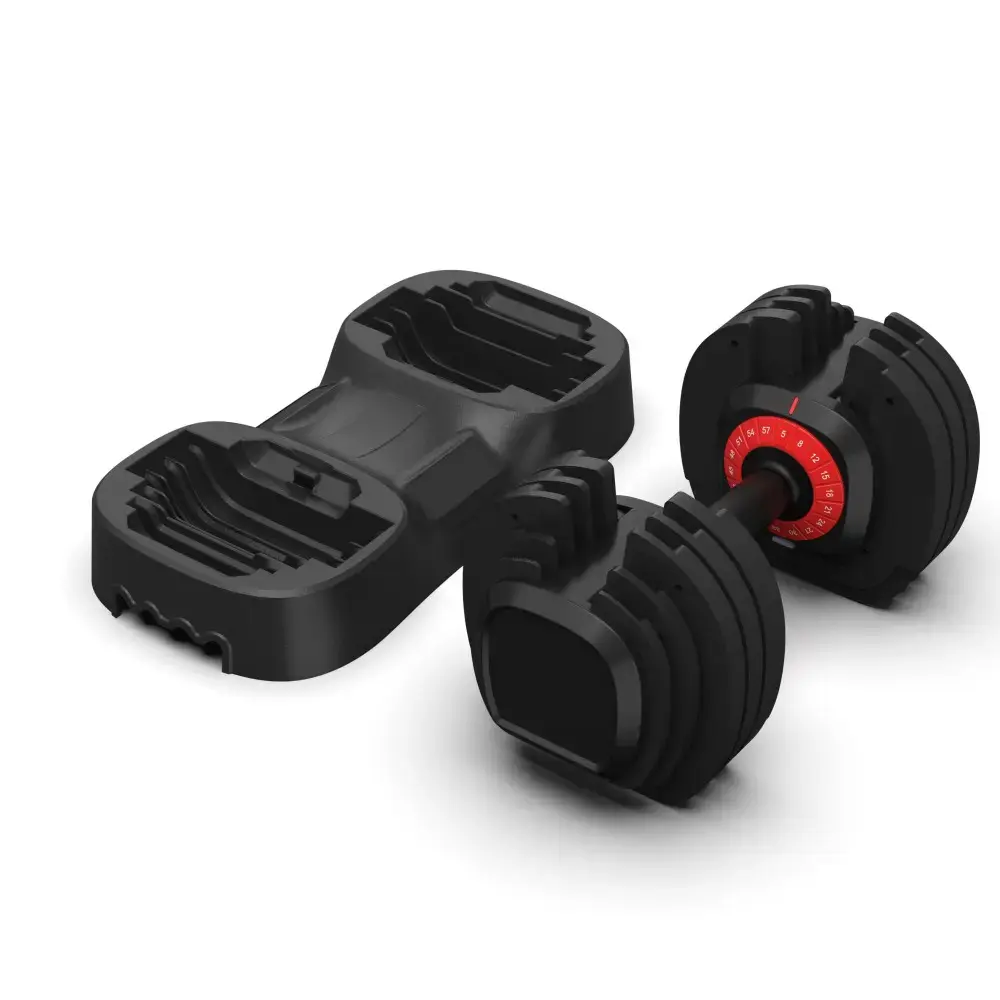
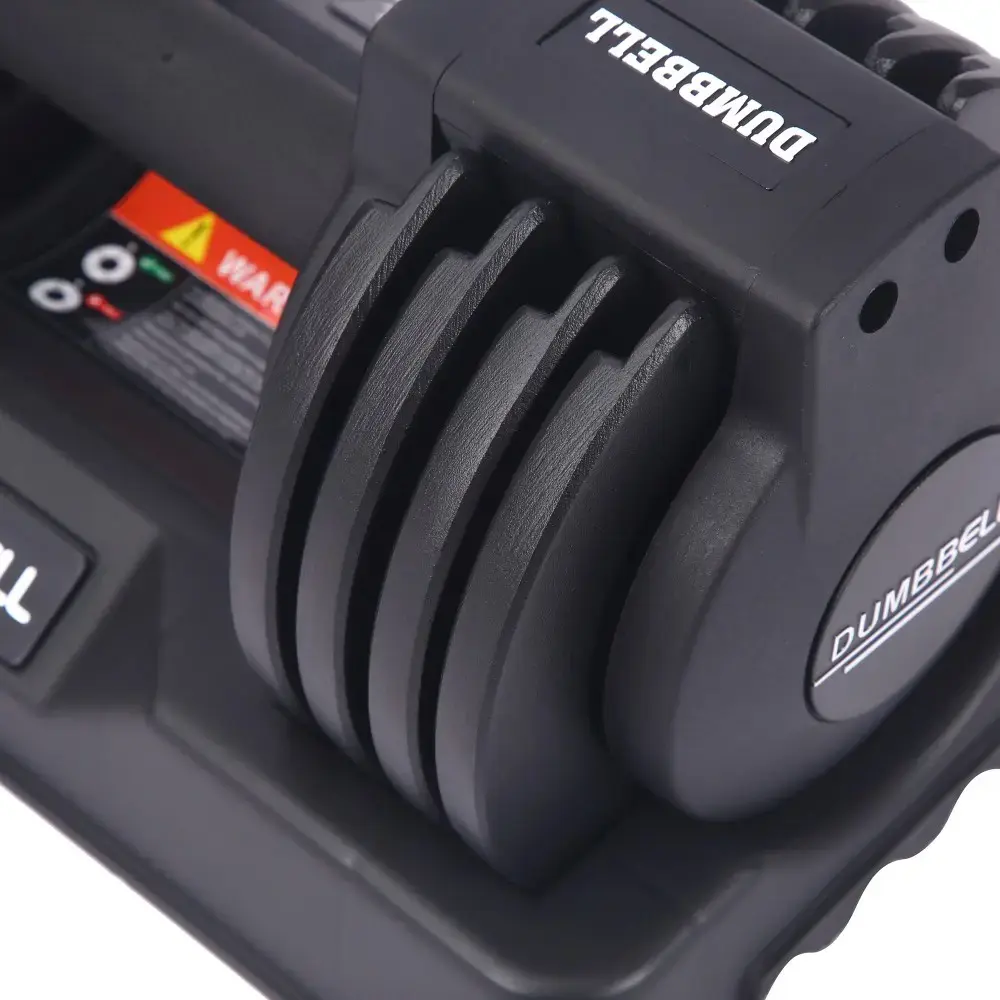
Suggested purchase ratio for dumbbells of different weight ranges: household vs. commercial
In the fitness equipment market, dumbbells, as a classic training tool, are widely popular for their multi-functionality and convenience. Whether it is a home gym or a commercial gym, dumbbells are one of the essential pieces of equipment. However, different usage scenarios have different requirements for the weight range and purchase ratio of dumbbells. This article will delve into the recommended purchase ratios for dumbbells of different weight ranges in both household and commercial Settings to assist purchasers in making wiser choices.
First, suggestions for purchasing dumbbells for a home gym
(1) Selection of weight range
When purchasing dumbbells for a home gym, factors such as space limitations, the fitness level of the users, and the budget need to be taken into consideration. Generally speaking, the weight range of dumbbells in a home gym can be from light to medium weight.
Lightweight (2.5kg - 10kg) : Suitable for beginners and female users, these dumbbells can be used for warming up, shaping and rehabilitation training. For a home gym, lightweight dumbbells are indispensable as they can meet a variety of basic training needs.
Medium weight class (10kg - 20kg) : Suitable for users with a certain fitness foundation, it is used to enhance muscle strength and endurance. Dumbbells within this weight range can be used for more advanced training exercises, such as dumbbell bench presses and dumbbell squats.
(2) Suggested Procurement ratio
In a home gym, the proportion of dumbbells purchased should be determined based on the fitness goals and budget of the users. Generally speaking:
Lightweight dumbbells: It is recommended to purchase a ratio of 40% to 50% to meet diverse training needs.
Medium weight dumbbells: It is recommended to purchase a ratio of 50% to 60% to accommodate more advanced training movements.
Second, suggestions for purchasing dumbbells for commercial gyms
(1) Selection of weight range
The purchase of dumbbells for commercial gyms needs to take into account a broader user base and high-intensity usage requirements. Therefore, the weight range of dumbbells in commercial gyms is usually wider, from light to heavy.
Lightweight (2.5kg - 10kg) : Although the user base of commercial gyms is broader, lightweight dumbbells are still indispensable, especially for female users and beginners.
Medium weight (10kg - 20kg) : Suitable for intermediate users, it is used to enhance muscle strength and endurance.
Heavy (20kg - 50kg and above) :For commercial gyms, Heavy Dumbbells are indispensable as they can meet the needs of advanced users and professional athletes.
(2) Suggested Procurement ratio
The proportion of dumbbells purchased by commercial gyms should be determined based on the scale of the gym, the user group and the budget. Generally speaking:
Lightweight dumbbells: It is recommended to purchase a ratio of 20% to 30% to meet the needs of beginners and female users.
Medium weight dumbbells: It is recommended to purchase 30% to 40% to meet the training needs of intermediate users.
Heavy dumbbells: It is recommended to purchase a ratio of 40% to 50% to meet the needs of advanced users and professional athletes.
Third, consideration of special requirements
(1) Special requirements for home gyms
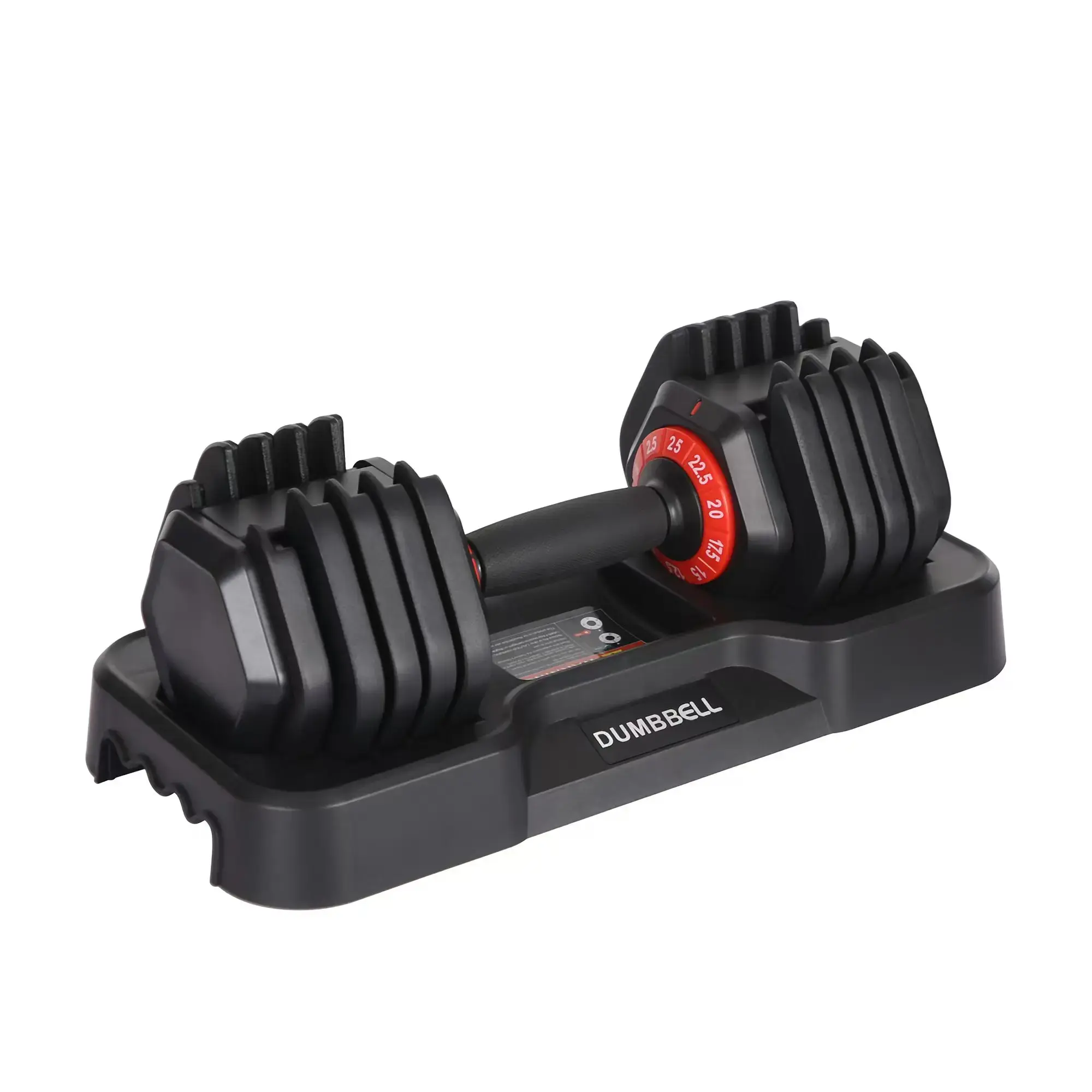
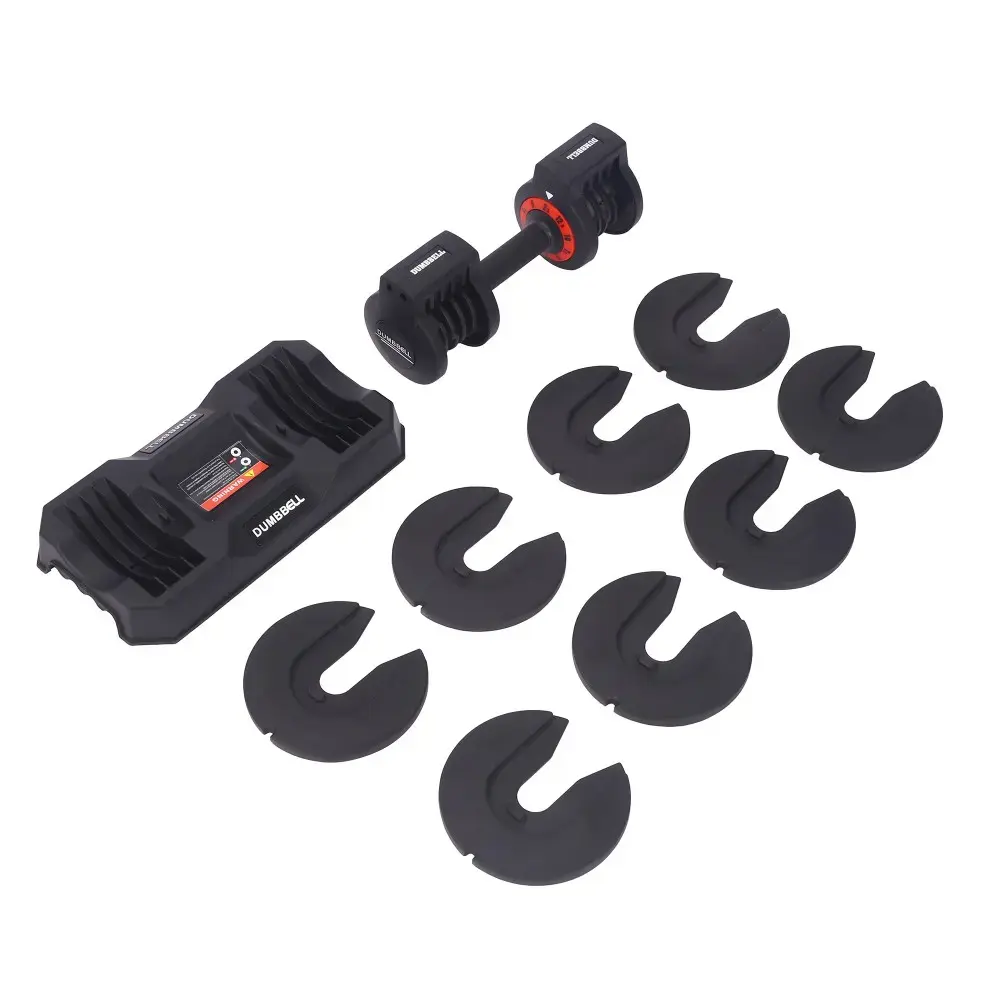
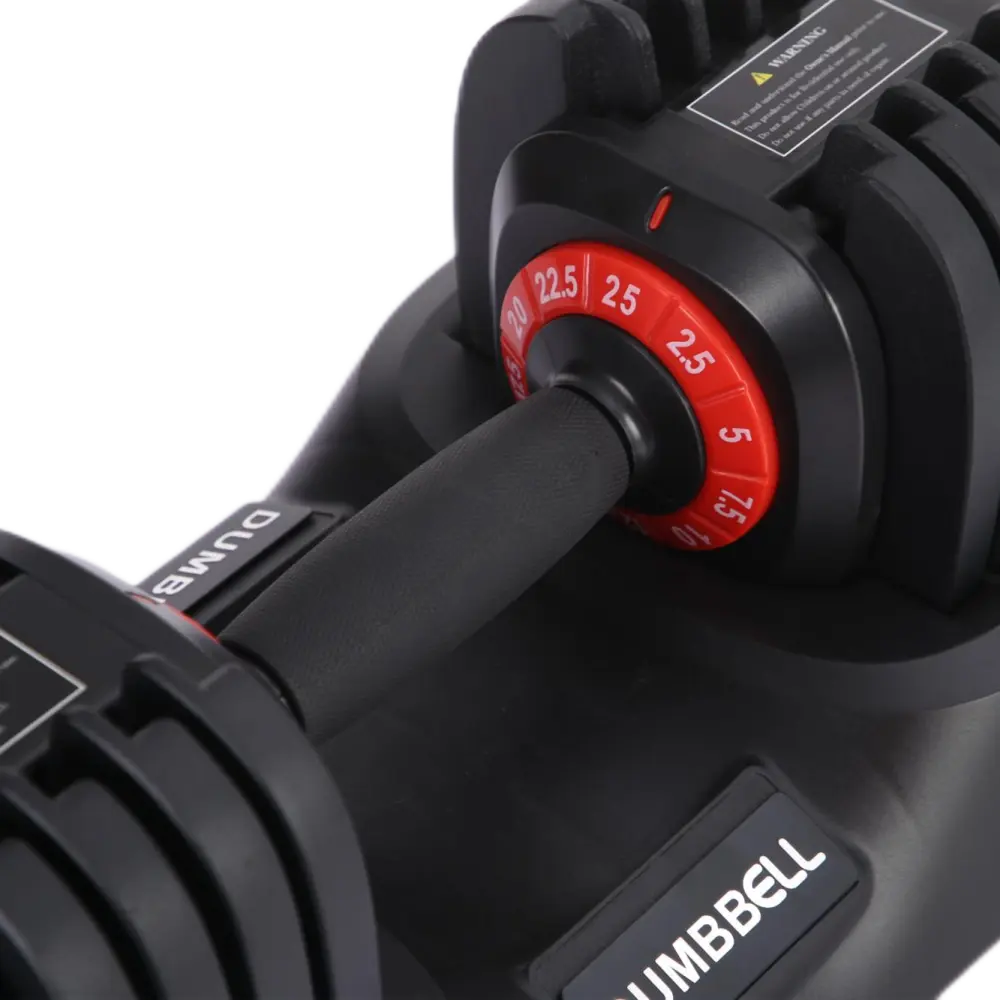
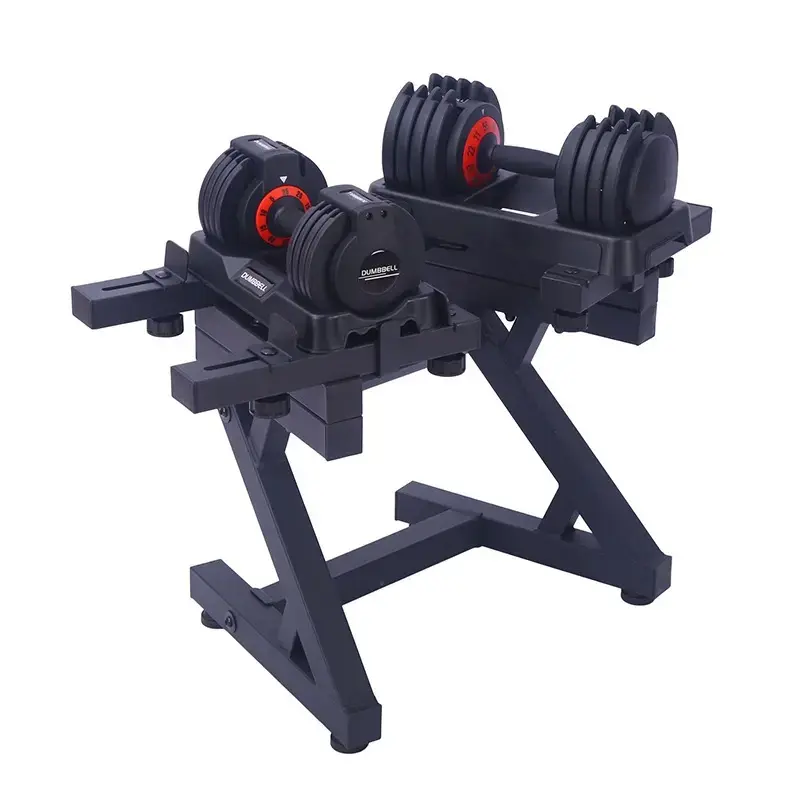
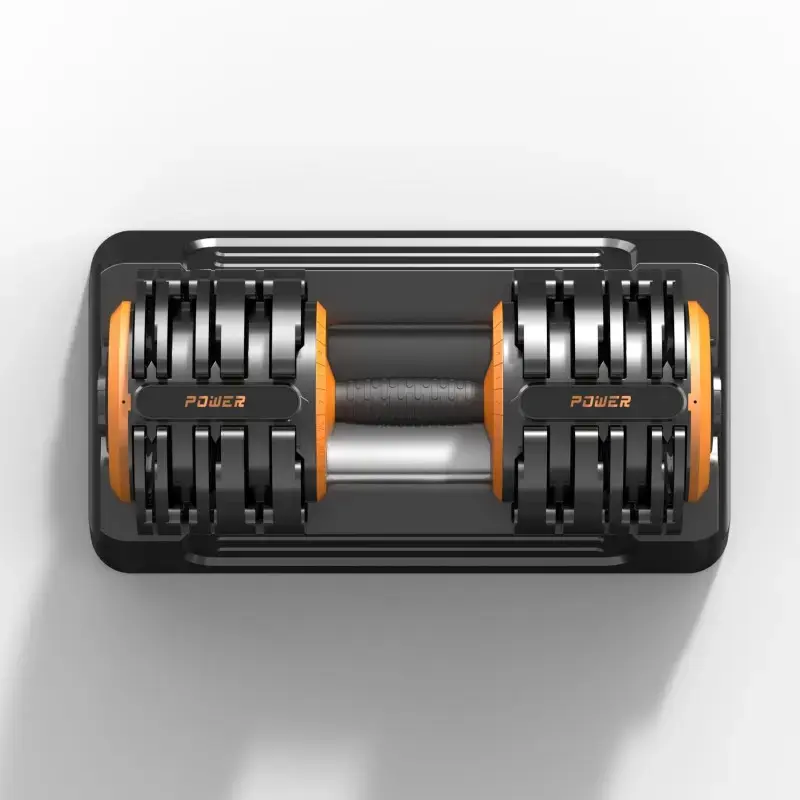
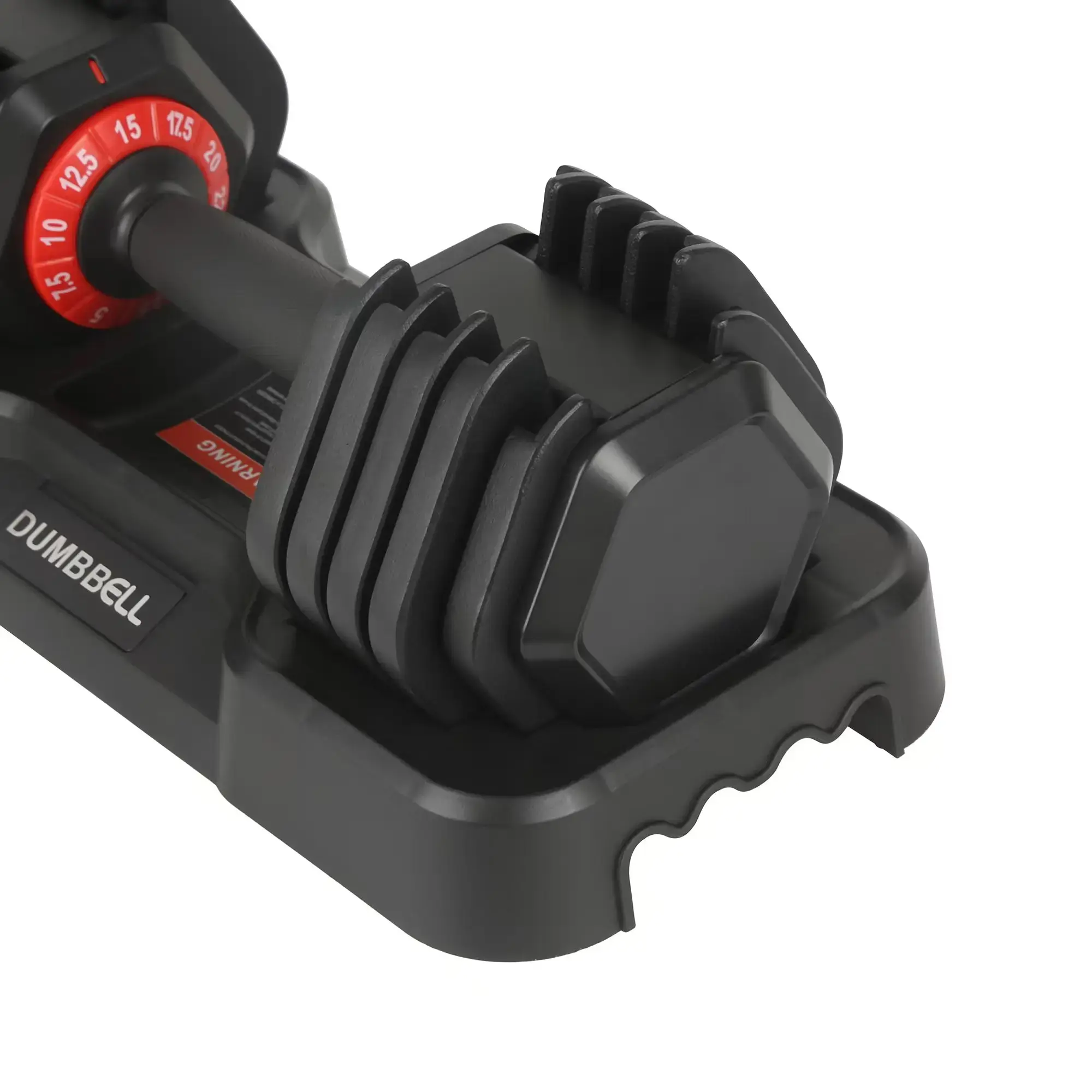
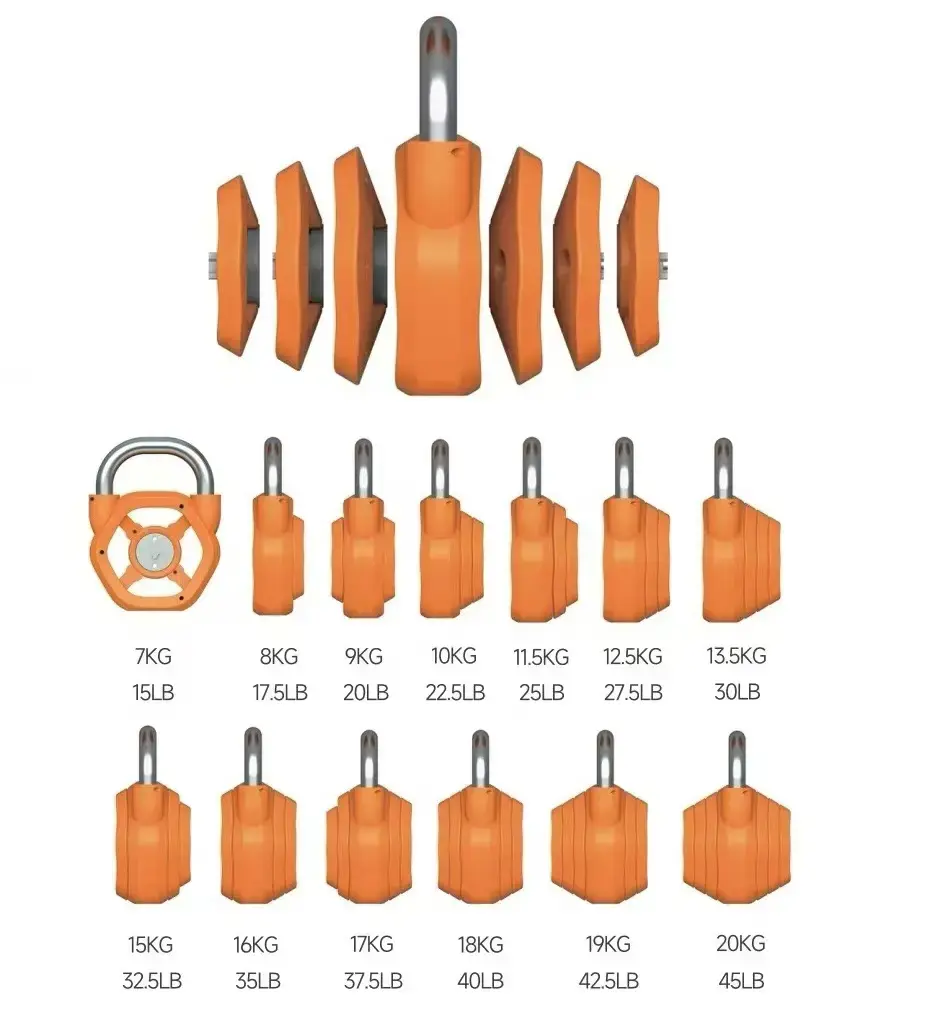
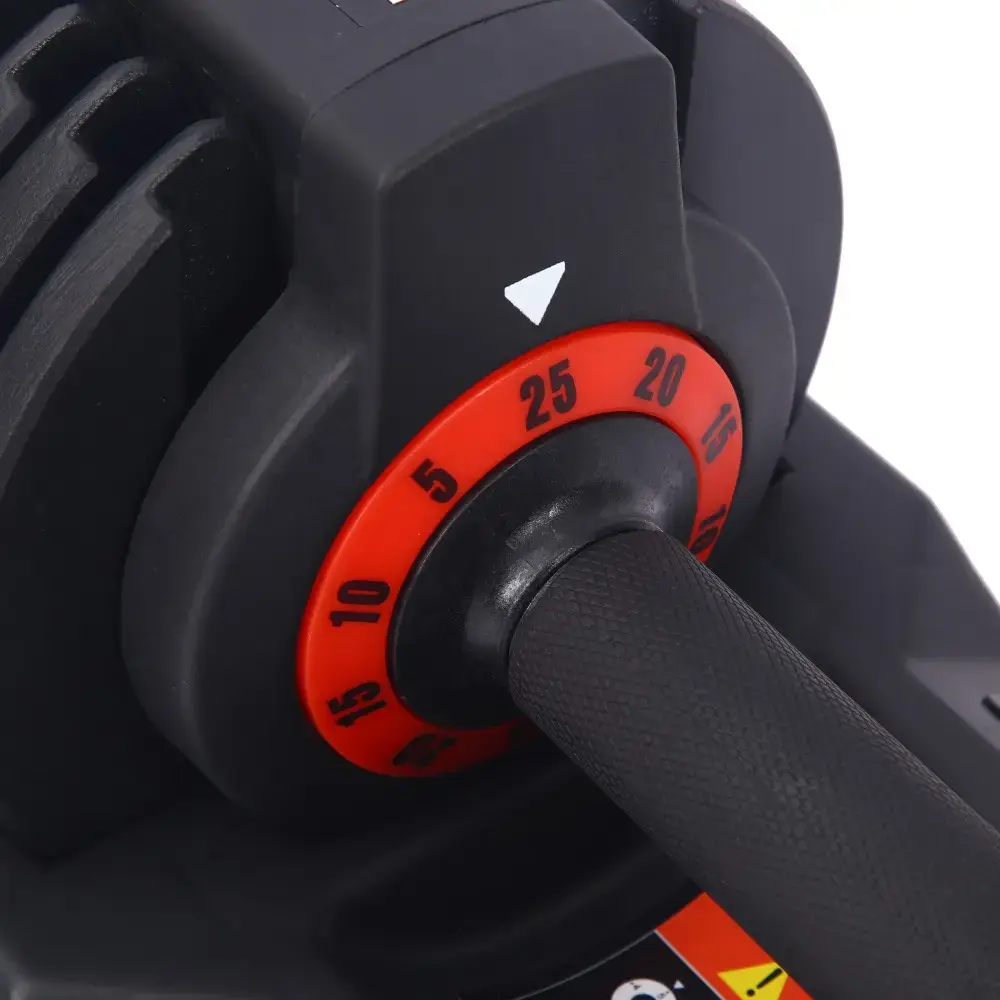
Space limitations:Home gyms usually have limited space, so it is recommended to choose Adjustable Dumbbells, which can meet various weight requirements within a limited space.
Budget constraint: If the budget is limited, you can choose a set of high-quality fixed-weight dumbbells instead of multiple sets of dumbbells of different weights.
(2) Special Requirements for commercial gyms
High-intensity use: Dumbbells in commercial gyms need to be able to withstand high-intensity use. Therefore, it is recommended to choose cast iron or steel dumbbells, as these materials are more durable.
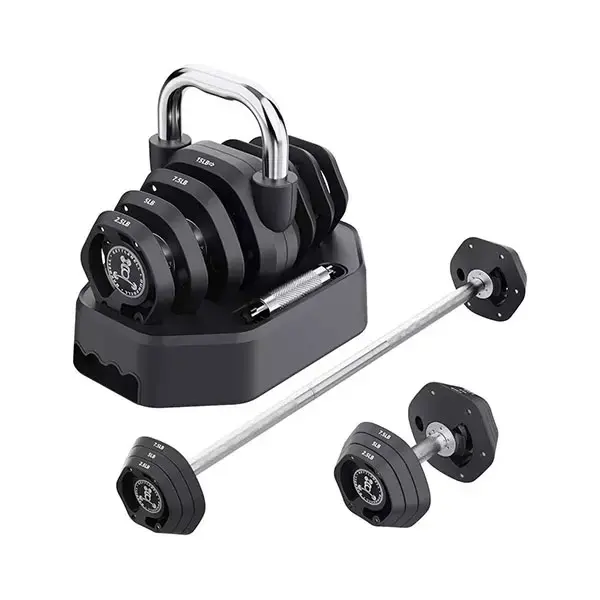
Diversified demands: Commercial gyms need to meet the needs of different users, so it is recommended to purchase dumbbells of various weights and types, including fixed-weight dumbbells and adjustable dumbbells.
Fourth, Future Trends and Suggestions
(1) Intelligence and multi-functionality
With the development of technology, intelligent and multi-functional dumbbells are gradually entering the market. These dumbbells can track users' training data through sensors and applications, providing personalized training suggestions. For home gyms, Smart Dumbbells can offer a richer training experience. For commercial gyms, intelligent dumbbells can enhance user satisfaction and loyalty.
(2) Sustainable Development
When purchasing dumbbells, sustainable development factors should also be taken into consideration. Choosing dumbbells made of eco-friendly materials can not only reduce the impact on the environment but also enhance the brand image.
In conclusion, whether it is a home gym or a commercial gym, the rational selection and purchase of dumbbells are the keys to improving fitness results and user experience. By understanding the recommended purchase ratios for dumbbells of different weight ranges and taking into account special needs and future trends, purchasers can make wiser choices and provide users with better fitness equipment.