

Adjustable dumbbell strength factory

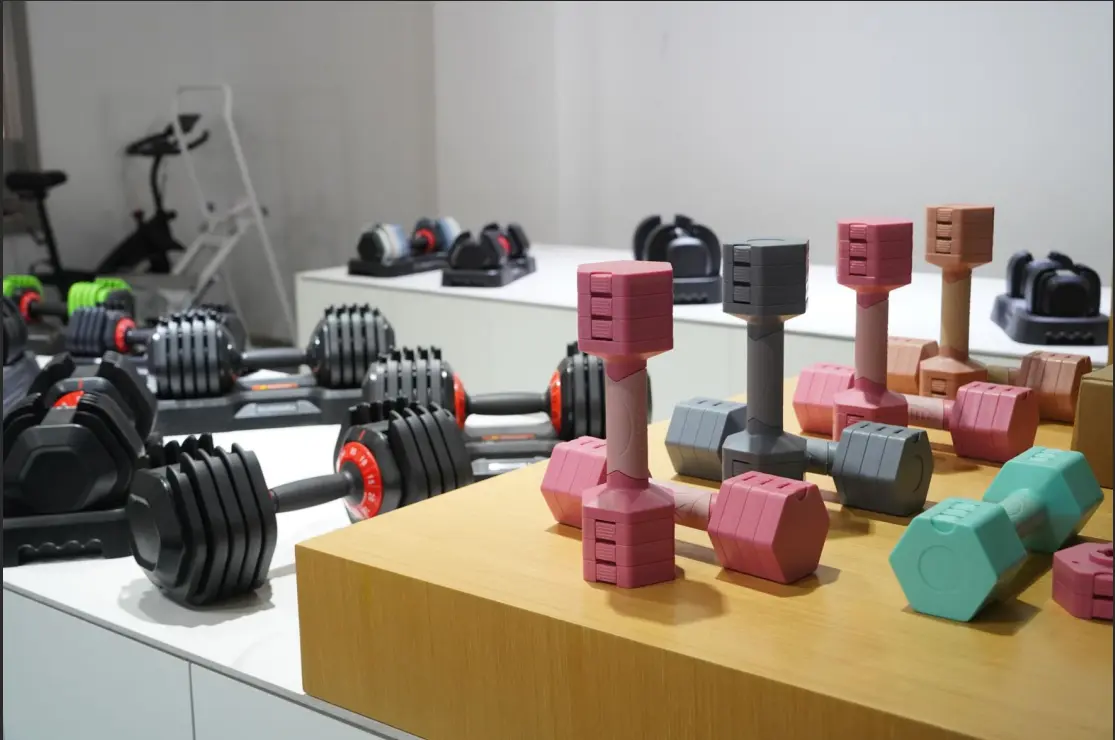
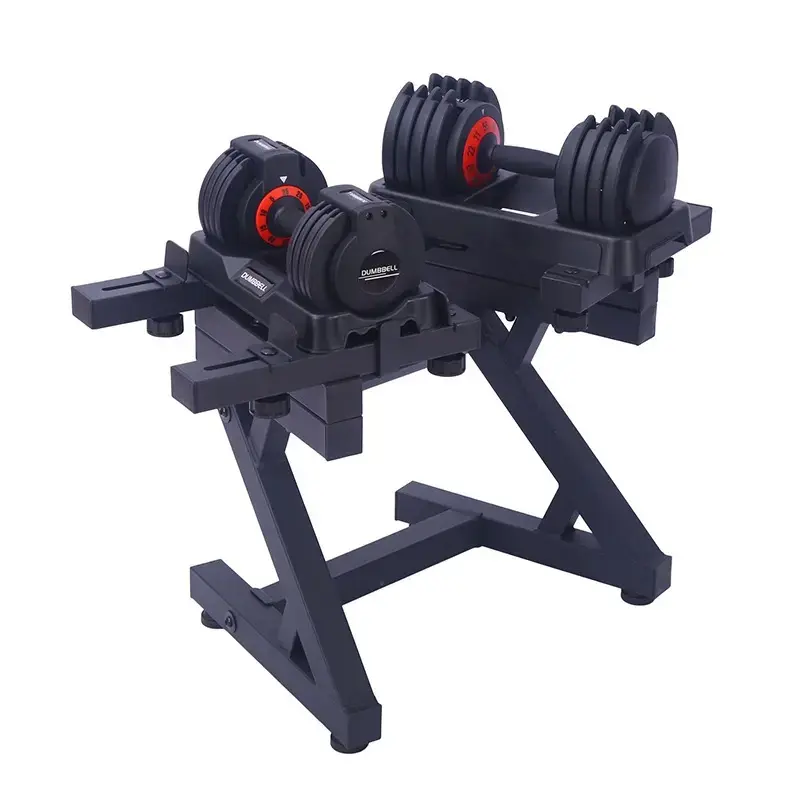
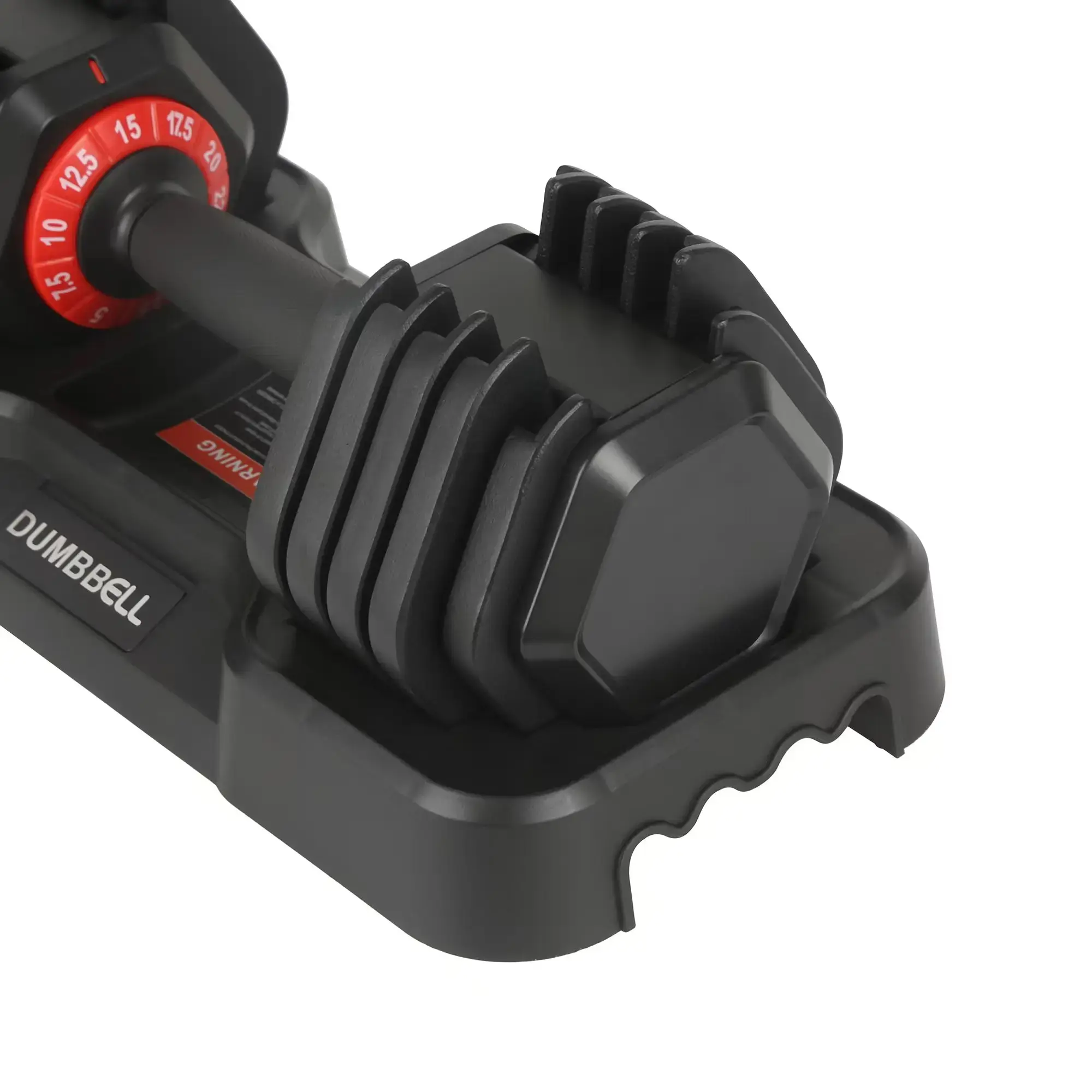
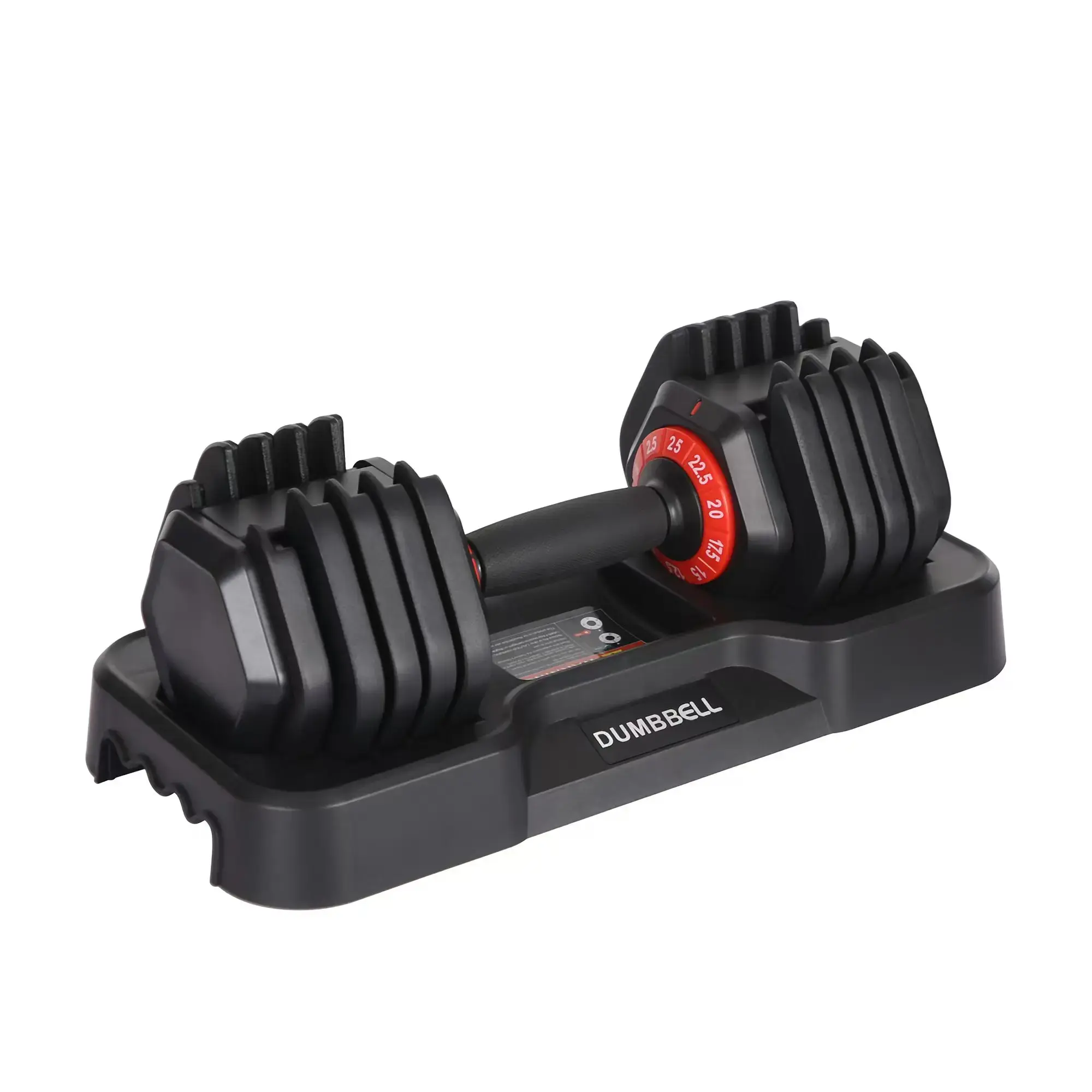
The Application of One-Piece Molding Technology in High-End Adjustable Dumbbells
The Application of One-Piece Molding Technology in High-End Adjustable Dumbbells
One-Piece Molding Technology: Redefining the Performance Boundaries of High-End Adjustable Dumbbells
In the fitness equipment sector, the "high-end" development of adjustable dumbbells revolves around two core issues: How to achieve flexible weight switching while ensuring stability and durability? And how to overcome the industry dilemma of "balancing ease of adjustment with structural strength" through technological innovation? The emergence of one-piece molding technology provides a perfect solution to both these issues. As the core technological foundation of current high-end adjustable dumbbells, it not only reshapes product manufacturing but also fundamentally enhances the user's training experience.
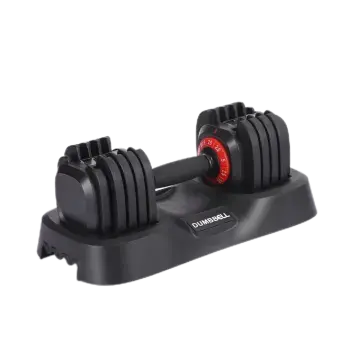
I. Decoding One-Piece Molding Technology: The Performance Gene of High-End Dumbbells from the Essential Process
One-piece molding technology is more than a simple "one-shot injection molding" or "one-shot casting" process; rather, it is a precision manufacturing system centered on a "joint-free structure." Its application in high-end adjustable dumbbells typically involves three key technical steps:
First, the one-piece compression molding process. The core load-bearing components of high-end dumbbells, such as the dumbbell bar and weight adjustment base, no longer utilize the traditional "multi-component welding and bolting" approach. Instead, they are formed in a single operation using a custom, large mold from high-strength alloy materials (such as aircraft-grade aluminum alloy and high-density carbon steel). This process, under high temperature and high pressure, creates a uniform internal stress structure in the material, eliminating "mechanically weak zones" such as welds and seams. This improves the component's impact resistance by over 40% compared to traditional processes.
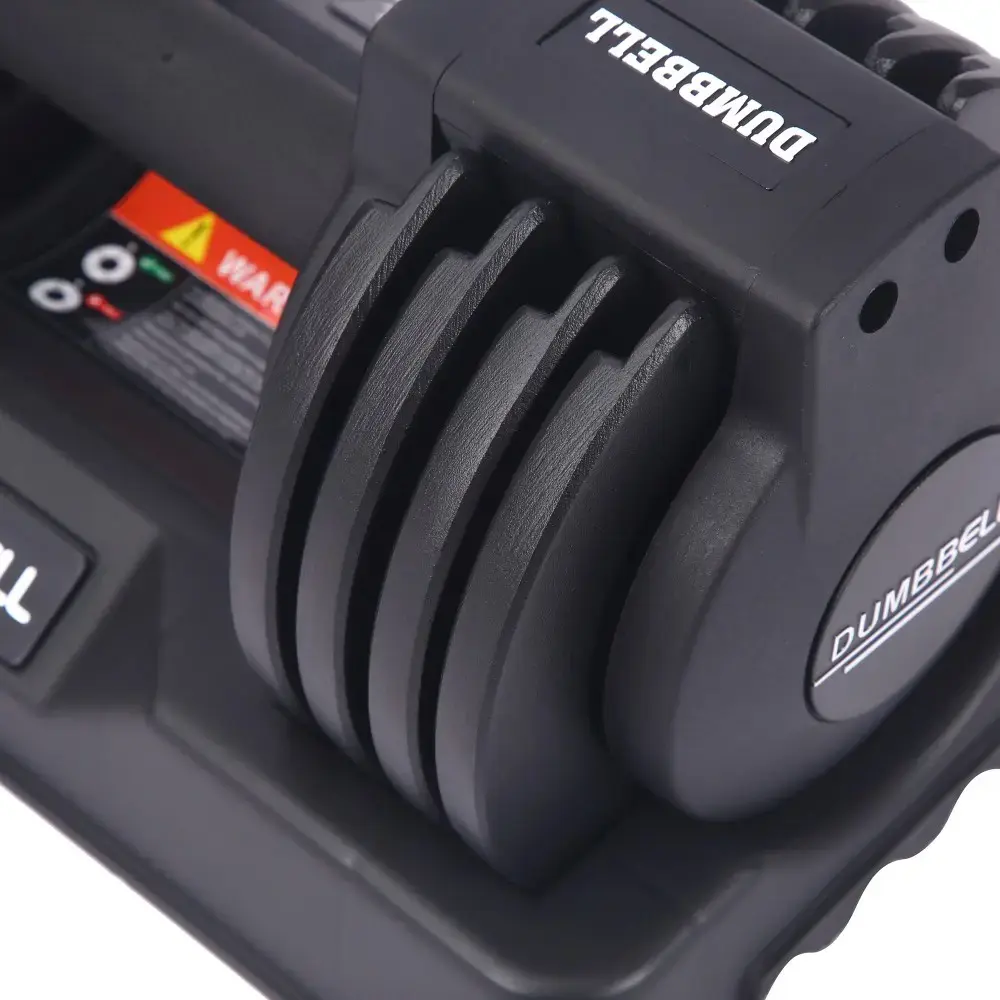
Secondly, seamless weight module integration is employed. Adjustable dumbbell weight switching relies on independent weight modules. Traditional designs often involve loosening and shaking the connection between the module and the base. This integrated molding technology uses an "embedded molding" process to simultaneously mold the weight module connection structure with the base itself. This creates a tight, micron-level fit between the module and the base. Combined with a high-precision locking mechanism, this achieves "zero play" during weight adjustment, eliminating unwanted noise and safety hazards during training.
Finally, the surface treatment is integrated. The surface of high-end dumbbells must not only be non-slip and wear-resistant, but also corrosion-resistant and easy to clean. One-piece molding technology simultaneously applies surface texture and coating during the molding process, eliminating the risk of coating peeling associated with the traditional "molding first, then painting" process. Its surface anti-slip coefficient can reach 0.85, ensuring grip stability even during intense training and sweating.
II. Pain Points of Traditional Craftsmanship: The "Alternative Value" of One-piece Molding Technology
To understand why one-piece molding technology has become a core hallmark of high-end adjustable dumbbells, we must first understand the inherent flaws of traditional manufacturing processes. These pain points are precisely the "value anchor" of one-piece molding technology:
(I) Inherent Deficiencies in Structural Stability
Traditional adjustable dumbbells often utilize a "jointed" structure, with the dumbbell bar and weight plates, and the adjustment base and main frame assembled using fasteners such as bolts and clips. This structure presents two critical issues: First, the "stress concentration effect," where the contact points between the connector and the main body are susceptible to fatigue wear due to long-term stress. According to industry statistics, 37% of traditional adjustable dumbbells used for more than two years experience loose connectors. Second, there's "dimensional cumulative error." During the assembly of multiple components, machining errors within each part accumulate, leading to problems like weight adjustment jamming and inaccurate positioning, seriously impacting training flow.
(II) The "Double Compromise" of Durability and Safety
To reduce assembly difficulty, traditional processes often use lower-strength materials (such as ordinary cast iron and plastic alloys) while simplifying the structural design. This directly leads to insufficient product durability—the weight plate edges are prone to deformation due to collisions, and the adjustment mechanism is prone to failure due to wear. More importantly, there are safety risks: a 2023 fitness equipment safety report revealed that 82% of "accidental weight removal" incidents with traditional adjustable dumbbells were caused by broken connectors or failed adjustment mechanisms. This risk increases exponentially with heavy weight training. (III) User Experience "Missing Details"
Traditional craftsmanship inevitably introduces surface defects such as seams and protrusions, which not only affect the visual aesthetic but also create a "scratching" feeling when gripping. Furthermore, the gaps between the joints easily accumulate sweat and dust, making them difficult to clean and potentially breeding bacteria after long-term use. These minor flaws contrast sharply with the "refinement and user-friendly" demands of high-end users.
Uni-body molding technology, with its core principle of "no joints, all-in-one," addresses all of these pain points at the source: the absence of connectors means no stress concentration, the one-piece structure eliminates dimensional error accumulation, the combination of high-strength materials and integrated manufacturing significantly improves durability and safety, and the seamless surface offers both visual and tactile enhancements.
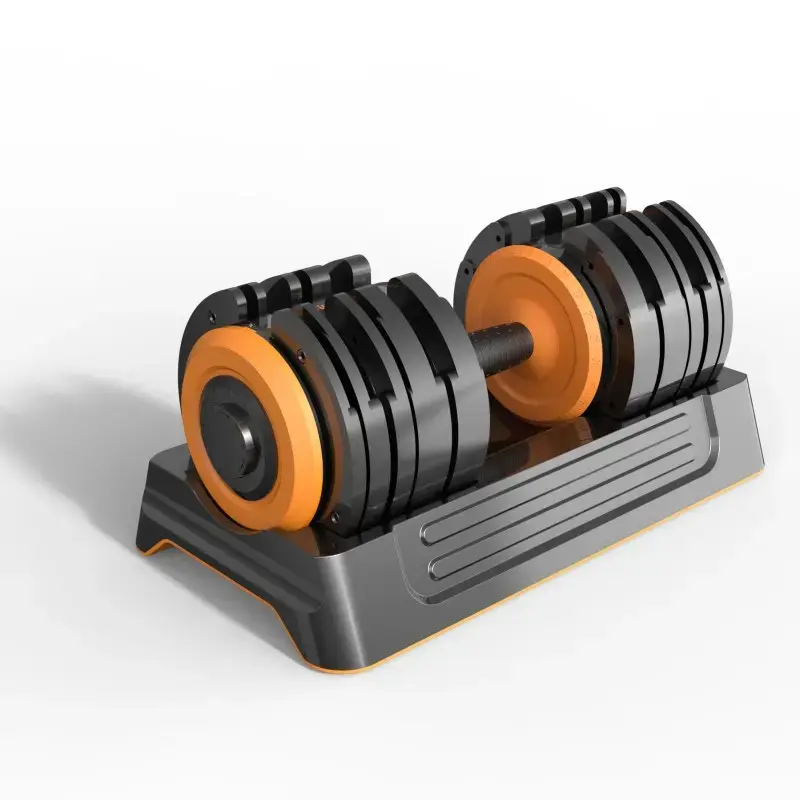
III. High-End Market Practice: Uni-Moulding Technology Sets the Standard
In the global high-end adjustable dumbbell market, several brands have established benchmarks through uni-molding technology. These examples not only validate the feasibility of the technology but also demonstrate its application value in various scenarios:
(I) High-End Home Market: jpowerfitness Adjustable Dumbbell
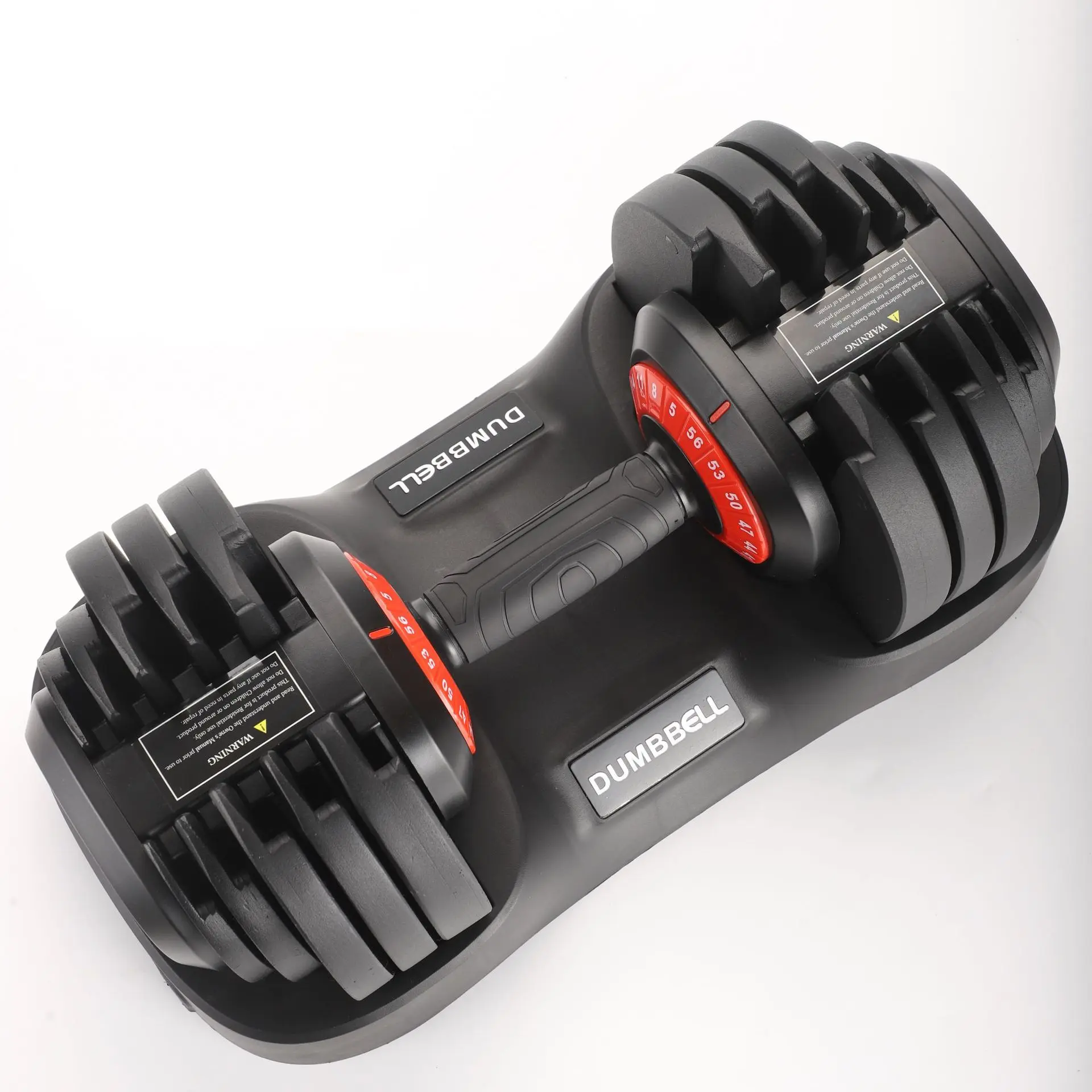
As a "luxury brand" in fitness equipment, Technogym deeply integrates uni-molding technology with ergonomic design. Its jpower series adjustable dumbbells utilize a one-piece die-cast aluminum alloy base. A "single-mold, one-piece molding" process creates a smooth, curved contour, eliminating all joints and reducing the base weight by 30% compared to traditional structures while maintaining the same load-bearing strength. The integrated locking mechanism between the weight adjustment module and the base enables quick switching within 0.5 seconds and has proven to be reliable after 100,000 cycles. Thanks to the "lightness and strength" offered by uni-molding, this product has become a top choice for high-end home fitness settings.
(II) Professional Training Market: Bauerfeind Pro Adjustable Dumbbell
Targeting the demanding use of professional athletes and fitness studios, Bauerfeind's Pro series utilizes a hybrid one-piece molding technology combining "carbon steel one-piece molding + nano-ceramic coating." The dumbbell body is molded in a single pass using a 1200-ton press, achieving a tensile strength of 800 MPa and capable of withstanding instantaneous impacts of up to 300 kg. The nano-ceramic coating applied simultaneously to the surface offers a wear resistance five times higher than traditional coatings and is sweat- and corrosion-resistant, maintaining a pristine finish even in the humid conditions of the gym. This product boasts a lifespan more than double that of traditional professional dumbbells, making it the preferred training equipment of numerous professional sports teams.
(III) Smart Fitness Market: Mirror Smart Adjustable Dumbbell
In the field of smart fitness equipment, one-piece molding technology provides an excellent platform for functional integration. Mirror's Smart Adjustable Dumbbells integrate the weight adjustment mechanism, sensor module, and main frame through an "embedded unibody molding" process. The sensor is seamlessly embedded within the dumbbell bar, eliminating the vulnerability of traditional external sensors while ensuring accurate weight measurement (with an error of less than 0.1kg). The integrated structure also provides a stable mounting base for the device's wireless charging module, ensuring "non-interference between charging and use." This "technical integration + structural integration" design redefines the product form factor of smart adjustable dumbbells.
IV. User-Perspective Value: How Does Unibody Molding Technology Enhance the Training Experience?
For the average user, unibody molding technology is more than just an abstract technical term; it translates into a tangible upgrade in the training experience. This value is reflected in every aspect of training:
(I) Absolute Guarantee of Training Safety
For fitness beginners, "equipment safety" is a primary concern. The seamless structure of the one-piece dumbbells completely eliminates risks like falling parts and weight shifting. The one-piece frame, constructed from high-strength materials, resists deformation even in the event of an accidental drop, preventing damage to the floor or the human body. Data from an e-commerce platform shows that negative user reviews of adjustable dumbbells equipped with one-piece molding technology citing safety concerns account for only 2.1%, far lower than the 15.7% reported for traditional products.
(II) "Extreme Improvement" in Training Fluency
During heavy training, the jerking sensation of adjusting dumbbells can severely disrupt the training flow. The zero-play adjustment mechanism enabled by one-piece molding technology allows for seamless weight switching. Combined with the precise positioning design, users can adjust weights without looking down, allowing them to focus fully on proper form. A fitness blogger reported that using one-piece adjustable dumbbells to complete a "5-set bench press + rowing" superset saved 12 minutes of adjustment time compared to traditional dumbbells, improving training efficiency by 30%.
(III) "Cost Optimization" in the Product Lifecycle
High-end adjustable dumbbells are relatively expensive, and users are more concerned about "value for money" and "durability." One-piece molding technology significantly extends the product's lifespan—the average replacement cycle for traditional adjustable dumbbells is 3-4 years, while one-piece molding products can reach 8-10 years. Furthermore, the seamless construction reduces vulnerable parts, requiring virtually no repairs, ultimately reducing user costs in the long run.
(IV) "Full Adaptability" in Usage Scenarios
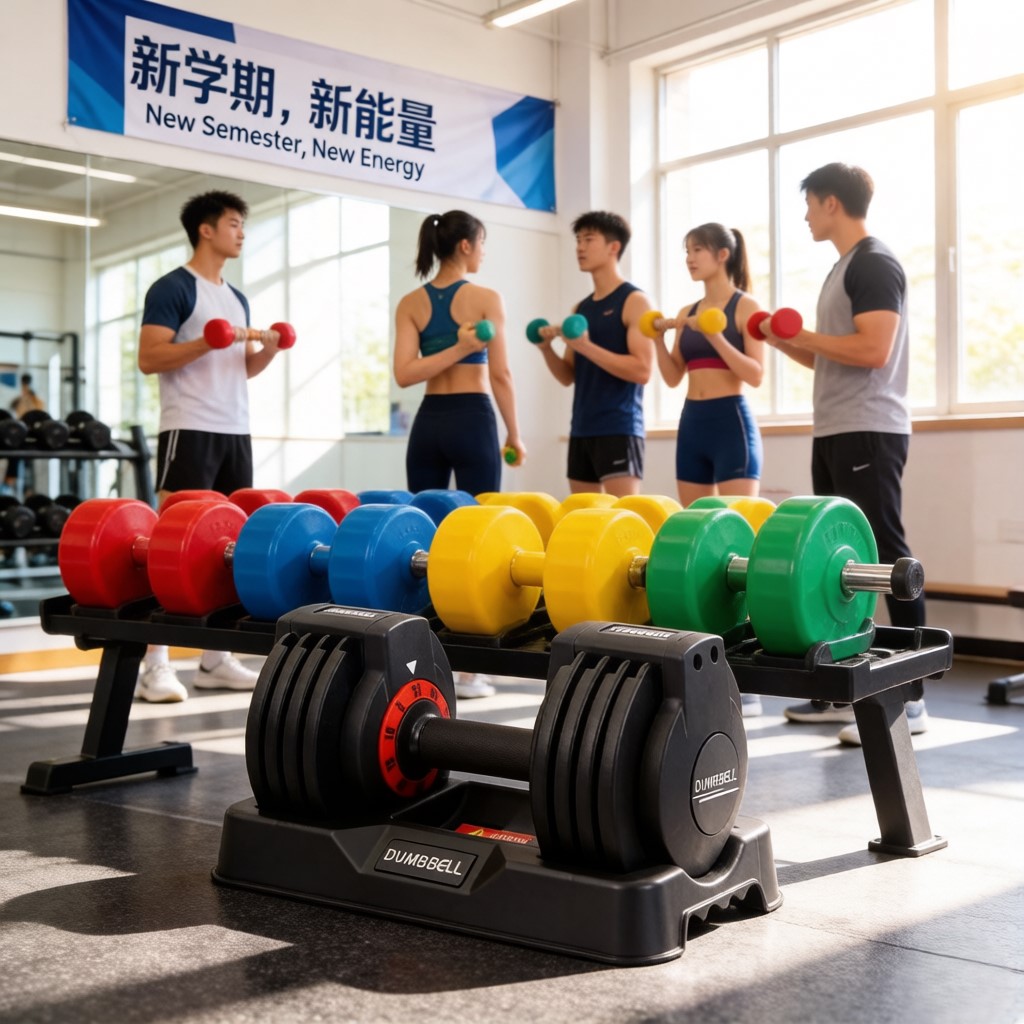
The "lightweight + high-strength" characteristics of one-piece molding technology expand the range of adjustable dumbbells' adaptability scenarios: in home settings, the lightweight one-piece base facilitates storage; during outdoor training, the sturdy structure adapts to complex environments; and in smart environments, the one-piece structure enables functional expansion. This "full-scenario adaptability" perfectly addresses the high-end user demand for "multi-functionality and high practicality."
(V) The Future of Technological Iteration: How will one-piece molding technology reshape the industry?
With the continuous advancement of materials science and manufacturing processes, the application of unibody molding technology in high-end adjustable dumbbells will usher in new breakthroughs, and its reshaping impact on the industry will become increasingly apparent:
At the material level, "composite unibody molding" will become a new trend. By co-molding carbon fiber and aluminum alloy into a unibody structure, this can reduce weight by 40% while maintaining existing strength and providing improved corrosion resistance. At the process level, the maturity of 3D printing unibody molding technology will enable the combination of "personalized customization" and "integrated manufacturing." Users can customize the grip texture and weight distribution of the dumbbells according to their hand shape and training needs. Functionally, the unibody molding structure will be deeply integrated with intelligent technology. Sensors and data transmission modules will be fully embedded in the unibody frame, enabling "contactless intelligent monitoring," making adjustable dumbbells a key node in connecting fitness data. For the industry, the widespread adoption of unibody molding technology will accelerate market differentiation: brands with core process capabilities will dominate the high-end market, while products relying on traditional techniques will gradually exit the mid-to-high-end market. For users, the perception that "unibody molding equals high-end and reliable" will gradually take hold, and technology will become the core decision-making factor in choosing adjustable dumbbells.
Conclusion: Technology Returns to Its Essence, Experience Defines High-End
The application of unibody molding technology in high-end adjustable dumbbells is essentially a return of manufacturing logic to user needs—no longer compromising performance to reduce production costs. Instead, it leverages technology to achieve comprehensive upgrades in stability, durability, and user experience. From process innovation to product benchmarks, from industry transformation to user value, unibody molding technology is redefining the core standards of high-end adjustable dumbbells.