

Adjustable dumbbell strength factory
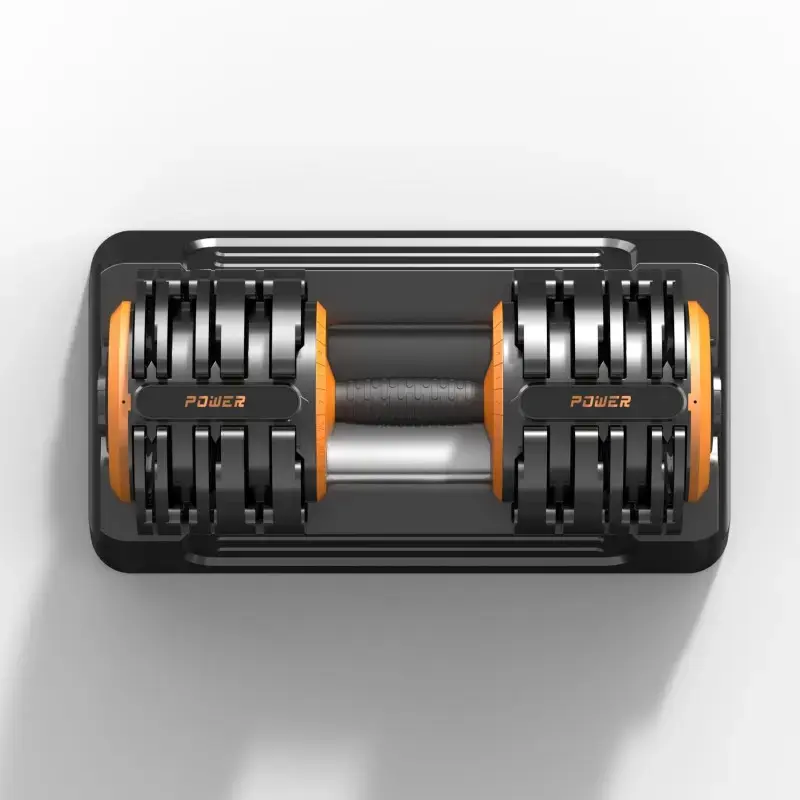
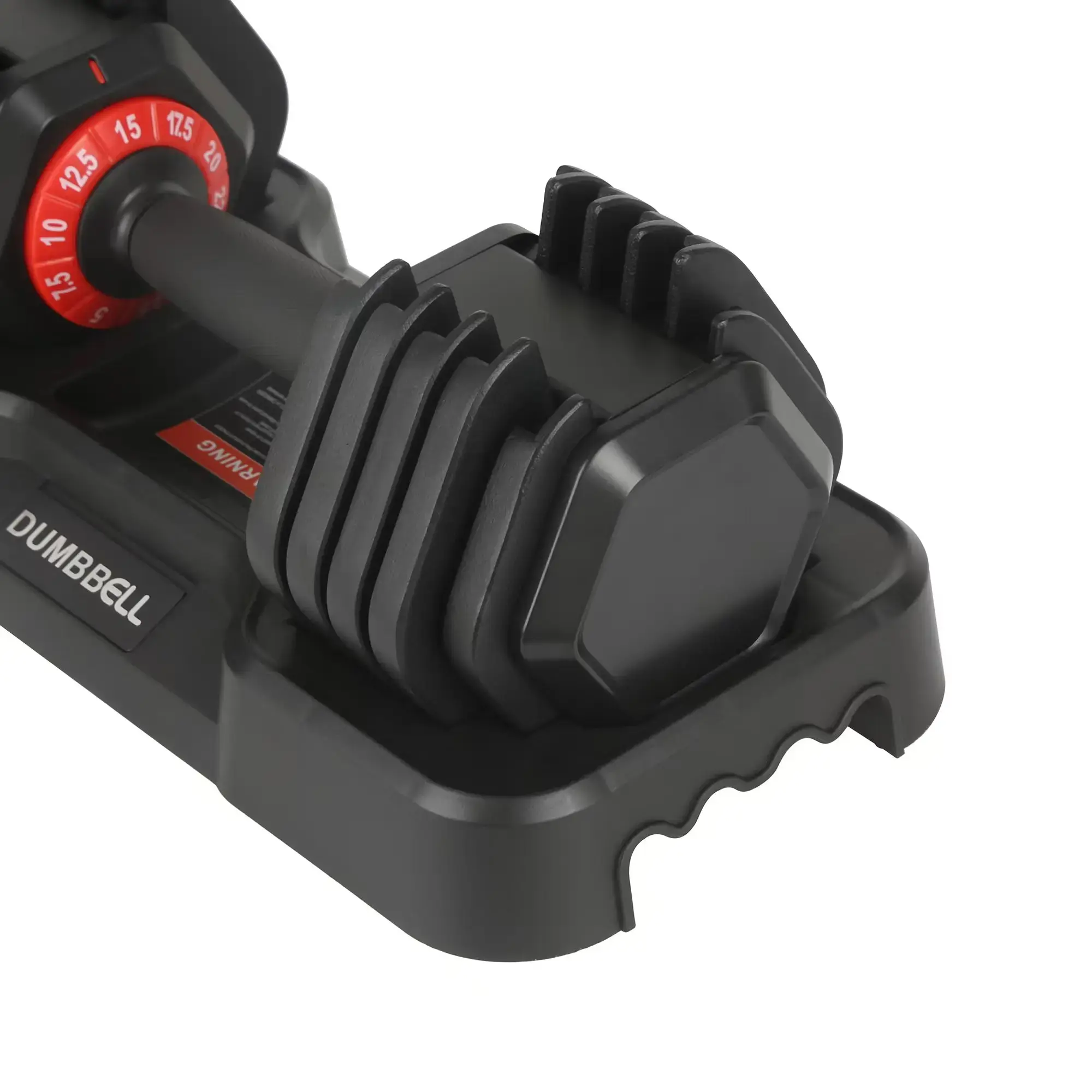
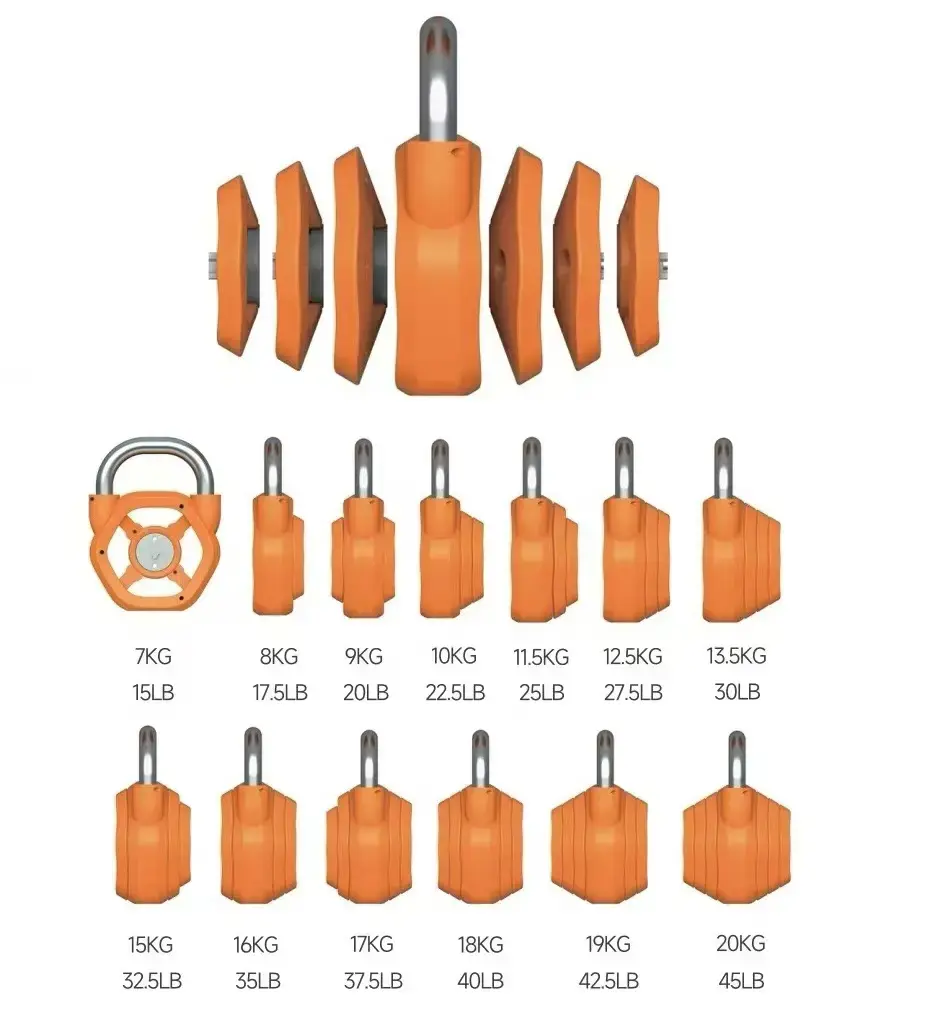
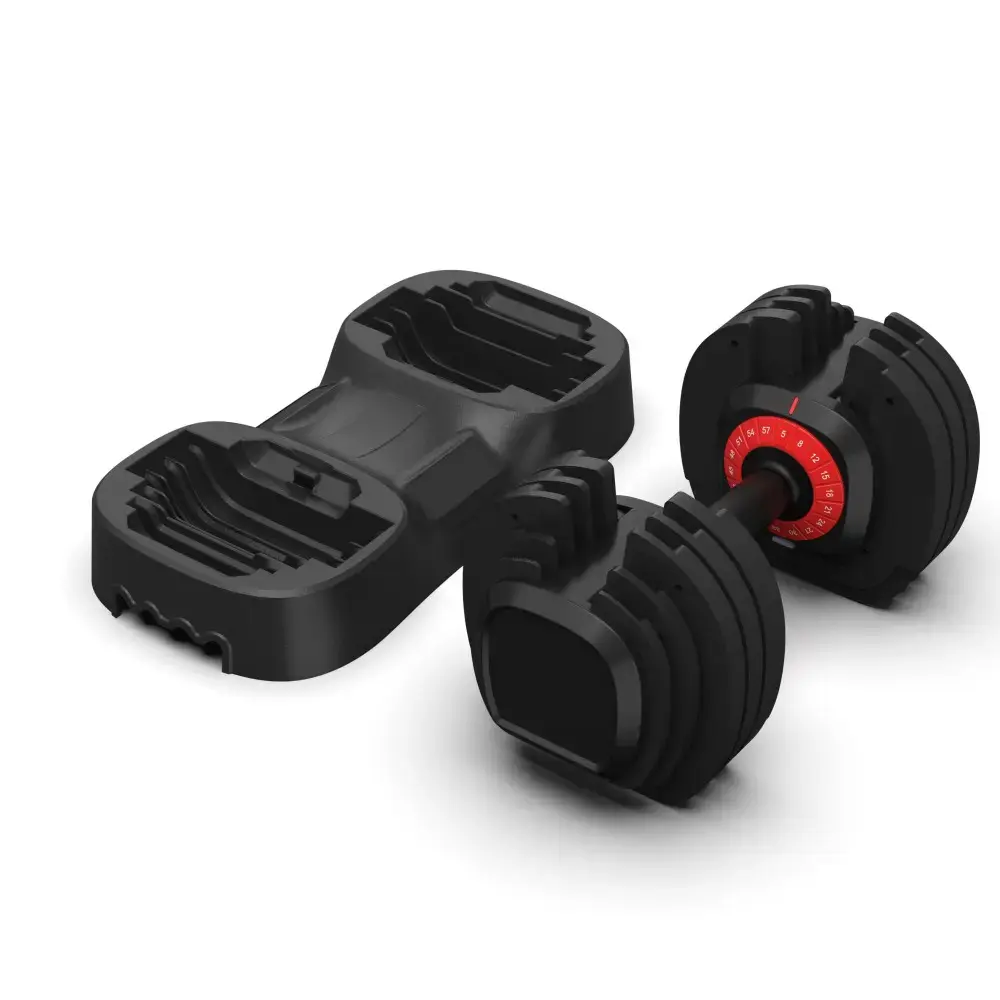
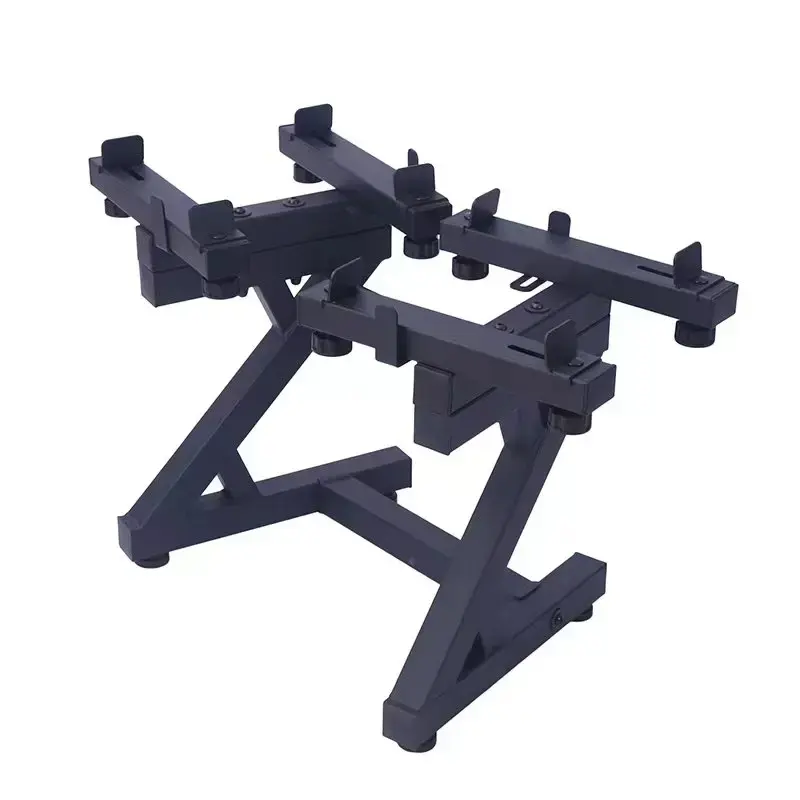
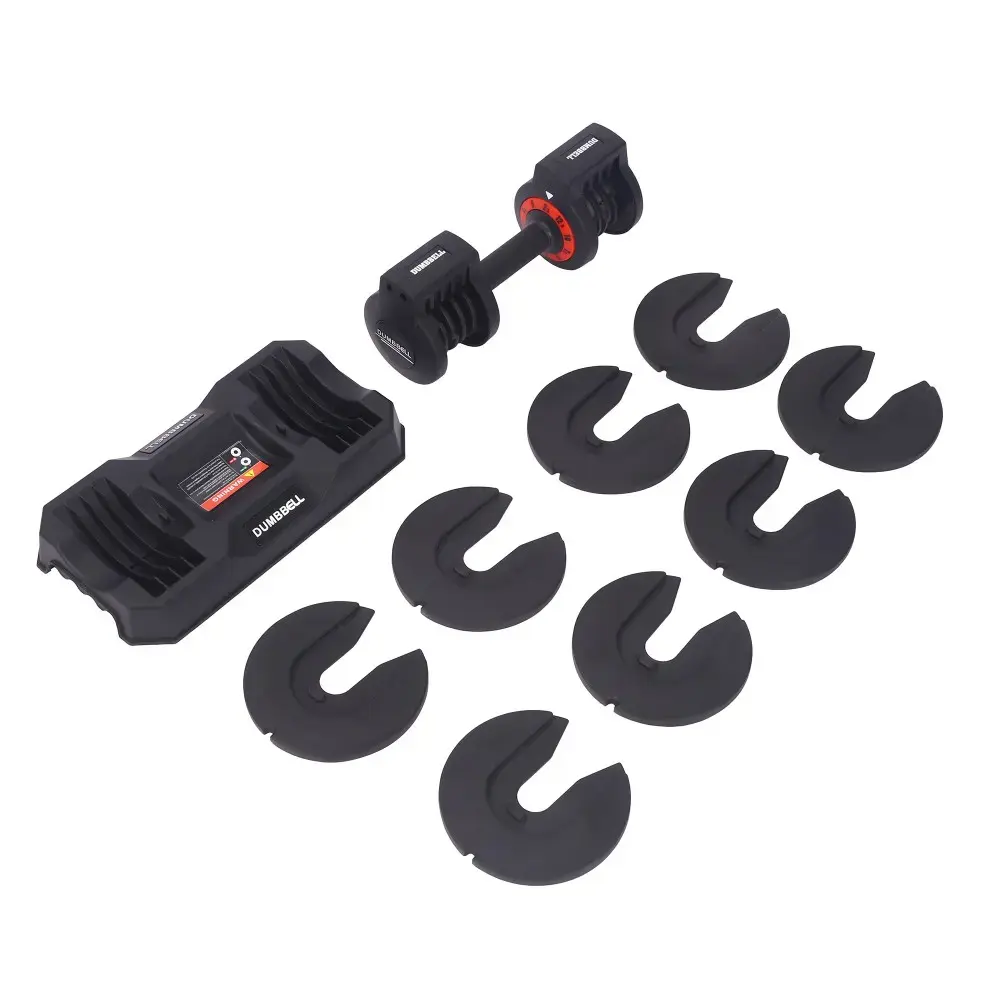
The Comfort Advantage of Rubber Dumbbells: Moderate Temperature, Never Cold in Winter or Hot in Summer
The Comfort Advantage of Rubber Dumbbells: Moderate Temperature, Never Cold in Winter or Hot in Summer
In winter, metal dumbbells feel instantly bone-chillingly cold. In summer, sweaty palms cause slippage during workouts, or even get burned by scorching barbell plates—these are real frustrations for countless fitness enthusiasts and gym procurement managers. Hand feel directly impacts training safety, experience, and consistency. As a fitness equipment developer with fifteen years of experience, I've witnessed countless customer complaints and declining repurchase rates stemming from poor material choices. This article delves into how rubber dumbbells fundamentally resolve this pain point through their unique “body-temperature-friendly” properties. By the end, you'll understand why rubber is the more professional and user-friendly choice in environments with significant temperature fluctuations or multi-user settings. We'll explore this from both material science and practical application perspectives.
Core Advantage 1: How Rubber Achieves “Thermal Buffering”? Material Science Explained
Rubber dumbbells remain neither ice-cold nor scorching hot, thanks to their low thermal conductivity.
Metals conduct heat rapidly, quickly matching ambient temperatures. Rubber acts as a natural barrier, effectively slowing heat transfer. This means it won't instantly drain warmth from your palms in winter nor absorb sunlight's heat in summer.
Our test results: After one hour of exposure to 32°C sunlight, the surface of metal dumbbell plates exceeded 50°C, while similarly sized rubber dumbbells remained around 34°C—close to body temperature.
Many buyers ask: “Aren't Rubber-Coated Dumbbells also made of rubber? Is there a difference?” Absolutely! Cheap rubber coatings are merely thin layers over a metal core, offering poor cushioning. Only solid rubber or thick rubber coatings deliver meaningful benefits.
Core Advantage 2: Enhances Training Safety and Focus, Reduces Unintended Interruptions
Grip comfort directly impacts safety. In winter, sudden cold shocks to the hands cause muscles to tense involuntarily, reducing grip strength. In summer, sweaty palms make hot metal surfaces prone to slipping.
Rubber dumbbells offer a gentle, consistent feel from the very first grip. This stability is crucial during high-safety exercises like bench presses and curls.
After replacing free weights in its free weight area with premium rubber dumbbells, a major North American gym chain saw a 40% quarterly decrease in member complaints about “equipment discomfort” and nearly a 30% reduction in reports of accidental drops.
Users often wonder: “Isn't the rubber surface more slippery?” Quite the opposite. Premium rubber dumbbells feature a micro-textured surface that absorbs sweat and provides friction resistance, offering superior grip compared to smooth metal—especially when hands are damp.
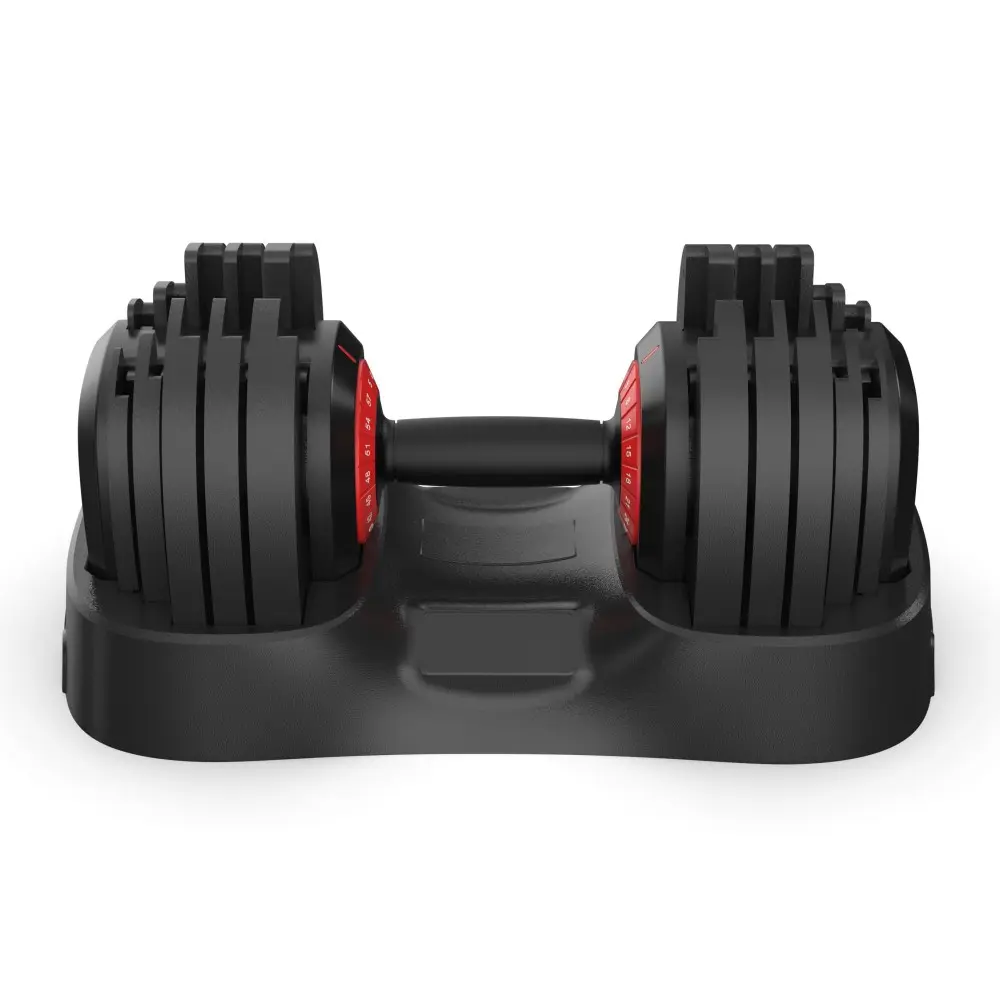
Core Advantage 3: Extends Equipment Lifespan, Reduces Long-Term Operational Costs for B2B Clients
For B2B clients like gyms, hotels, and corporate wellness centers, durability is a hard requirement.
Metal dumbbells prone to chipping paint and rusting not only look unsightly but also leave marks on members' hands and floors. Rubber dumbbells feature wear-resistant, impact-absorbing exteriors that resist permanent damage from drops and never rust.
More importantly, their “warm in winter, cool in summer” properties offer inherent protection. Extreme temperature fluctuations accelerate metal fatigue, whereas rubber exhibits superior weather resistance, adapting to environments ranging from dry cold to humid heat.
A case study from a European luxury hotel fitness center we served demonstrates: under equivalent usage intensity, their purchased rubber dumbbell set extended lifespan by approximately 35% compared to the previous metal set, significantly reducing annual equipment replacement budgets.
Core Advantage 4: Beyond Temperature Sensitivity—How Does the Overall Experience Win Over End Consumers?
For end-user fitness enthusiasts, choice is emotional. Beyond thermal comfort, rubber dumbbells produce less impact noise upon landing, protecting floors and making them ideal for home use. Their seamless, one-piece construction also offers a more modern aesthetic.
Consumers inevitably compare: “Rubber dumbbells are usually pricier—is it worth it?” This requires evaluating the total cost. With a single purchase, you gain thermal comfort, enhanced safety, noise reduction, and long-lasting reliability. For users serious about training and prioritizing home fitness, this investment delivers high returns.
Market data confirms the trend: in the premium home dumbbell segment, rubber/urethane products consistently outpace traditional metal designs in annual sales growth.
Buying Guide: How to Identify Quality Rubber Dumbbells?
Not all rubber dumbbells are created equal. Focus on three key factors during selection:
1. Inspect rubber purity and thickness. Press firmly—it should rebound quickly without squeaking.
2. Check the smell. High-quality rubber has minimal or no pungent odor.
3. Test the joint. For rubber-coated designs, ensure the rubber adheres seamlessly to the metal handle.
Request material safety certifications (e.g., RoHS) and abrasion test reports from suppliers. A professional report is far more reliable than flashy brochures.
Rubber dumbbells demonstrate thoughtful design through their exceptional temperature control properties. They address a minor yet frequent training discomfort, making consistency easier. Whether you're a fitness enthusiast seeking a professional experience or an operator prioritizing long-term costs and member satisfaction, choosing high-quality rubber dumbbells that maintain a comfortable temperature—never cold in winter or hot in summer—is a smart and professional decision.
FAQ
Q1: Are the weights of rubber dumbbells accurate? Could they differ from the labeled weight?
A: Reputable brands maintain strict weight control, typically within ±2% tolerance—comparable to metal dumbbells. When purchasing, choose brands with established credibility and clearly stated weight standards.
Q2: Will the surface crack or peel after prolonged use?
A: Inferior rubber may. However, products made from high-density natural rubber or premium urethane exhibit exceptional tear resistance and aging resistance, remaining crack- and peel-free for years with normal use.
Q3: Are rubber dumbbells and rubber-coated dumbbells the same thing?
A: No, this is a common misconception. “Rubber-coated dumbbells” typically refer to metal cores wrapped in a thin rubber layer, while “rubber dumbbells” are usually solid rubber castings or feature extremely thick rubber layers. The latter offer far superior temperature buffering, noise reduction, and rust resistance compared to thin-coated alternatives.
Meta Description:
Discover how rubber dumbbells solve the core pain points of cold metal in winter and hot metal in summer. This article analyzes their “moderate temperature” grip advantages from material science, training safety, and operational cost perspectives, providing professional purchasing guidance for fitness enthusiasts and buyers. Read now to make smarter choices for yourself or your facility.
Keywords:
rubber dumbbells, dumbbell grip, cold-free in winter, heat-free in summer, gym dumbbell selection, rubber vs. metal dumbbells