

Adjustable dumbbell strength factory
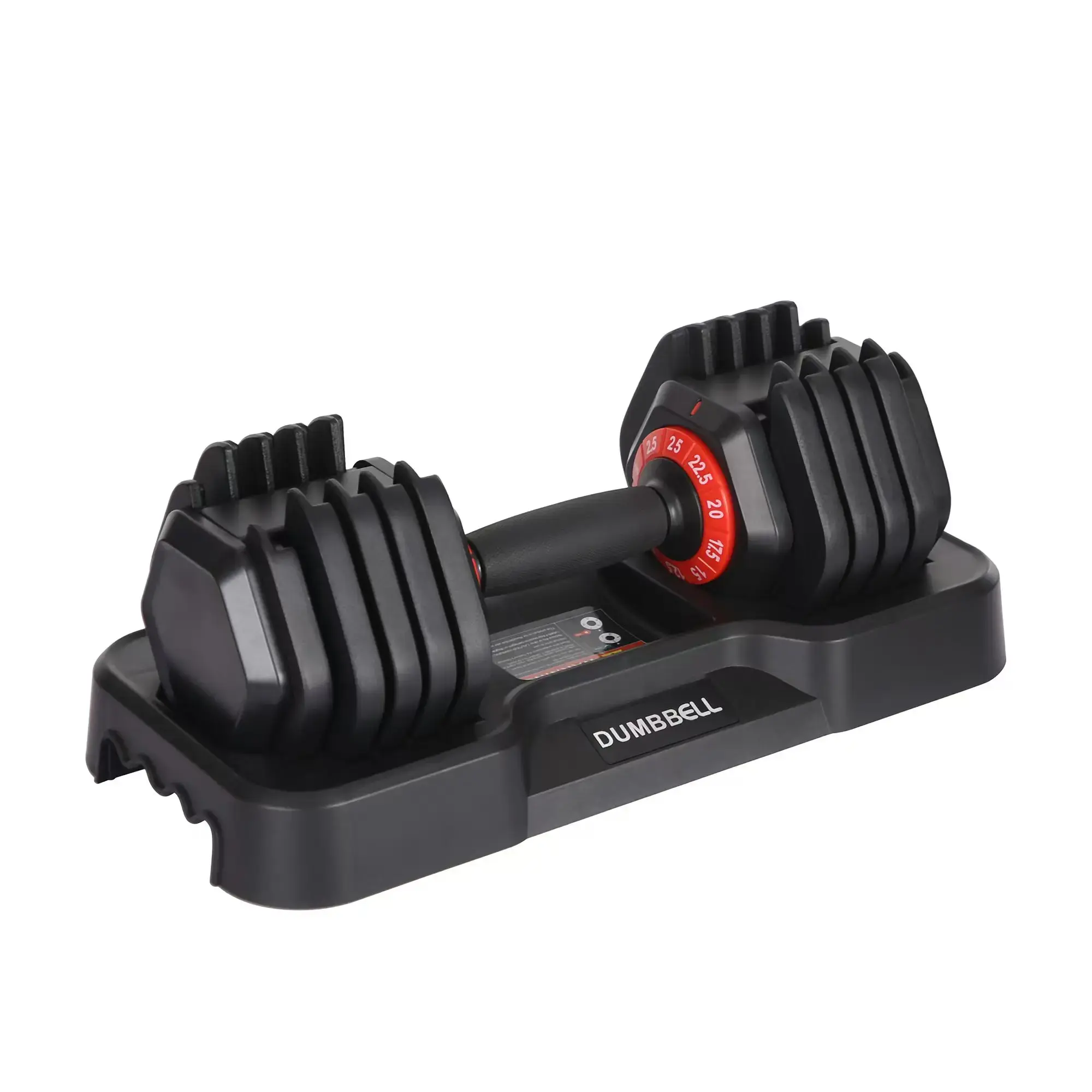

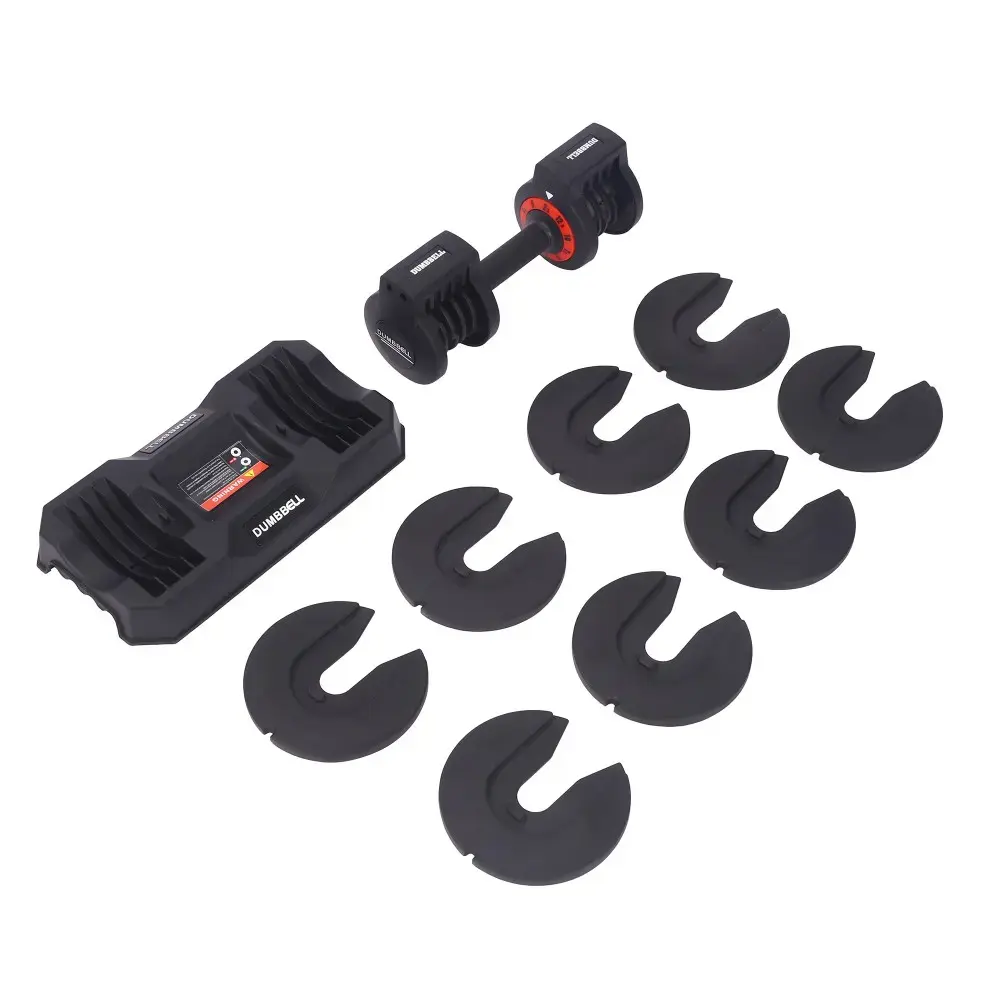
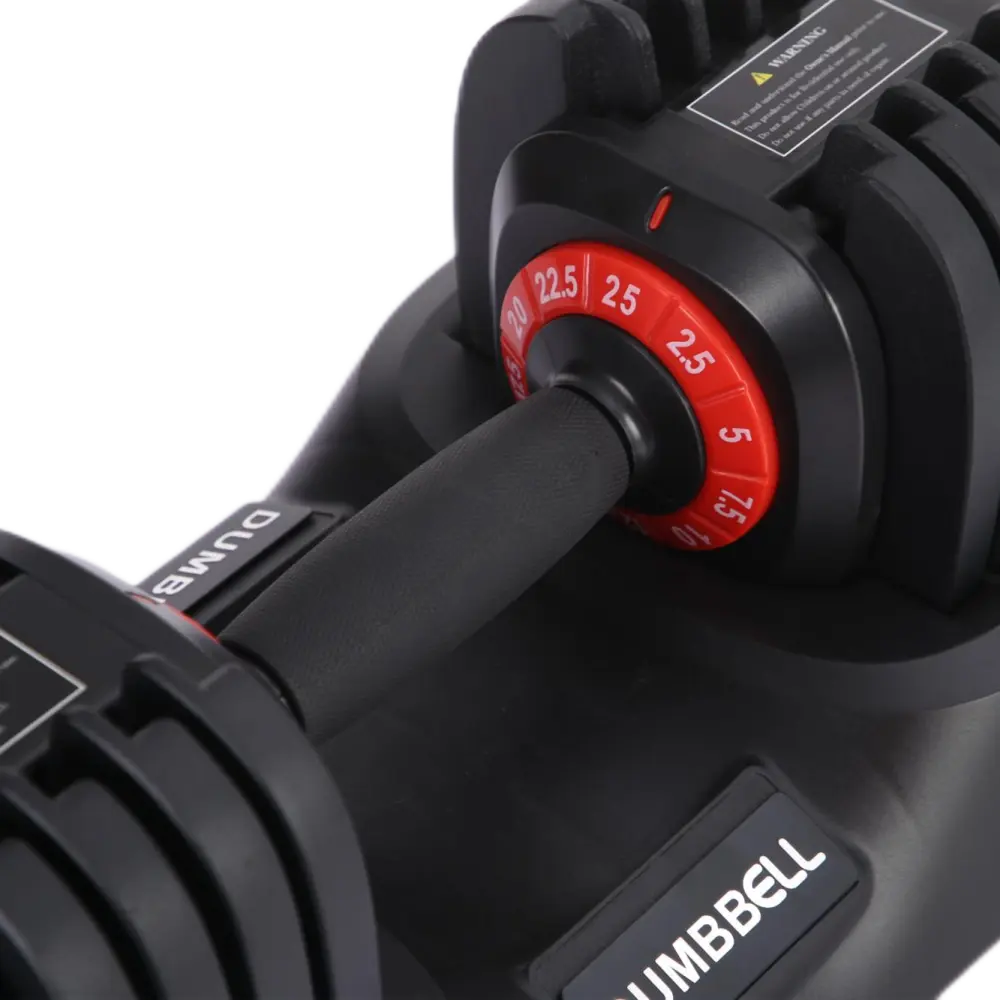
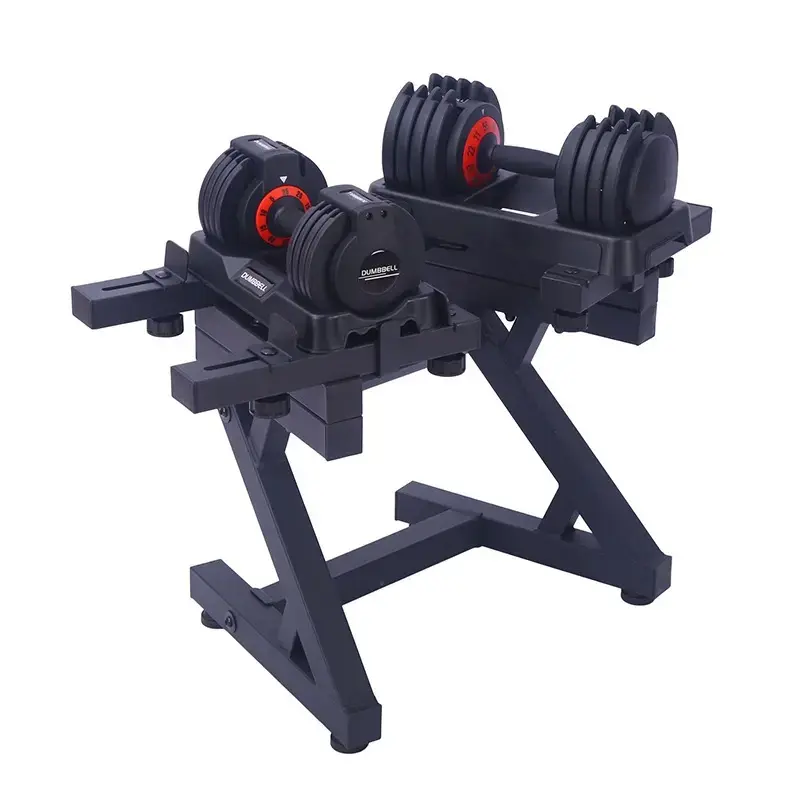
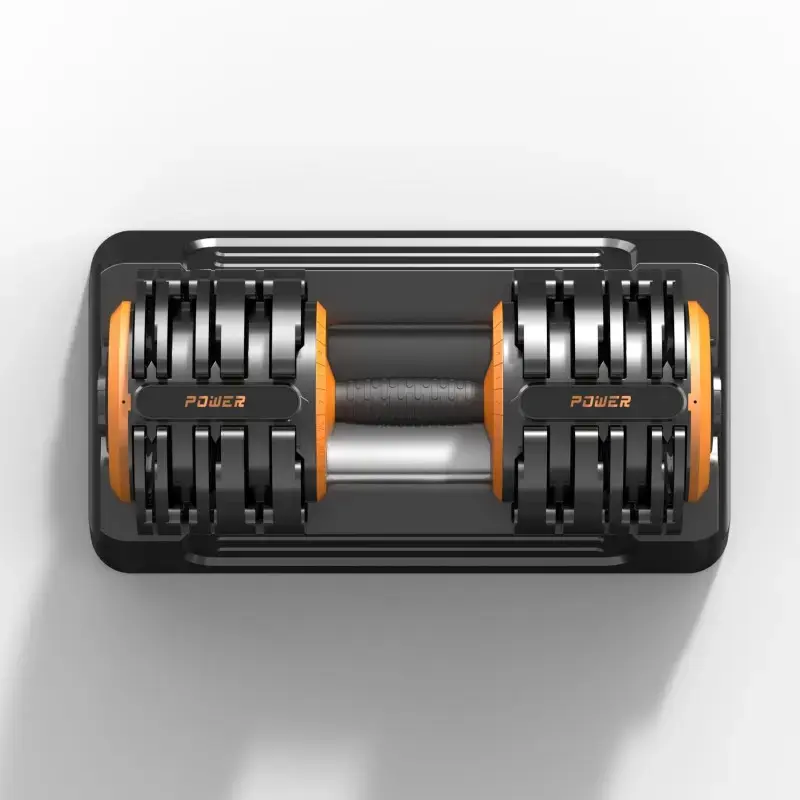
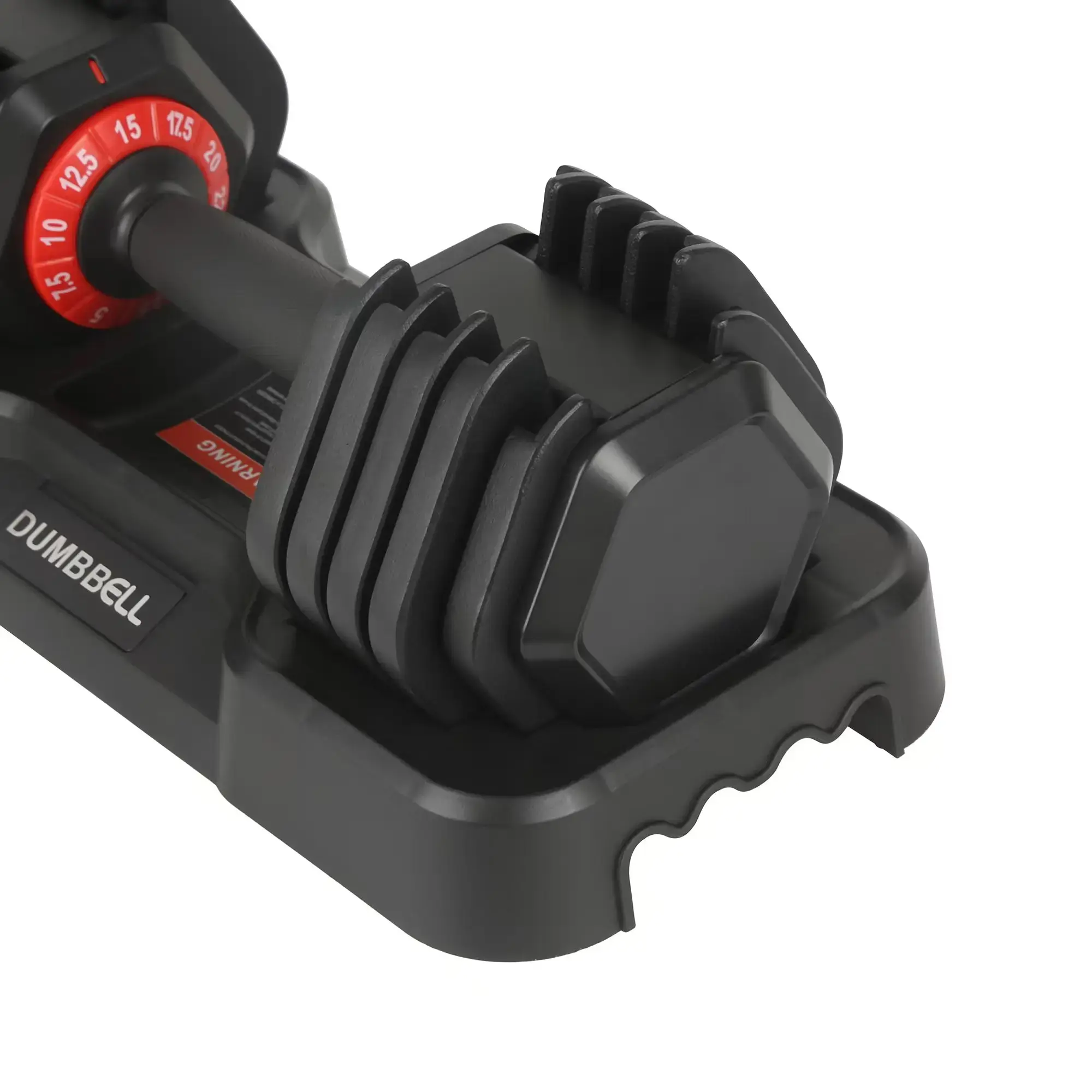
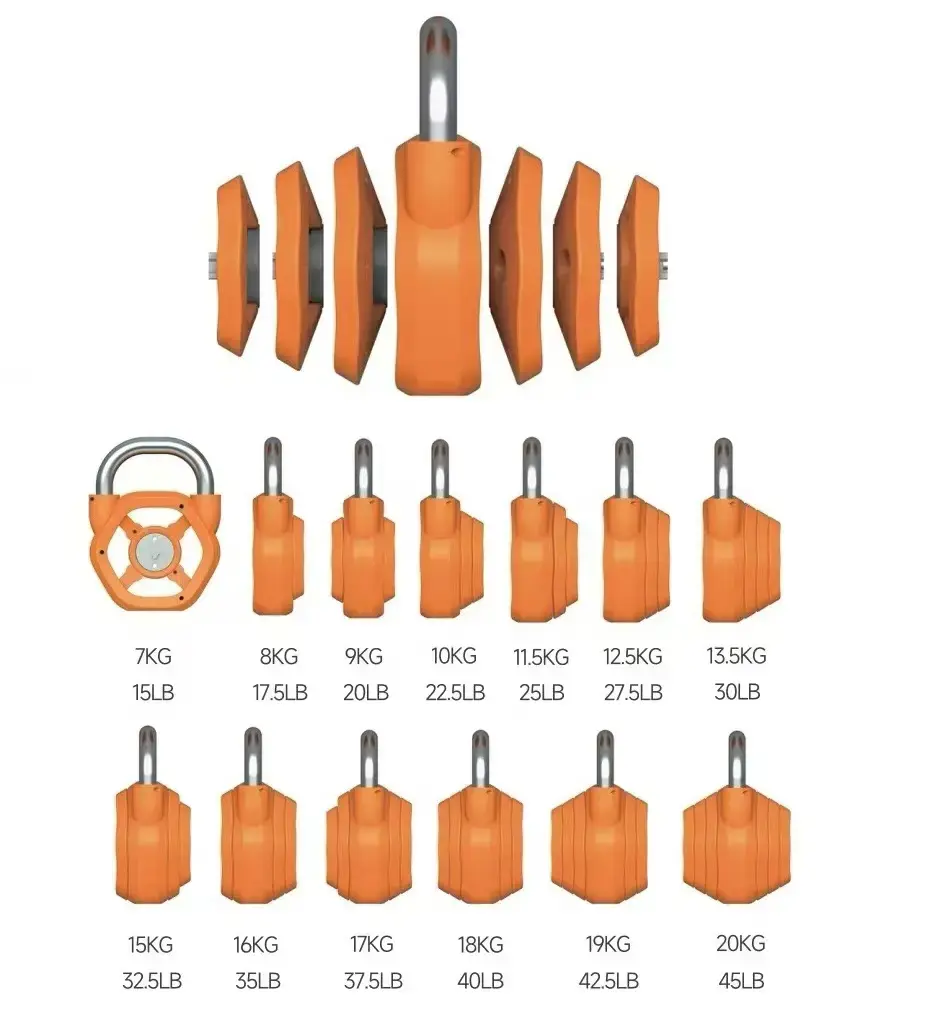
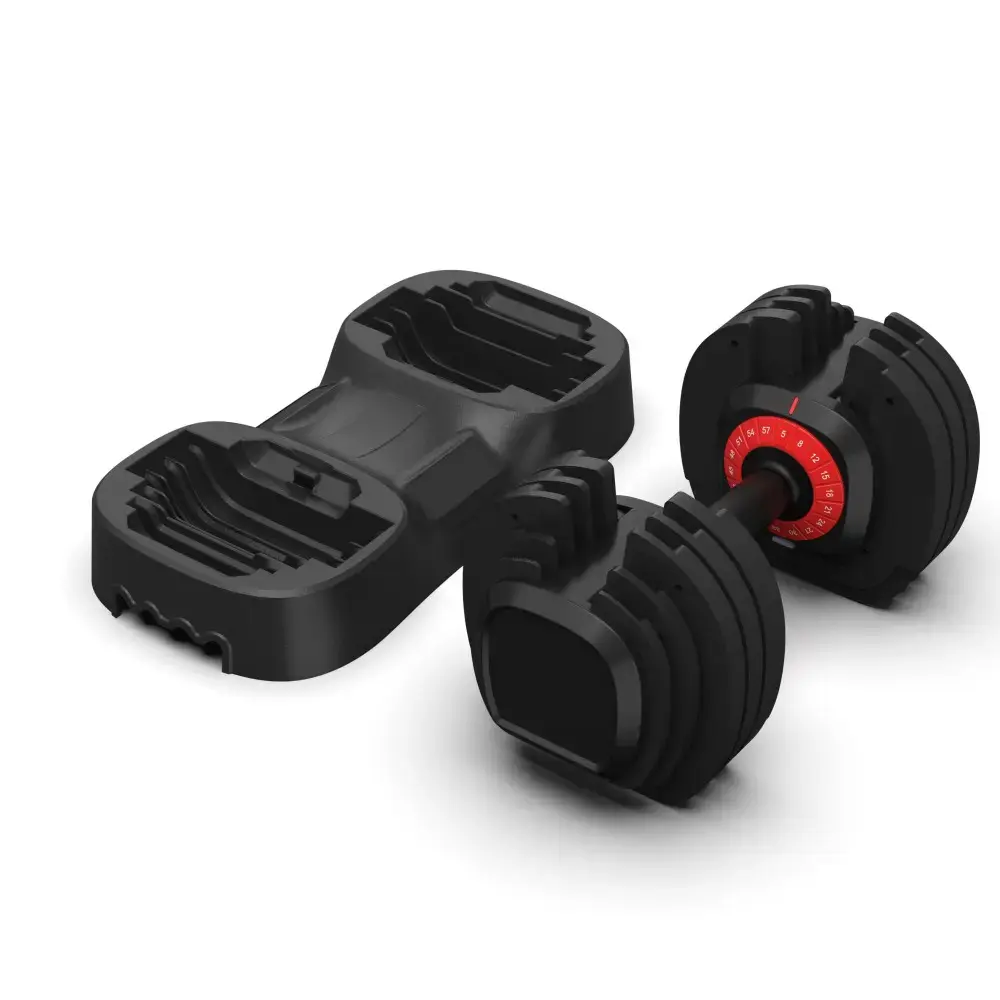
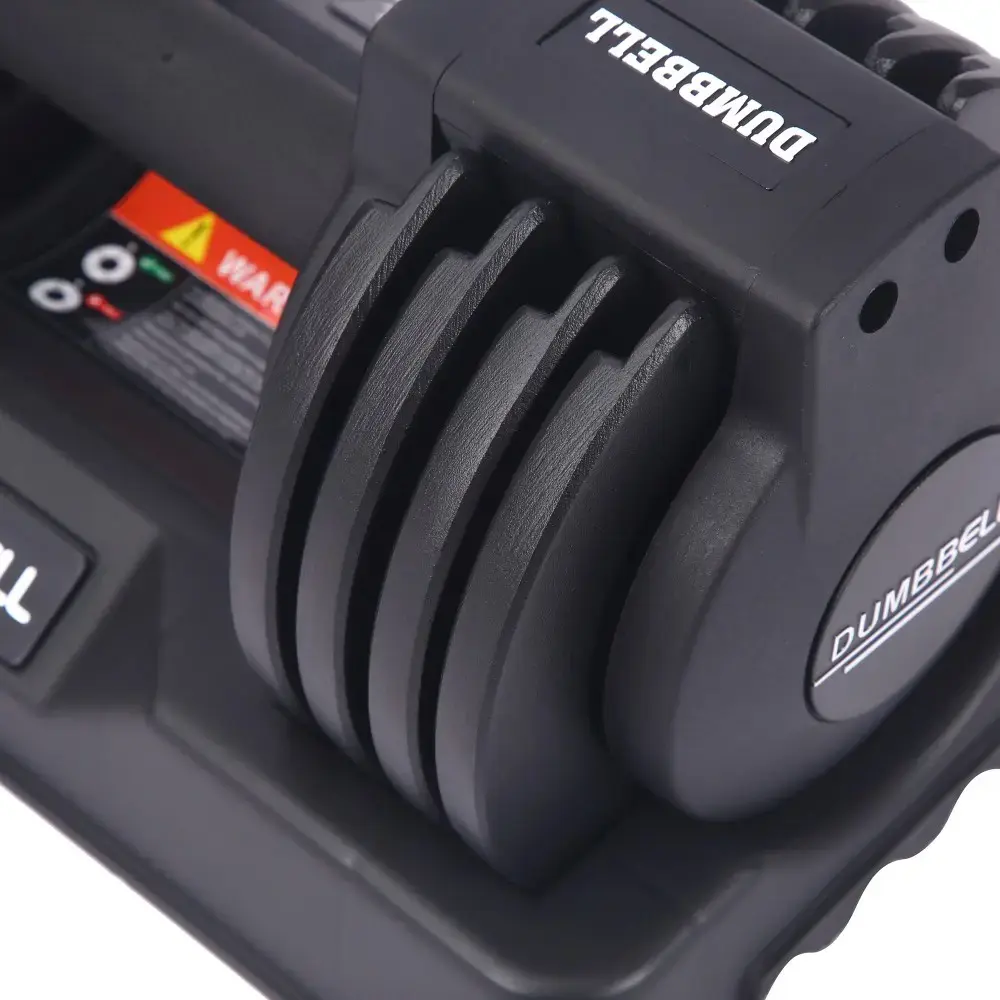
The density advantage of cast iron dumbbells: Why does every inch of volume enhance training efficiency
In the logic of selecting fitness equipment, there is a parameter that is often mentioned but rarely fully understood - density. For purchasers specializing in gyms, studios or those responsible for building corporate gyms, understanding the density characteristics of Cast Iron Dumbbells is essentially about understanding how to make a limited space carry greater training value. This is not merely a comparison of materials, but a profound consideration of spatial economics and training effectiveness.
The hard logic behind density
The density of cast iron is stable in the range of 7.2-7.4 g/cm³. What does this figure mean? For the same 20kg dumbbell, the volume of the cast iron model can be over 40% smaller than that of the cement-filled model. In those boutique gyms in Los Angeles where rent is calculated by the square foot, coaches have long discovered that the same size of dumbbell stands can accommodate nearly twice as many sizes when replaced with cast-iron dumbbells. Members no longer need to walk back and forth in the equipment area to find the weight, making the training rhythm more compact and the venue turnover rate naturally increase.
This volume advantage is more directly reflected in cross-border transportation scenarios. A standard 40-foot high cabinet can provide approximately 28% more effective load capacity when holding cast iron dumbbells than when holding rubber-coated cement dumbbells. For overseas distributors shipping from Shenzhen or Ningbo Port, this is directly related to the profit model of a single container. Density here is no longer a physical concept but a real cost optimization on the customs clearance form.
An invisible driver of training efficiency
From the perspective of sports science, high-density equipment offers more than just a smaller footprint. The counterweight of cast iron dumbbells is concentrated, and the moment of inertia is more stable. When doing curls or presses, the dumbbell's center of gravity shifts less, allowing members to control the eccentric contraction stage more precisely. Data feedback from several performance centers in Chicago shows that members who use high-density cast iron dumbbells have an average myoelectric activation level of the target muscle groups 12-15% higher over an 8-12 week cycle. This is not magic, but the biomechanical advantage brought about by physical properties.
More importantly, it is the consistency of training. The cast iron one-piece molding process ensures that the weight tolerance can be controlled within ±3%, while the tolerance of the sand core-filled type may reach ±8%. When your club has 20 branches and members expect to receive the same load stimulus when training across stores, this consistency becomes the cornerstone of brand professionalism. The chain brand Equinox in Manhattan, New York, received a large number of complaints from its members in the early days due to inconsistent weights of the equipment. It was not until it replaced all cast iron dumbbells that this hidden pain point was solved.
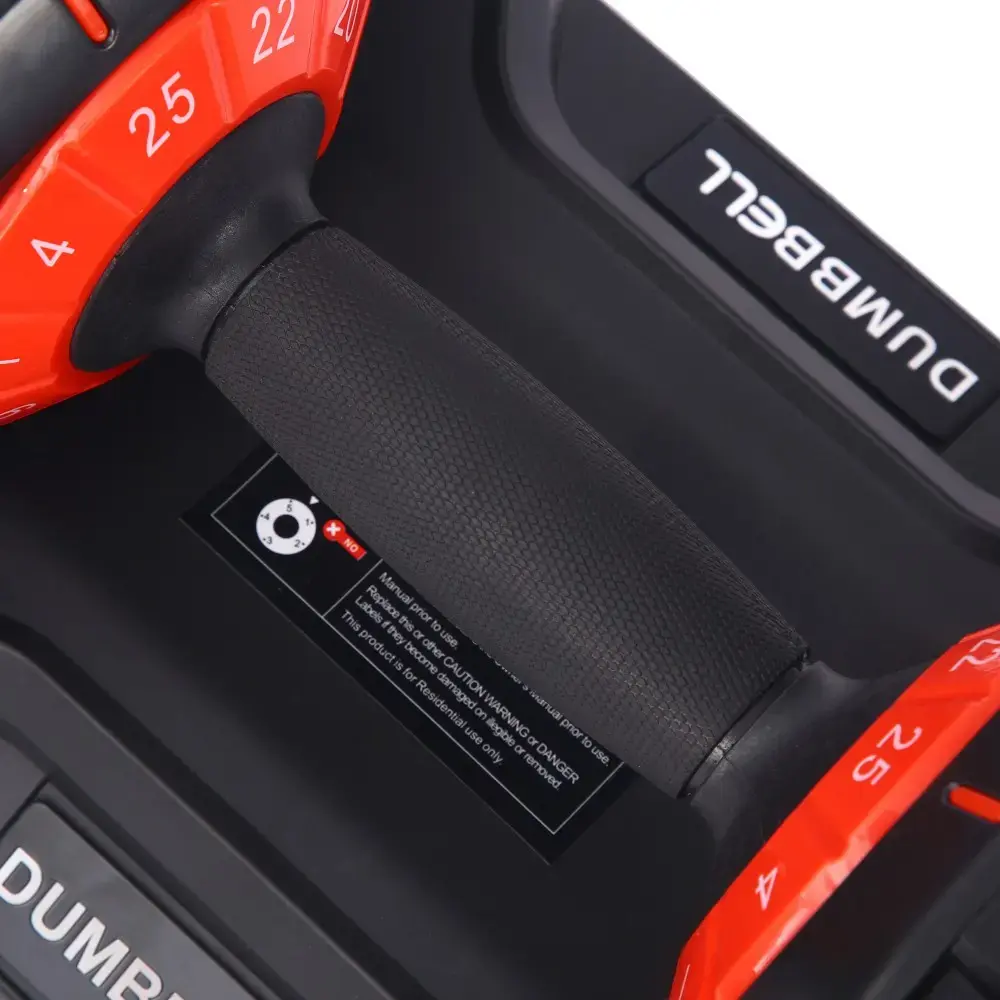
The specific implementation of commercial scenarios
In the Orchard Road commercial complex in Singapore, the gyms that come with high-end apartments are usually only 80 to 120 square meters. When developers make purchases, the compact nature of cast iron dumbbells enables designers to configure a complete set of five dumbbell frames (2.5kg-40kg) within a limited space, while also accommodating a comprehensive trainer. If it were made of other materials, it might not even fit three sets. This spatial flexibility directly affects the property's appeal to its customer base.
The outdoor training area on the south coast of Miami offers another perspective. The air by the seaside has a high salt content, and ordinary metal instruments will rust within half a year. High-quality cast iron dumbbells will undergo a double-layer treatment of phosphating and powder coating on the surface. With regular maintenance, their service life can reach 8 to 10 years. The so-called "stainless steel" dumbbells will also suffer from pitting corrosion under the erosion of chloride ions, but the cost is much higher. The purchasing decisions here are not based on the absolute value of rust prevention capacity, but on the comprehensive loss rate over the life cycle.
How to identify high-quality levels
Whether the density advantage can be realized depends on the casting process. Good cast iron dumbbells will undergo secondary grinding after sand cleaning, with uniform inner wall thickness and a dull, non-hollow sound when struck. The kembossing depth of the handle is between 0.8 and 1.2mm, which can prevent slipping and will not rub your hands. The side length tolerance of hexagonal or octagonal designs should be less than 2mm to ensure stable landing without rolling. These details can be quickly identified during factory inspection, avoiding the discovery of problems only after bulk purchasing.
The surface treatment process determines whether the density advantage can be maintained in the long term. The adhesion of DuPont's three-ring powder coating is 40% higher than that of a single layer. In medical and health centers in Munich that require frequent disinfection, this process can withstand alcohol wiping without peeling off. However, in the warehouse environment with large temperature differences in North America, ordinary baking varnish may develop micro-cracks caused by cold contraction and heat expansion.
Rethinking long-term value
The density advantage of cast iron dumbbells ultimately points to one core: the assetization of training efficiency. When the equipment takes up less space, has a longer service life and provides more stable training feedback, it is no longer a consumable but a production resource that generates membership renewals and word-of-mouth referrals. When Barbell Brigade, an industrial-style gym in Atlanta, expanded its third store, it resolutely made cast-iron dumbbells a standard feature. The reason was that the equipment depreciation rate in the first two stores was 22% lower than that of its peers, while the member satisfaction rate was 18 points higher.
This value also holds true in the warehouse-style sales scenario. A fitness equipment distributor in Dubai has found that the regular shape and uniform density of cast iron dumbbells can increase the stacking height by 30%, directly converting warehouse utilization into capital turnover. While their peers are still using traditional Rubber-Coated Dumbbells to occupy a large number of shelves, their spot delivery capacity has already been accelerated by half a cycle.
The parameter of density ultimately resolves the three major contradictions in commercial fitness Spaces: the contradiction between member experience and floor efficiency, the contradiction between equipment investment and the return period, and the contradiction between brand standardization and regional differences. Cast iron dumbbells, with their higher unit volume weight, offer an answer from an engineer's perspective - not by increasing the space, but by allowing the space to bear more effective weight.