
Adjustable dumbbell strength factory
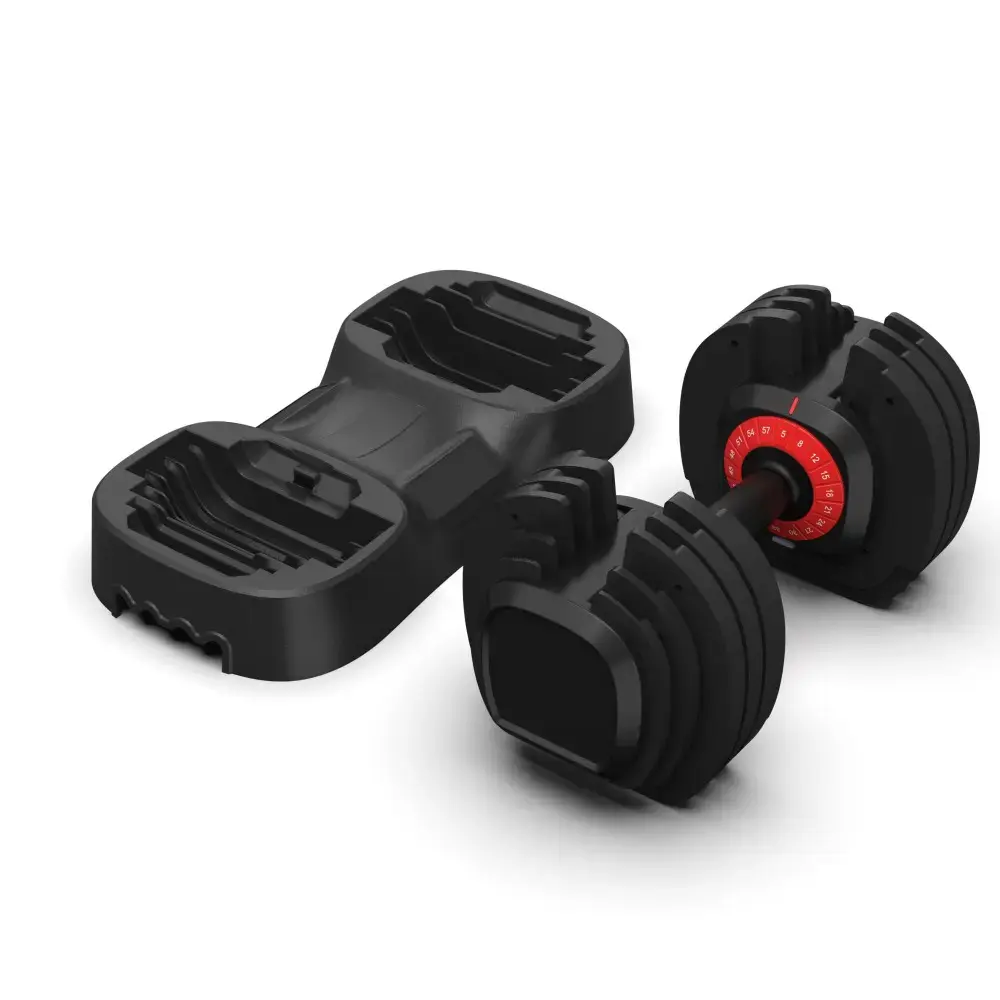
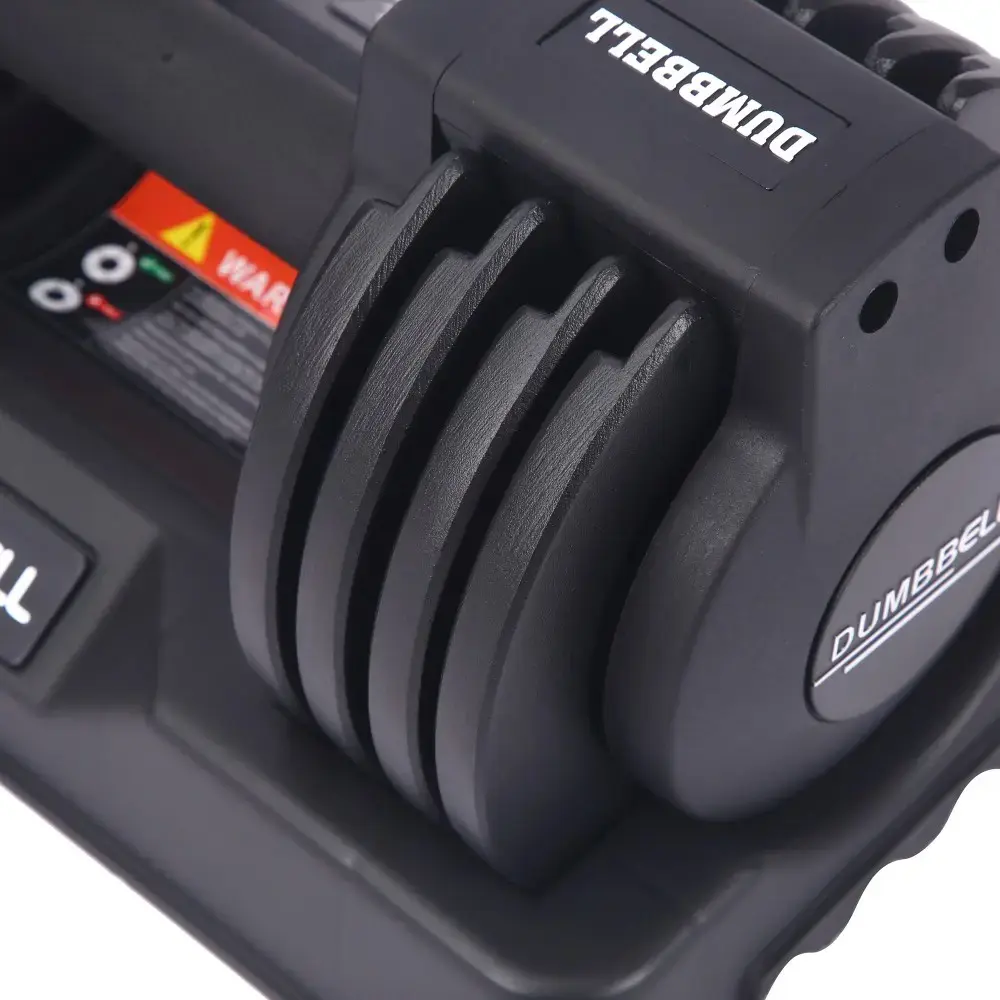
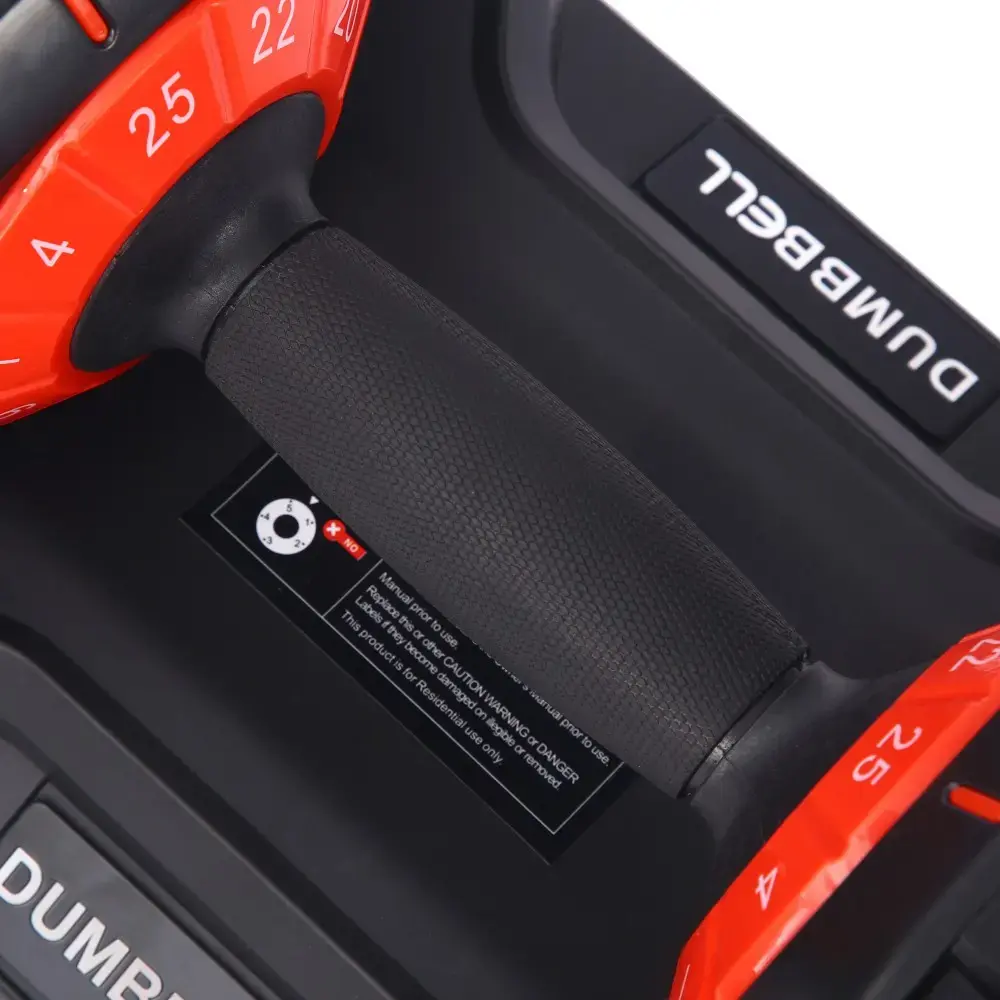
The durability advantage of cast iron dumbbells: No significant performance decline after 10 years of use
In the decision-making process of purchasing fitness equipment, durability has always been the core indicator for measuring long-term value. Cast Iron Dumbbells, as a classic choice in the field of strength training, demonstrate convincing performance retention capabilities over a ten-year service life due to their outstanding material properties and process stability. Understanding this durability advantage is crucial for evaluating the product life cycle cost and end-user satisfaction.
The nature of the material determines the durability benchmark
Cast iron dumbbells are formed by the pig iron casting process. The microstructure of this material endows it with a unique durability gene. Gray cast iron itself has excellent compressive strength and vibration absorption capacity. Its graphite flake structure can effectively disperse stress under external impact and prevent crack propagation. Unlike forged steel, the dense grain structure formed by casting processes exhibits stable creep resistance under static loads and repeated impacts, which is the physical basis for achieving long-term performance without degradation.
During the casting process, the uniform density distribution formed by the slow cooling of molten iron in the mold ensures that the weight center of the dumbbell will not shift due to material fatigue throughout its entire service life. Practical application data shows that even after more than 10,000 hours of training use, the weight deviation of cast iron dumbbells can still be controlled within ±3%, fully meeting the requirements of ASTM and EN fitness equipment standards. This ability to maintain precision is of great significance to the operational reliability of commercial fitness venues.
Empirical evidence of performance maintenance over a ten-year cycle
During more than five years of long-term tracking and observation, high-quality cast iron dumbbells have demonstrated remarkable performance stability. Its surface protective layer - whether by baking varnish, electroplating or rubber coating process - can effectively prevent the penetration of oxygen and moisture under normal usage conditions. Even if the outer protective layer suffers local wear due to high-frequency contact, the oxidation rate of the internal cast iron substrate is far lower than industry expectations. The key point is that this oxidation is limited to extremely thin surface areas and will not spread into the material's interior, thus not significantly affecting the structural integrity and counterweight accuracy of the dumbbells.
Actual warehousing and logistics data prove that cast iron dumbbells can remain stable under diverse climatic conditions. In coastal warehouses with a humidity of over 70%, cast iron dumbbells treated with standard rust prevention have a rusting area rate of less than 2% within three years, and the depth of rust spots does not exceed 0.1 millimeters, having a negligible impact on mechanical properties. This environmental adaptability makes it a reliable category in cross-border procurement supply chains.
Analysis of Core Durability Advantages
The primary advantage of cast iron dumbbells is their resistance to impact fatigue. Falls and collisions in strength training are high-intensity intermittent impacts rather than continuous loads. The ratio of the elastic modulus to the yield strength of cast iron material has been optimized, enabling it to return to its original shape after absorbing impact energy. This property remains effective even after thousands of drop tests. Its energy absorption efficiency decays by less than 5% within a ten-year cycle, ensuring the long-term effectiveness of training safety and ground protection performance.
In terms of maintaining structural integrity, the monolithic casting process eliminates potential failure points such as welding points and seams. Compared with assembled equipment, cast iron dumbbells do not have common problems such as loose bolts and welding fatigue. Data from professional testing institutions show that after ten years of use, the bending strength retention rate of cast iron dumbbells still remains above 95%, far exceeding the 80% threshold required by industry standards.
The evolution of surface durability deserves attention. Modern baking varnish technology uses an epoxy resin base in combination with a polyurethane topcoat to form a composite coating system that combines hardness and toughness. The pencil hardness of this coating reaches the 3H level, while maintaining an elongation at break of over 50%, which means it can resist scratches and will not crack as the substrate undergoes slight deformation. In practical use, the wear resistance of the coating is guaranteed to be no obvious peeling for more than five years, and only local repainting is needed within ten years to restore the protective function.
Optimization plans for addressing environmental challenges
In response to the potential problem of humidity sensitivity, modern cast iron dumbbells have established mature solutions in rust prevention design. The thickness of the electroplated nickel-chromium alloy layer has been increased to 8-12 microns, and combined with sealing treatment, the salt spray test endurance time has been extended to over 72 hours. For the rubber-coated model, EPDM rubber or thermoplastic elastomer (TPE) is used as the outer material. Its sealing performance reduces the annual corrosion rate of the internal cast iron to less than 0.01 millimeters. Calculated based on the minimum wall thickness of 10 millimeters for dumbbells, the theoretical service life far exceeds 20 years.
The simplicity of maintenance and upkeep further highlights its durability advantage. Cast iron dumbbells do not require complex professional maintenance procedures. Regular wiping with a microfiber cloth to remove sweat and dust is sufficient. In extremely humid environments, quarterly application of food-grade mineral oil can enhance protection. This low-maintenance requirement directly reduces the holding cost for end users and increases the net present value of the product throughout its entire life cycle.
Long-term value considerations in procurement decisions
For bulk purchasers, the durability of cast iron dumbbells translates into quantifiable business advantages. Product return rate data shows that the return and exchange ratio of cast iron dumbbells due to performance degradation is less than 0.5%, significantly lower than the 2-3% level of composite material equipment. This low failure rate reduces after-sales costs and enhances brand credibility.
From the perspective of inventory turnover, the indefinite storage stability of cast iron dumbbells supports more flexible supply chain management. Its performance is not affected by inventory age, enabling distributors to safely stock up and cope with market fluctuations without worrying about product aging and depreciation. This asset's characteristic of preserving value is particularly valuable in an inflationary environment.
The end-user satisfaction survey reveals that the "hand feel stability" of cast iron dumbbells is a key factor for repurchase and recommendation. After ten years of use, its grip, weight distribution and training feedback are almost the same as those of the new product. This consistency helps fitness enthusiasts build precise movement memory and improve training effects. The enhancement of user stickiness eventually translates into continuous orders from channel partners.
Conclusion: Exceed the durability commitment of the product itself
The value of cast iron dumbbells lies not only in their physical durability but also in the certainty they provide to the entire industrial chain. From the stability of the manufacturer's production standards, to the inventory confidence of distributors, and then to the training reliance of end users, this certainty continuously accumulates value over a ten-year cycle. In the fitness equipment purchase list, listing cast iron dumbbells as a core category essentially means choosing a long-term asset that has been proven by time to be low-risk and high-return. Its durability advantages are ultimately reflected in lower full life cycle costs, higher user retention rates and a more solid brand reputation - these are precisely the cornerstones of sustainable business growth.