

Adjustable dumbbell strength factory
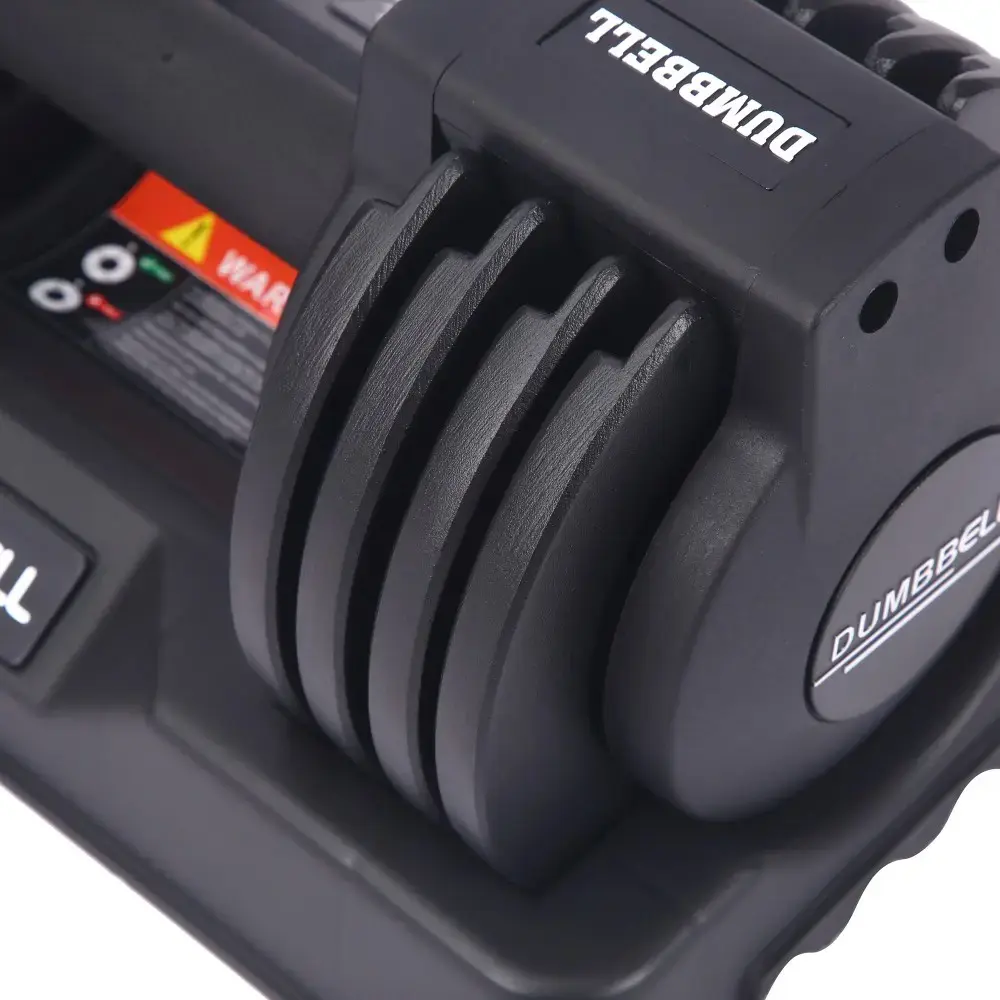

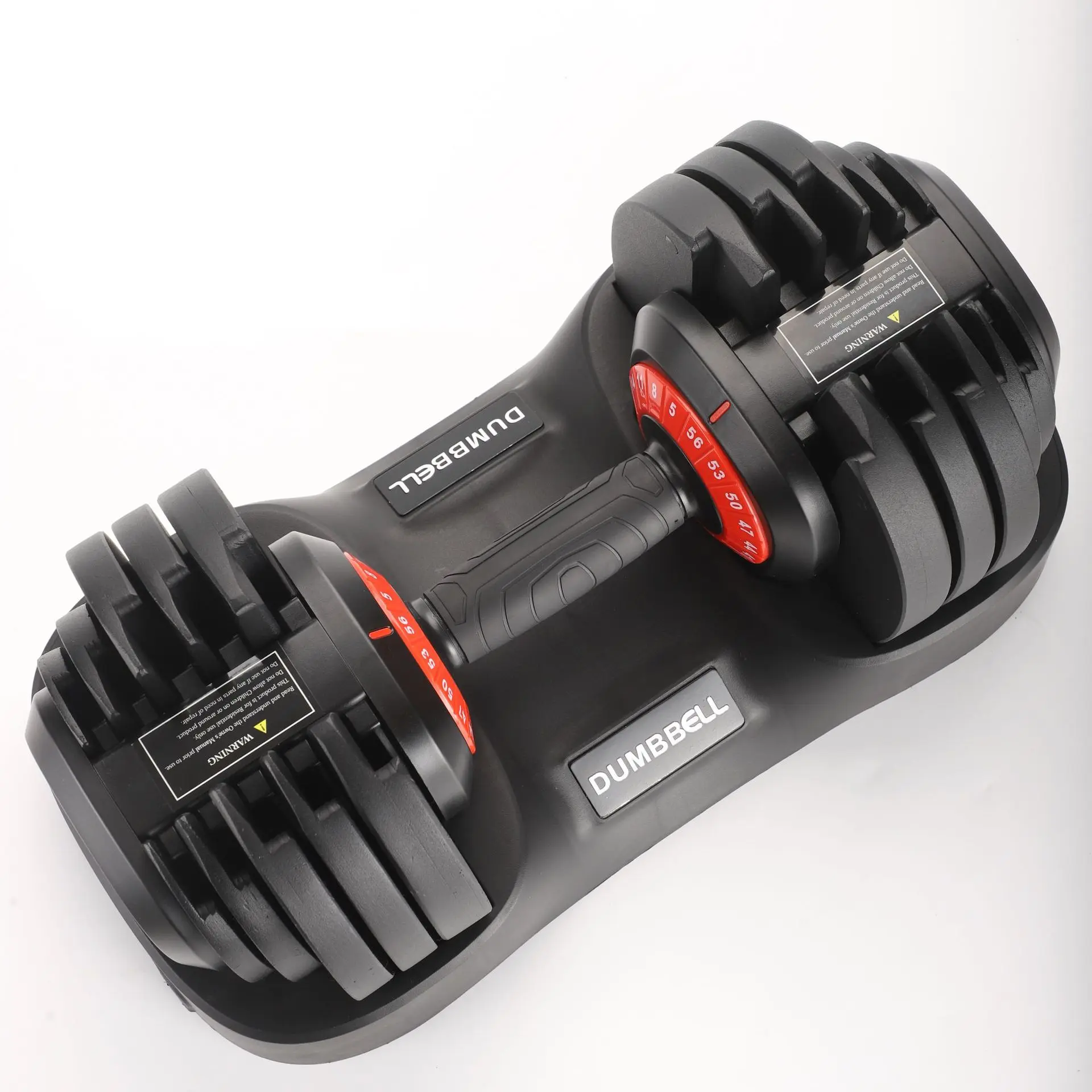
The Impact of Electroplating on the Durability of Adjustable Dumbbells
The Impact of Electroplating on the Durability of Adjustable Dumbbells
I. Introduction: Why Are Your Adjustable Dumbbells Rusting After Just Six Months?
As a fitness enthusiast or cross-border e-commerce product selection manager, you may have experienced this dilemma: Your newly purchased adjustable dumbbells, clearly labeled "rust-proof," rapidly oxidize under the influence of sweat and the humid environment of the gym—black spots appearing on the grips and rust and peeling off the edges of the weight plates. This not only affects the aesthetics but also poses a safety hazard.
The key to the durability of adjustable dumbbells lies in the quality of the electroplating process. Unlike ordinary paint or coating, electroplating is a sophisticated process that forms a dense protective layer on the metal surface through electrolysis. The thickness, adhesion, and material of the coating directly determine the dumbbell's ability to withstand corrosion, wear, and impact, thereby affecting the product's lifespan and user reputation.
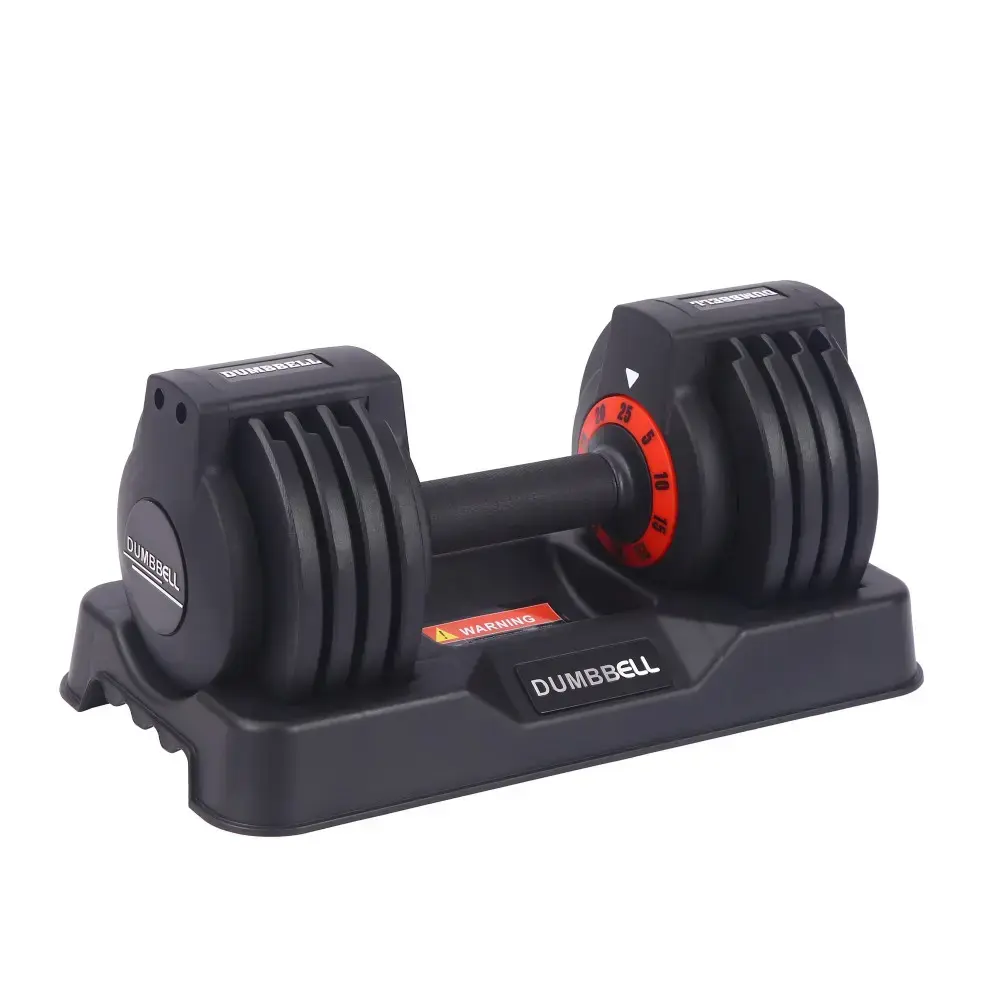
II. Basic Understanding: What exactly is the electroplating process for adjustable dumbbells?
Before delving into durability, let's first clarify the core logic behind electroplating for adjustable dumbbells. Dumbbell bodies are often made of cast iron or mild steel, which are inherently susceptible to oxidation and rust. Electroplating, in essence, involves "coating" corrosion-resistant metals like zinc, chromium, and nickel onto the surface of the base material through an electrochemical reaction, creating a dual layer of defense: a physical barrier and chemical protection.
The mainstream electroplating process in the industry consists of three key steps, each of which directly impacts the final durability:
Pretreatment: Removes oil, rust, and impurities from the base material surface. Acid and alkaline washes create a roughened surface (to enhance adhesion). If this step is not thorough, the plating layer is prone to bulging and peeling.
Electroplating deposition: The dumbbell is immersed in an electrolyte containing the target metal ions, and an electric current is passed to cause the metal ions to adhere to the base material surface. Plating thickness is typically measured in micrometers (μm), and the acceptable standard for adjustable dumbbells is 8-12μm. Post-processing: Passivation (such as chromate passivation) and sealing processes are used to enhance the corrosion resistance of the coating, forming a colorless, transparent protective film that slows oxidation.
III. Core Comparison: Durability Differences Among Three Mainstream Electroplating Processes
The cost and technical difficulty of different electroplating processes vary significantly, and this is reflected even more dramatically in the durability of adjustable dumbbells. The following is a comparison of the three most common processes used in the foreign trade market:
1. Galvanizing: Entry-level Choice, "Passing Line" Durability
Principle: A layer of zinc is applied to the dumbbell surface, utilizing the "sacrificial anode" effect of zinc to protect the base material (zinc preferentially oxidizes, preventing iron from rusting).
Durability Performance:
Advantages: Low cost, mature process, and can last 1-2 years in a dry indoor environment without noticeable rust.
Disadvantages: The coating has poor adhesion. Prolonged exposure to sweat (containing salt) or minor impacts can easily lead to the formation of "white rust" (zinc oxidation products), which can in turn cause rust in the base material.
Suitable for: Light home fitness, entry-level products with limited budgets. Not recommended for commercial gyms or high-humidity areas.
2. Chrome Plating: A mainstream mid-range option, offering both durability and aesthetics.
Principle: A copper layer (for enhanced adhesion) is first plated onto the substrate, followed by a nickel layer (for improved flatness), and finally a chromium layer (for hardness and corrosion resistance), creating a three-layer composite coating of copper, nickel, and chromium.
Durability:
Advantages: The chrome layer boasts a hardness of HV800-1000 (far exceeding the HV300 of zinc plating), offering excellent scratch and impact resistance. It can withstand salt spray tests for over 240 hours (compared to 72 hours for zinc plating) and will remain corrosion-free for 3-5 years in humid environments or under the influence of sweat.
Disadvantages: The complex process leads to higher costs. If the plating thickness is insufficient (less than 8μm), corners may be susceptible to rust.
Applicable Scenarios: Mid- to high-end home fitness equipment and commercial gyms. This is the top choice for high-volume products on independent foreign trade websites.
3. Chemical Nickel Plating: A high-end option, the ultimate in durability in extreme environments.
Mechanism: A uniform, pinhole-free nickel-phosphorus alloy coating is deposited on the dumbbell surface through a chemical reaction without the need for electrical power.
Durability:
Advantages: The coating thickness can reach 15-20μm, and it withstands over 500 hours of salt spray testing, making it resistant to extreme environments such as seawater, strong acids, and alkalis. It also offers both wear resistance and lubricity. Using this process on movable parts like the weight bar and buckle of adjustable dumbbells reduces wear and extends their service life.
Disadvantages: Extremely high cost (2-3 times that of chrome plating), and the matte silver coating is slightly less aesthetically pleasing than bright chrome.
Applicable Scenarios: High-end professional fitness equipment, export to high-humidity regions (such as Southeast Asia and Australia), or commercial applications requiring extreme durability.
IV. In-Depth Analysis: Four "Invisible Factors" Affecting Electroplating Durability
In addition to the process type, the following details are often overlooked by consumers, yet they directly determine the lifespan of electroplating on adjustable dumbbells:
1. Substrate Quality: "Low-Quality Iron" Is Ineffective After Plating
If the base material of a dumbbell is recycled scrap iron or steel with a high carbon content, it is prone to pores and impurities. This prevents the electroplating layer from evenly adhering, creating "weak spots" that can easily rust when exposed to water. High-quality brands typically use Q235 low-carbon steel, which has a smoother base surface and more stable electroplating.
2. Coating Thickness: "Micrometer Differences" Determine Lifespan
There's a phenomenon of "cutting corners" in the industry: Reducing the coating thickness from 10μm to 5μm reduces costs by 30%, but directly reduces durability by 60%. Consumers can use the "magnet test" to help determine this: the thicker the coating, the weaker the magnetic attraction (metal coatings block magnetic fields). 3. Edge Treatment: "The Real Deal"
Adjustable dumbbells' weight plate edges and grip grooves are challenging areas for electroplating. Improper processing can easily lead to plating leaks. High-quality products utilize "pictographic anode" technology to ensure consistent plating thickness on edges and corners, preventing rust from forming.
4. Post-treatment: "The Last Line of Defense"—Can't Skip It
Some manufacturers omit post-treatment steps like passivation and sealing to reduce costs, leaving the plating exposed to air. Post-treatment on legitimate products creates a nano-level protective film that not only improves corrosion resistance but also reduces fingerprint residue, enhancing the user experience.
V. Buying Guide: How to Choose the Right Durable Dumbbells by Inspecting "Electroplating Details"?
For cross-border e-commerce sellers, conveying the "value of electroplating" to consumers is key to improving conversion rates. For consumers, learning to discern electroplating quality can help avoid pitfalls. Here are four practical tips:
Check the gloss: High-quality chrome-plated dumbbells have a uniform, bright silver surface, free of darkening or spots. A dull gloss may indicate insufficient plating thickness or incomplete pre-treatment.
Touch the surface texture: Run your finger along the edge of the grip and weight stack. If there are no burrs or graininess, the plating is smooth and has strong adhesion. A rough feel can harbor dirt and accelerate corrosion.
Check the test reports: Suppliers must provide a "Salt Spray Test Report" and a "Coating Thickness Test Report." Exports to European and American markets must comply with RoHS environmental standards (the coating must not contain harmful substances such as hexavalent chromium).
Ask about after-sales service: Reputable brands offer a 1-3 year warranty on plating quality and promise "returns and exchanges for non-human damage and rust." If the vendor evades warranty considerations, be wary of poor workmanship.
VI. Conclusion: Electroplating: Cost, Value
For adjustable dumbbells, electroplating is more than just a nice-to-have. Rather, it's a core competitive advantage that determines product durability, safety, and brand reputation. When consumers pay replacement costs for "low-priced dumbbells" and sellers waste energy dealing with after-sales complaints, the long-term durability provided by high-quality electroplating has long become the most cost-effective investment.