
Adjustable dumbbell strength factory
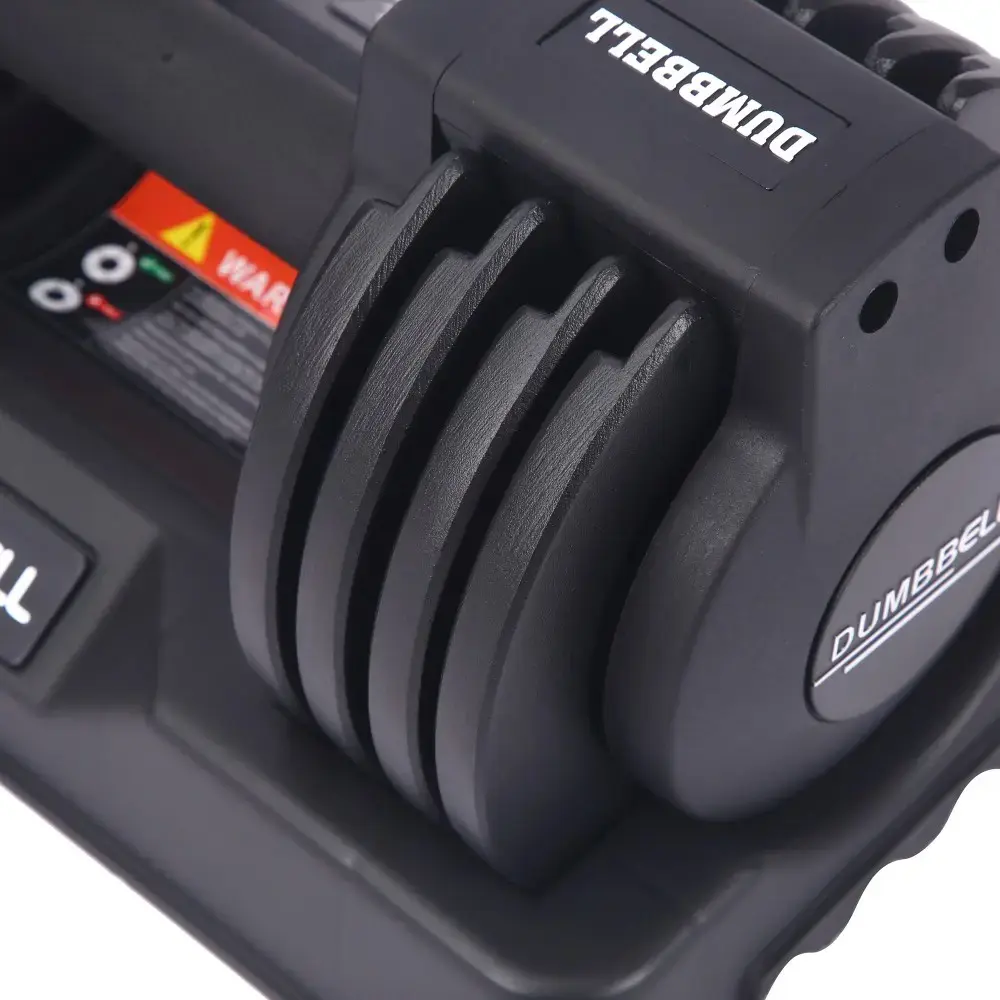
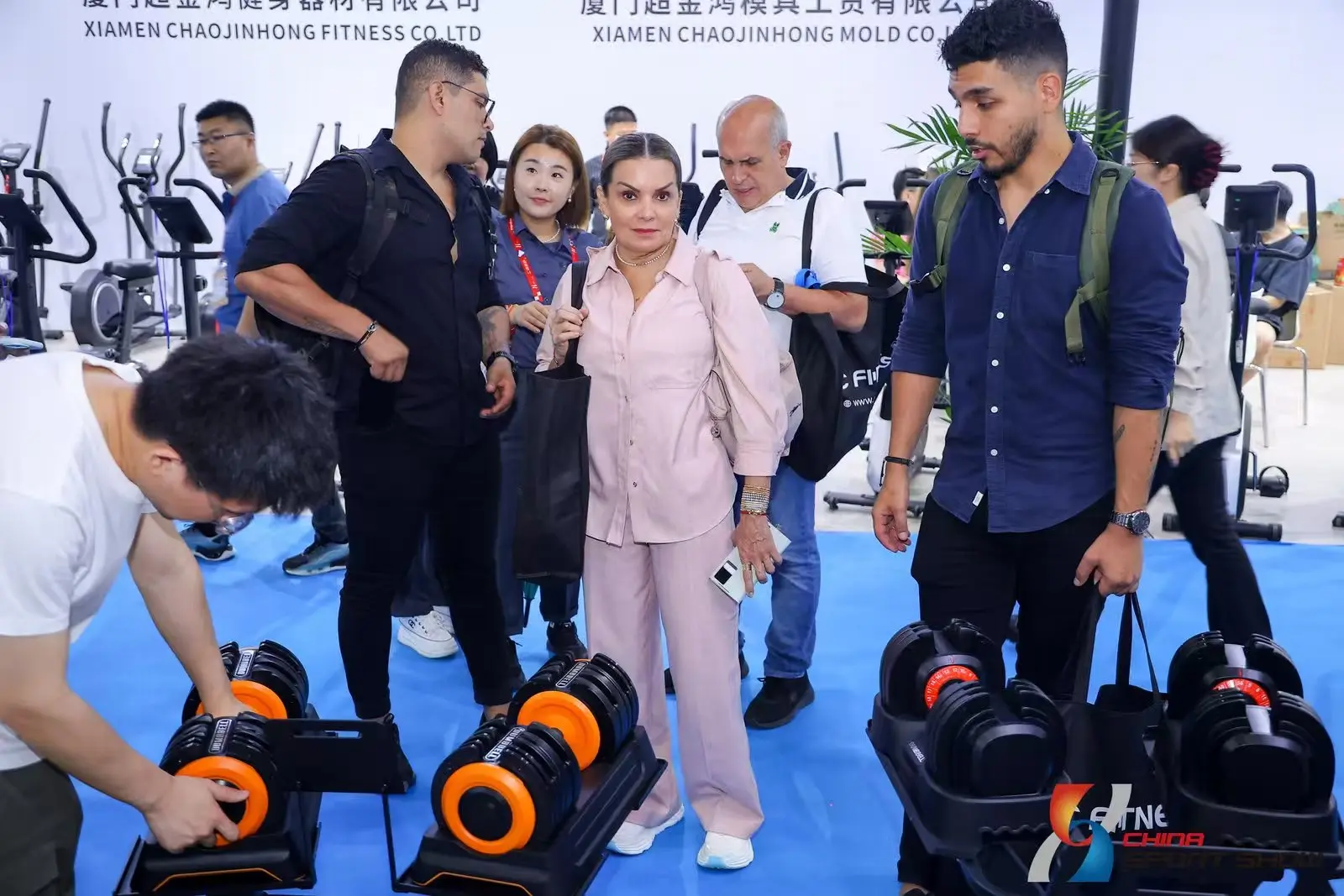
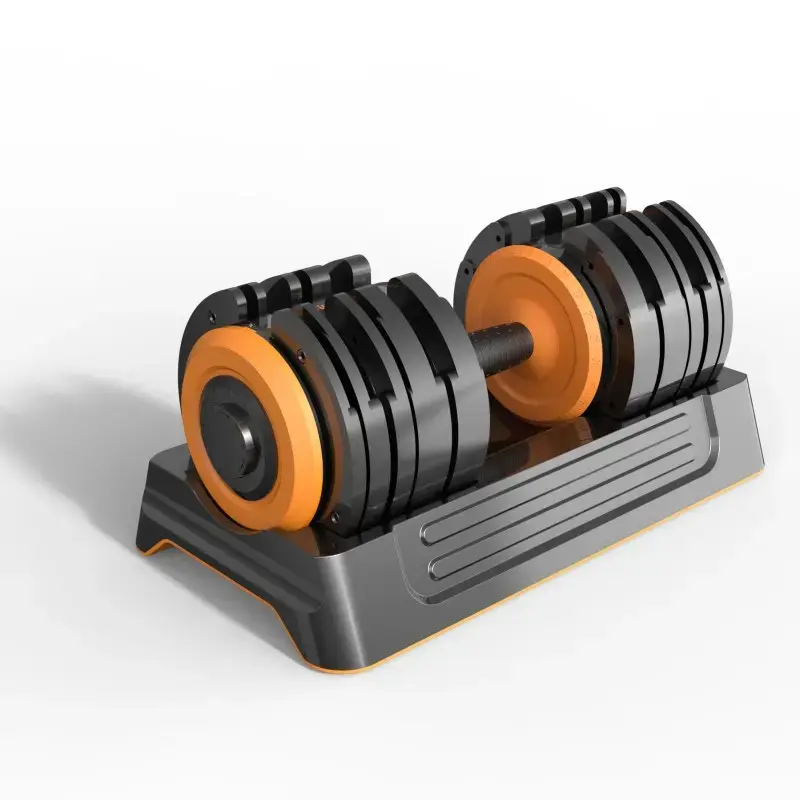
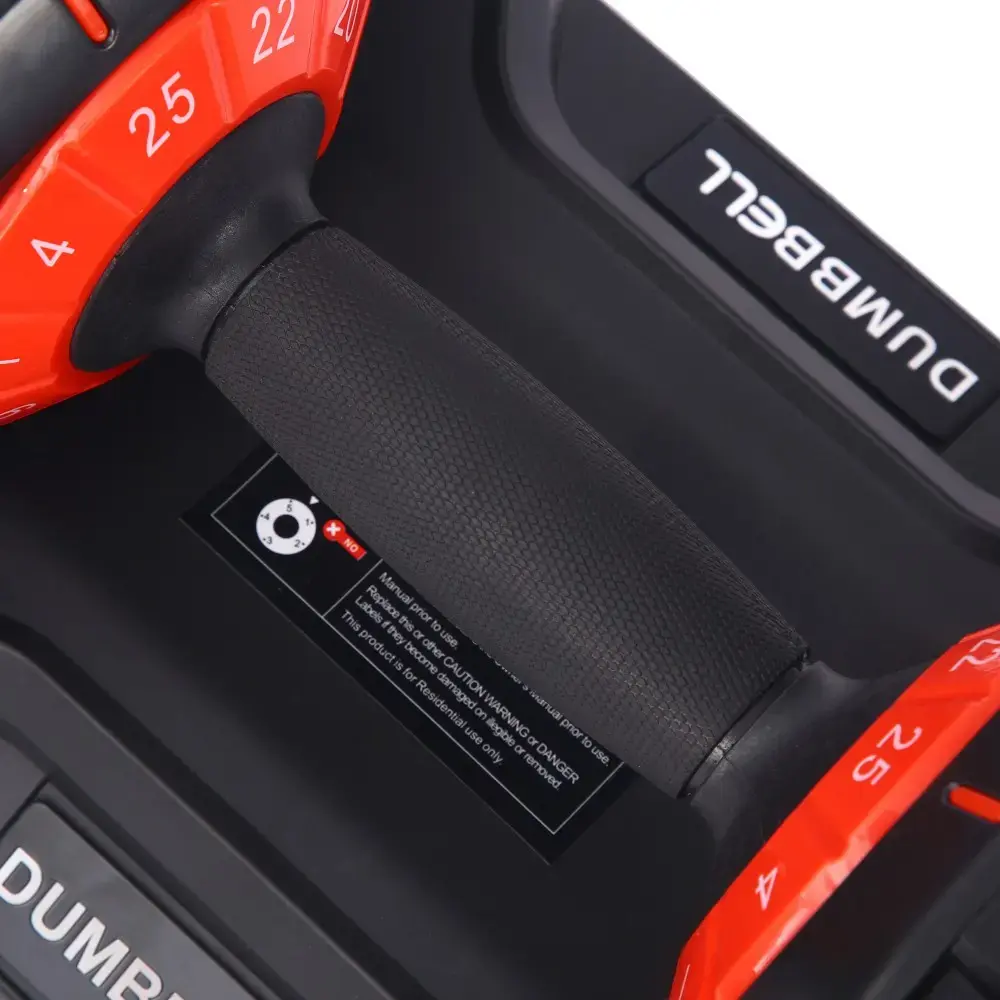
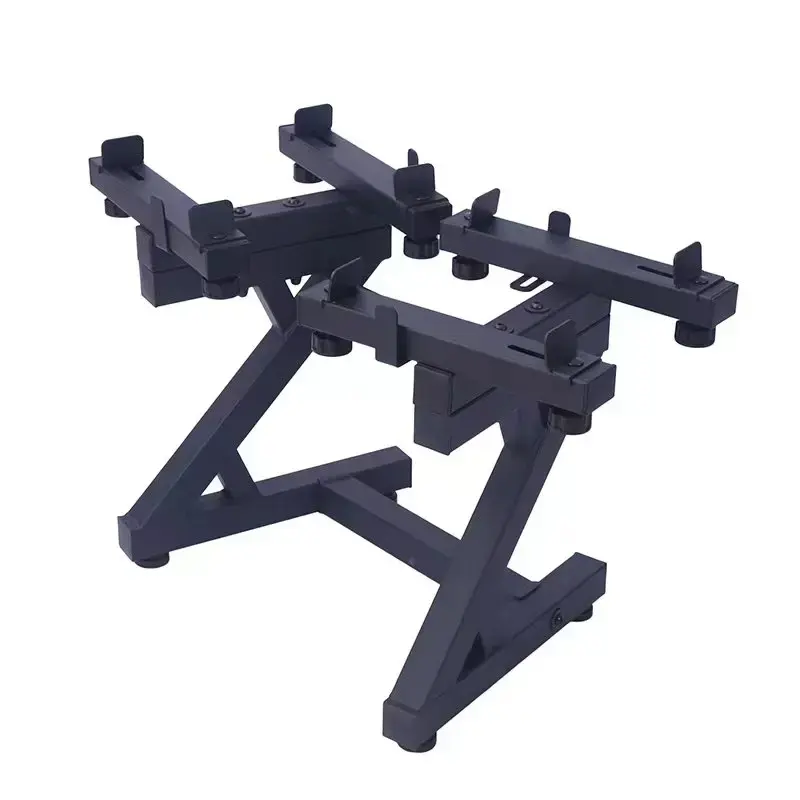
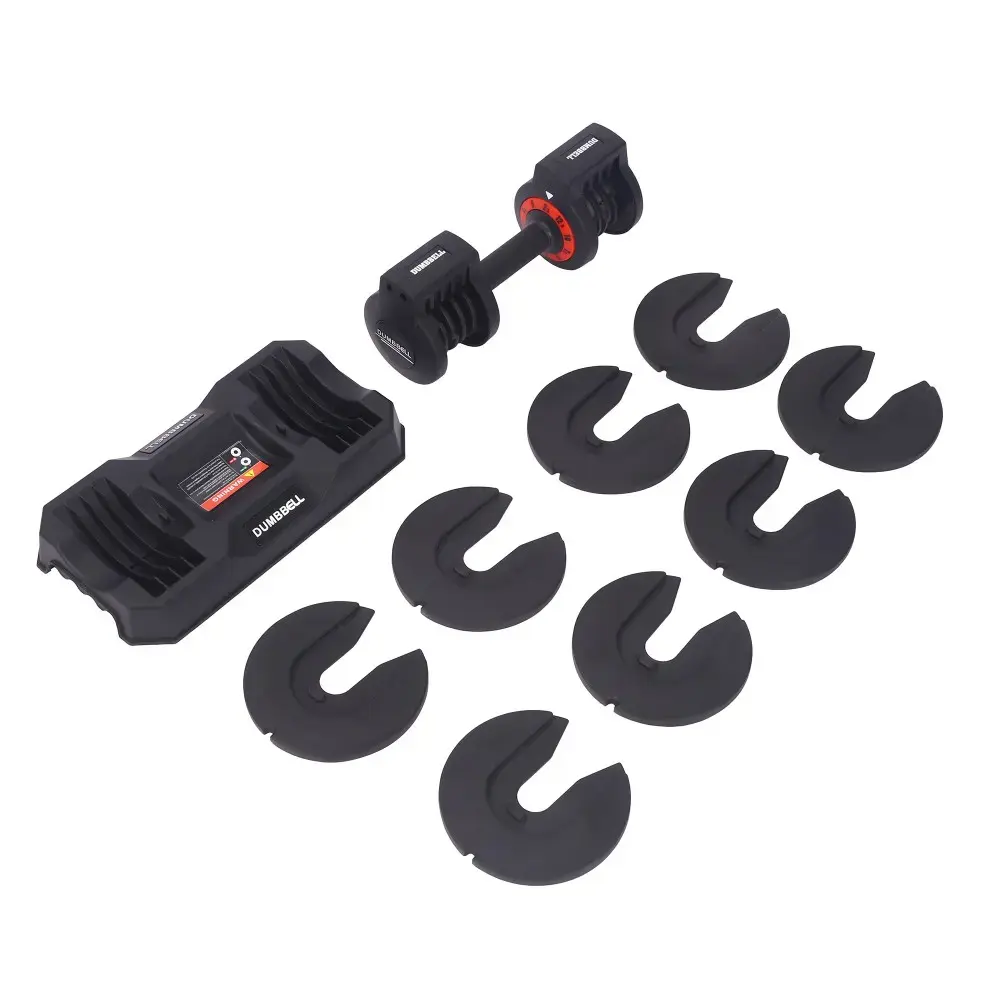
The training diversity of multi-functional dumbbells: meeting the needs of strength, core and functional training
Throughout the evolution of fitness equipment, dumbbells have always held an irreplaceable position. It is not merely a simple weight-bearing tool, but a comprehensive training system that can stimulate the potential of the entire body. Modern multi-functional dumbbells, through ingenious design innovation, perfectly blend the rigid demands of traditional strength training with the flexible concepts of contemporary functional sports, providing unprecedented movement diversity for trainers of different levels. From basic muscle strength building to deep core activation and the improvement of daily activity capabilities, this compact equipment is redefining the training boundaries between home and professional fitness Spaces.
First, comprehensive coverage of strength training dimensions
The essence of strength training lies in stimulating the adaptive growth of muscles through progressive loading. The multi-functional dumbbell has demonstrated astonishing extensibility in this field. In compound movements such as squat variations, dumbbells can be placed on the sides of the body, in front of the shoulders, or held in a goblet pose. Each position will change the distribution of the center of gravity, thereby activating different stabilizing muscle groups. In deadlift mode, dumbbells allow for a more natural grip adjustment compared to barbells, which is particularly friendly to those with limited shoulder joint movement. At the same time, the greater range of motion can deeply stimulate the posterior chain muscle group - the entire power chain from the gluteus maximus to the hamstrings can be strengthened.
For upper limb development, the independent operability of dumbbells creates a unique training advantage. During the bench press, both sides of the dumbbell need to be controlled separately, which forces the rotator cuff muscles to be deeply involved to maintain the synchronization of the movement trajectory. The difficulty far exceeds that of the barbell version. Rowing movements can precisely strike different areas of the back by changing the bending Angle (from 30 degrees to parallel to the ground), and combined with the transformation of palm orientation (forward grip, reverse grip, neutral grip), the latissimus dorsi, rhomboid and lower trapezius muscles can be three-dimensional shaped. For trainers who are eager to shape the lines of their arms, the combination of curls and arm extensions is already highly efficient. When lifting dumbbells above the head and performing arm extensions behind the neck, the stretching sensation of the long head of the triceps will be significantly enhanced.
Advanced trainers can achieve linear periodic plans through dumbbells. When bilateral training enters a plateau period, the unilateral training mode can break the neuromuscular adaptation inertia. One-arm push-ups variations, one-leg deadlifts or Bulgarian split squats, etc., introduce anti-rotation challenges while increasing the weight, forcing the body to re-establish a force output pattern in an unstable state. This dual stimulus of "load + stability" is precisely the key path to breaking through the bottleneck of strength.

Second, the deep activation mechanism of core training
The true function of the core muscle group lies in power transmission and maintaining body homeostasis, rather than merely visual lines. Dumbbell training inherently possesses core activation characteristics - any standing position or bending movement requires the transverse abdominis and multifidus muscles to pre-contract to resist heavy moments. When performing standing dumbbell presses, as the weight is placed on the top of the head, the pressure on the lumbar vertebrae increases dramatically. At this point, the deep abdominal muscles must form a rigid cylinder to protect the spine. This process is essentially a dynamic isometric contraction training.
The design of targeted core movements can better reflect the multi-functionality of dumbbells. During the Russian spin, when holding dumbbells for rotation, the oblique abdominal muscles need to counteract the changes in torque on the frontal plane. When flexed laterally, the eccentric loading effect of a single dumbbell directly stimulates the collaborative working ability of the quadratus lumpatus muscle and the internal and external oblique muscles of the abdomen. More challenging variations include: performing the "ground minetube" rotational press in a kneeling or standing position, with the dumbbells moving along an arc-shaped trajectory, and the core must continuously adjust to maintain the neutral position of the torso; Or, in the plank position, row with one hand. This movement combines the requirements of anti-stretching and anti-rotation, instantly enhancing core engagement.
For lower abdominal strengthening, the supine dumbbell leg lift offers a perfect solution. Holding dumbbells in front of the chest with both hands increases the difficulty of the movement. When the legs are lifted up, the lower part of the iliopsoas and rectus abdominis muscles must overcome the additional resistance to complete the contraction peak. This way of maintaining load during dynamic movements is far more effective in building the strength integration ability of the core and limbs than traditional crunches.
Third, real scene mapping of functional training
The value of functional training lies in narrowing the gap between gym performance and daily activity ability. The free nature of dumbbells makes them an ideal tool for simulating daily life movements. The farmer's walking training requires each hand to hold a heavy dumbbell for spatial movement, which directly replicates the biomechanical model of carrying shopping bags or suitcases, and has an immediate effect on the comprehensive improvement of grip strength, scapular stability and gait coordination. The advanced version can be upgraded to single-sided weight-bearing walking. At this time, the core on the opposite side must continuously exert force to prevent the trunk from bending sideways, perfectly simulating the body reaction when holding a child with one hand.
The single-sided training mode is the most functional highlight of dumbbells. The human body is inherently an asymmetrical system, and the difference in strength between the left and right sides is widespread. Dumbbells allow for independent limb training, which can not only correct muscle imbalance but also enhance the precision of neuromuscular control. When performing single-arm bench presses or single-leg Romanian deadlifts, the body must mobilize more proprioceptive receptors to participate in movement regulation. This kind of neuro-level training has extremely strong transferability and can effectively improve coordination performance during exercise. In addition, dumbbells support multi-plane movement design - sagittal press, frontal lateral press, and horizontal rotational press. The integrated training of the three planes enables the body to maintain stable output when subjected to force in any direction.
Explosive power training can also be integrated into the dumbbell system. Performing high somersault and press combinations with light to moderate weights, or doing dumbbell swings (which draw on the kettlebell movement pattern but are equally effective), can quickly activate fast-twitch muscle fibers. This type of movement emphasizes the rapid extension and braking of the hip hinge, which directly helps improve vertical jumping ability and short-distance sprint performance. Incorporating dumbbells into circuit training or high-intensity interval training (HIIT), and achieving cross-stimulation of anaerobic and aerobic through movement arrangement, further expands the boundaries of functional metabolic adaptation.
Fourth, integrate the synergy of the training program
A single training mode is prone to causing adaptation fatigue, while the true power of multi-functional dumbbells lies in the integration of types. When designing a complete training course, the serial logic of "strength - core - function" can be followed. Start with the Thruster squat, which combines the front squat and the thruster, and is a typical compound strength movement. Immediately after that, transition to plank rowing to strengthen the back muscles in an anti-stretching state. The event concludes with the Turkish stand - this entire movement from lying on the back to standing up integrates rotation, stretching and balance, serving as the ultimate touchstone for functional training.
In a periodic arrangement, the training week can be broken down into different focuses. On Monday, focus on strength and adopt a heavy load plan of 5 sets ×5 repetitions. On Wednesday, focus on core endurance and perform 3 sets of 15 high-repetition cycles. On Friday, the focus will be on explosive power, with 6 times of 4 sets of quick press training. This diversity not only maintains the freshness of physical stimulation but also prevents burnout at the psychological level. Trainers can flexibly adjust their exercise selection and weight configuration according to their condition on the day. The adjustable feature of dumbbells plays a key role here - one piece of equipment can achieve full coverage from light weights with high repetitions to heavy loads with low repetitions.
The training philosophy of multi-functional dumbbells is rooted in a profound understanding of the essence of human movement. It breaks the trajectory constraints of fixed equipment and ingeniously combines stability challenges, load management and movement freedom. Whether they are competitors in pursuit of absolute power or ordinary people eager to improve their quality of life, they can all find an advanced path in this simple device. When training design encompasses a solid foundation in strength building, meticulous requirements for core control, and a practical orientation towards functional transfer, dumbbells are no longer cold metal combinations but keys to activating physical potential and shaping comprehensive athletic capabilities. Realizing infinite possibilities within a limited space is precisely the core value that the diversity of multi-functional dumbbell training endows to the modern fitness field.