

Adjustable dumbbell strength factory


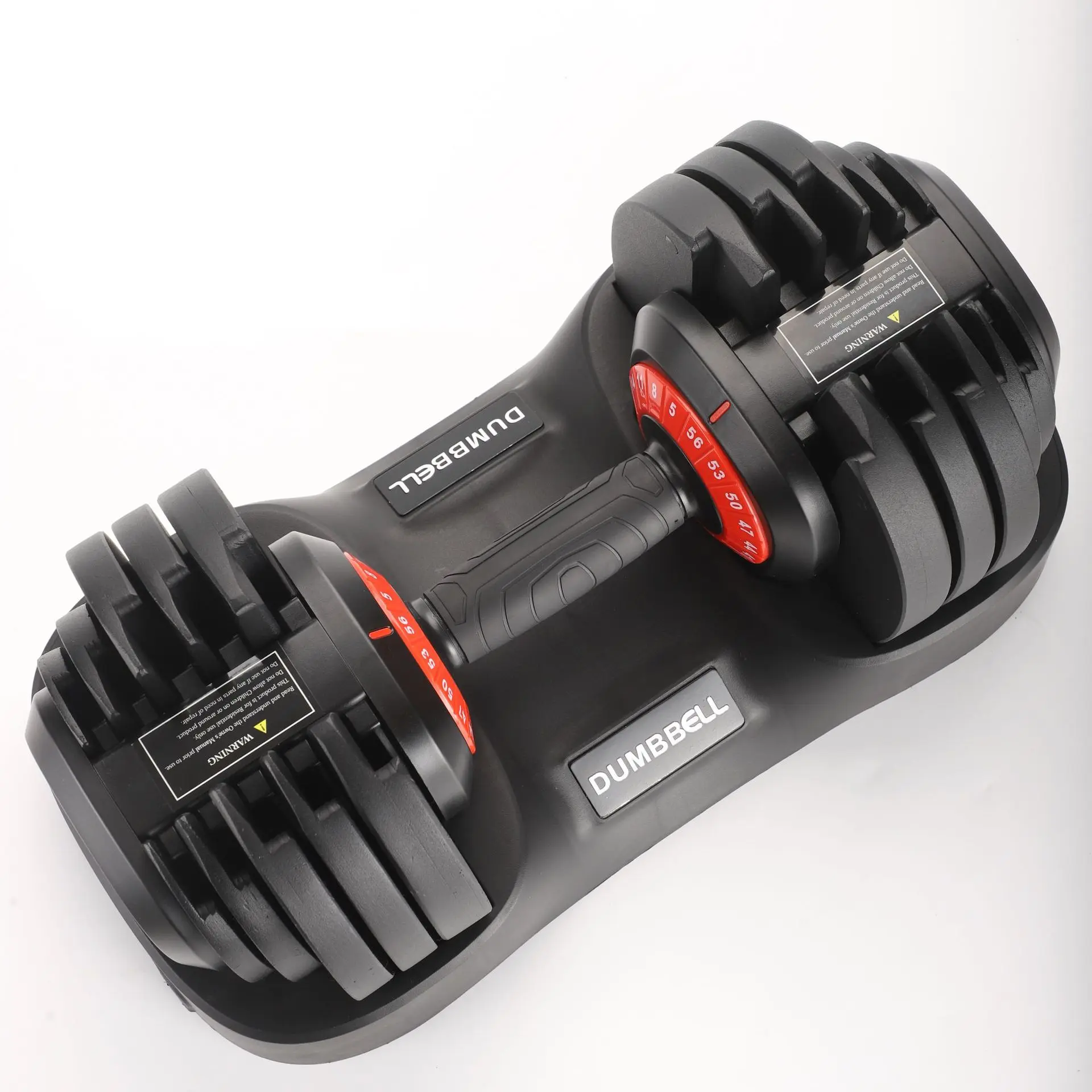
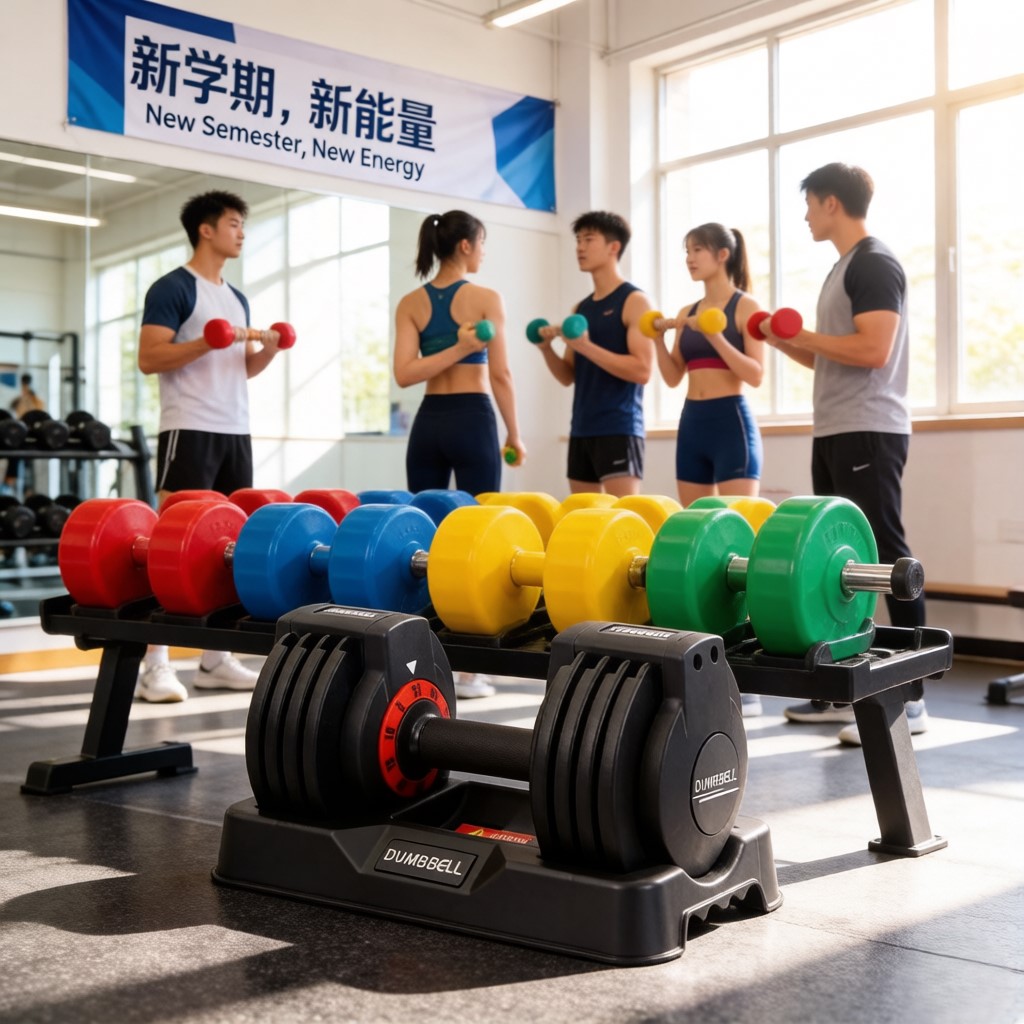

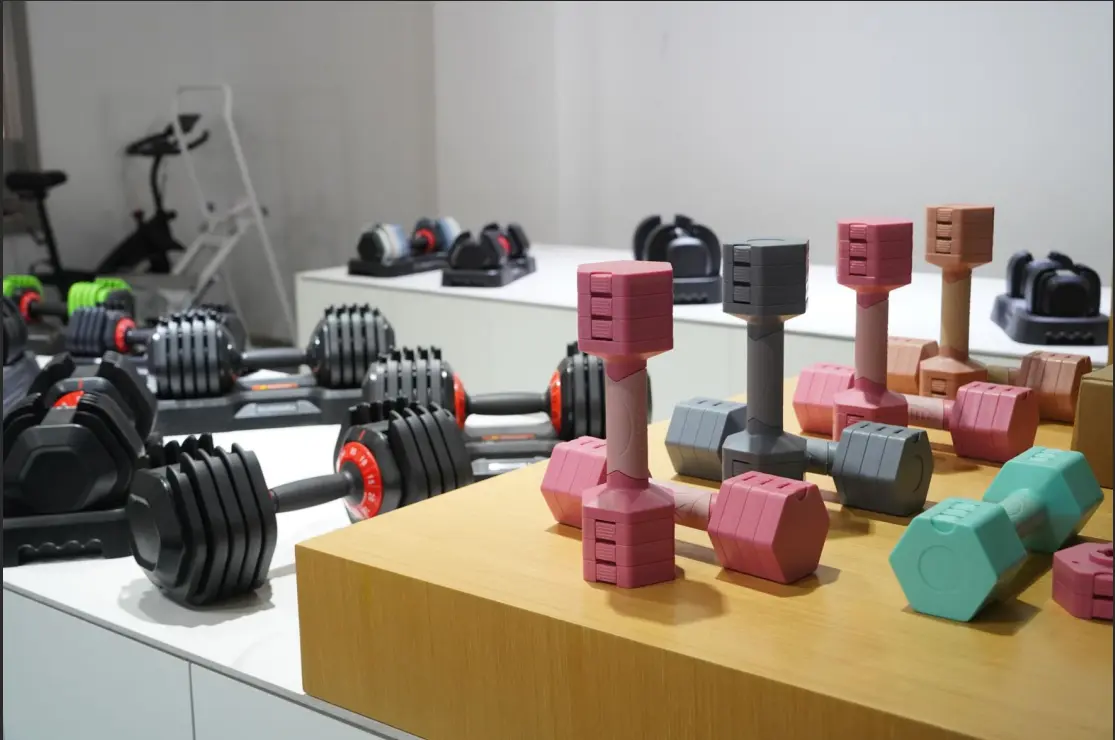
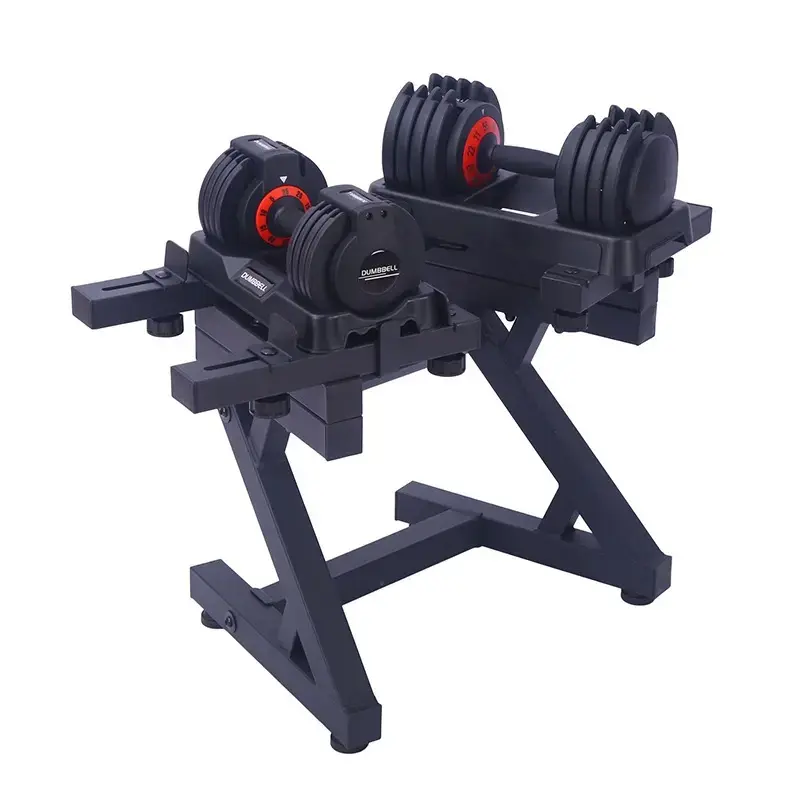
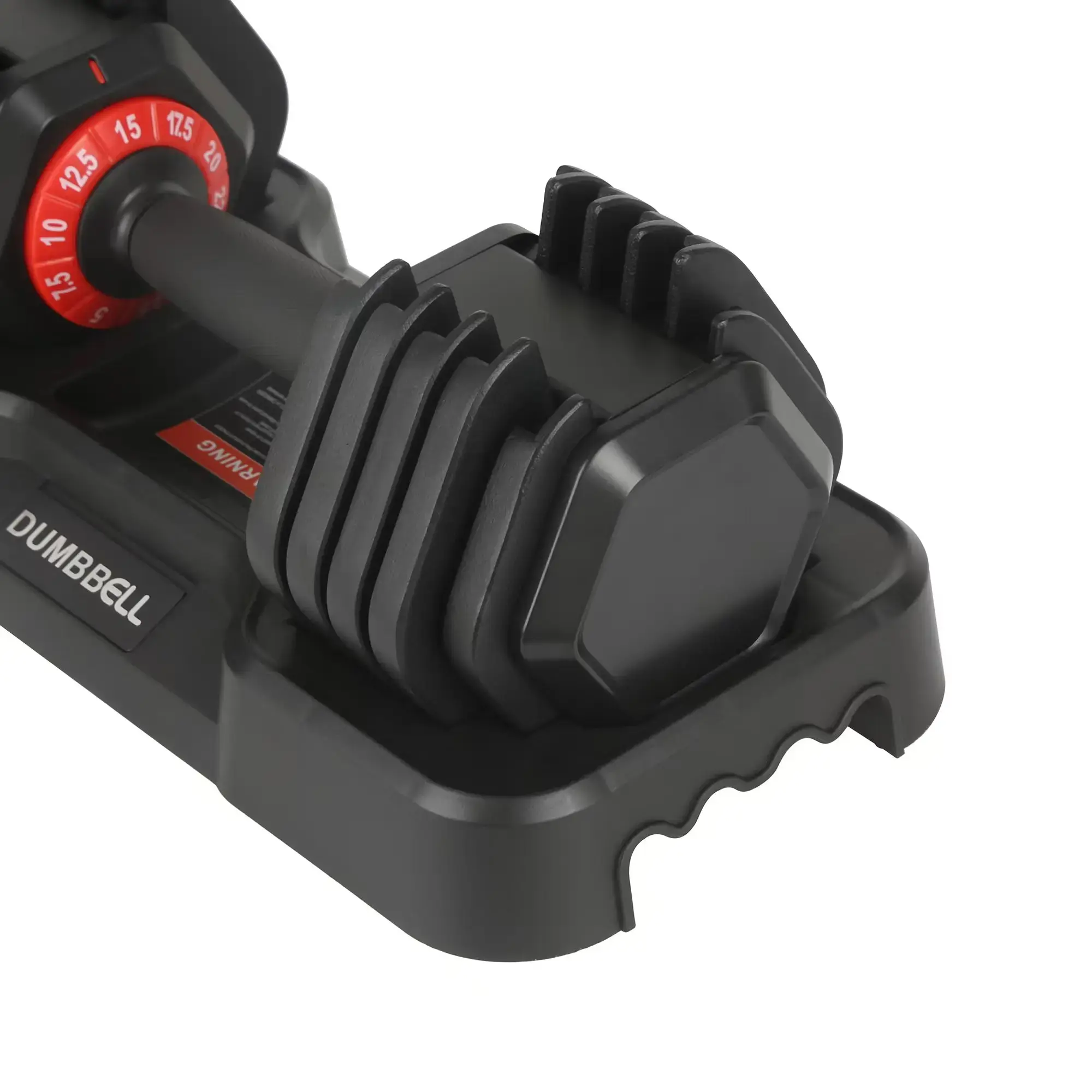
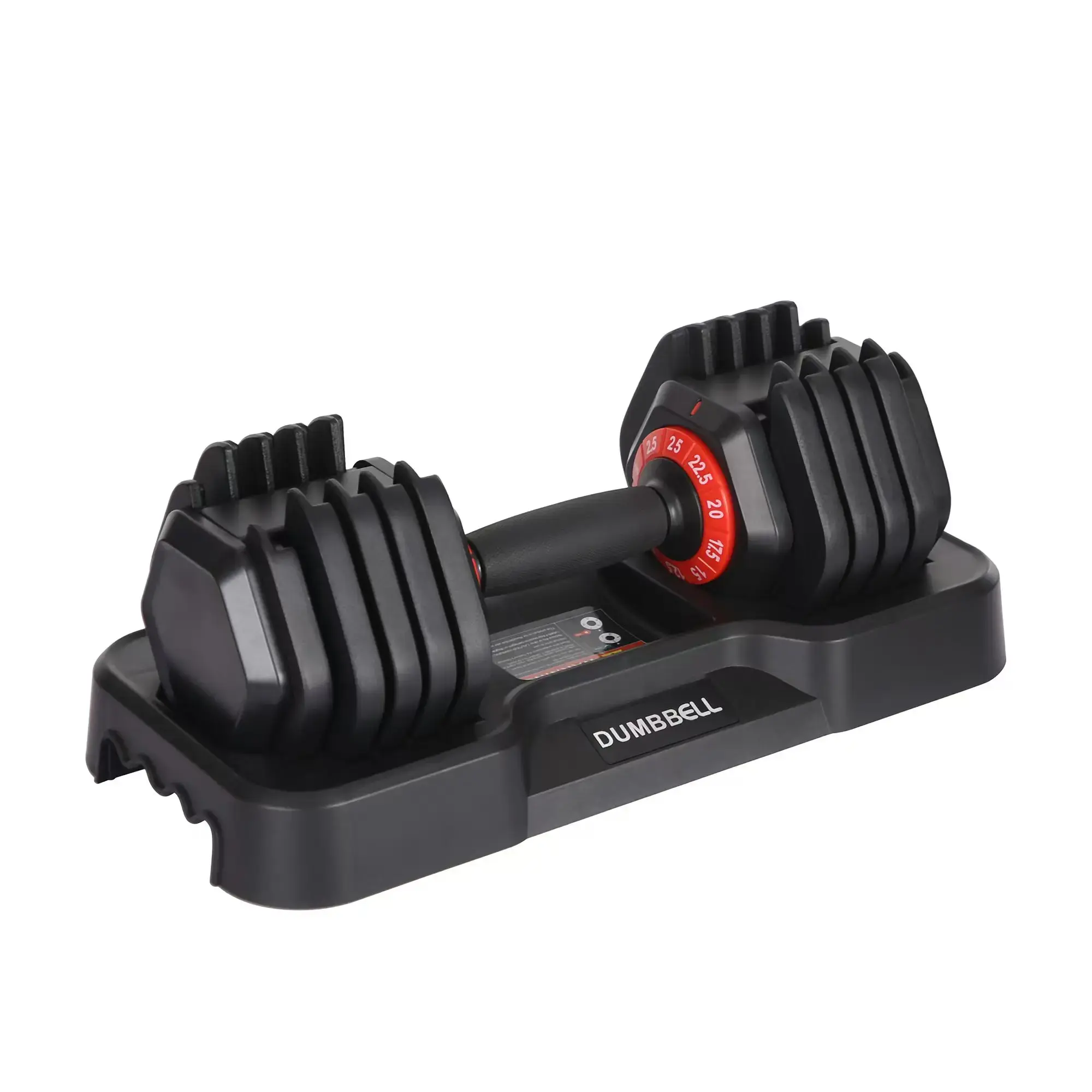
What are the innovative features of composite dumbbell handles?
What are the innovative features of composite dumbbell handles?
Composite Dumbbell Handles: Redefining the Grip Experience and Innovative Breakthroughs for Strength Training
In the adjustable dumbbell market, handles, as the core component that comes into direct contact with the user and impacts training safety and efficiency, have always been a key focus of brand research and development. With advances in materials science, traditional metal and single-material rubber handles are gradually being replaced by composite handles. These components, crafted from two or more different materials through advanced processes, not only overcome the performance limitations of traditional handles but also offer multiple innovations in grip comfort, durability, and functionality. This article will delve into the core innovative features of composite dumbbell handles and explore how they offer a completely new experience for strength training enthusiasts.
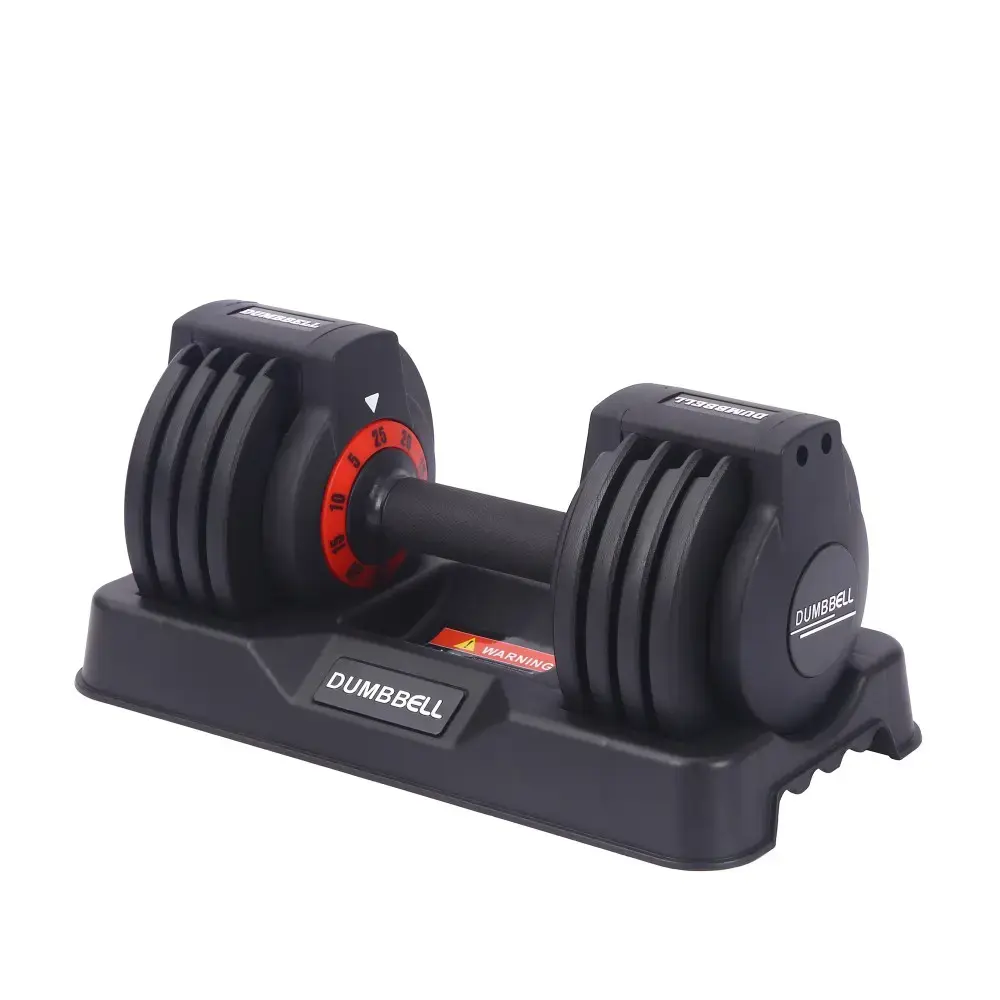
First. Material Fusion Innovation: Combining "Non-Slip and Wear-Resistant" with "Skin-Friendly and Comfortable"
The drawbacks of traditional dumbbell handles are obvious: metal handles are prone to slipping (especially when sweating) and can be freezing cold in winter; ordinary rubber handles, while non-slip, lack wear resistance and are prone to cracking and chipping with long-term use; and wooden handles are sensitive to moisture and sweat, making them difficult to maintain. Composite handles, through their precise material ratios and layered design, perfectly resolve this contradiction.
Currently, mainstream composite handles utilize a combination of a high-strength fiber base and an elastic polymer coating. The base layer is supported by high-strength materials like glass fiber and carbon fiber, ensuring the handle's overall deformation resistance and load-bearing stability (it can withstand sustained loads exceeding 50kg without bending). Polyurethane (PU) or thermoplastic elastomer (TPE) is added to the middle layer to create a cushioning layer, effectively absorbing the impact between the hand and the handle during training and reducing palm soreness caused by prolonged gripping. The surface is covered with a specially customized non-slip textured coating. This coating utilizes a "micro-bump + honeycomb texture" design, maintaining a coefficient of friction above 0.8 (much higher than the 0.5 of traditional rubber handles) even in the presence of heavy sweat, completely eliminating the risk of slipping from the grip.
Even more notably, high-quality composite handles also incorporate an antibacterial and anti-odor agent into the surface. Because hand sweat easily penetrates the handles during training, traditional materials can easily breed bacteria and produce odors after long-term use. However, composite materials incorporate antimicrobial silver ions into the coating, inhibiting the growth of over 99% of E. coli and Staphylococcus aureus. This keeps the handles clean and fresh even when not cleaned for extended periods, making them particularly suitable for shared use at home or in the gym.
Second. Ergonomic Design Innovation: Conforms to the curves of the palm, adapting to diverse training scenarios
Strength training encompasses a variety of movements, including bench presses, deadlifts, curls, and presses. Each movement requires a different grip style (overhand, underhand, wide, or narrow). Traditional cylindrical straight handle designs often fail to meet comfort requirements in all scenarios. For example, during a wide-grip bench press, the outer edge of the palm can be compressed by the handle edge, resulting in poor blood circulation. During a narrow-grip curl, the fingers struggle to fully engage the handle, reducing force generation efficiency.
The composite handle, thanks to its customizable molding process, achieves two major breakthroughs in ergonomic design:
1. "Gradually Variable Diameter + Curved Transition" Handle Design
The high-quality composite handle is not a single cylindrical shape, but rather features a tapered diameter design with a thick center and slightly tapered ends. The handle's diameter is approximately 32-35mm in the middle (matching the width of an adult's palm), gradually tapering to 28-30mm at each end. Combined with the curved transition at the junction of the handle and the dumbbell plates, this allows for a perfect fit between the palm of your hand during a pronated grip, preventing nerve compression, while also allowing the fingers to bend naturally during a supinated grip, reducing stress on the wrist. For example, during dumbbell curls, the tapered diameter handle distributes force evenly across the palm, avoiding the "localized palm tenderness" associated with traditional straight handles. This allows for over 30% longer training sessions without fatigue.
2. Removable "Scenario-Specific Grip" Design
Some high-end composite handles offer a "base handle + removable grip" combination. The base handle features a universal, ergonomic design to meet everyday training needs, while the grips are customized for different training scenarios. Examples include the "anti-slip, thickened grip" for deadlifts (2mm thicker to enhance palm-to-handle friction and reduce the need for leverage straps), the "breathable, thin grip" for dumbbell presses (made of mesh for improved breathability and reduced palm heat), and even the "slim-diameter grip" for women (reduced to 25-28mm in diameter to accommodate smaller hands). The core advantage of this design is its "one handle, multiple uses" feature. Users can adapt the grip to different exercises without having to replace the entire dumbbell, significantly enhancing the practicality of Adjustable Dumbbells.
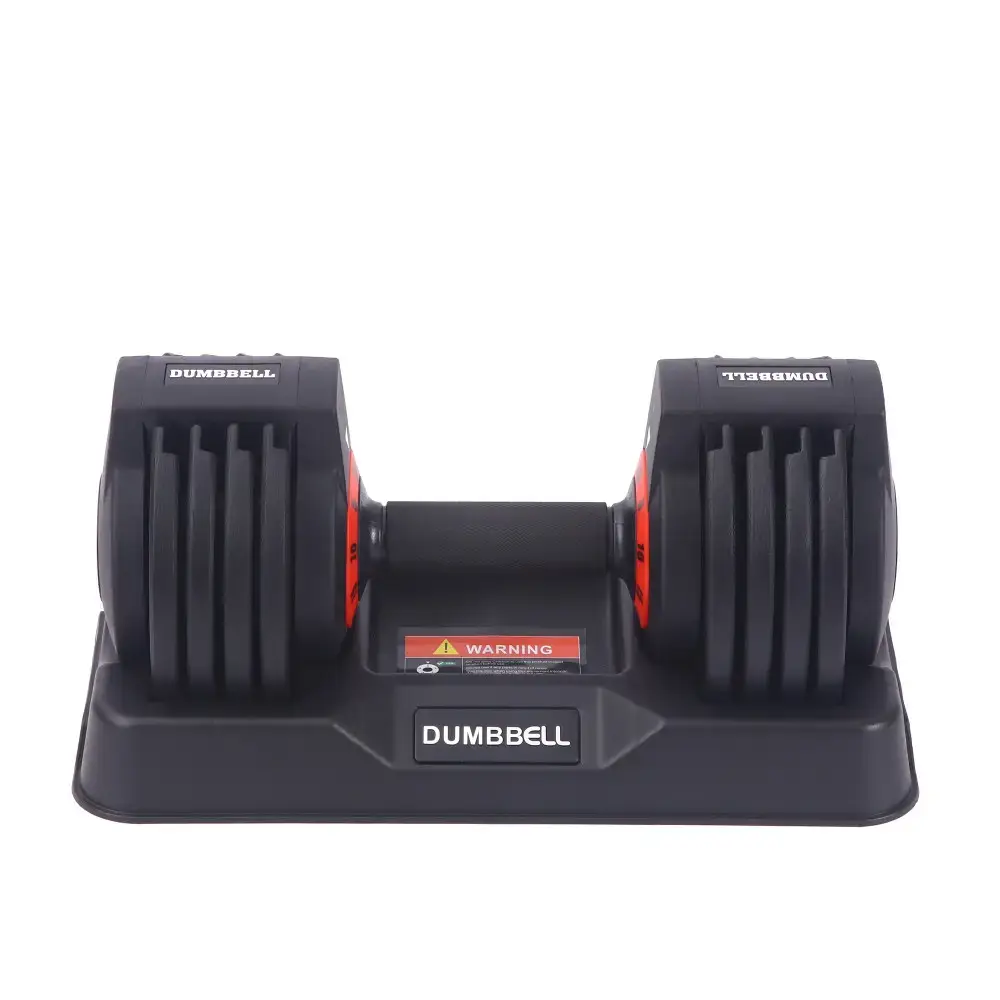
Third. Innovation in Balancing Lightweight and Durability: Say Goodbye to a "Heavy Handle" and Extend Product Life
Traditional metal handles are durable but heavy. The metal handle of a standard 20kg adjustable dumbbell weighs approximately 1.5-2kg, accounting for 7.5%-10% of the dumbbell's total weight. This can increase the "excessive load" on the hands with prolonged use, making it particularly unsuitable for women or novice users. Ordinary plastic handles, while lightweight, lack strength and are prone to breakage under prolonged load, raising safety concerns.
Composite handles achieve a perfect balance of lightweight and durability through a strategic combination of high-strength fibers and polymer materials.
Lightweight Advantages: A composite handle of the same length (approximately 30cm) weighs only one-third of a metal handle (approximately 0.5-0.7kg). This reduced overall weight not only makes dumbbells easier to carry (for example, when removing them from a storage rack), but also reduces "ineffective load" on the hands during exercise, allowing users to focus more on target muscles and improve training results.
Ultra-Durability Guarantee: Composite materials offer far superior impact and aging resistance compared to traditional materials. Third-party testing shows that high-quality composite handles can withstand a 1.5-meter drop onto concrete without cracking. After 100,000 repeated load tests (each load 50 kg), the deformation rate is only 0.2%. (Metal handles deform approximately 0.5%, while plastic handles will break.) Composite materials also offer excellent corrosion resistance. Even with prolonged exposure to sweat, water, or gym disinfectant spray, they remain rust-proof and discolor-free, boasting a service life of 5-8 years (compared to 3-5 years for traditional metal handles and 1-2 years for standard rubber handles).
Fourth, Functional Expansion and Innovation: Integrated Intelligent Modules Empower Scientific Training
With the rise of the "smart fitness" trend, composite handles are no longer limited to the single function of a "grip tool." Leveraging the material's compatibility and structural scalability, they integrate a wider range of intelligent modules to support scientific training, a breakthrough not possible with traditional handles.
1. Hidden Pressure Sensor: Real-time Monitoring of Grip Strength and Force Balance
Some high-end composite handles have micro-pressure sensors embedded within them (fused to the composite material through a special injection molding process, without affecting the handle's appearance or feel). Working in conjunction with a Bluetooth module on the base of the dumbbell, these sensors collect real-time data on the user's grip pressure distribution. For example, during a dumbbell bench press, the sensor detects the pressure difference between the left and right palms. If the difference exceeds 10%, the user will receive a notification via the mobile app: "Unbalanced force, need to adjust posture," preventing muscle imbalances or joint injuries caused by uneven force application. Furthermore, the sensor records peak grip strength during each workout, generating a "grip strength curve" to help users intuitively understand their strength improvement progress.
2. Low-Temperature Adaptability: Stable Operation from -20°C to 60°C
Traditional rubber handles tend to become hard and brittle in low-temperature environments (such as winter balcony training or outdoor training in northern China), significantly reducing their anti-slip properties. Metal handles, on the other hand, become cold at low temperatures, making them extremely uncomfortable to hold. By adding an antifreeze toughening agent to the composite handle, it maintains stable elasticity and anti-slip properties across a temperature range of -20°C to 60°C. Even at -20°C, the handle surface remains soft, with the coefficient of friction dropping by less than 5%. Even in high temperatures of 60°C (such as when stored in a car trunk in summer), it remains soft and deforms, making it suitable for all training scenarios.
fifth. Environmental Protection and Sustainable Innovation: Responding to Green Consumption and Reducing Environmental Burden
With the global trend towards carbon neutrality, environmental protection has become a key consideration for consumers. Traditional dumbbell handles (such as PVC rubber handles and electroplated metal handles) are prone to pollution during the production process (e.g., toxic gases released during PVC processing and heavy metal wastewater generated during electroplating). They are also difficult to degrade after disposal, placing a burden on the environment.
Composite handles' environmental innovations are primarily reflected in two key areas:
1. High Proportion of Recycled Materials
Major brands' composite handles now contain 30%-50% recycled materials. For example, the base fiber is made of recycled glass fiber (sourced from discarded wind turbine blades and automotive parts), and the middle elastomer is made of recycled TPE (sourced from discarded yoga mats and athletic shoes). Through advanced sorting and reshaping processes, the performance of these recycled materials is essentially equivalent to virgin, while carbon emissions from the production process are reduced by over 40% compared to traditional materials.
2. Biodegradable Surface Coating
Some brands have also adopted "bio-based coatings" as an alternative to traditional chemical coatings. These coatings, made from corn starch and vegetable oils, offer excellent anti-slip properties and are fully biodegradable. After disposal, they decompose into harmless substances in the natural environment within 3-6 months, avoiding the "white pollution" caused by discarded traditional coatings. For environmentally conscious consumers, choosing composite handles is a way to embrace a green fitness lifestyle.
Conclusion: Composite Handles: More Than Just an "Upgrade," They Reimagine the Experience
From material fusion to ergonomics, from lightweight durability to expanded intelligent functionality, every innovation in composite dumbbell handles is, in essence, a profound reimagining of the user training experience. They address the pain points of traditional handles, meet diverse training needs, and align with modern consumers' core demands for safety, comfort, efficiency, and environmental friendliness.