

Adjustable dumbbell strength factory
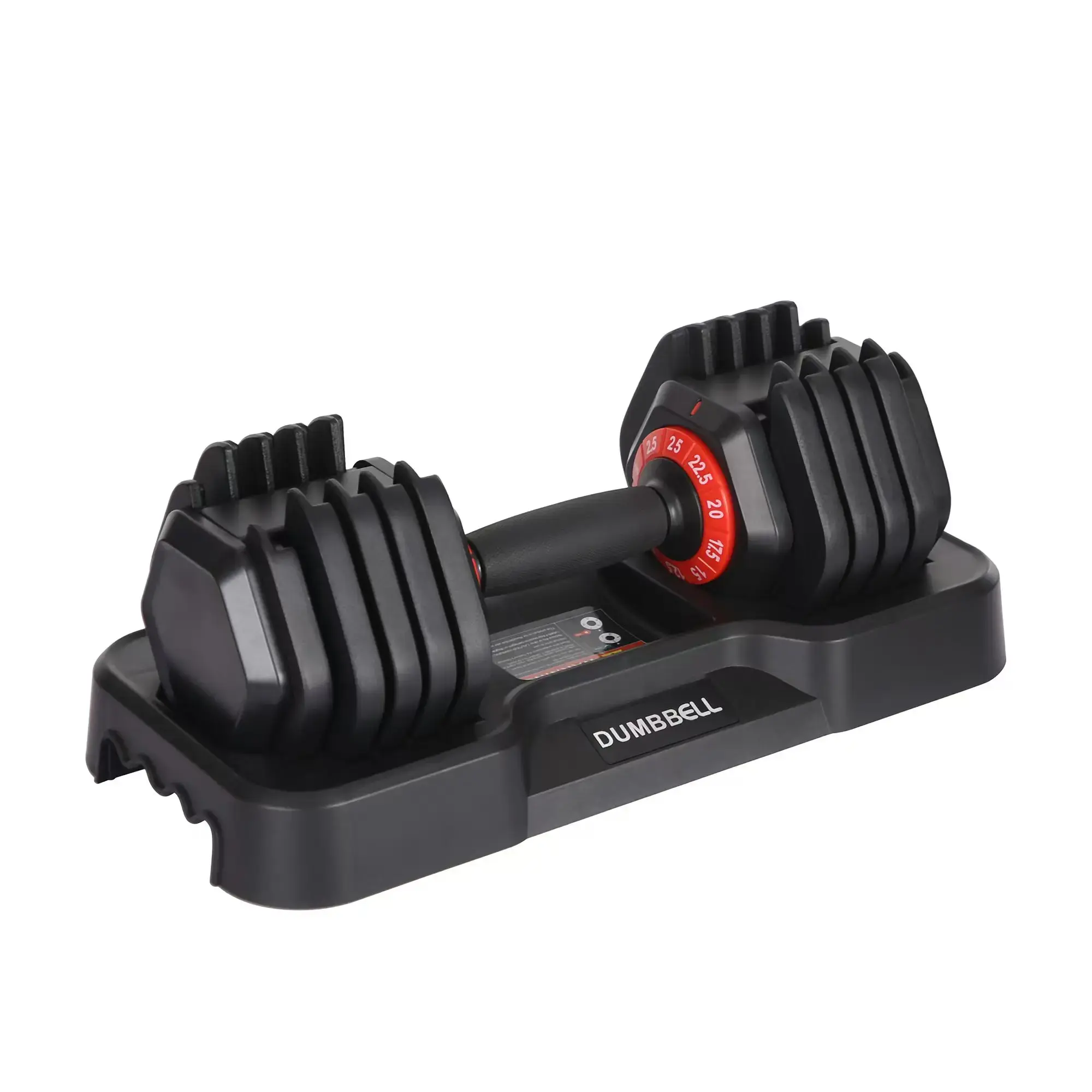

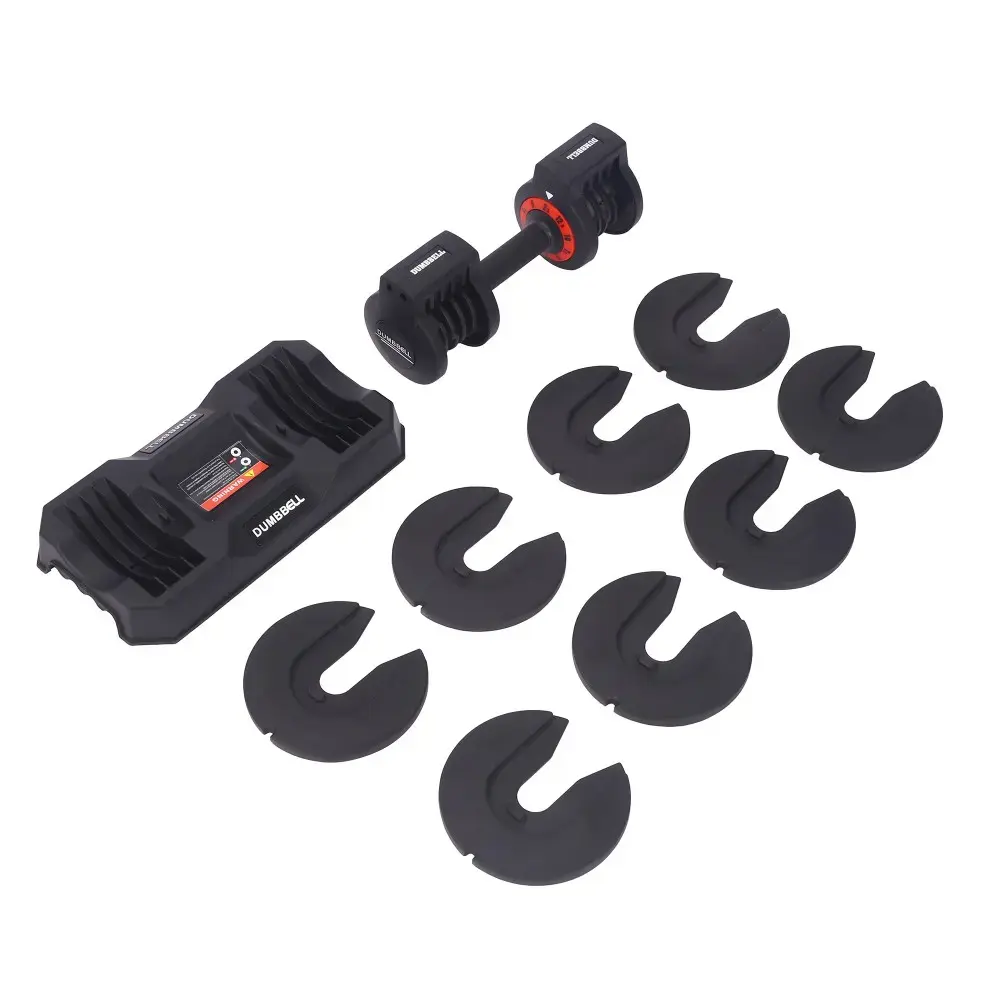
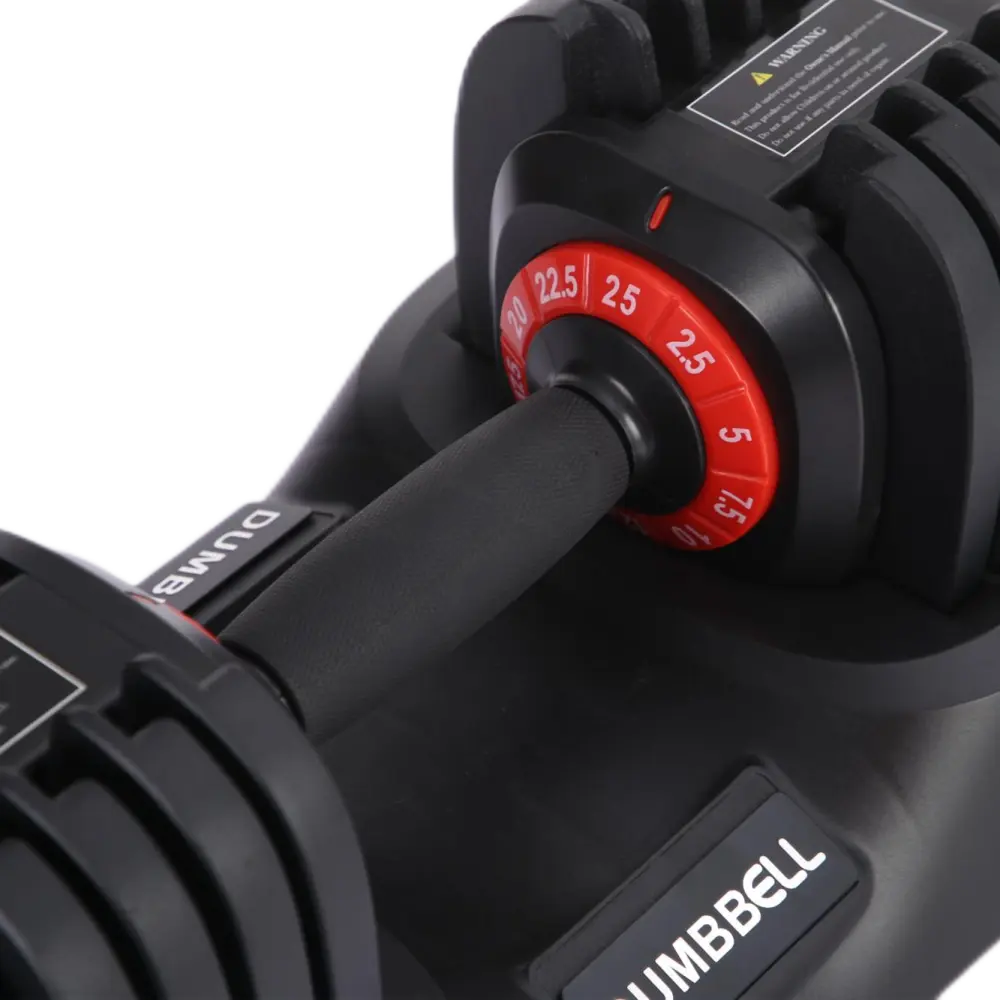
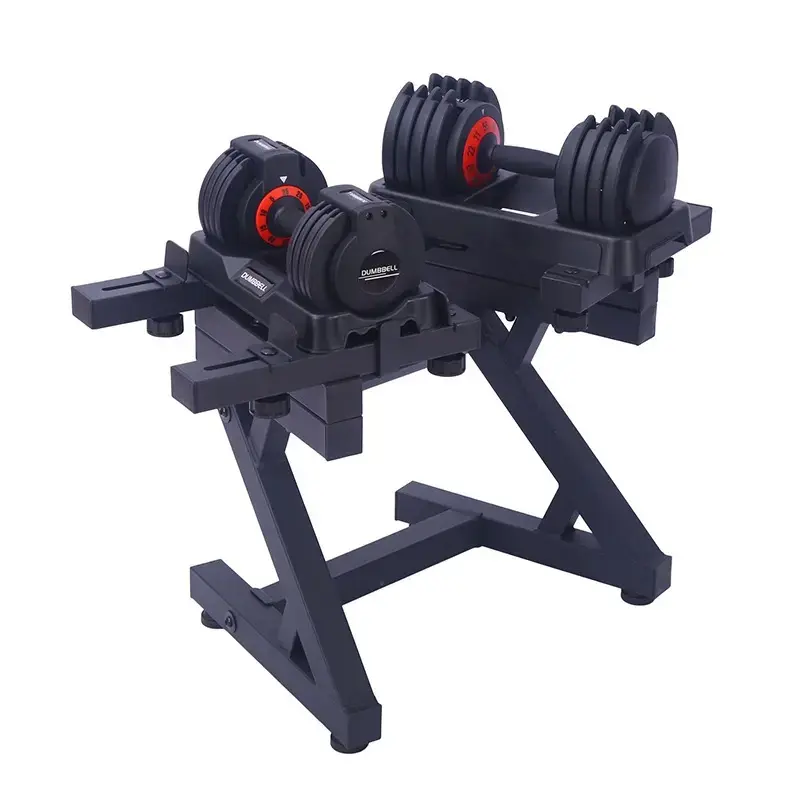
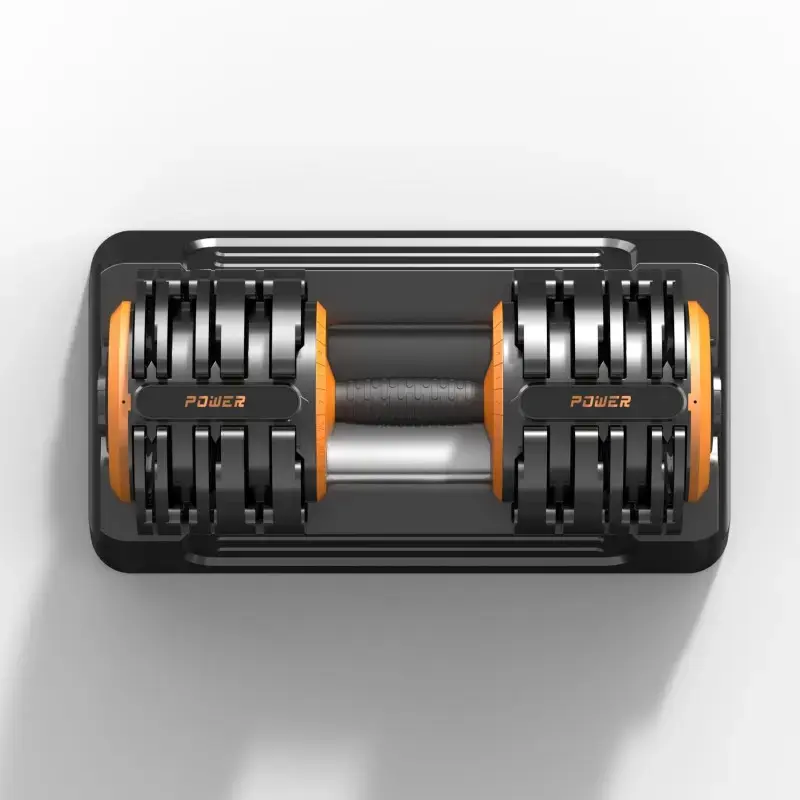
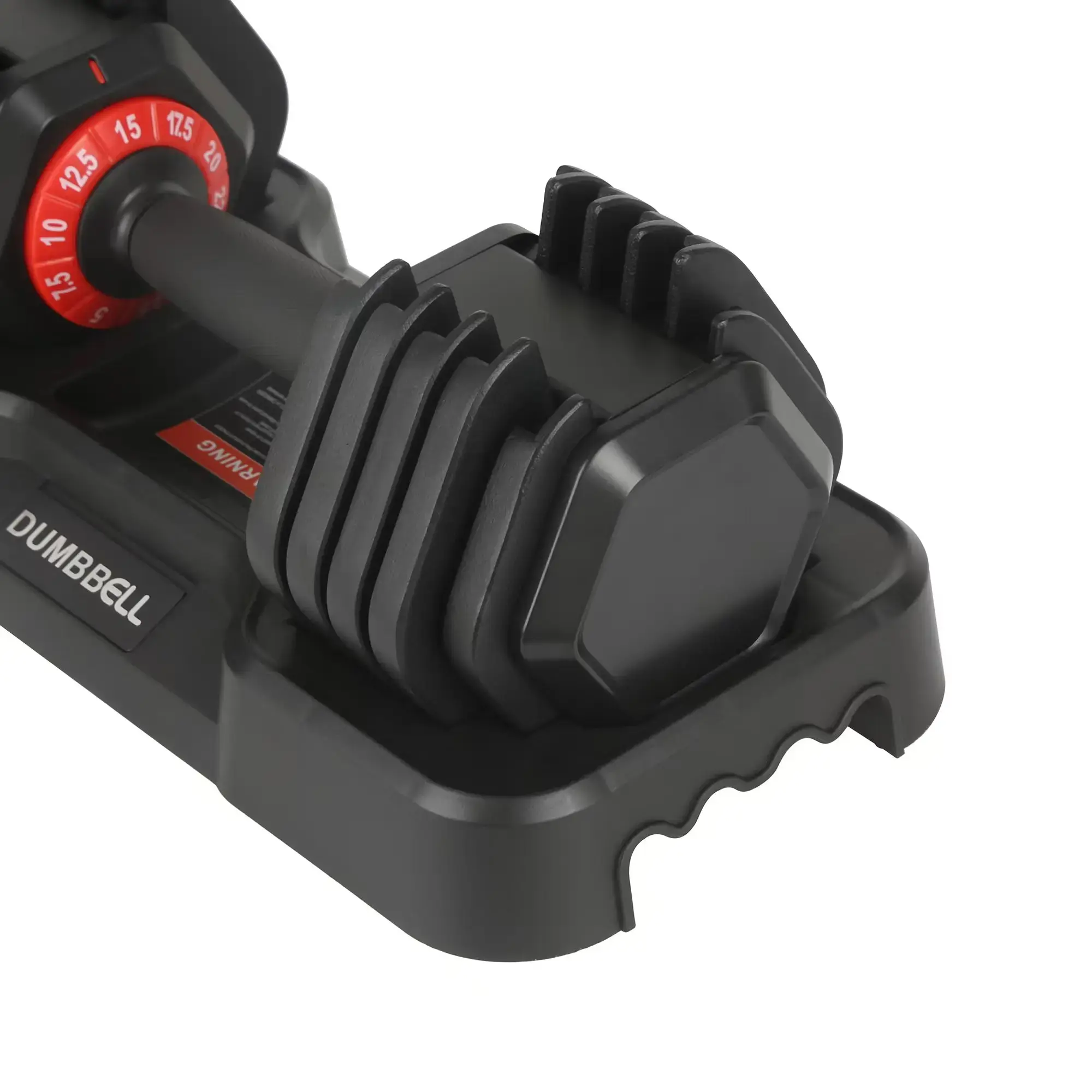
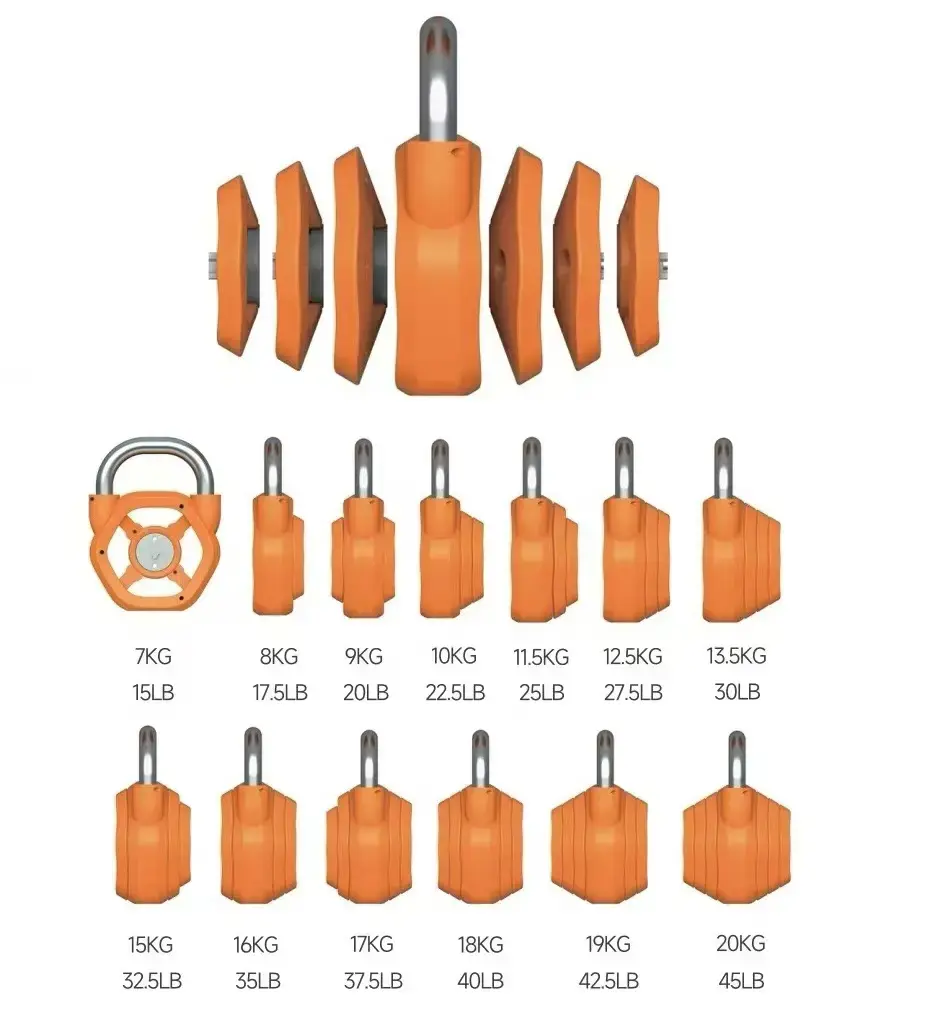
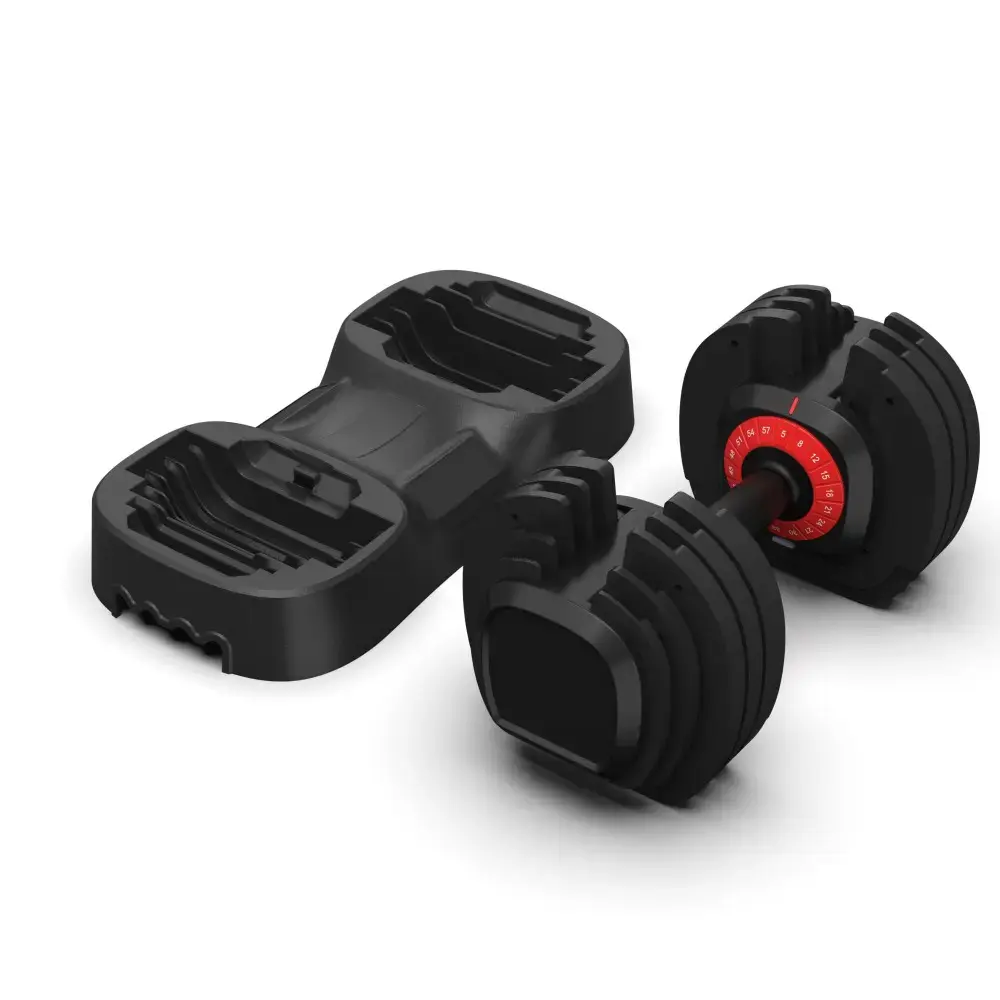

What is a 3-in-1 Dumbbell Kettlebell? Conversion Mechanism and Usage Precautions
What is a 3-in-1 Dumbbell Kettlebell? Conversion Mechanism and Usage Precautions
Opening Introduction:
Have you ever faced this dilemma? Warehouse inventory pressures mount as you strive to stock a full range of strength training equipment—dumbbells, kettlebells, barbell plates—while worrying about slow-moving models tying up capital and space. For gym operators or fitness equipment wholesalers, persistently high procurement and management costs remain a constant headache. For home gym enthusiasts with limited space, achieving the most comprehensive workout with minimal equipment is equally challenging. Today, we delve into a highly efficient, integrated solution—the 3-in-1 dumbbell kettlebell. By the end of this article, you'll gain a thorough understanding of its design principles and unique advantages, while mastering key selection and usage tips. Whether aiming to reduce procurement costs and boost efficiency or enhance end-user fitness experiences, you'll uncover tangible value. Let's start with its core concept.
I. What Exactly Is a 3-in-1 Dumbbell Kettlebell? More Than Just a Conceptual Overlay
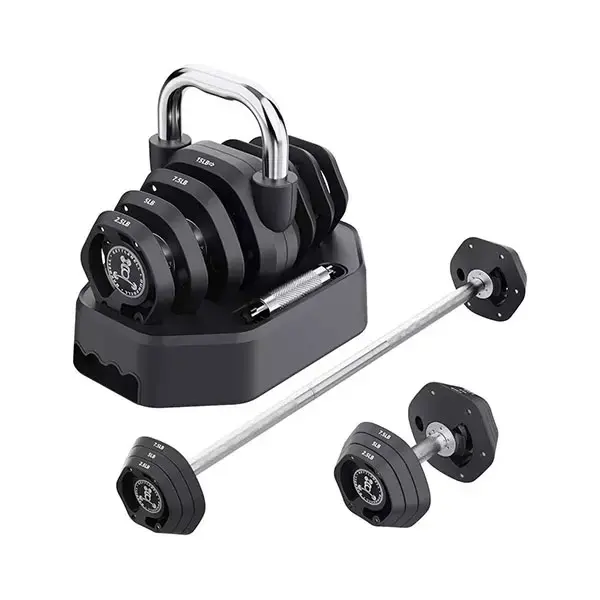
Simply put, the 3-in-1 dumbbell kettlebell is a convertible training tool that ingeniously combines the functions of traditional dumbbells, kettlebells, and barbell plates (or a small barbell) through clever mechanical or connecting structures. It is far from a simple “three-way” connector; its core value lies in achieving multi-purpose functionality through modular design.
Picture this scenario: A home user performs dumbbell curls and shoulder presses in the morning. By noon, they disassemble some components and attach curved handles, instantly transforming it into a standard kettlebell for swings. Come evening, if they want to add weight for squats, they can quickly assemble a pair of simple barbell plates to load onto the short bar. The entire process requires no specialized tools, with conversion typically taking under one minute. For boutique gyms or hotel fitness centers, this means purchasing only 60% of the dumbbells and kettlebells originally needed to meet members' training demands, significantly boosting space utilization and return on investment.
Industry Case Reference: Analysis of procurement data from multiple European small-to-medium gyms shows that adopting such convertible equipment reduces initial strength training zone equipment costs by an average of 15%-20%, while increasing equipment utilization rates by nearly 30%. A real-world example: A German community gym replaced 30 sets of standalone dumbbells and 15 standalone kettlebells with 20 sets of 3-in-1 equipment during an upgrade, freeing up nearly 5 square meters of space for a functional training zone.
Common user concerns: Could this conversion compromise stability and pose safety risks? This is indeed the primary concern for both purchasers and end-users. Responsible manufacturers address this through connection design. Two mainstream solutions exist: high-strength threaded fasteners with locknuts, or quick-release pin locking mechanisms. Both must undergo rigorous dynamic load testing (typically requiring static loads exceeding 1.5 times the rated weight and thousands of fatigue cycles). When purchasing, always request corresponding third-party test reports from suppliers.
II. Deconstructing Core Conversion Principles: Balancing Safety and Convenience
Having understood “what it is,” we now delve into its “heart”—the conversion principle. Its design philosophy maximizes user convenience while ensuring absolute safety.
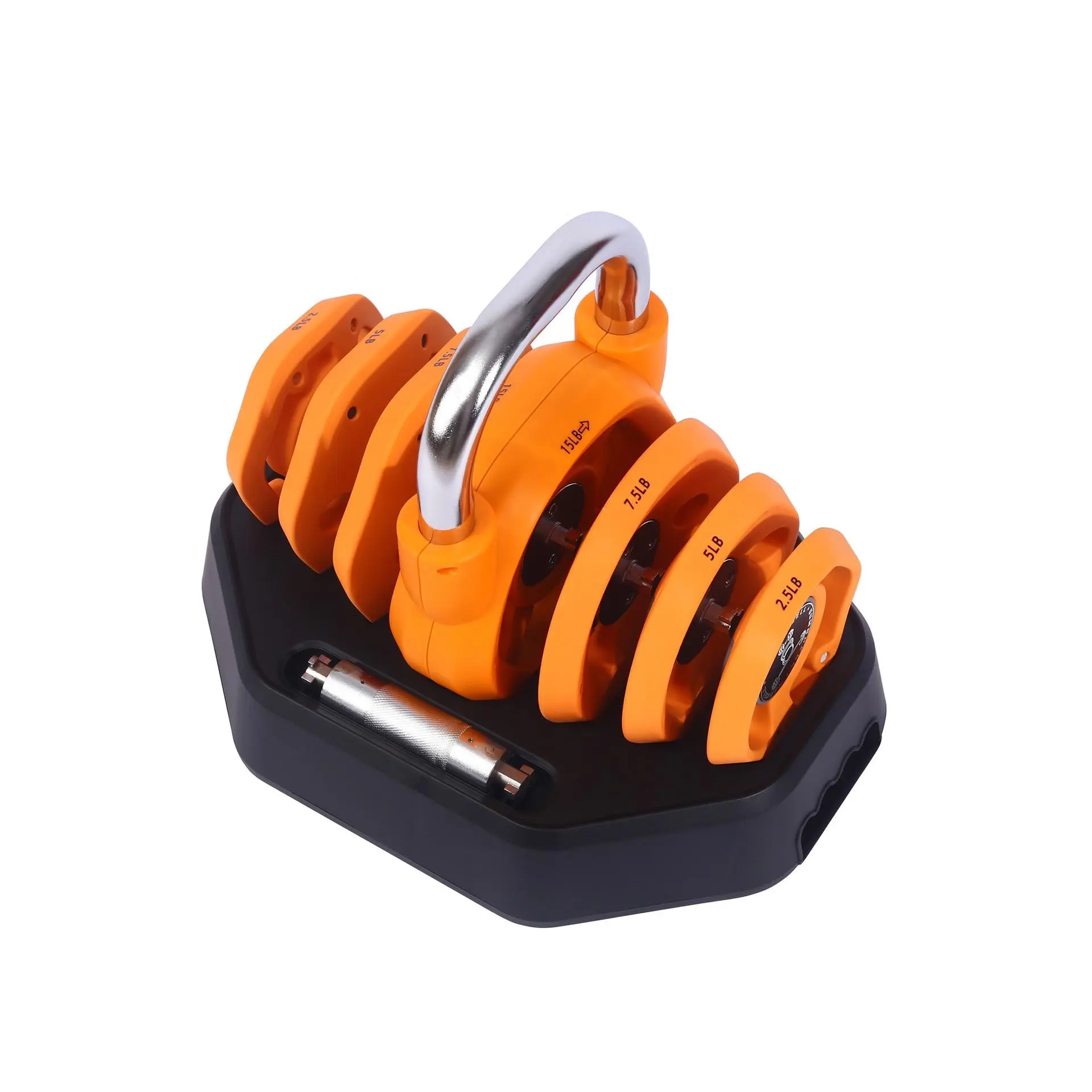
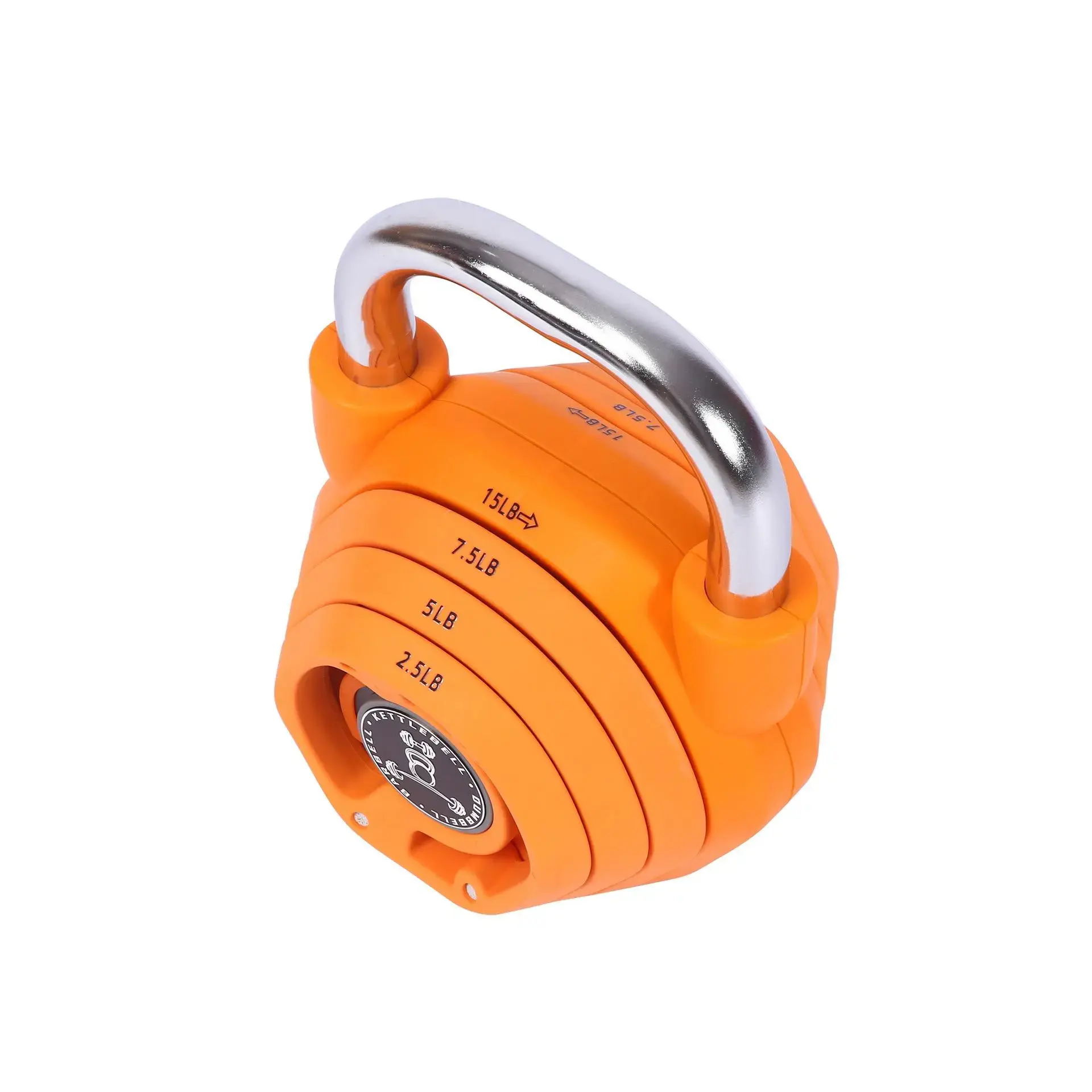
1. Core Connection System: The prevailing conversion system on the market features a “central shaft + removable end caps” design. A robust metal shaft runs through the main weight block, with large hex screws or patented quick-lock knobs securing different handle attachments at either end. When fitted with straight handles, it functions as a standard dumbbell; when equipped with curved arched handles and adjusted for grip balance, it transforms into a kettlebell; When all handles are removed, leaving only the center column and weight block, it can be used directly as a barbell plate or loaded onto short or long bars via dedicated adapters.
2. Materials and Craftsmanship Are Key: The stability and durability of the conversion directly depend on materials and manufacturing processes. The main weight block typically uses rubber-coated cast iron or pure cast iron with electroplating. Its internal structure must be integrally cast to avoid low-cost fillers. The steel at handle connection points requires at least 45 steel grade and must undergo quenching and tempering heat treatment to withstand repeated shear forces and impacts. Inferior products often cut corners here, leading to wobbling or even stripped threads after prolonged use.
Common User Questions: What if parts wear loose after repeated conversions? High-quality 3-in-1 products incorporate redundancy in this area. For instance, nylon lock rings or spring washers are added at threaded connections; quick-release pin mechanisms use precision bearing steel balls and hardened bushings to ensure tight locking even after tens of thousands of insertions/removals. Premium brands may even offer lifetime warranties on critical connection components. For buyers, during factory inspections or sample reviews, prioritize testing the smoothness of repeated disassembly/assembly and the play after locking.
III. How to Use and Maintain Correctly? Extend Lifespan, Avoid Disputes
Even the best products require proper use and maintenance. For B2B clients, clearly communicating usage guidelines to end-users significantly reduces after-sales disputes and damage rates.
1. Standard Conversion Process:
• Preparation: Ensure equipment is placed on a level, firm surface (e.g., rubber mat) for conversion. Never operate on sofas or beds.
• Disassembly: Fully loosen the locking mechanism using the provided tool (if available). Pull the handle straight up vertically. Avoid tilting, shaking, or forcefully pulling.
• Installation: Align with the socket or threaded hole. Insert the new handle vertically. Ensure it is fully seated before tightening. For threaded handles, tighten to the specified torque (usually indicated by feel or markings). For quick-release handles, ensure a distinct “click” sound confirms secure locking.
• Pre-use Inspection: After each replacement and before use, grasp the handle with both hands and apply slight reverse pressure to check for abnormal wobbling or noises.
2. Daily Maintenance Essentials:
• Periodically (recommended monthly) inspect all fasteners for looseness.
• Clean rubber-coated surfaces with a damp cloth; avoid corrosive chemicals. Keep plated surfaces dry to prevent long-term sweat corrosion.
• When storing, neatly arrange components to prevent deformation of rubber parts or paint abrasion from random stacking.
Industry Application Case: A major US fitness equipment rental chain discovered that Convertible Dumbbells in their home-use lineup exhibited significantly lower damage rates than traditional fixed dumbbells. The key factor was providing users with clear, easy-to-follow instructional videos (accessible via QR codes) alongside the equipment, along with clear maintenance guidelines. This experience demonstrates how cross-border wholesalers can enhance value by proactively offering simple after-sales guides as a service.
IV. Procurement and Product Selection Guide: Maximizing Value for Your Customers
As a buyer or wholesaler, your choice of 3-in-1 product lines determines your market competitiveness. Beyond price, prioritize the following:
1. Define Target Markets and Certifications: For European exports, CE certification and RoHS compliance are essential thresholds; additional safety certifications like GS or TÜV are advantageous. For North American exports, focus on passing relevant ASTM standard tests. These certifications not only ensure safety but also serve as keys to breaking down market barriers.
2. Weight Range and Gradation: A comprehensive product line should span a reasonable spectrum from lightweight (e.g., 4kg/8lbs) to heavyweight (e.g., 32kg/70lbs), with weight increments aligned with mainstream training habits (e.g., 2kg/5lbs increments). Inquire if suppliers offer flexible kit configurations to accommodate diverse clientele like home users and gyms.
3. Details Reflect Quality:
• Grip Feel: Handle diameters should range between 28-32mm, featuring textured surfaces that are slip-resistant and non-abrasive.
• Noise Reduction & Floor Protection: Rubber coating thickness and material (high-elasticity, eco-friendly rubber) directly impact landing noise and floor protection—critical considerations for premium home markets and apartment gyms.
• Label Clarity: Weight markings must be clear and wear-resistant; laser engraving is preferable to spray painting.
Common User Questions: As a buyer, how can I verify supplier quality? Beyond requesting test reports, the most effective method is conducting “destructive” sampling tests. Randomly select samples and subject them to conversion cycle tests far exceeding standard cycles (e.g., 5,000 cycles), simulating drops at various angles to inspect structural integrity. Simultaneously, verify that internal materials match specifications.
FAQ (Frequently Asked Questions)
Q1: Is the 3-In-1 Kettlebell dumbbell truly more cost-effective than purchasing separate equipment?
From a total cost of ownership perspective, yes. It reduces equipment procurement costs by approximately 30%-50%, along with storage space and logistics expenses. For home users, a single investment meets most strength training needs; For commercial settings, it enhances space utilization and equipment usage frequency. However, per-unit weight cost may be slightly higher than traditional Cast Iron Dumbbells due to its more complex structure.
Q2: How is weight accuracy ensured?
Compliant manufacturers strictly adhere to ASTM or EN standards, typically maintaining weight tolerance within ±2% of the nominal value (e.g., a 20kg product weighs between 19.6kg and 20.4kg). Electroplated products achieve precision through casting mold accuracy, while rubber-coated models utilize precise internal balancing on the cast iron core. Request weight sampling reports from suppliers during procurement.
Q3: What are the future development trends for these products?
Future trends focus on “smart integration” and “material lightweighting.” Examples include embedding sensors within handles that connect via Bluetooth to apps for training data tracking, providing gyms with value-added management tools. Simultaneously, exploring higher-strength composite materials for non-critical structural components will further reduce overall weight and transportation costs.
Conclusion
The emergence of the 3-in-1 dumbbell kettlebell represents not only a product form innovation but also an efficient optimization of traditional strength training equipment procurement, usage, and management models. It precisely addresses the market's composite demands for space savings, cost control, and functional diversification. Whether you're a wholesaler seeking to diversify your product line to attract more B2B clients, a gym operator committed to delivering superior solutions for members, or a fitness enthusiast pursuing ultimate efficiency in home workouts, gaining a deep understanding of the 3-in-1 Dumbbell Kettlebell's design logic and usage essentials will empower you to make smarter decisions.
Meta Description: Discover how the 3-in-1 Dumbbell Kettlebell ingeniously integrates dumbbell, kettlebell, and barbell plate functions to reduce procurement costs and maximize space utilization for buyers, while delivering an all-in-one home fitness solution for end-users. This article details its conversion mechanism, safety guidelines, and industry selection criteria to empower informed purchasing decisions.
Keywords: 3-in-1 dumbbell kettlebell, convertible dumbbell, multi-functional fitness equipment, gym procurement, home strength training