

Adjustable dumbbell strength factory
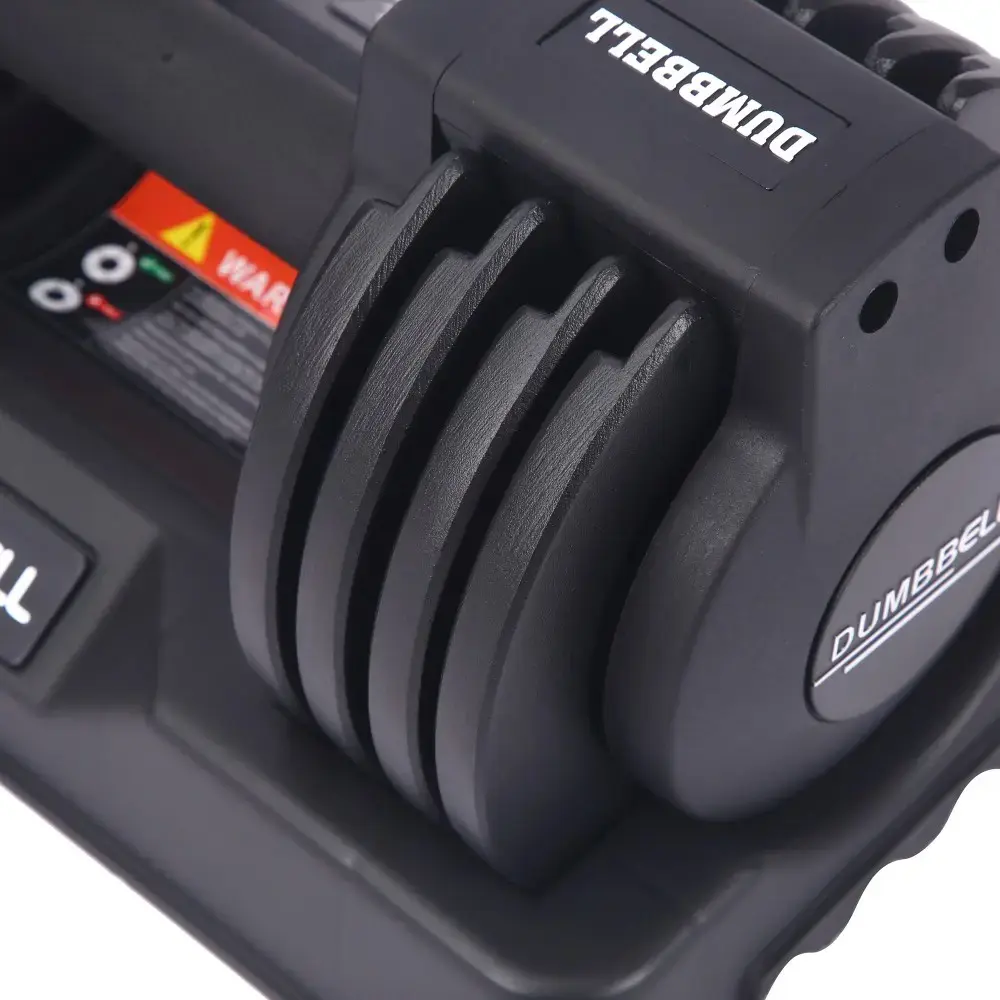

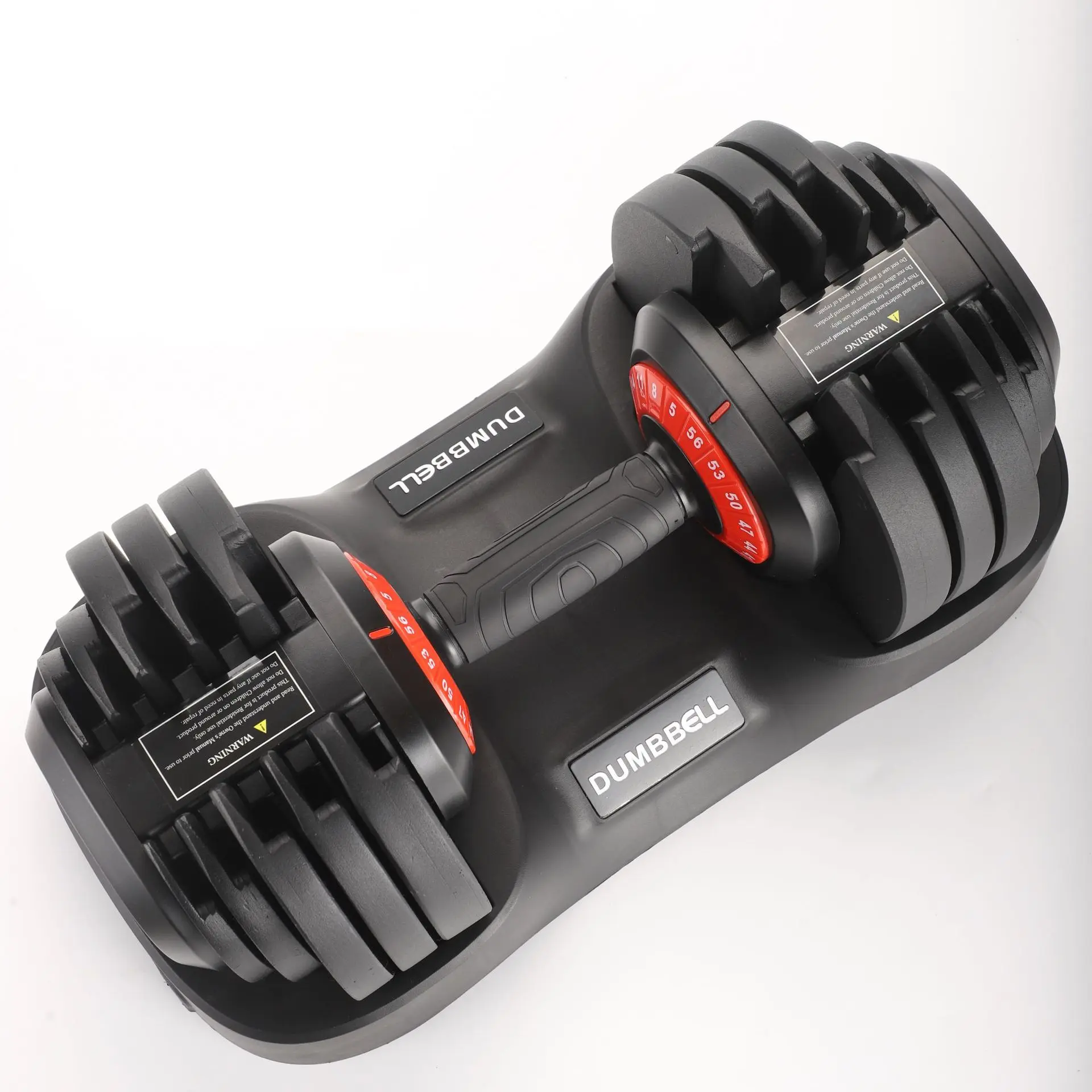
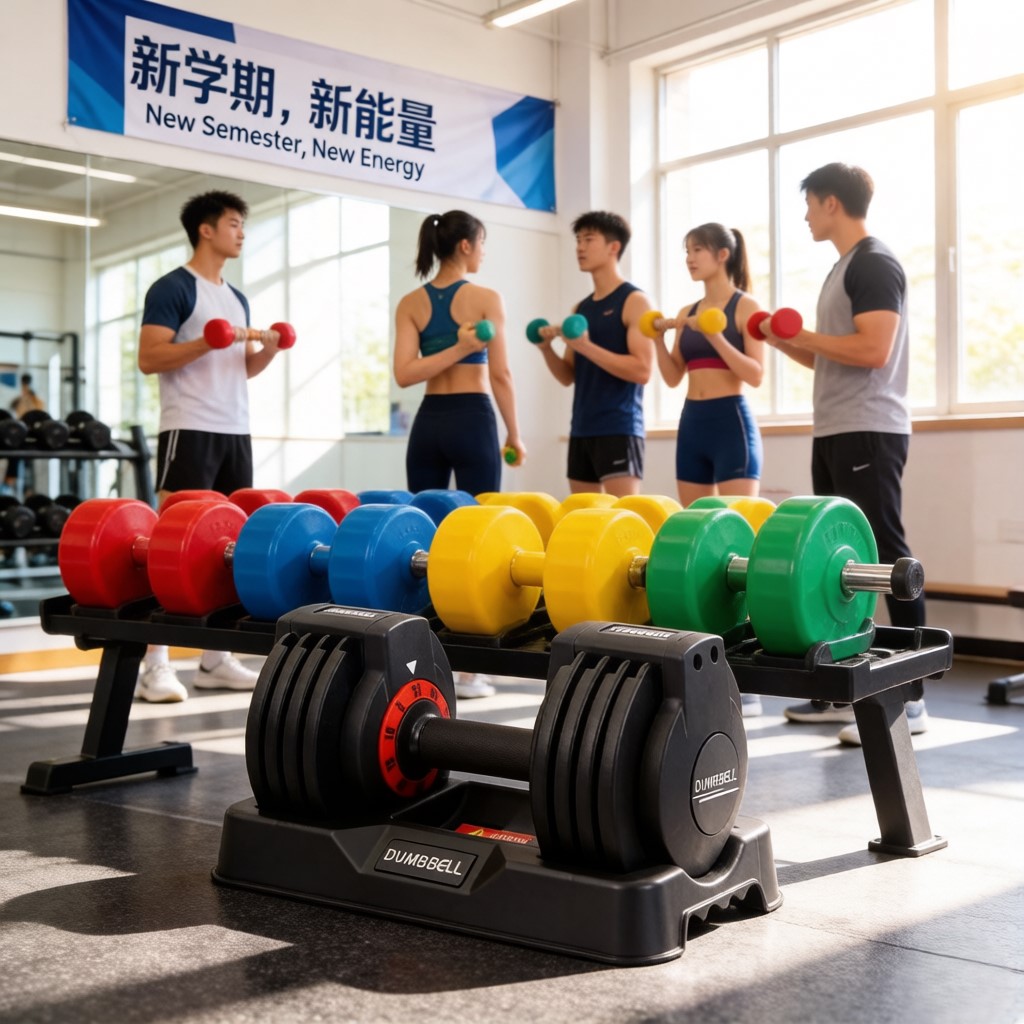

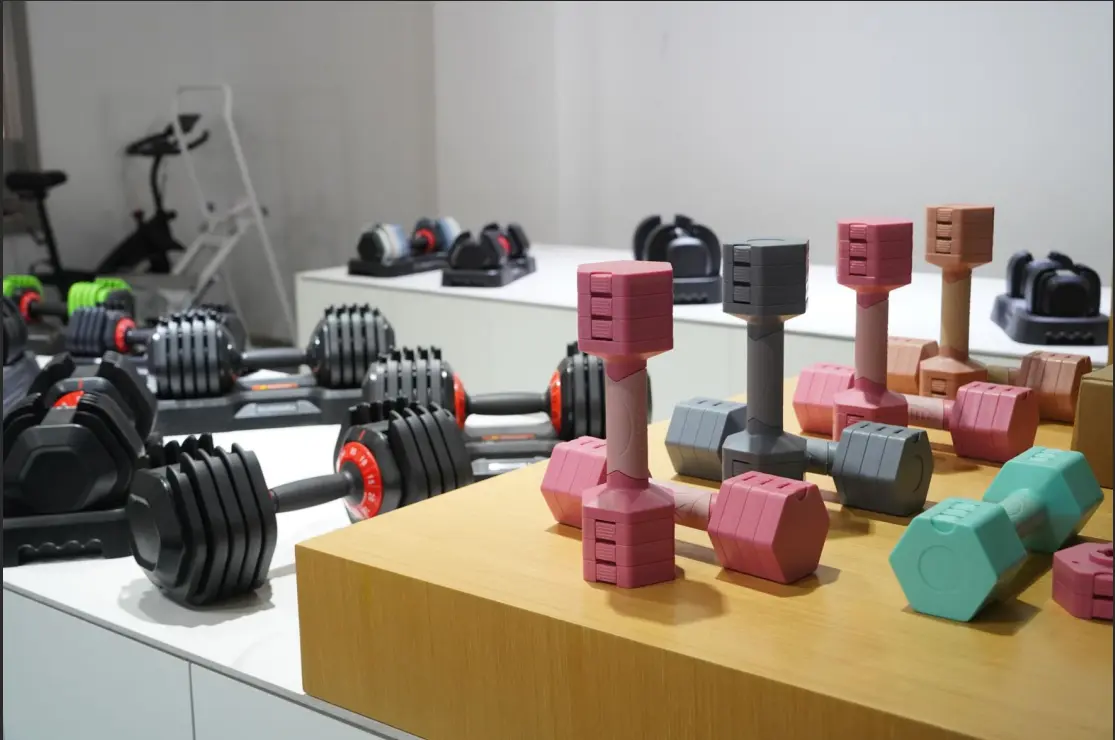
Which dumbbell handle material is best for beginners?
Which dumbbell handle material is best for beginners?
For beginners, choosing the right adjustable dumbbell often focuses on parameters like the weight adjustment range and overall weight, but it's easy to overlook a crucial detail: the handle material. The handle, as the part of the dumbbell that directly contacts your hand, not only affects comfort and safety during exercise but also its long-term durability, potentially impacting your training adherence. This blog will analyze the pros and cons of different dumbbell handle materials based on the practical needs of beginners to help you find the best fit.
First, clarify: Three key requirements for beginners when choosing a handle material
Before comparing materials, we need to understand the core pain points beginners face when using dumbbells. After all, a material suitable for experienced users may not be suitable for beginners.
. Anti-slip: Beginners struggle with power generation, so "no slipping" is the bottom line.
When beginners first start training, their control over the movements is weak, leading to inaccurate force. Coupled with their initial hand strength, they often struggle to hold the dumbbells. This is especially true when performing exercises that require full-body coordination, such as squats and deadlifts. A slipping handle not only interrupts the workout but can also cause the dumbbell to fall, potentially injuring the wrist or leg. Therefore, anti-slip properties are a top consideration when choosing a handle material for beginners. This ensures a secure grip, even with sweaty palms, for a more secure workout.
2. Comfort: Avoiding "slip" ensures long-term training.
Beginners' hands are relatively delicate, and their muscles and joints haven't yet adapted to the weight and feel of the dumbbells. Handle materials that are too hard, have sharp edges, or have an inappropriately textured surface can easily cause blisters, red marks, and even wrist pain. This discomfort significantly detracts from the training experience. Many beginners abandon their fitness routines because they experience "three days of pain after one workout." Therefore, whether the handles are soft to the touch and conform to the curves of your hands is crucial to your long-term success.
3. Durability: Beginners don't need top-of-the-line equipment, but they do need to be durable.
As a beginner, you're likely still figuring out your training frequency and intensity, and your dumbbells are used in a variety of situations—you might train in the living room one day, on the balcony the next, and occasionally bump the floor. Therefore, the handle material doesn't need to be "luxury-grade," but it must be durable. For example, it should be resistant to minor bumps, not easily deform, and its surface texture should not fade after long-term use. This prevents damage to the handles shortly after purchase, preventing them from becoming obsolete and saving you the cost of replacing equipment.
Second. Comparison of Four Common Dumbbell Handle Materials: Which Should Beginners Choose?
Currently, there are four main types of materials for adjustable dumbbell handles on the market: rubber, foam, metal (mostly chrome-plated or stainless steel), and wood. We've analyzed the pros and cons of each dumbbell based on the three core needs of beginners, helping you quickly eliminate "dumping" and identify the "best" dumbbells.
1. Rubber Handles: A "safety net" for beginners, offering both slip resistance and comfort.
Advantages:
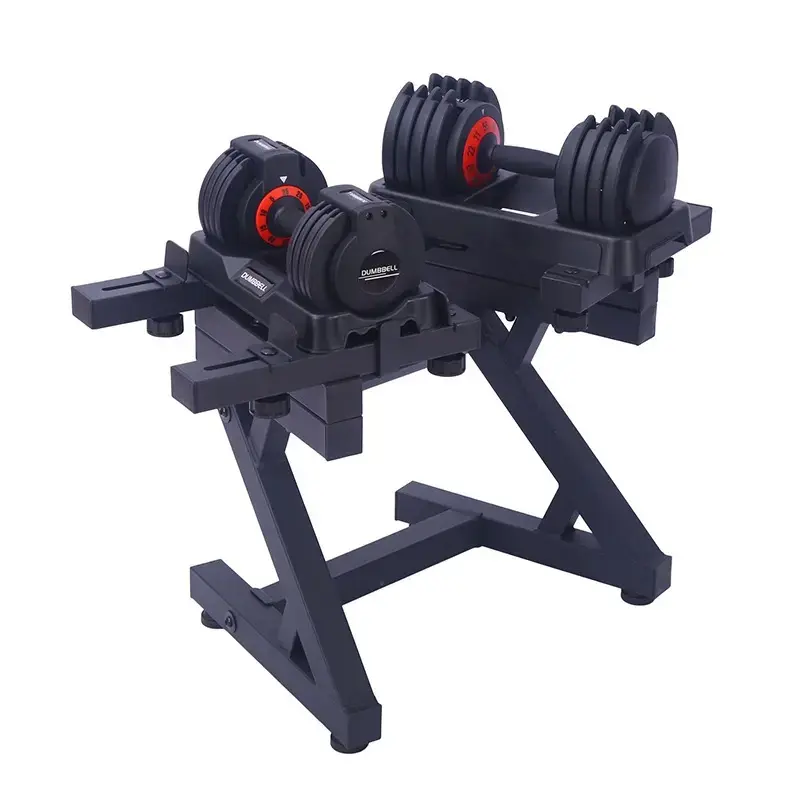
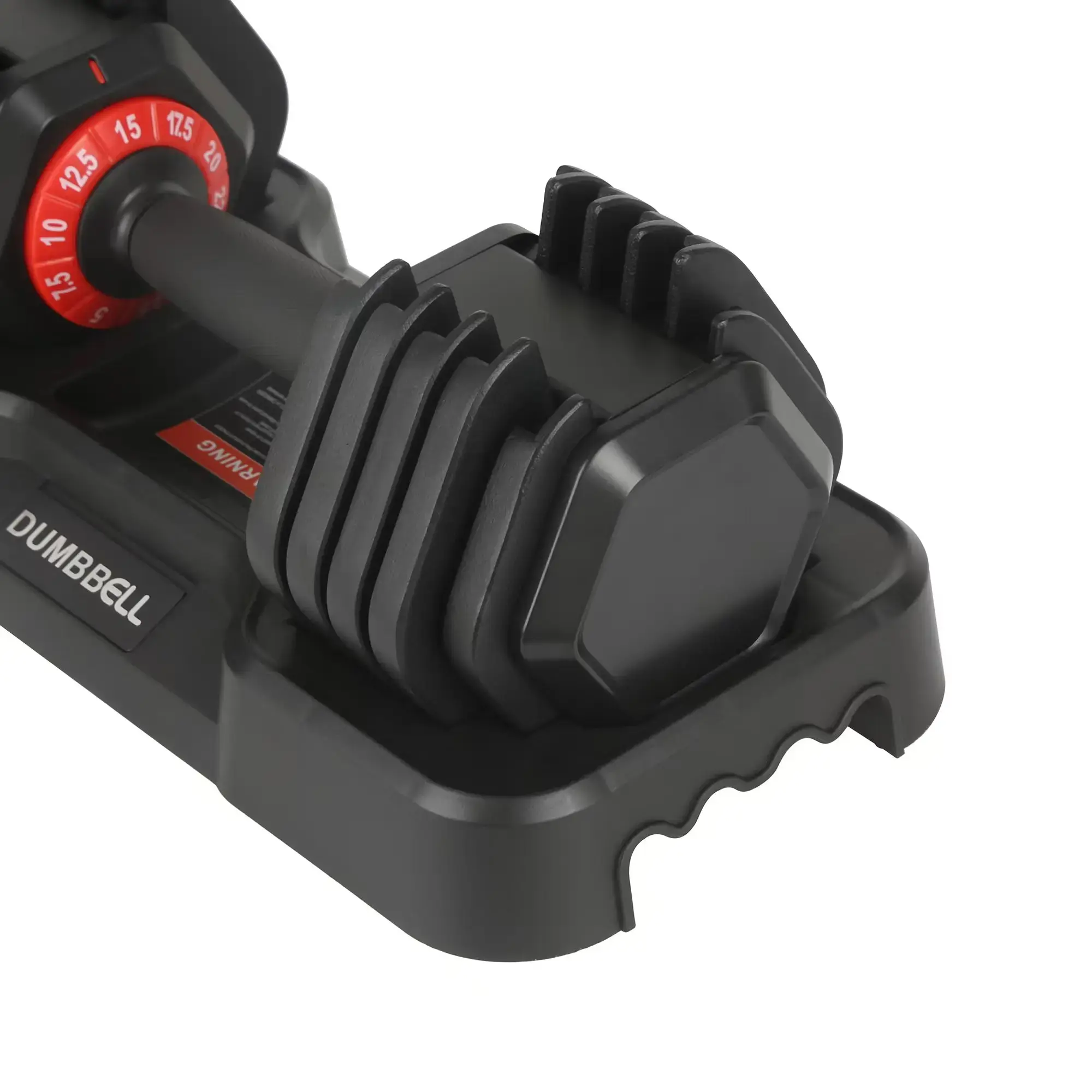
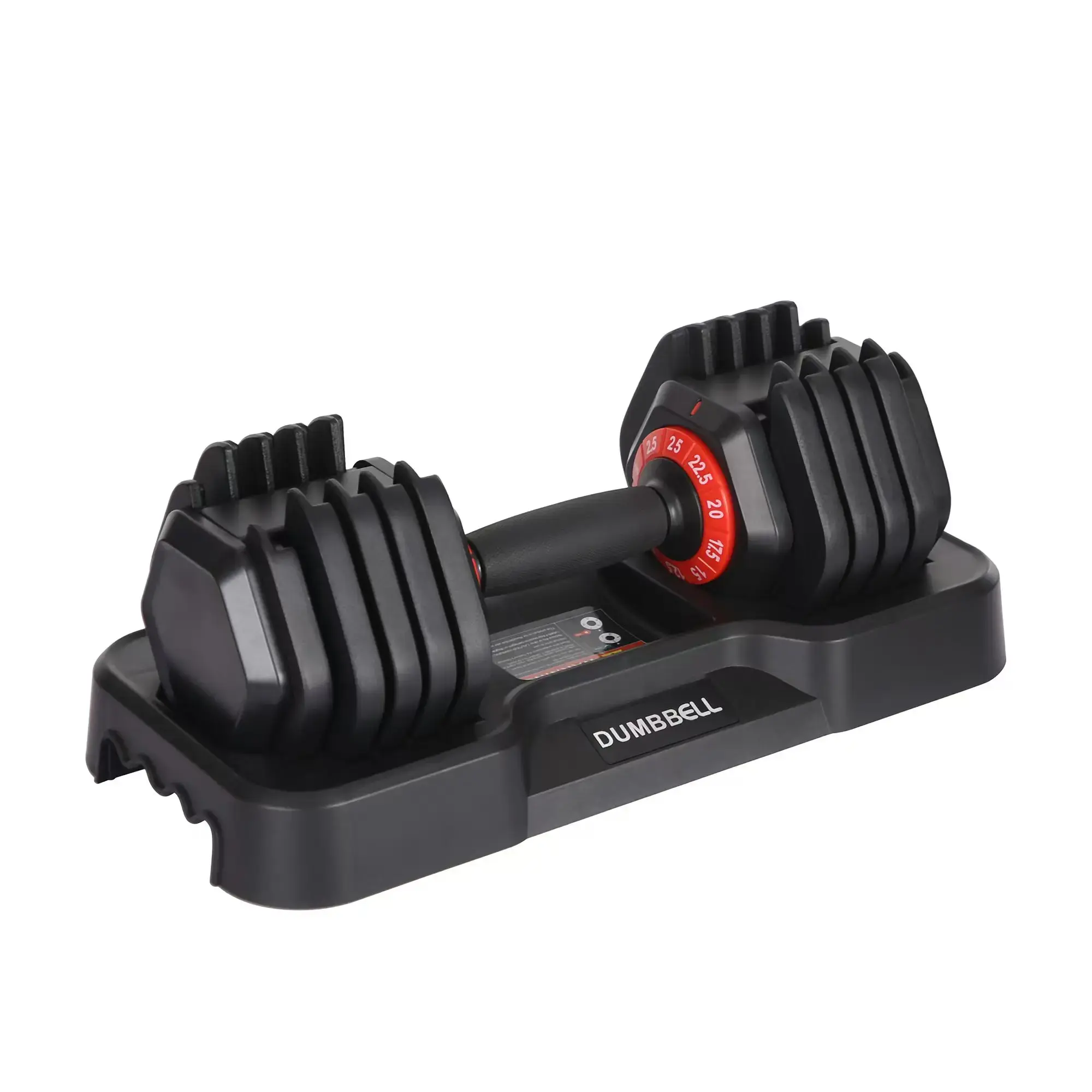
Extremely slip-resistant: Rubber inherently offers a certain degree of friction, especially "anti-slip rubber" (with a bumpy surface design). Even with sweaty palms, it holds firmly to your hands, virtually preventing slippage. For example, many Adjustable Dumbbells for home use feature diamond- or striped-pattern rubber handles, giving beginners a sense of security during exercises like bench presses and curls.
Comfort: Rubber's soft texture conforms to the curves of your hand better than metal or wood, providing a smooth grip without the harshness of harder materials. Even after training for over 30 minutes, your hands won't feel noticeably sore or bruised, making it ideal for beginners' delicate skin. Durable and durable: Rubber has a certain elasticity, providing cushioning against minor bumps to the floor or wall, preventing deformation or breakage. It's also waterproof and can be cleaned with a damp cloth after training. It also resists cracking or chipping with long-term use.
Disadvantages:
Slightly heavier: Compared to foam, rubber has a higher density, which slightly increases the overall weight of the dumbbells, but for beginners, this weight gain is negligible (typically, the weight gain per handle does not exceed 100g).
May become hard in cold temperatures: If you train in a northern winter (without heating), the rubber handles may become slightly harder, making the grip less comfortable, but they will return to their softer state once the temperature returns to normal.
Suitable for beginners:
If you train regularly for more than 30 minutes daily, have sweaty palms, and primarily perform strength-based exercises (such as curls, bench presses, and squats), rubber handles are your absolute "go-to" choice. They offer a combination of non-slip, comfort, and durability, with few significant drawbacks, making them the easiest choice for beginners.
2. Foam Handles: "Lightweight" is a boon for beginners, but be mindful of their slip resistance.
Advantages:
Extremely lightweight: Foam is a very low-density material, making the handles extremely lightweight and putting minimal strain on beginners' wrists. They're especially suitable for women or teenagers starting out with "light weight, high rep" training (e.g., arm toning with 2-5kg).
Soft Touch: Foam is softer than rubber, feeling like a sponge in the hand and completely comfortable, making it easy for even those with sensitive hands to adjust.
Disadvantages:
Poor slip resistance: Foam has far less friction than rubber, especially smooth foam (without a textured surface). Sweaty palms can easily cause the dumbbell to slip, making it less safe for exercises requiring height, such as squats and deadlifts. Poor durability and easy breakage: Foam is soft and easily scratched by sharp objects (such as fingernails and keys). It also tends to "collapse" (flatten the surface texture) after prolonged use, further reducing its slip resistance. Handles typically need to be replaced after 1-2 years.
Suitable for beginners:
If you're a complete beginner (new to dumbbells and only use weights under 2kg), primarily train small muscle groups in your hands (such as finger exercises and light wrist curls), and rarely sweat during training (for example, training in an air-conditioned room for less than 15 minutes), foam handles are a good option. However, if you train at a higher intensity or sweat easily, we recommend avoiding them.
3. Metal handles: For experienced users only, beginners should be cautious.
Advantages:
Extremely durable: Metal (especially chrome-plated or stainless steel) is highly durable and resistant to bumps and water. Even after 5 years of use, it won't deform or break, making it suitable for long-term, frequent training. Easy to Clean: The smooth surface allows for easy cleaning with a dry cloth after training, leaving no sweat or stains. Suitable for those with high hygiene requirements.
Disadvantages:
Poor Slip Resistance: The metal surface is smooth, and even with a small amount of texture, it can easily slip after sweating. This can easily cause a novice to lose their grip if they are unsteady in their grip, posing a high safety risk.
Poor Comfort: The metal is cold and hard, feeling like holding an ice cube in the winter and sticky in the summer after sweating. Furthermore, poorly finished edges can easily cause wrist soreness, making hand discomfort possible after just 10 minutes of training.
Suitable for Beginners:
Almost unsuitable for beginners. Metal handles are more suitable for experienced players with at least three years of training experience, strong hand strength, and precise movement control. Choosing these for beginners will not only compromise the training experience but also increase the risk of injury.
4. Wooden Handles: Attractive but Impractical, Beginners Beware
Pros:
Aesthetically Pleasing: Wooden handles (mostly walnut or beech) have a natural grain, giving them a vintage and refined feel, making them suitable for those who pursue a "home aesthetic" and use dumbbells as decorative items.
Warm Grip at Room Temperature: At room temperature (20-25°C), wooden handles feel better than metal and aren't too cold or sticky.
Disadvantages:
Poor Slip Resistance: Even with a polished surface, wooden handles offer far less friction than rubber, making them prone to slipping after sweating. Furthermore, prolonged contact with sweat will cause the wood to absorb moisture and deform, potentially leading to cracks on the surface, further reducing their slip resistance.
Difficult Maintenance: Regular maintenance with wood wax is required to prevent moisture and mold. Any contact with water or sweat must be wiped dry immediately, otherwise the lifespan will be shortened.
Suitable for Beginners:
Not recommended for beginners. Unless you prioritize aesthetics over practicality and train only once a week for 10 minutes or less, the slip resistance and maintenance difficulties of wooden handles will significantly diminish a beginner's training experience.
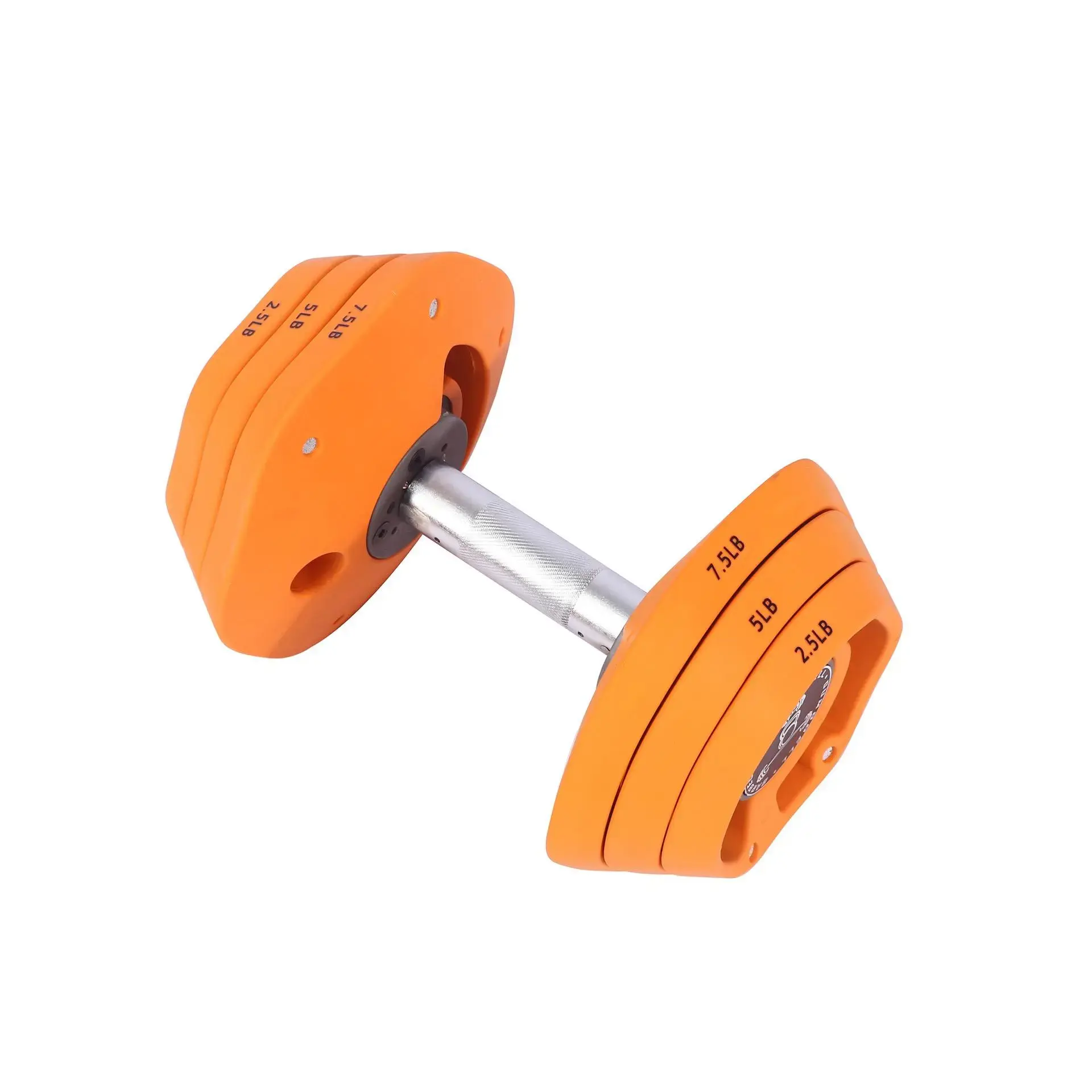
Third, Beginners Should Pay Attention to These Two Details When Choosing Adjustable Dumbbell Handles
Beyond the material itself, the handle's design details can also impact the user experience. Beginners should pay attention to these two points when choosing:
1. Handle Diameter: Thicker isn't always better; a handle that fits the palm of your hand is key.
Many beginners believe that thicker handles provide a more stable grip, but this isn't true. If the handle diameter is too thick (over 3.5cm), the smaller the beginner's palm, the more likely they are to spread their fingers wide when gripping. This can lead to hand muscle tension and wrist soreness after training. If the diameter is too thin (less than 2.5cm), the grip will be difficult to secure. It's recommended that beginners choose handles with a diameter of 2.8-3.2cm: This range allows most adults (with a palm length of 18-22cm) to grip comfortably. When the fingers naturally bend, they fit snugly into the handle's texture, reducing force and wrist strain.
2. Texture Design: "Deep and Uniform" is More Important Than "Complex and Beautiful"
The texture on the handle surface isn't about "the more complex, the less slip-resistant"; it should be "deep and uniform." For example, some dumbbells have "shallow relief" patterns, which look attractive but offer little in terms of slip resistance. Deep diamond patterns or "deep stripes" (with a texture depth of at least 0.3cm) provide a better grip for the fingers, allowing perspiration to escape through the gaps between the textures, maintaining slip resistance.
When choosing a dumbbell, feel the texture with your fingers: if you can clearly feel the "convex and concave" texture, and the texture is evenly distributed, with no "protruding spots" or "sharp edges," it indicates a good texture design.